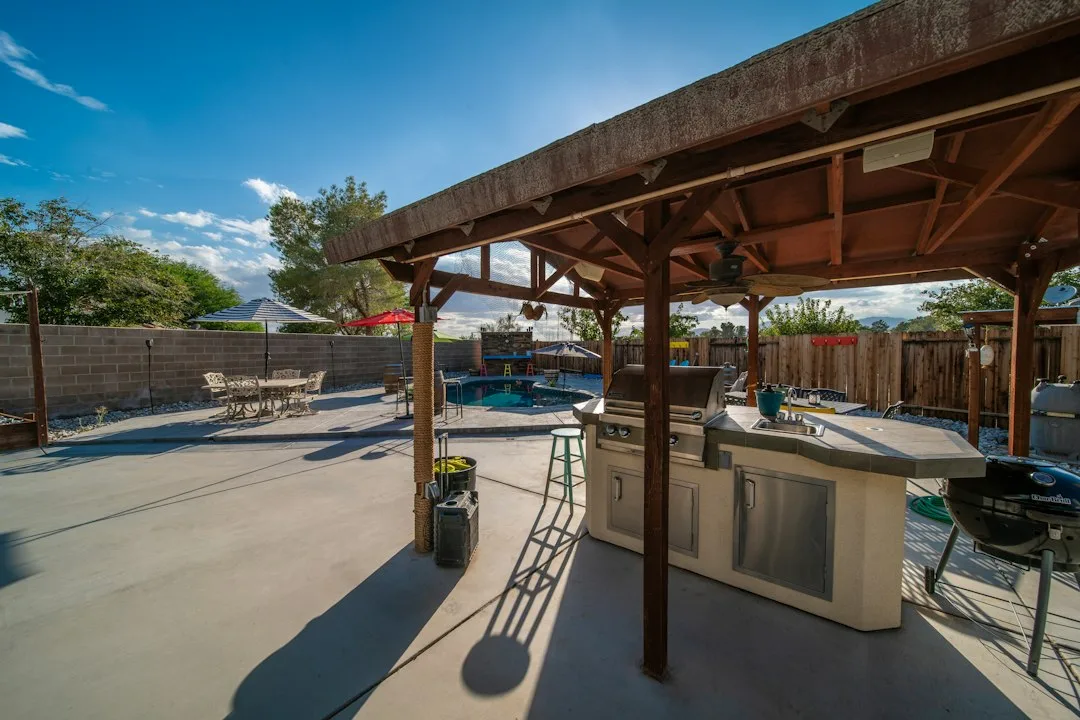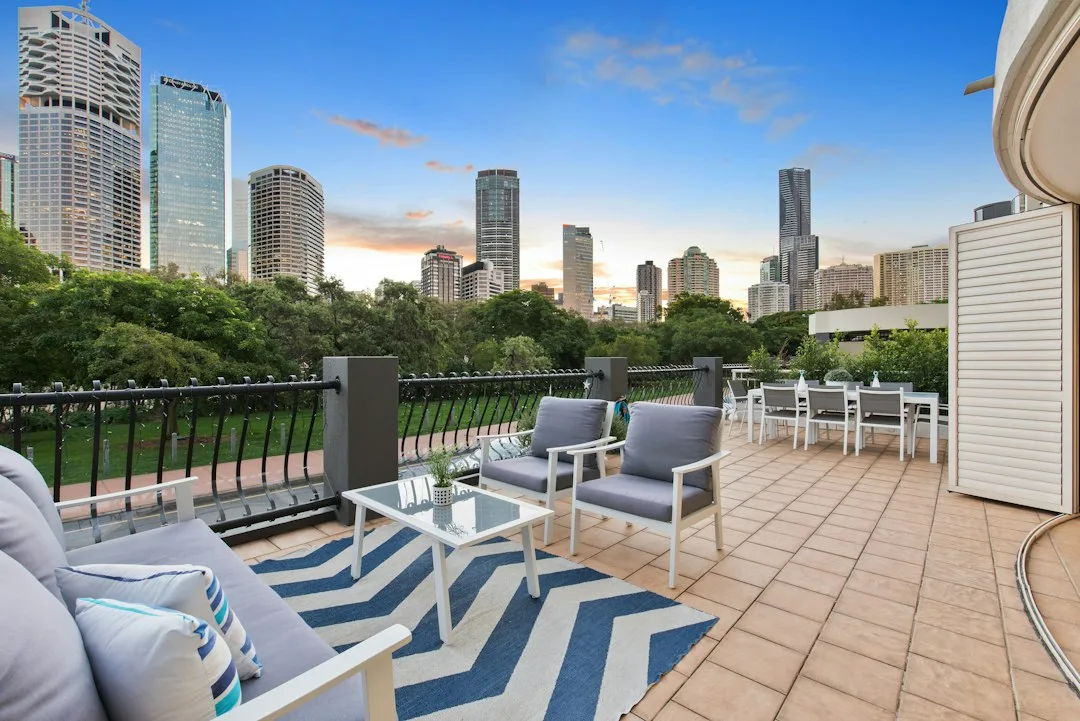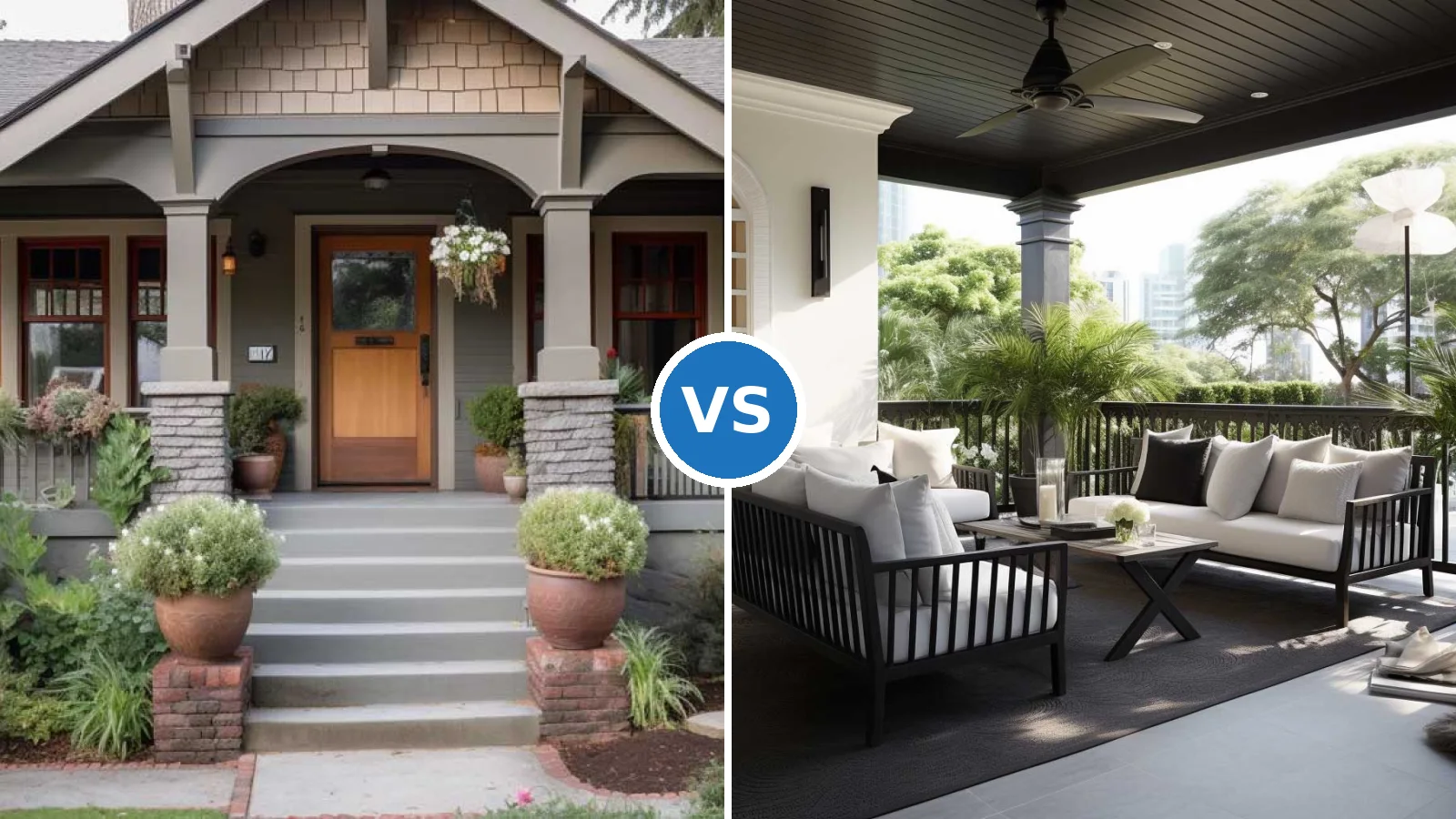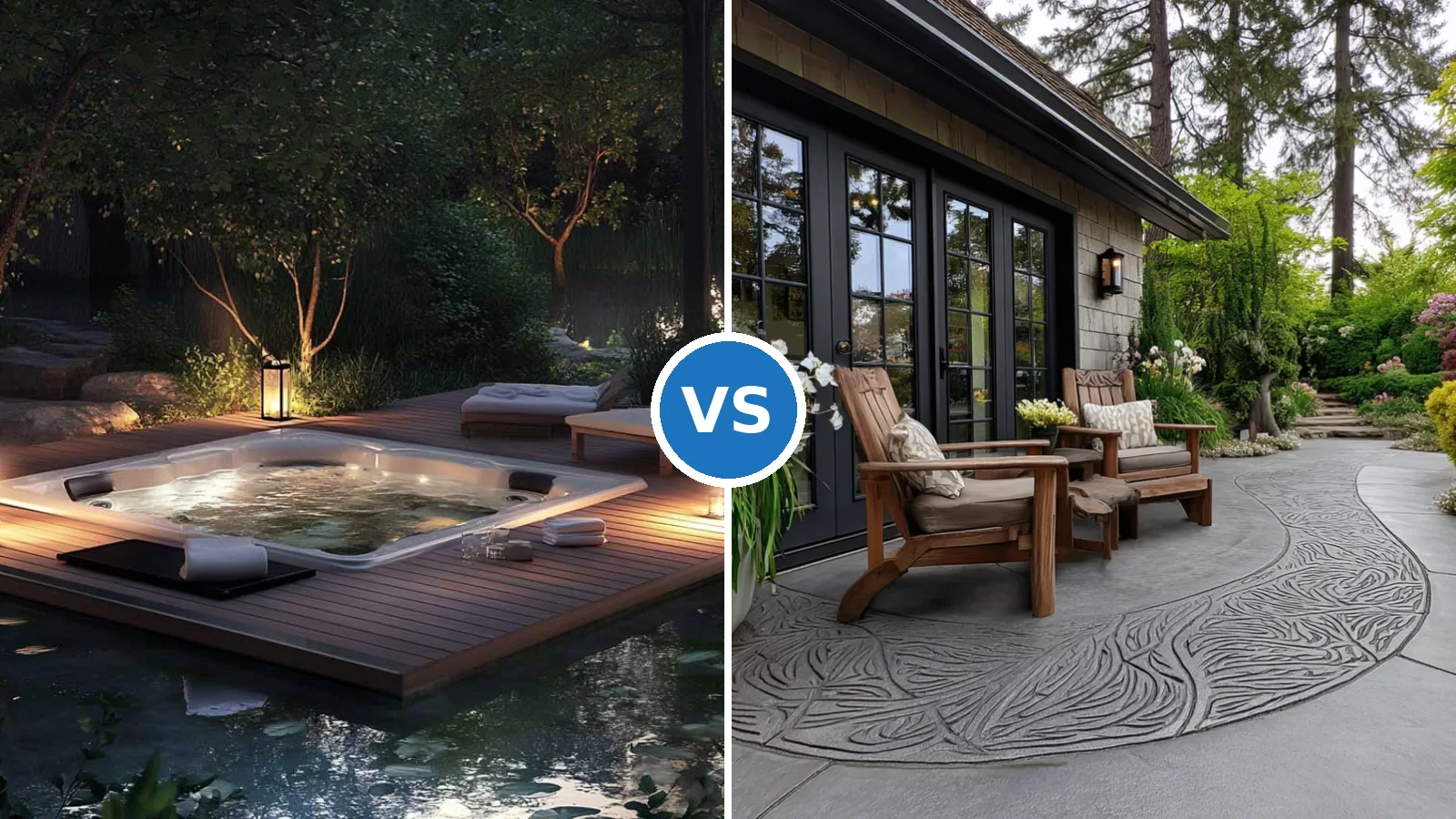
You’re ready to expand your backyard entertaining space, but a critical choice waits: do you install a floating deck vs concrete patio? One sits elevated on the ground with sleek, water-resistant boards. The other is a poured solid slab, often stamped or stained for pattern and color. Both can anchor a fire pit, hold a hot tub, or frame an outdoor kitchen—but their performance, appearance, and long-term costs tell very different stories.

What a floating deck and concrete patio actually are
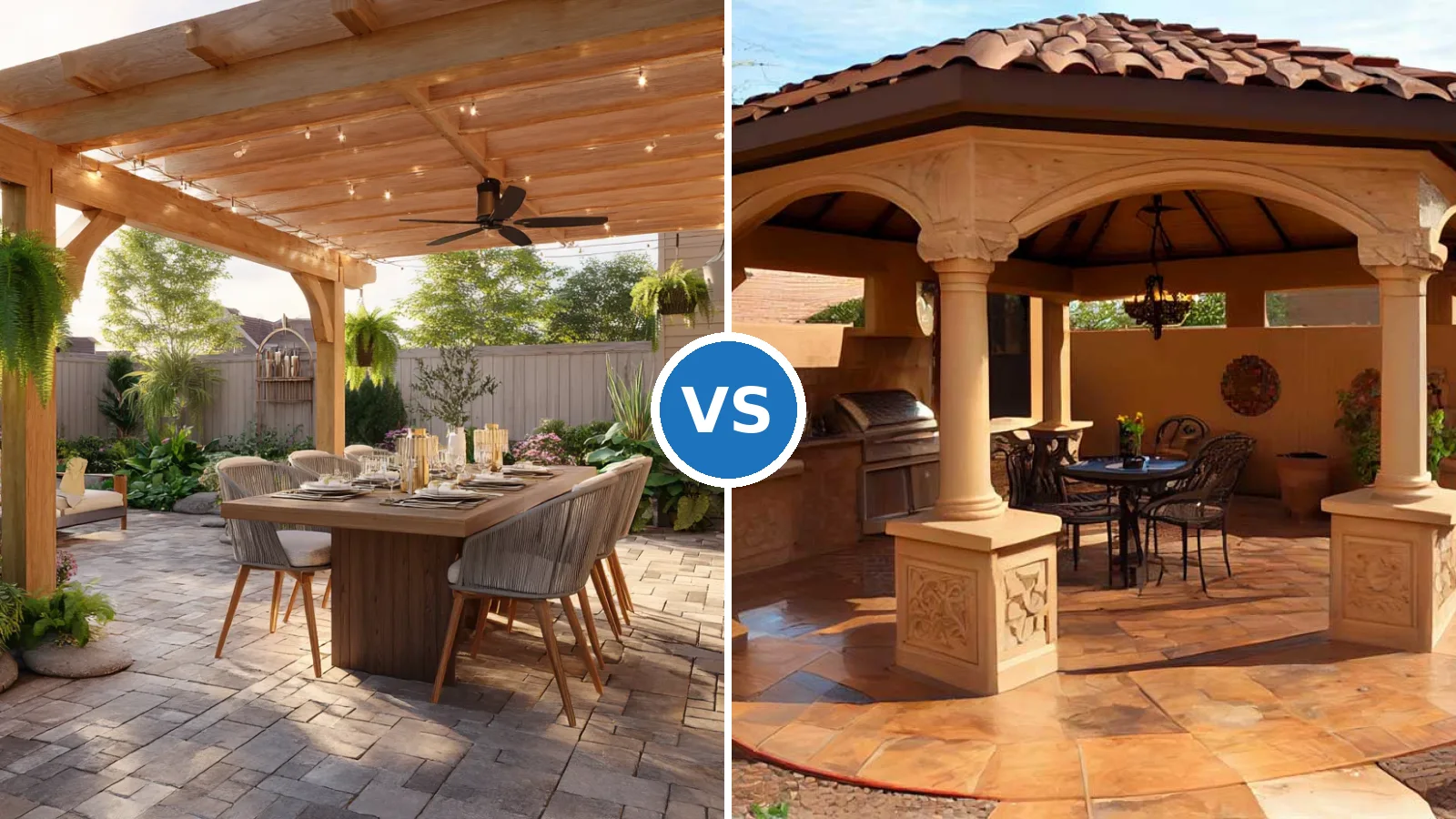
A floating deck made with PVC decking is a raised platform that sits on supports without being permanently attached to your home. PVC decking offers moisture and mold resistance, meaning it won’t soak up water, warp, or develop splinters even in humid climates. The material resists fading from sunlight and won’t crack from freeze-thaw cycles. Most floating deck designs use boards in neutral tones—grays, tans, blacks—that complement modern furniture and landscaping.
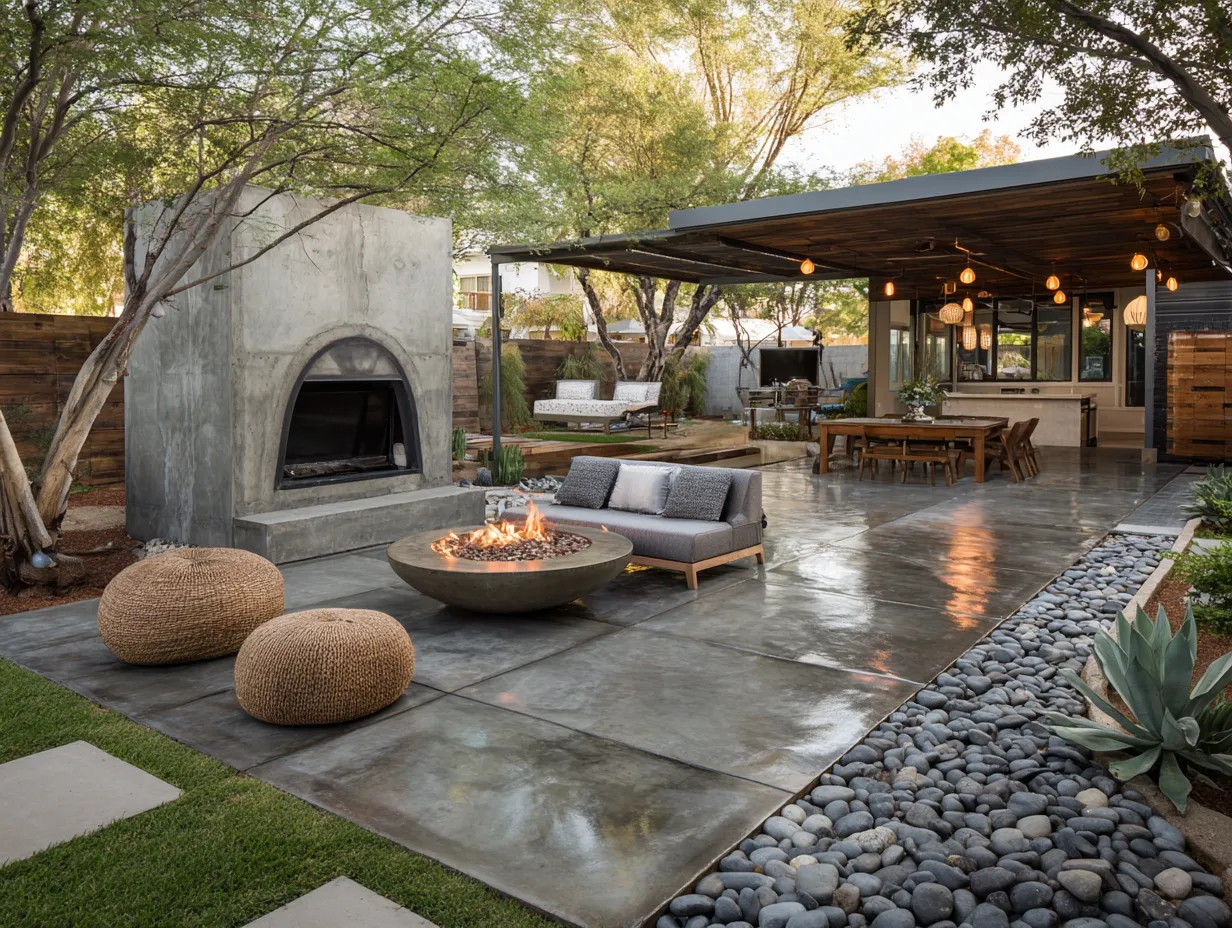
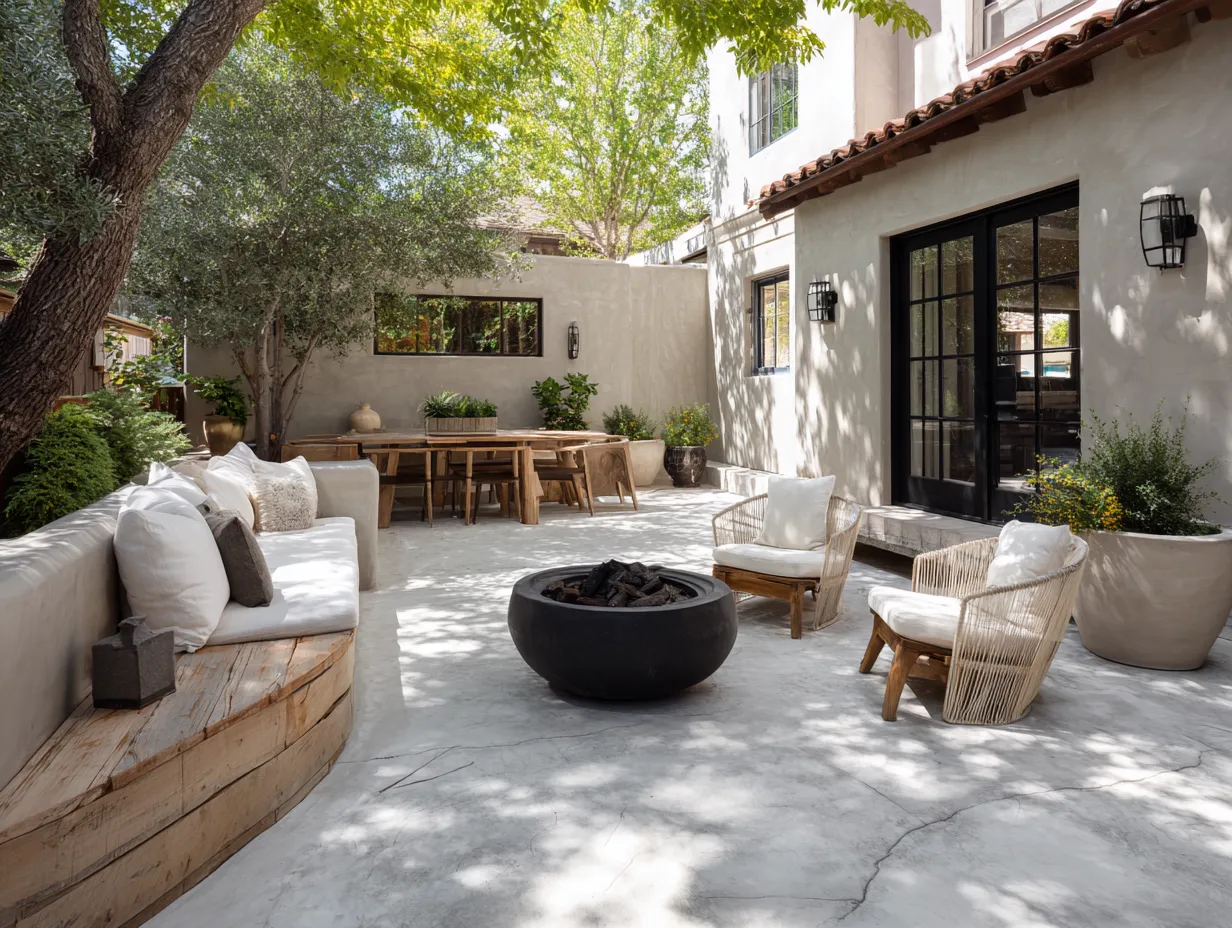
A concrete patio is an on-ground slab, typically 4 inches thick, poured directly onto a compacted gravel base. Concrete patios range from plain slabs to stamped designs that mimic stone or brick, and they can be colored with pigments or acid stains. A basic concrete slab costs roughly half the price of PVC decking installed, while decorative finishes (stamped patterns, polished surfaces) command higher prices but still undercut premium deck materials.
Quick Verdict
- Choose a floating deck if you want minimal maintenance, modern aesthetics, and don’t want to reseal every few years.
- Choose a concrete patio if you’re budget-conscious upfront, love pattern and color options, and are willing to maintain sealing schedules.
- Choose a floating deck if your yard has poor drainage or high moisture—PVC won’t absorb water.
- Choose a concrete patio if you prefer an on-grade surface that feels solid and permanent.
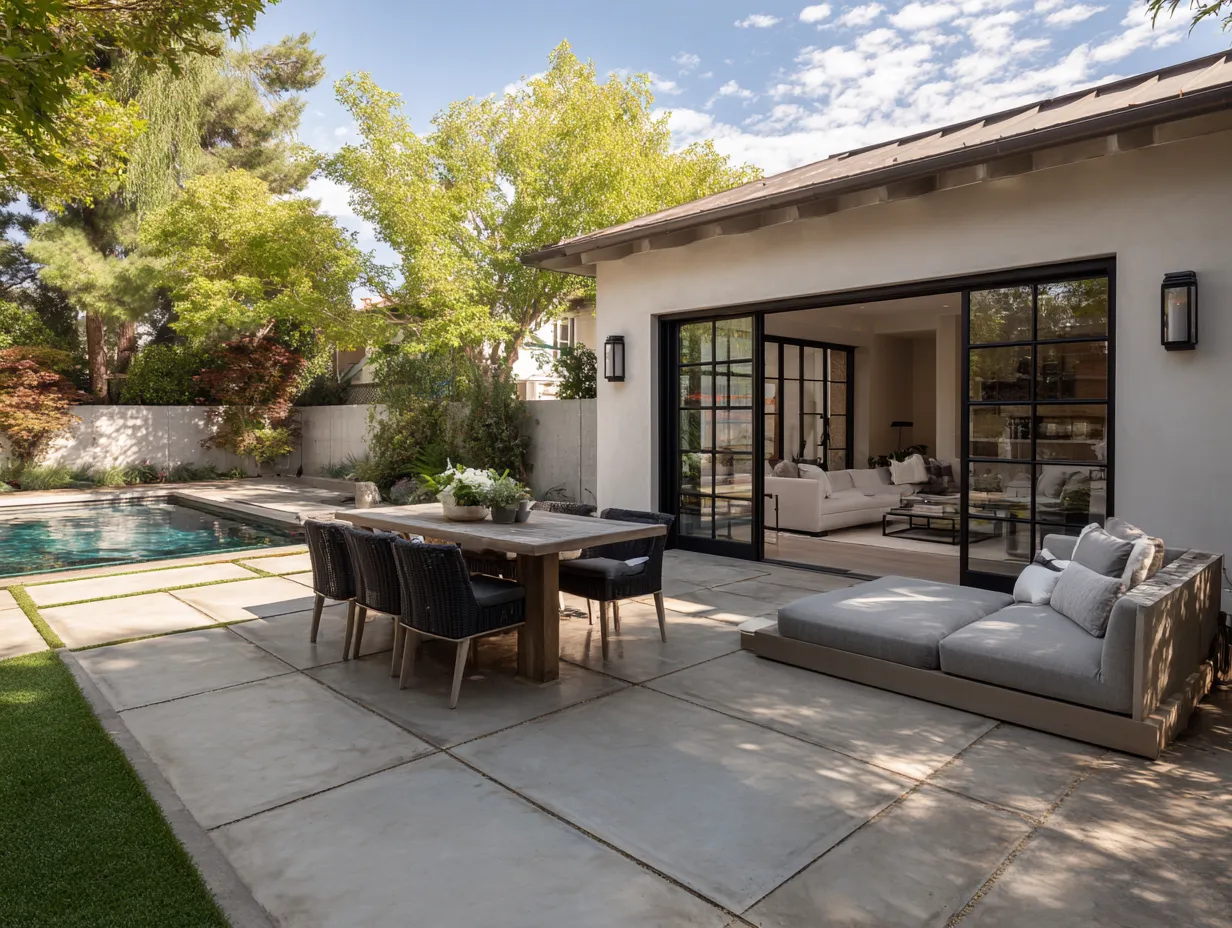
Head-to-head comparison of the criteria that matter
Installation and upfront cost. Concrete runs significantly cheaper per square foot. A basic stamped concrete patio costs roughly $8–$18 per square foot installed, while a simple concrete slab ranges $6–$13.50. PVC floating decks require structural support posts and more labor, pushing total costs higher than concrete, though exact pricing varies by region and local contractors.
Maintenance demands. This is where the two diverge most sharply. PVC requires only occasional cleaning and no staining, sealing, or repairs. Concrete, by contrast, demands proactive care: stamped and colored concrete need resealing every 2–3 years at $200–$600 per job to prevent fading and moisture damage. Without regular sealing, stamped concrete looks chalky and worn within 18 months.
Durability and weather resistance. PVC resists moisture, mold, insects, and fading indefinitely. Concrete, if properly installed with a compacted gravel base and regular sealing, lasts decades—but the path to success is narrow. Skipping the gravel base or resealing schedule leads to cracking, settling, and premature failure.
Aesthetic range. Concrete offers limitless pattern and color options through stamping, polishing, and staining. PVC decking comes in a narrower color palette but has a distinctly modern, polished appearance. If you want visual richness and pattern, concrete wins; if you prefer clean minimalism, PVC delivers that immediately.
| Criteria | PVC Floating Deck | Concrete Patio |
|---|---|---|
| Upfront cost (per sq ft) | Higher than concrete | $6–$18 depending on finish |
| Annual maintenance | Minimal—occasional cleaning, no sealing | Reseal every 2–3 years ($200–$600) |
| Moisture/water resistance | Complete—resists mold and rot | Requires sealing to block moisture |
| Color and pattern options | Limited, neutral modern tones | Stamped stone, brick, custom stains |
| Installation complexity | Requires posts and structural engineering | Gravel base, forms, concrete pour |
| Feel underfoot | Smooth, warm in sun | Hard, cool even on hot days |
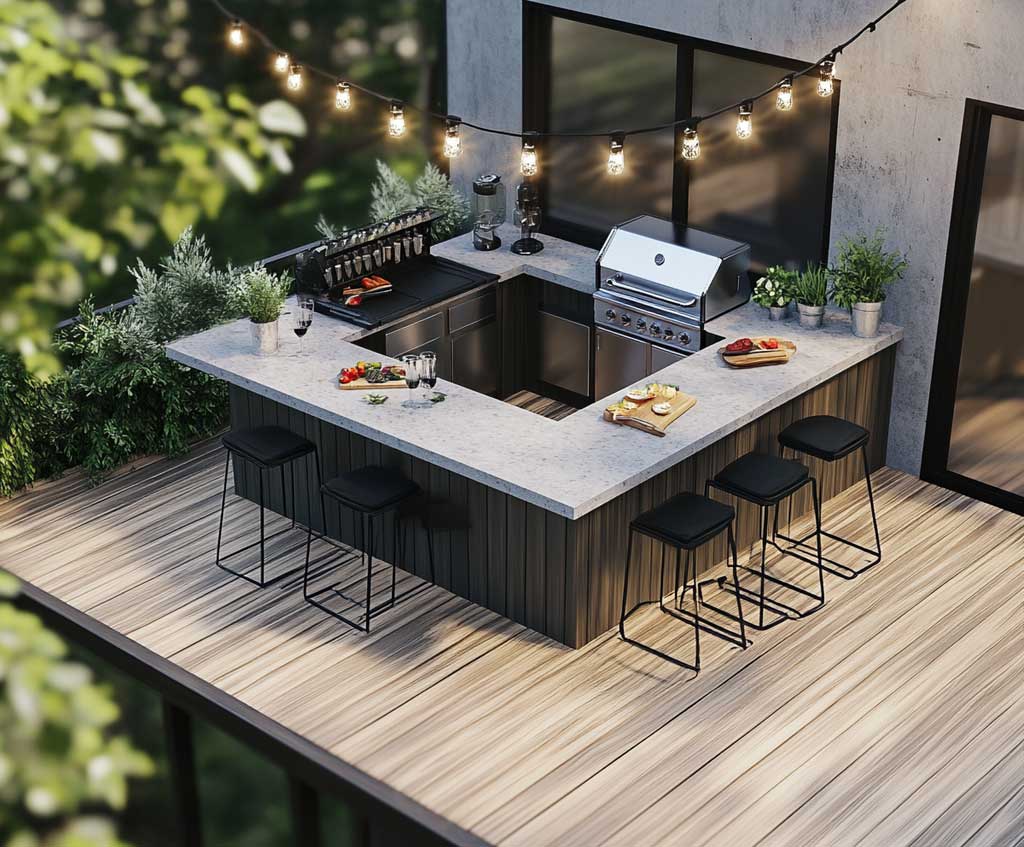
Where a floating deck wins decisively
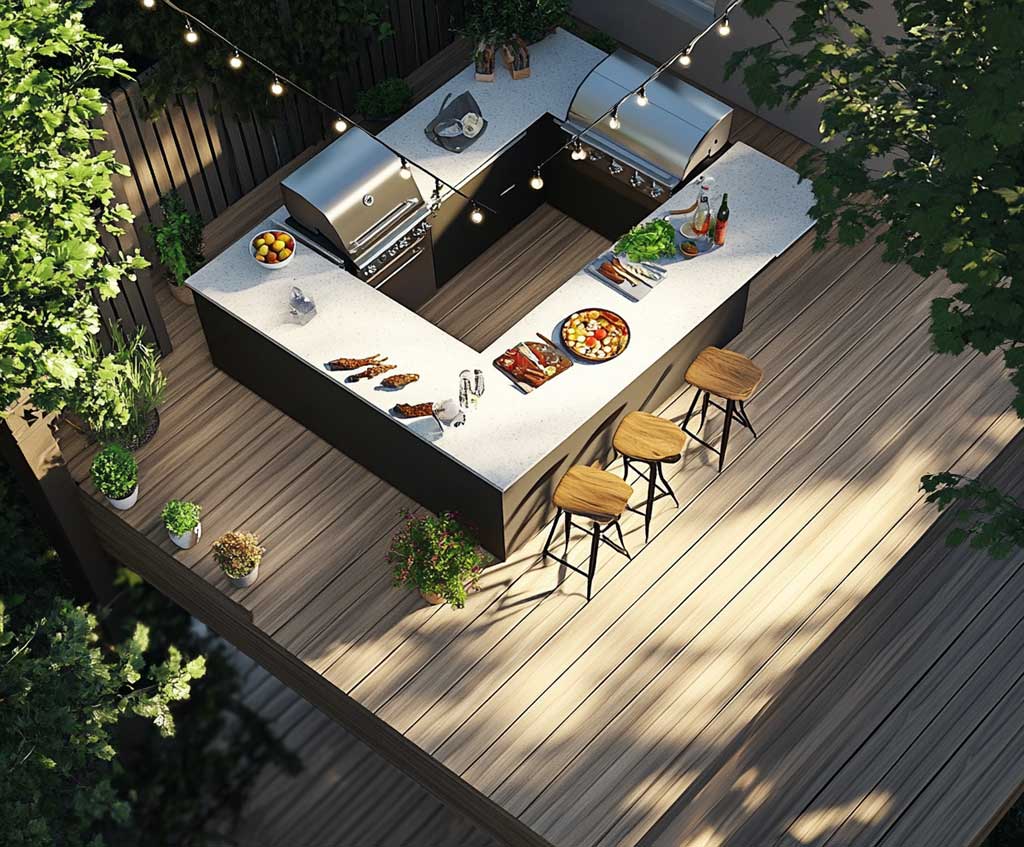
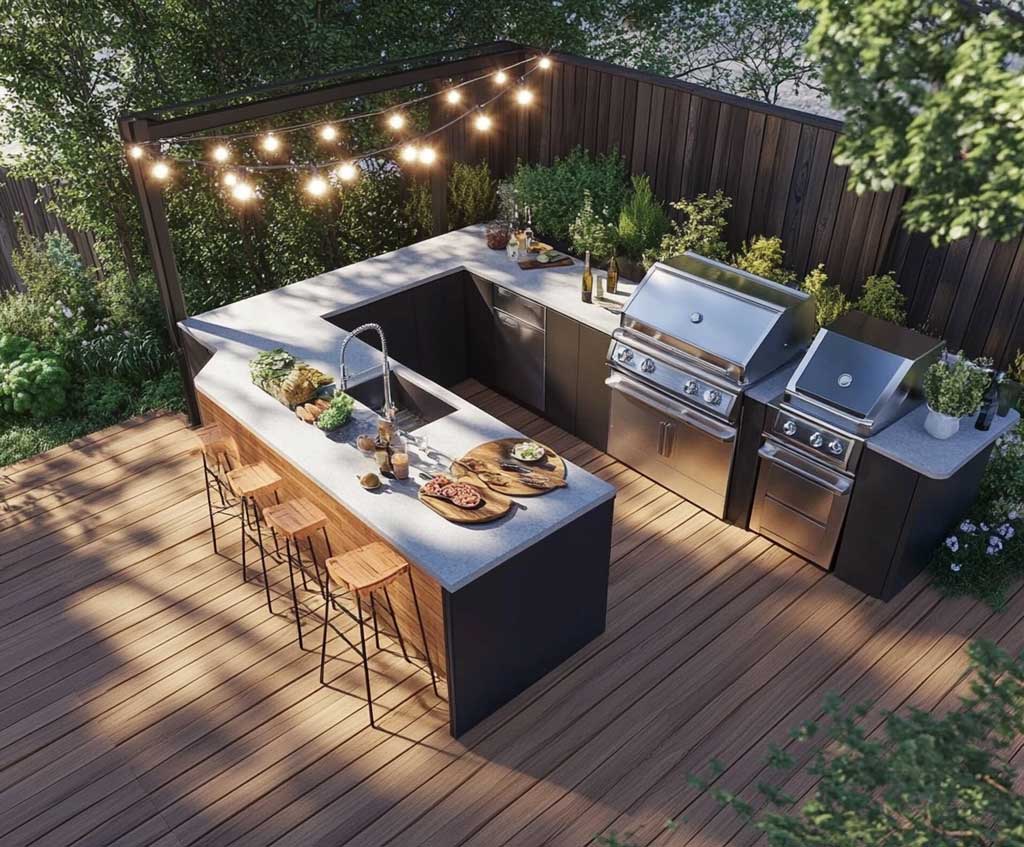
If you hate yard work, a PVC floating deck is your answer. The material’s water resistance and fade protection mean zero sealing, staining, or re-coating. You walk on a smooth, splinter-free surface year-round without worrying about moisture damage, mold, or insect damage. Surrounding a sunken hot tub, an outdoor kitchen, or a fire pit with PVC decking keeps the entire surface protected from splashes and spills.
Floating decks also work brilliantly in challenging drainage situations. Wet yards, shaded areas, or regions with high humidity are where wood fails fast—but PVC thrives. The elevated design plus the material’s inherent moisture resistance create a space that stays dry and functional even when ground conditions would ruin traditional wood or require concrete with expensive underdrainage systems.

Where a concrete patio wins decisively
Budget constraints almost always favor concrete. The material costs less per square foot than PVC, and a basic slab installation requires no structural engineering. If you have $3,000–$7,000 for a 400-square-foot entertaining area, concrete is achievable; a similarly sized floating deck will demand significantly more.
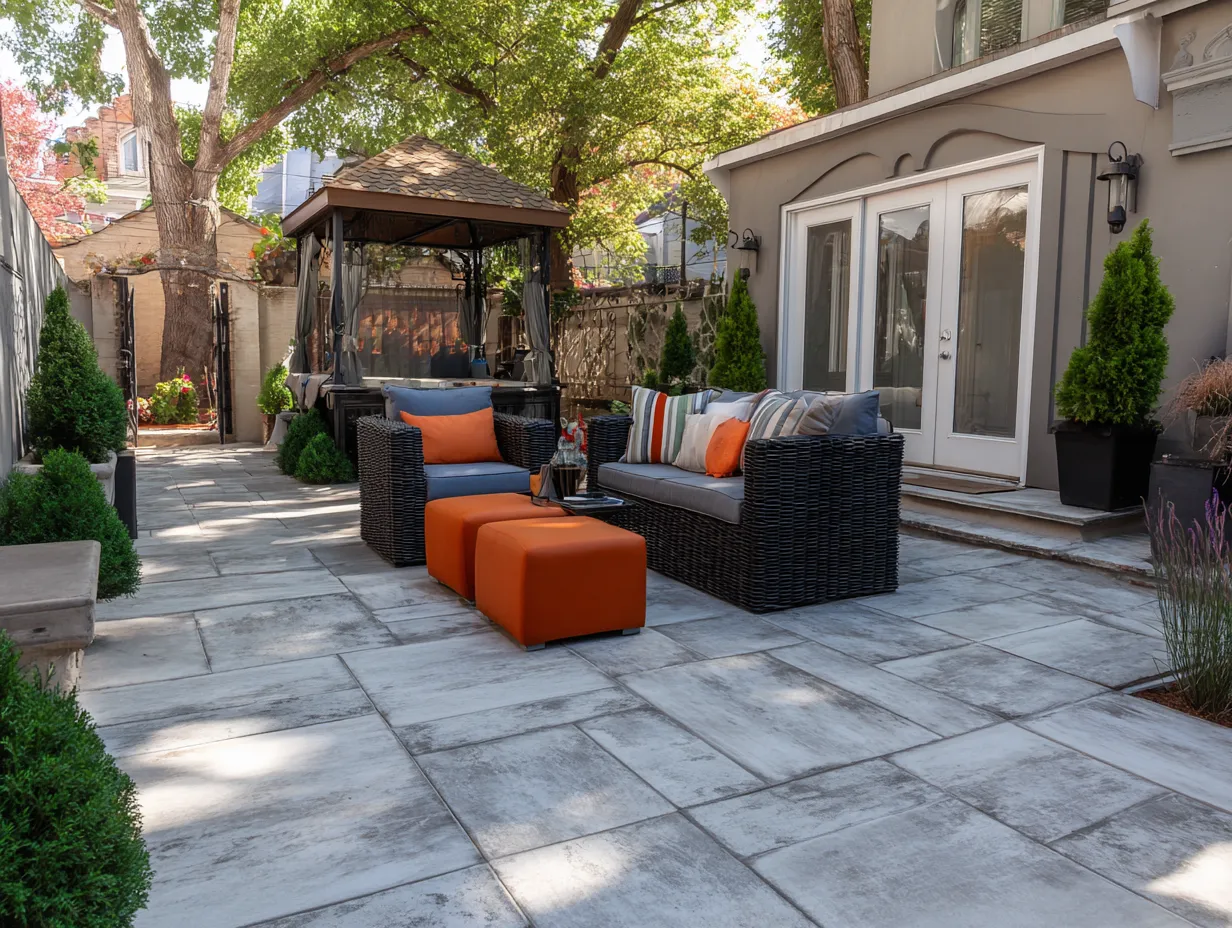
Concrete also dominates the visual variety category. A stamped concrete patio can mimic slate, flagstone, or ashlar stone patterns at a fraction of natural stone’s price. Acid stains create custom warm tones that age gracefully and blend into landscaping. PVC offers sleek modern lines, but it cannot replicate the texture, pattern, and earthy richness that decorated concrete provides.
The number one mistake when choosing between them
Homeowners and contractors often skip the compacted gravel base when pouring concrete, saving a few hundred dollars upfront. One builder watched a client’s $2,400 concrete patio crack severely within eight months because the base was absent. Without 4–6 inches of compacted gravel under the concrete, the slab settles unevenly, frost heaves crack it in winter, and moisture pools underneath.
The sealing trap is equally common. A stamped concrete patio that isn’t resealed every 2–3 years fades, looks dull and chalky, and eventually allows water penetration that accelerates deterioration. New owners often don’t realize sealing is non-optional—they assume concrete is maintenance-free and watch their beautiful pattern fade within 18 months. Choosing concrete without budgeting for that recurring sealing cost is a costly oversight.
Final verdict — which one is right for you
Choose a PVC floating deck if you want to install a space and then forget about maintenance. If your backyard will feature a hot tub, outdoor kitchen, or frequent entertaining where spills and moisture are inevitable, PVC’s durability and ease justify the higher upfront expense. This option suits homeowners in humid climates, those with poor drainage, and anyone who values their time over spending money on regular resealing.
Choose a concrete patio if your budget is tight and you love design options. If you’re willing to commit to a sealing schedule every couple of years and you want to customize your patio’s pattern and color to match your home’s exterior, concrete delivers style and economy together. This option works for homeowners in drier climates, those who treat yard upkeep as part of home care, and anyone who values visual richness over minimal maintenance.
Both create functional outdoor living spaces. The real question isn’t which is better—it’s which trade-off fits your life and wallet. For inspiration on lighting both surfaces beautifully, explore outdoor decking lighting ideas to see how mood and ambiance transform either choice after sunset.