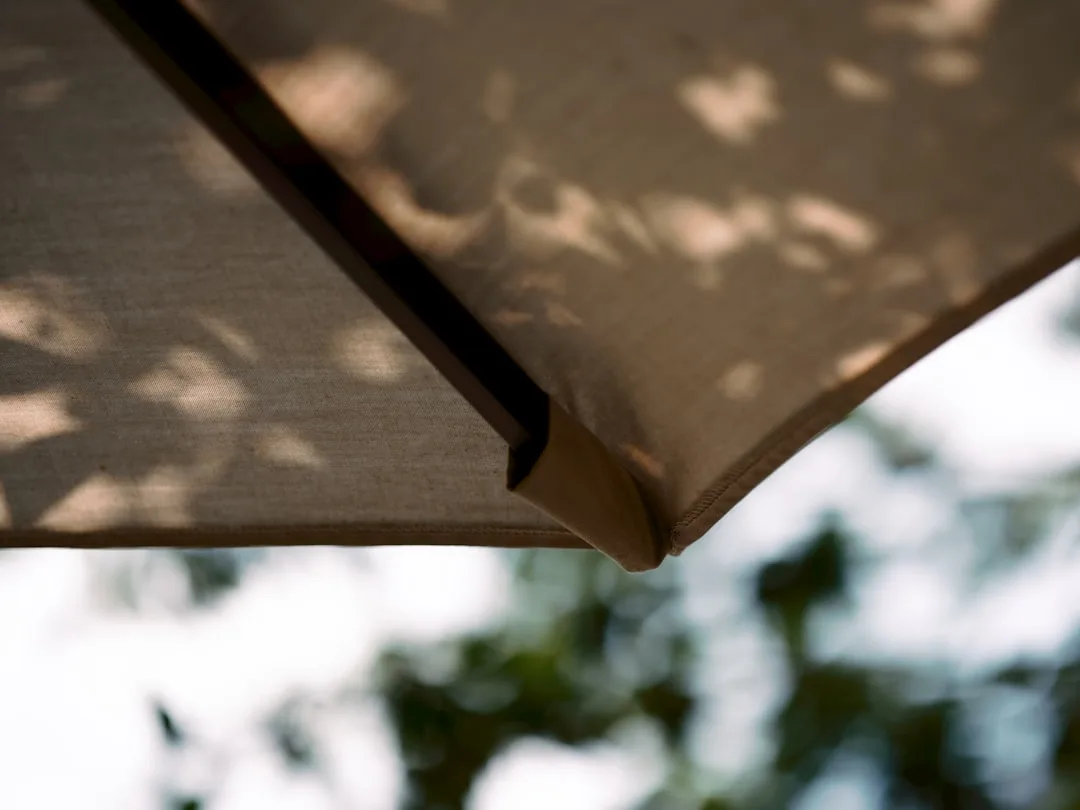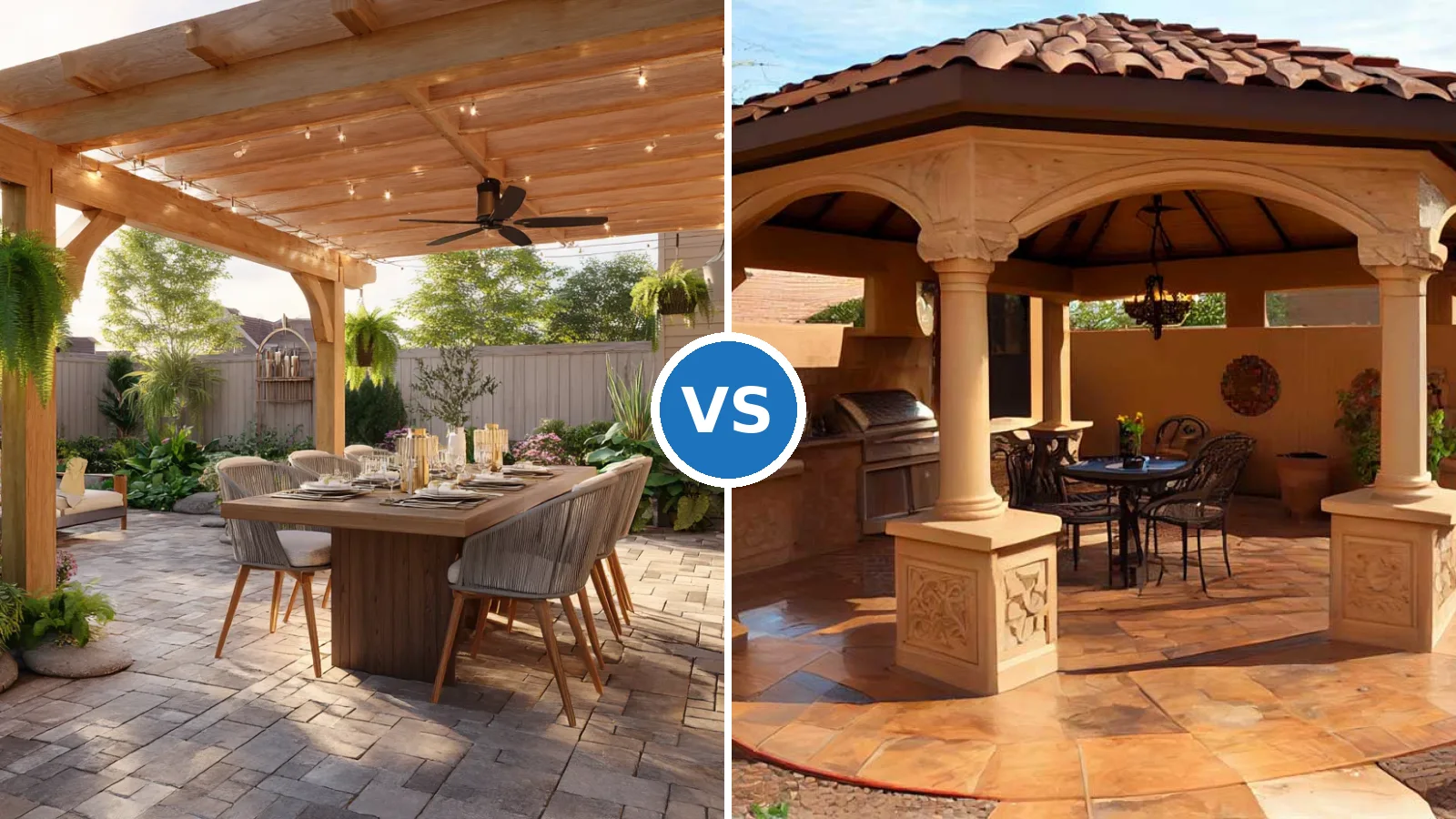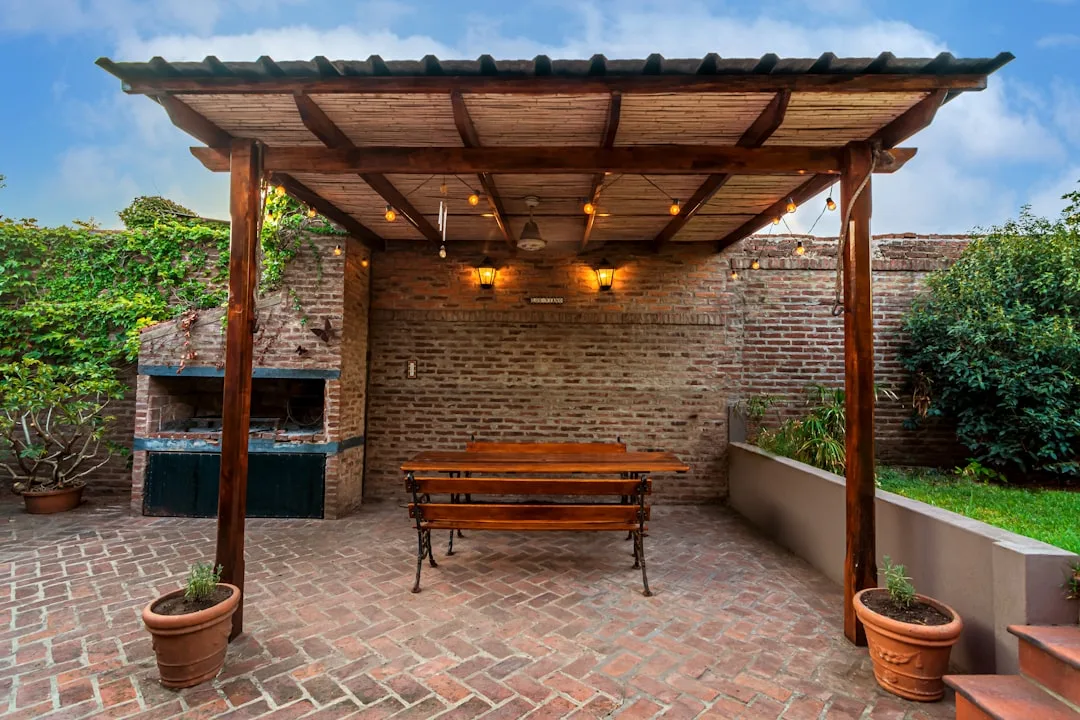
Shade sails have replaced pergolas as the dominant trend in high-end patio design during 2026. Unlike fixed timber or metal structures, tensioned fabric shade sails offer clean geometry, measurable UV protection, and the ability to span irregular spaces without requiring posts at every corner. Architects from Miami to Portland are specifying sails for residential renovations because they solve a persistent problem: traditional pergolas provide dappled shade, but sails deliver consistent 95% UV blockage.
Why Shade Sails Outperform Pergolas This Year
ShadeFX, a manufacturer based in British Columbia, reports a 240% surge in residential shade sail orders compared to 2024. The reason is straightforward: a pergola over a 16-by-20-foot patio casts moving shadows that leave half your seating in direct sun by mid-afternoon. A shade sail tensioned at two or three attachment points covers that same space with zero gaps.
Pergolas also trap heat because their closed slat design creates a greenhouse effect on windless days. Shade sails, by contrast, allow air circulation beneath the fabric while blocking direct radiation. This makes outdoor spaces usable during peak summer hours—a genuine shift in how people experience their backyards.
Installation speed matters too. A pergola requires concrete footings, 8-12 weeks for settling, and then assembly. A shade sail can be tensioned and operational in one or two days once anchor points are in place.
Quick Tips
- Measure diagonal distances before ordering—sails work best when attachment points form a triangle or square
- Specify HDPE (high-density polyethylene) fabric rated for 95%+ UV block and water shedding
- Plan for a 2–3 inch sag in the center; this tension distributes wind loads safely
- Position sails east-west when possible to capture morning and evening light while blocking afternoon sun
Fabric Technology and Attachment Methods Define Modern Installation
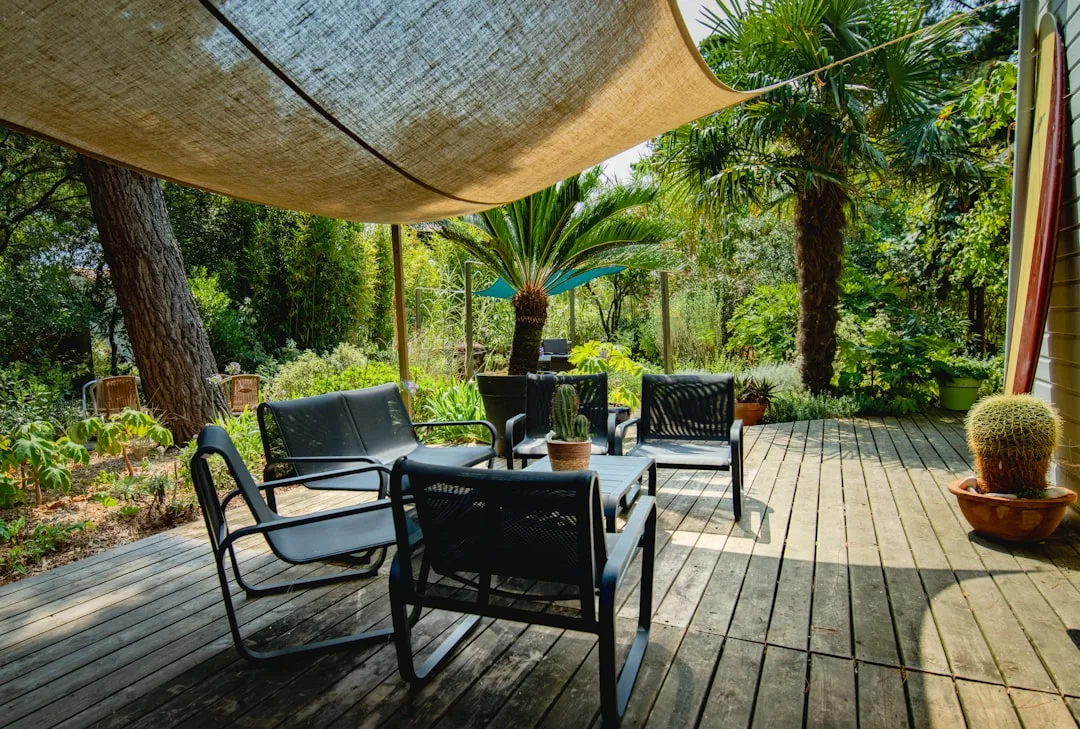
The shade sail market in 2026 splits into two fabric categories: solution-dyed acrylic and HDPE. Solution-dyed acrylic, used by brands like Sunbrella, retains color for 7–10 years because pigment penetrates the fiber during manufacture. HDPE sails, darker and more industrial-looking, last 12–15 years but show wear faster if not cleaned quarterly.
Attachment points anchor to wood posts, masonry walls, existing pergolas, or ground-mounted steel pylons. The most common mistake homeowners make is underestimating wind loads—they install sails too loosely, expecting them to flap gracefully in breezes. In reality, loose sails collect water, rip under gusts above 25 mph, and look floppy within weeks. Proper tension creates a bowl-like curve that sheds rain and resists wind.
| Attachment Type | Installation Time | Wind Rating |
|---|---|---|
| Stainless steel ground mounts | 1–2 days | Up to 45 mph |
| Wall-mounted steel brackets | 4–6 hours | Up to 35 mph |
| Existing post or pergola anchors | 2–3 hours | Up to 40 mph |
| Wood post installation with footings | 3–5 days | Up to 50 mph |
The Common Failure Mode Nobody Talks About
Here’s what derails most shade sail projects: attaching to an existing pergola without reinforcing it first. A timber pergola designed to handle its own weight—roughly 2–3 tons for a standard 16-by-16-foot structure—suddenly receives dynamic wind and water loads when a sail pulls on its posts. The pergola sags inward, fabric tension increases, and within two seasons the bolts loosen or the posts split.
A homeowner in Portland installed a ShadeFX sail on a 15-year-old cedar pergola, thinking it was a simple upgrade. Six months later, the center post developed a visible crack. The sail itself was fine; the pergola wasn’t built for the additional load. A structural engineer later estimated the post needed a minimum 4-by-6 timber with concrete footings 3 feet deep to safely handle the sail’s tension. The homeowner ended up replacing both the pergola and reinstalling the sail—a $8,000 mistake that could have been prevented with a $200 site assessment.
Always have an engineer review existing structures before attaching sails. This costs $300–$600 and eliminates guesswork.
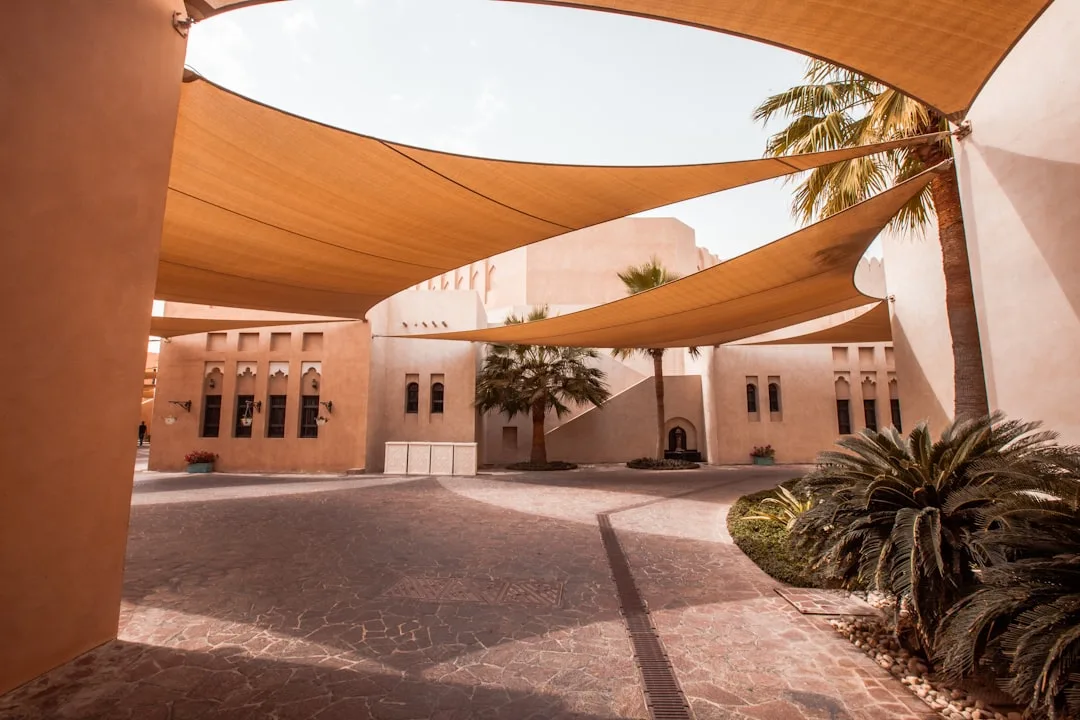
Design Applications Across Residential and Commercial Spaces
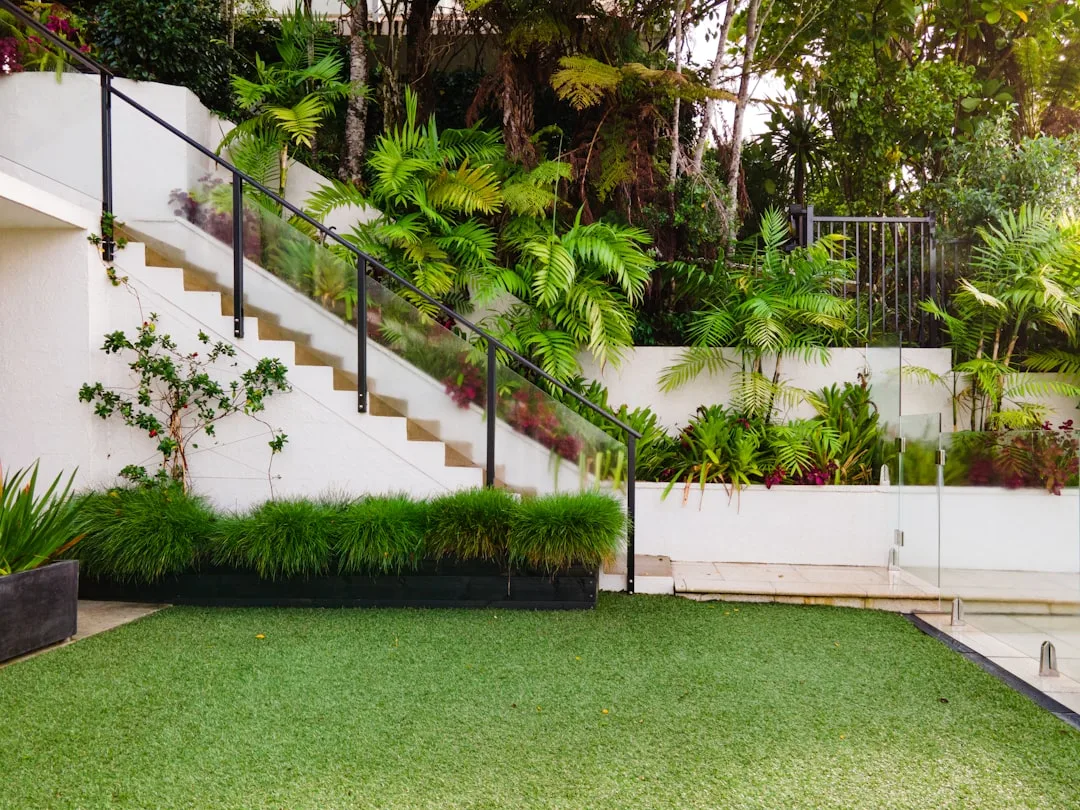
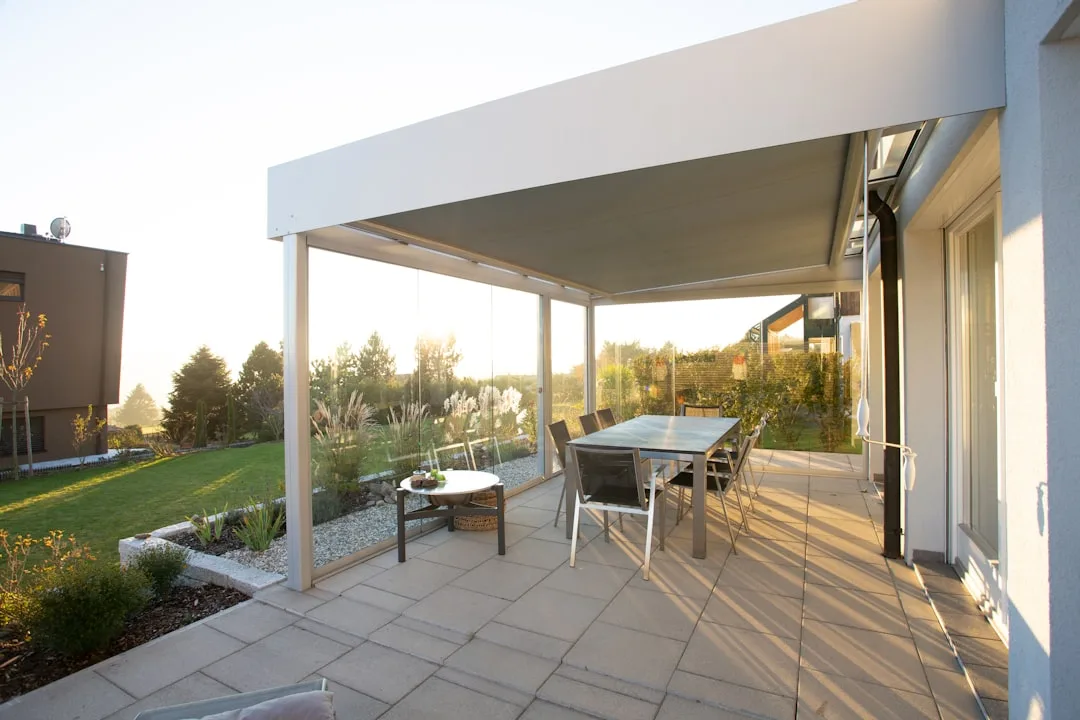
Shade sails work in four primary configurations: single-sail canopies for small patios, multi-sail geometric patterns over larger areas, curved arrangements that follow lot lines, and layered systems that create partial shade zones. A beautiful single story house with patio yard in Austin uses three overlapping sails angled at different heights to create both shade and visual rhythm.
Commercial architects favor sails because they read as contemporary and intentional. A restaurant or resort can deploy sails over dining areas without blocking sight lines the way a solid pergola does. The fabric becomes a design statement rather than just functional coverage.
Color choices are narrowing to whites, grays, and charcoal—the same palette driving minimalist outdoor furniture trends. Cream sails remain popular for Mediterranean and coastal aesthetics, but neutral tones dominate new residential projects.
Maintenance and Long-Term Value Considerations
Shade sails require annual inspection of stitching, corner grommets, and attachment hardware. HDPE sails need quarterly cleaning with mild soap and a soft brush to prevent mildew buildup in humid climates. Solution-dyed acrylic sails need less frequent cleaning but should still be rinsed twice yearly.
Most manufacturers warranty fabric for 3–5 years against UV degradation and material defects. Hardware typically carries a 5-year warranty. A complete shade sail replacement—fabric plus hardware—costs roughly $3,000–$6,000 for a standard residential installation after the initial system is paid for, making sails genuinely more affordable than rebuilding a pergola.
This cost structure explains why architects are specifying sails for concrete house ideas with patio style courtyards: a sail installed today will outlast two pergola cycles in terms of out-of-pocket replacement costs, and it provides measurably better protection from the outset.
Shade Sails as Investment in Outdoor Living Transformation
The broader trend reflects how outdoor living has matured in 2026. Homeowners no longer view patios as decorative—they’re functional extensions of the home that need climate control. A shade sail isn’t aesthetic only; it’s infrastructure, like an awning or a roof overhang. Real estate agents report that properties with engineered shade coverage sell 8–12% faster in warm climates, and buyers cite usability in summer as a key factor.
The shift from pergolas to sails marks a moment when outdoor design stopped being about what looks good and started being about what actually works. That distinction drives market adoption faster than any aesthetic trend alone could.
Shade Sail Planning: Wind Data, Structural Checks & Care Guides
Once you’ve decided on a shade sail, the next questions are practical: how much wind and UV your site actually gets, whether your existing structure can take the load, and how to verify the people you hire. These resources cover that ground.
How strong is UV exposure at my address, and do I actually need 95%+ UV block?
How do I measure my patio so the sail actually fits once it arrives?
What wind speed should my attachment hardware actually be rated for at my address?
What does a shade fabric warranty actually promise, and for how long?
Is it really risky to hang a shade sail off my existing pergola or deck?
What actually goes into a proper shade sail installation — footings, tension, drainage?
Where do I find a licensed engineer to check whether my pergola can handle a sail?
How do I clean and maintain sail fabric so it doesn’t develop mildew or fade early?
How do I check that the installer I’m about to hire is actually licensed?