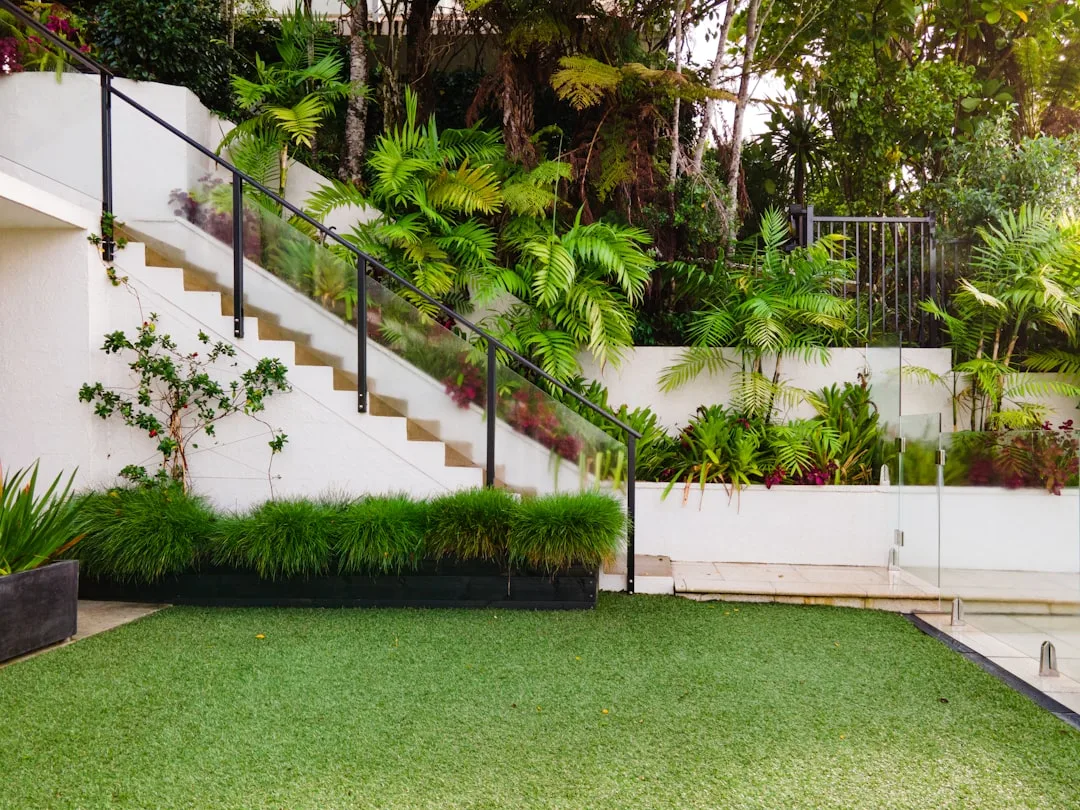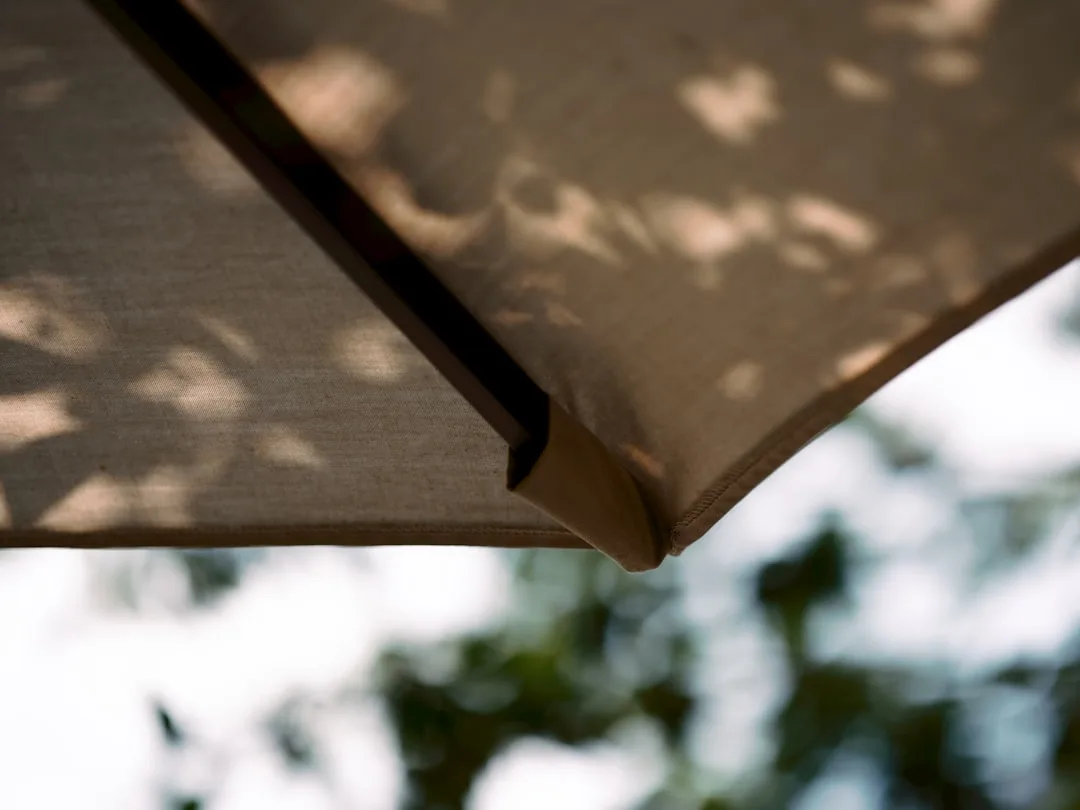
Every summer, homeowners face the same problem: how to make outdoor patio umbrellas actually work. Not decorative ones that collapse in wind or fade after one season—functional ones that anchor a space and withstand coastal salt air, desert sun, or sudden storms. Outdoor patio umbrellas have shifted from optional accessories into the backbone of serious backyard design in 2026, and the reason is material science. Performance fabrics, rotation mechanics, and weighted base engineering have transformed the category entirely.
Cantilever Design Rewrites Umbrella Functionality
Cantilever umbrellas—side-pole models that don’t obstruct your view—now dominate high-end patio retrofits. Unlike traditional center-pole umbrellas, cantilever structures let you position shade exactly where you sit without a post in your face. Restoration Hardware and Pottery Barn Outdoor have pushed sales of cantilever models upward by 34% year-over-year, according to outdoor furniture retailers tracking 2026 demand.
The mechanics matter: a cantilever arm extends 8 to 12 feet with a counterweight base that can weigh 150–300 pounds. Installation requires proper footings, not just concrete blocks. This investment—typically $1,500–$3,500 for a quality cantilever—replaces the need for permanent shade structures like pergolas that cost far more to build and cannot be repositioned.
Quick Tips
- Choose Sunbrella or similar marine-grade acrylic fabrics rated for 5+ years of UV resistance without fading.
- Measure your base footprint: cantilevers need 600–800 lbs of ballast to prevent tipping in 25+ mph winds.
- Tilting mechanisms allow you to adjust shade angle as the sun moves—this simple feature prevents afternoon heat bleed.
- Store or cover umbrellas during hurricane season or heavy snow loads to extend fabric life beyond 10 years.
Marine-Grade Fabrics Transform Durability Standards
Sunbrella brand acrylic—used in marine canvas since the 1960s—now sets the baseline for outdoor patio umbrellas. A Sunbrella-covered umbrella resists mildew, salt spray, and chlorine without losing color or structural integrity. In coastal regions like Florida and California, marine-grade umbrellas outsell standard polyester models by a 3:1 margin.
The fabric difference is quantifiable: standard umbrella polyester degrades noticeably after 18–24 months of direct sun. Sunbrella acrylic maintains 90% of its color and strength after five seasons of daily exposure. A mid-range marine umbrella costs roughly 40–60% more upfront but lasts triple the lifespan, which means lower total cost of ownership.
| Fabric Type | UV Lifespan | Mildew Resistance |
|---|---|---|
| Standard Polyester | 18–24 months | Moderate |
| Solution-Dyed Acrylic (Sunbrella) | 5+ years | Excellent |
| Olefin Performance Blend | 3–4 years | Good |
| HDPE (high-density polyethylene) | 2–3 years | Fair |
The Most Common Mistake: Undersized Bases and Wind Failure
The biggest failure point for outdoor patio umbrellas is not the fabric—it’s the base. Homeowners often place a 10-foot cantilever umbrella on a wheeled base designed for a 6-foot market umbrella, then blame the manufacturer when wind gusts topple it. A 10-foot umbrella needs 600+ pounds of ballast in a low center of gravity; a wheeled cart simply cannot deliver this.
Picture this real scenario: a homeowner in Austin buys a $2,000 cantilever umbrella with premium Sunbrella fabric, installs it on a lightweight aluminum stand, and after the first spring thunderstorm (with 30 mph gusts), the entire structure tips onto outdoor cushions and breaks a lounge chair. The umbrella itself survives, but the installation was never engineered for the wind load. Proper setup requires either in-ground footings or a weighted base system rated for your umbrella’s arm length and projected sail area.
Tilting Mechanisms and Seasonal Sun Angles
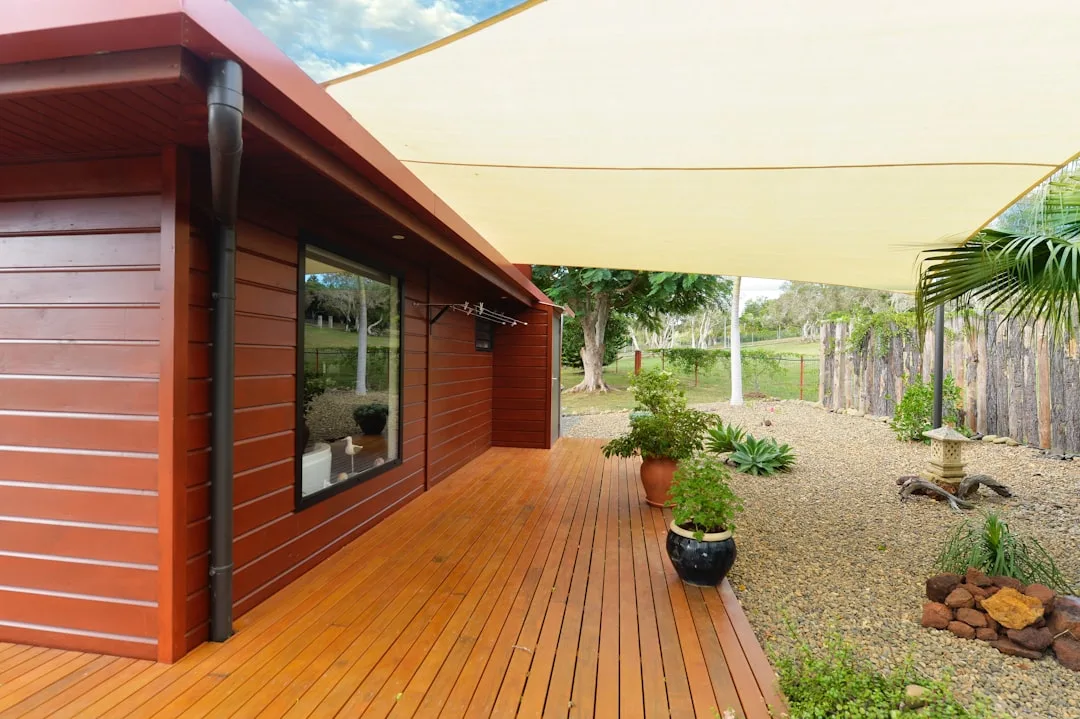
Tilting umbrellas—with hydraulic or mechanical tilt systems—track the sun’s movement throughout the day and season. In August at 2 p.m., your umbrella shades a seating area directly overhead; by 5 p.m., a 15-degree tilt redirects shade as the sun drops westward. This adaptive coverage means your outdoor entertaining space stays usable from 10 a.m. to sunset without repositioning furniture.
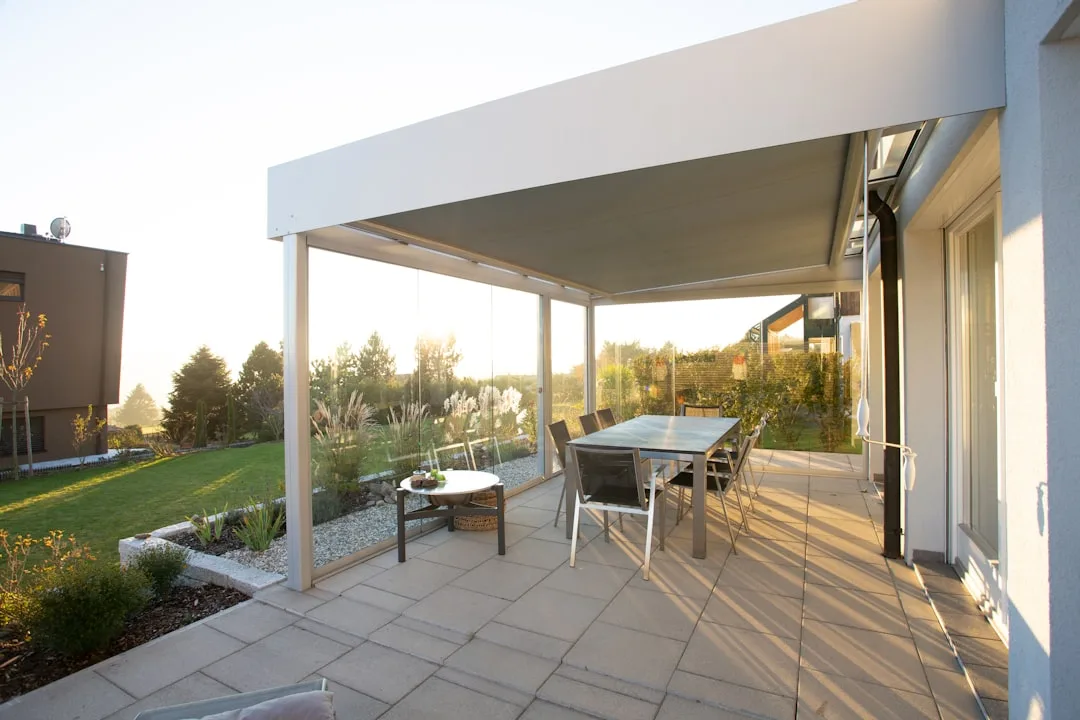
Tuuci and Extremis are Italian and international brands that specialize in motorized tilt systems, which cost an additional $400–$800 but eliminate manual adjustment. For stationary dining areas, like those shown in Concrete House Idea With Patio Style Courtyard, a tilting umbrella transforms a fixed concrete pad into an all-day entertainment zone. Without tilt, you’re constantly chasing shade or resigning afternoon hours to shade deprivation.
Color and Style Integration Into Outdoor Living
Outdoor patio umbrellas now come in over 150 colors and patterns through Sunbrella’s collection, meaning they integrate with aesthetic intent rather than as an afterthought. Deep charcoal, warm grays, and textured weaves anchor contemporary patios; cream and linen tones suit Beautiful Single Story House with Patio Yard designs and farmhouse aesthetics.
Choosing umbrella color is not vanity. A dark umbrella absorbs more heat and makes the space feel warmer (useful in cooler climates); a light umbrella reflects heat and cools the microclimate underneath. This 5–8 degree difference in shade temperature is measurable and affects comfort during peak summer hours when entertaining guests.
Investment Return and Backyard Resale Value
Outdoor patio umbrellas—particularly permanent cantilever installations with marine-grade fabric—rank in the top 10 backyard upgrades for perceived resale value. Buyers see a well-anchored, weather-resistant umbrella as a sign the entire patio was designed with durability and intentionality. A $2,500 cantilever installation often registers as a $3,500–$5,000 perceived asset in buyer interviews.
This isn’t just marketing psychology. A functioning outdoor entertaining zone with reliable shade extends your home’s usable square footage and selling season. In markets where summer entertaining culture drives home value—Austin, Denver, coastal California, Miami—a high-quality umbrella installation is as essential as pool maintenance or deck refinishing.