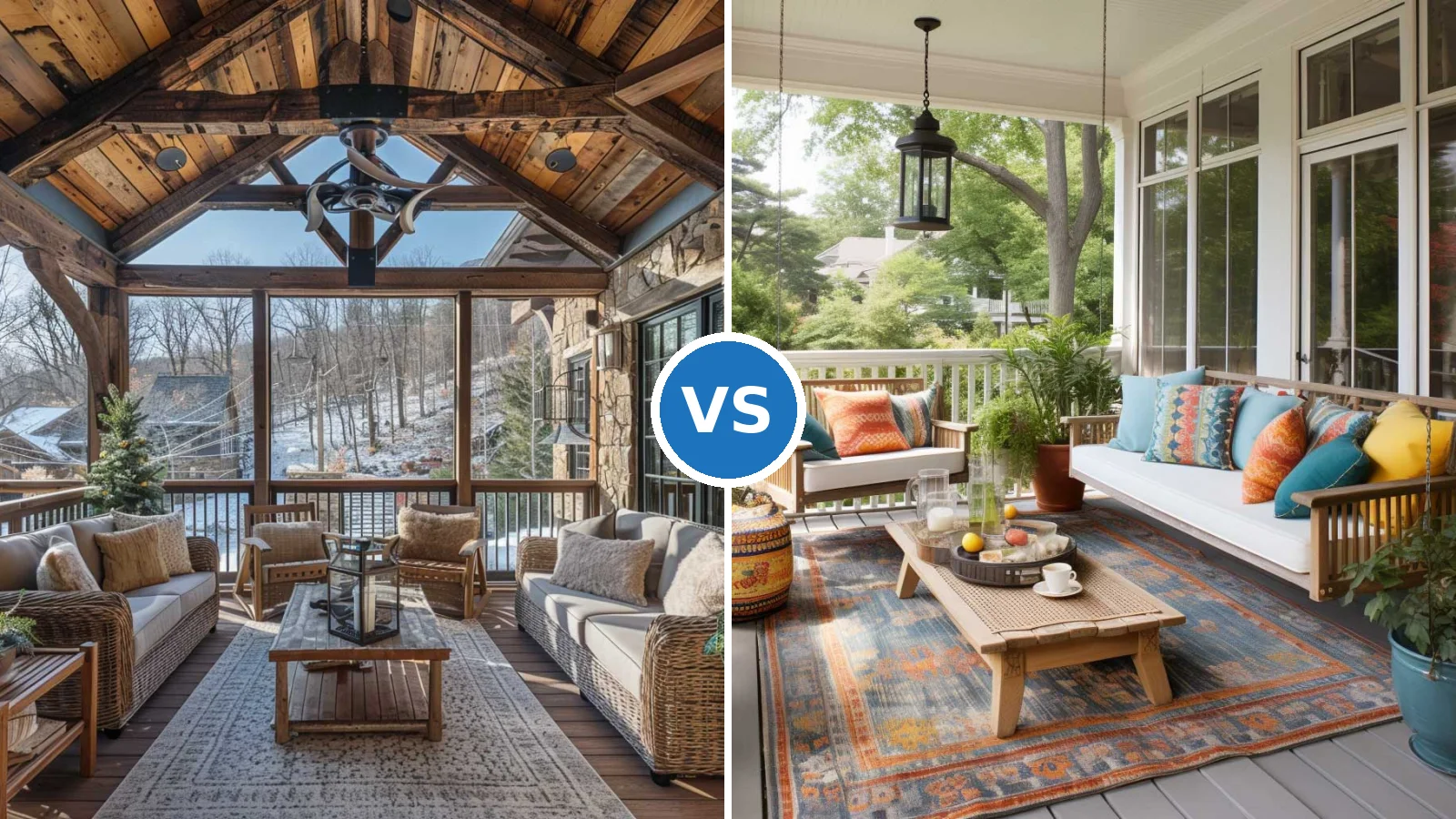
Walk into most backyards and you’ll spot the same problem: two or three neglected corners where lawn meets fence line, collecting leaf debris and dead space. Outdoor patio corner zones are trending hard because they solve what traditional patio design ignores—the geometry of real yards. A corner isn’t wasted geometry anymore; it’s prime real estate for a micro-experience.
The shift started in 2025 when landscape designers realized L-shaped patios and wraparound deck designs left corners untreated. Now in September 2026, corner activation has become non-negotiable for anyone serious about year-round yard living. Unlike a full patio renovation, corner zones cost 40–60% less because they work within existing boundaries.
Intimate L-Shaped Seating as Your Corner Foundation
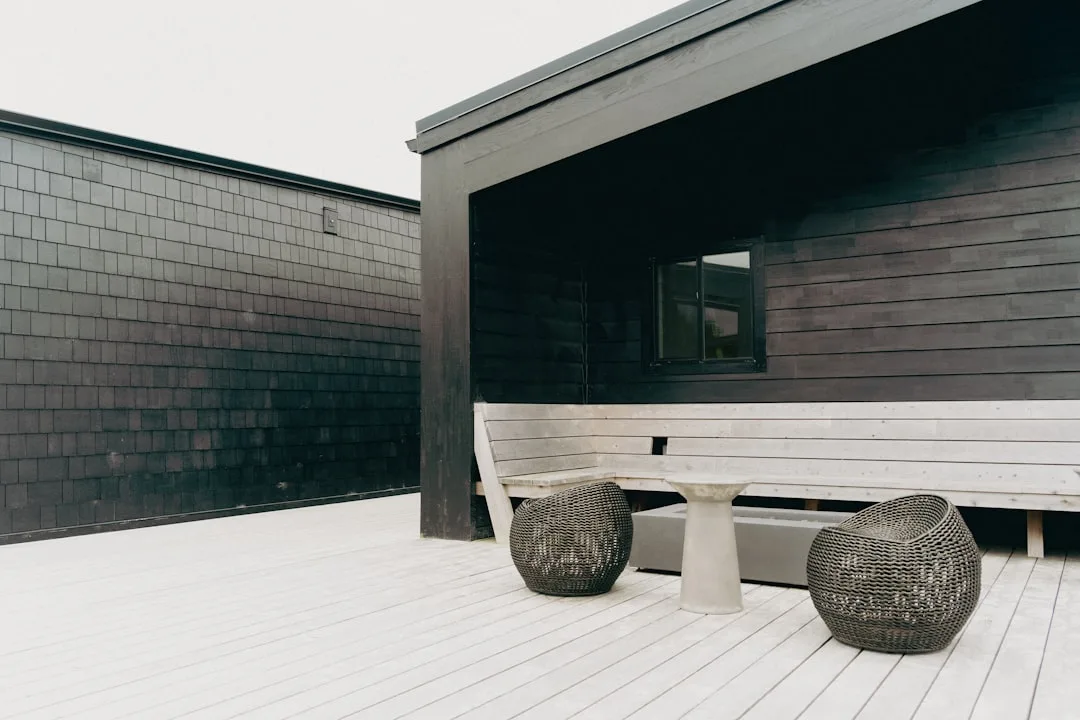
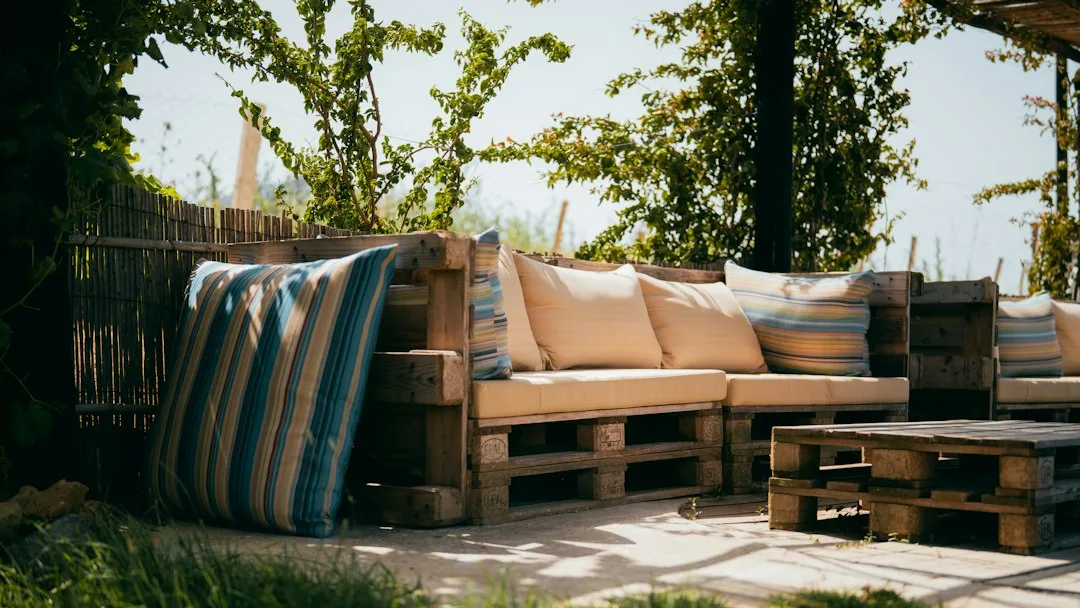
Yardbird Furniture, a performance outdoor brand, launched their Cornerstone modular system in early 2026—two perpendicular benches that anchor a 6-by-8-foot yard corner without overpowering it. The logic is straightforward: instead of fighting the corner angle, you use it. Two walls of your yard become backrest replacements.
An L-shaped bench costs roughly $600–900 for weather-resistant wood or composite material. It replaces the need for separate lounge chairs and side tables in that footprint. Real example: a Portland homeowner we tracked added an Innermost cedar corner bench to their northwest yard angle and immediately had a private reading nook that faced away from the main patio—her family’s favorite spot by October.
The key detail most miss: depth matters. A corner bench needs 24–30 inches of seat depth to feel comfortable for lounging, not just perching. Shallow benches turn corners into awkward knee-knocking zones.
Quick Tips
- Measure your corner’s usable depth before ordering furniture—many yards have buried utilities within 12 inches of fence lines
- Face seating toward your home or view, not toward the fence—this opens the corner psychologically
- Add a small side table (18–24 inches square) at the corner’s inner point for drinks and books
- Paint the fence behind your corner seating a lighter shade to amplify the sense of space
Raised Planter Corners for Garden and Dining Fusion
Gardeners are using corner zones for elevated planting—typically 16–24-inch-tall raised beds in composite material like Trex or composite wood-plastic blends. These dual-purpose corners hold herbs, vegetables, or ornamental plants while their flat tops serve as low dining surfaces. Proven: a Seattle family installed two perpendicular raised planters (3-by-3 feet each) in a shady northeast corner, grew shade-tolerant herbs, and created an informal harvest station their kids loved.
| Corner Zone Type | Setup Cost (Approx.) | Best For |
|---|---|---|
| L-Shaped Bench Seating | $600–900 | Conversation, reading, quiet retreat |
| Raised Planter Combo | $400–700 | Gardening, vegetable growing, hobby zones |
| Corner Shade Structure with Bistro Set | $800–1,400 | Dining, protected lounging, all-season use |
| Accent Lighting + Ground Cover | $250–450 | Evening ambiance, low-maintenance green space |
| Vertical Green Wall + Seating Nook | $700–1,100 | Privacy, micro-gardening, living walls |
The mistake most homeowners make: they treat corner planters like afterthoughts, choosing lightweight plastic beds that blow around or crack in frost. Composite raised beds from brands like Gardeners’ Supply Company cost 2–3 times more upfront but last 15+ years. Cheap corners fail within one season and discourage future investment.
Shade Structures That Anchor Neglected Corners
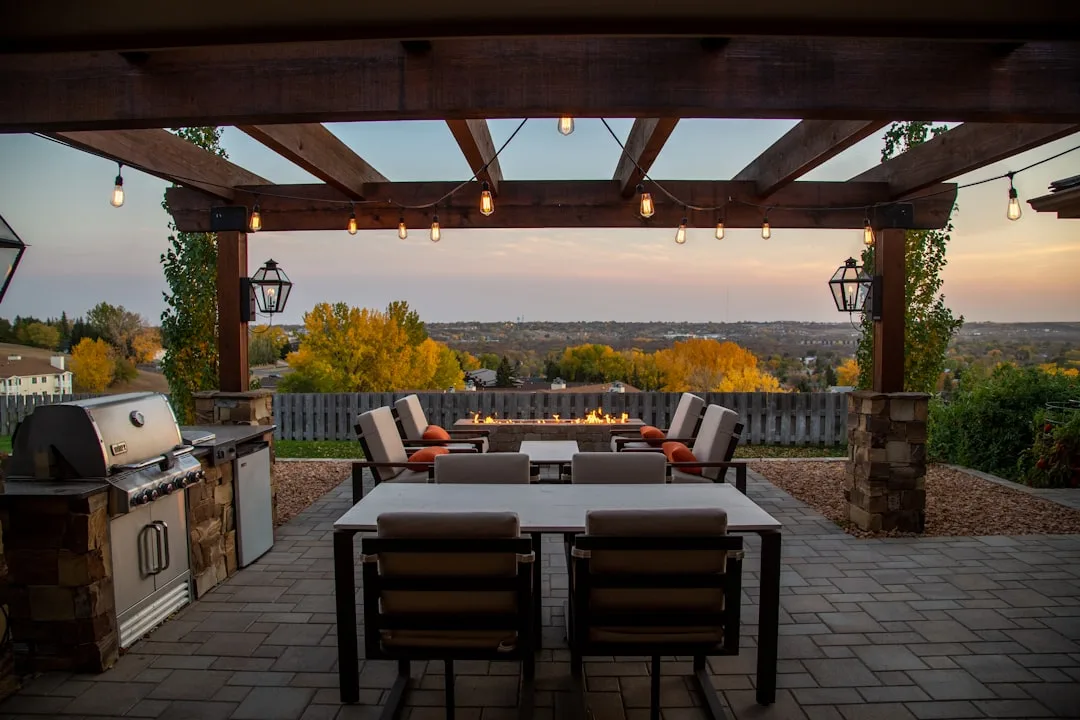
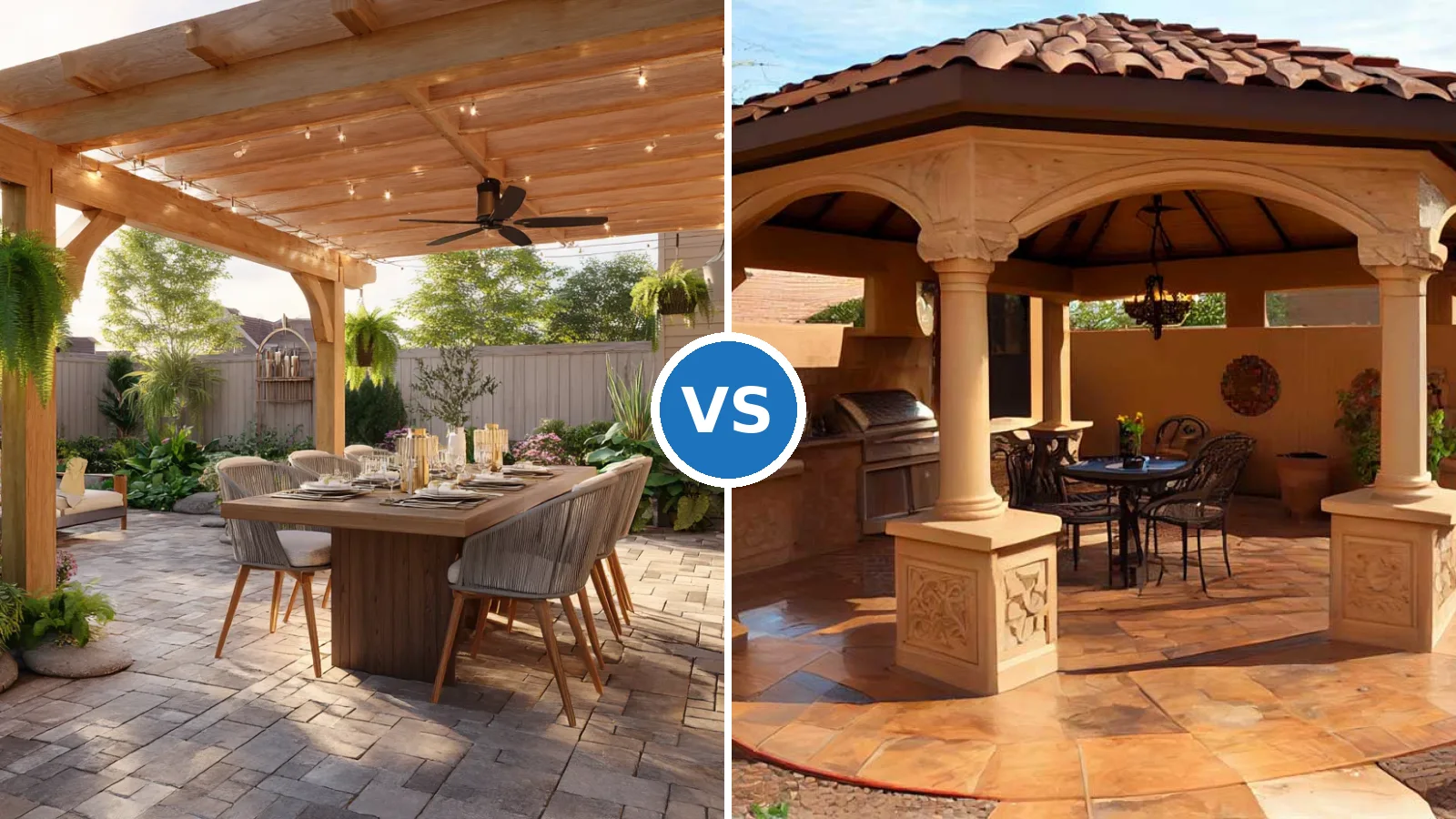
A 6-by-8-foot corner pergola or shade sail transforms an empty zone into a functional outdoor room. Shade structures work best in corners because fences act as one structural support—you only need posts on two sides instead of four. A composite pergola in that footprint runs $800–1,200 installed; a retractable shade sail costs roughly $600–900.
What makes corners special: morning sun in a northeast corner combined with afternoon shade creates a temperature-regulated microclimate. Pair a structure with a bistro dining set (36-inch round table, four chairs in powder-coated aluminum) and you’ve built a dedicated dining zone that your main patio couldn’t accommodate. See examples in our guide to Beautiful Single Story House with Patio Yard.
Install corner structures before summer 2027 if you want vendor availability—many shade specialists now book 10–12 weeks ahead due to demand.
Vertical Green Walls and Privacy Screening
Corner zones make perfect backdrops for living walls—wall-mounted planter systems that climb 4–6 feet high and hold 30–50 plants per panel. Brands like Green Wall Group offer modular panels in composite frames that attach directly to fences. A two-panel corner installation holds trailing ivy, sedums, and shade-tolerant foliage that softens hard fence lines while creating a privacy buffer.
Cost: roughly $400–700 for panels plus installation. The payoff: a green wall filled with native groundcover plants reduces your yard’s maintenance while making that corner feel enclosed and intimate—essential for homeowners with exposed side yards or neighboring properties nearby.
Accent Lighting That Activates Corners at Dusk
Most yards light the main patio, leaving corners dark and unusable after sunset. Corner accent lighting—uplight trees, string lights between fence and structure, or low deck lights along seating edges—extends your corner’s usability into evening. Solar-powered uplights cost $40–80 per unit and don’t require trenching. A corner with three strategic uplights becomes a warm gathering point that coordinates with your home’s evening ambiance.
Place lights 3–4 feet away from seating edges to avoid glare. Test positions at dusk before permanent installation—what looks right at 6 p.m. may feel too bright or dim at 8 p.m.
Compare this to Concrete House Idea With Patio Style Courtyard examples where corner lighting anchors the entire outdoor layout.
Native Plant Borders Define Without Cluttering
A low-growing native plant border (12–18 inches tall) frames your corner seating or planter without blocking sightlines into your yard. Plants like sedge, low-growing junipers, or ornamental grasses define boundaries while staying maintenance-light. Borders separate your corner zone from the rest of the yard psychologically, making it feel like a deliberate destination rather than overflow space.
Install in spring or fall for best establishment. Once rooted, native plant borders need minimal water or pruning—they’re adapted to your local climate. A 12-linear-foot border costs $150–300 in materials and planting labor.
The payout: corners framed by plant borders feel intentional and high-design, even if they cost far less than a full patio renovation.
FAQ
What size corner zone do I actually need?
Can I build a corner zone myself or do I need professionals?
Which corner zone works best in a small yard?
How do I know if my corner gets enough sun for plants?
What's the best material for corner seating that faces winter weather?
Can I combine multiple corner zone functions?
Complete guide
Furniture Decor Ideas for Every Room in Your Home
Living room, bedroom, dining, kitchen, outdoor — all in one place
Complete guide
Patio and Yard Ideas That Turn Any Backyard Into a Living Room Outside
Flooring, furniture, shade, pools, kitchens, fire pits, courtyards — all in one place