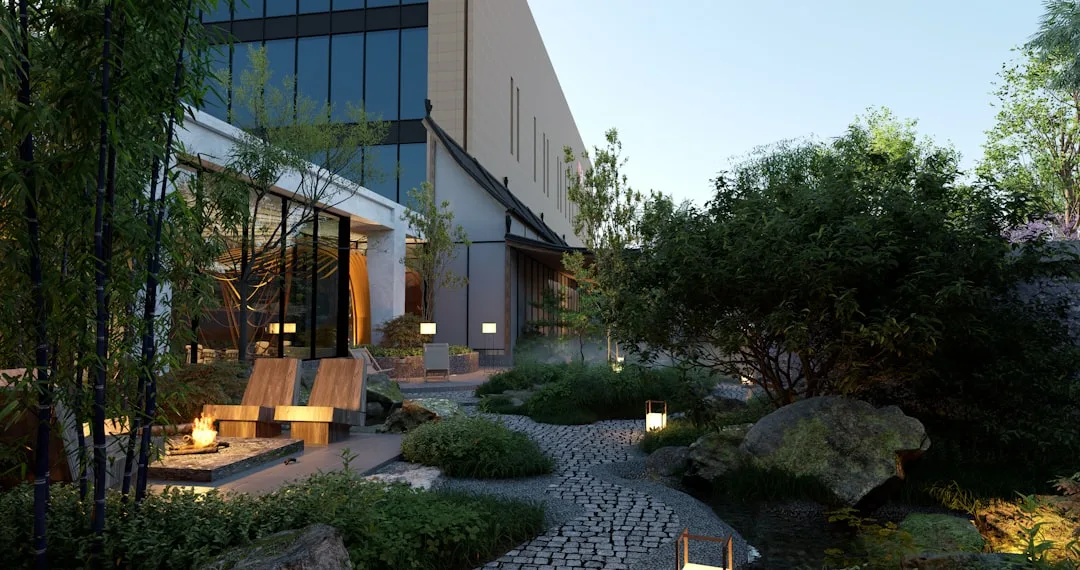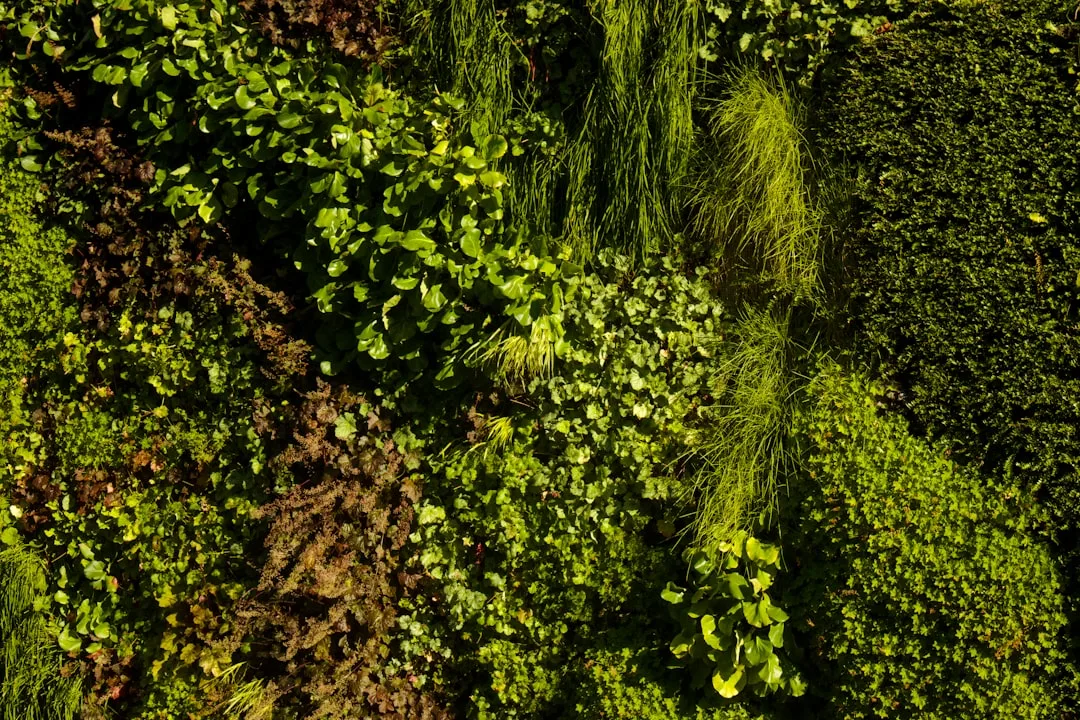
Your 200-square-foot patio feels cramped. A single planter sits lonely in the corner. Then a neighbor installs a floor-to-ceiling vertical garden wall, and suddenly their compact yard becomes a botanical retreat that draws the eye upward rather than outward. This is why vertical garden walls are reshaping how homeowners think about outdoor space in 2026—not as square footage limitations, but as vertical real estate waiting to be activated.
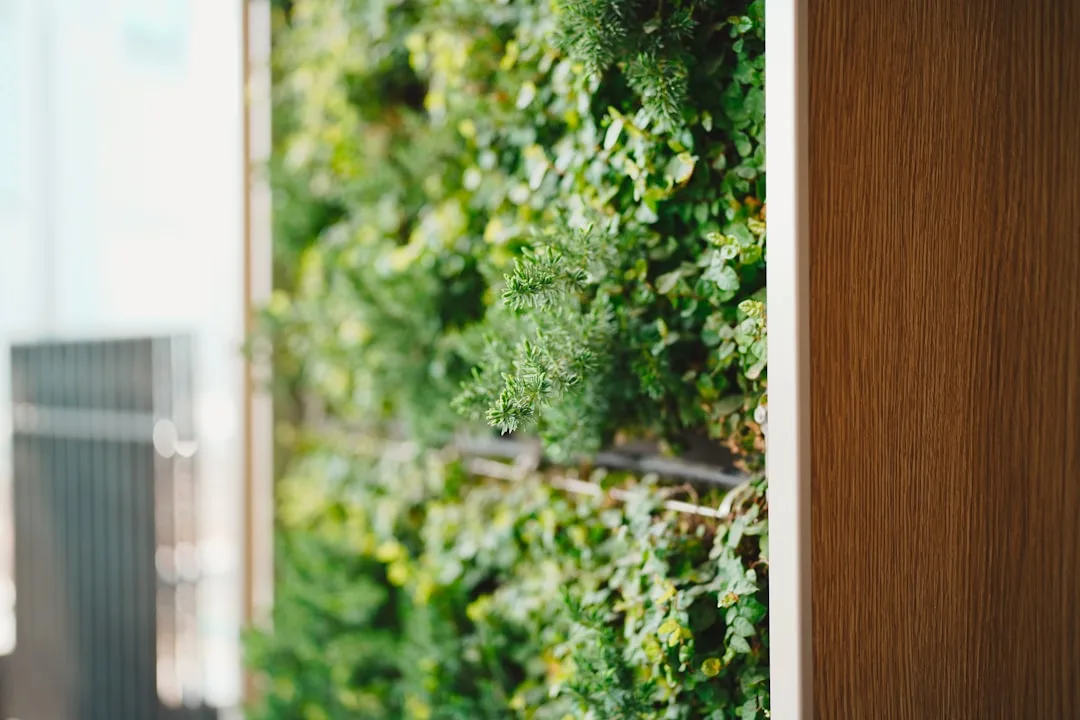
Why Vertical Gardens Replace Traditional Ground Plantings
Vertical gardens solve a problem that permeable pathways and specimen trees cannot: they multiply usable green space without expanding the footprint. In urban and suburban settings, where lot sizes shrink and HOA restrictions tighten, walls become the only available canvas. A 6-foot-by-8-foot vertical garden wall produces the same visual and ecological impact as a 15-foot-deep perimeter border—using one-third the ground area.
The shift accelerated after 2024, when prefabricated modular systems dropped installation costs by 35-40% compared to hand-built trellis solutions. Homeowners now see vertical gardens not as luxury add-ons but as practical infrastructure. This is especially true in climates where stormwater management (bioswales and permeable surfaces) competes for yard space—vertical walls absorb heat, reduce runoff velocity, and provide habitat without occupying precious horizontal zone.
Quick Tips for Vertical Garden Installation
- Install on south or west-facing walls to maximize sun exposure for productivity
- Use a drip irrigation timer to automate watering—manual systems fail within 3 months
- Start with 4-6 hours of direct sun minimum; shade walls require shade-tolerant species only
- Mount systems 2-3 inches away from the wall surface to prevent moisture and mold damage
- Choose lightweight modular panels (under 15 lbs per sq. ft. when wet) for renter-friendly setups
The trend also reflects a deeper design philosophy: layering textures and movement into spaces that feel static. Where monotone exterior paint colors or flat siding once dominated, vertical gardens introduce living pattern, shadow play, and seasonal color shift—all within a fixed boundary.
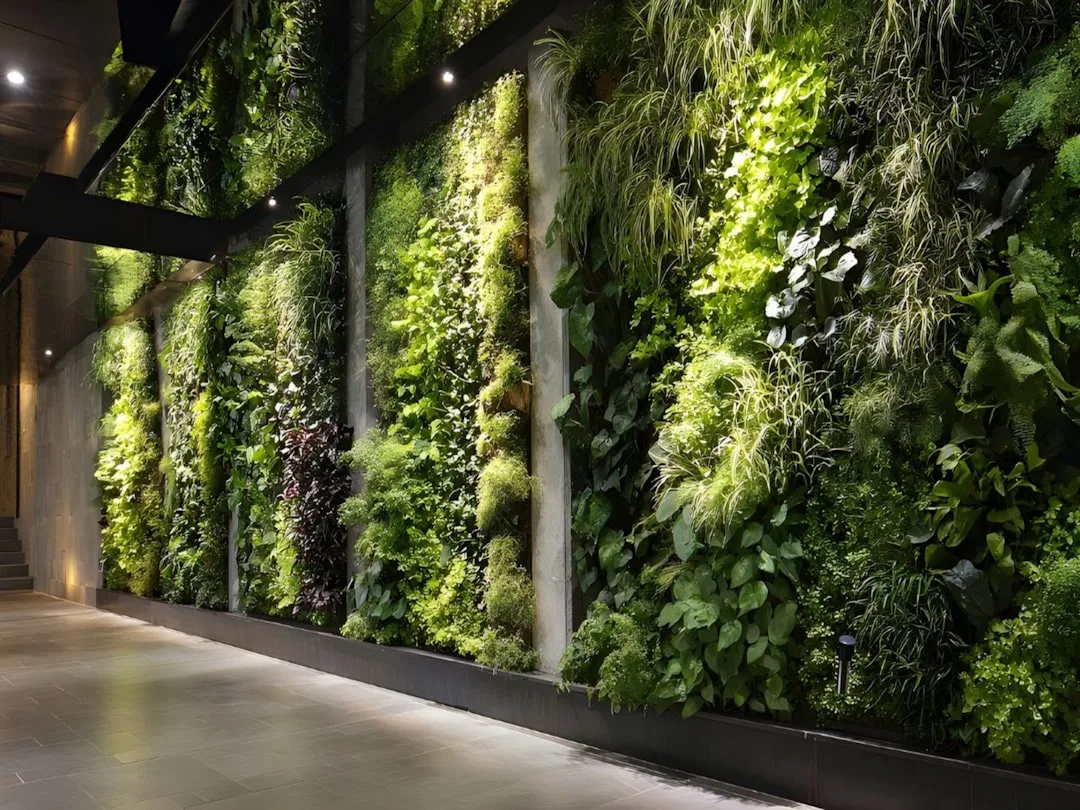
Top Modular Systems and Installation Costs
The market leader is Woolly Pocket, whose felt-panel kits run $180–$320 per 3-foot-by-2-foot section, including built-in soil retention and drainage. A typical 8-foot-by-4-foot installation costs $1,440–$2,560 in materials alone, translating to roughly $10–$15 per square foot. Professional installation adds $600–$1,200 depending on wall prep and irrigation complexity, making a complete project $2,000–$3,760 for a modest patio feature.
An alternative is the Gardena NanoGrow system ($240–$380 per panel), which integrates automated drip lines and fertilizer injection—eliminating manual feeding entirely. Over three seasons, this automation saves 40+ hours of maintenance compared to hand-watering individual pockets. The upfront cost premium (20–30% higher than Woolly Pocket) erases itself through time saved and reduced plant loss from inconsistent watering.
For budget-conscious renovators, the Green Wall Inc. modular boards ($90–$140 per panel) perform adequately on north-facing walls or in climates with reliable rainfall. However, they lack integrated drainage channels, forcing users to install separate gutter systems below—an extra $300–$500 expense that narrows the price gap versus premium systems. This is the #1 failure scenario: choosing cheap panels without accounting for hidden water-management costs that ultimately exceed the savings.
Plant Selection and Seasonal Rotation Strategy
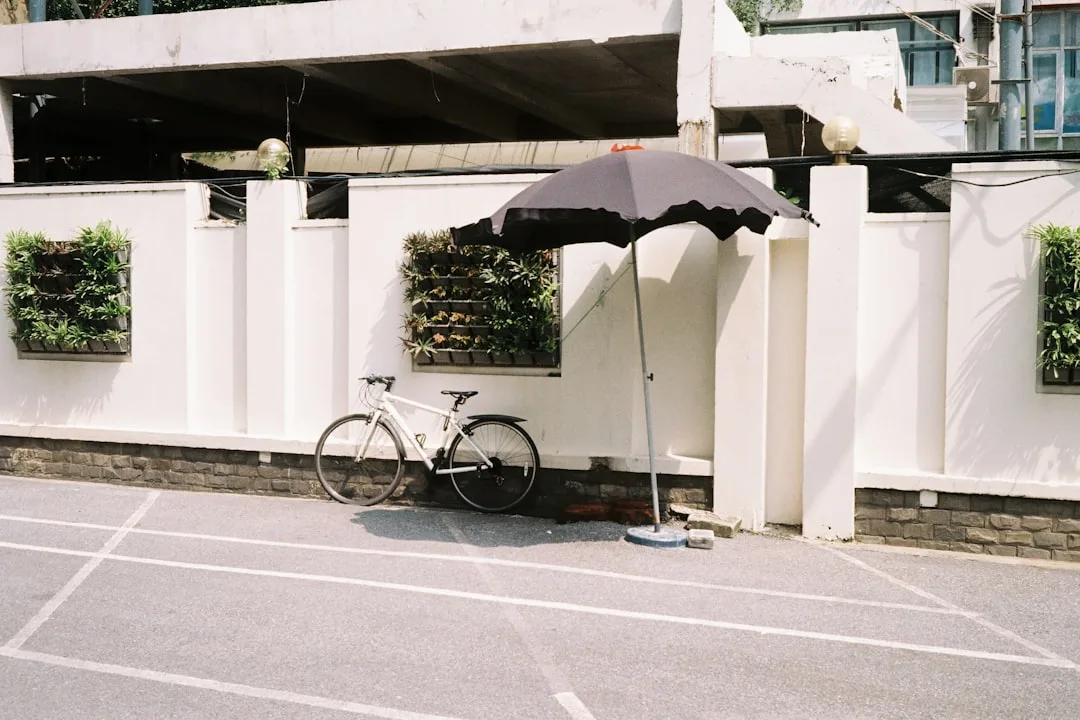
Not every plant thrives in vertical orientation. Sedums and trailing succulents dominate high-light installations because their shallow root systems (3–4 inches) match the 4-inch soil depth of most modular pockets. In 2026, the trend leans toward native groundcovers adapted to vertical stress—creeping thyme, coastal sage, and golden duranta perform better than ornamental perennials that demand deeper soil.
Microclimate matters dramatically. South-facing vertical walls experience 15–20°F higher peak temperatures than adjacent ground-level beds, which triggers faster transpiration and scorches heat-sensitive species. North-facing walls stay 8–12°F cooler, favoring moss, ferns, and shade-tolerant sedums. A common mistake is rotating seasonal plantings without accounting for this micro-gradient; someone plants heat-loving annuals on a north wall in spring and watches them yellow by mid-June.
The winning approach in 2026 combines 60% perennial sedums (permanent structure) with 40% rotating annual slots for seasonal color. This reduces replanting labor and keeps the wall visually active across all four seasons. Link to Create the French Style Home Exterior of Your Dreams for context on how vertical gardens integrate into cohesive exterior design strategies.
Water Management and Long-Term Durability
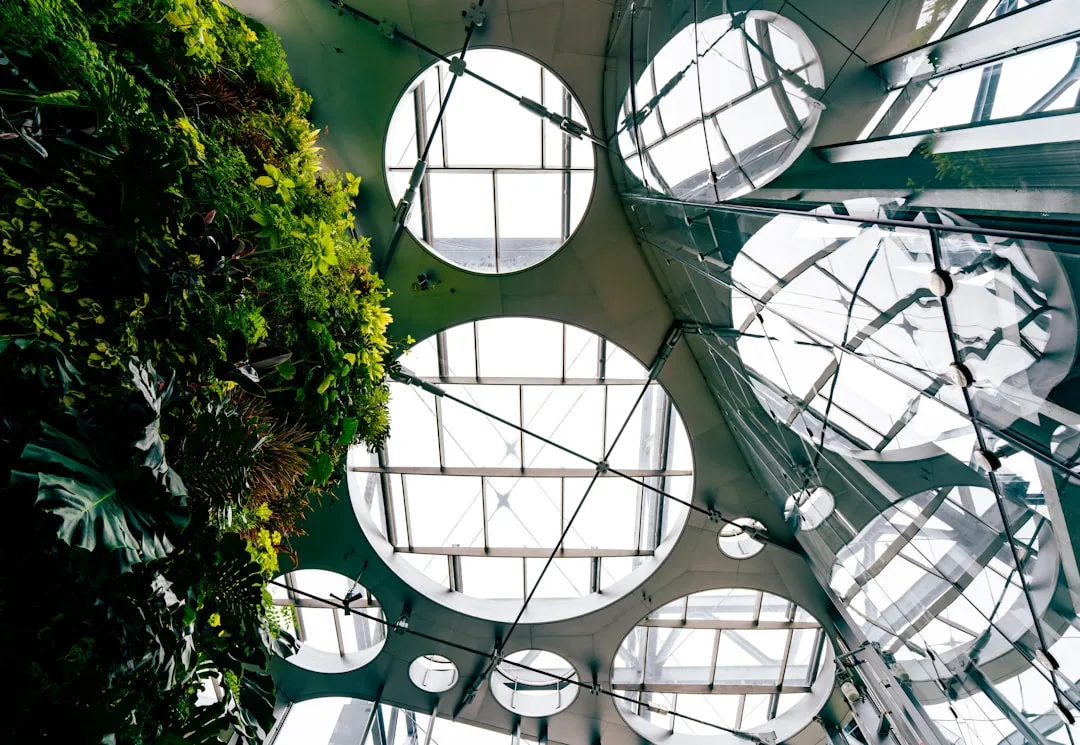
Vertical gardens fail most often due to irregular watering schedules, not poor design. A 32-square-foot wall requires 15–25 gallons per week in warm weather—double that during heat waves. Hand-watering misses this target 60% of the time, causing plants to desiccate within 10–14 days. Drip irrigation with a timer solves this, but installation requires running poly tubing behind or alongside the panels, adding labor cost.
Moisture trapped behind the wall panel creates a second failure point: algae blooms, mold, and structural rot in wooden fence backs. Premium systems like Florafelt Pro ($200–$350 per 2×3 panel) use breathable backing that prevents moisture accumulation while allowing water to drain freely. Budget panels with solid-backing materials decay within 2–3 years, forcing complete replacement—an invisible cost that eliminates savings from lower initial purchase price.
Wall preparation is non-negotiable. Before mounting any system, verify that the underlying structure (wood fence, concrete, or vinyl cladding) is structurally sound. A compromised fence post fails under the 40–60-pound load of a fully planted, watered vertical garden panel, creating a safety hazard. Have a contractor inspect walls bearing loads over 8 feet high; the inspection typically costs $150–$250 but prevents $3,000–$5,000 emergency fence replacement mid-season.
Fertilizer management differs from ground beds. Excess nutrients leach through the thin soil layer and drip onto patios or plants below, creating staining and nutrient imbalances in downstream plantings. Slow-release pellets (like Miracle-Gro Shake ‘n Feed, $12–$18 per container) outperform liquid fertilizers because they avoid over-concentration in small soil volumes. Check How To Match Stucco Paint Color For House Facade? 50+ Exterior Ideas to see how vertical gardens complement exterior color palettes and architectural finishes.
Integration Into Compact Landscape Design
Vertical gardens amplify the impact of French-inspired exterior design by creating living screens that soften hard edges and define outdoor rooms. A 6-foot-high garden wall divides a 400-square-foot patio into distinct zones—dining area, lounge zone, and entry threshold—without blocking sightlines or requiring structural walls. This visual compartmentalization makes small spaces feel larger while adding privacy and shade.
In 2026, vertical gardens also replace traditional slatted privacy screens in high-wind and high-traffic areas. A living wall absorbs noise better than plastic or aluminum panels, reduces reflected heat by 8–12°F compared to solid materials, and increases property value by 3–5% according to recent landscape investment studies. Over a five-year hold period, the aesthetic and functional gains compound, making vertical gardens a long-term asset rather than a seasonal decoration.