
Interior lighting is no longer a finishing touch — it is the foundation of how a space feels, functions, and performs. Studies show that 68% of homeowners report dissatisfaction with their home lighting, yet lighting accounts for just 5–10% of a renovation budget. The gap between impact and investment makes it one of the smartest upgrades any homeowner can make. Whether you are layering pendant fixtures over a kitchen island, installing programmable LED panels in a compact bedroom, or integrating voice-controlled smart systems throughout the house, the right interior lighting decisions reshape architecture, mood, and daily routine simultaneously.
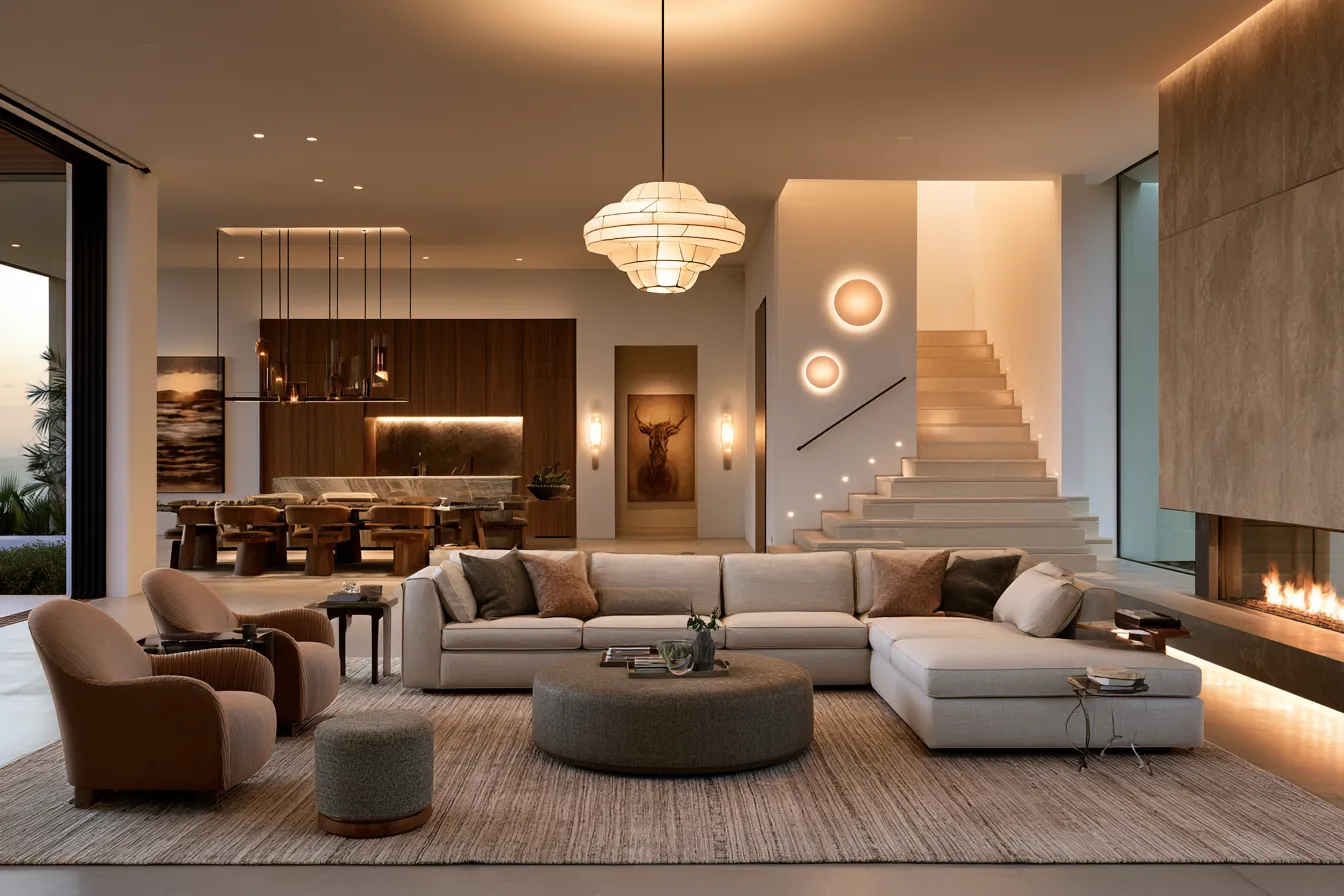
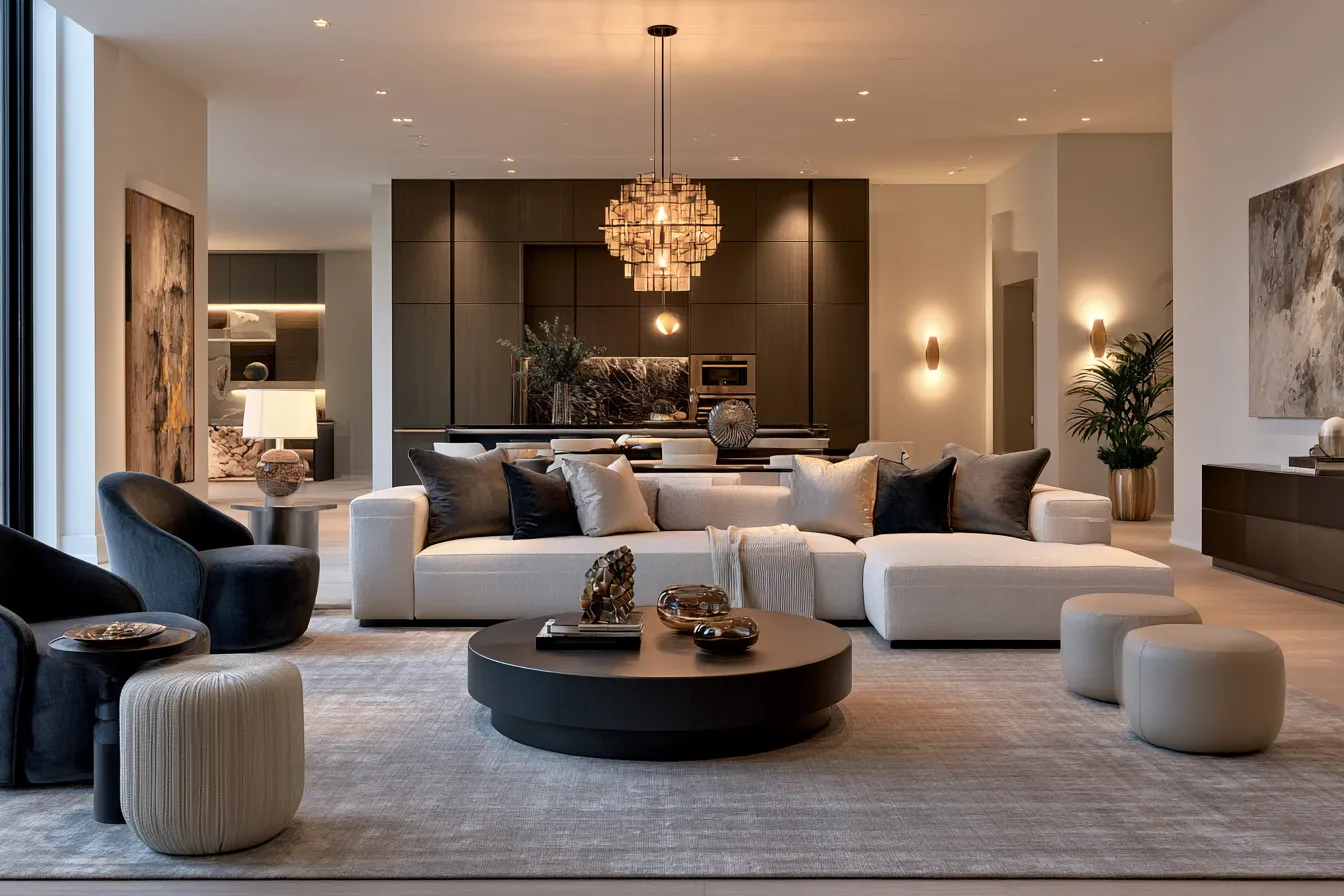
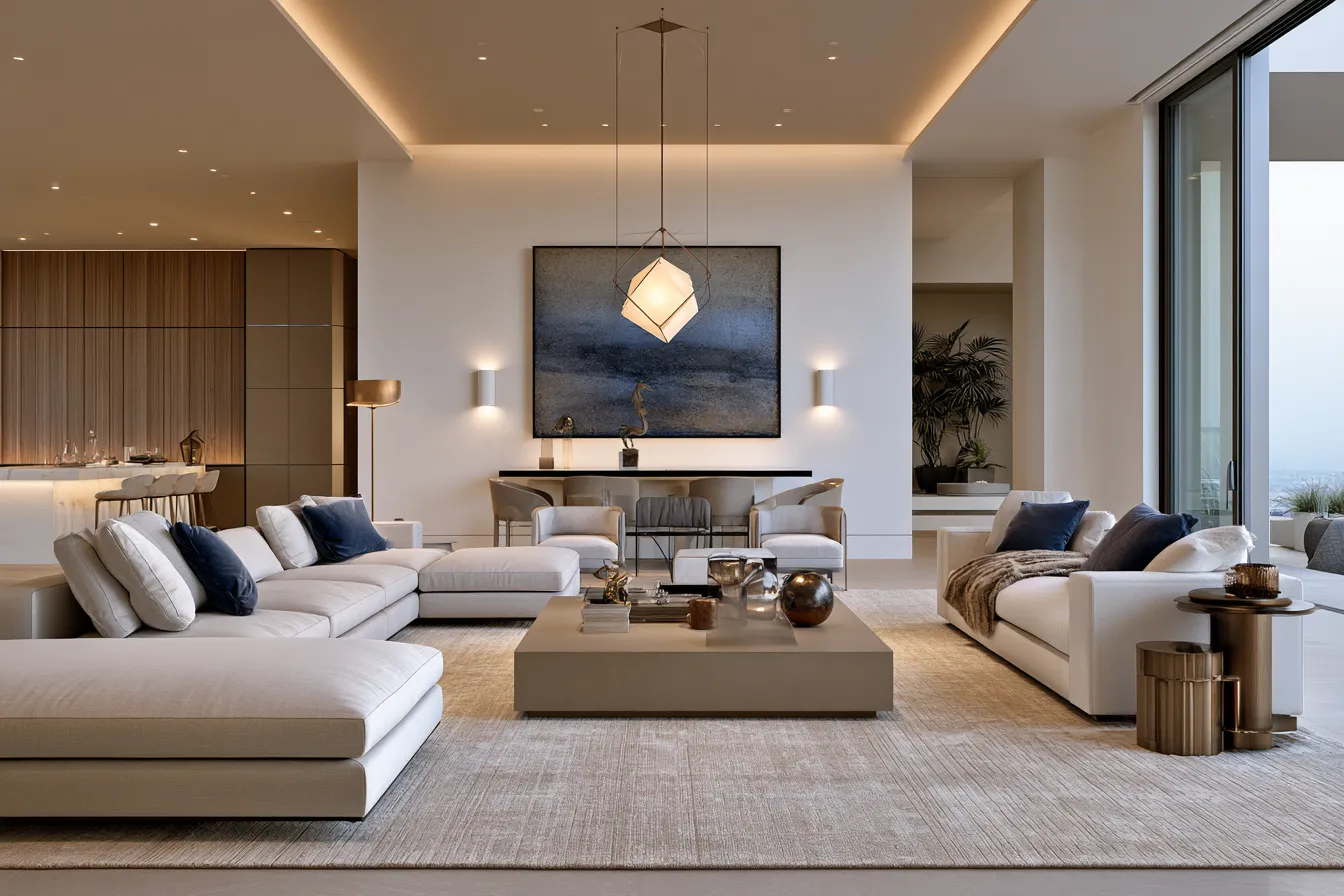
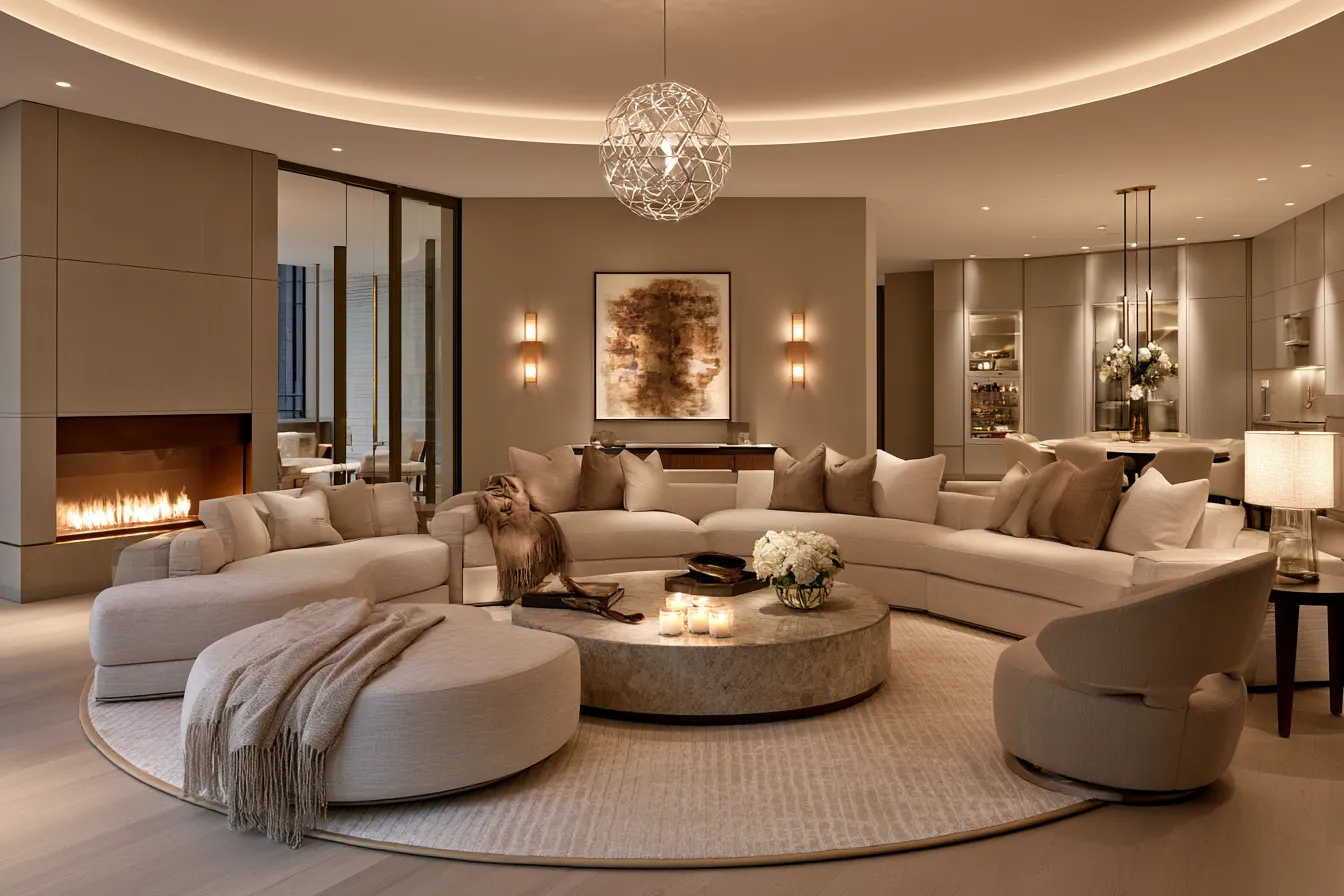
Why Interior Lighting Shapes Every Design Decision
Light defines proportion. A room with 2.7-metre ceilings fitted with flush recessed LED downlights reads as generous and airy; the same room with a single central ceiling rose and bare bulb reads as cramped. Color temperature alone shifts perception dramatically — 2700 K warm white encourages relaxation, while 4000 K cool white increases alertness by up to 23% according to workplace ergonomics research. Understanding these mechanics is the starting point for every interior lighting decision, from fixture selection to placement to control strategy.
The industry now groups residential interior lighting into four functional layers: ambient (general illumination), task (targeted work light), accent (decorative and focal emphasis), and decorative (the fixture itself as object). Professional lighting designers recommend budgeting at least three of these four layers in any room larger than 12 square metres. Skipping accent lighting is the single most common reason spaces feel flat despite expensive fixtures.
Smart and Automated Interior Lighting Systems
The fastest-growing segment of the residential lighting market is smart control. By mid-decade, over 40% of newly built homes in North America and Western Europe will ship with pre-installed lighting automation infrastructure. Voice-activated systems, scene programming, circadian rhythm scheduling, and integration with blinds and HVAC have moved from luxury add-ons to standard expectations. The articles below cover the full spectrum of intelligent interior lighting, from entry-level voice control to AI-driven predictive automation.
- Voice-Activated Home Lighting Systems Transform Living Spaces
- Smart Lighting Automation Reshapes Residential Control
- Voice-Controlled Smart Lighting Revolutionizes Home Automation
- Smart Entrance Lighting Technology — Why Homes Upgrade
- How to Integrate Smart Lighting with Smart Blinds and Shades
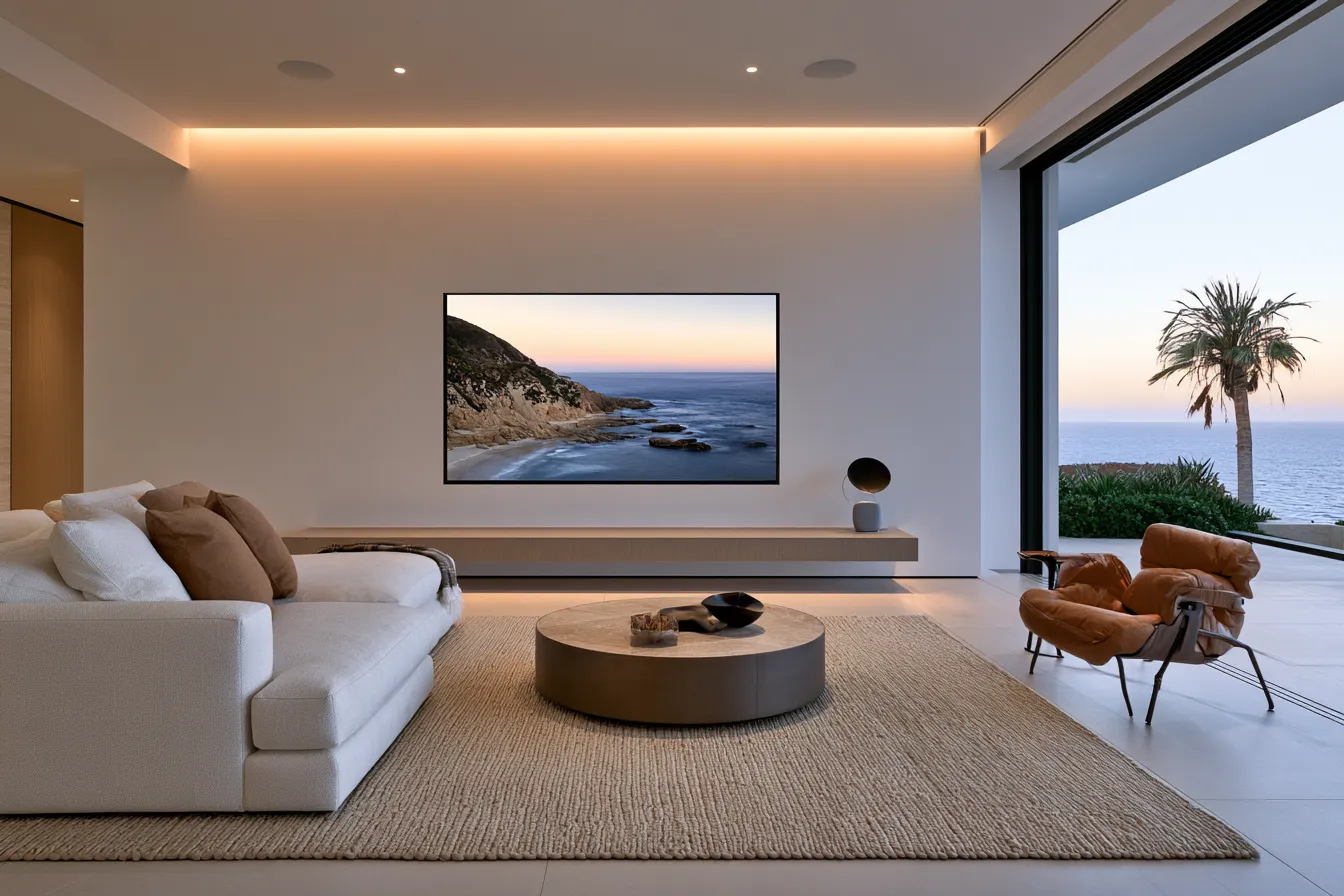
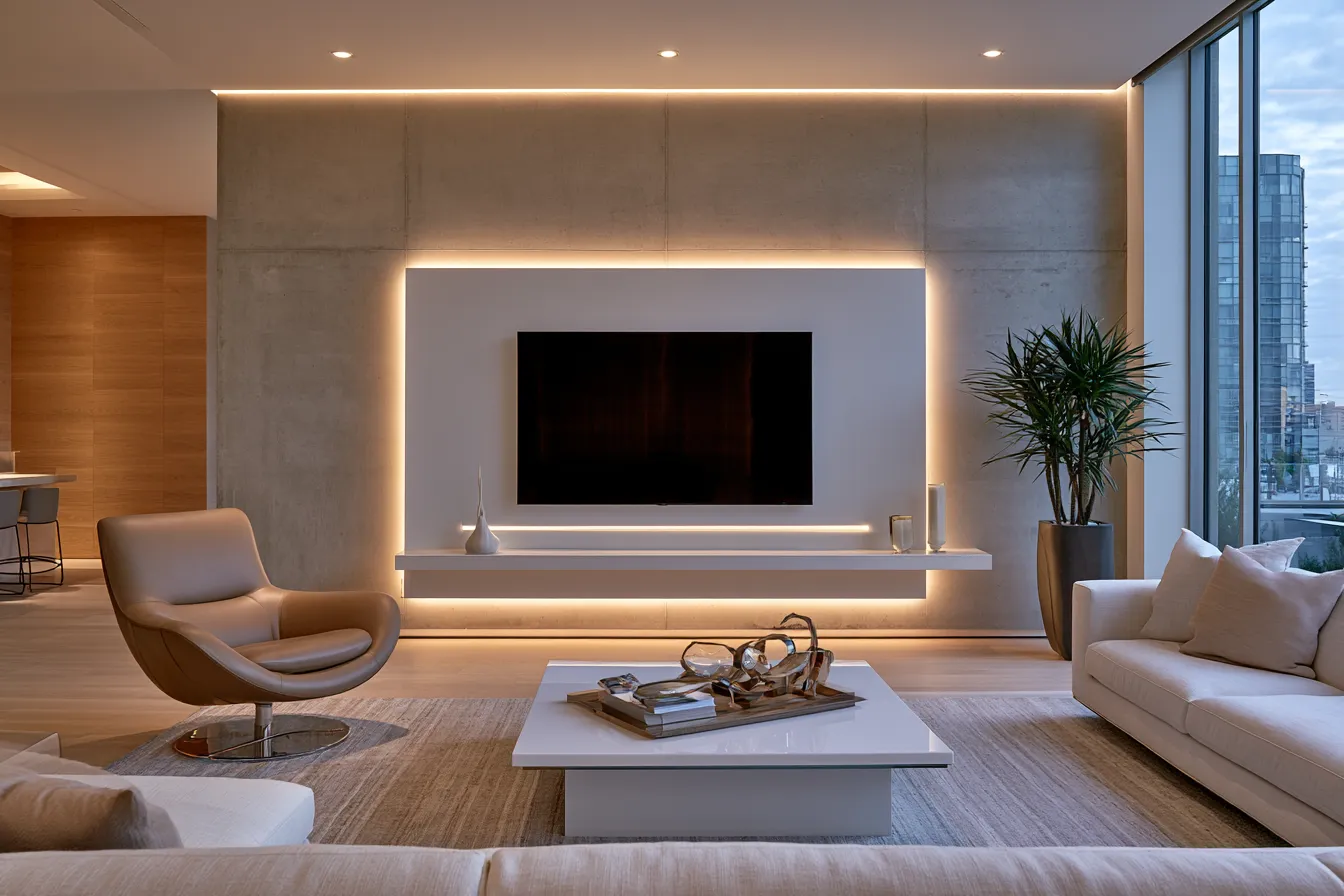
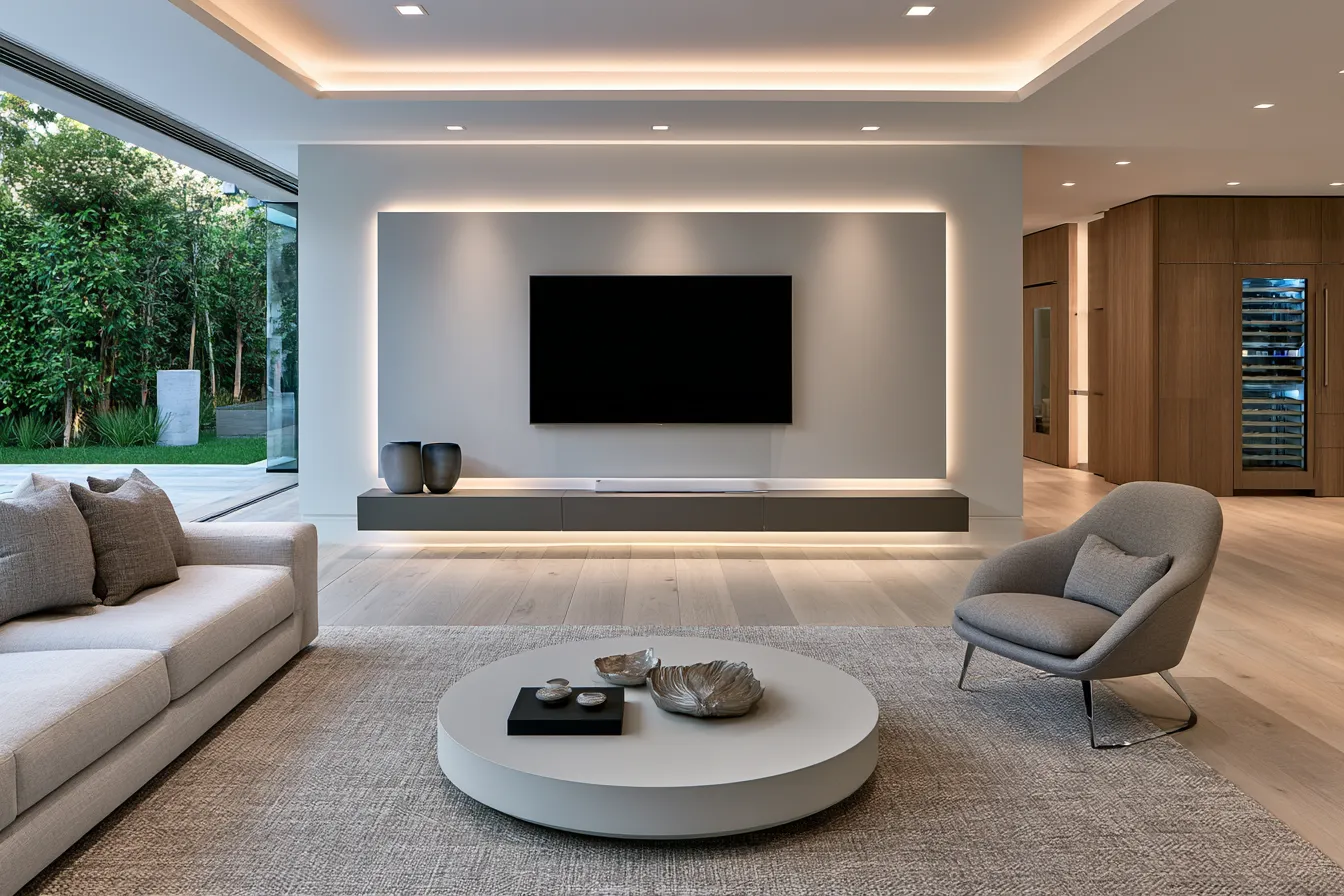
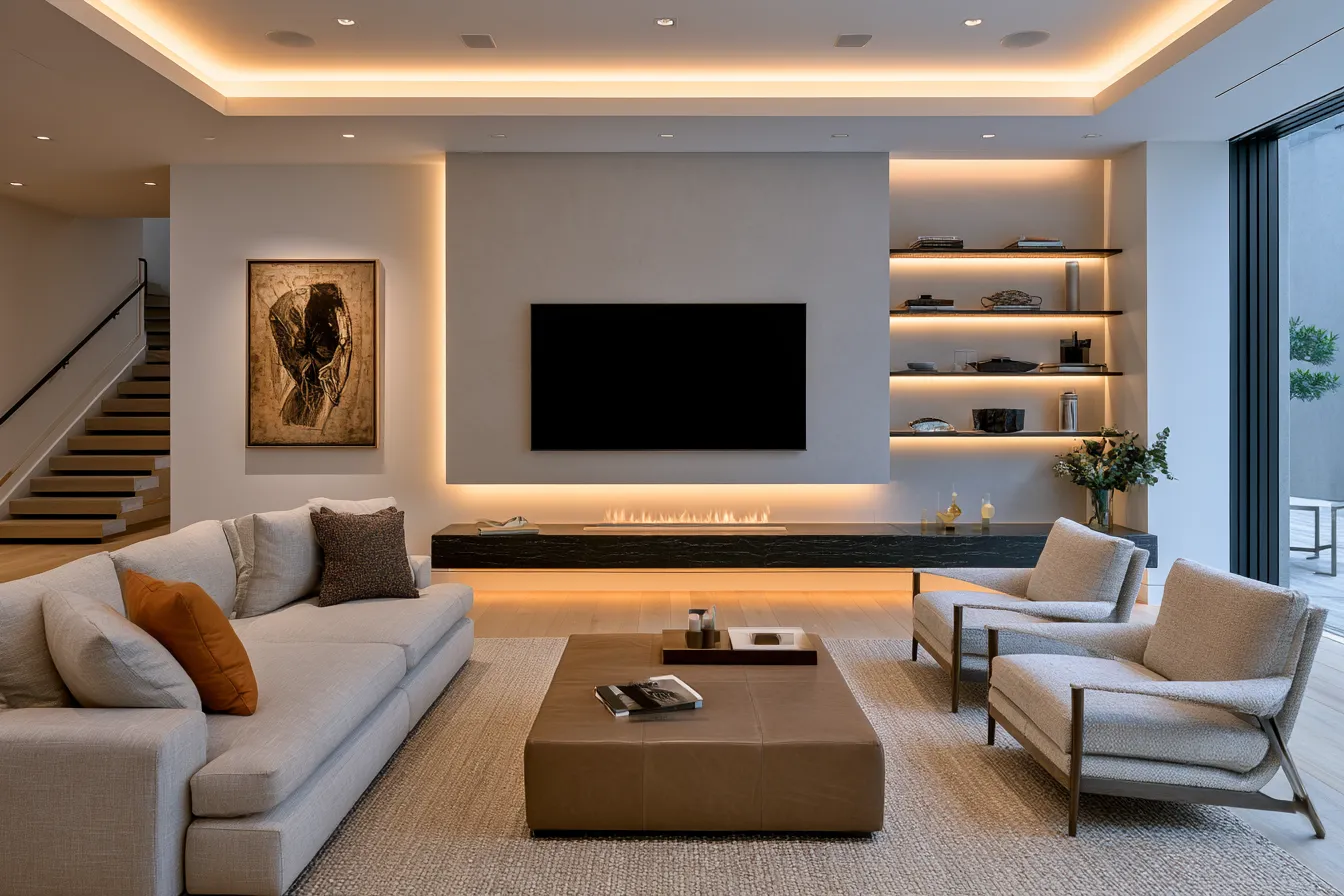
LED Panel Design for Bedrooms, Living Rooms and Lobbies
LED panel design has become the dominant ceiling treatment in modern residential interiors. Today’s panels achieve luminous efficacy of 130–160 lm/W, making them 5× more efficient than equivalent halogen sources. In compact bedrooms — typically 9 to 14 square metres — a single 60×60 cm panel rated at 36 W can deliver sufficient ambient light while leaving the ceiling visually uncluttered. Larger formats, decorative carving patterns in wood surrounds, and programmable RGB colour options expand the design vocabulary dramatically.
- Brighten Your Space with Small Bedroom LED Panel Design
- 7+ Ways LED Panel Designs Can Transform Your Bedroom
- 20+ Innovative LED Panel Design Solutions for Compact Bedrooms
- Small Bedroom? Big Impact with These LED Panel Design Ideas
- 8+ Effortless LCD Panel Inspirations for Bedroom Bliss
- LED Panel Design That Makes Your Ceiling Do the Work
- Wooden LED Panel Design — Wood Species, Carving Depth and LED Specs
- Urban Loft Aesthetics with Sleek LED Wood Panel Design
- LED Wood Panel Design Enhances Scandinavian Simplicity
- Crafting Ambiance with Premium Wood LED Panel Designs
- Modern LED TV Wall Panel Designs for Living Room — 5+ Ideas
- 10+ Inspiring Main Hall LED Panel Designs for Modern Homes
- 7+ Impressive Ways to Incorporate LED Panels in Your Lobby Design
Kitchen Interior Lighting — Pendants, Chandeliers and Island Fixtures
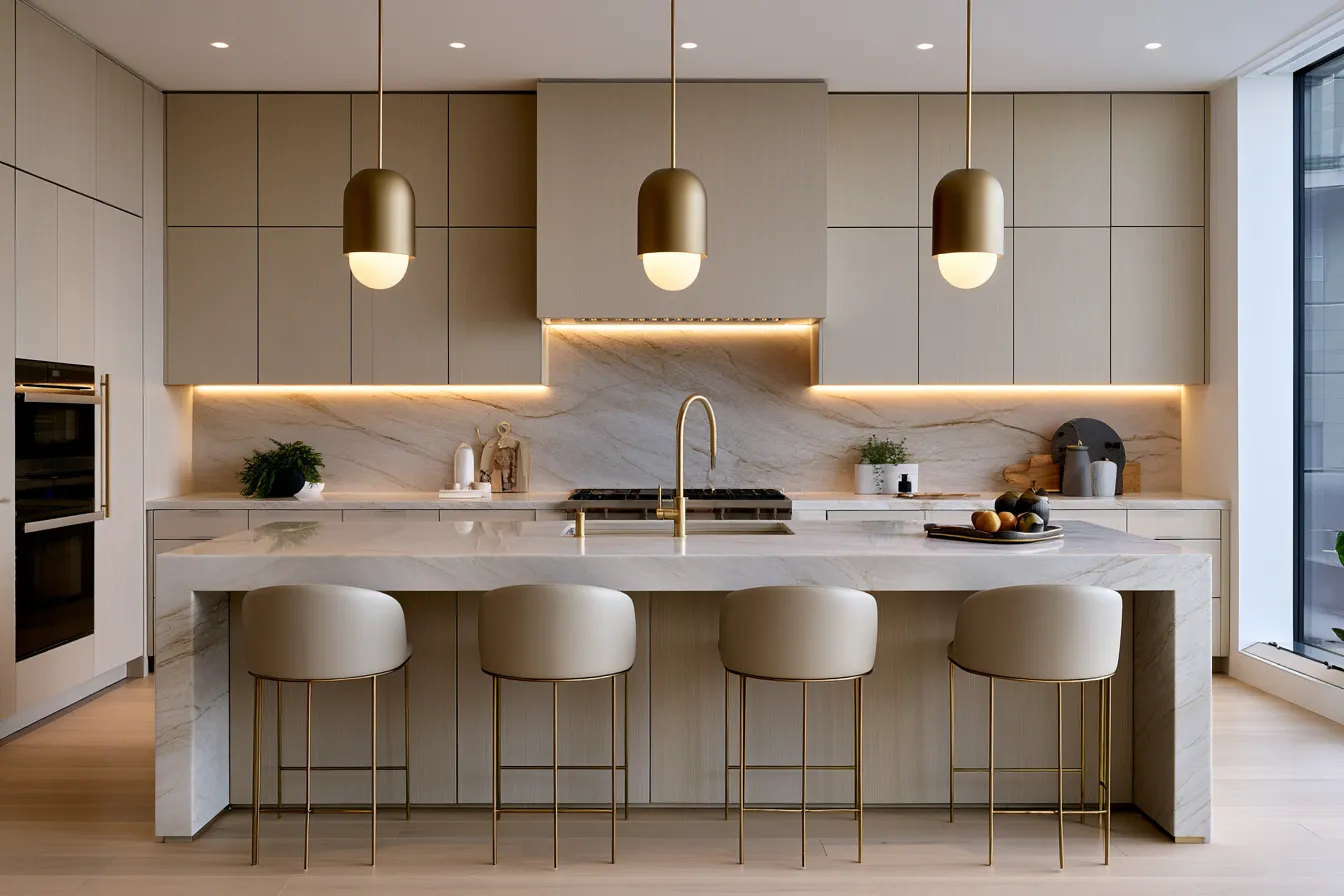
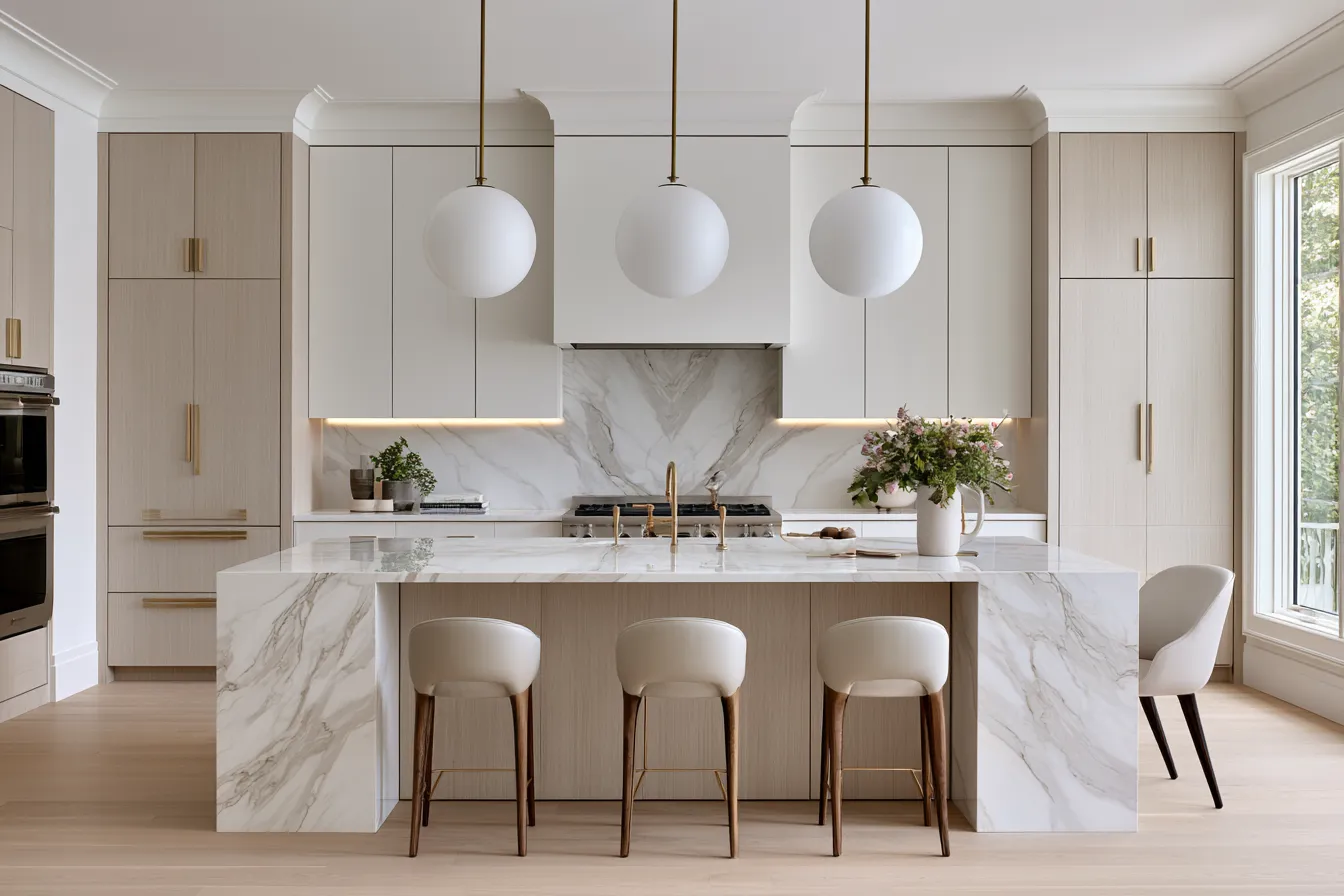
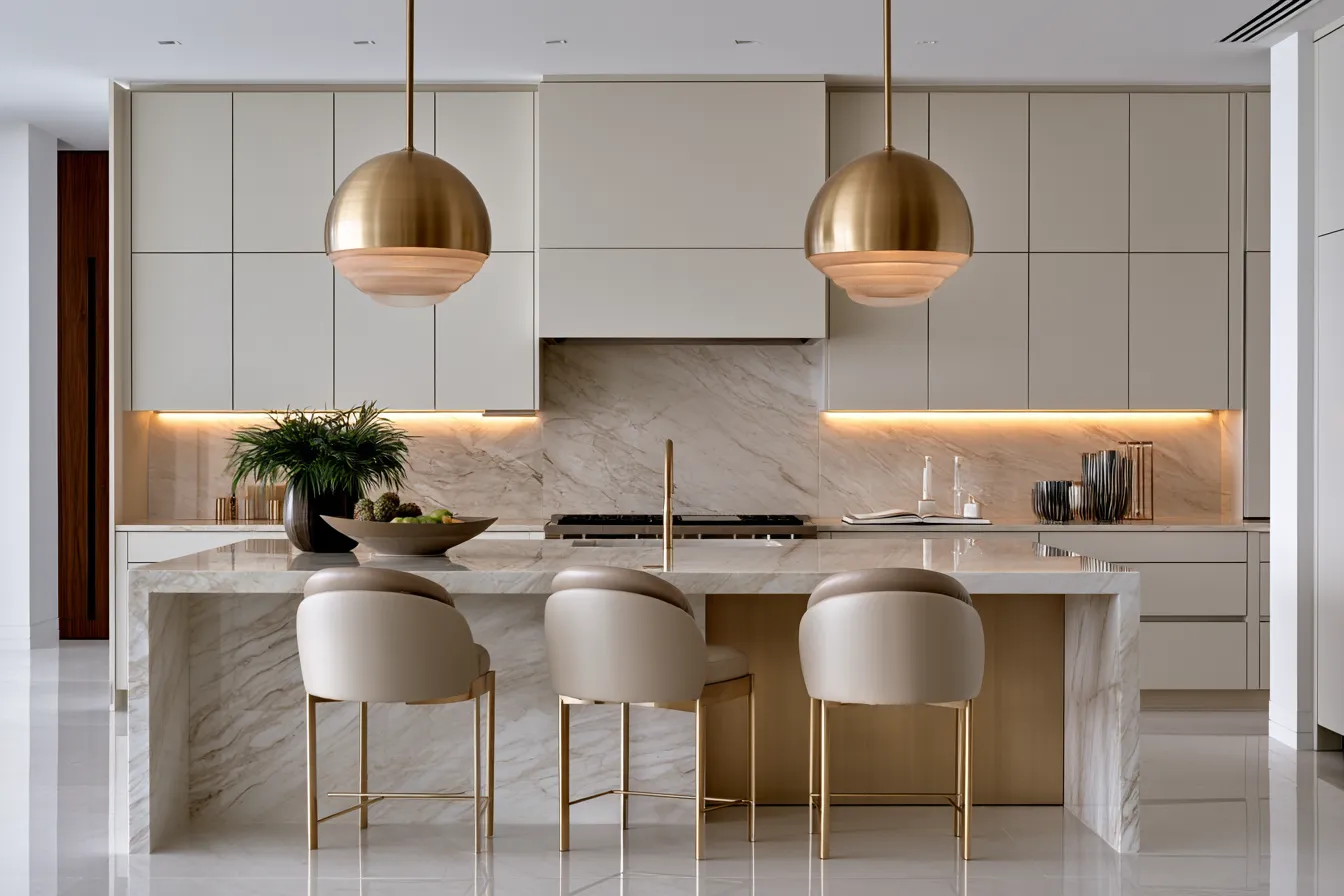
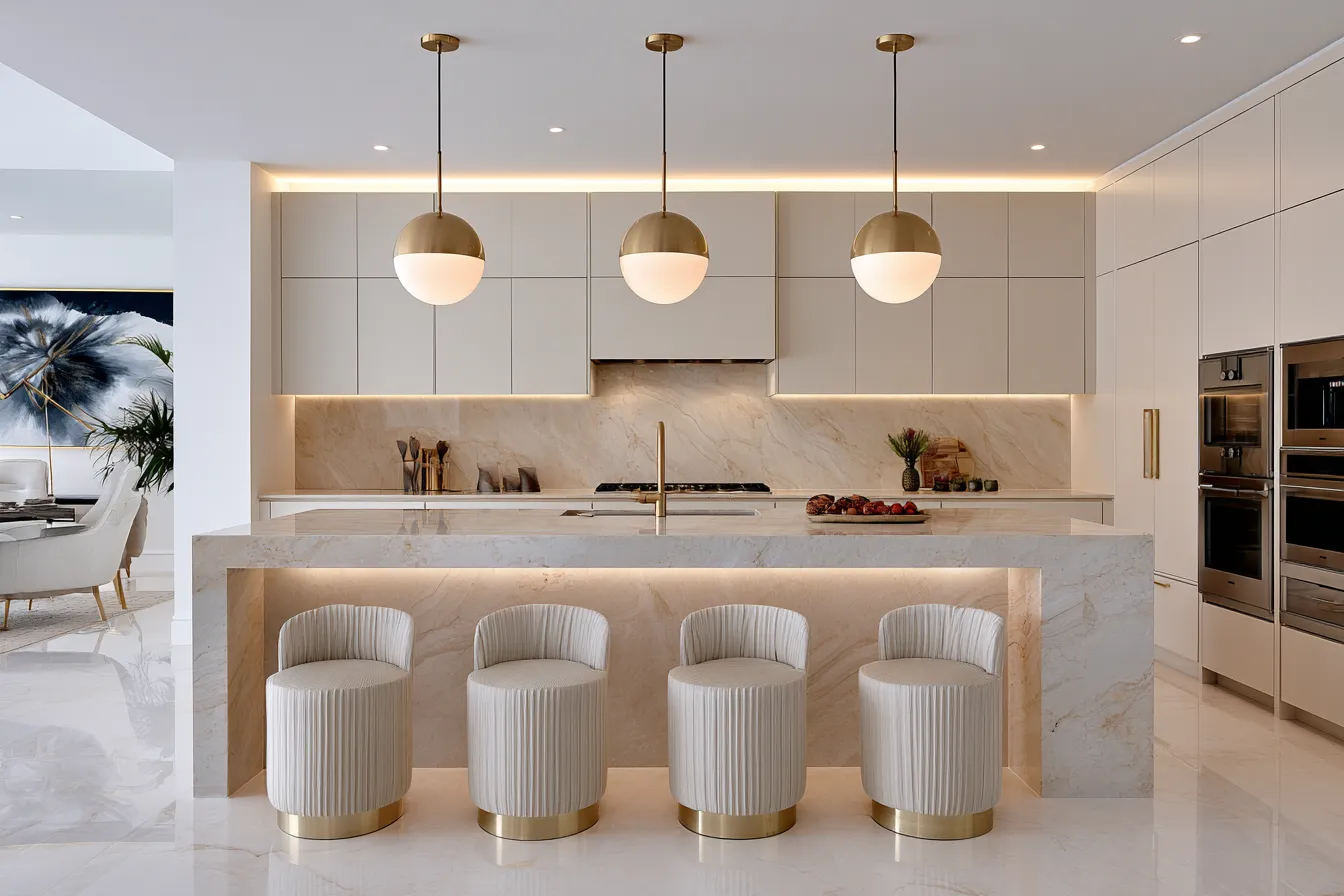
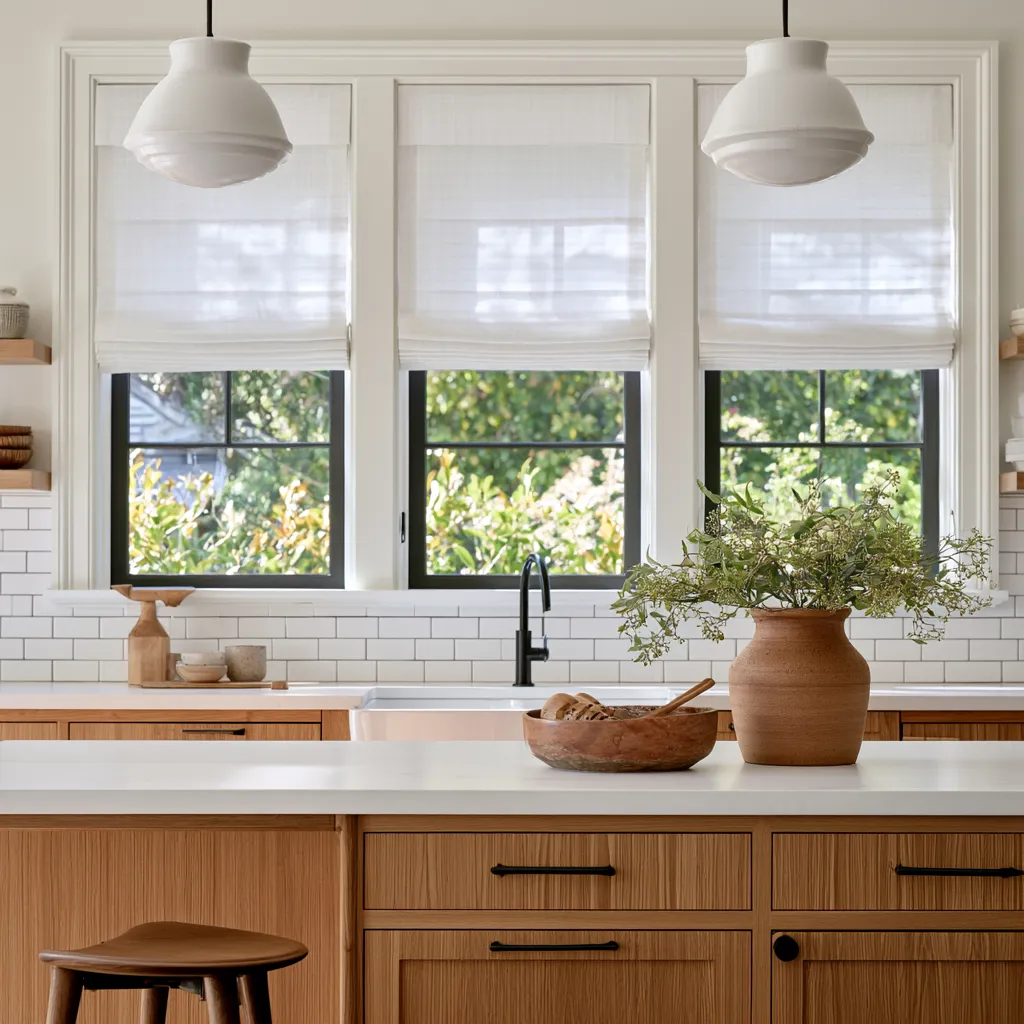
The kitchen is where interior lighting does the most simultaneous work: task illumination for food preparation, ambient fill for family gathering, and decorative impact for the room’s focal zones. Over an island, pendant heights between 70 and 85 cm above the countertop surface are the industry standard for a 90 cm bench height. Fixture spacing of 60–75 cm between pendant centres prevents both visual clutter and shadow zones. Below is the full resource library for kitchen lighting, organised from island pendants and chandeliers through to creative and retro-inspired approaches.
- 20+ Creative Kitchen Lighting Ideas
- How to Match Kitchen Chandeliers with Interior Decor
- 11+ Zen Kitchen Island Pendant Lighting Ideas for a Calming Atmosphere
- 7+ Eclectic Kitchen Island Pendant Lighting Ideas for a Bold Statement
- 10+ Retro Kitchen Island Pendant Lighting Ideas for a Funky Touch
- 6+ Minimalist Kitchen Island Pendant Lighting Ideas to Simplify Your Space
- 10+ Timeless Kitchen Island Pendant Lighting Ideas for a Classic Look
- 6+ Mid-Century Modern Kitchen Light Fixtures Ideas for Retro Vibes
- 9+ Urban Loft Kitchen Light Fixtures Ideas for Open-Concept Living
- 10+ Scandinavian Modern Kitchen Light Fixtures Ideas for Minimalist Beauty
- 12+ Natural Island Lighting Ideas for an Organic Modern Kitchen
- 12+ Unique Island Lighting Ideas for an Eclectic Space
- 9+ Affordable Kitchen Island Lighting Ideas You’ll Love
Dining Room Lighting — Over-Table Fixtures and Chandeliers
The dining table is the single most lighting-critical horizontal surface in the home. Research from hospitality design consistently shows that 2700–3000 K warm white lighting over a dining surface increases perceived food quality and extends meal duration by 15–20 minutes on average. The standard pendant or chandelier bottom should hang 75–90 cm above the tabletop for a standard 76 cm dining height. Dimmer control is non-negotiable — a dining room without dimming capability is a dining room with one permanent mood.
- Gold Geometric Chandelier Radiates Elegance in a Grand Dining Room
- Geometric Chandelier Dazzling in Elegant Dining Room
- Geometric Lampshade Illuminates Chic Dining Room
- Geometric Gold Candle Holder Illuminating a Glamorous Dining Room
- 12+ Warm Over Dining Table Lighting Ideas for Farmhouse Kitchens
- 9+ Minimalist Dining Table Lighting Ideas That Don’t Look Boring
- Raw Ceiling, Wrong Light — Industrial Dining Room Lighting Guide
Living Room Lighting — Fixtures, Trends and Ambiance
The living room demands the widest lighting versatility of any space in the home. It must support high-lux task conditions for reading (minimum 300 lux at the page), low-lux cinematic moods for streaming, and everything in between. Floor lamps positioned behind seating at 120–150 cm height fill the mid-space shadow zone that ceiling-only installations always miss. Wall sconces at 170–180 cm add vertical warmth without competing with focal wall artwork. The resources below cover every living room lighting scenario from geometric statement fixtures to geometric chandeliers, floor lamps, and neon art.
- The Top Trends in Modern Living Room Light Fixtures
- Crafting Ambiance with Unique Lighting Design for Living Rooms
- 3+ Lighting Ideas to Brighten Your Hampton Style Living Space
- Geometric Ceiling Light in Modern Living Room
- Geometric Floor Lamp Illuminates Chic Living Room
- Geometric Lighting Fixtures Enhancing a Modern Living Room
- Illuminating Space with a Modern Geometric Chandelier in the Living Room
- The Geometric Wall Sconce Adorning a Contemporary Living Room
- Lighting Up Creativity — Artistic Uses of Neon Signs
- Artistic Lighting Techniques for Modern Homes
- How to Create Luxurious Lighting in Your Home
Ceiling, Bathroom and Workplace Lighting Explored
Ceiling design with integrated lighting is among the most architecturally impactful decisions in a renovation. A coffered or coved ceiling with hidden LED strip lighting can raise perceived ceiling height by 20–30 cm without any structural change. Bathroom lighting demands a separate circuit from the main room’s ambient system — task lighting flanking the mirror at eye level (approximately 165 cm) eliminates the shadow-under-chin problem that overhead-only bathroom fixtures invariably create. Workplace lighting, both home office and commercial, requires 500 lux at desktop level per EN 12464-1 standards, with a colour rendering index (CRI) above 80 for sustained visual comfort.
- What Can Be a Fashionable Ceiling Design with Lights?
- Add Elegance to Your Home with Aesthetic Ceiling Lights
- 10+ Stunning Bathroom Lighting Design Concepts to Transform Your Space
- Workplace Lighting — Work Efficiently When Designed Creatively
- Why Do My Light Bulbs Keep Burning Out So Quickly?
Geometric Fixtures and Decorative Interior Lighting
Geometric fixture design has dominated residential interior lighting for several years and shows no sign of retreating. Hexagonal pendants, triangulated chandeliers, and angular wall sconces introduce visual structure without requiring an architectural intervention. Brass and matte black finishes remain the two most specifiable options in this category, with brass delivering warmth at 2700–3000 K and black providing graphic contrast at any colour temperature. Kitchen pendants in geometric glass formats are particularly effective over islands because the clear or smoked glass body allows light to spill in all directions while the geometric frame provides focal definition.
- Geometric Pendant Light Illuminating a Contemporary Kitchen
- Black Geometric Pendant Light — A Beacon of Elegance in a Modern Kitchen
- Geometric Glass Pendant Light Casting Elegance in a Chic Kitchen
- Geometric Hanging Light Sparkling in a Contemporary Kitchen
Plug-In Wall Lights and Flexible Lighting Solutions
Plug-in wall lights occupy a practical niche that hard-wired sconces cannot serve: they require no electrician, no wall cutting, and no plasterwork. For renters, listed buildings, or temporary installations, a quality plug-in sconce with a cord cover can deliver the same visual result as a built-in fitting at a fraction of the disruption cost. Contemporary plug-in models reach wattages from 5 W LED equivalents up to 40 W, covering everything from bedside reading to hallway accent lighting.
Biophilic and Nature-Inspired Interior Lighting Design
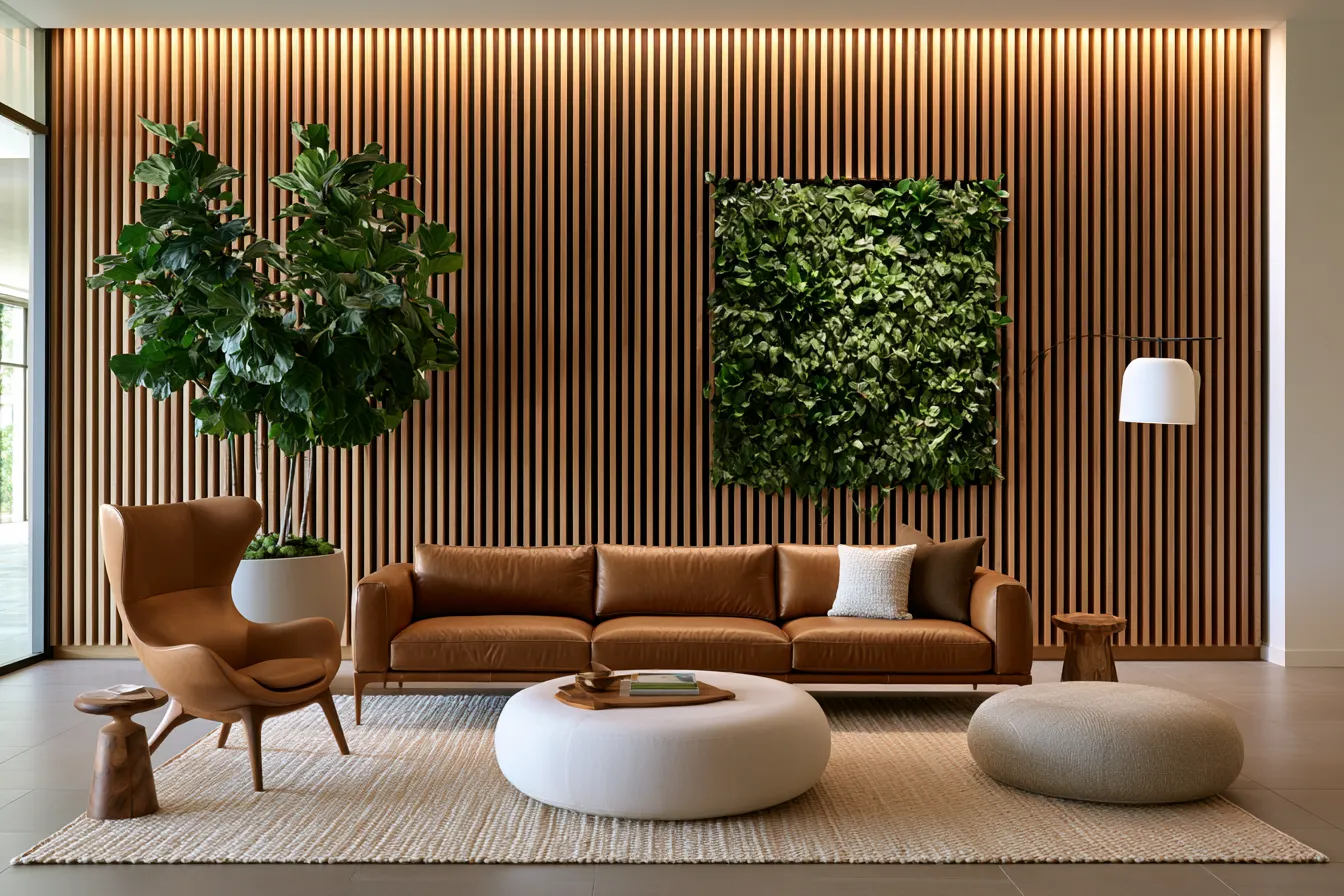
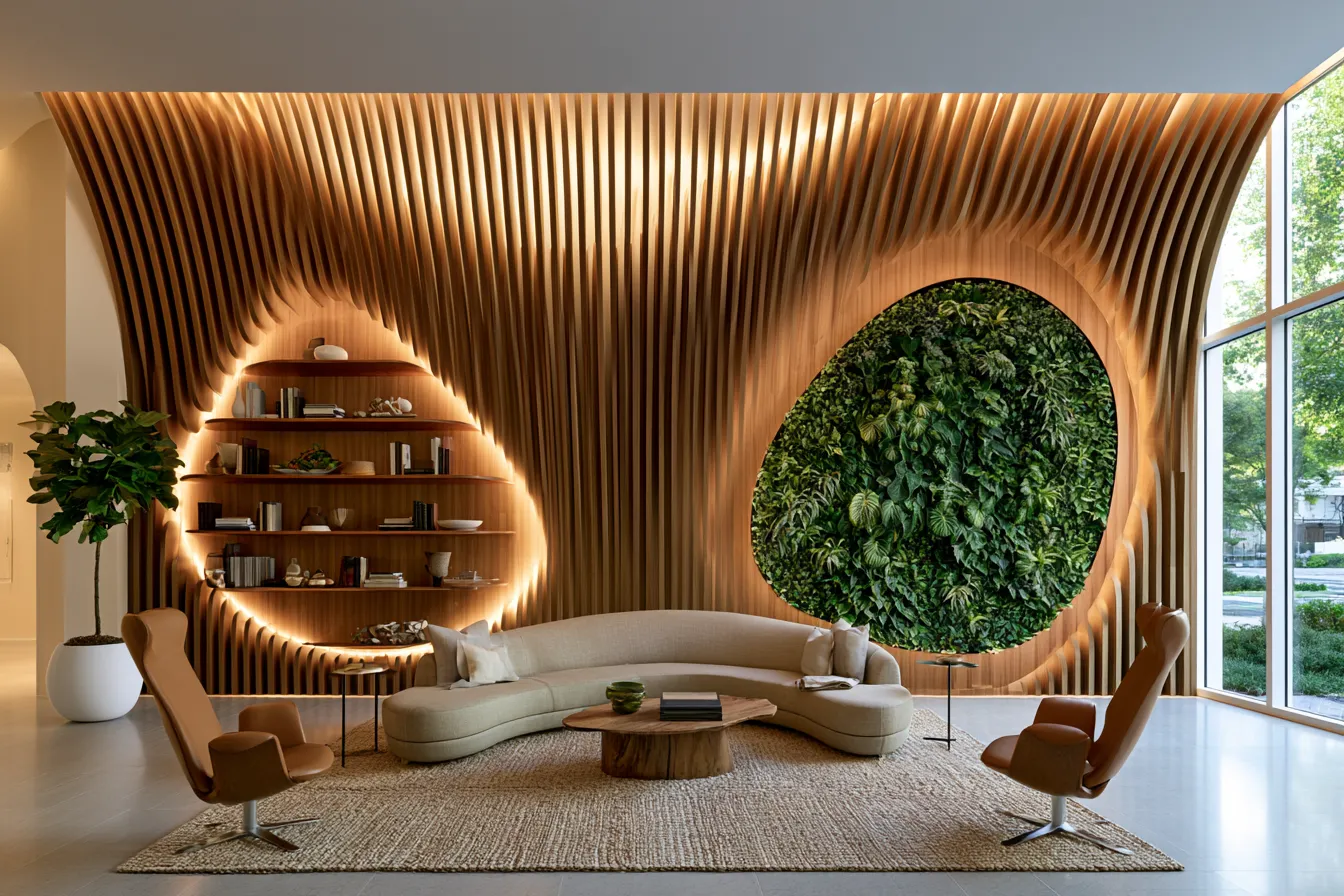
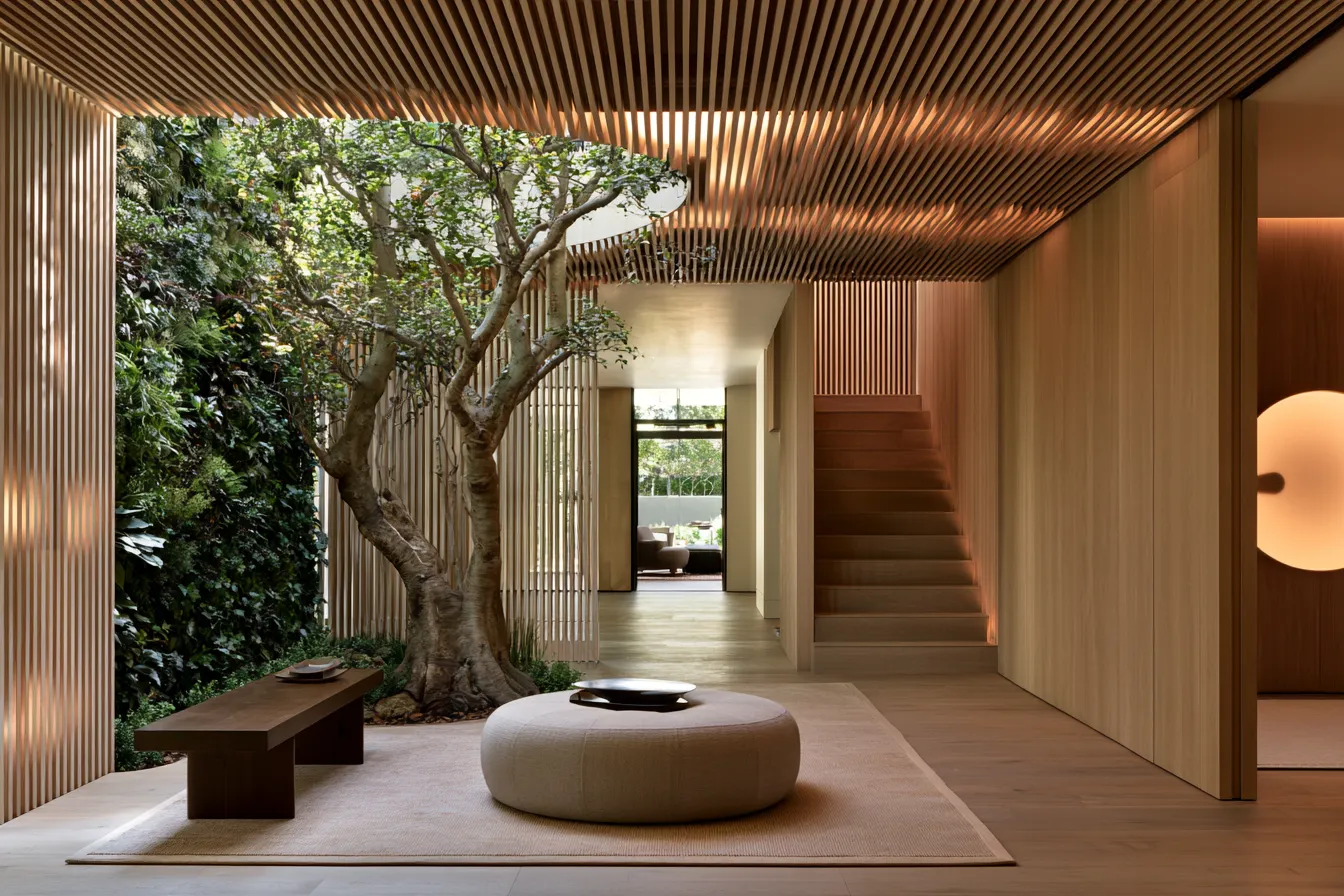
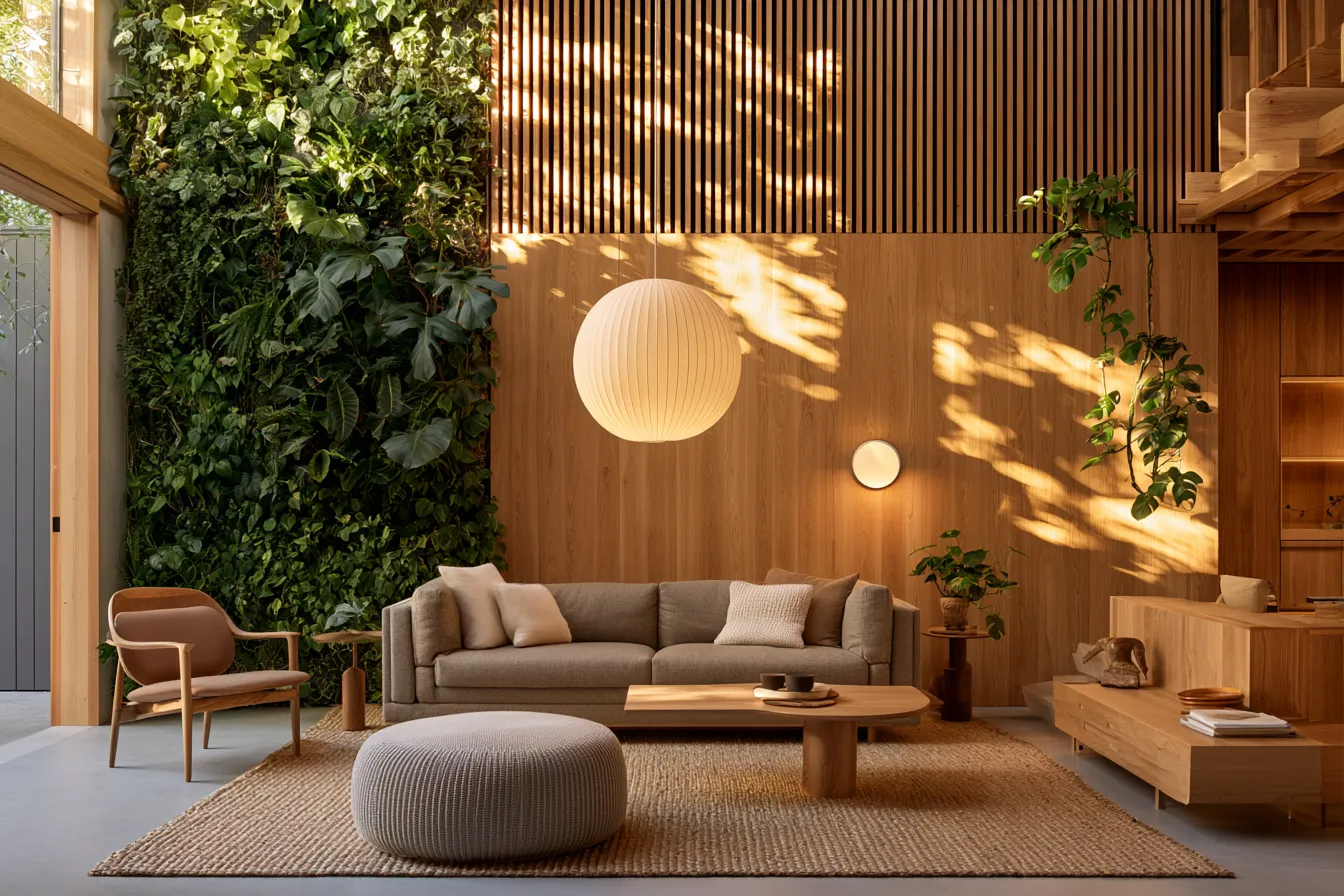
Biophilic lighting design mirrors the dynamic qualities of natural daylight — gradual colour temperature shifts from 6500 K blue-white morning light down to 2200 K amber evening warmth, combined with intensity variation that tracks the solar arc. Clinical studies report a 14% improvement in sleep quality among occupants of homes with circadian-tuned lighting systems compared to fixed-output installations. This approach integrates directly with smart home platforms and is increasingly embedded in flagship LED panels and architectural linear systems.
Interior Lighting by Room — Quick Specification Comparison
Use this reference table when specifying interior lighting for individual rooms. Recommended lux levels follow CIBSE and EN 12464 guidance; colour temperatures are based on standard residential usage patterns.
| Room | Recommended Lux (ambient) | Colour Temp (K) | Priority Layer | Dimming Required |
|---|---|---|---|---|
| Living Room | 100–300 lx | 2700–3000 K | Ambient + Accent | Yes |
| Kitchen — General | 200–300 lx | 3000–4000 K | Ambient + Task | Optional |
| Kitchen — Island / Worktop | 500 lx minimum | 3000–4000 K | Task | Optional |
| Dining Room | 150–200 lx | 2700–3000 K | Decorative + Ambient | Yes |
| Bedroom | 50–150 lx | 2700 K | Ambient + Task | Yes |
| Bathroom — General | 200 lx | 3000 K | Ambient | Optional |
| Bathroom — Mirror | 500 lx at face | 3000–4000 K | Task | No |
| Home Office / Workplace | 500 lx at desk | 4000–5000 K | Task | Optional |
| Entrance / Lobby / Hall | 100–200 lx | 3000 K | Ambient + Accent | Optional |
Interior Lighting Within the Broader Smart Home Ecosystem
Modern interior lighting does not operate in isolation. It connects upward to occupancy sensors, voice assistants, and AI home hubs, and sideways to smart blinds, thermostats, and security systems. When a lighting scene shifts from “morning” to “away,” it can simultaneously close blinds, adjust thermostat setpoints, and arm perimeter sensors — all triggered by a single command or a scheduled automation. The articles below place interior lighting in its full smart home context.
- AI-Powered Home Automation Transforms Interior Design and Daily Living
- AI-Generated Interior Design Tools Reshape Home Planning
- AI-Powered Smart Mirrors Transform Home Design and Personal Routines
- Smart Home Energy Monitoring Systems Transform Household Power Management
- Smart Glass Windows — Why Switchable Technology Transforms Home Performance
The Design Context Around Interior Lighting
Lighting never exists in a vacuum. The choice of wall colour, ceiling treatment, furniture finish, and window covering all mediate how light behaves in a room. A matte dark accent wall absorbs up to 95% of incident light; a gloss white surface reflects up to 85%. Curved architectural elements — arched doorways, rounded ceiling coves, barrel-vaulted niches — distribute light more evenly than flat planes because they eliminate 90-degree shadow pockets. The following articles explore the design context that makes interior lighting decisions either succeed or fail.
- Accent Wall Paint Trends Redefine Home Color
- Painted Ceiling Feature Walls Reshape Room Impact
- Curved Drywall Architecture Replaces Hard Angles in Modern Home Design
- Curved Furniture Interiors Replace Sharp Angles in Modern Homes
- Curved Bedroom Furniture — Why Soft Lines Replace Sharp Edges
- Botanical Wallpaper Murals Bring Full-Room Nature Indoors
- Radiant Floor Heating Is Transforming Luxury Home Renovation
- Wet Room Bathroom Design Eliminates Barriers Between Shower and Living Space
Sustainable Materials That Interact with Interior Lighting
The material palette of a room determines how its interior lighting performs. Recycled glass aggregates in polished floor surfaces create a natural sparkle under point sources. Mycelium leather panels absorb and diffuse light in ways synthetic materials cannot replicate, producing a depth of shadow that reads as luxury. Bio-based plywood with formaldehyde-free adhesives delivers a warm honey tone under 2700 K sources that conventional MDF panels never achieve. The intersection of sustainable materials and lighting design is one of the most productive areas in contemporary residential interiors.
- Recycled Glass Aggregates Transform Eco Building Materials
- Mycelium Leather Paneling — How Lab-Grown Materials Disrupt Interior Finishes
- Bio-Based Plywood Adhesives — Why Formaldehyde-Free Bonding Dominates
- 3D Printed Furniture Transforms Interior Spaces With Precision Customization
Getting Interior Lighting Right — The Three Questions Every Room Needs
Before specifying a single fixture, every room’s interior lighting brief should answer three questions. First: what activities happen here, and what lux levels do they each require? Second: which surfaces will amplify or absorb the light, and how does the room’s reflectance factor change the effective delivery? Third: who controls the light, and at what granularity — individual fixture, zone, scene, or schedule? Answering these three questions turns a fixture shopping list into a coherent lighting design. The difference in livability between the two approaches is not subtle — it is the difference between a house and a home.
Interior lighting is a discipline that rewards attention and punishes guesswork. The resources collected across this hub represent every major sub-topic within residential illumination — from the technical specification tables above to the creative fixture galleries, from biophilic circadian systems to affordable pendant island ideas. Use the category sections as a starting point and follow the links that match where your project is right now. Every room has a lighting solution that makes it better than it was. These articles will help you find it.
You Might Also Like
Related Topics