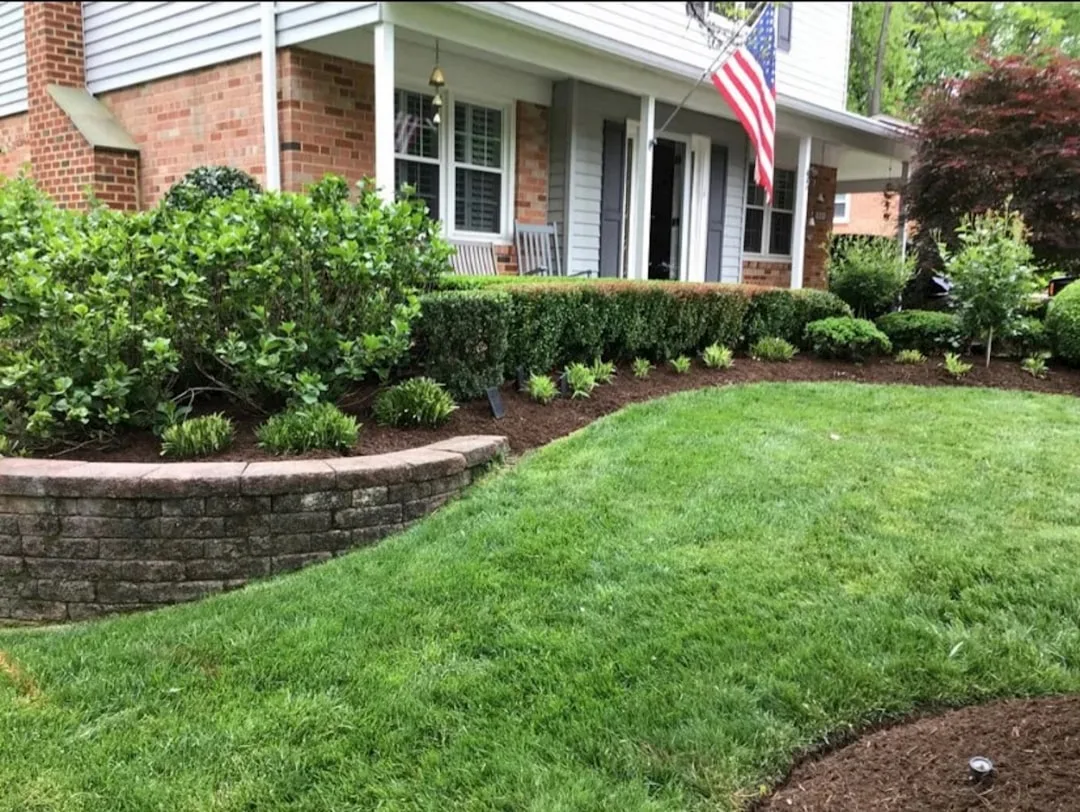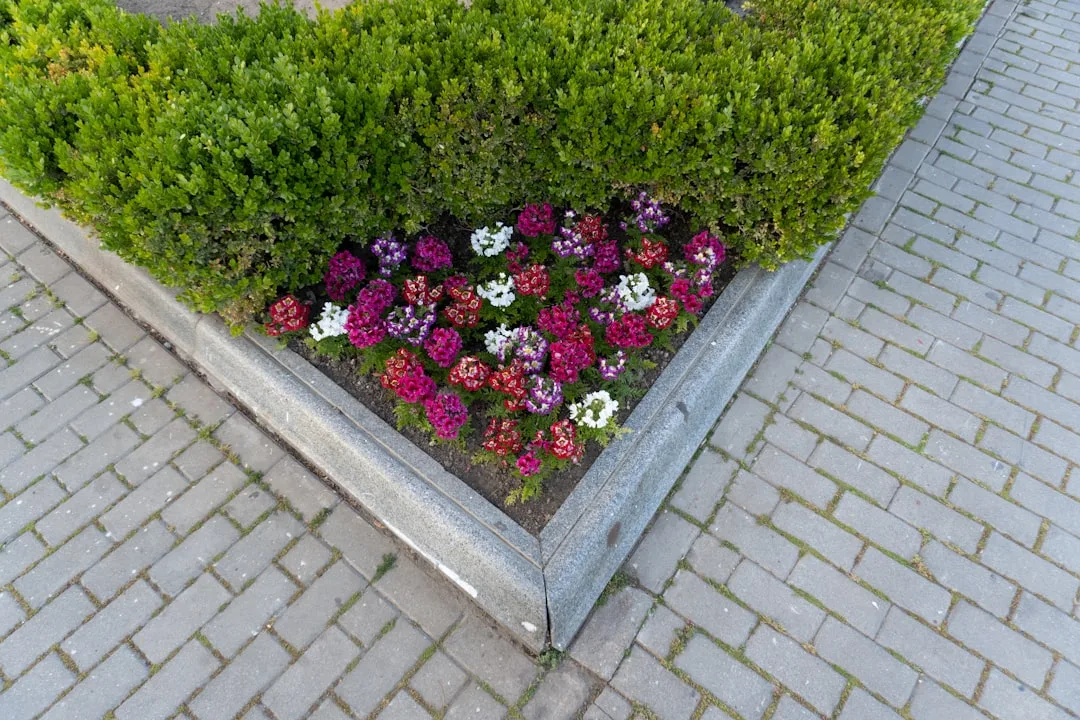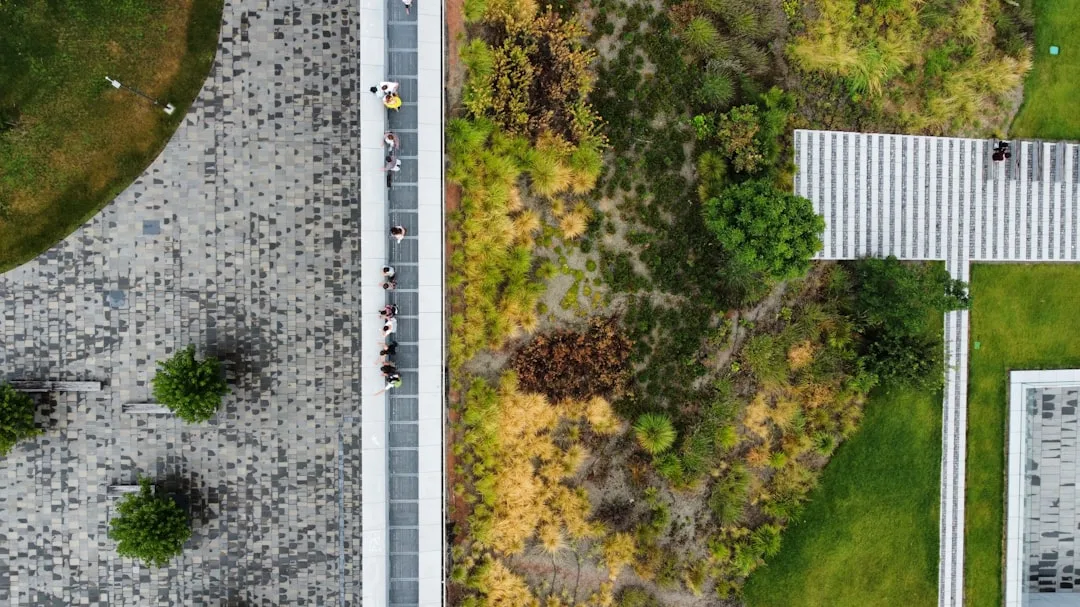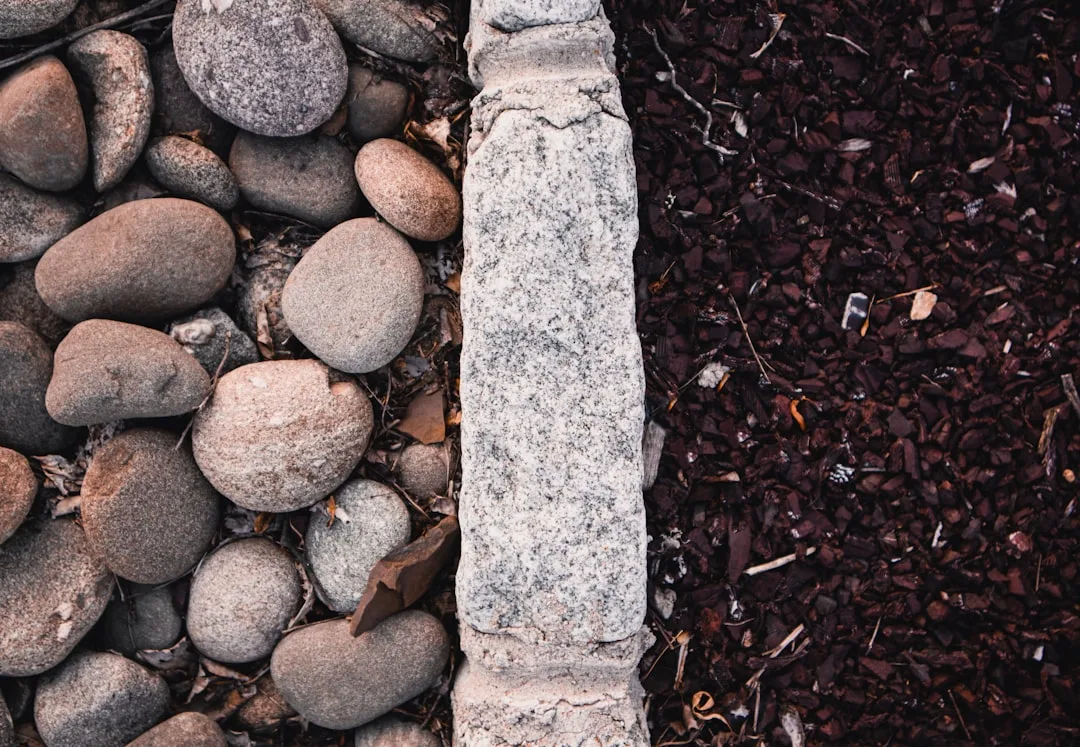
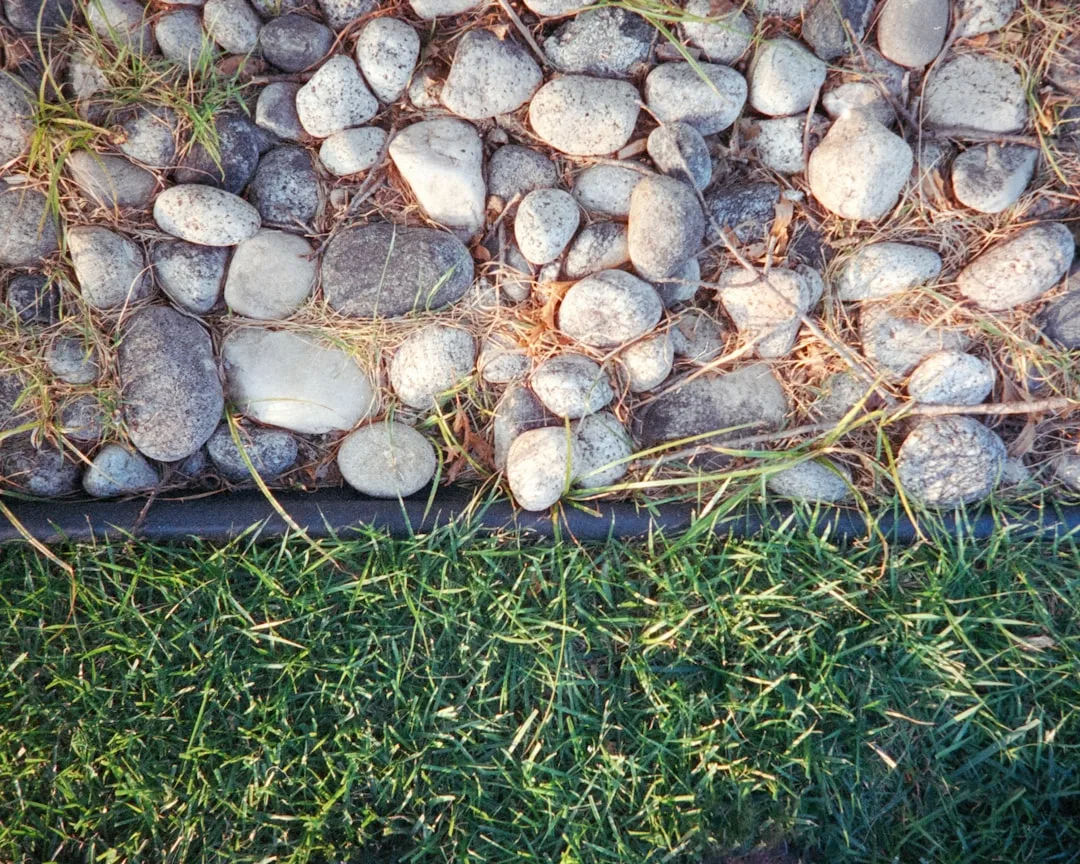
Landscape architects stopped using plastic edging in early 2026. In its place: natural stone borders—granite, slate, limestone, and fieldstone—anchoring garden beds with permanence and texture that plastic never delivered. This shift isn’t aesthetic alone; it’s structural. A single row of stacked slate or granite can contain soil, define planting zones, and become a landscape focal point simultaneously.
Why natural stone borders outpaced synthetic alternatives
The Belgard hardscape division released a 2025 landscape material analysis showing natural stone edging purchases increased 34% year-over-year among residential designers. Plastic landscape edging—marketed for decades as “maintenance-free”—actually required replacement every 3–5 years as UV exposure made it brittle and faded.
Natural stone doesn’t fade. It weathers. There’s a critical difference.
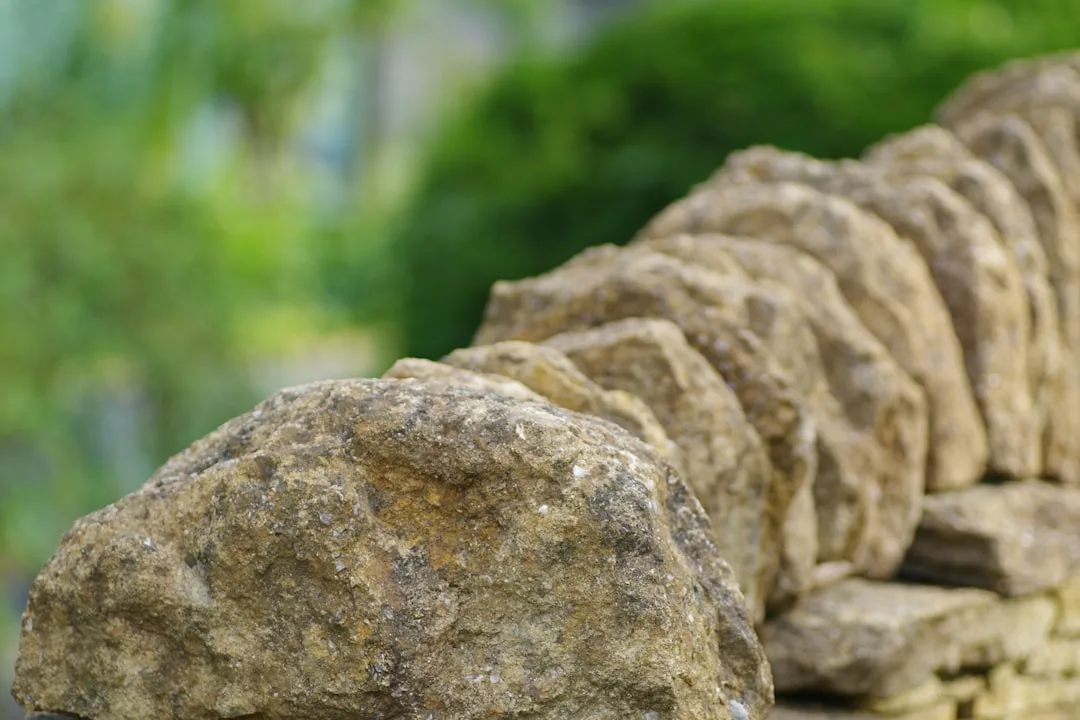
When you install a 12-inch-tall granite or slate border, you’re creating a permanent boundary that works with freeze-thaw cycles instead of against them. Slate fractures predictably along grain lines; you can stack irregular pieces to create organic, Japanese-inspired edges that neither rigid plastic nor metal can achieve. Limestone softens aesthetically over 10–15 years, developing a patina that reads as intentional, not neglected.
Quick Tips
- Source local stone to reduce cost by 15–25% versus imported slate or granite
- Stack fieldstone without mortar for permeability; use mortar for granite or slate in high-traffic zones
- Pair light limestone with dark soil and drought-resistant plants for maximum contrast
- Install borders 2–3 inches deeper than final grade to prevent soil washout during heavy rain
- Hire a hardscape contractor for installation; DIY stacking often results in uneven settling
Material performance comparison across stone types
| Stone Type | Lifespan | Best Use |
|---|---|---|
| Granite | 30+ years | High-traffic edges, premium finishes |
| Slate | 25–30 years | Contemporary stacked looks, shade gardens |
| Limestone | 15–20 years | Rustic borders, French-style landscapes |
| Fieldstone | 40+ years | Organic stacking, perennial borders |
The common mistake: misaligned stone and poor drainage setup
Most homeowners installing natural stone borders make one critical error: they don’t account for soil movement beneath the stone. When winter frost expands soil by 8–10%, an improperly anchored granite border tilts outward and settles unevenly by spring.
The fix requires a 4-inch sand base tamped firmly, then a landscape fabric barrier below to prevent soil migration. Without it, the border sinks into loose soil within 18 months. You’ve now created a maintenance burden you didn’t have before.
A second mistake: stacking stone without considering water flow. If your border runs perpendicular to a slope, water will pond behind the stones instead of flowing through permeable joints. For this reason, you must either install drainage gravel behind the border or orient stacked stone at a slight angle downhill.
Design integration with contemporary and rustic styles
Natural stone borders work across opposing aesthetics. In minimal modern landscapes, a single clean line of honed black slate creates severe definition without decoration. In farmhouse or cottage gardens, stacked fieldstone with visible mortar joints reads as established heritage.
This versatility is why landscape designers at firms like Hoerr Schaudt (Chicago-based, known for residential hardscape innovation) now specify natural stone edging as their default standard. They’ve moved away from the 1990s paradigm of “invisible” edging designed to disappear. Contemporary practice embraces borders as visible architectural elements.
Pair stone borders with low-growing perennials like sedum, gaura, or drought-resistant grasses. The horizontal line of the stone anchor grounds tall, airy plantings. Avoid dense mulch that creeps over the border line; use pea gravel or decomposed granite that sits below the stone’s edge instead.
Cost structure and labor considerations
Natural stone borders cost 2–4 times more than plastic edging initially, but replace it never. A 100-linear-foot granite border run typically falls in the $1,200–$2,000 range depending on stone type and local labor rates.
Installation labor is the primary cost driver. Each linear foot of stacked stone requires 30–60 minutes of skilled labor for proper base preparation, leveling, and joint-setting. DIY installation saves labor but creates risk of future settling and water damage.
Over 20 years, the true cost-per-year favors stone dramatically. Plastic edging replaced every 5 years equals four replacements plus 16 years of labor. Stone requires only one installation and maintenance-free existence thereafter.
Sourcing stone locally and seasonality
The best-kept secret among landscape professionals: buy stone directly from regional quarries rather than retail hardscape suppliers. A quarry in Vermont or upstate New York will offer slate at 30–40% below retail, and the material will suit your regional climate because it’s literally from your region.
Fall 2026 is ideal installation timing. Soil is settled after summer drought, and cooler temperatures make mortar application easier for slate and granite. Spring soil thaw creates movement risk for freshly installed borders; autumn borders set through a stable winter cycle.
Avoid installing natural stone borders in July or August when ground temperature and UV heat accelerate mortar curing unevenly, creating cracks within the first year.
Real outcomes visible in 2026 landscapes
Properties that upgraded from plastic to natural stone borders see measurable change. Garden beds read as intentional, elevated, and permanent—not makeshift. Resale value studies are ongoing, but anecdotal feedback from real estate agents across the Pacific Northwest suggests natural stone hardscaping adds perceived value equal to fresh deck stain or roof repair.
The shift toward natural stone borders reflects a broader 2026 principle: outdoor spaces should age beautifully, not break down gracefully. Stone honors that principle in a way plastic never will.