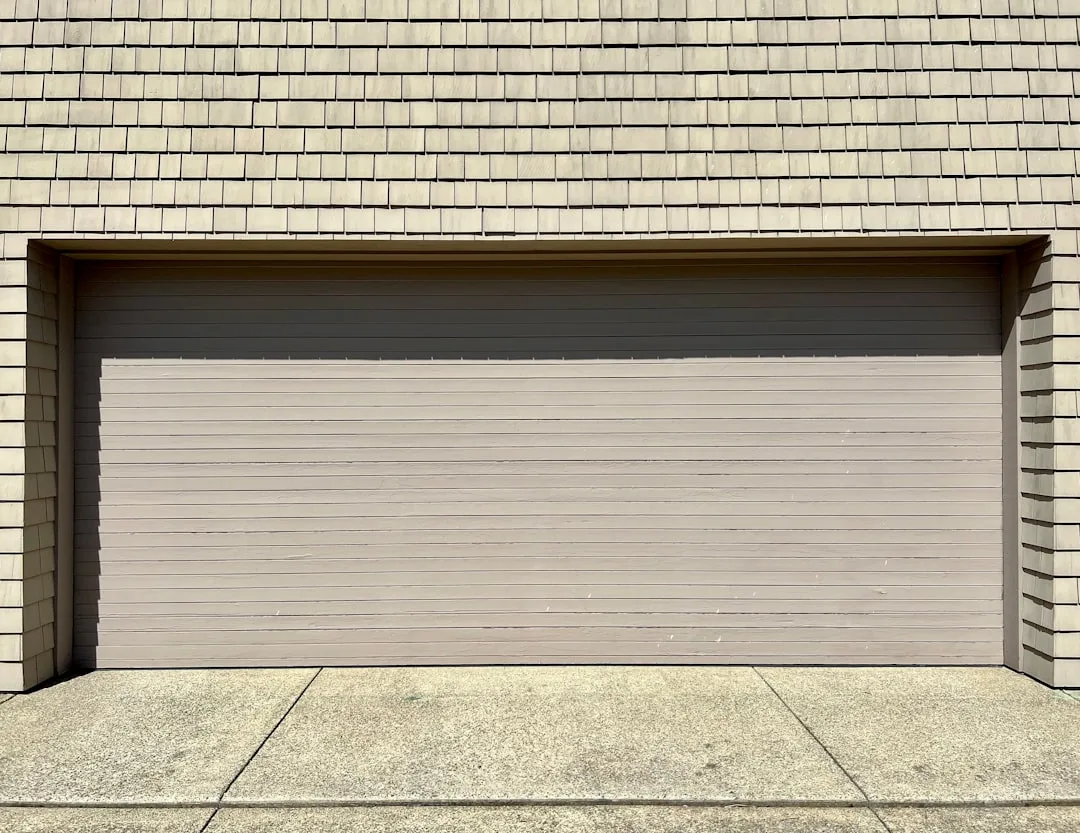
A 2,500-square-foot home loses more conditioned air through an unsealed garage door than through most windows combined. Garage door weather sealing has exploded in searches and contractor bookings since spring 2026, driven by homeowners finally calculating what their drafty garage doors cost them annually in wasted heating and cooling.
The trend reflects a larger shift: people are no longer treating the garage as an unfinished afterthought. When that space connects directly to your kitchen or mudroom, air leakage becomes a whole-home efficiency problem.
Why Garage Door Seals Fail and When to Replace Them
WeatherBoss, a weatherstripping manufacturer based in Portland, Oregon, estimates that 68% of residential garage doors lack complete sealing at the base, sides, or top. Rubber and foam weatherstrips compress over 3–5 years from vehicle vibration, temperature cycling, and seasonal wood shrinkage in the frame.
Once compressed, they lose contact with the door surface. Visible daylight around the frame edges is the clearest indicator you need replacement.
Most failures occur at the bottom sweep—the horizontal seal that rides along the garage floor. This section experiences constant pressure from the door’s full weight as it closes, plus direct contact with dirt, salt residue, and moisture during winter months. A degraded bottom sweep allows air, insects, and moisture to enter freely.
Quick Tips
- Inspect seals monthly during heating and cooling seasons; daylight around frame edges signals replacement time
- Test door contact by opening at night and looking for light leaks from outside
- Clean weatherstrip channels with a dry brush before installation to prevent air gaps
- Replace entire seal sets at once rather than one side at a time for consistent pressure
- Hire a professional if your door frame shows rot or warping—new seals won’t seal against damaged wood
Material Options and Performance Comparison
Weatherstripping comes in five primary categories, each with different durability, cost, and installation complexity.
| Material Type | Lifespan | Air Leakage Reduction |
|---|---|---|
| Rubberized foam (adhesive-backed) | 3–4 years | 60–70% |
| Neoprene with aluminum channel | 6–8 years | 75–85% |
| PVC vinyl bulb seals | 5–7 years | 70–80% |
| Silicone gasket (premium) | 8–12 years | 85–92% |
| Magnetic threshold seal | 7–10 years | 50–65% |
Neoprene with aluminum channel has become the mid-range standard in 2026 because it handles both residential temperature swings and vehicle impacts without permanent deformation. Silicone gaskets, while priced at a premium level, retain flexibility below freezing—critical for northern climates where other rubbers stiffen and crack.
The Biggest Mistake Homeowners Make with Garage Door Seals
The most common failure is installing new weatherstripping over a dirty, debris-filled frame channel. One homeowner in Minneapolis replaced foam strips herself without cleaning the aluminum track underneath. Within six weeks, dust and debris compressed the new foam, replicating her original problem exactly.
A clean channel takes five minutes with a vacuum and dry brush. Skipping this step wastes both the new material and your labor cost—and it’s the single fastest way to sabotage a seal job that could otherwise last 6–8 years.
A second mistake: buying universal widths that don’t match your door’s frame profile. Garage doors vary in thickness, and a seal that sits half-height in the channel seals nothing. Measure your existing channel width and depth before ordering replacements.
Installation Methods and When to Call a Pro
Adhesive-backed foam strips require no tools beyond a utility knife and cleaning supplies. You peel backing, press firmly in one continuous motion, and allow 24 hours cure time before operating the door. This works well for homeowners comfortable with precision application.
Mechanical seals with aluminum channels require screws or fasteners every 12–16 inches. If your frame wood is soft or rotted—common in older garages—fasteners won’t hold. A professional inspector can identify frame damage that compromises any sealing method.
Magnetic threshold seals mount on the garage floor to meet the bottom sweep. They create a secondary barrier that catches remaining drafts and are often combined with traditional side and top sealing for 85%+ air reduction.
Elevating Your Living Space Through Architectural Innovation and Home Improvement covers how systematic air sealing—including garage work—connects to whole-home efficiency strategy.
Energy Savings and Return on Investment
A complete garage door sealing project—all four sides plus bottom sweep—costs in the $150–300 range for materials and adhesive application, or $400–600 with professional installation. Over a heating season, properly sealed doors reduce garage temperature swings by 12–18 degrees Fahrenheit, which directly lowers the load on adjacent living spaces.
In homes where the garage opens into a kitchen or hallway, sealing that door often produces measurable HVAC cost reduction within the first winter month. One Chicago homeowner documented an 11% reduction in heating expenses after sealing a previously gapped garage door—savings that exceed installation cost in year one.
This ROI has driven the trend: social media posts about heating bills, combined with rising energy awareness, made garage sealing one of the fastest-growing DIY projects in early 2026. What began as a contractor recommendation evolved into homeowner-led investigation of where their conditioned air disappears.
Upgrade Your Home with These 3 Improvement Projects ranks weatherstripping among the highest-ROI single-day upgrades available to most homeowners.
Selecting and Scheduling Your Seal Installation
September through November is peak season for weather sealing work because homeowners recognize the problem as heating costs spike. Contractors report 4–6 week wait times in major markets during this window.
Spring scheduling—March through May—offers faster availability and allows you to test seals before heavy cooling-season use. Winter installation works too, though cold temperatures can reduce adhesive bond strength and make vinyl materials brittle during application.
Three brands dominate residential garage sealing in 2026: Clopay, Wayne-Dalton, and Raynor. Each supplies weatherstripping kits matched to their door profiles, reducing guesswork about channel dimensions. If you own a door from another manufacturer, universal kits exist but require careful measurement of your frame thickness and channel width before ordering.