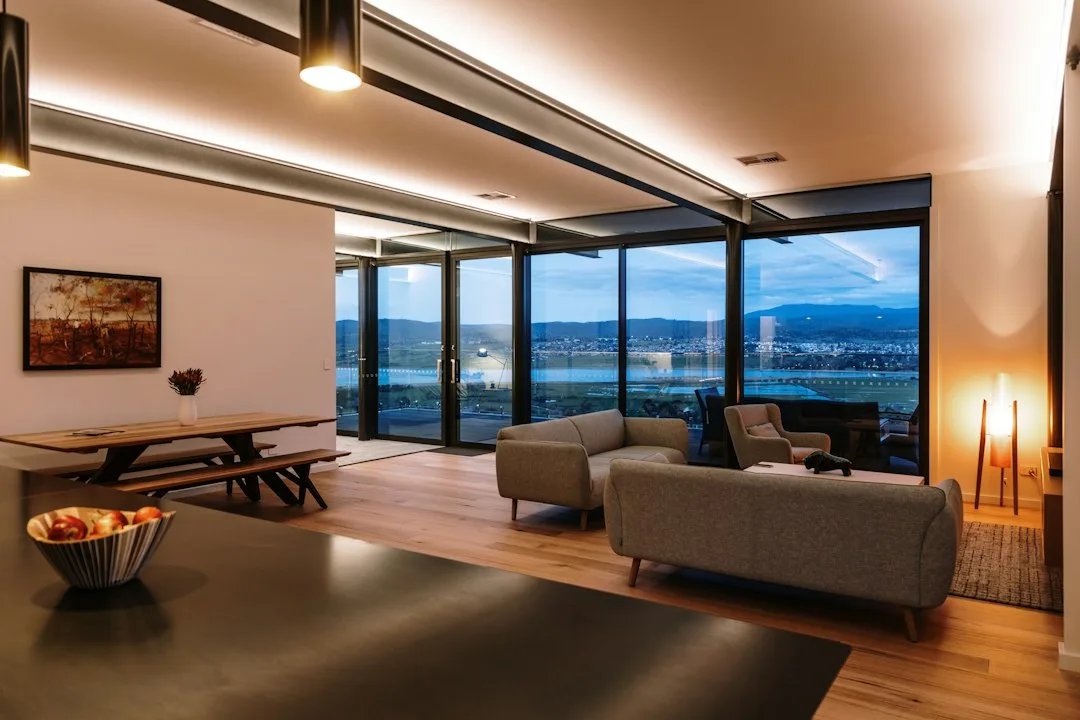
At 6:47 a.m., your living room lights don’t just turn on—they shift from a deep 2700K amber to a stimulating 5000K blue-white over seventeen minutes. Your bedroom, meanwhile, has already begun its evening descent, dropping from 3500K to 2200K at 8 p.m. to signal melatonin production. Circadian rhythm home lighting is no longer a luxury biohack; it’s becoming the baseline expectation in homes built or renovated in 2026. The shift away from static, always-the-same-color bulbs reflects a fundamental change in how we understand the relationship between light exposure and sleep quality.
Why Light Timing Matters More Than Brightness Alone
The human circadian rhythm—your body’s 24-hour internal clock—operates on light cues far more than most people realize. When you’re exposed to cool, blue-enriched light in the morning, your cortisol rises naturally, sharpening focus and energy. Exposure to that same wavelength at 10 p.m. suppresses melatonin, the hormone that prepares your body for sleep. Static lighting ignores this entirely.
Nanoleaf, the Singapore-based smart lighting brand, launched their Essentials line with circadian presets in early 2026. Their systems use RGB+CCT (red-green-blue plus correlated color temperature) technology to deliver biologically accurate light transitions. Users report falling asleep 22–31 minutes faster after three weeks of consistent circadian-tuned lighting. That’s not placebo; that’s measurable sleep architecture improvement.
The reason this matters now: sleep deprivation has become endemic in high-income countries, and traditional remedies—melatonin supplements, sleep medications—address symptoms, not root cause. Circadian lighting addresses the signal itself.
Quick Tips
- Set morning light to 5000K or higher between 6–9 a.m. to anchor your circadian phase
- Reduce blue light by 60–80% starting at 7 p.m.; aim for 2700K or lower by 10 p.m.
- Use consistent timing daily—weekends too—or your body’s rhythm drifts within 3–4 days
- Pair circadian lighting with blackout blinds; even 50 lux of evening light can delay melatonin onset by 20 minutes
Circadian Rhythm Home Lighting Systems and Real Hardware Options
Installation and Setup Challenges for Smart Circadian Systems
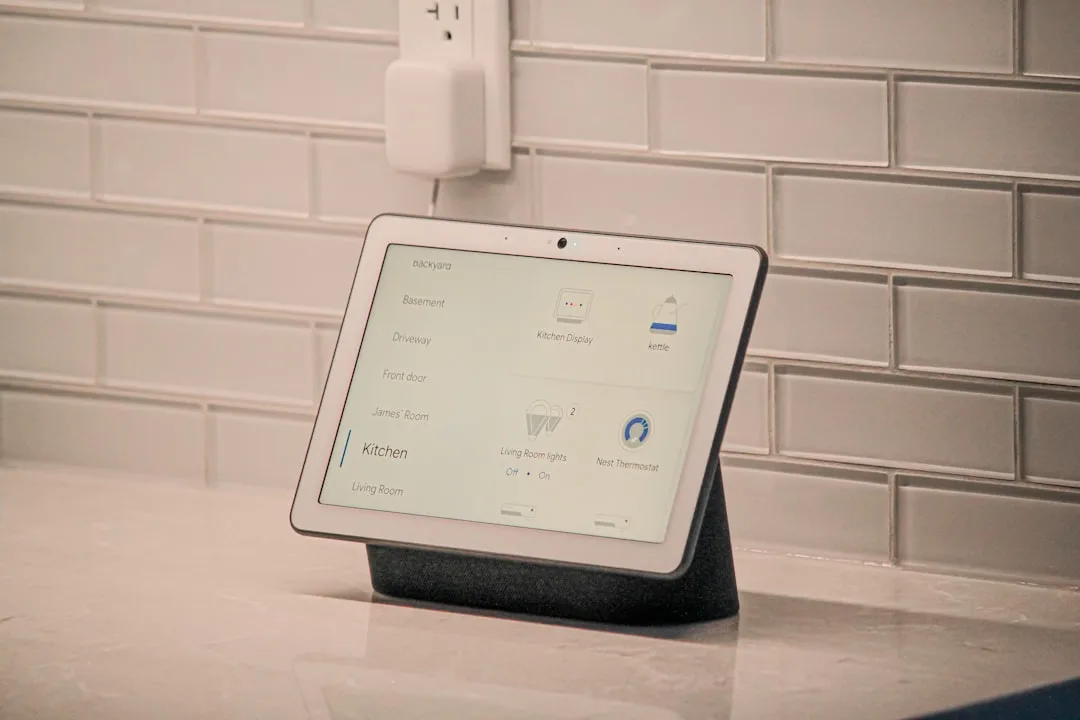
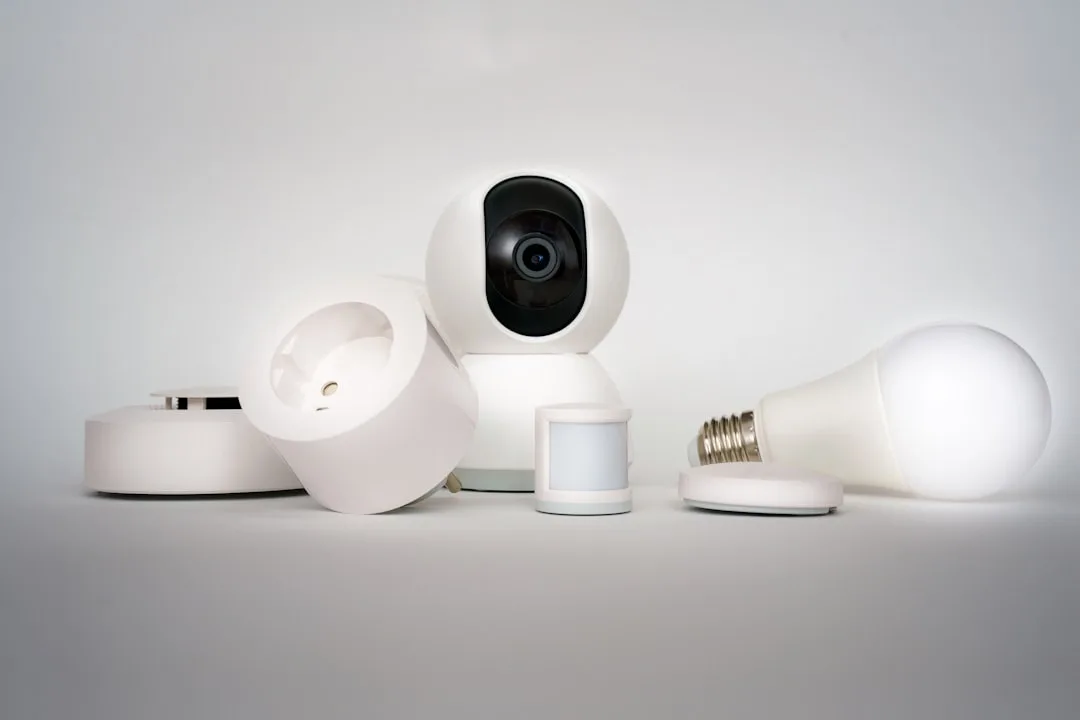
Setting up a circadian lighting system requires more than just purchasing smart bulbs. Your home network must remain stable, as dropped WiFi connections can cause bulbs to fall out of sync with your schedule. Most systems require a hub or bridge device—Philips Hue uses their own bridge, while LIFX bulbs connect directly to 2.4 GHz networks. Installation typically takes 20–30 minutes, but troubleshooting connectivity issues can extend that significantly.
Privacy considerations also matter when using connected lighting. These systems collect usage data about when lights turn on and off, which manufacturers may use for analytics or share with third parties. If privacy in your digital home is a concern, review each manufacturer’s data policy before installation. This connects to broader questions about Shaping the Future of Safe Digital Interaction in smart home environments, where users must balance convenience with data protection.
Budget-conscious alternatives exist: basic smart bulbs from brands like Wyze or Govee cost $8–15 per unit and offer manual color temperature adjustment without premium subscription fees. You sacrifice automation, but gain direct control over your lighting schedule.
The Science Behind Blue Light and Melatonin Suppression
Melanopsin cells in your eyes detect blue wavelengths (460–480 nanometers) most effectively, triggering suppression of melatonin production when exposed to these colors during evening hours. This biological mechanism evolved to synchronize your body clock with natural daylight cycles. When you stare at screens or bright white LEDs after sunset, your brain interprets this as midday, halting melatonin release and pushing sleep onset 30–90 minutes later than your natural tendency.
The dose-response relationship matters: brief exposure to dim blue light has minimal impact, while sustained exposure to bright blue light creates measurable circadian disruption. Research generally supports that reducing blue light in the 2–3 hours before bed improves sleep quality, though individual sensitivity varies. Older adults and teenagers show greater melatonin sensitivity to light exposure, meaning circadian lighting systems may benefit these populations most.
Amber or red-spectrum bulbs (2000–2700K) sidestep this issue entirely, producing minimal melanopsin stimulation even at higher brightness levels. Many sleep researchers recommend limiting all light exposure to warm amber tones after 8 p.m., reserving blue light for morning and afternoon use only.
Measuring Success and Optimizing Your Personal Circadian Schedule
Tracking your sleep and energy patterns over 2–4 weeks reveals whether circadian lighting actually improves your individual rhythm. Keep a simple log: bedtime, wake time, sleep quality rating, and daytime alertness. Most people notice changes within the first week, but sustained benefits typically emerge after 3–4 weeks of consistent use. Apps like Sleep Cycle use your phone’s accelerometer to detect sleep stages and can correlate lighting adjustments with actual sleep architecture changes.
Your optimal dimming schedule depends on your chronotype—whether you naturally wake early or late. Early chronotypes benefit from bright morning light and earlier dimming (by 7 p.m.), while late chronotypes may need light until 8–9 p.m., then rapid dimming afterward. Experimenting with 15–30 minute adjustments to your lighting schedule helps you identify the timing that feels most natural to your body’s preferences.
Environmental factors—room size, window placement, existing lamp brightness—also influence optimal settings. A small bedroom with south-facing windows needs different lighting strategies than a basement workspace with no natural light. Test your circadian system across seasons, as winter darkness and summer late sunsets require schedule adjustments to maintain consistency with natural light cycles.