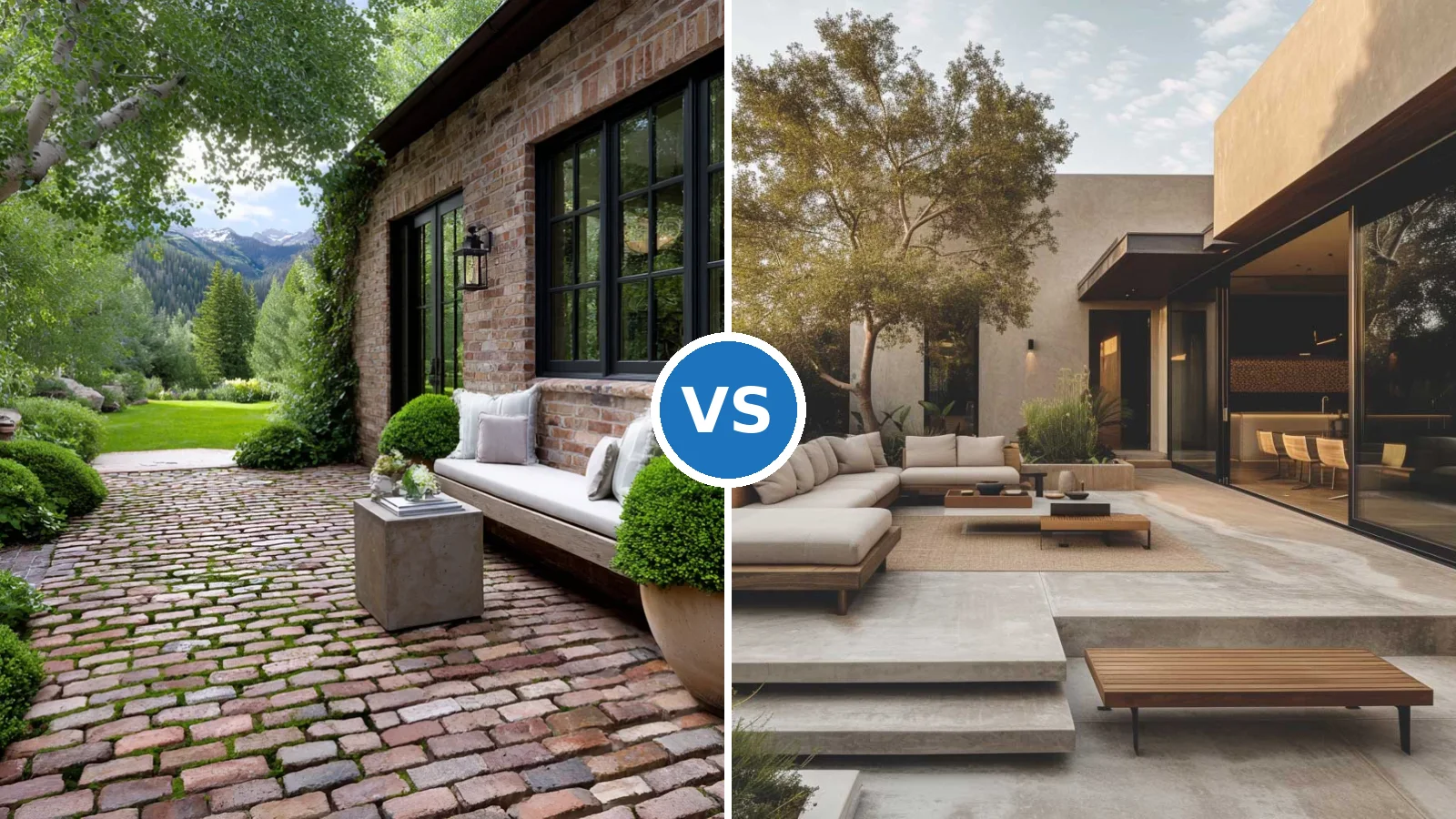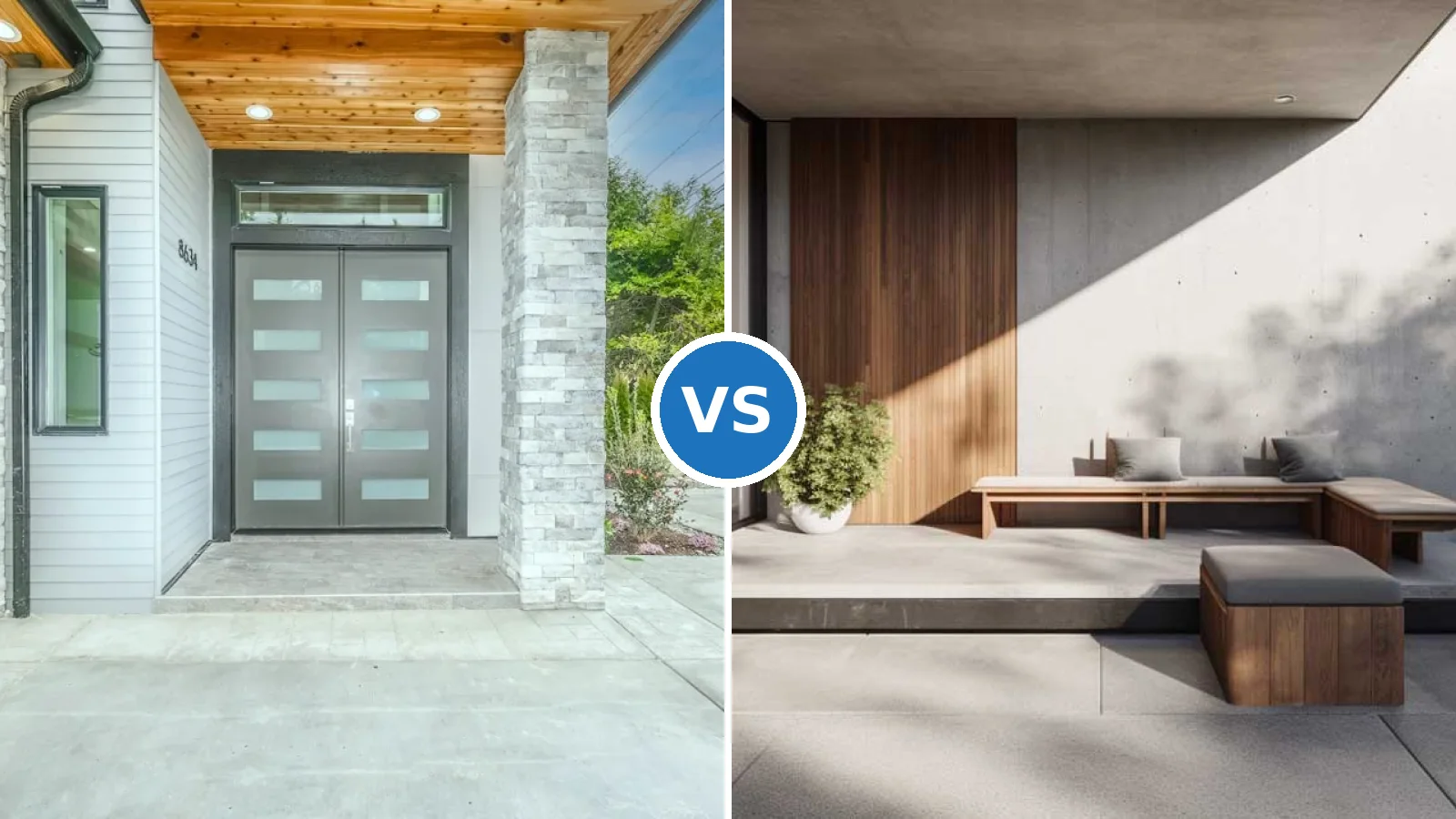
The brick patio vs concrete question comes down to one trade-off: a poured concrete patio costs less per square foot and needs less routine care, while a brick patio costs more up front but flexes with the ground and can be repaired one brick at a time. Choose concrete for a clean, low-upkeep surface on a modest budget; choose brick for warmth, pattern and a surface you can patch rather than replace.
Both materials suit a backyard sitting area, a dining spot or a path to the garden, and both last for decades when the base is right. The real decision is how much you value appearance and repairability against cost and simplicity.

What each patio is
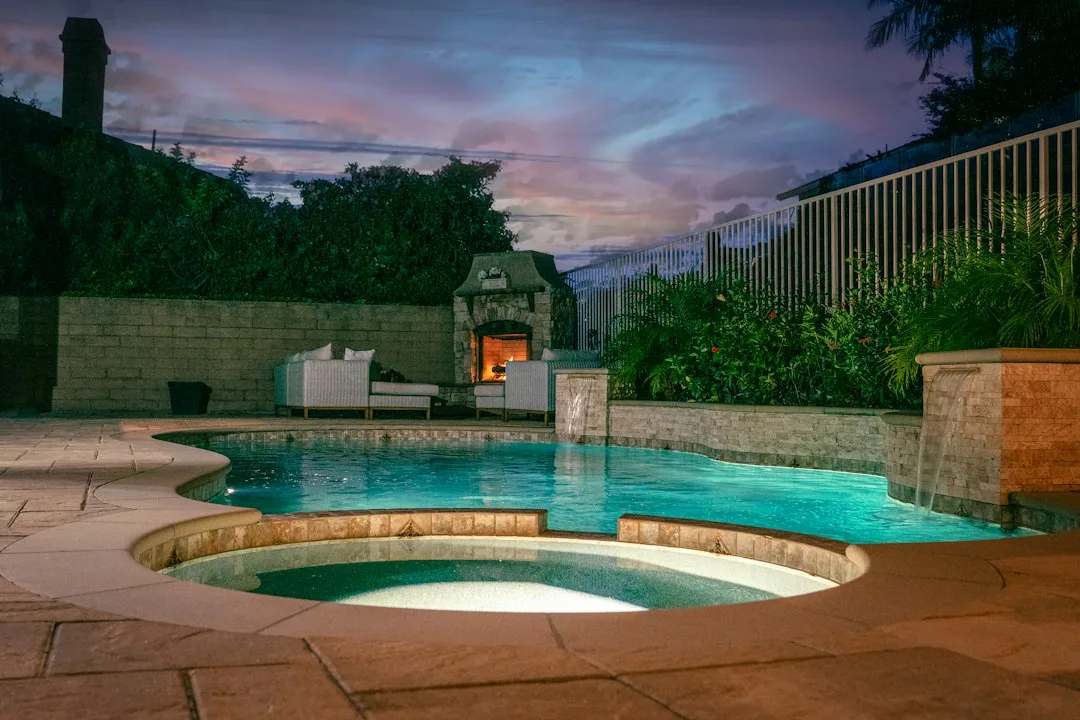
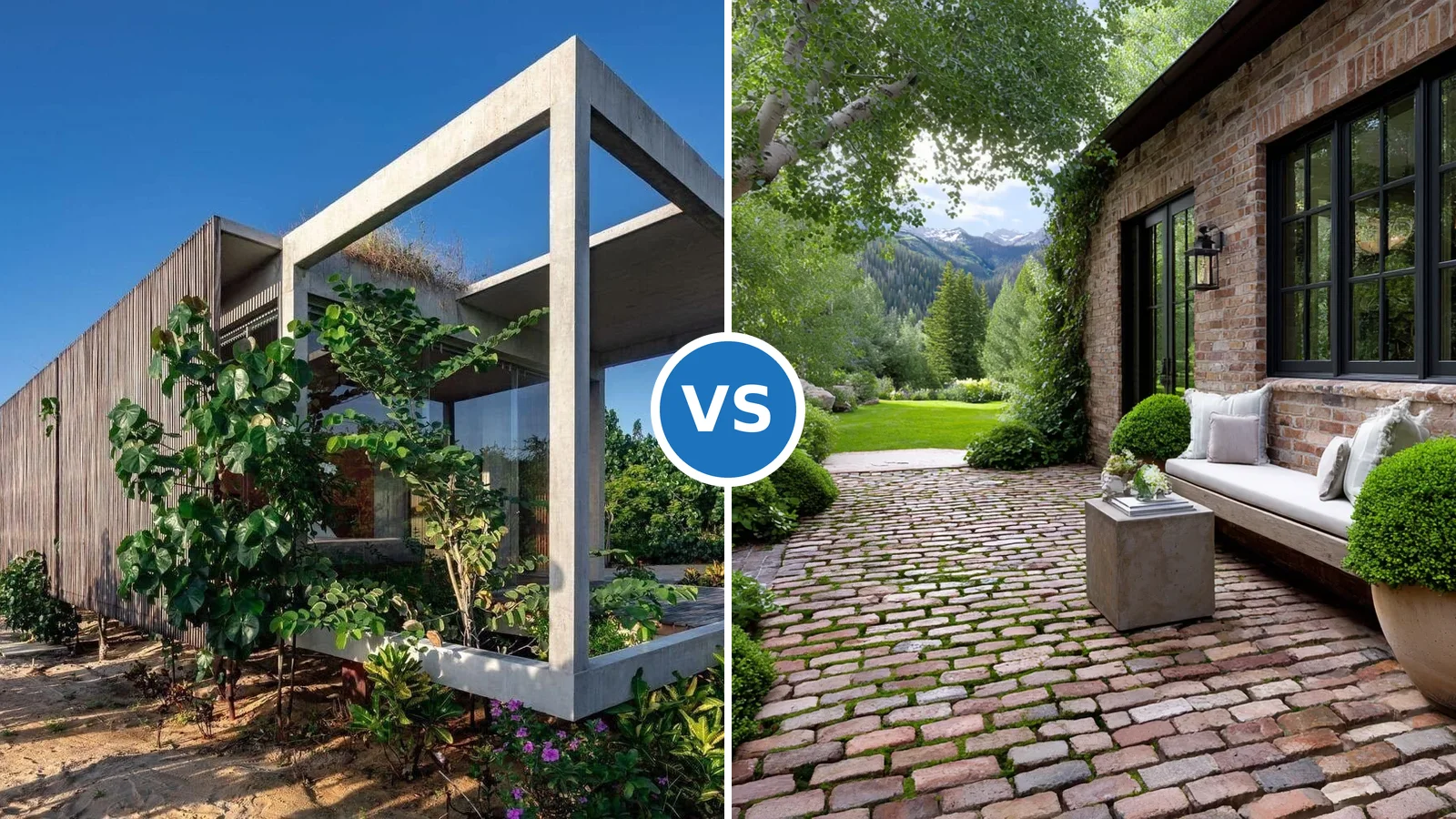
A concrete patio is a single poured slab, usually finished smooth, broom-textured, stained or stamped. Architects often lean on its plain, solid look and soften it with planting, as in this concrete patio house in Mexico, where a courtyard under a pergola sits between two concrete volumes wrapped in greenery. Concrete reads modern and slightly industrial on its own.
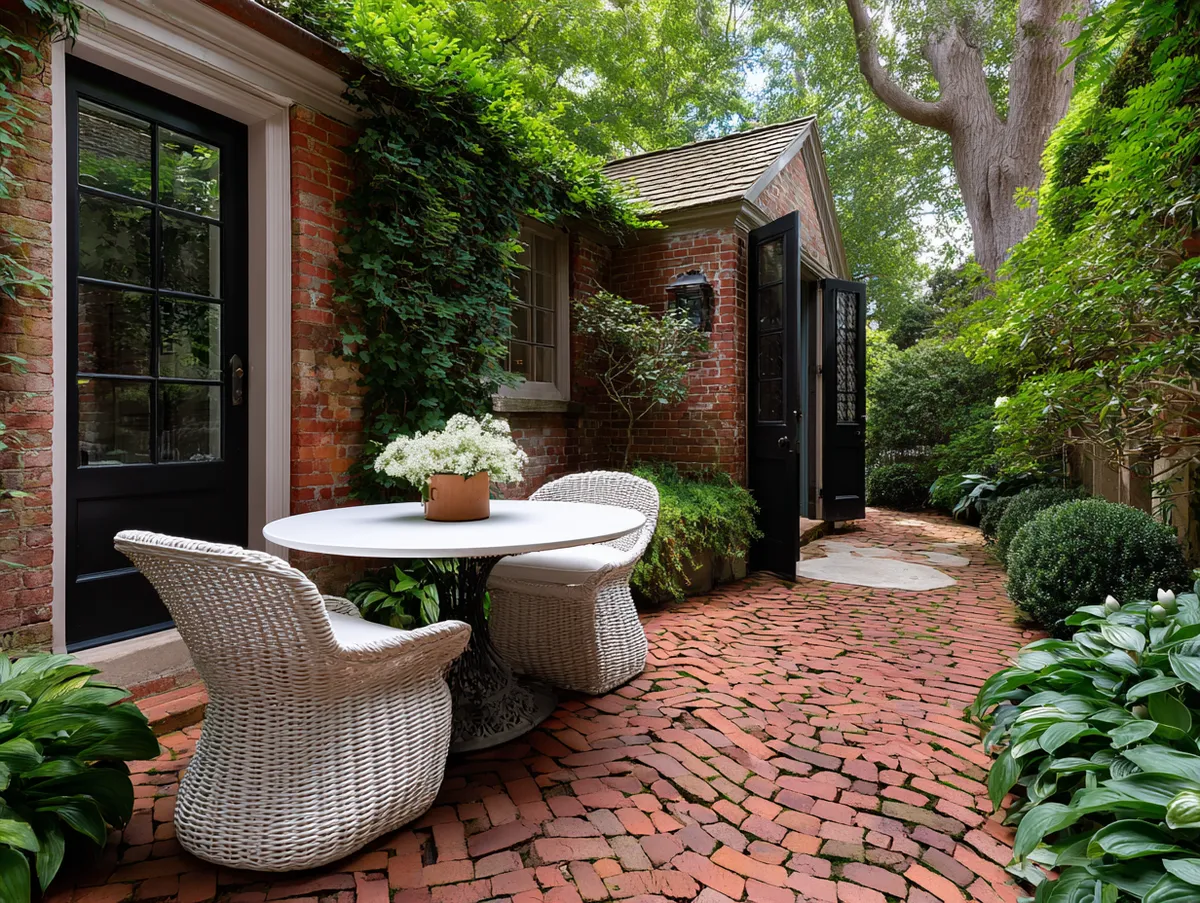
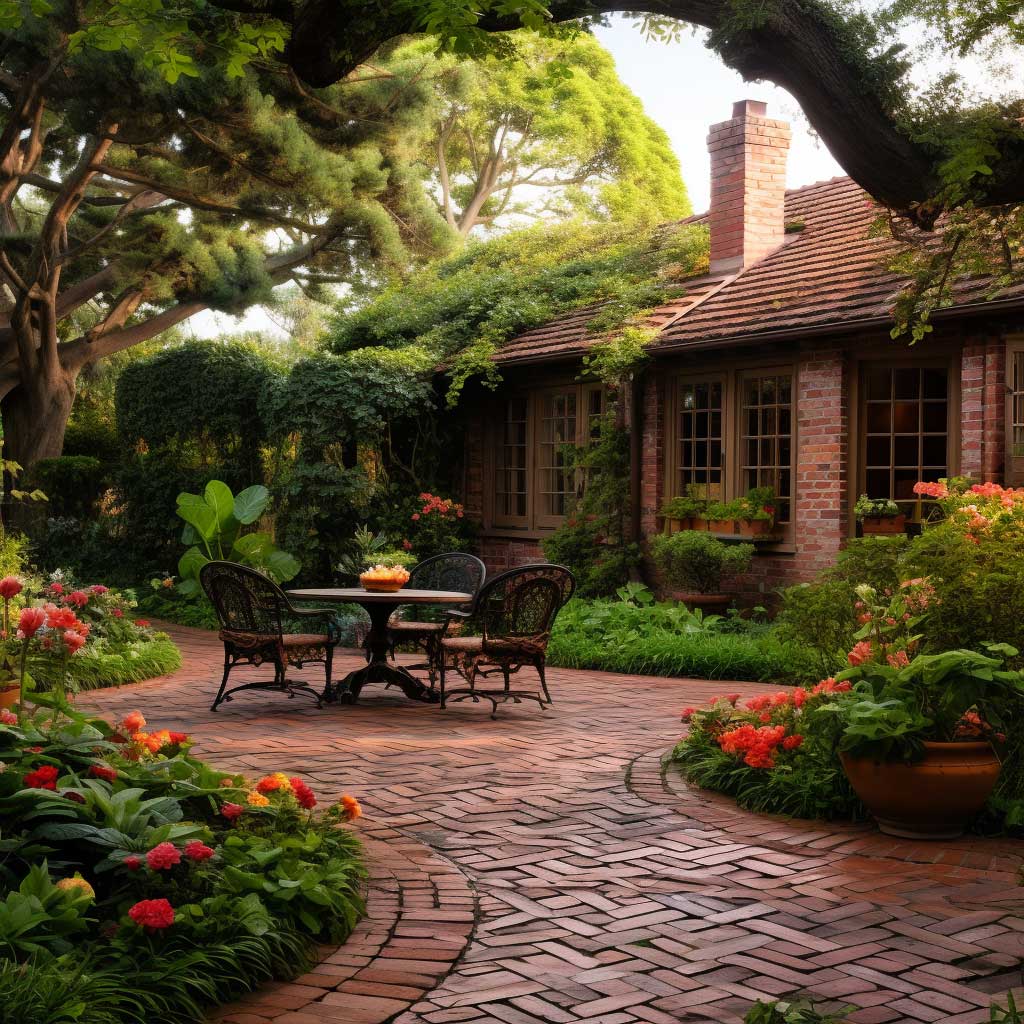
A brick patio is built from individual clay bricks laid over a compacted gravel and sand base, in patterns such as running bond, basketweave or herringbone. As these brick patio design ideas show, red brick feels warm, hides stains and suits cottage and colonial houses. Brick also comes in charcoal and grey for crisper, more modern homes.
Quick Verdict
- Choose concrete patio if you want the lower upfront cost, a fast installation and minimal weekly upkeep.
- Choose concrete patio if your style is modern or minimal and you like a smooth, continuous surface.
- Choose brick patio if you want a warm, textured look and the option to replace damaged pieces individually.
- Choose brick patio if your ground moves seasonally and you would rather reset a few bricks than patch a cracked slab.
Brick patio vs concrete on cost, care and lifespan
The table sums up where the two materials genuinely differ. Figures come from Angi’s breakdown of patio types, which lists materials-only prices and typical lifespans.
| Criteria | Concrete patio | Brick patio |
|---|---|---|
| Materials cost | About $8 to $15 per square foot (lower) | About $10 to $20 per square foot (higher) |
| Typical lifespan | 20 to 80 years (longer) | 15 to 50 years |
| Response to ground movement | Rigid slab that can crack | Individual units flex and are less prone to cracking |
| Repairs | Patching, or replacing a whole section | Lift and replace single bricks |
| Routine care | Minimal; no joints for weeds | Joints invite weeds and moss |
| Look | Smooth and modern, stamping or stain for variety | Warm color and texture, many laying patterns |
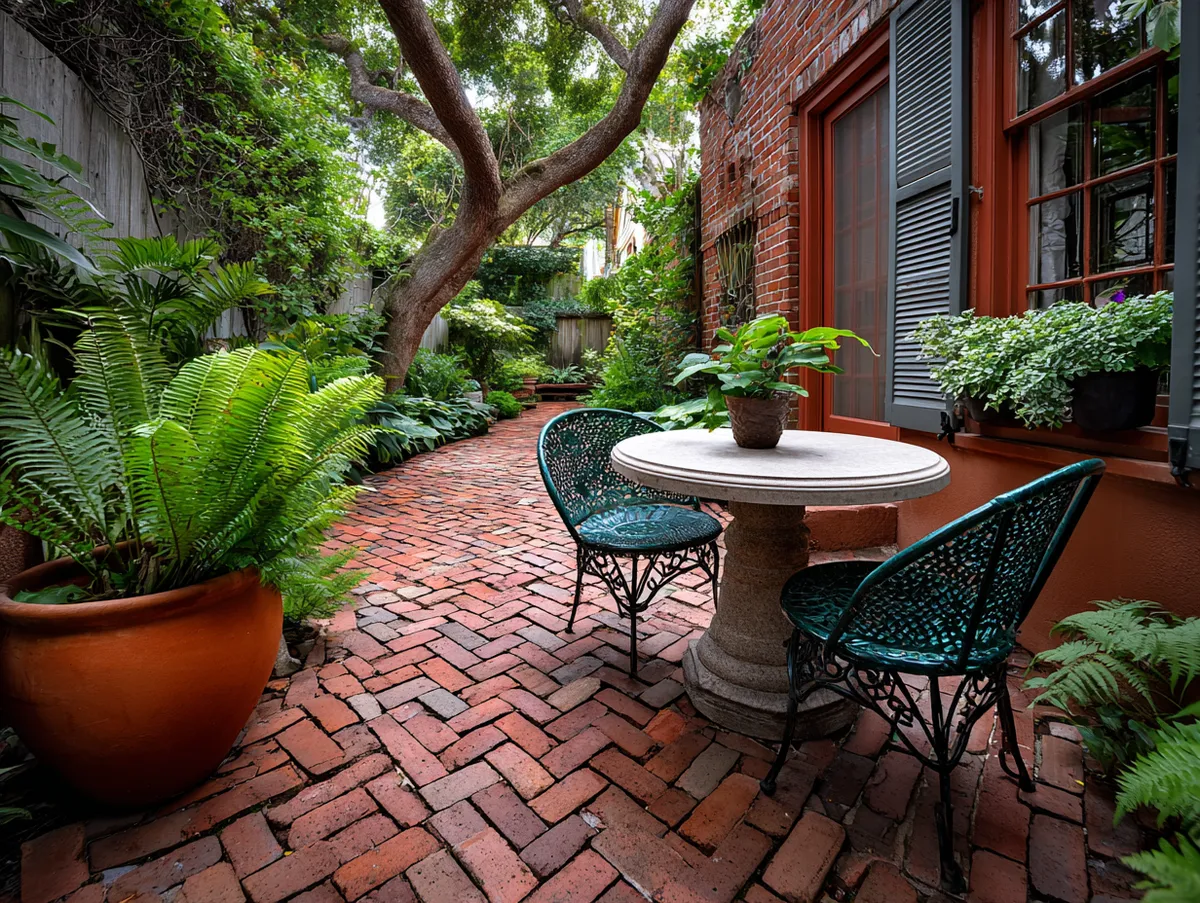
Where a concrete patio wins
Price is the clearest advantage. Concrete materials start below brick, and a crew can pour a patio in a few hours, although the slab must fully cure before you put furniture on it. Brick, by contrast, is laid piece by piece over a prepared base, which adds labor time.
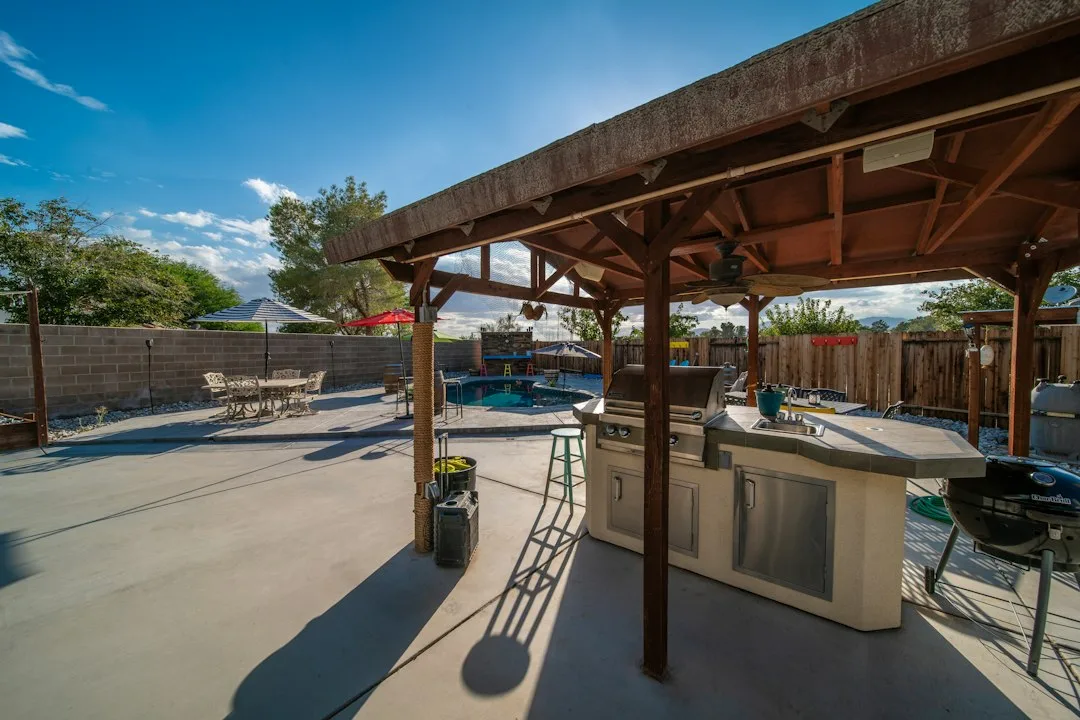
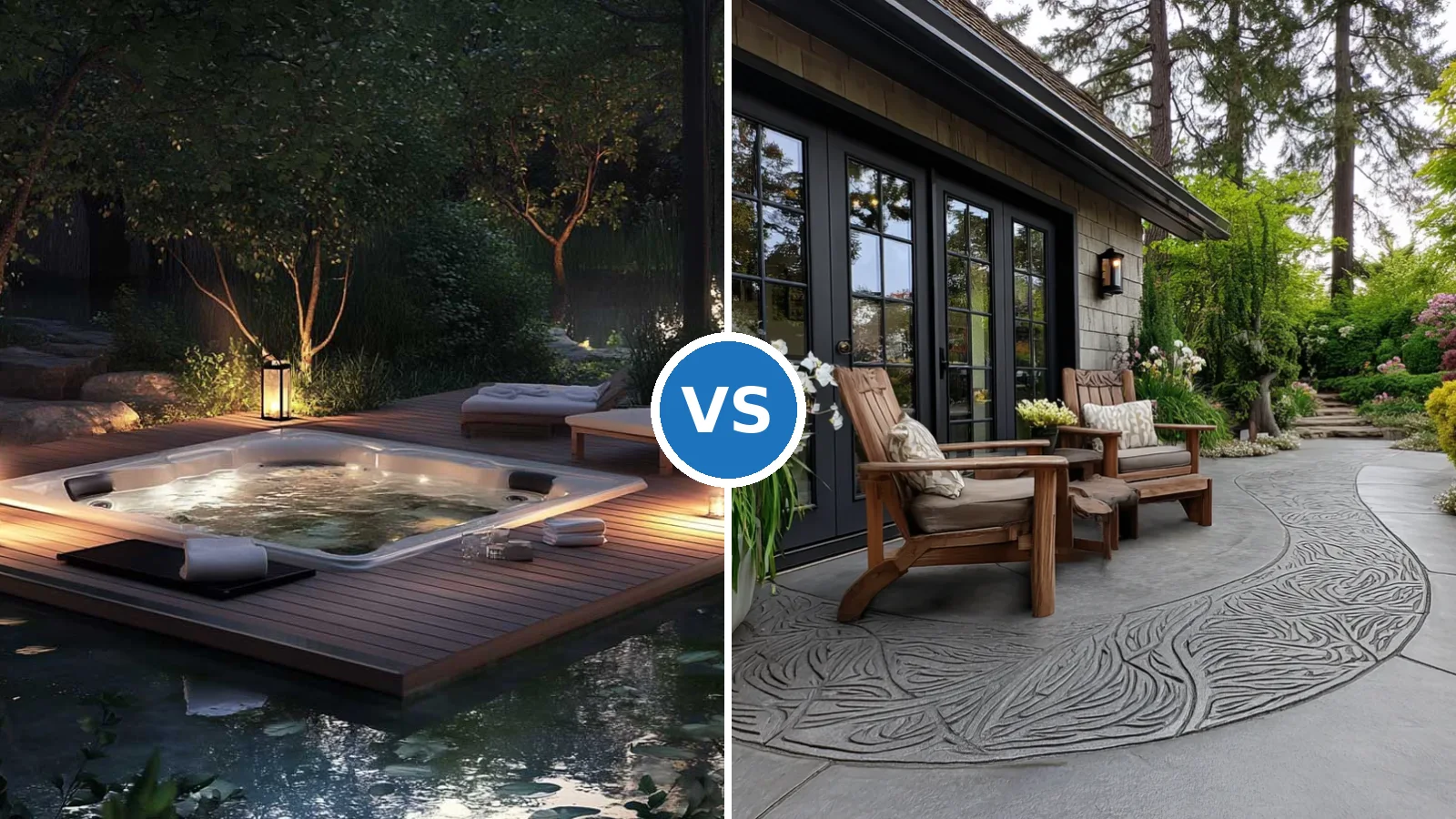
Concrete also asks less of you week to week. There are no joints for weeds to root in, and a yearly wash plus resealing every one to three years keeps it in shape. If you want more character, staining and stamping can add color or imitate other materials, though even a good stamped finish does not fully match the depth of real brick.
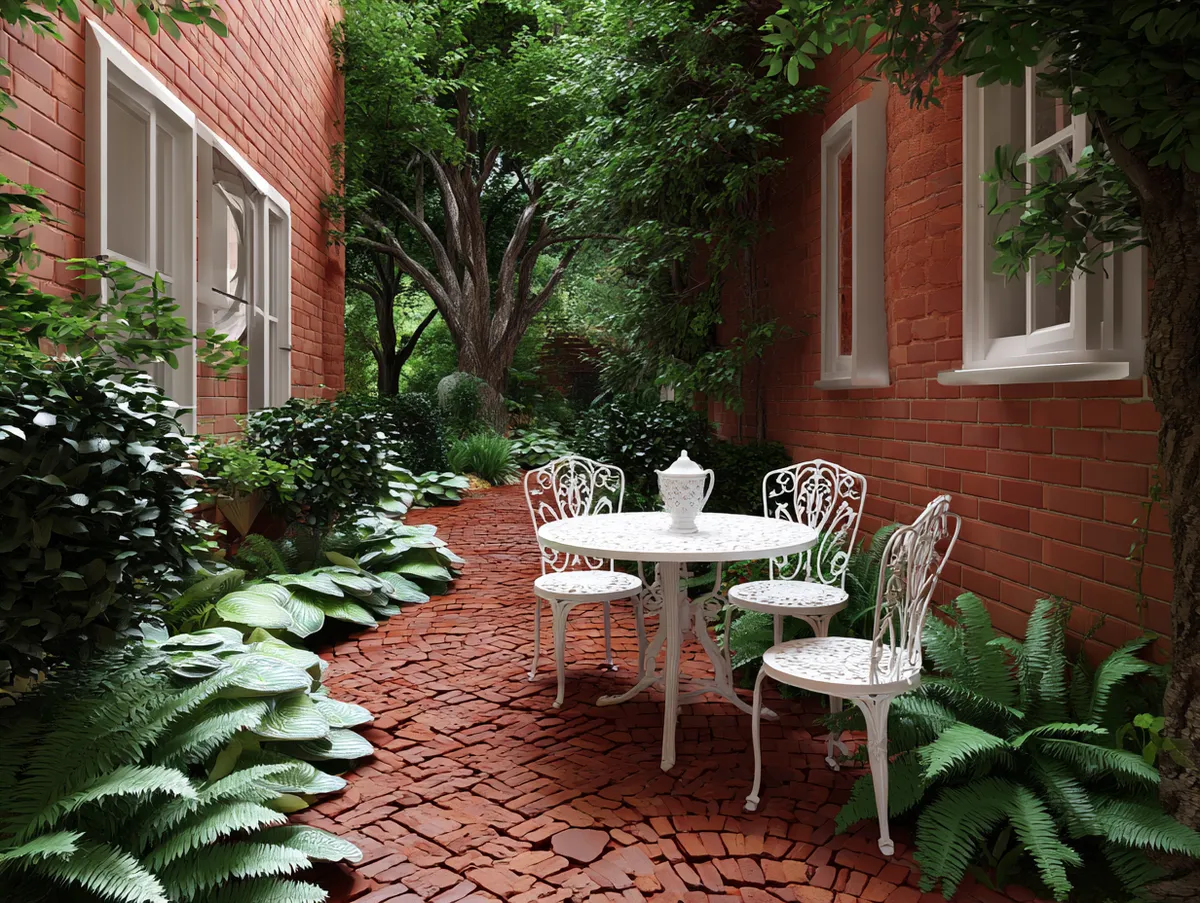
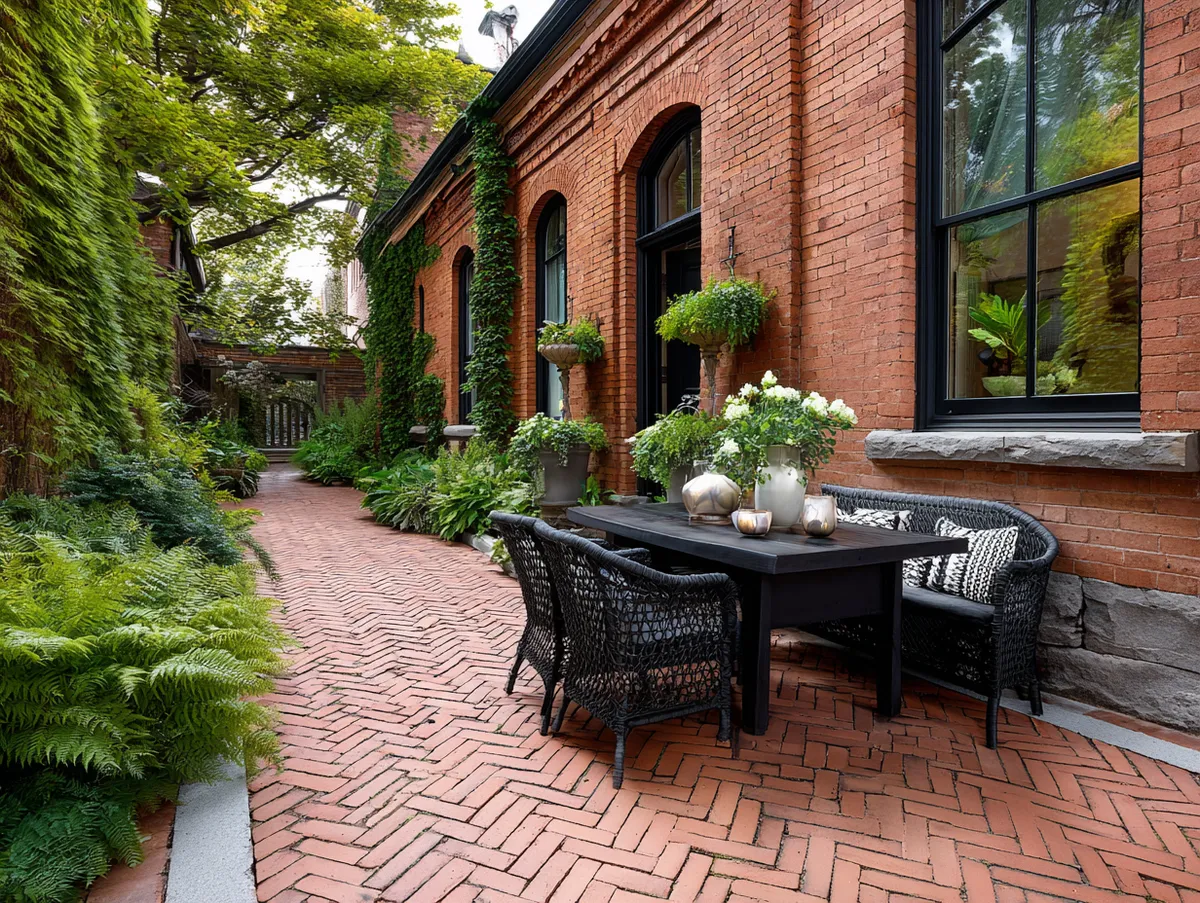
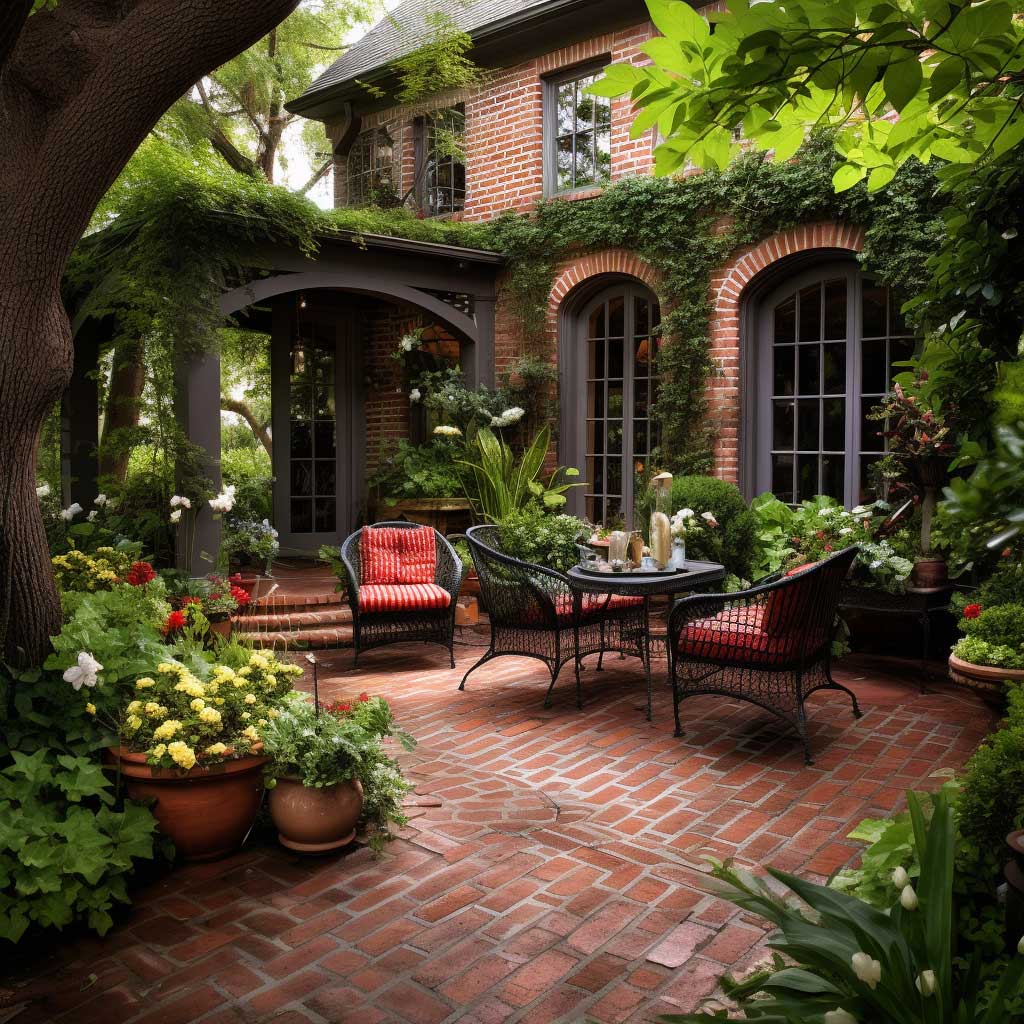
Where a brick patio wins
Repairability is the strongest argument for brick. A slab has little give, so when soil shifts it tends to crack, and fixing it means patching or replacing a section. With brick, you lift the damaged units, correct the base and reset or replace just those pieces; according to Angi’s comparison of pavers and concrete, small units are also less prone to cracking and less vulnerable to freeze and thaw damage.
Brick wins on look as well. Herringbone, basketweave or a round layout around a fire pit give the patio a sense of craft that a plain slab lacks, and red brick stays warm in tone through the colder months. The trade-off is care: weeds and moss settle into joints, and the surface should be cleaned with a stiff brush and treated with a matte penetrating sealer rather than glossy coatings or aggressive pressure washing, which can strip color over time.

The most common mistake when choosing
The typical error is judging either material by its finish and ignoring the base. A homeowner who lays brick straight onto bare soil to save money often finds the surface heaving into ridges by spring, because frost lifts the uneven ground beneath it. The same shortcut under a concrete slab leads to cracks instead.
Whichever you choose, budget for proper excavation and a compacted gravel base, and slope the surface away from the house. Pattern choice matters too: herringbone looks impressive but shows every weakness in a poorly built base. If you plan a hot tub or other heavy feature, settle the location first, as explained in this piece on backyard hot tub placement.

Who should choose which
Pick a concrete patio if cost, speed and low weekly upkeep lead your list, your house has a modern or minimal style, and your soil is stable. It also has the longer typical lifespan, so it suits owners who want to install once and largely forget it.
Pick a brick patio if you value warmth and pattern, your home is traditional or cottage in character, and you would rather fix a few pieces than an entire slab when the ground moves. Expect to spend more up front and a little more time on joint care each season.