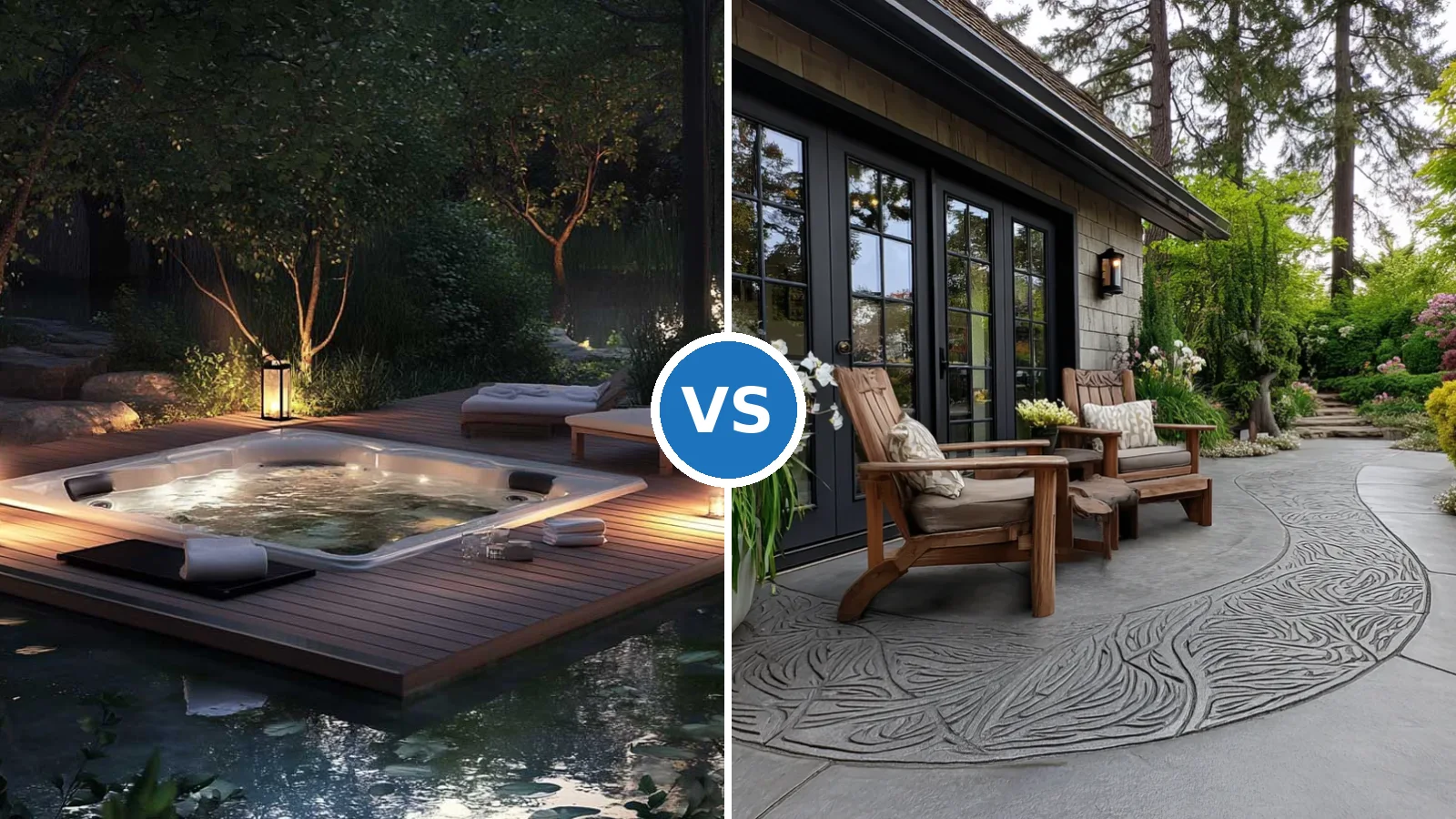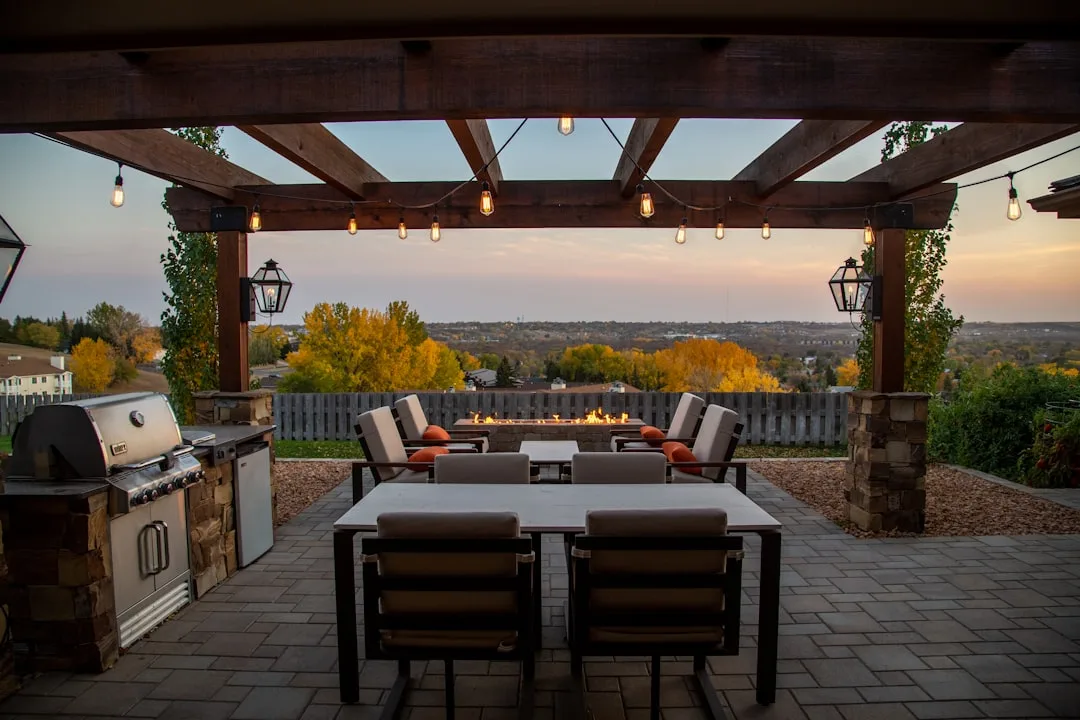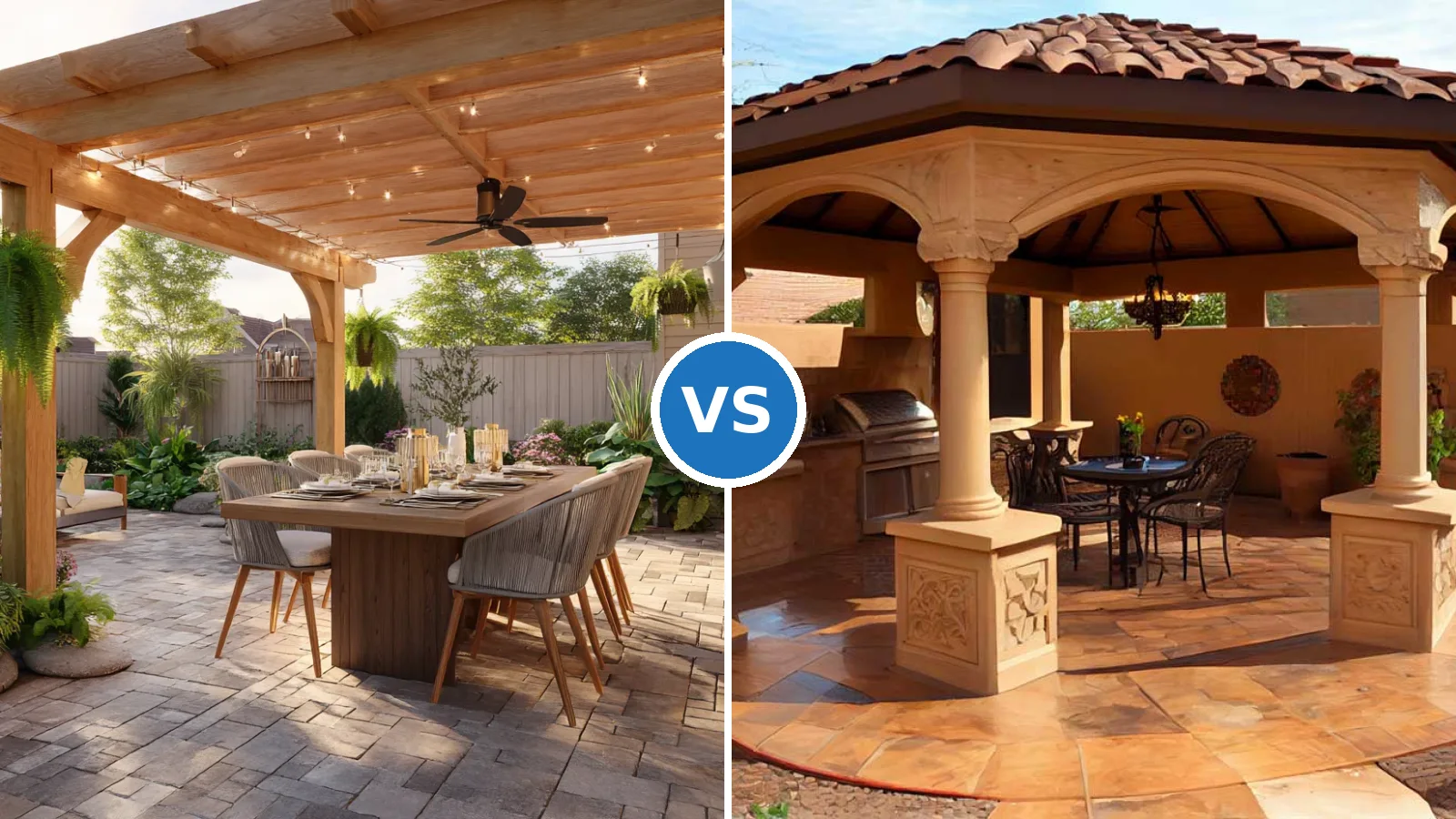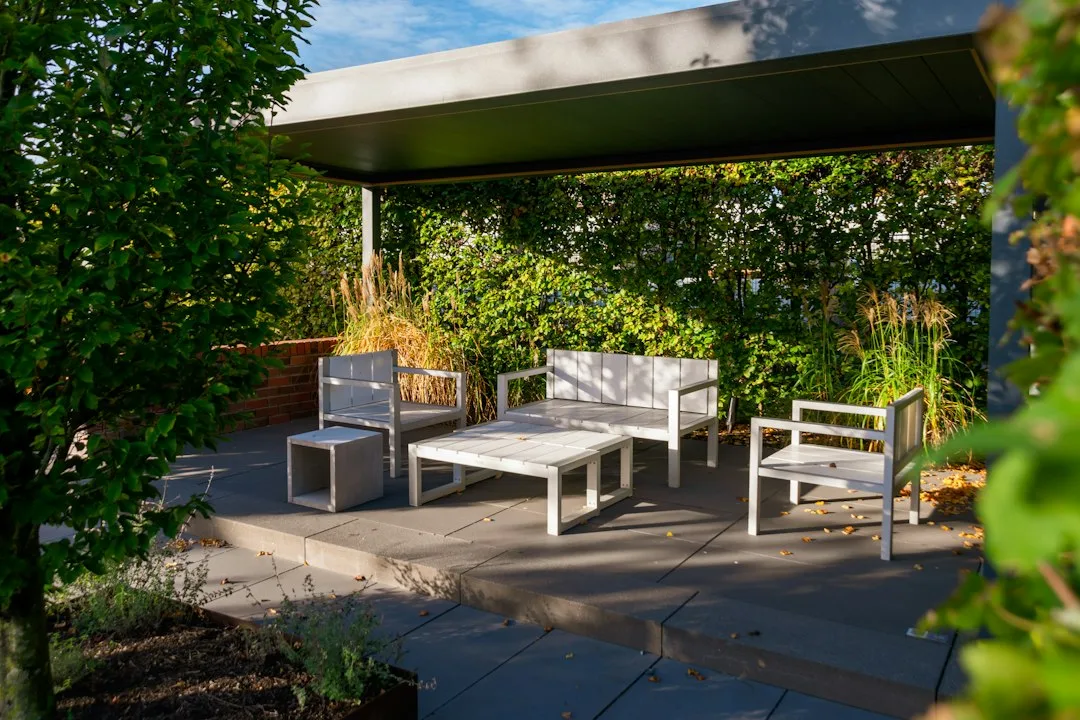
Walk through a newer neighborhood this fall and the pattern is hard to miss: the backyard slabs going in are no longer gray poured concrete. Homeowners are choosing a decomposed granite patio, crushed rock that rakes flat, lets rain sink through, and sits comfortably beside grasses and stone. The shift is quiet, but it solves problems that concrete never fully fixed.
Why a Decomposed Granite Patio Fits Modern Yards
Decomposed granite is granite that has weathered into coarse sand and small gravel, then screened to a consistent grain size before delivery. Crews typically spread it about three inches deep over compacted soil and add a stabilizer so the particles bind underfoot. The finished surface reads warm and pale, which suits both Mediterranean-leaning gardens and plain suburban lots.
The main reason it is catching on is permeability. Rain soaks down through the surface instead of sheeting toward the back door, which cuts puddling and keeps water away from the foundation. That is the part buyers notice after the first storm.
Quick Tips
- Pick a screened, angular-grain product, since rounded pea gravel rolls underfoot.
- Compact the subgrade in two passes before adding any material.
- Set the surface about half an inch below door thresholds and paver edges.
- Add stabilizer only on high-traffic paths if you want a firmer walking surface.
Some owners set the granite beside a Trex composite deck, whose rot-resistant boards pair well with the warm, pale tone. The two materials handle moisture differently, so plan the transition with a clear edge.
How the Surface Is Built Layer by Layer
Start with an excavation about six inches deep in a typical residential yard, though local frost depth and drainage rules change that number. Lay a geotextile fabric to block weeds, then add a compacted crushed-stone base before the granite goes on top. Each layer does a job, and skipping one is where most failures begin.
The table below compares the two surfaces most homeowners weigh. Ratings are general, so check your soil and climate before committing.
| Feature | Decomposed Granite | Poured Concrete |
|---|---|---|
| Water handling | Drains through the surface | Sheds water toward the edges |
| Repair | Rake, top up, re-stabilize | Patch cracks or replace slabs |
| Look | Soft, natural, warm tones | Uniform and sleek, or stamped |
| Underfoot heat | Lighter tones run cooler in sun | Dark finishes can hold heat |
Drainage Is the Real Reason Homeowners Switch
Clay-heavy soils across central Texas and the Piedmont region of the Carolinas turn poured slabs into runoff channels after heavy rain. Water that cannot soak in runs off the slab, pools at low corners, and often finds the house. A granite surface changes that path because the water enters the ground where it falls.
Permeable surfaces also reduce the cleanup that follows a storm. Leaves and grit stay on top, where a rake can lift them, instead of washing into drains. Fewer clogged gutters matter when your patio sits beside a downspout.
Cost Compared With Poured Concrete
A decomposed granite patio usually costs less than a poured concrete slab of the same footprint, mainly because there is no forming, rebar, or concrete truck. Material and labor vary by region, so get two or three local bids rather than trusting any single number. Edging, which is where the look gets finished, is often where the savings go.
Poured concrete still makes sense for a tight, heavily used entertaining zone with a grill and rolling carts. Paver systems from Belgard or Unilock sit in between, offering interlocking concrete units on a sand or crushed-stone base. For a hard courtyard look, compare the Concrete House Idea With Patio Style Courtyard before deciding.
The Mistake That Turns Gravel Into Mud
The most common failure I see is spreading granite straight over topsoil. A homeowner in a Raleigh backyard might dump three inches of loose material on lawn, skip the compacted base, and watch it sink and migrate into the grass within one wet season. The patio ends up as a shallow ditch with a crust of fine dust on top.
Fix it before you buy material. Dig out the topsoil, compact the subgrade in two passes, and install a crushed-stone base with fabric beneath it. Only then should the granite arrive.
Edging, Furniture, and Fire Pit Placement
Steel or stone edging holds the granite in place and keeps lawn from creeping into it. Set edging flush with the surface so the rake can pass cleanly along the border. A low-profile edge looks deliberate, while a high one catches every step.
A Solo Stove Bonfire, with its double-wall stainless steel body, sits well on a mineral surface like granite. Check your local fire code for clearance from structures and overhanging branches before lighting. Keep chairs on a flat stretch so the legs do not sink into soft spots.
Pair the surface with plantings and seating that echo the house, as shown in the Beautiful Single Story House with Patio Yard. Keep the palette to two or three tones so the granite reads as one field.
Maintenance Routine for the First Two Seasons
Plan to rake the surface every four to six weeks during the growing season, which breaks up crusted spots and levels footprints. After a heavy storm, check for washouts at the edges and top up thin areas with matching granite. Expect the first year to need the most attention as the surface settles.
Pre-emergent weed control keeps seeds from germinating in the top layer. Spot-pull whatever gets through, since the surface gives roots little to hold. A quick check each spring usually prevents a bigger project later.