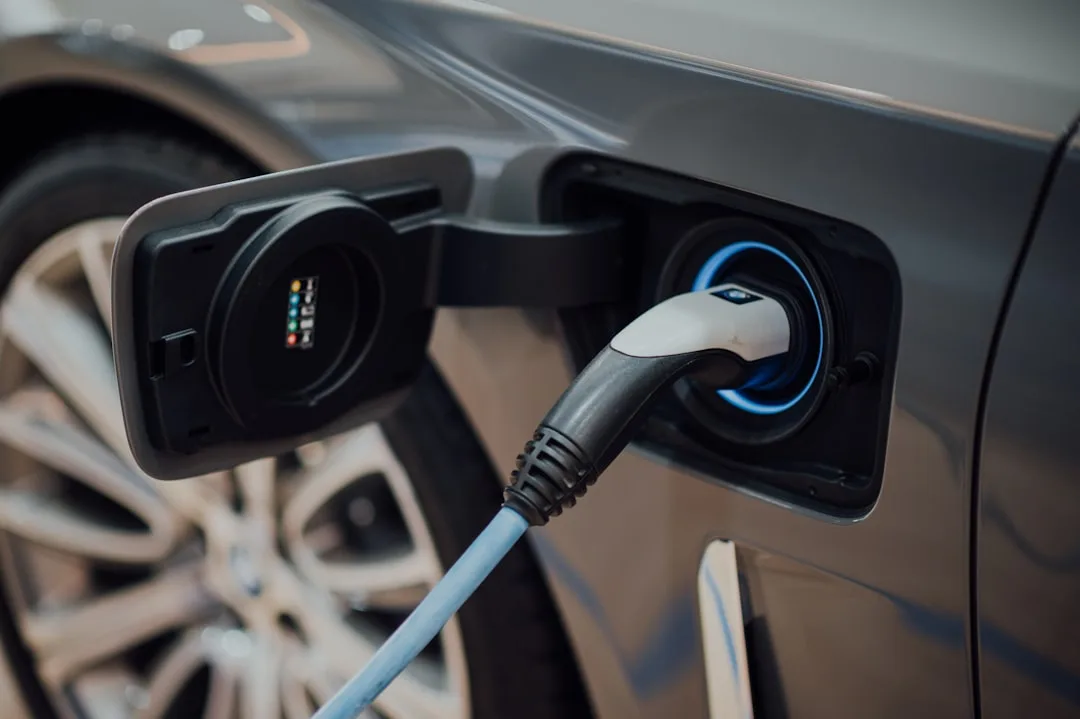
By mid-2026, the conversation around vehicle electrification infrastructure has moved decisively away from “finding a charging station” and toward “how does my car power my home?” Nissan launched its CHAdeMO 2.0 bidirectional charging standard in early 2026, permitting vehicles to discharge stored energy back into household systems during peak rate hours or power outages. Tesla and Ford have already integrated similar capabilities into their Supercharger networks and home installations.
This shift matters because it reframes the economics of EV ownership entirely. A homeowner in California can now charge their Kia EV9 at 2 a.m. when grid rates drop, then sell stored power back during 4–9 p.m. peak pricing, offsetting electricity costs by 30–40% annually. That’s not speculation—it’s operational today in markets with real-time pricing and grid demand response programs.
Vehicle electrification infrastructure now functions as a two-way energy asset, not a one-way consumer appliance. That fundamental change is why this moment matters more than any incremental charging network expansion.
Smart charging algorithms adapt to household demand patterns
Hyundai’s Integrated Energy Management System (launched April 2026) learns your daily commute distance, home energy consumption, and local grid pricing cycles. The system automatically schedules charging windows to maximize cost savings and minimize grid strain during peak demand periods. You set a target battery state and time window; the algorithm does the rest.
Concrete example: Your home uses peak energy from 5–8 p.m. (dishwasher, laundry, air conditioning running). The system delays vehicle charging until 10 p.m., when baseload demand drops and rates fall. On a hot summer day, if grid strain triggers automated demand response pricing that doubles rates during 4–6 p.m., the algorithm pauses or throttles charging automatically.
This prevents the scenario that most EV owners still get wrong: plugging in immediately after arriving home, which forces charging during peak demand hours when electricity costs 2–3× more than overnight rates. A household that doesn’t optimize charging timing can waste $400–800 annually on inefficient timing alone.
Quick Tips
- Set your vehicle to charge during off-peak hours (typically 10 p.m.–6 a.m.) to reduce electricity costs by 30–50%
- Enable bidirectional charging if your vehicle supports it; homes with stored EV capacity can participate in grid demand response programs
- Check your utility’s real-time pricing app before planning a long-distance trip; avoid rapid charging during peak demand windows when DC fast-charging rates spike
- Pair your EV charging with home solar systems where practical; vehicle-to-home (V2H) systems amplify savings by 40–60% in sunny regions
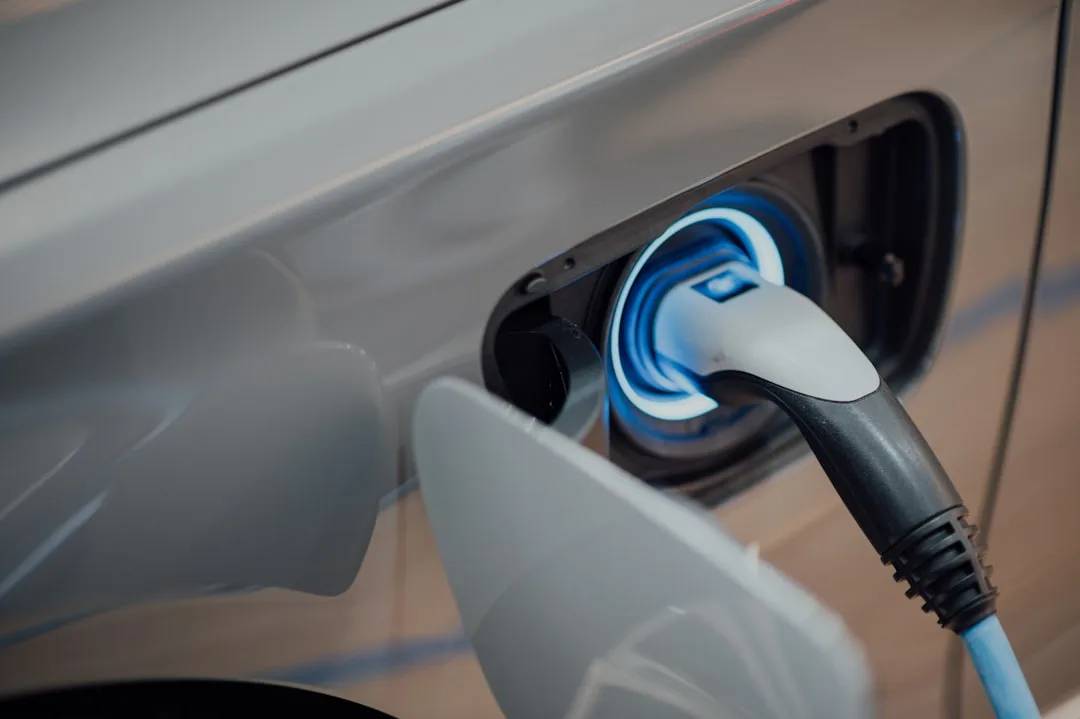
Bidirectional charging reshapes home energy resilience and grid stability
Generac partnered with Sunrun in June 2026 to bundle home battery storage with EV bidirectional charging. The system treats a parked EV battery (60–100 kWh in modern models) as distributed grid storage. During a grid outage in Houston, homeowners with this setup maintained power to critical circuits for 18–24 hours without a dedicated home battery purchase.
The financial case is straightforward: A Tesla Model Y (82 kWh usable) can power an average home for 2–3 days if charging patterns are managed carefully. Rather than spending $15,000–20,000 on a Powerwall, the same family can rely on their vehicle’s existing battery capacity, paying only for the bidirectional charger hardware (roughly $1,500–2,500 installed).
| Infrastructure Type | Primary Function | Cost Range |
|---|---|---|
| Standard Level 2 Charger | Home charging only, grid to vehicle | $400–800 installed |
| Smart Bidirectional Charger | Vehicle-to-home power and grid services | $1,500–2,500 installed |
| DC Fast Charger (residential) | Rapid charging, requires 240V service upgrade | $2,000–4,000+ installed |
| Home Energy Hub + V2H | Solar, battery storage, and bidirectional EV charging | $8,000–12,000+ installed |
Grid load balancing creates utility incentive programs with real financial rewards
Southern California Edison launched its EV Smart Charging program in May 2026, paying participating homeowners $8–15 per month to allow the utility to shift charging to off-peak windows. Participants who enroll their Nissan Leaf, Chevrolet Bolt, or compatible EV receive an automated charger and control agreement. The utility then manages charging remotely to smooth demand curves during peak afternoons.
Multiply this across 500,000 vehicles: utilities can defer building new generation capacity worth hundreds of millions of dollars. That’s why demand response incentives are rising nationally. A family with two EVs can earn $200–300 annually simply by opting into smart charging, with zero impact on driving range if the vehicle is parked overnight or during off-peak windows.
This funding stream barely existed in 2024. In 2026, it’s a standard component of utility plans in California, Texas, and the Northeast.

Real mistake: ignoring home electrical service capacity before installing infrastructure
The most common failure happens here: A homeowner purchases a 240V Level 2 charger or commits to bidirectional charging without verifying whether their home’s electrical panel can support simultaneous EV charging and normal household loads. Many homes built before 2015 have 100–150 amp service; a 40–50 amp charger running during peak household use (air conditioning, laundry, cooking) can trip breakers repeatedly.
Example: A homeowner in Arizona installed a 48-amp smart charger, then found that summer afternoons created constant electrical conflicts. Air conditioning draws 20–30 amps; the charger wants 48 amps; the 150-amp service panel can’t supply both. A licensed electrician charged $3,500 to upgrade to 200-amp service—an entirely preventable expense.
Before committing to vehicle electrification infrastructure, request an electrical load analysis from a licensed electrician. This costs $150–300 upfront and prevents $2,000–5,000 in surprise upgrades later. Check your home’s main panel amperage (usually stamped on the exterior near the meter) and verify your charger’s maximum draw doesn’t exceed 80% of available capacity after household loads.
Workplace and fleet infrastructure embed vehicle electrification into employer networks
Amazon deployed 10,000 ChargePoint Level 2 units across its fulfillment center network by July 2026, enabling employee charging during shifts. More importantly, Amazon’s fleet vehicles (Rivian electric vans) now connect to their internal energy management system, which optimizes charging schedules across delivery routes and warehouse demand patterns.
Employers are adopting this because vehicle electrification infrastructure now qualifies for corporate tax credits and utility rebates. A mid-size company installing 50 Level 2 chargers can recover 30–40% of costs through federal credits and state incentives. Autonomous Vehicle Adoption Reshapes How Families Plan Daily Commutes shows how workplace infrastructure directly supports household energy planning.
Corporate participation accelerates adoption because employees experience bidirectional charging and smart demand response at work before committing to home installations. That real-world proof reduces consumer hesitation and increases home infrastructure investment rates.
Vehicle electrification infrastructure transforms car resale value through energy asset pricing
Certified pre-owned EV buyers in 2026 now evaluate vehicles partly on their bidirectional charging capability and battery health state. A used 2024 Tesla Model 3 with bidirectional hardware commands a 5–8% price premium over identical units without V2H compatibility, because the energy asset value compounds over ownership duration. Why the Certified Pre-Owned Vehicle Market Dominates 2026 Auto Purchases shows this trend accelerating across dealer inventories.
Energy asset pricing fundamentally changes how households calculate vehicle ownership cost. A $35,000 used EV now generates $200–400 in annual grid service revenue plus $300–600 in optimized charging savings. That pushes the effective cost per mile down 25–35% compared to 2024 calculations.
Vehicle electrification infrastructure is no longer about charging speed or station density. It’s about making your car a revenue-generating home energy asset. That’s why adoption curves are accelerating through mid-2026, and why every new EV sold now comes with bidirectional capability or the pathway to retrofit it.