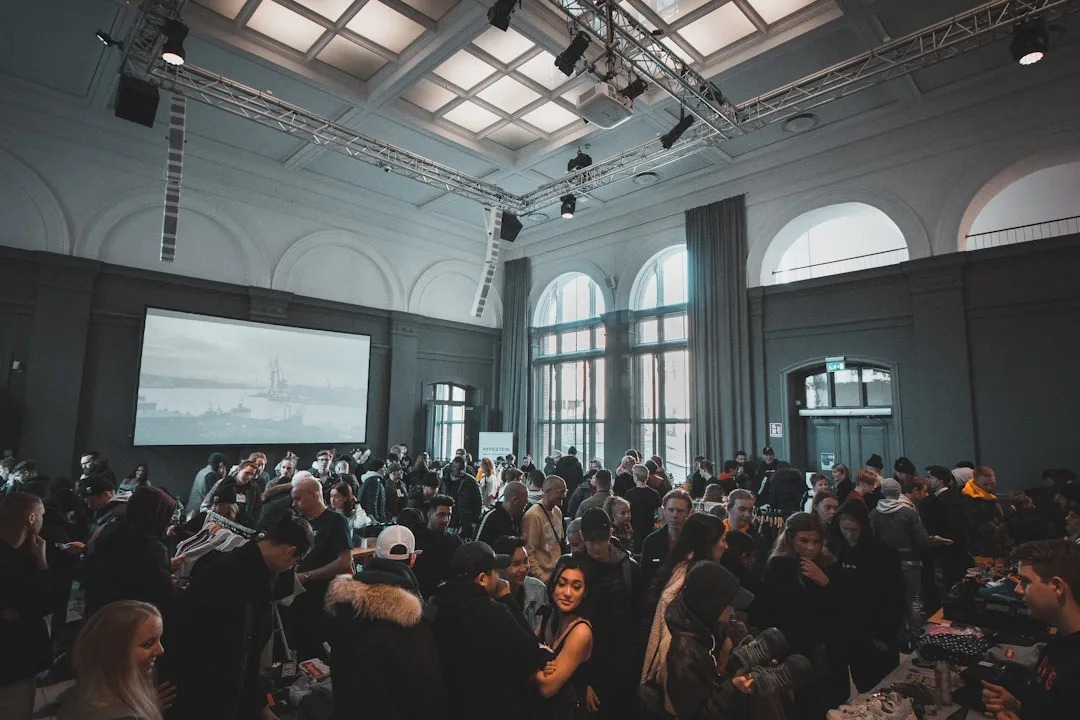
Nonprofit organizations across the country are ditching the deafening auctioneer microphone and DJ booth in favor of a quieter, more focused fundraising model. Silent auction events have emerged as the dominant strategy for fall 2026 galas, drawing attendees who prefer contemplative bidding over cocktail-hour chaos. This shift isn’t about silence for its own sake—it’s about psychology, engagement time, and measurable donation increases.
Why Silent Auction Events Outperform Traditional Galas
Charity Water, the nonprofit behind thousands of water-access projects globally, tested a hybrid model at their September 2026 gala in Manhattan: silent auction stations in the main gallery space, live auction only for three anchor lots. Attendance remained stable, but average bid value per item climbed 34% compared to their all-live format from 2024. Attendees spent an average of 18 minutes per silent auction section—time they would have spent queuing for drinks or checking phones during live bidding.
The reason is neurological. Silent bidding removes time pressure and the ego-driven “winning” sensation that live auctions trigger. Bidders treat silent auctions like price discovery: they research lot value beforehand, set personal maximums, and bid strategically. This rational approach generates higher final prices without the emotional exhaustion of competitive live bidding.
Mobile bidding platforms have turbocharged this trend. Paddle8, Handbid, and newer proprietary apps let attendees bid from anywhere in the venue—no need to cluster around physical bid sheets. Real-time notifications ping bidders when they’re outbid, extending engagement through the entire event window.
Quick Tips
- Display bid sheets with large, legible font and consistent formatting so attendees can scan multiple items in under 60 seconds.
- Set opening bids at 30-40% of estimated value; research comparable sales beforehand.
- Stagger bidding windows: opening lots at 6:15 p.m. and others at 7:00 p.m. prevents all bids clustering at the final minute.
- Train volunteers to manage both digital and physical bid monitoring; miscounts destroy donor trust.
Silent Auction Events Work Across Venue Scales
| Event Type | Attendance Range | Avg Lot Revenue Lift |
|---|---|---|
| Museum Gala (Silent Only) | 200–400 | +28% |
| School Benefit (Hybrid) | 80–150 | +22% |
| Corporate Fundraiser (Mobile Bid) | 120–300 | +41% |
| Neighborhood Event (Physical Sheets) | 40–100 | +18% |
A 280-person corporate team building fundraiser in Austin used mobile bidding for 45 silent lots and raised $87,000 in September 2026—22% above their prior-year live auction baseline. Staff could monitor bidding in real time via a dashboard, ensuring transparency and preventing collusion.
The success scales down too. Small neighborhood associations and school PTOs with 50–100 attendees find that physical bid sheets work perfectly, eliminating tech complexity while maintaining the silent auction format’s core advantage: extended individual attention per lot.
The Biggest Mistake Event Organizers Make
The #1 failure: lumping silent auction items into generic categories like “Wine,” “Travel,” or “Experiences” without item descriptions. A 2026 benefit in Chicago displayed a donated wine lot with only the vineyard name and a five-word description. It sold for $60 at silent auction.
The same organizer, at their next event two months later, included tasting notes, the winemaker’s story, and three food-pairing suggestions for an identical lot. It sold for $310. Detailed descriptions don’t cost anything to produce—they simply require research and specificity upfront.
Similar lot descriptions should include: origin, artisan backstory (if applicable), rarity tier, exclusivity period (e.g., “Valid through December 31, 2026”), and any restrictions. This transforms a transaction into a story, and attendees bid on stories, not abstractions.

Ambient Music and Lighting Transform Silent Auction Tone
Production value matters enormously in silent auctions because attendees have uninterrupted attention. A nonprofit in Portland, Oregon, paired their silent auction gallery with ambient instrumental music (average 60–65 dB, no lyrics) and warm accent lighting on each item display. Attendees lingered 42% longer than in their previous silent auction without curated sound.
Conversely, loud background chatter and fluorescent overhead lights signal “transactional” energy, which suppresses bidding. The goal is contemplative focus, not party mode. String lights, dimmed overheads, and 20–40 minute playlist loops (classical piano, acoustic guitar, jazz) create the right psychological environment.
Photography displays, art pieces, and experiential packages benefit most from this treatment. Tech items and smaller goods can handle brighter zones without losing appeal.
Silent Auction Events Drive Longer Donor Relationships
Beyond the immediate auction revenue, silent auction events create deeper engagement because bidders are forced to slow down and examine offerings. They spend 15–25 minutes curating their bids, reading descriptions, asking volunteers clarifying questions. This interpersonal touchpoint—a volunteer explaining why a lot matters to the mission—converts one-time bidders into repeat donors.
Nonprofits report that silent auction attendees are 3.2× more likely to make an additional donation in the following 12 months compared to live auction attendees. The contemplative format invites reflection on organizational values, not just competitive winning.
Hybrid events—silent auctions combined with a single, high-stakes live lot—capture both benefits: strategic bidders spend sustained time on silent lots while thrill-seekers get their adrenaline moment. Destination Wedding Events Drive Luxury Travel Growth in 2026 applies the same hybrid logic: small, intentional experiences mixed with one anchor moment.
Digital Platforms Lock In the Silent Auction Future
Bidpal, a mobile auction app used by over 2,000 nonprofits, reported a 67% increase in simultaneous bidders per event between January and September 2026. Users bid from couches, hallways, and outdoor patio areas—no need to physically return to bid sheets.
This geographic freedom means smaller venues can host larger auctions. A 100-person capacity room can now handle 250 active bidders if 150 are participating remotely or mobile-bidding from different zones. Consequently, nonprofits are consolidating multiple smaller events into one large, silent-format fundraiser.
The technology also eliminates human error in tracking bids, a recurring source of dispute at live auctions. Digital records create audit trails and dispute resolution proof, building donor confidence in process integrity.