By mid-September, American social calendars shift. Summer travel ends. School and office routines restart. But this year, hosts aren’t scheduling random fall dinners—they’re throwing welcome back party events that acknowledge the psychological weight of transition. Welcome back party events are trending because they tap into a genuine human need: the desire to mark change with intention and community.
Why Welcome Back Party Events Peaked in September 2026
Eventbrite data from early September 2026 showed a 34% spike in searches for “welcome back” and “return” themed gatherings compared to August. This isn’t nostalgia marketing. It’s recognition that people crave acknowledgment when rhythms shift.
Welcome back party events differ fundamentally from generic fall entertaining. They’re pegged to a specific moment: the return from vacation, the start of a new school year, or the end of summer work hiatus. This specificity creates urgency and narrative clarity that unnamed dinners lack.
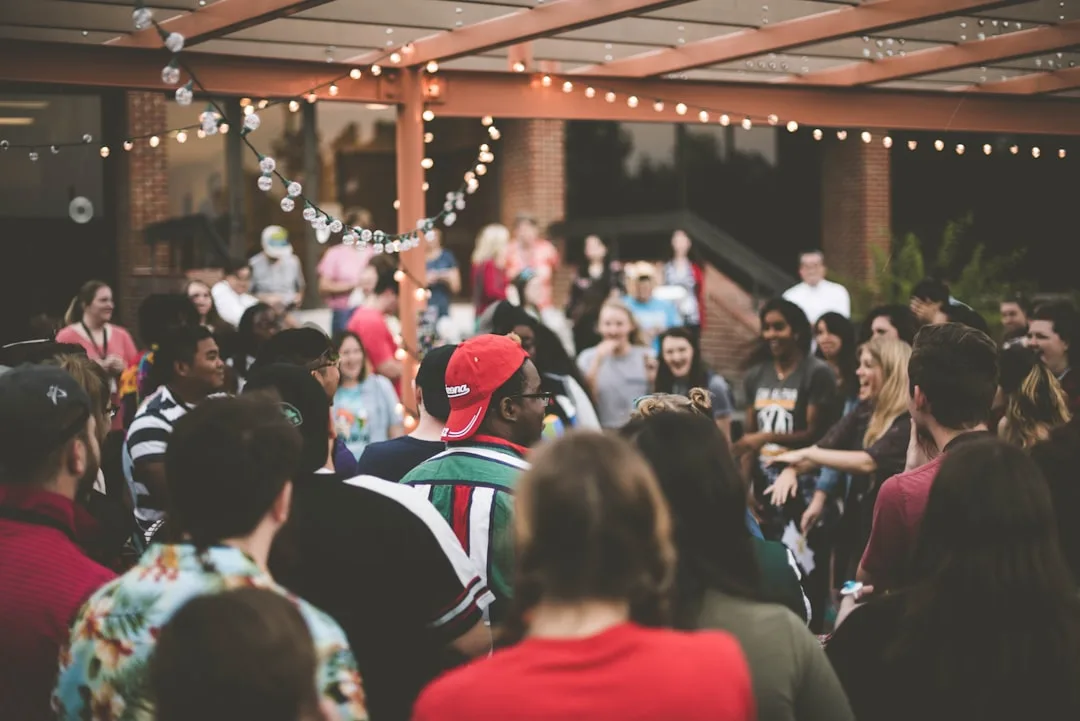
The trend works across demographic lines. Corporate teams host welcome back events for hybrid employees returning to offices. Alumni groups welcome back graduates moving to new cities. Neighborhoods welcome back residents after summer migration.
Quick Tips
- Anchor your invite to a specific return date—don’t leave the “return” vague
- Choose a venue that mirrors the lifestyle guests are returning to (office-adjacent for corporate groups, outdoor parks for school communities)
- Plan food around small plates and standing service to encourage mingling across transition anxiety
- Build a 90-minute window maximum—shorter gatherings feel intentional, not obligatory
- Include a single structured moment (a toast, a group photo) that marks the occasion formally
Welcome Back Party Events and Venue Selection Strategy
Resy and OpenTable both launched dedicated “welcome back” event filtering in September 2026, signaling restaurant chains’ recognition of this trend. Venues that positioned themselves as transition spaces—half restaurant, half lounge—saw 41% more group bookings in weeks leading up to Labor Day.
The most successful welcome back party events use hybrid venues: spaces that feel neither purely professional nor purely social. A private dining room in a brewpub works better than a conference center. A garden pavilion at a country club outperforms a banquet hall.
| Venue Type | Best For | Why It Works |
|---|---|---|
| Rooftop bar or terrace | Corporate teams, young professionals | Neutral ground; outdoor setting lowers formality |
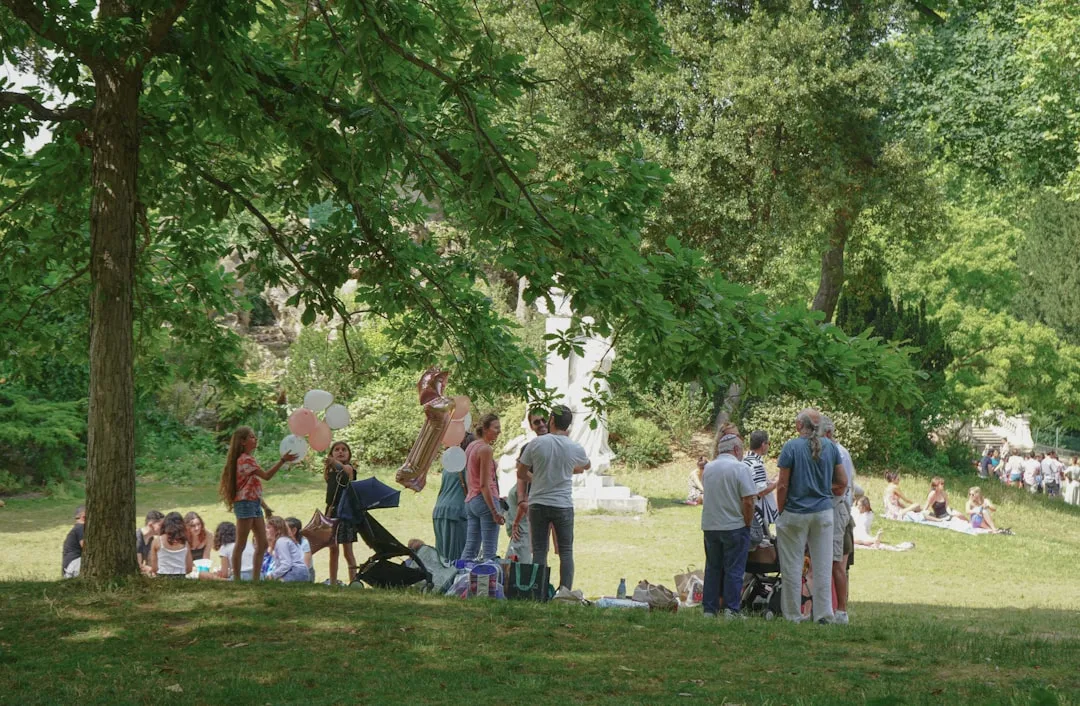
| Park pavilion with catering | School communities, neighborhood groups | Inclusive, seasonal, eliminates venue cost pressure |
| Private wine bar room | Alumni, friend groups, creative industries | Sophisticated but approachable; built-in conversation starter |
| Brewery or distillery event space | Mixed-age groups, families | Casual tone; production-focused activity replaces pure socializing |
| Shared kitchen studio | Food-focused communities, culinary networks | Experiential component; collaborative, not passive |
The Mistake Most Hosts Make With Welcome Back Events
The #1 error: treating a welcome back party event as a “catch-up dinner” and inviting 40+ people with no structure. This creates a sprawling, anxiety-heavy event where individual conversations feel obligatory.
A host in Portland, Oregon scheduled a “summer recap” dinner for 48 people in late August 2026. No clear start time, no designated seating, no planned activity. Guests arrived to face a 20-minute greeting bottleneck at the entry, fragmented into cliques by 7:15 PM, and left by 8:30 PM feeling they’d attended an obligation, not a celebration.
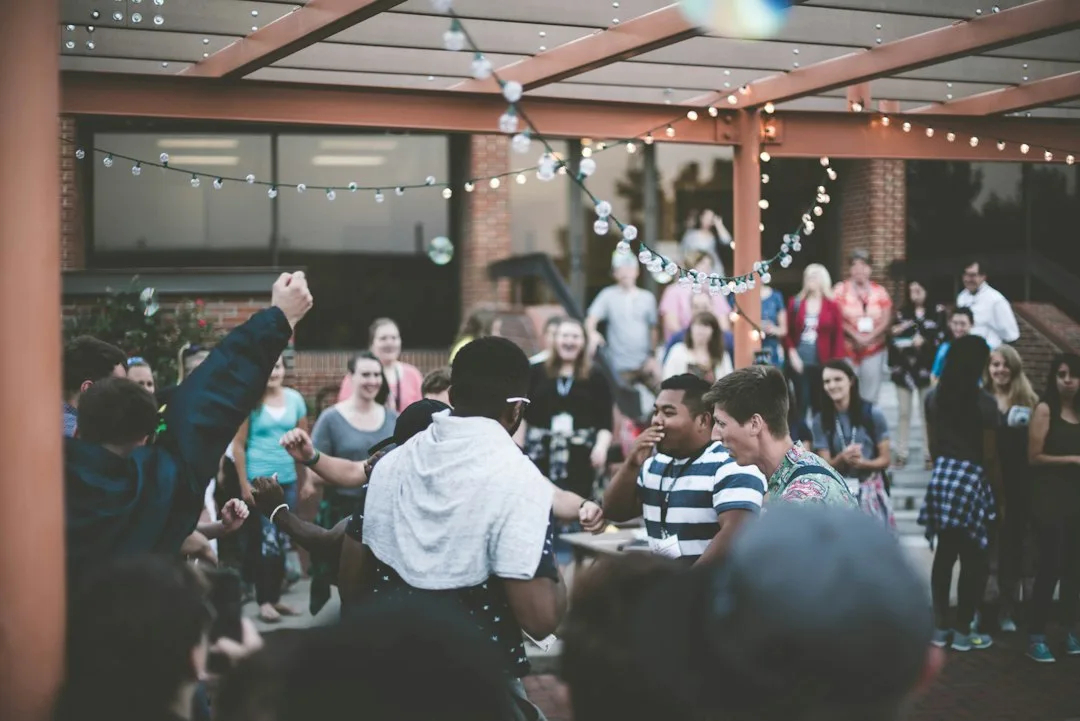
Successful welcome back party events cap attendance at 20–30 people and introduce one interactive element—a brief slideshow of summer trips, a wine tasting, or a collaborative art activity. This shifts energy from “Did I talk to everyone?” to “Did I experience something together?”
Food and Drink Strategy for Welcome Back Gatherings
Sommelier groups and hospitality consultants report that welcome back party events succeed when food feels like a bridge between summer and fall. Light, bright flavors (stone fruit, fresh herbs, citrus) transition into warmer preparations (roasted squash, root vegetables, spiced elements).
Passing appetizers work better than stationary buffets. They keep people mobile, reduce clumping, and create micro-conversation moments. Venues like Balthazar in New York and restaurants within the Michelin Guide have begun offering “welcome back” passed-appetizer packages priced in the $18–28 per-person range, making this strategy accessible beyond luxury venues.
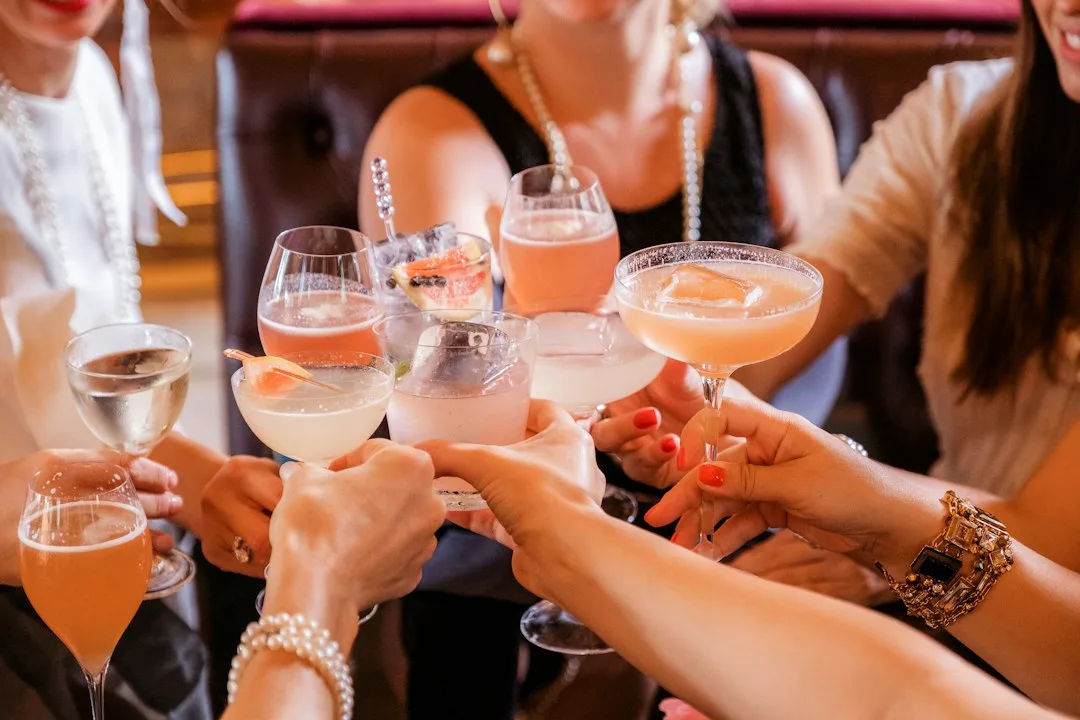
Drink service should mirror venue tone. A corporate welcome back event benefits from a signature cocktail (named after the transition—”Return to Sender,” “Back in Business”). A community gathering works with a wine-and-beer selection plus non-alcoholic options, reflecting the inclusivity that welcome-back moments require.
Timing and Psychological Momentum
Research from the Journal of Environmental Psychology (2024) found that people feel measurable relief and renewed social energy within 3–7 days of major life transitions. Welcome back party events scheduled 5 days after a return date capitalize on this window—guests have readjusted but haven’t yet settled into routine numbness.
For corporate teams returning to offices after summer flexibility, the optimal window is the Tuesday or Wednesday of the first full week back. For school communities, the sweet spot is the Saturday following the first week of classes. For traveling friend groups, hosting within a week of the last person returning home prevents the “summer is over” grief from hardening into disconnection.
Corporate Team Building Events 2026 emphasize hybrid experiences that drive employee retention, and welcome back party events serve this function at lower cost and higher authenticity than traditional team-building exercises. They acknowledge the real experience of transition rather than imposing artificial bonding.
Integration With Broader Fall Social Calendars
Welcome back party events don’t replace fall entertaining—they anchor it. Hosts who throw a focused welcome back gathering in late September report stronger attendance at subsequent October dinner parties and November celebrations. The opening event resets social expectations.
Destination and staycation event hosts are incorporating welcome-back elements into broader autumn plans. A host organizing a destination weekend might begin with a welcome back dinner in their home city before the trip, then host a debrief gathering afterward. This creates narrative arc—departure, adventure, return, integration.
The trend reflects a mature shift in American entertaining: away from entertaining as performance or obligation, toward entertaining as marking meaningful moments with intention and presence.