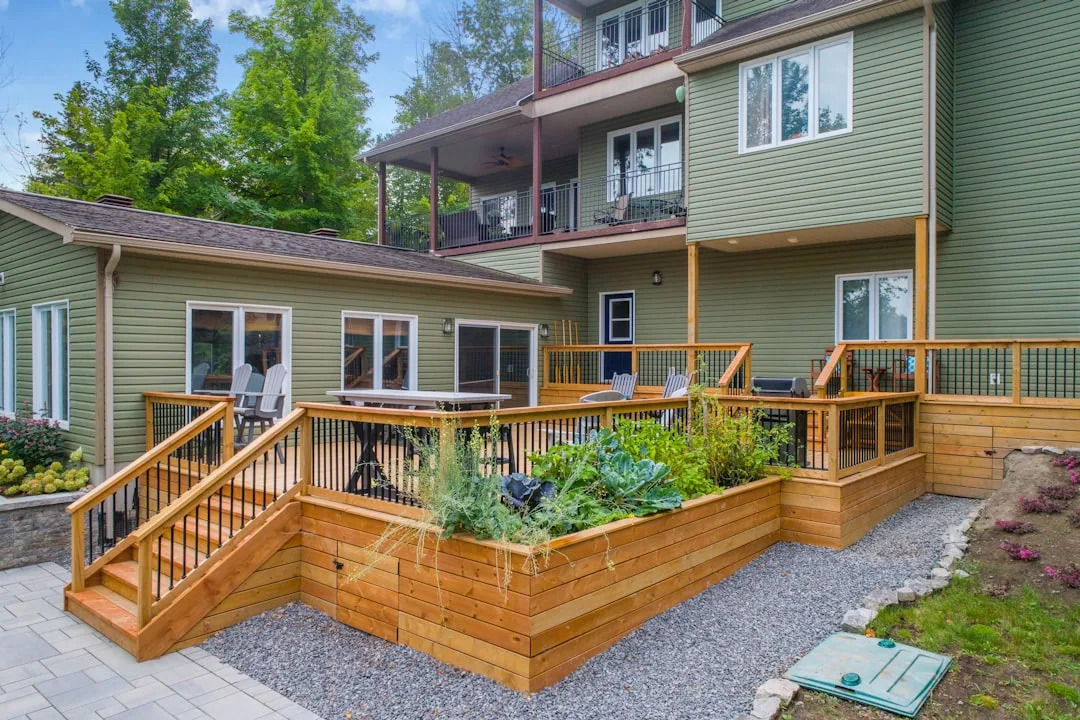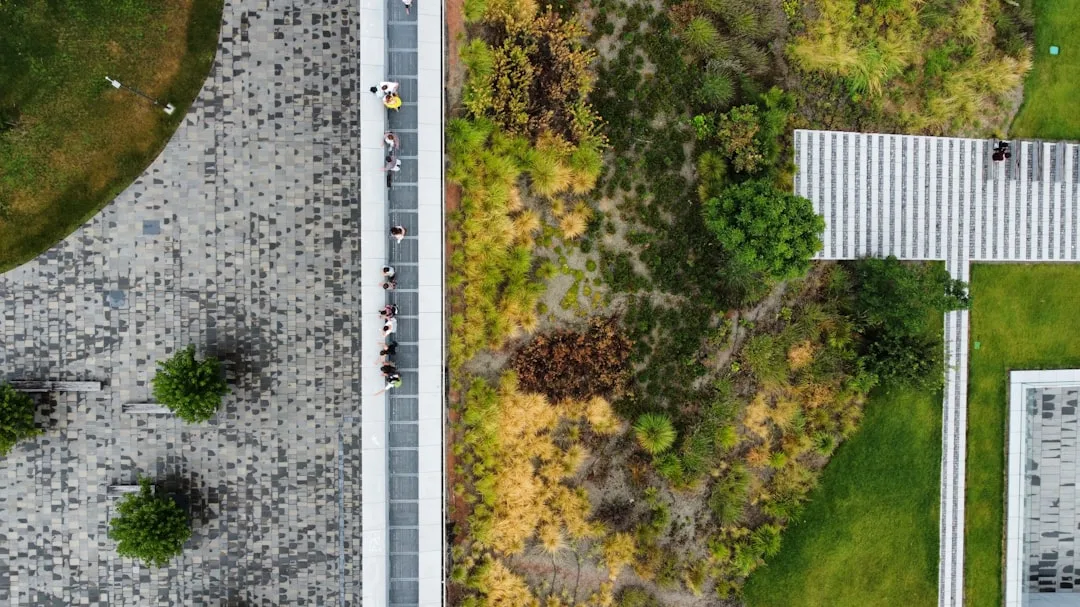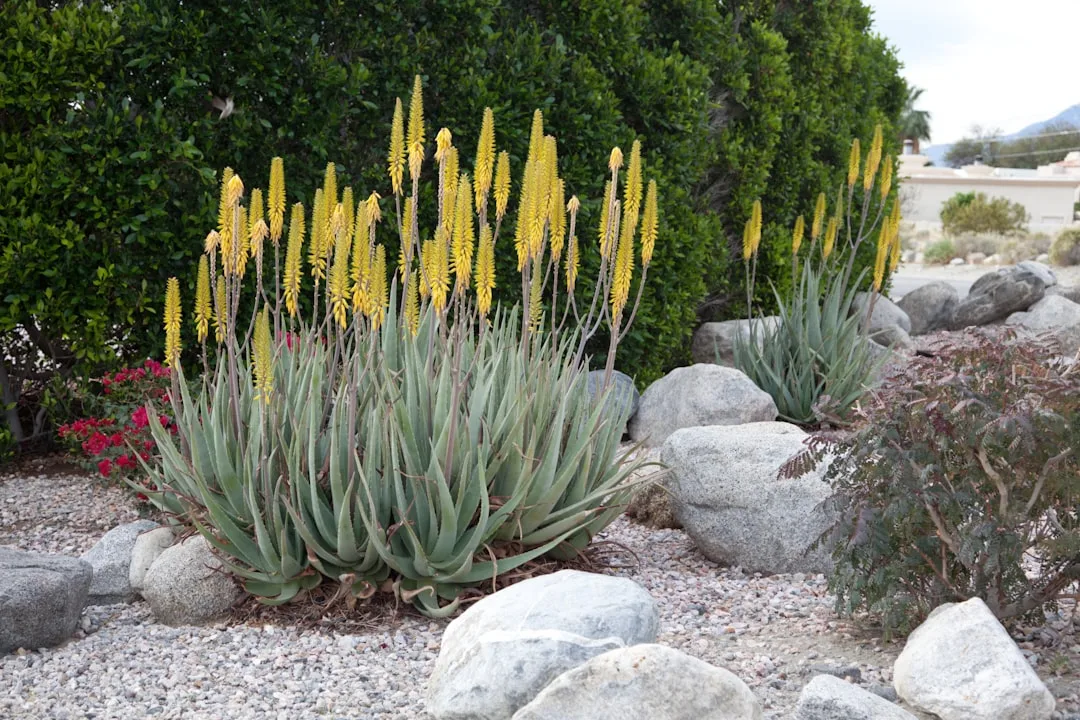
By mid-August 2026, water restrictions across the Southwest and California have forced a permanent reckoning with lawn culture. Drought-resistant landscape design is no longer a niche aesthetic—it’s become the fastest-growing segment of residential landscaping, driven by both regulation and economics. Homeowners who rip out thirsty Kentucky bluegrass and replace it with native sedums, Mexican feather grass, and regionally appropriate perennials are cutting irrigation costs by 40–50% annually while gaining landscapes that actually thrive in their climate.
How Native Plant Palettes Cut Water Demand
Santa Fe Landscape Architects, a firm specializing in high-altitude xeriscape design, reports that clients replacing full-sun turf with native dryland species see irrigation drop from 60 gallons per square foot annually to 12–18 gallons. The math is immediate and real. A typical suburban quarter-acre lawn consumes roughly 330,000 gallons per year; replace half of it with native plantings and you’re saving over 160,000 gallons.
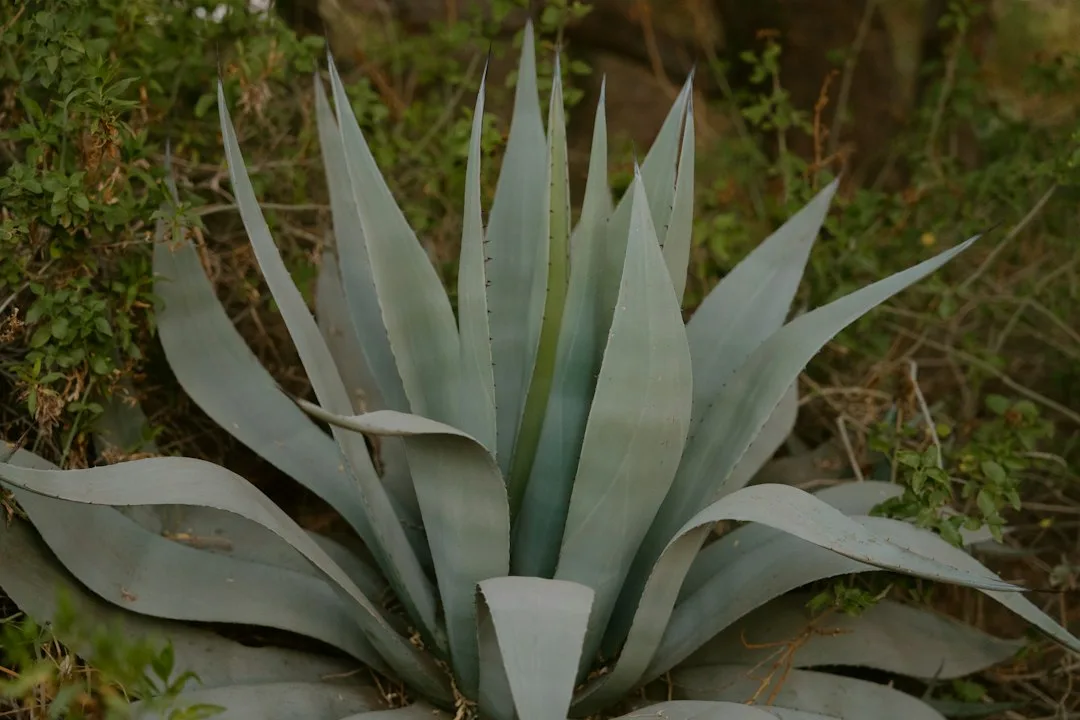
The key is matching plants to your USDA hardiness zone and existing soil type rather than fighting your regional ecology. In zones 4–6, this means ornamental grasses like northern sea oats and sedges; in zones 7–9, salvias, blanket flowers, and desert roses. These plants evolved to thrive on local precipitation patterns. Once established—typically after one full growing season—they require minimal supplemental watering even during dry spells.
Grouping plants by water needs (called hydrozoning) amplifies this benefit. Plants requiring more moisture cluster near downspouts and bioswales; drought-adapted specimens occupy exposed southern and western exposures. This layering means you’re not overwatering drought-resistant plantings to keep thirsty ones alive.
Quick Tips
- Amend soil with 2–3 inches of compost to improve water retention and microbial activity, reducing irrigation frequency by 20%
- Install drip irrigation or soaker hoses under mulch—these deliver water to root zones with 50% less waste than overhead sprinklers
- Apply 2–4 inches of wood chips or gravel mulch around plantings to suppress evaporation and regulate soil temperature
- Avoid planting right after installation; wait 6–8 weeks for soil to settle before establishing your final plant palette
Hardscape Materials That Reduce Heat and Runoff
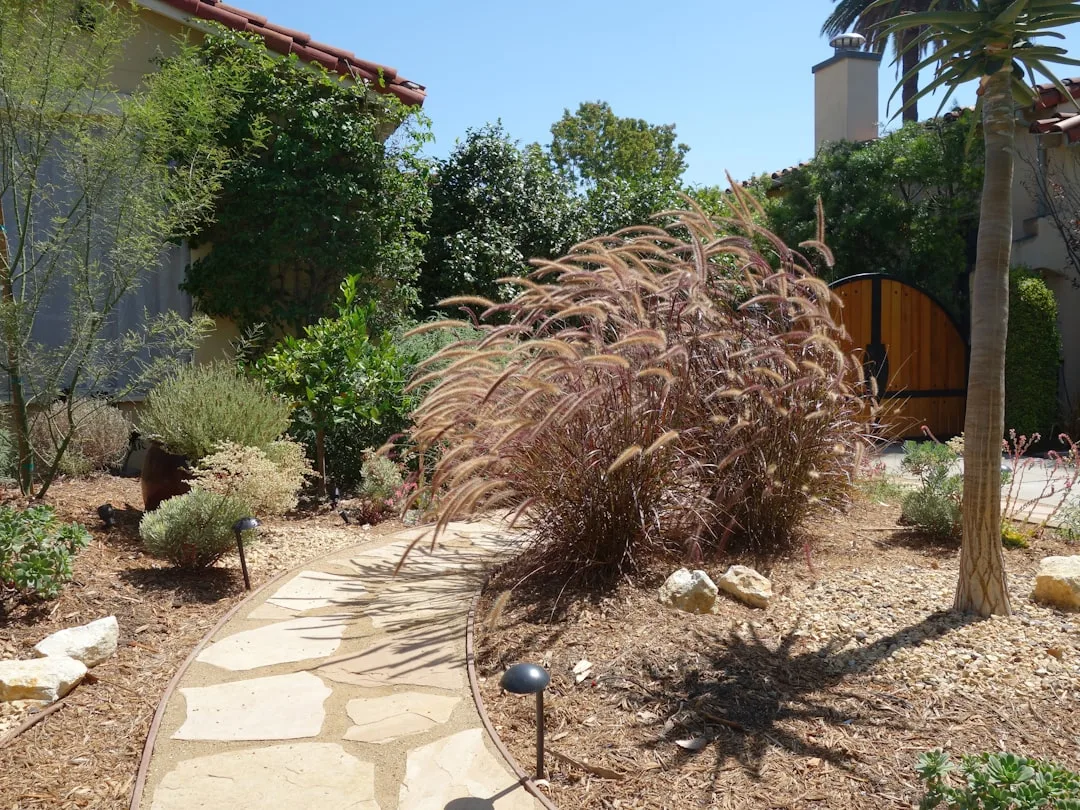
Permeable hardscaping isn’t just about drainage—it’s central to drought-resistant landscape design because it eliminates the need to irrigate pathways and seating areas. Traditional concrete and asphalt create dead zones that absorb heat, forcing adjacent plants into stress while also shedding water that could be harvested.
Decomposed granite (DG), which costs roughly 60–80% less than poured concrete, allows water infiltration while creating a clean, finished aesthetic. Gravel Garden Pathways supply DG in screened grades that compact naturally without binder, making repairs simple and environmentally sound. A single pass with a hand tamper creates a firm walking surface that lasts 5–7 years before light raking and topping refreshes it.
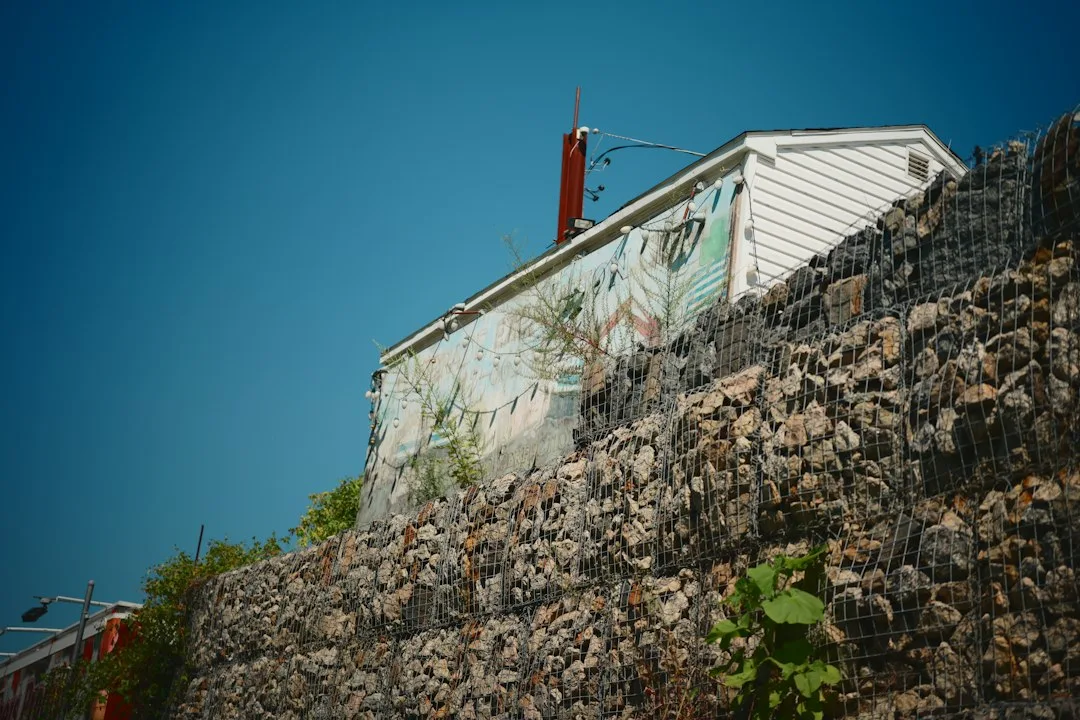
Permeable pavers—whether recycled plastic, recycled asphalt, or open-cell concrete—allow water to filter into underlying soil rather than running off to storm drains. This captured rainfall recharges groundwater and reduces the irrigation load on surrounding plantings. Many jurisdictions now mandate permeable hardscaping in front yards specifically to reduce stormwater runoff and support drought resilience.
| Material | Water Permeability | Lifespan |
|---|---|---|
| Decomposed Granite | 100% permeable | 5–7 years (top-dressing) |
| Open-Cell Permeable Pavers | 95% permeable | 15–20 years |
| Recycled Asphalt | 100% permeable | 3–5 years |
| Sealed Concrete | 0% permeable | 20+ years (but runoff issue) |
The Biggest Mistake: Mixing Thirsty Annuals with Drought-Resistant Palettes
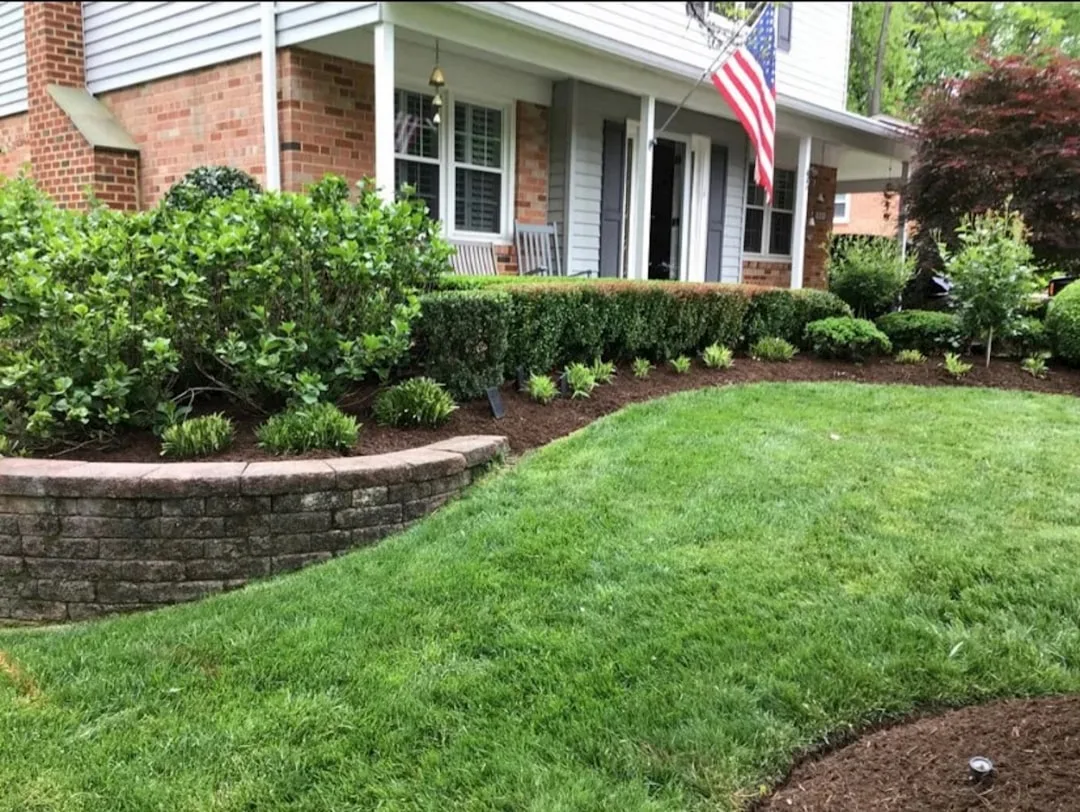
Here’s where most homeowners derail their drought-resistant landscape design investment: they plant native sedums and salvias, then fill gaps with impatiens, begonias, and high-water perennials because they’re worried about “empty” spaces. Impatiens need consistently moist soil—if your hardscape and amended mulch are doing their job, that moisture won’t exist. The result is a patchwork that requires constant supplemental watering and periodic plant death.
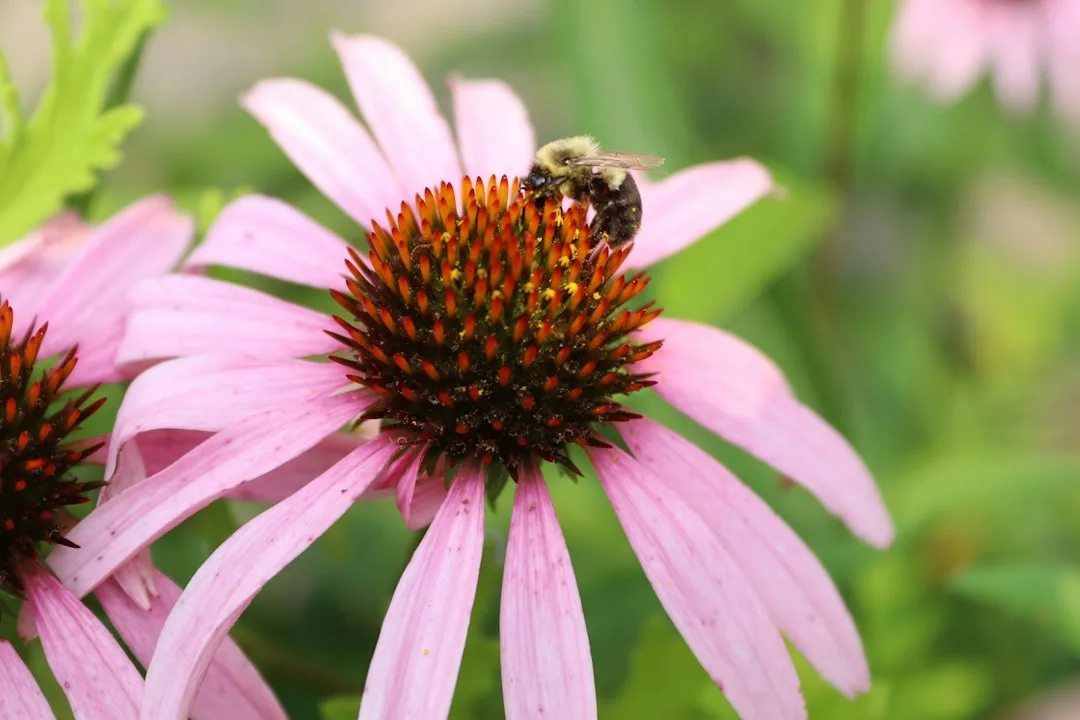
If you want color in the first year, choose drought-adapted annuals like verbena bonariensis, gaura, or California poppies. These establish quickly, tolerate drying cycles, and won’t undermine your water-conservation strategy. Coreopsis (tickseed) and zinnias bred for arid climates fill visual gaps without becoming irrigation liabilities.
Plan for a 12-month establishment period where you water new plantings consistently. Once roots reach below the amended soil layer (typically 6–8 weeks), gradually extend the interval between waterings. By month 12, most native and climate-adapted plants should survive on rainfall alone in most regions.
Soil Amendment and Moisture Banking
Drought-resistant landscape design succeeds or fails based on soil quality, not just plant selection. Heavy clay soils shed water and create runoff; sandy soils drain too quickly, leaving plants stressed even when moisture is available. Amending with 3–4 inches of compost before planting creates a moisture-buffering layer that holds water in plant-available form while improving soil structure and microbial diversity.
This practice, called moisture banking, allows your landscape to survive 2–3 week dry periods without supplemental watering. The amended layer acts as a sponge, releasing water gradually as plants need it. Repeat amendments every 2–3 years with 1–2 inches of fresh compost to maintain soil health and water-holding capacity.
Maintenance Rhythms for Year-Round Resilience
Once established, drought-resistant landscapes require less frequent watering but more selective pruning than traditional lawns. Native shrubs and perennials benefit from deadheading to extend bloom time and redirect energy. Spring pruning (April–May in most zones) removes winter-damaged branches and shapes plants before peak growth.
Unlike turf that demands weekly mowing, native plantings need seasonal cutting. Cut back ornamental grasses in late winter before new growth emerges; prune deciduous shrubs after flowering. Mulch refresh in spring and fall suppresses weeds and maintains moisture-banking benefits. Irrigation can drop to once weekly or bi-weekly once plants are established, compared to 3–4 times weekly for traditional lawns.
For comprehensive color integration, consult How To Match Stucco Paint Color For House Facade? 50+ Exterior Ideas to ensure your hardscape and plantings harmonize with your home’s exterior palette. Similarly, Create the French Style Home Exterior of Your Dreams offers design frameworks that incorporate native plantings without sacrificing curb appeal.
Regional Adaptation and Local Resources
The most resilient drought-resistant landscapes are those built from locally native species rather than generic drought-tolerant imports. Native plant societies in your state or region maintain free databases of species suited to your specific soil type, elevation, and precipitation pattern. The Lady Bird Johnson Wildflower Center (based in Austin, Texas) and state-specific native plant societies provide design guidance and plant sourcing for zones across North America.
Professional landscape designers increasingly specialize in xeriscape and native plant design; many now charge comparable rates to conventional designers because drought-resistant landscape design reduces long-term maintenance costs for clients and builds loyalty through sustained water savings. This shift has made premium design accessible even for mid-range budgets.
Tools to Plan and Build Your Drought-Resistant Landscape
Use these resources once you’re ready to move from reading to doing — finding the right plants for your region, laying out a drip system, and getting a professionally designed planting plan you can follow step by step.
How do I find which native drought-resistant plants actually grow in my state and soil conditions?
How do I set up a drip irrigation system under mulch for my new planting beds?
Where can I get a ready-made planting layout so I don’t have to design the whole bed from scratch?