Slate mulch landscaping has quietly become the material of choice for designers overhauling residential exteriors in 2026. Where homeowners once defaulted to cedar bark or pine chips, landscape architects now specify slate mulch—a ground cover that combines industrial aesthetics with practical durability. This shift reflects a broader move toward permanent, low-water solutions that reduce maintenance cycles and align with contemporary design language.
What Slate Mulch Actually Is and Why It Outperforms Bark
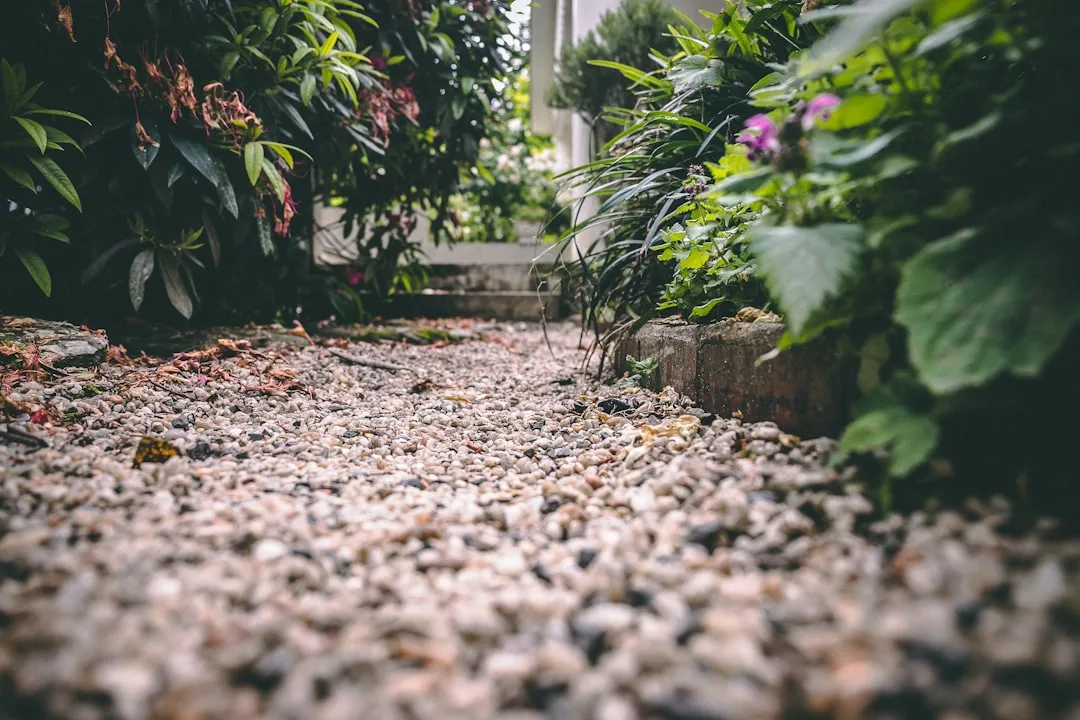
Slate mulch consists of finely fractured slate stone, typically sourced from quarries in Vermont, Pennsylvania, and parts of the Mid-Atlantic region. The material arrives at landscapes in irregular chips ranging from 0.5 to 2 inches, creating a textured ground plane that never compacts into a slick surface like bark does. Unlike organic mulches—which decompose within 18 to 24 months and require annual replenishment—slate remains structurally intact for 5 to 10 years.
The color palette matters. Slate mulch arrives in deep charcoal, graphite gray, and occasionally rust-tinged varieties depending on quarry source. This neutral tone grounds planting schemes without competing with foliage or flowers. Bark mulches, by contrast, fade to dull brown within two seasons and harbor fungal growth in humid climates, necessitating replacement.
Drainage performance separates slate from competitors entirely. The angular geometry of slate chips creates air pockets that prevent soil compaction and promote water infiltration—critical in regions experiencing intense summer rainfall or spring snowmelt.
Quick Tips
- Spread slate mulch 2 to 3 inches deep—enough to suppress weeds without smothering root zones
- Install landscape fabric underneath if your soil contains persistent perennial weeds; omit it for healthy drainage
- Use slate around specimen trees and focal shrubs; pair with permeable pathways for cohesive design
- Refresh the top layer every 3 to 4 years if color fades; structural integrity remains intact
- Source regionally when possible—Vermont and Pennsylvania slate reduces shipping costs and carbon footprint
Design Applications That Anchor Contemporary Landscapes
Interior designers working with landscape architects—such as those featured on projects through Create the French Style Home Exterior of Your Dreams—increasingly specify slate mulch to define garden geometry. At a residence in Portland, Oregon, completed in spring 2026, slate mulch outlined three circular planting zones surrounding a mature Douglas fir, creating visual rhythm without hardscape.
The material’s graphic quality elevates minimalist schemes. Slate mulch paired with specimen grasses, sedums, and low-growing conifers produces a Japanese-influenced aesthetic without requiring water features or stone lanterns. At a Seattle project featuring native plant borders and slate mulch groundcover, the design reduced lawn area by 65 percent while increasing visual complexity.
| Ground Cover Type | Lifespan | Maintenance Cycle |
|---|---|---|
| Slate mulch | 5-10 years | Refresh surface every 3-4 years |
| Cedar bark chips | 18-24 months | Replace annually or biannually |
| Pine mulch | 12-18 months | Replace every year |
| Living ground covers (sedum) | Indefinite | Seasonal pruning and watering |
Slate Mulch Landscaping Offers Real Cost Advantages Over Time
The initial investment in slate mulch runs higher than bark—typically priced in the $60-$90 per cubic yard range for premium quarried material, versus $25-$40 for bark chips. However, annual replenishment costs for organic mulches compound rapidly.
A typical residential bed requiring 8 cubic yards of mulch annually (after initial application) accumulates $200 to $320 in recurring bark costs across five years. Slate, applied once and refreshed lightly, eliminates that cycle. Over a decade, homeowners recover the price premium and gain freed weekends previously spent spreading mulch.
Beyond dollars, slate mulch eliminates the ecological cost of bark harvesting. Sourcing slate from established quarries avoids forest depletion and reduces transportation weight compared to organic materials.
The Common Mistake: Pairing Slate Mulch With Poor Drainage Beds
The most frequent failure occurs when homeowners apply slate mulch over compacted clay soil without addressing subsurface drainage. Slate’s superior permeability becomes irrelevant if water cannot penetrate hardpan or dense clay beneath the mulch layer.
A Cincinnati residence installed slate mulch in spring 2025 expecting weed suppression and improved aesthetics. Within weeks, water pooled on the surface after rain. The underlying soil had never been amended—slate alone cannot overcome a 12-inch clay layer with zero porosity.
The fix required regrading and installing a permeable subbase—compost and coarse sand—before reapplying slate. This mistake costs $500 to $1,200 in corrective work. Always test soil drainage before committing to slate mulch; if water sits longer than 4 hours after rainfall, amend the bed first. Consult How To Match Stucco Paint Color For House Facade? 50+ Exterior Ideas for complementary design principles when selecting exterior materials.
Slate Mulch in Drought-Prone and Coastal Climates
Slate mulch landscaping performs exceptionally in water-restricted regions. In Nevada and Southern California landscapes, the material stabilizes soil temperature—keeping root zones cooler during extreme heat—while eliminating bark dust that clogs irrigation systems.
Coastal environments benefit equally. Unlike bark, which absorbs salt spray and deteriorates faster near oceans, slate remains chemically inert. A Monterey, California project completed in summer 2026 specified slate mulch around native coastal sage scrub and buckwheat plantings, replacing an existing cedar bark application that had turned gray and compacted within 18 months.
In freeze-thaw climates, slate chips promote air circulation around plant bases, reducing frost heave damage and fungal infection—two problems that bark mulches exacerbate by trapping moisture against stems.
Installation Standards and Finishing Touches
Professional landscape crews apply slate mulch at 2.5 to 3 inches deep, slightly thicker than bark, to achieve weed suppression while leaving room for natural settling. The material never needs compression—its angular edges lock together without rolling or shifting.
Edging matters significantly. Metal landscape borders (steel or aluminum) complement slate’s industrial character, while natural stone edges create softer transitions. Avoid plastic edging; it tangles beneath slate and becomes impossible to hide.
Maintenance remains minimal. Annual weeding takes 45 minutes for a typical 500-square-foot bed. Hosing off dust preserves color vibrancy. Every 3 to 4 years, add 0.5 to 1 inch of fresh slate to refresh the top layer—a single afternoon project for most landscapes.
Slate Mulch Landscaping Reshapes Expectations for Permanence
The broader trend here reflects how homeowners increasingly reject materials designed to fail or require constant replacement. Slate mulch embodies that philosophy: install it once, maintain it minimally, and enjoy visual consistency for years. In contrast to trends emphasizing seasonal updates and trend-following, slate landscaping offers quiet durability.
This shift aligns with growing interest in climate adaptation, water conservation, and honest material expression. Slate doesn’t pretend to be rich topsoil. It announces itself—industrial, permanent, and uncompromisingly practical—while delivering genuine performance in real yards across real climates.