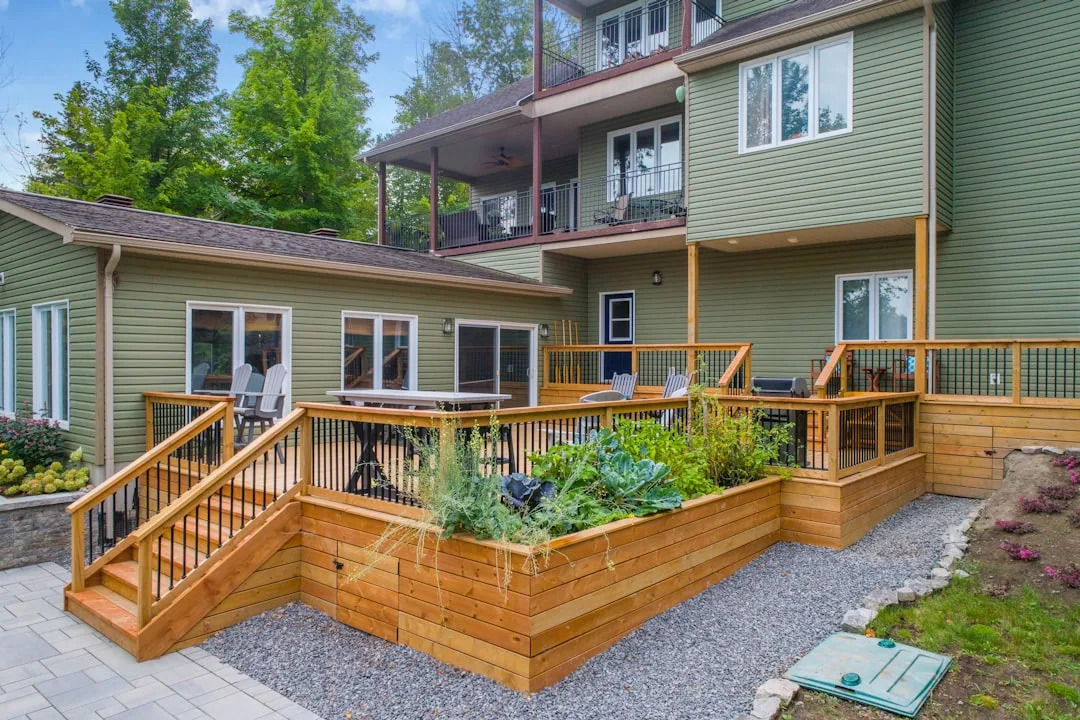
By September 2026, raised garden beds have moved from hobby-garden niche into mainstream landscape architecture. What started as a pragmatic solution for poor soil has become a visible status marker—and a structural anchor for entire backyards. Raised garden beds landscape solutions now account for the fastest-growing segment of residential exterior projects, replacing traditional in-ground planting beds across suburban and urban properties.
The shift is driven by three concrete problems that flat gardens cannot solve: drainage control in clay-heavy soil, accessibility without bending to ground level, and absolute pest and disease isolation. Homeowners are no longer tolerating seasonal standing water, gopher damage, or contaminated topsoil. Raised beds force a conversation about what a garden actually needs to function.
See also: Create the French Style Home Exterior of Your Dreams.
Material Science Reshapes Raised Bed Durability
Cedar and pressure-treated lumber dominated raised beds for two decades. In 2026, composite materials and composite-framed systems are replacing rotting wood. Trex, the leading manufacturer of composite decking, released the Trex Elevate raised garden bed line in Q2 2026, engineered from recycled plastic and wood fiber—rated for 20-year minimum lifespan without rot, splinter, or toxicity concerns.
Composite beds cost 40–60% more than cedar but eliminate annual staining, wood replacement every 5–7 years, and copper-based preservative leaching into soil. A 4×8-foot composite bed runs priced in the $200–280 range, versus cedar at $90–140. That price difference pays for itself through eliminated replacement cycles.
Galvanized steel frames are now the second-most-popular material for 2026 landscaping. Proven brands like Gardners’ Supply (Vermont-based, established 2000) manufacture steel beds in modular 2×8, 4×8, and L-shaped configurations. Steel does not rot, requires zero maintenance, and conducts heat efficiently into the soil—a measurable advantage in northern zones where seasonal temperature swings stress plant roots.
Quick Tips
- Composite beds require zero annual treatment but cost 2–3× cedar; calculate your true 10-year cost before choosing material.
- Steel conducts cold faster than wood or composite—add landscape fabric underlayment in northern zones to protect root temperature.
- Pressure-treated lumber from before 2004 may contain arsenic-based preservatives; avoid demolishing old beds without soil testing.
- Raised beds deeper than 18 inches (for root vegetables) require stronger sidewall bracing than shallow herb beds; don’t undersize frame material.
Drainage Integration Solves the Fatal Flat-Bed Problem
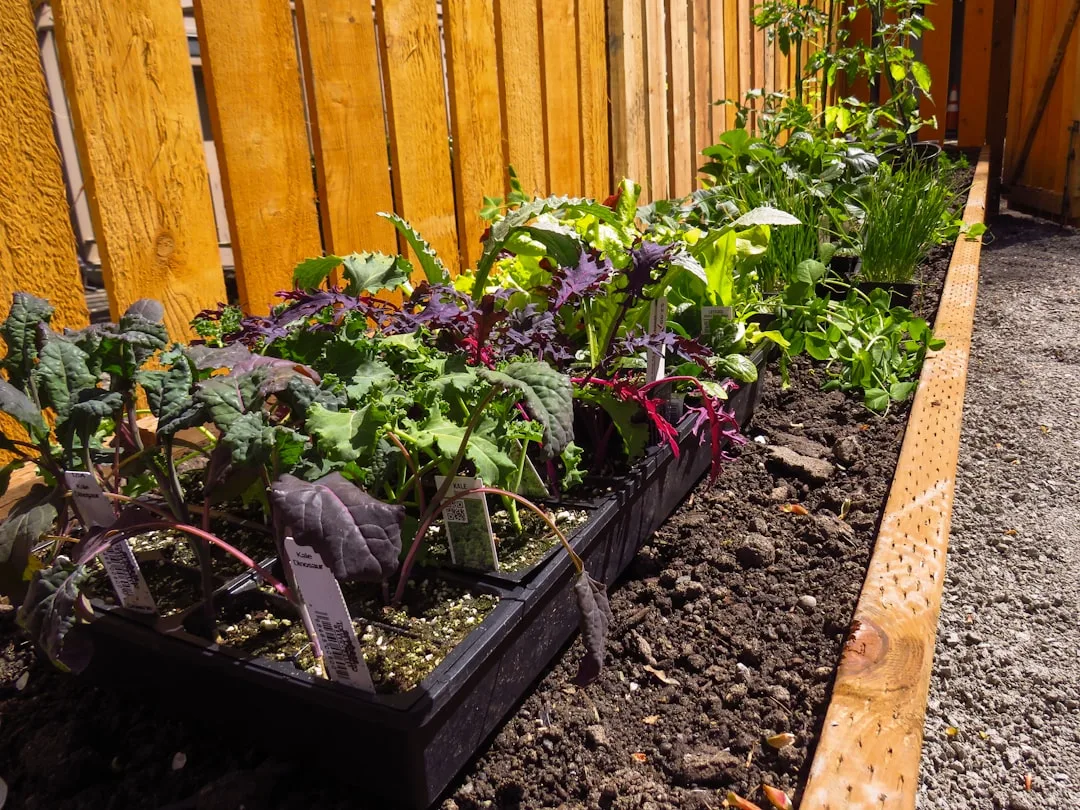
Traditional flat beds fail when built on clay, compacted soil, or properties with poor runoff. Water pools for weeks after rain, roots rot, and the bed becomes unusable by mid-season. Raised beds solve this through layering: gravel base layer, landscape fabric barrier, amended soil, and 6–12 inches of clearance above grade.
The Gardena (German manufacturer, established 1961) Micro-Drip system, when installed below raised bed soil, creates subsurface drainage and targeted drip irrigation simultaneously. A single 20-meter micro-drip line costs $35–50 and eliminates overhead watering waste while managing excess moisture at the bed bottom.
| Drainage Method | Setup Cost | Maintenance Level |
|---|---|---|
| No drainage (flat bed) | None | High—seasonal root rot |
| Gravel layer only | $15–30 | Medium—some standing water |
| Micro-drip subsurface | $40–80 | Low—automated moisture control |
| Perforated drain pipe to daylight | $150–300 | Low—passive gravity drainage |
Many homeowners make this critical mistake: building a beautiful raised bed on poor soil, installing no drainage, and expecting results. They inherit the same flat-bed problems they thought they were escaping. Adding drainage infrastructure after construction costs 3–4 times more than installing it during build. A raised bed without drainage is simply a box of wet mud by July.
Accessibility and Ergonomic Design Drives Market Adoption
The fastest-growing demographic for raised garden beds is gardeners aged 60+ who cannot kneel or bend. Beds raised 24–30 inches tall eliminate ground-level strain entirely. Some builders now construct platform-style beds with seating ledges, merging function with outdoor furniture design.
The Keter (Israeli manufacturer, established 1948) Bloomingdale series, available at major garden retailers, offers pre-assembled composite raised beds in 30-inch height—a standard that has become industry-wide by 2026. These beds fit wheelchair access requirements (32-inch approach clearance) and accommodate seated gardeners without specialized adaptation.
Deeper isn’t always better. A bed 36 inches tall reaches the limit of comfortable arm reach for harvesting; beyond that, interior plants become inaccessible. Smart designs incorporate internal shelving or stepped planting zones to maximize usable space without exceeding comfortable reach depth.
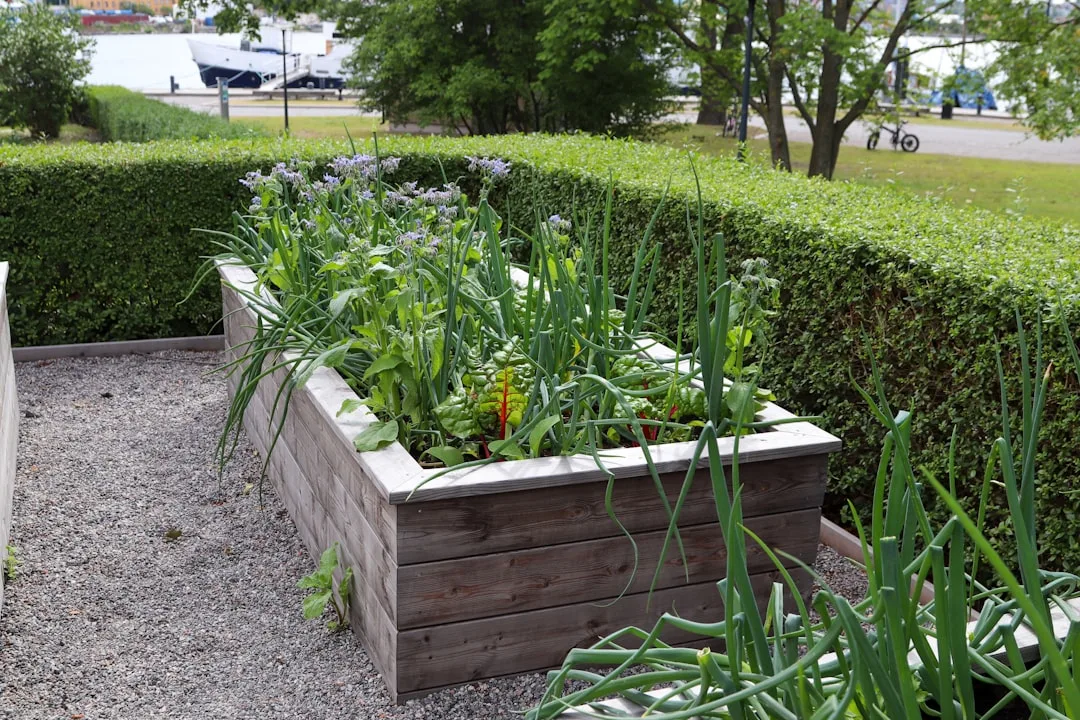
Integrated Pest and Disease Barriers Reduce Chemical Inputs
The raised bed creates a moat against ground-dwelling pests. Slugs, snails, Japanese beetles, and certain soil-borne fungi cannot migrate upward as easily as they penetrate flat beds. This physical barrier alone reduces pest-management burden and pesticide dependency by 30–50% on average.
Metal grating (galvanized or stainless steel, 1/4-inch mesh) installed as a floor barrier beneath the bed costs $20–40 per bed but eliminates mole and vole damage entirely. This is particularly valuable in regions where subsurface rodent damage destroys root crops within weeks of planting.
Disease isolation is equally critical. Soil-borne pathogens like verticillium wilt, fusarium, and oomycete root rot persist in contaminated ground for years. A raised bed filled with new, disease-free soil substrate creates a completely separate growing environment. This allows gardeners to grow susceptible crops (tomatoes, peppers, eggplants) without inheriting previous season’s disease pressure from the surrounding landscape.