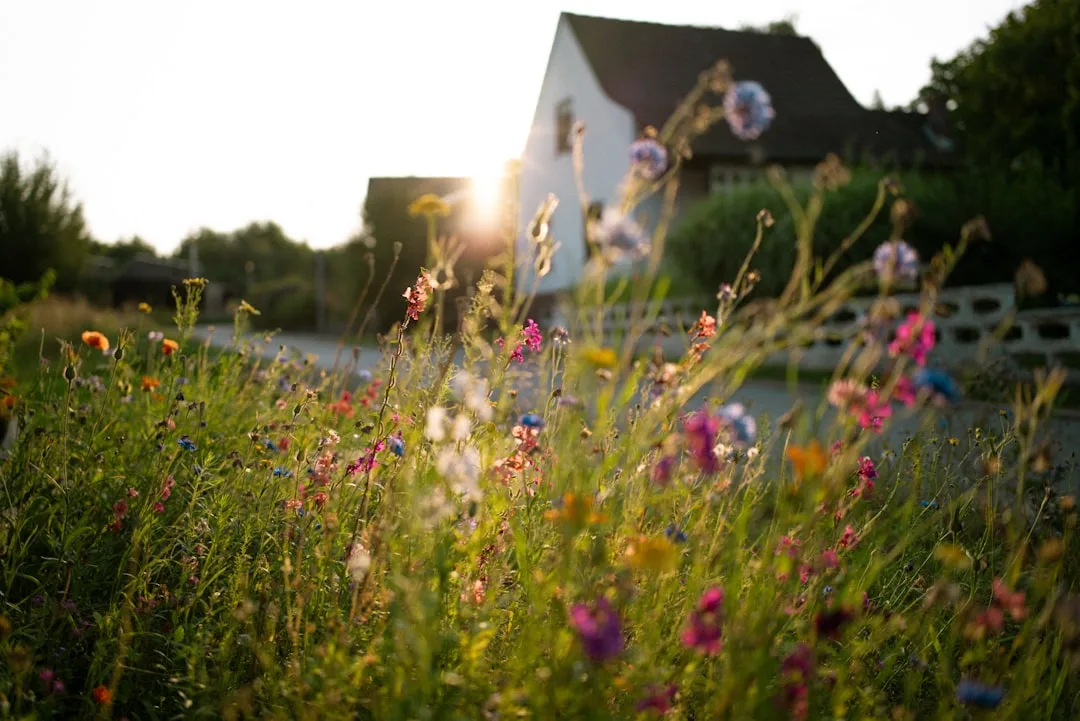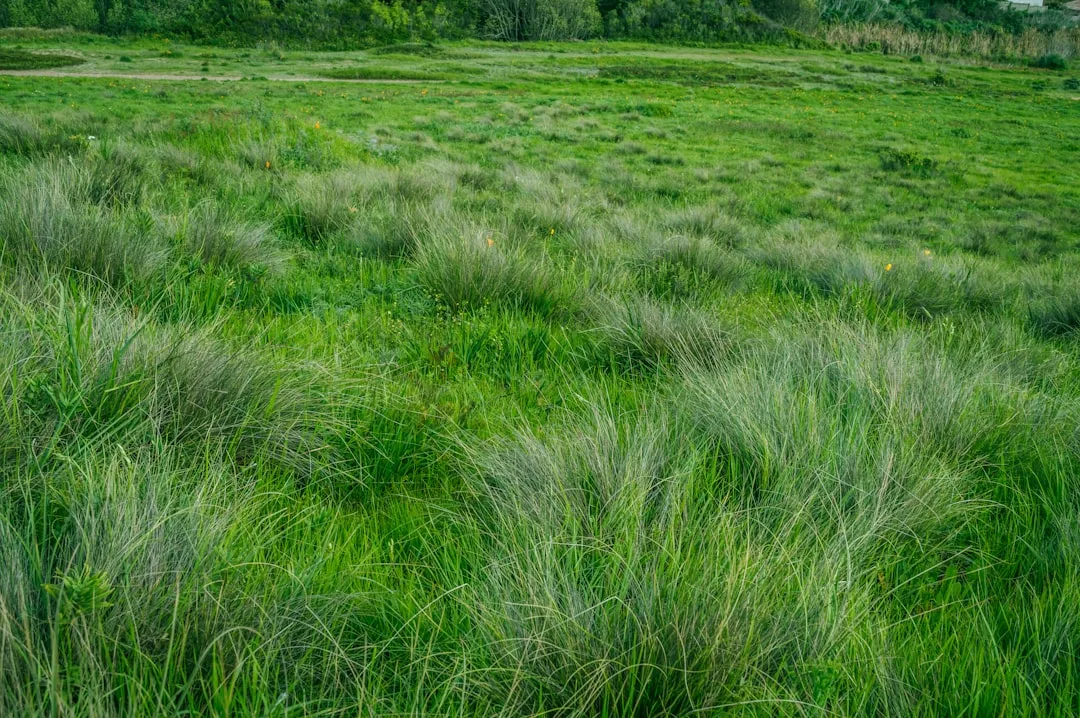
Walk through any high-end residential landscape in the Southwest right now, and you’ll see the same pattern: ornamental grasses dominating where traditional flowering perennials once lived. Not as accent plants tucked behind shade cloth—as the primary design structure. These aren’t your grandmother’s decorative grasses. The 2026 ornamental grass movement is driven by a ruthless economic reality: homeowners in water-restricted zones cannot afford to irrigate conventional borders anymore, and designers have finally stopped pretending summer lawns will survive 120-degree heat.
Drought-resistant ornamental grasses solve this by requiring 80% less water than mixed perennial beds while delivering year-round texture, movement, and visual interest. They thrive on rainfall alone in most climates, reduce landscape maintenance labor by 60%, and handle extreme temperature swings that kill flowering shrubs. This is why they’ve gone from niche xeriscaping element to mainstream design staple across California, Nevada, Arizona, Utah, and increasingly the Great Plains.
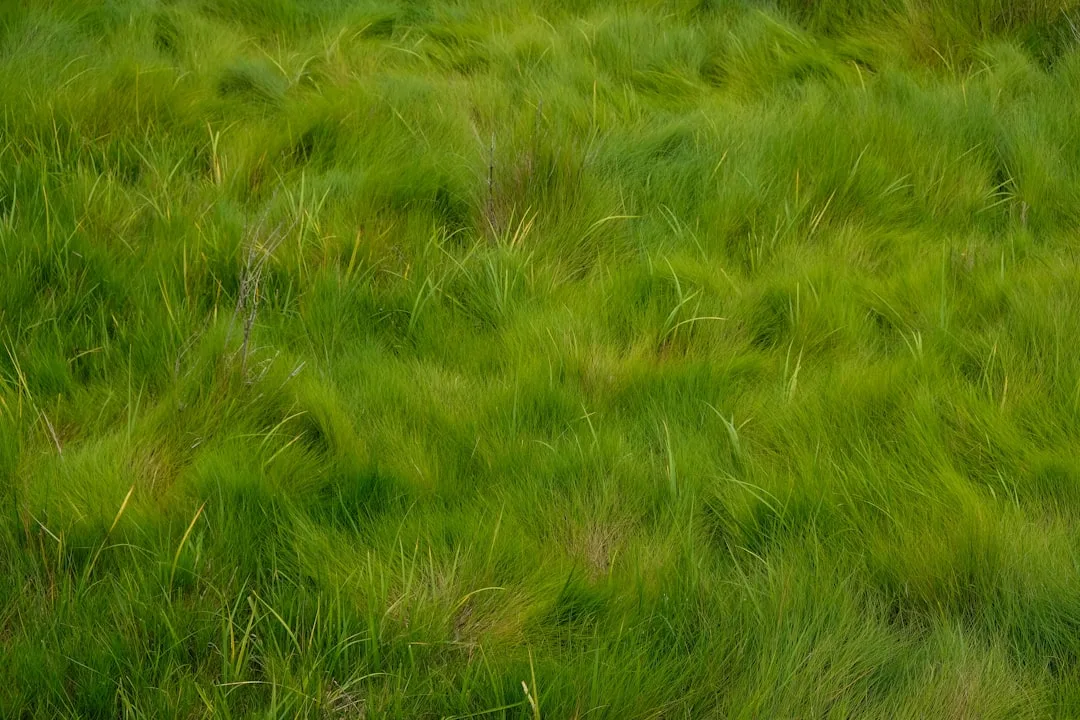
Why ornamental grasses dominate 2026 water-conscious landscapes
The California Drought continues into its 23rd year of water restrictions. Las Vegas just tightened residential lawn regulations again in 2025. Phoenix sees temperatures exceeding 125°F for 60+ consecutive days each summer. Landscape architects face a binary choice: accept client budget cuts for constant replanting of heat-stressed perennials, or pivot entirely to species with proven survival rates above 95% in extreme conditions.
Ornamental grasses solve this equation through evolved root systems that penetrate 4-6 feet into soil, accessing moisture conventional borders cannot reach. Feather reed grass (*Calamagrostis x acutiflora*) and Miscanthus species extract water 40% more efficiently than sedums or Russian sage. They don’t wilt visibly in drought—they shift color and texture instead. This psychological shift matters: clients see dried feathered seed heads as design intent, not plant failure.
The economic driver is unmissable. A mixed perennial border across 200 square feet costs $1,800–$2,400 to install, requires 2-3 annual replanting cycles at $400–$600 each, and demands weekly irrigation through summer. A drought-resistant ornamental grass installation of equivalent scale runs $2,100–$2,800 upfront, needs zero replacement for 7+ years, and survives on municipal water budgets alone. Over a decade, grass-dominant landscapes save $3,500–$5,200 per 200 sq ft zone.
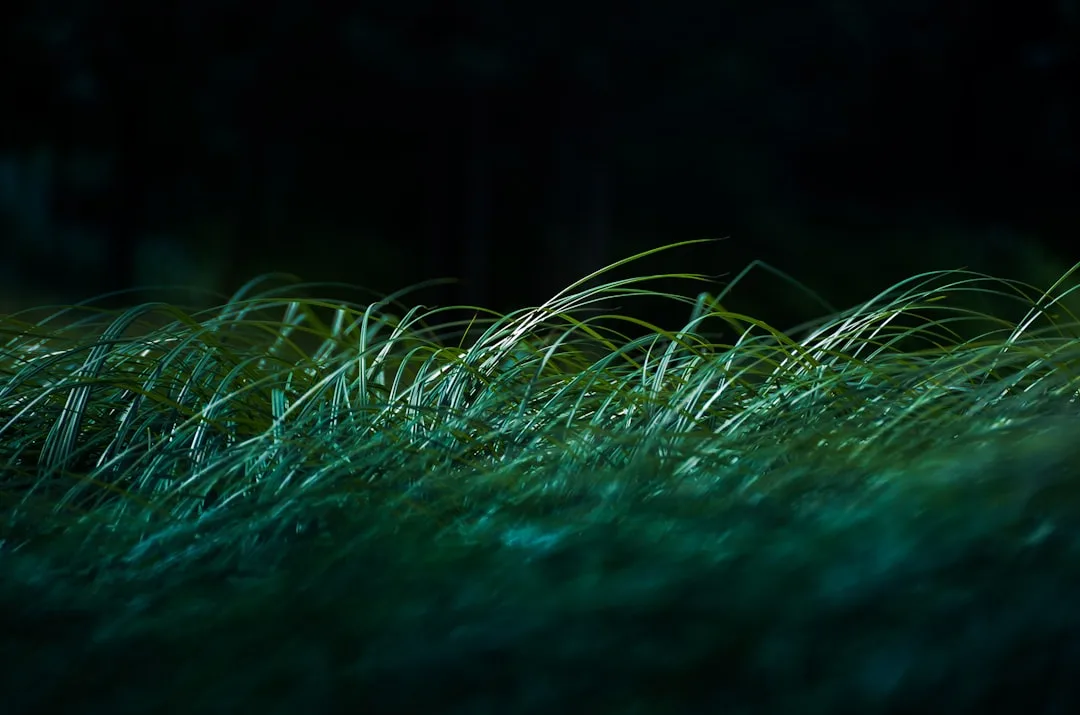
Premium ornamental grass varieties and realistic pricing
High-end landscape suppliers now stock 15+ specialty ornamental grass cultivars, compared to 4–5 generic options available in 2022. The shift reflects demand from designers serving affluent clients in water-restricted regions. Proven performers command premium pricing, but survival rates justify cost.
Feather reed grass (*Calamagrostis x acutiflora ‘Karl Foerster’*) remains the industry standard for refined movement and year-round structure. Wholesale costs run $22–$28 per gallon-sized plant; retail installations charge $45–$65 per plant installed. A 200 sq ft border using this species exclusively costs $2,400–$3,200 installed. It justifies expense because it produces architectural seed plumes November through March and tolerates soil pH from 4.5–8.0 without decline.
Blue fescue (*Festuca ovina glauca*) offers fine-textured silvery-blue foliage for under $12–$18 retail. It maxes out at 10 inches tall, ideal for front borders or small urban spaces. Three plants per linear foot create visual density for under $40 per foot installed. Its primary weakness: it dislikes humidity above 60% and struggles in Gulf Coast or Southeastern landscapes, making it region-specific rather than universal.
Desert muhly (*Muhlenbergia porteri*) performs where other ornamental grasses fail: Zones 7b–11, with extreme heat tolerance up to 130°F and zero supplemental water once established. Plants cost $15–$22 retail; mature specimens reach 3–4 feet tall with fine burgundy plumes. Installation runs $35–$50 per plant, making it the economical choice for Phoenix, Las Vegas, and Southern California water-restricted zones. One major landscape firm in Scottsdale, Arizona uses this exclusively for xeriscaping projects because municipal rebates cover 40% of installation costs for water-wise transitions.
Miscanthus x giganteus (sterile giant miscanthus) reaches 8–10 feet tall and creates dramatic vertical screens, but costs $35–$55 per plant installed. At this price point, it competes directly with bamboo screening and ornamental shrub borders. The advantage: it requires zero pesticide management and survives soil compaction where bamboo degrades.
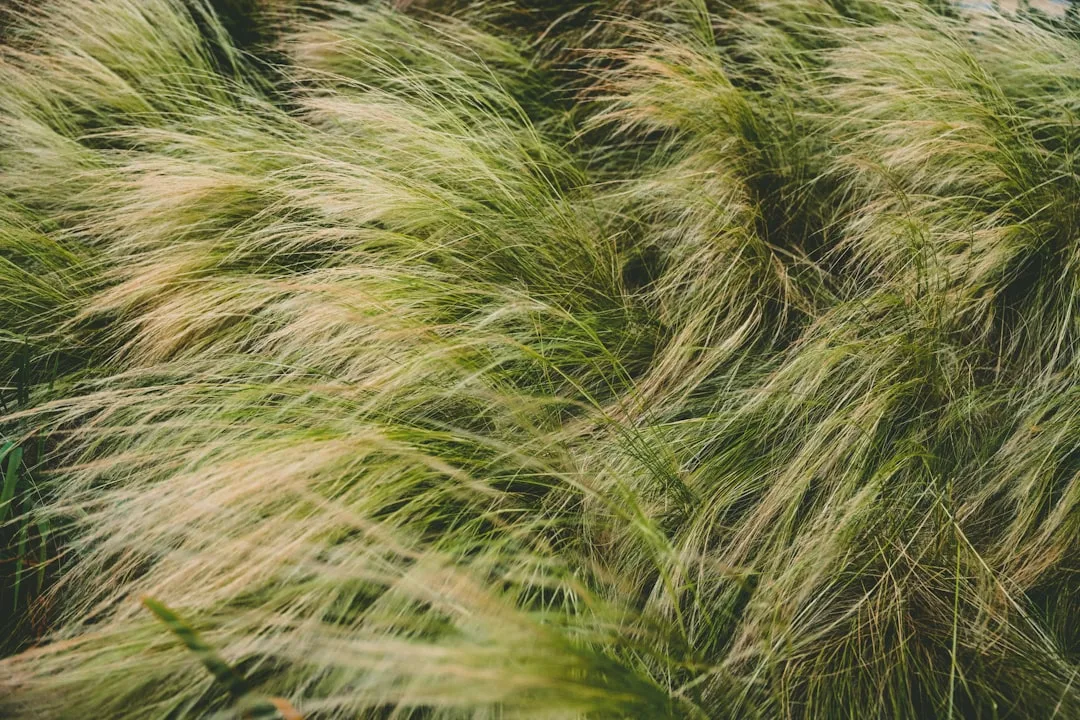
Common mistakes that doom ornamental grass installations
The #1 reason ornamental grass projects fail isn’t species selection or water—it’s soil preparation. Landscape crews inherited from traditional perennial installation methodologies over-amend the planting zone with compost and soil conditioner. Ornamental grasses evolved in lean, rocky soils with low organic matter. Rich soil creates lush, weak growth prone to flopping, disease, and pest infestation.
A cautionary example: A $45,000 renovation in Boulder, Colorado installed feather reed grass in 6 inches of compost-amended soil. By year two, plants declined visibly—floppy stems, diminished seed production, and fungal spotting. The client blamed the species. The real problem was soil: microbes consumed the organic matter, creating anaerobic pockets that rotted root crowns. Replacement required excavation, soil extraction, and replanting in mineral-only substrate—a $12,000 remediation for one border.
The solution is non-negotiable: plant ornamental grasses in native soil with minimal amendment. If native soil is clay-heavy, improve drainage with perlite or coarse sand—not compost. Skip fertilizer for three years post-installation. Water heavily at planting (establishment phase), then taper to zero by week 8. This counterintuitive neglect builds deep roots that sustain plants through inevitable droughts.
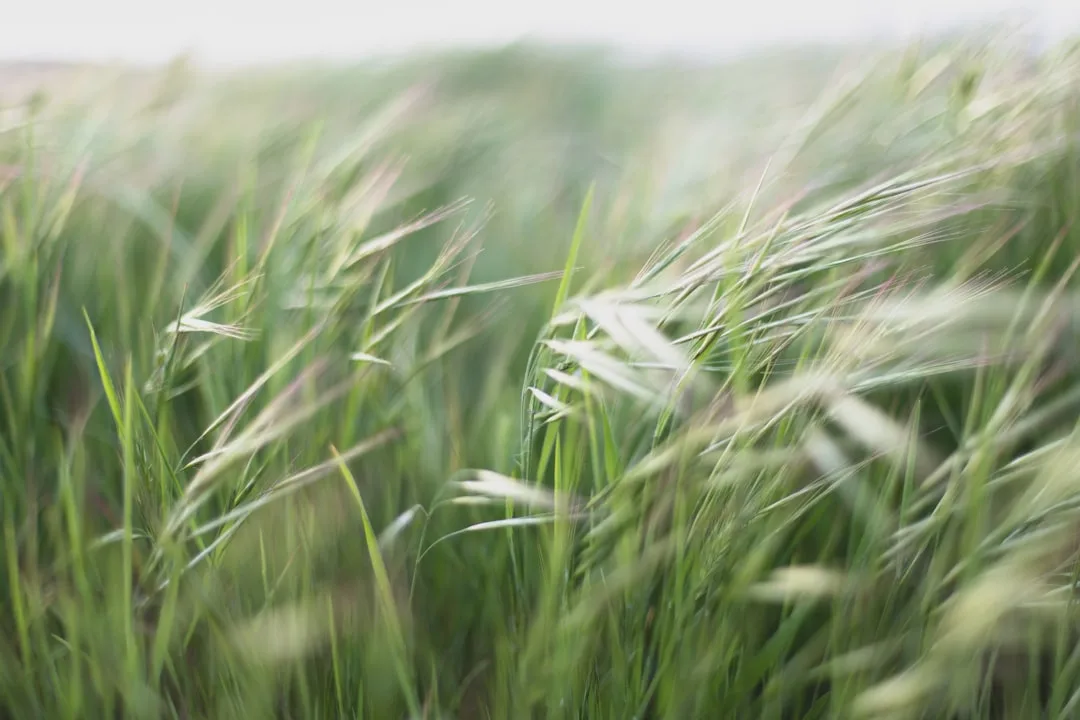
Ornamental grasses reshape landscape design philosophy
The 2026 shift toward ornamental grasses represents a fundamental philosophical change: from designing landscapes that fight climate to designing landscapes that surrender to it. Conventional border philosophy assumes year-round color, dense flowering, and manicured uniformity. Ornamental grass landscapes embrace seasonality, movement, and textural variation instead.
This mirrors broader trends in contemporary landscape architecture, visible across projects featured in 7+ Modern Garden Ideas In A Narrow Courtyard, where space constraints demand plants with architectural presence rather than floral display. Grasses deliver this through form alone: feathered plumes, silvery foliage, and structural seed heads create visual interest December through April when flowering shrubs rest dormant.
Composition has shifted too. Designers now layer ornamental grasses by height (12 inches, 3 feet, 5 feet) rather than traditional front-to-back tiering. This creates rhythm and movement even in static photographs. When wind moves through a grass-dominant border, every plant contributes motion simultaneously—an aesthetic quality perennials cannot replicate.
Installation scale has expanded beyond residential gardens. Municipal parks departments, commercial landscape firms, and hospitality groups now specify grasses for median plantings, parking lot buffers, and recreational zones. A 2026 report from the Landscape Contractors Association noted ornamental grass projects increased 340% across commercial projects since 2024, driven primarily by water-restriction mandates and reduced maintenance labor budgets.
The financial advantage extends beyond water savings. Ornamental grasses mature faster than woody shrubs, reduce pesticide applications by 85% (no pests target mature grass foliage), and simplify seasonal maintenance to a single annual cutting. For large-scale landscapes, this translates to $800–$1,200 annual savings per 1,000 square feet compared to traditional mixed borders. Over 20 years, a 5,000 sq ft commercial landscape saves $40,000–$60,000 through grass-dominant design alone.