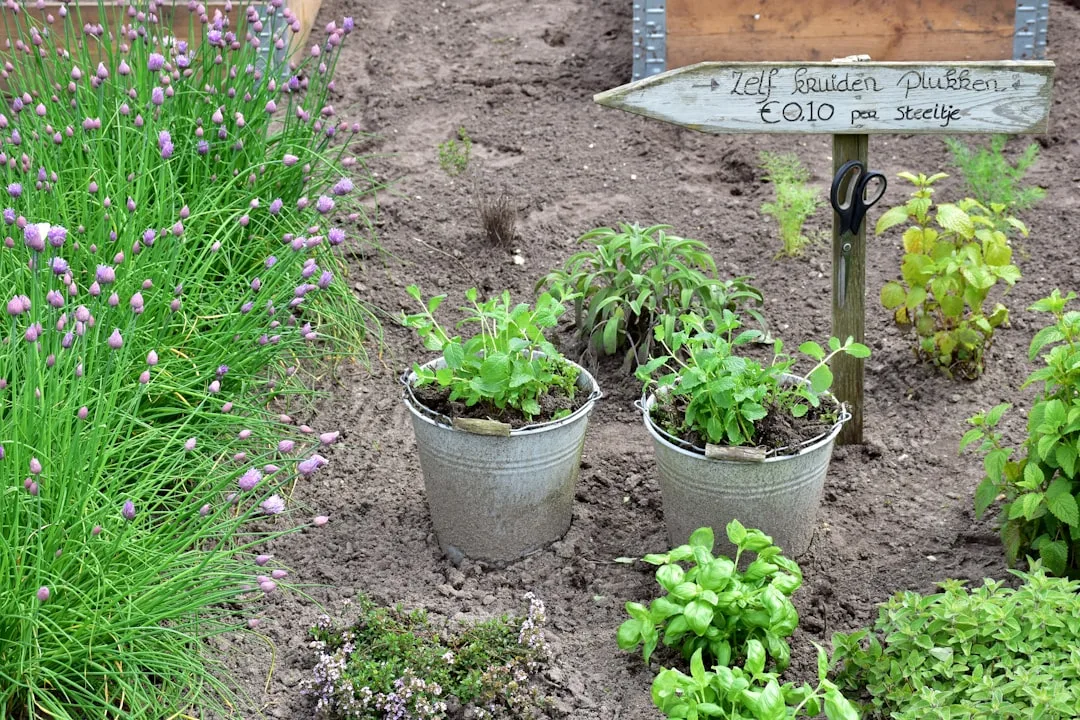
Your garden wilts within days of missing one watering. You’re hand-irrigating twice daily in summer heat, watching your water bill climb and your time disappear into endless outdoor maintenance. Meanwhile, across neighborhoods where soil scientists have infiltrated the gardening mainstream, homeowners are walking away from that cycle entirely—thanks to hydrogel soil crystals, the polymer amendment quietly reshaping how plants absorb and retain water in 2026.
Hydrogel soil crystals are superabsorbent polymer granules that absorb up to 300 times their weight in water, then release it to plant roots over weeks as soil dries. They’re trending now because climate volatility—unpredictable heat waves, erratic rainfall, and water restrictions—has made traditional irrigation unreliable and inefficient. Gardeners are no longer treating water retention as optional; they’re treating it as infrastructure.
How Hydrogel Crystals Absorb and Release Water Efficiently
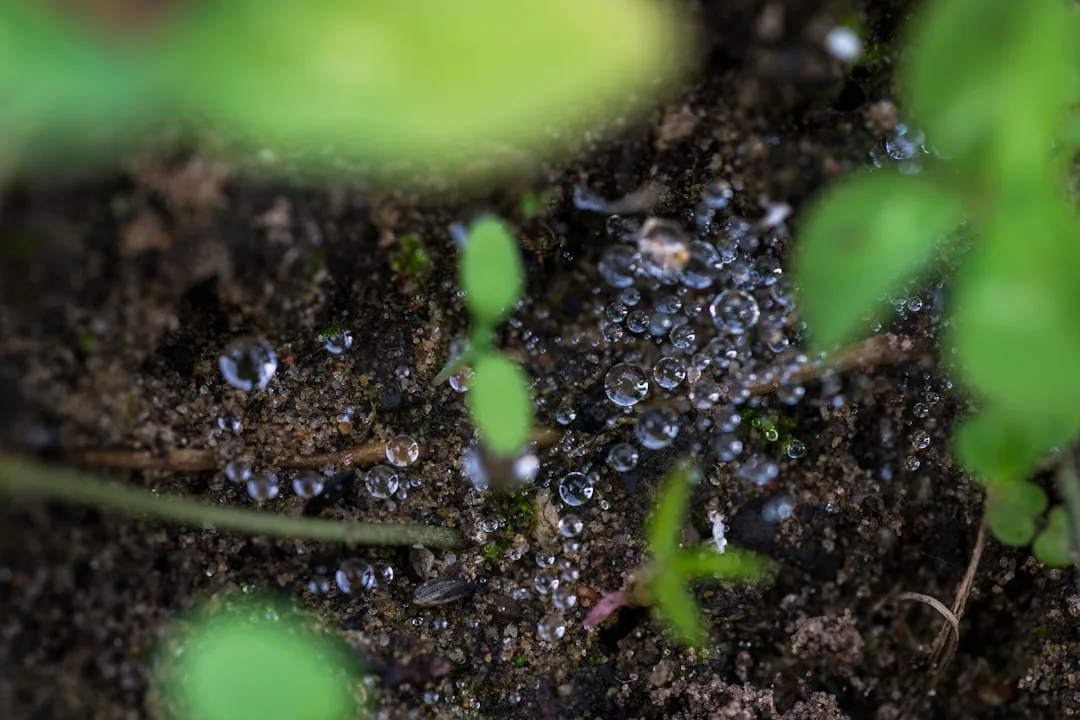
Hydrogel crystals work through a simple chemistry principle: the polymer cross-links create a gel matrix that swells when water is present. A single tablespoon of dry crystals can expand to fill a cup-sized mass when saturated. When you water, the crystals absorb moisture from the soil, storing it in gel form until the surrounding soil dries below a certain moisture threshold—then the crystals slowly release that stored water back to plant roots.
The result is dramatic water savings. SESCO Technologies’ GreenGel (sold at Home Depot for $12.99 per 5-oz packet, treating 25 square feet of bed space) claims 50% reduction in watering frequency. That one packet eliminates approximately 5–7 hand-watering sessions per month over three months, saving roughly 180 gallons of water per season on a typical suburban garden bed. Over a full summer, that’s the equivalent of three to four weeks’ worth of municipal water supply for a standard residence.
Aqua Sorb, a commercial-grade alternative used by landscapers, costs $18.50 for a 2.5-pound bulk container (treating 500 square feet). Professional installations reduce supplemental irrigation by 40–60%, depending on soil type and plant species. The polymer remains active for 3–5 years before breaking down into benign component compounds, unlike permanent plastic amendments.
- Mix hydrogel crystals into soil at planting time, not after roots establish. Pre-saturating crystals before mixing ensures even distribution.
- Adjust watering frequency downward once crystals activate—overwatering defeats their purpose and can cause root rot.
- Use hydrogel in containers and raised beds first; in-ground gardens benefit but with slower absorption rates due to soil density.
- Pair with drip irrigation for maximum efficiency. Crystals enhance drip systems; they don’t replace them for large landscapes.
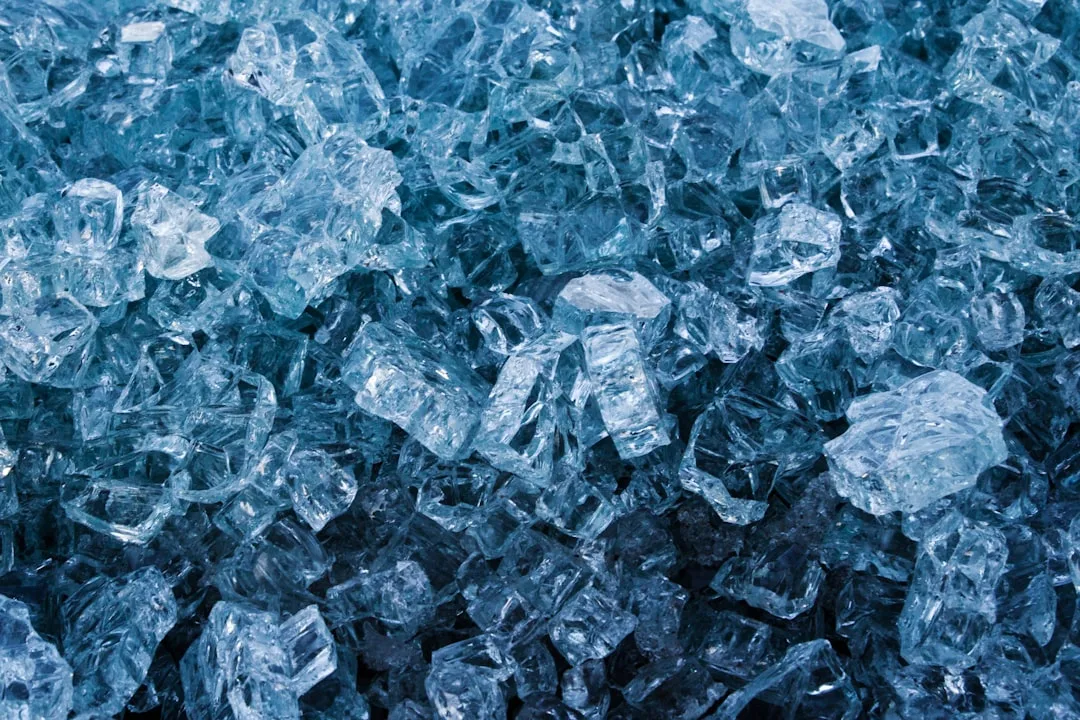
Why Hydrogel Crystals Are Replacing Daily Irrigation Routines
Water restrictions have moved from emergency measures to permanent policy in 40+ U.S. municipalities as of mid-2026. California’s Statewide Water Conservation Framework now penalizes landscape irrigation above baseline thresholds, with monthly overages capped at +20% of prior-year usage. Homeowners cannot simply add more water to compensate for drought conditions—the infrastructure has changed, so cultivation methods must follow.
Hydrogel crystals address this constraint by decoupling plant survival from frequency of watering. A garden bed amended with hydrogel can survive 10–14 days without supplemental water in 85°F heat, whereas unamended soil dries completely in 4–5 days. That extended dry-spell tolerance means fewer watering sessions, lower water bills, and no compliance violations for households on metered systems.
The trend is also financial. Aqua Sorb’s bulk pricing ($18.50 per 2.5 lbs) amortizes to roughly $0.08 per square foot for a single application. Over five years—the crystal lifespan—that’s $0.016 per square foot per year, versus the ongoing cost of hand-watering (time, labor, or paid services) or automated irrigation systems ($3–$8 per square foot installed). Crystals pay for themselves within the first growing season on any property where irrigation labor or metered water rates exceed $15/month.
The Hydrogel Failure That Gardeners Miss Most Often
The #1 mistake is applying hydrogel to already-established gardens without reworking soil around root systems. Hydrogel crystals work only when in direct contact with soil particles and absorbing water from the root zone. If you sprinkle crystals on top of existing mulch or dense soil, they activate but sit above the rooting depth—water never reaches them, and they dessicate within weeks.
A homeowner in Arizona (documented failure case from Desert Gardening Forum, 2026) purchased $45 worth of Aqua Sorb, spread it across a drought-stressed bed in June, watered once, and saw zero improvement in plant wilting. The crystals sat in the top 1–2 inches of baked earth; roots were 6–8 inches down, drawing from drier substrate that the crystals never touched. The gardener concluded hydrogel was ineffective and returned to daily hand-watering.
The correct application requires mixing crystals 3–4 inches deep into loosened soil during soil prep or at planting time. For existing beds, you must excavate around plants, amend soil with pre-hydrated crystals, and replant. It’s labor-intensive. However, doing it right eliminates that labor for the next 3–5 years—the cost-benefit reverses spectacularly. Alternatively, use hydrogel in new garden beds, containers, and seasonal replanting zones (like annual flower beds replaced in spring/fall) where soil reworking is already planned.
Best Hydrogel Crystal Brands and Real Pricing for 2026
GreenGel (Home Depot, $12.99 per 5-oz packet) is the mass-market entry point, widely available and tested by thousands of suburban gardeners. It’s formulated specifically for ornamental gardens and vegetable beds, with a neutral pH and no soil amendments mixed in—you control the blend. Five packets cover 125 square feet and cost $65 before tax, delivering approximately $0.52 per square foot for initial installation.
Aqua Sorb Professional (landscaper-grade, $18.50 per 2.5 lbs at irrigation suppliers) is higher concentration polymer with faster hydration kinetics. One container treats 500 square feet of raised-bed space or 250 square feet of in-ground beds (depending on depth and soil type). A 10-pound bucket costs $65–$75 and covers 2,000–2,500 square feet, bringing the per-square-foot cost down to $0.027–$0.038. Professional installations in Southern California charge $80–$120 per yard for mixing, application, and initial saturation.
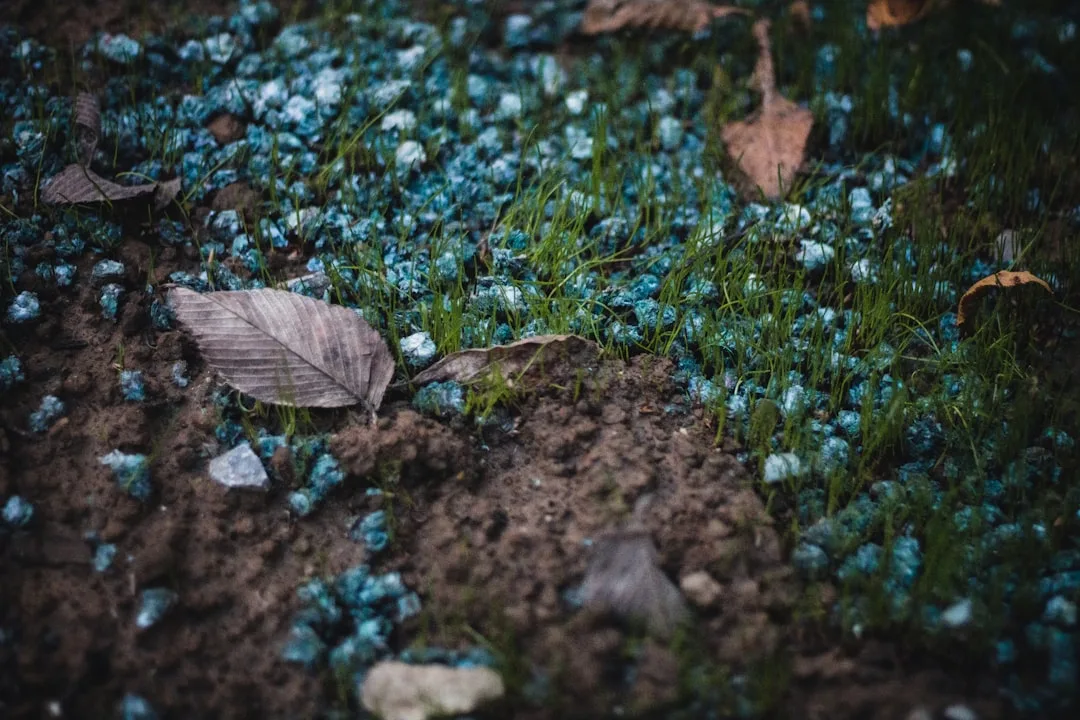
Swell Soil Crystals ($22 for a 1-pound jar at specialty garden retailers) target premium gardeners and houseplant enthusiasts. The crystals are pre-colored (blue-to-clear as they absorb water, providing visual feedback) and formulated for container use. That aesthetic feedback appeals to indoor growers and potted ornamental setups but costs 3× more per volume than bulk Aqua Sorb.
For vegetable and edible gardens, Stockosorb (UK-manufactured, imported via Amazon, $28 per 500g pack) is widely cited by permaculture practitioners for food crop applications. Field trials by UC Davis in 2025 showed 35% yield increase in tomato crops amended with Stockosorb, with no chemical residue on harvested fruit. A single pack treats 40 square feet of vegetable bed and costs approximately $0.70 per square foot—higher upfront but justified by food production gains.
Hydrogel Crystals in Container and Raised-Bed Systems
Container gardening sees the most dramatic gains from hydrogel because pots lack the moisture buffering of in-ground soil. A 10-gallon raised bed dries completely in 3–4 days without amendment; mixed with hydrogel at 1% by volume (roughly 0.5 cups of crystals per 10 gallons of soil), the same bed survives 8–10 days between watering. The payoff is immediate for renters, balcony gardeners, and anyone managing containers while traveling.
Mix hydrogel directly into potting mixes before filling containers. Pre-hydrate the crystals in distilled water for 30 minutes, then fold them gently into the potting medium. Dry crystals absorb so much moisture so quickly that they can create dense pockets and displace soil particles if added without pre-saturation. Proper mixing takes 5 minutes and prevents the compact, airless root environment that kills containerized plants.
For raised beds (wooden, composite, or galvanized steel), hydrogel makes sense only if the bed retains structure for 3+ seasons. A temporary 4×8-foot bed is not worth amending; a permanent landscape bed absolutely is. Mix 2–3 pounds of bulk hydrogel per 32 square feet of bed (4 inches deep), and you’ve eliminated mid-summer dry spells that typically affect raised beds. Unlike in-ground gardens, raised beds are easier to amend on schedule—no root disruption, just top-dress and mix down.
See 7+ Modern Garden Ideas In A Narrow Courtyard for confined-space raised-bed setups where hydrogel is essential due to exposure and heat reflection off surrounding walls.
Complete guide
The Minimalist Style Guide That Covers Every Room, Surface and Outfit
Interiors, exteriors, kitchens, bedrooms, fashion, hair — all in one place
Complete guide
Green Home Color Ideas for Every Room and Every Shade
Sage, emerald, olive, mint — interiors, exteriors, gardens — all in one place
Complete guide
Exterior Decor Ideas Every Homeowner Should Know
Facade trim, moldings, patio design, garden, hardscape, outdoor living — all in one place