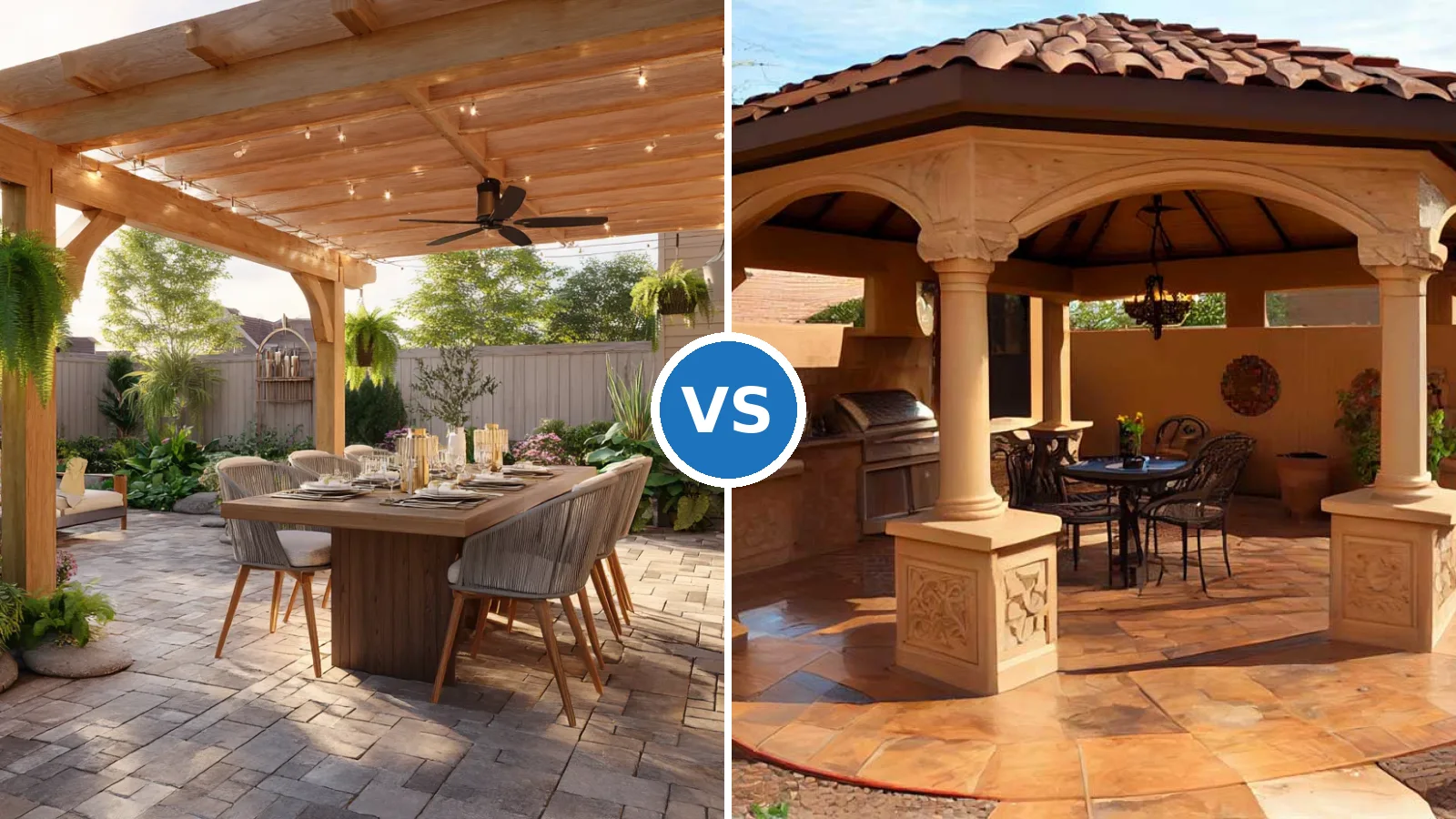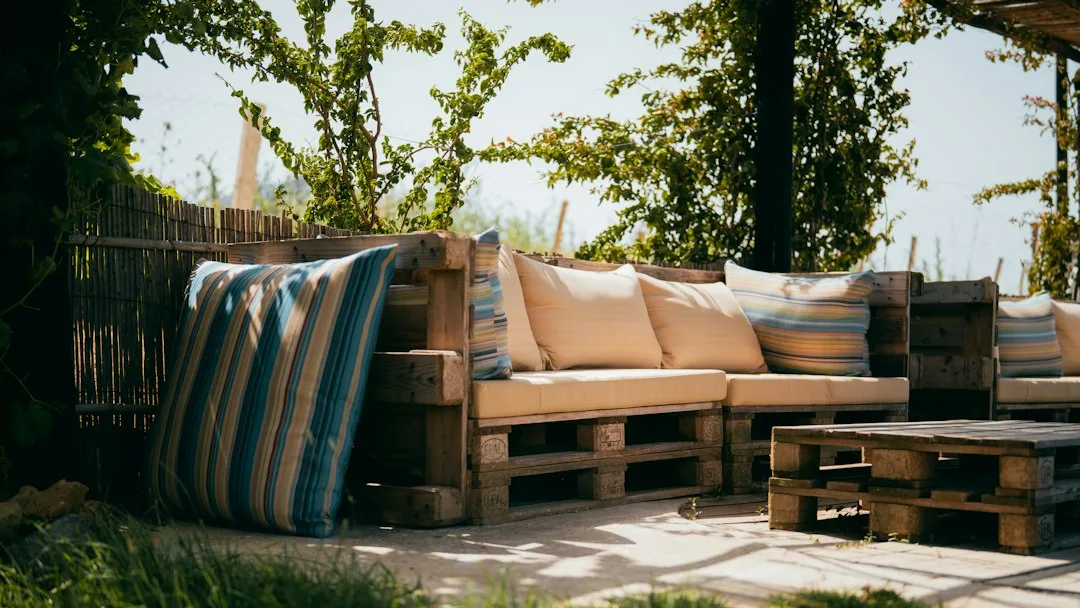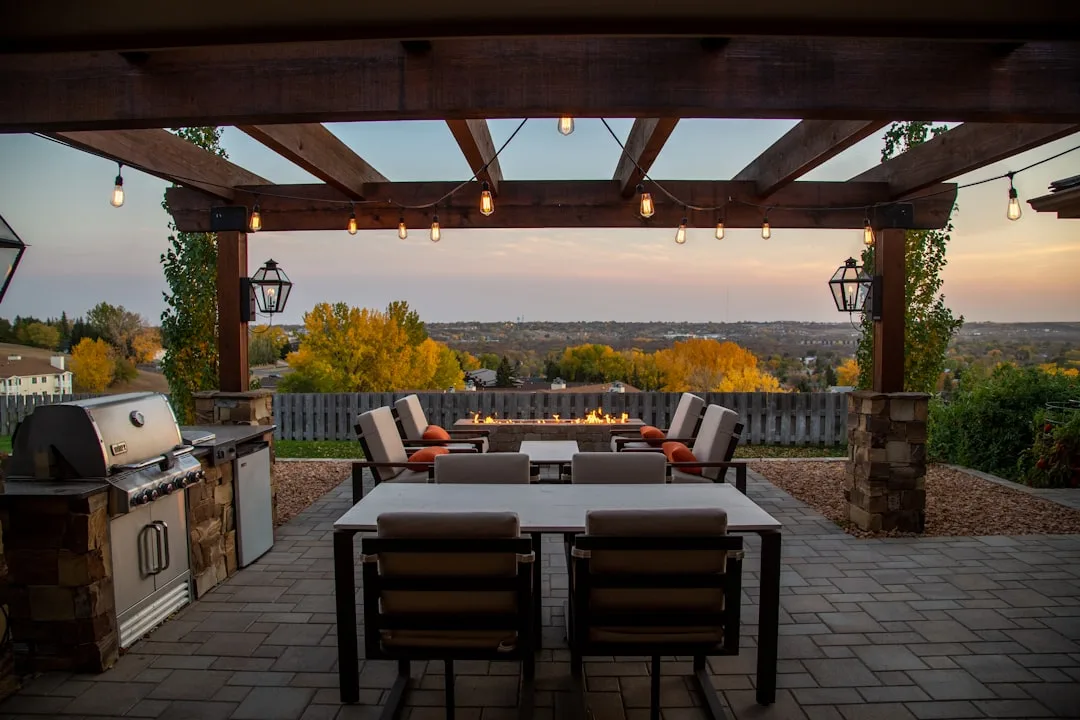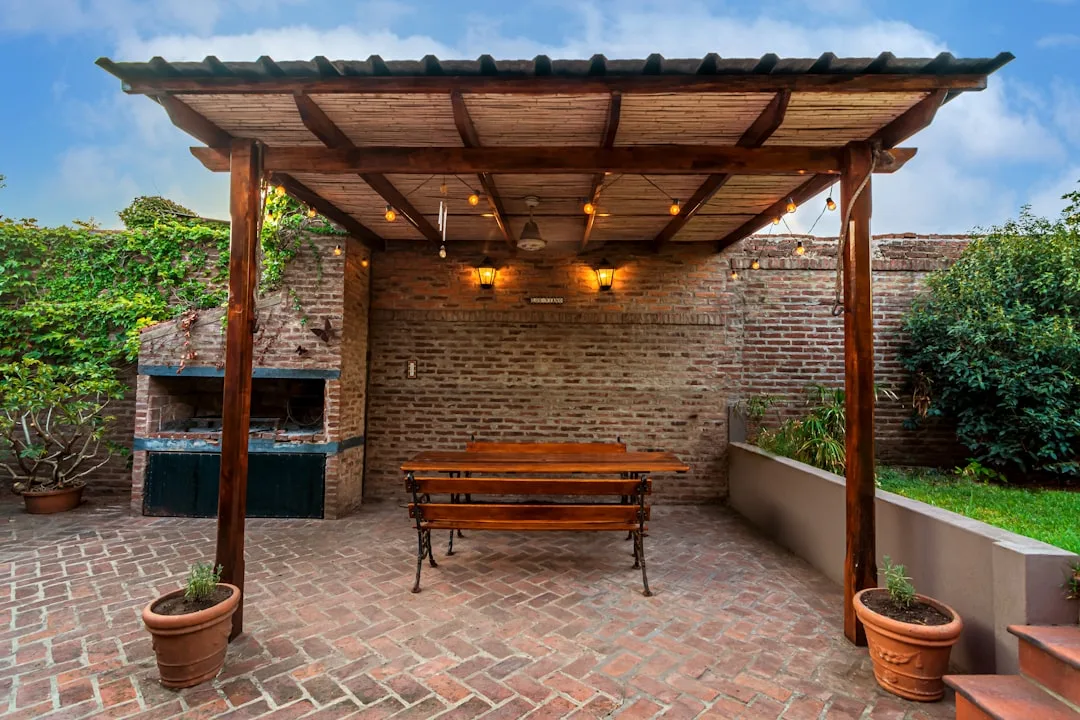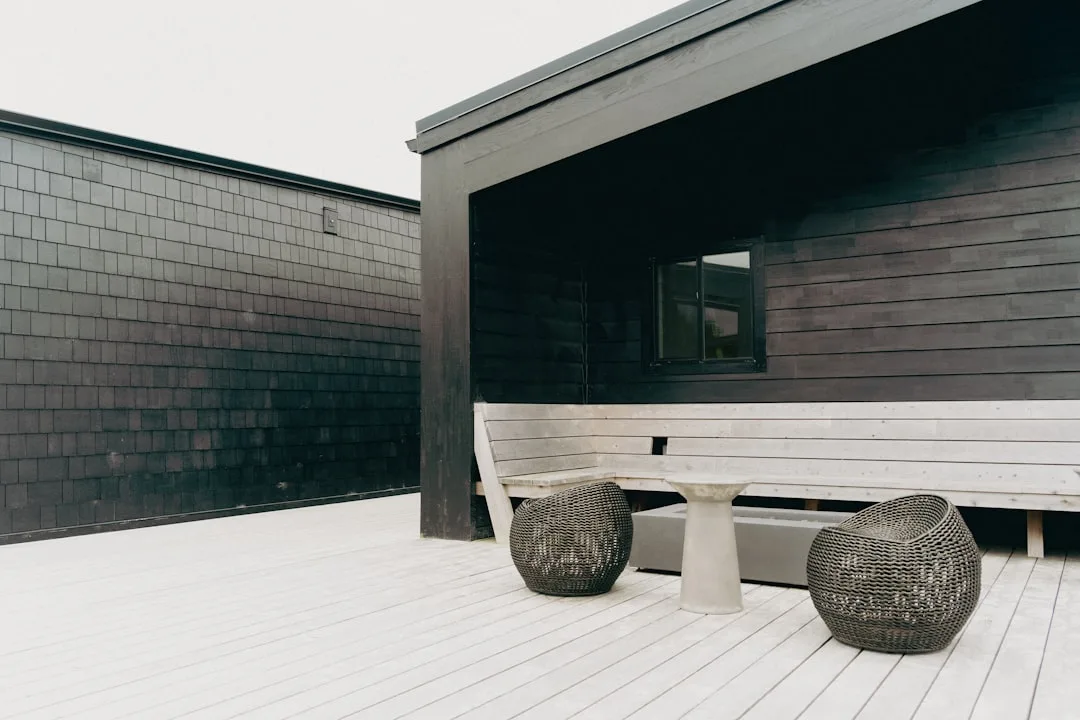
Outdoor bench seating arrangements have quietly become the most practical shift in backyard design since fire pits. Instead of sprawling lounge chairs scattered across a patio, homeowners and designers are installing benches—built-in, modular, and hybrid systems—that anchor social space, maximize usable footage, and survive year-round weather without constant maintenance. The trend isn’t about minimalism or cost-cutting; it’s about functionality meeting gatherings the way patios were always meant to work.
Why the pivot? A bench seats two to four people in a defined row, creates natural conversation angles, and stores outdoor cushions underneath. A single lounge chair takes up nearly the same square footage but seats one. The math shifts entire backyard logic.
Here’s the real driver: outdoor entertaining patterns have changed. Post-pandemic, people want designated gathering zones that feel intentional, not just furniture scattered on pavers. Benches signal that intent while working across seasons—add cushions in May, remove them in November, and the structure remains a legitimate seat year-round.
Built-in concrete benches anchor permanent gathering zones
Teak warehouse retailers like Teak Warehouse and mainstream brands including Williams-Sonoma Home now offer integrated patio design packages that center on bench seating rather than sprawling sectionals. The concrete bench—poured as part of patio construction or added later as a modular insert—has become standard in modern landscape architecture.
Real example: A 12-by-16-foot patio that previously held a chaise lounge, two accent chairs, and a side table now accommodates a built-in L-shaped bench (96 inches on two sides), four dining stools, and an open center for foot traffic. Same square footage; roughly 40 percent more seating capacity.
Concrete benches cost between $1,200 and $3,500 to pour as part of a fresh patio installation, depending on regional labor and finishing (smooth, aggregate, or stamped texture). This replaces the need for three or four individual outdoor chairs priced at $400–$800 each. The durability is singular: concrete doesn’t rot, splinter, or require refinishing every third season like wood does.
Quick Tips
- Pair concrete benches with washable outdoor cushions (Sunbrella fabric rated for UV and moisture) for comfort without seasonal storage drama
- Install benches at 16–18 inches high to match standard dining-chair height; too low creates back strain during long conversations
- Orient L-shaped benches at a 90-degree angle rather than facing inward—people naturally turn their shoulders, not their spines
- Leave 24–30 inches of clearance in front of benches for foot traffic and to avoid that cramped feeling
- Add corner cushion inserts or bolster pillows to define separate seating zones within one long bench
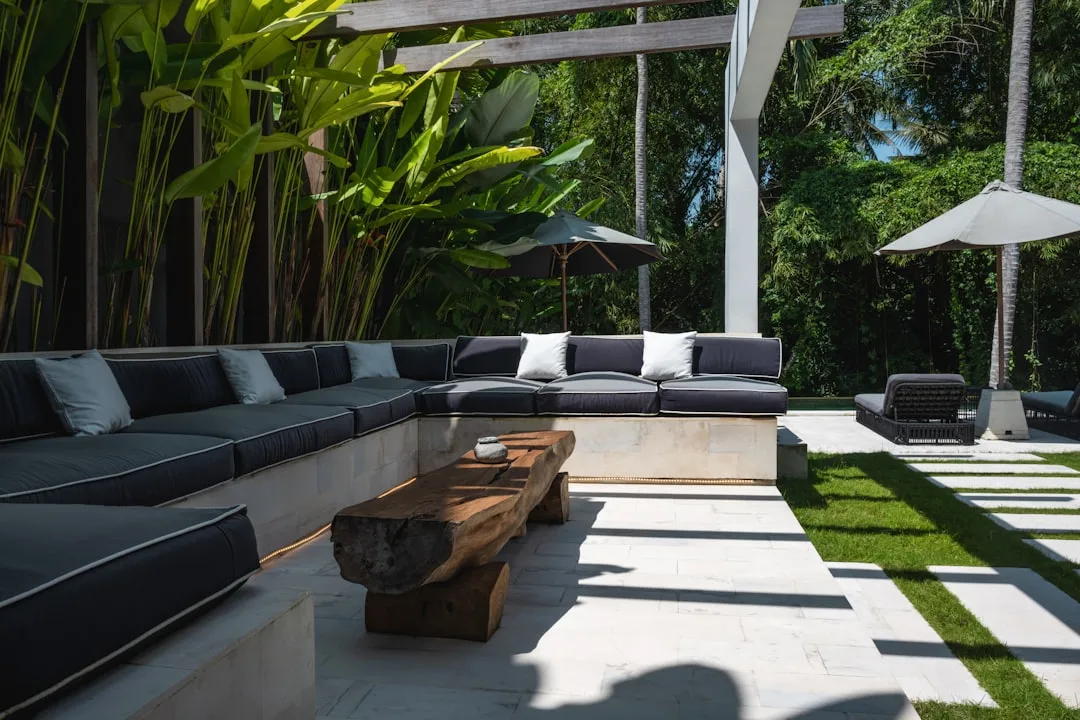
Modular bench systems offer flexibility that permanent structures cannot
Companies like Outer, a high-end outdoor furniture brand, and Restoration Hardware’s Restoration Outdoor collection have launched modular bench frames that snap together or separate based on entertainment size. Each bench unit is typically 36–48 inches wide, made from powder-coated aluminum or teak, and accepts interchangeable cushion covers.
The appeal is obvious: host twenty people at a garden party by connecting five bench units in a U-shape around a fire feature. Next weekend, separate them into two independent seating zones on opposite ends of the patio for smaller family dinners. This flexibility solves the permanent-fixture trap that traditional patio design creates.
| Bench Type | Seating Capacity (per unit) | Maintenance Level |
|---|---|---|
| Built-in Concrete | 2–4 per 8 ft. section | Low (cushions only) |
| Modular Aluminum | 2–3 per unit | Low (wipe frame, wash covers) |
| Teak Wood Benches | 2–4 per bench | Moderate (annual oiling) |
| Cushioned Sectional Sofa | 3–5 per section | High (seasonal storage, covers) |
The mistake that kills outdoor bench arrangements: ignoring scale and sightlines
The biggest failure is installing a bench without considering the patio’s actual dimensions and how people will use adjacent space. Picture a 10-by-12-foot patio with a 6-foot bench positioned along one edge—it swallows the entire width, creates a cinema-seating effect, and makes the space feel like a corridor instead of a gathering place.
Smart designers leave at least 3 feet of clear space on two sides of any bench, even in tight yards. This prevents the visual trap where benches become barriers rather than destinations. Also, benches oriented parallel to a home’s back wall—facing outward toward the garden or pool—feel more open than those facing the house itself.
Another error: pairing benches with a single central table that requires everyone to lean forward. Benches work best in conversation clusters where some seating faces one direction and another cluster faces perpendicular, or in linear arrangements where the bench *is* part of a dining setup with a low table in front.
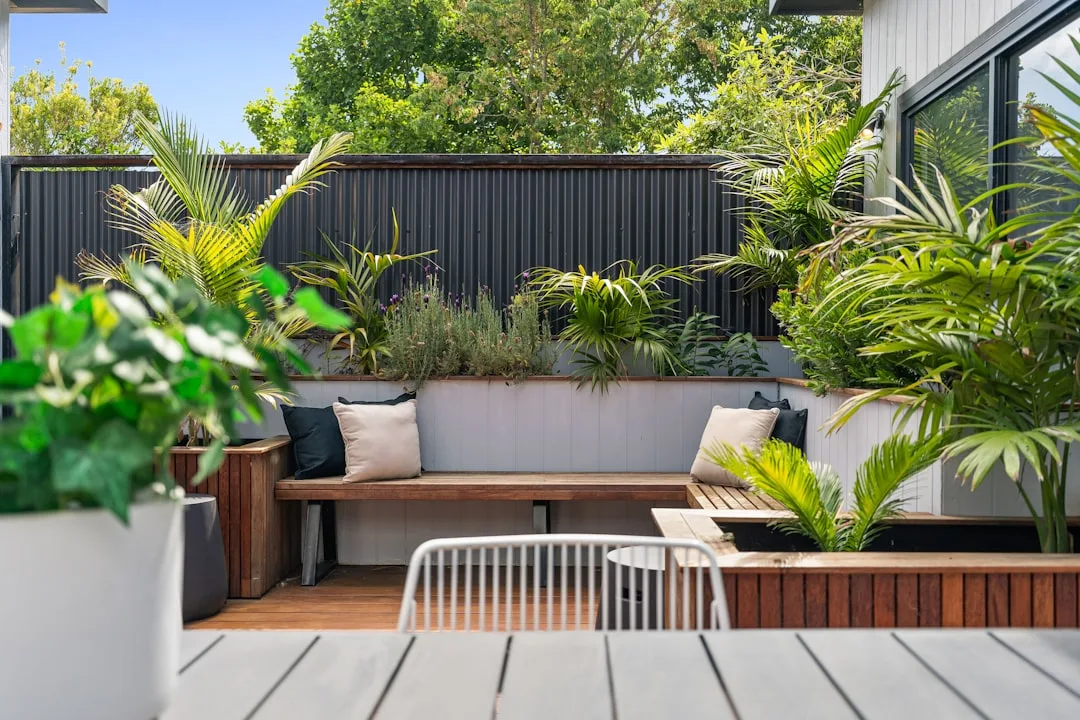
Hybrid bench-plus-storage solutions maximize small yards
Storage benches—frames with sealed compartments underneath—have evolved from basic plastic deck boxes into design-forward pieces. Brands like Teak Warehouse offer bench seating with hidden storage underneath for cushions, blankets, or garden tools, meaning you reclaim half your patio’s footprint during off-seasons.
A 48-inch-wide teak storage bench holds roughly 12 cushions, a rolled-up outdoor rug, and two folded throws. That’s square footage you’d otherwise dedicate to a separate shed or storage cabinet. The bench seats two adults comfortably with one back cushion and still delivers storage density that standalone furniture simply cannot.
These pieces cost between $800 and $2,000 depending on wood species and hardware finish. One storage bench replaces the need for both a lounge chair and a weather-resistant storage box—a dual function that justifies the investment immediately.
Bench arrangements adapt to seasonal entertaining patterns
What makes outdoor bench seating arrangements truly trending right now is their adaptability across spring garden parties, summer family dinners, fall fireside gatherings, and winter holiday decorating. A concrete or teak bench works year-round without requiring furniture rotation or seasonal storage runs to a garage.
Compare this to traditional sectional sofas, which demand full cushion removal and storage by October in any climate with freeze-thaw cycles. Bench cushions—even high-end Sunbrella or Perennials brand cushions—can stay outside longer because the underlying bench structure doesn’t degrade if wet. This seasonal flexibility is a practical advantage that never appears in design magazines but drives real adoption among busy homeowners.
Visit a beautiful single story house with patio yard and you’ll notice benches anchoring the edges—they define space without the visual heaviness of dense lounge groupings. Similarly, concrete house ideas with patio style courtyards use integrated benches as permanent architectural elements that tie the yard to the home’s structure.
The real trend here isn’t aesthetic—it’s behavioral. Benches create intentional gathering zones that reflect how people actually use outdoor space: side by side, facing outward together, with room to move and breathe. That’s why they’re reshaping patios from collections of isolated seating into actual outdoor rooms.