Most EV owners who watch the range estimate drop on a cold morning are not imagining it. The cabin heater is usually the reason, and it draws from the battery for the entire drive. An EV heat pump changes that math.
How Heat Pumps Work Inside Modern EVs
A conventional EV cabin heater is a resistive coil, the same basic principle as a toaster, and it converts battery electricity directly into warmth. Every kilowatt it uses comes straight out of the pack that also moves the car. That is the trade.
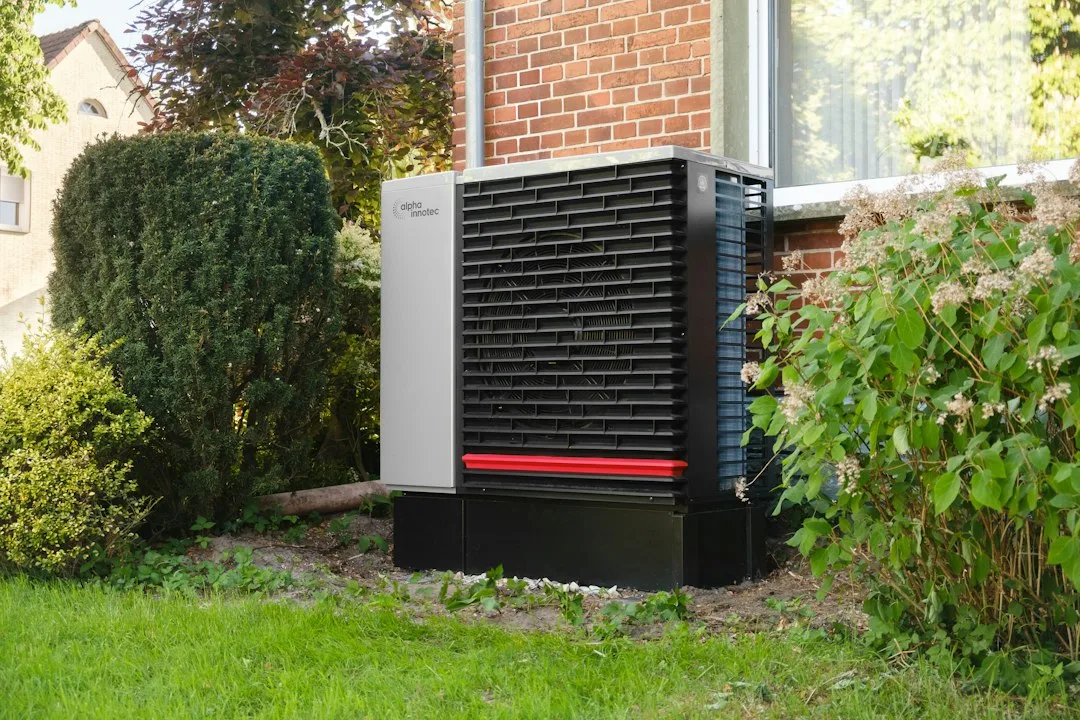
A heat pump runs a refrigeration cycle in reverse, pulling heat from outside air, the drive motor, and the power electronics, then pushing it into the cabin. Because it moves heat rather than generating it, each unit of electricity delivers more warmth. Think of a fridge in reverse.
Tesla Model Y and Hyundai Ioniq 5 are two common examples of EVs that offer heat pump setups on many configurations. Availability depends on trim, model year, and market, so the spec sheet matters more than the model name. Check it first.
Quick Tips
- Precondition the cabin while the car is still plugged in, so the charger handles the warm-up instead of the pack.
- Use seat and steering wheel heaters first, since they warm you directly and draw less energy than heating the whole cabin.
- Lower the cabin target by a degree or two and add a layer. The savings build up over a long commute.
- Check the trim spec sheet for a heat pump before buying, because many EVs ship with only a resistive heater.
Why Cold Weather Cuts EV Range So Sharply
Cold-climate drivers in places like Minneapolis or Montreal usually notice winter range loss first. Cold slows the chemical reactions inside the battery, so the pack accepts and delivers energy less efficiently than on a mild spring day. Cabin heat stacks on top.
A resistive heater can draw a large share of available energy on a cold day, which is why automakers keep refining the problem. Heat pumps reduce that draw. They lose efficiency when outside air gets very cold, so expect less help at the extremes.
| Heating Method | How It Makes Warmth | Cold Weather Trade-Off |
|---|---|---|
| Resistive cabin heater | Converts battery electricity directly into heat | Fast warmth but a heavy range cost |
| Heat pump | Moves heat from outside air, motor, and electronics | Efficient in mild cold, backup heat in deep cold |
| Seat and steering wheel heaters | Warms occupants directly through contact surfaces | Low draw but only warms the contact areas |
| Preconditioning while plugged in | Uses charger power to warm cabin and battery | Best range benefit but requires charging access |
Buying an EV Heat Pump Model Without Surprises
Hyundai Ioniq 5 and Kia EV6 share the E-GMP platform, so their climate hardware overlaps in design. Heat pump availability can still differ by trim and region. Read the configurator carefully.
Start with the window sticker or the manufacturer’s configurator. Look for heat pump in the climate feature list. Do not assume it comes standard.
If you are shopping used, the certified pre-owned vehicle market is a practical place to look, since listings usually itemize climate equipment. A used EV without a heat pump still works in winter, but it will give a smaller buffer on long trips. Plan for that.
The Mistake That Strands Drivers Mid Trip
The most common error is running cabin heat at maximum the moment the car is unplugged, with the range meter already falling. Picture a driver leaving a charger in Duluth at 10 degrees with the cabin set to 80. Range vanishes quickly.
Preconditioning while still plugged in, and setting the cabin a few degrees lower, solve most of this. Heat pumps also have a cold cutoff, and many systems add resistive backup below a set temperature. Plan for that.
Planning Winter Commutes Around Heat Pump Range
A daily commute is where heat pump efficiency pays off most, because short warm-up cycles repeat every morning. Timing matters. Owners who precondition from a phone app before leaving can cut the battery load noticeably.
Families who think about how automated driving will change their routes can also read about autonomous vehicle adoption and family commutes. Route planning and cabin planning work best together. Build a margin of range into every winter schedule.
What Heat Pumps Mean for Winter Ownership Costs
Heat pumps will not erase winter range loss, but they shrink it in the conditions most drivers face every day. For a Tesla Model 3 or Model Y owner, that means fewer unplanned charging stops on a cold weekday. Ioniq 5 and EV6 owners see similar gains where the hardware is fitted.
Think of range as a planning variable, not a fixed number on the dashboard. Drivers who build in margin arrive warm and on schedule. That habit costs nothing and removes most of the winter anxiety.