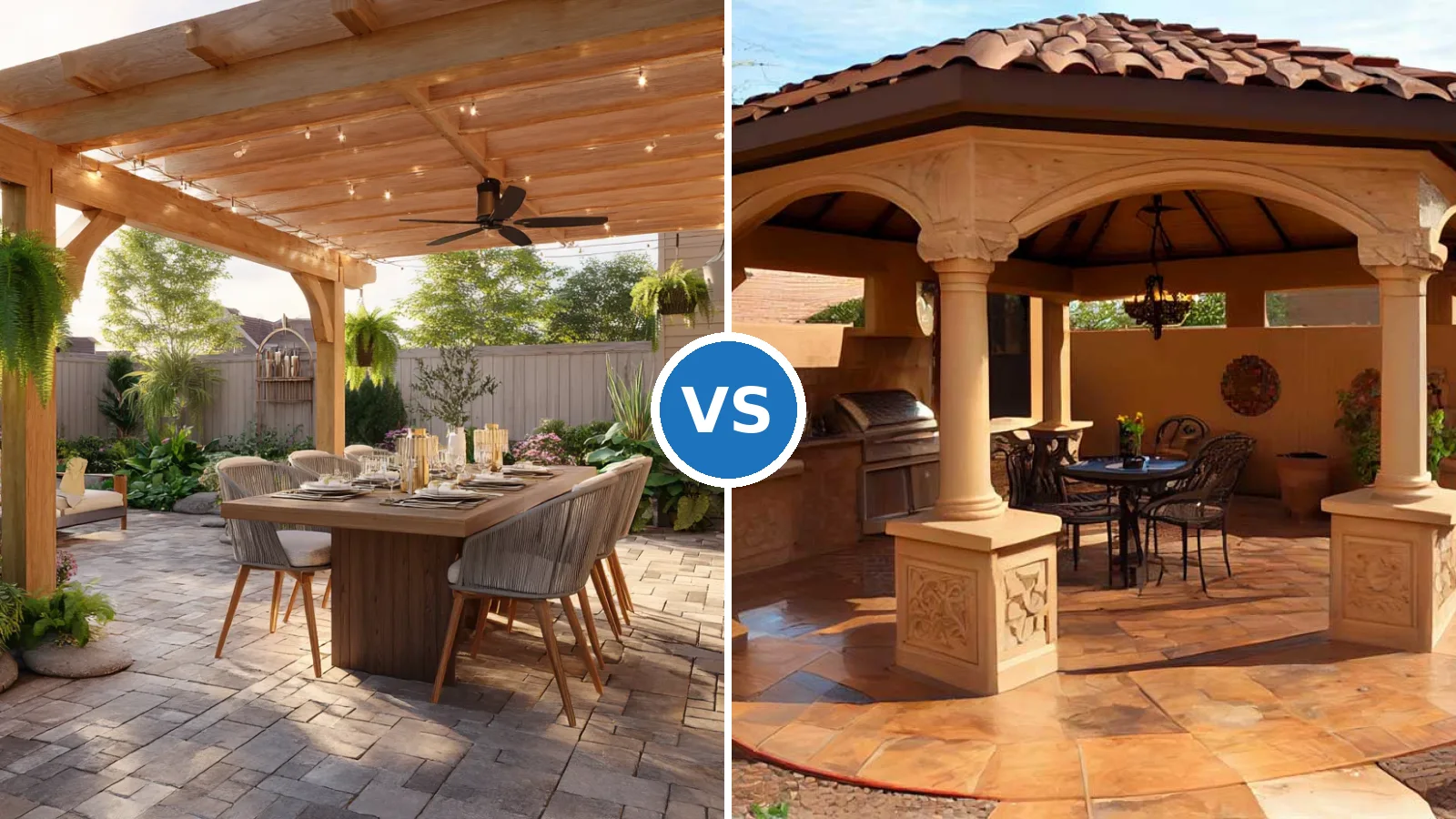
Real estate developers report that median lot sizes in suburban markets have shrunk 15% since 2020, yet outdoor living expectations remain unchanged. Homeowners now expect their patios to function as dining rooms, lounges, workspaces, and entertainment venues simultaneously. The problem: traditional furniture arrangement approaches—those centered, symmetrical groupings from the 1990s—waste precious square footage and create awkward traffic patterns. Outdoor patio furniture arrangement has become the fastest-evolving category in exterior design, and the shift is driven by necessity.
Why tight layouts demand intentional placement strategy
When you have 300 square feet instead of 800, every inch counts. A standard sectional sofa placed perpendicular to the house wastes 40% of usable patio space, leaving no room for dining, movement, or secondary seating zones.
Instead, designers now map activity zones before purchasing anything. They define: conversation area (minimum 8×8 feet), dining footprint (typically 6×10 feet for a table plus walking space), and circulation path. This intentionality means arranging outdoor patio furniture becomes a spatial puzzle, not an aesthetic choice.
Restoration Hardware and West Elm’s outdoor collections now feature modular pieces specifically sized for compact patios—48-inch sofas instead of 72-inch, round tables instead of 6-foot rectangles. These proportions signal the market’s acknowledgment that sprawling backyards are no longer the norm.
Quick Tips
- Measure your actual patio before shopping—length, width, and sun exposure hours. Most mistakes happen at purchase stage.
- Use painter’s tape on your bare patio to outline furniture silhouettes before moving pieces. Test traffic flow in person.
- Float furniture away from walls on small patios. Perimeter clustering makes spaces feel boxed in and smaller.
- Limit seating types to two categories (dining + lounge, or sectional + bistro). Mixing four different seating styles visually clutters tiny spaces.
- Choose furniture with exposed legs rather than skirted bases. This creates visual lightness and makes 200 square feet feel less cramped.
Modular furniture solves the arrangement inflexibility problem
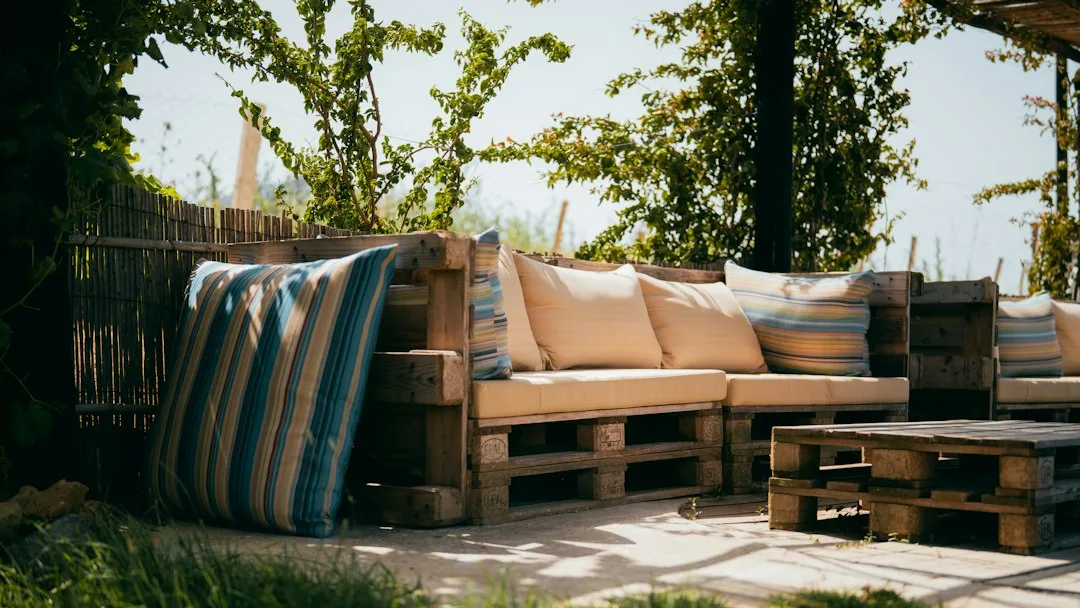
The single biggest innovation in outdoor patio furniture over the past 18 months has been the rise of modular sectional systems. Brands like Pottery Barn Outdoor and Crate and Barrel’s Outdoor division now sell pieces that connect via clips or brackets, allowing one configuration to become four.
A modular sectional with three corner pieces, two center modules, and chaise elements can be arranged as: an L-shape for full dining-plus-lounge, a linear bench against one wall, or separated into two independent conversation islands. This flexibility eliminates the single-configuration trap that has frustrated patio owners for two decades.
| Furniture Type | Best for Tight Spaces | Floor Footprint |
|---|---|---|
| Modular Sectional | Yes—reconfigurable | 8×10 ft typical |
| Round Bistro Table | Yes—360° access | 4 ft diameter |
| Bench Seating | Yes—dual-purpose storage | 5×2 ft per bench |
| Traditional Sectional | No—fixed shape | 10×10 ft typical |
| Ottoman Cubes | Yes—stackable storage | 1.5×1.5 ft each |
The corner trap—what not to do with outdoor patio furniture arrangement
The number-one mistake homeowners make is anchoring a large sectional in the backyard corner because “that’s where it fits.” This destroys the patio’s functionality in three ways: it turns the corner zone into a dead-end zone, blocks diagonal sightlines that make spaces feel larger, and forces dining furniture into the remaining awkward rectangle.
A Los Angeles designer documented this recently: a client had a 12×14 foot patio with a massive L-sectional anchored corner-to-corner. This left a 5-foot-wide strip for walking and a 4-foot table shoved against the house. Once the sectional was floated and split into two smaller pieces facing each other (creating a 6-foot conversation gap in the middle), the same patio functioned for dining, lounging, and guest flow simultaneously.
Corner sections trap you. Floating pieces liberate the layout. This principle applies whether your patio is 200 square feet or 800.
Layered zones create density without clutter
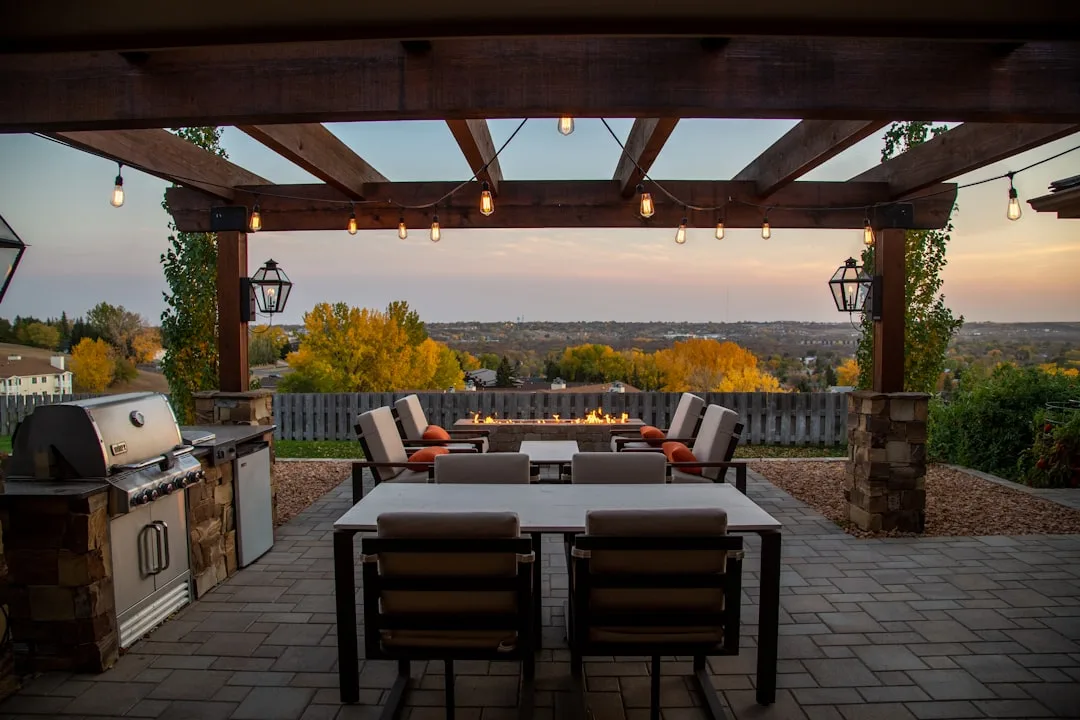
Professional landscape architects now organize outdoor patio furniture arrangement using a “zone layering” approach borrowed from urban design. Rather than creating one big seating area, they stack functional zones: immediate lounge zone (closest to door), secondary conversation zone (mid-patio), and dining zone (far end, often closer to kitchen egress).
This prevents the “one big blob” aesthetic where all furniture appears the same distance from the house. For a concrete example, see how Concrete House Idea With Patio Style Courtyard separates a lounge platform from dining furniture using subtle level changes and plantings. The spaces feel intentional, not cramped.
Brands like Gloster (Danish outdoor furniture) use modular cushion systems and aluminum frames that create visual separation without physical barriers. A 48-inch sofa with accompanying side tables defines one zone; 8 feet away, a pair of lounge chairs and side table define another. The human brain perceives these as distinct rooms within one outdoor patio.
Materials and scale anchor furniture arrangement success
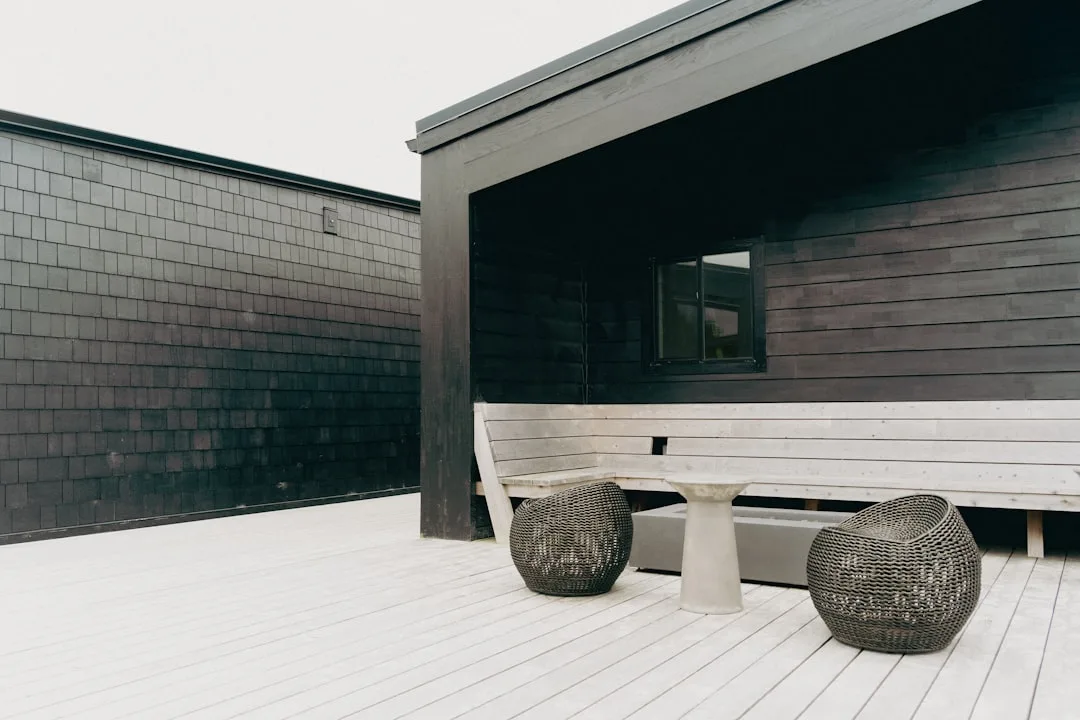
The furniture you choose determines how compact an outdoor patio furniture arrangement can be. Teak pieces (dense, warm-colored wood) and charcoal-frame pieces with outdoor cushions read as “complete” with less square footage than wrought-iron bistro sets, which appear more delicate and require visual expansion to feel furnished.
A 36-inch teak table with four chairs occupies roughly 8×8 feet and feels intentional. The same footprint with spindly wrought-iron bistro furniture looks accidentally minimal. Material weight—visual, not physical—determines how small you can go while maintaining a sense of polish.
Sunbrella cushions and performance fabrics (polyester blends with UV resistance) have also shifted outdoor patio furniture arrangement possibilities. Thinner cushions mean you can layer seating more densely. A sectional with 4-inch cushions takes 20% less visual space than traditional 6-inch cushions from 2015.
Seasonal rotation and storage anchor year-round function
The most successful outdoor patio furniture arrangements account for seasonal change. From May to September, a patio might feature full lounge seating; October through April, that same arrangement rotates toward dining-centric positioning with fewer lounges (and fewer people using the space).
This flexibility is impossible with permanent, built-in furniture. Movable pieces allow you to compress furniture footprints in winter or during off-season, reclaiming patio square footage for other uses. Beautiful Single Story House with Patio Yard shows how a single patio shifts from social gathering space to intimate dining through furniture rearrangement.
Brands selling pieces designed for compact storage—nested chairs, collapsible tables, modular components that stack—are seeing 40% growth in the under-400-square-foot backyard segment. The market has spoken: density with flexibility beats sprawling permanence.
FAQ
How much space do I need for outdoor patio furniture arrangement?
Should I push patio furniture against walls on small patios?
What outdoor patio furniture arrangement works best for entertaining?
How do I arrange outdoor patio furniture on an odd-shaped patio?
What materials work best for outdoor patio furniture in tight spaces?
Can I rearrange outdoor patio furniture seasonally?
Complete guide
Furniture Decor Ideas for Every Room in Your Home
Living room, bedroom, dining, kitchen, outdoor — all in one place
Complete guide
Patio and Yard Ideas That Turn Any Backyard Into a Living Room Outside
Flooring, furniture, shade, pools, kitchens, fire pits, courtyards — all in one place