You’ve carved out the perfect spot for outdoor dining or lounging, but the afternoon sun makes it unusable by 2 p.m. A pergola vs patio cover solves that problem—yet in entirely different ways. A pergola lets dappled light through lattice beams and costs noticeably less upfront, while a solid patio cover blocks the sun completely and shelters you from rain, but demands more space and budget.
The choice comes down to your climate, how much shade you actually need, and whether you’re willing to maintain wood seasonally. Pergolas suit homeowners who value visual lightness and lower cost; solid patio covers suit those in hot or wet climates who want full-season usability.
What a pergola and patio cover actually are
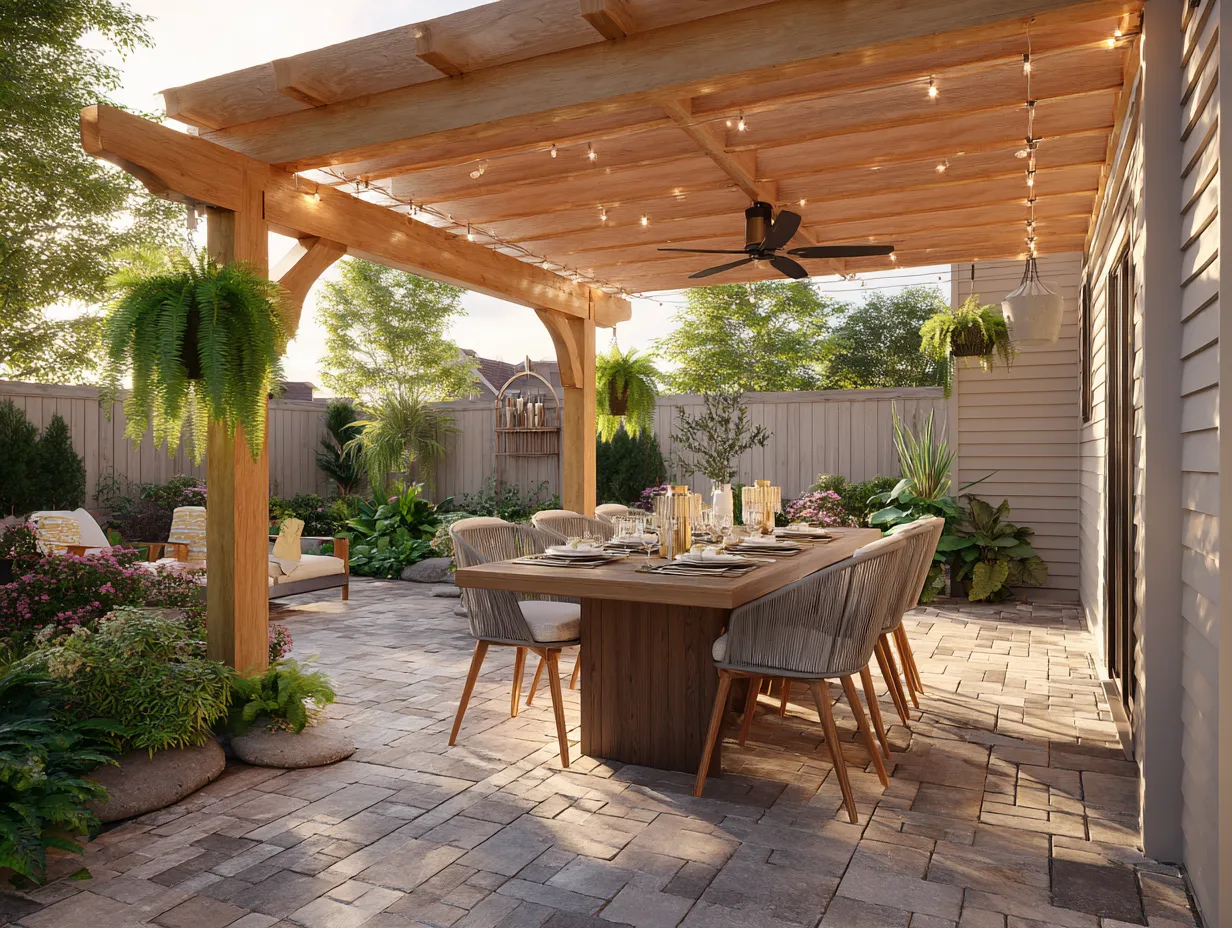
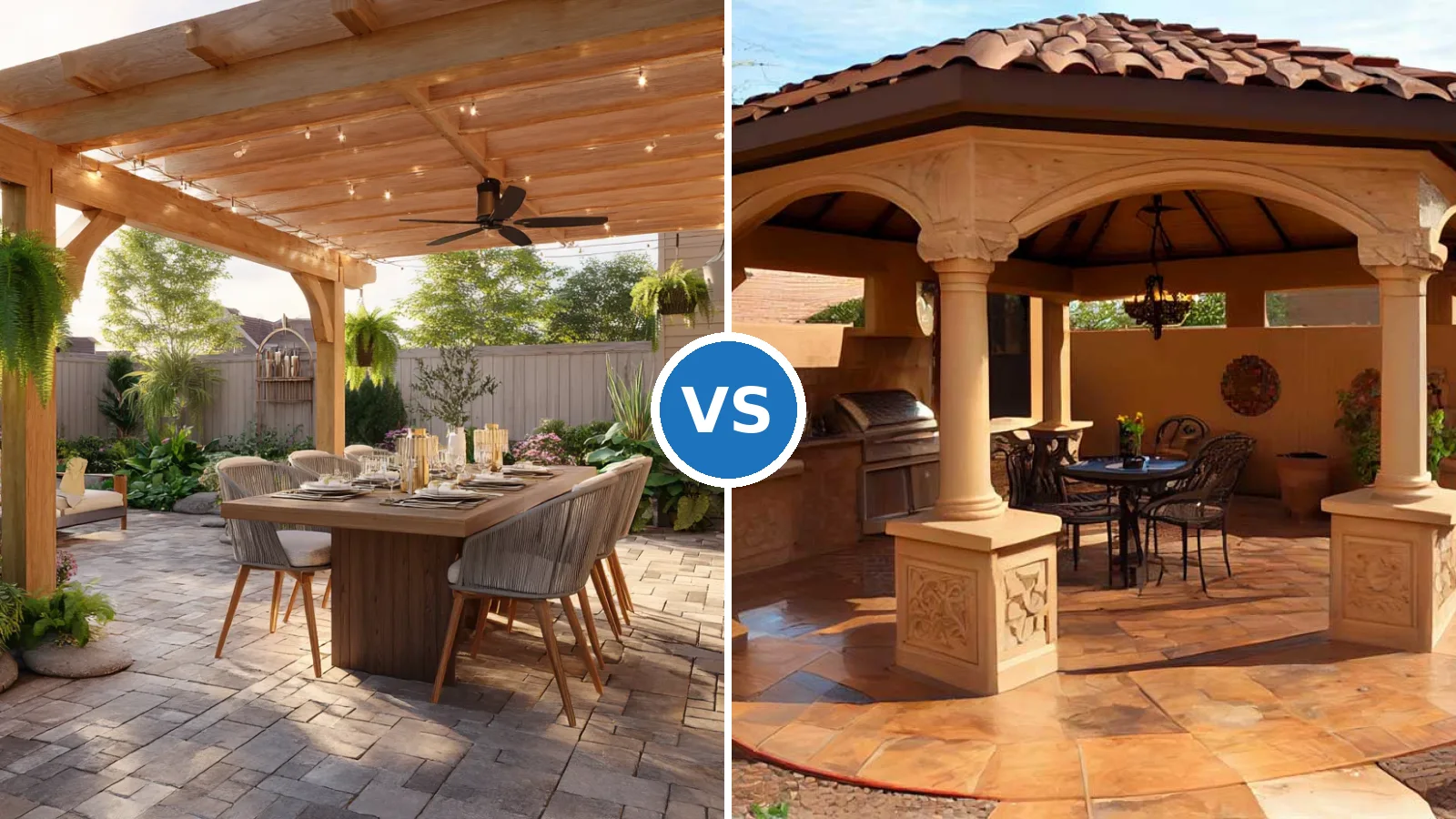
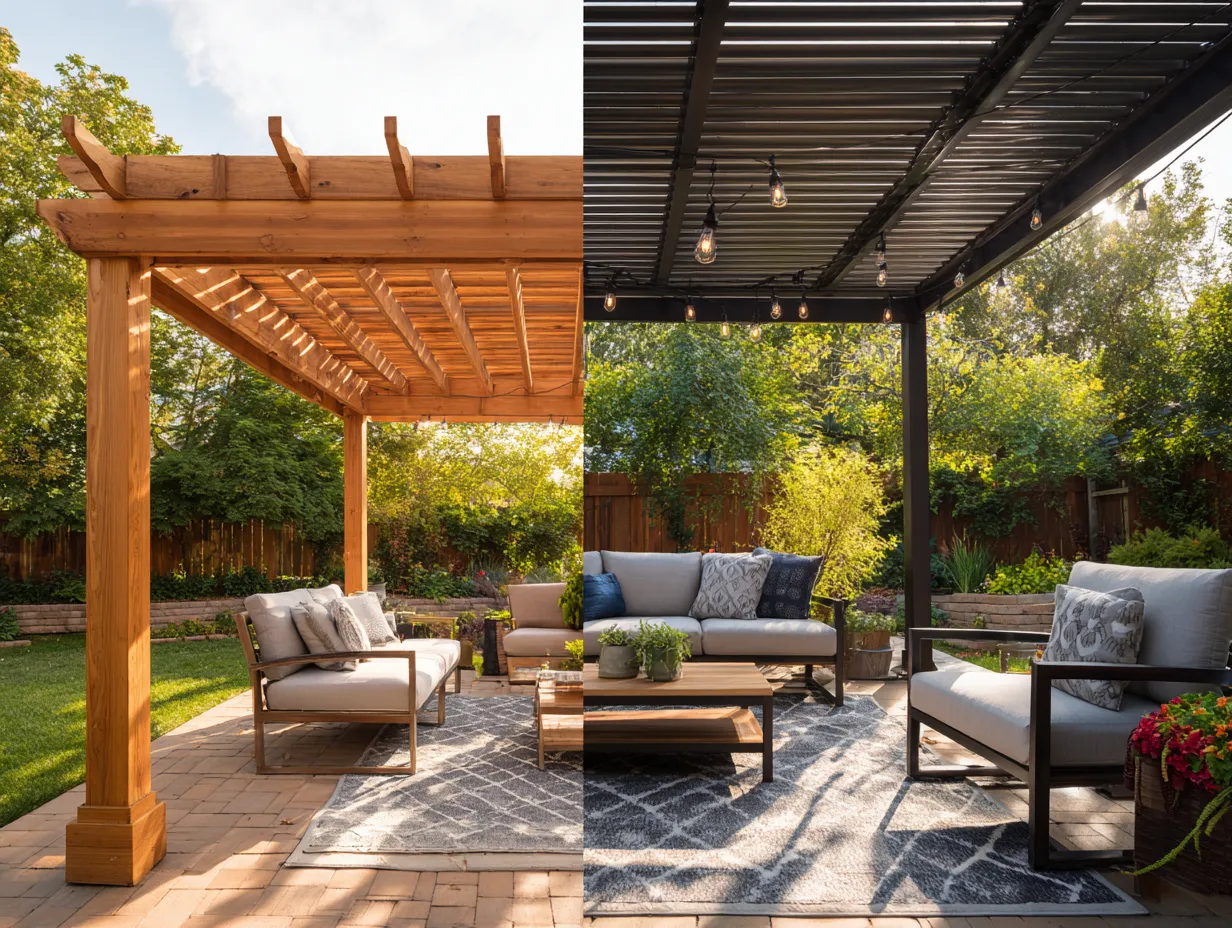
A pergola is an open-roof structure with cross-beams or lattice that filters light rather than blocking it completely. Wood pergolas—typically cedar or Douglas fir—bring warmth and visual texture, while aluminum versions read more commercial but require zero maintenance. Cedar kits start around $1,800 for a 10×10 structure, and aluminum models range from $900 to $2,400 depending on roof style.
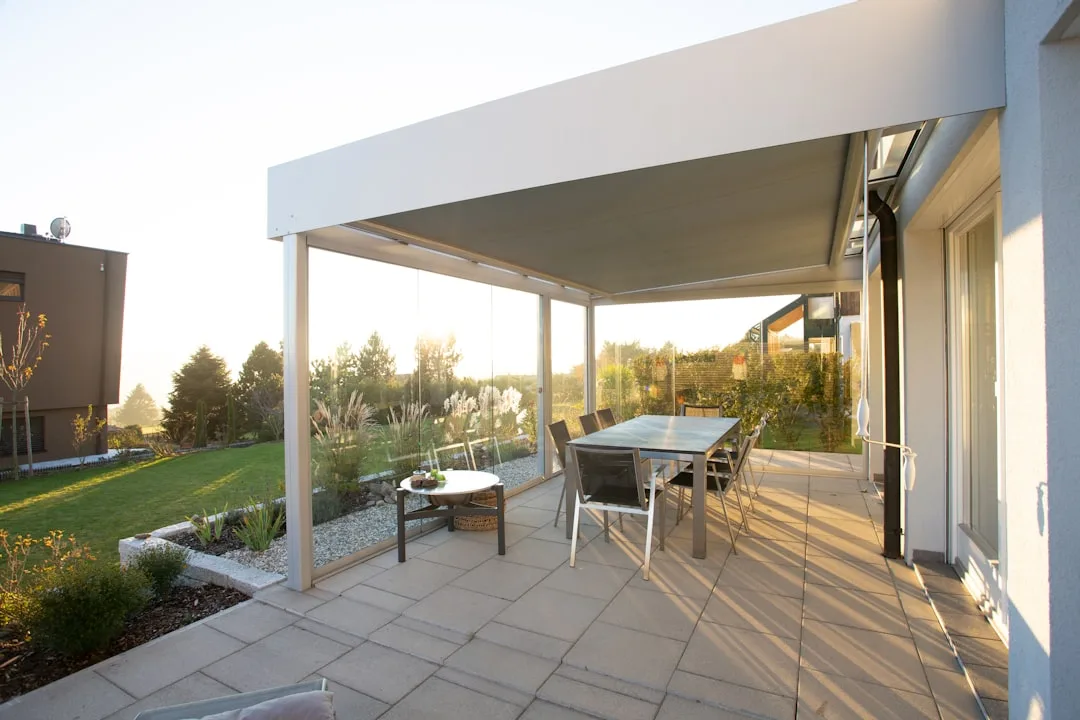
A patio cover is a solid or semi-solid structure that provides comprehensive shade and weather protection. Solid patio covers can be made from wood, aluminum, or vinyl and may include decorative elements like scalloped edges. Retractable versions and shade sails offer intermediate flexibility, while outdoor-room covers add walls and doors to create fully enclosed spaces.
Quick Verdict
- Choose a pergola if you’re in a dry climate, want an affordable entry point, and prioritize visual lightness and climbing plant potential.
- Choose a patio cover if you live in a hot or rainy region, need full weather protection, and plan year-round entertaining without maintenance.
- Choose a pergola if your budget is under $2,500 all-in and you’re comfortable with annual sealing on wood.
- Choose a patio cover if you want one investment that doesn’t demand seasonal upkeep or worry about wind movement in gusty zones.

Cost, durability, and pergola vs patio cover maintenance needs
Pergolas win on initial cost. A 10×10 cedar kit at $1,800 is roughly half the budget of an equivalent solid cover with comparable materials and installation. Aluminum pergolas cost even less upfront—starting under $1,000 for smaller models.
However, maintenance flips the advantage. Cedar pergolas demand annual sealing in wet climates to prevent rot, while aluminum requires virtually nothing beyond occasional cleaning. Solid wood patio covers face the same seasonal upkeep, but aluminum solid covers offer durability without the sealing cycle.
Durability depends on material and climate. In dry regions, a cedar pergola can last 15+ years with annual care. In wet winters, rot sets in faster—treating lumber within four years of poor drainage is a real risk. Solid covers with proper installation and in-ground post footings ($200–$400 additional cost) eliminate movement entirely in high-wind zones above 40 mph.
| Criteria | Pergola | Patio Cover |
|---|---|---|
| Initial Cost (10×10–12×12) | $1,800–$3,200 (cedar); $900–$2,400 (aluminum) | Higher upfront cost; motorized louvered systems $5,500–$14,000 |
| Annual Maintenance | Cedar: sealing required; Aluminum: minimal | Solid wood: sealing required; Aluminum/vinyl: minimal |
| Shade Level | Dappled, filters light rather than blocking it completely | Complete shade and rain protection |
| Wind Resistance | Good with in-ground footings; surface-mount brackets flex above 40 mph | Excellent with proper installation |
| Design Flexibility | Open, allows vertical plants and string lights | Fully customizable with walls, fans, lighting |
| Best For | Warm or dry climates; aesthetics-first yards | Hot, wet, or variable climates; all-season use |
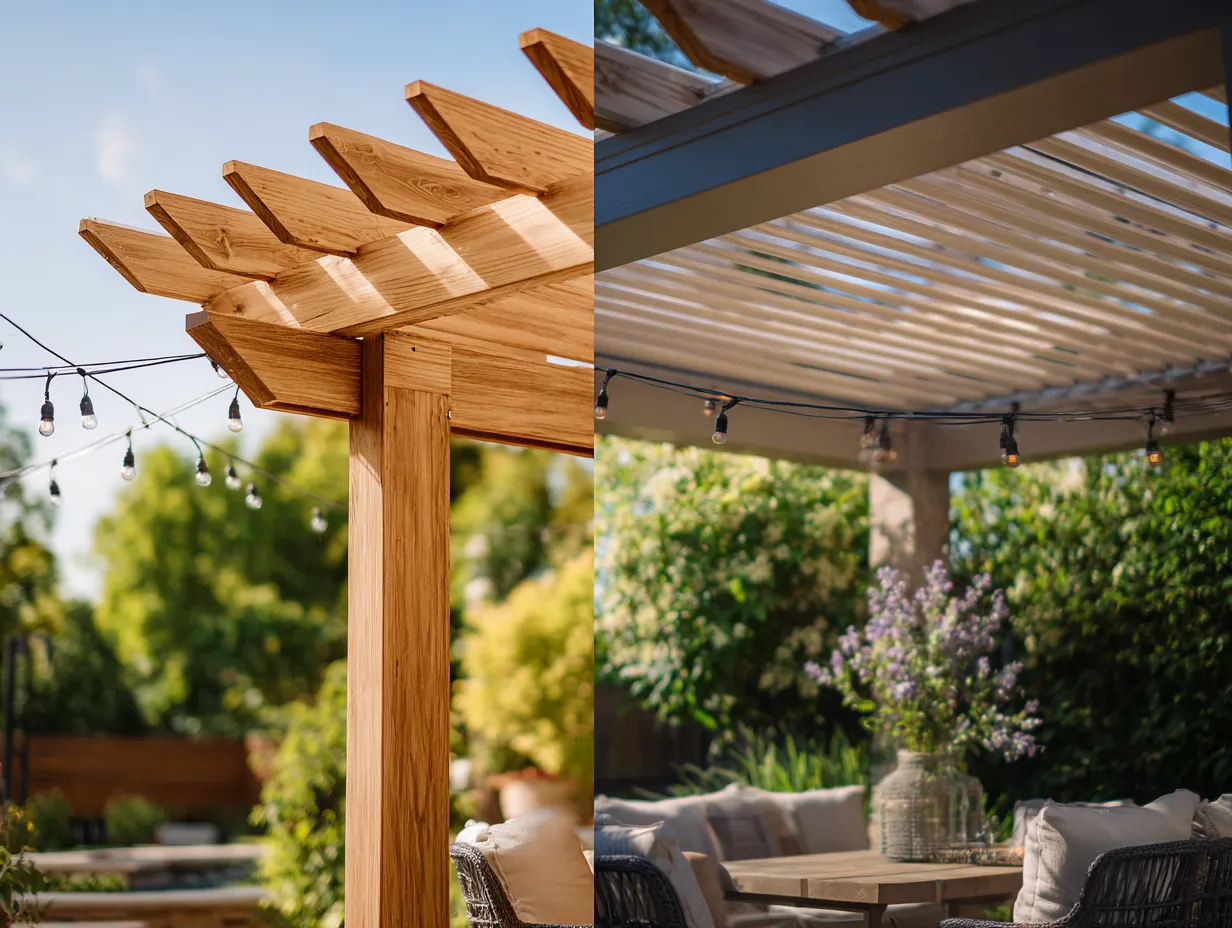
Where pergolas win
Pergolas excel at creating an outdoor room without feeling enclosed. The 60-30 rule—pergola covering 60% of the living area and leaving 30% open to sky—keeps your space feeling airy and connected to the landscape. That openness is impossible with a solid cover, which can read as a cage if placed too large.
Cost is the second clear pergola advantage. A $1,800 cedar kit installed yourself or with basic help beats any solid cover that runs $4,000+ before labor. For budget-conscious homeowners or renters building temporary structures, pergolas are the only realistic choice.
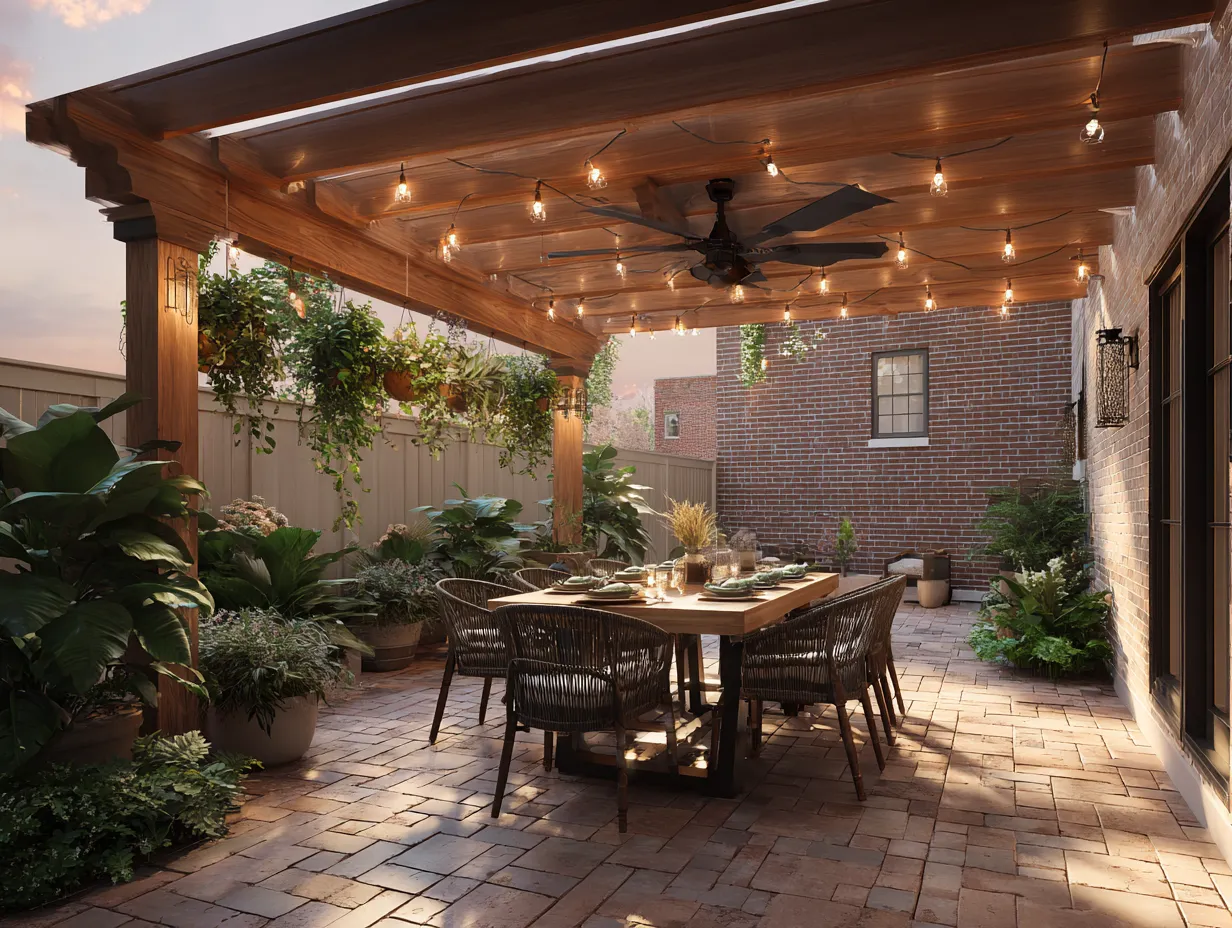
Design integration wins here too. Pergolas pair naturally with climbing wisteria, grape vines, and string lights mounted to structural beams with conduit clips (not zip ties, which crack in UV within one season). You can hang plants, run electrical for ceiling fans, and layer multiple lighting moods. Solid covers don’t offer that playful potential.
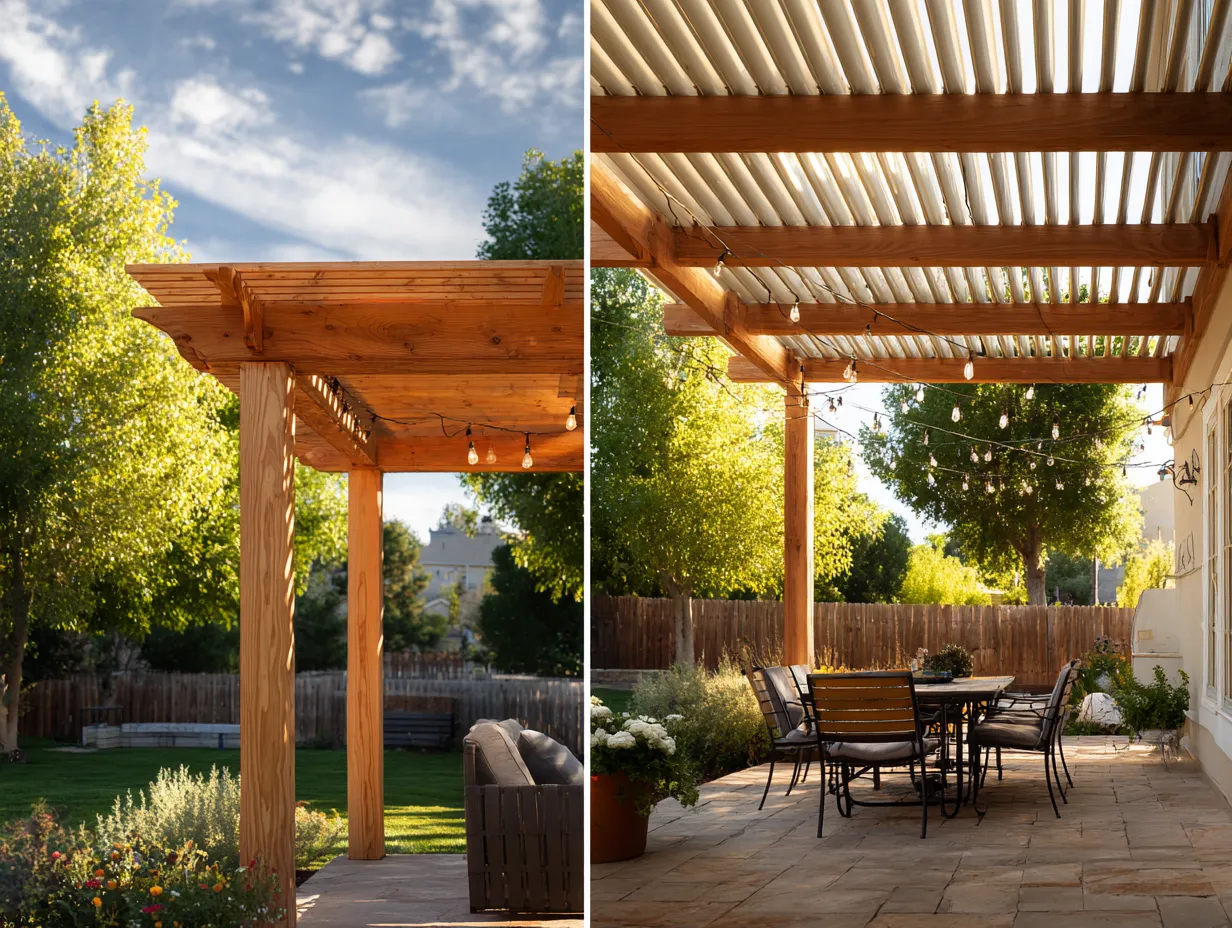
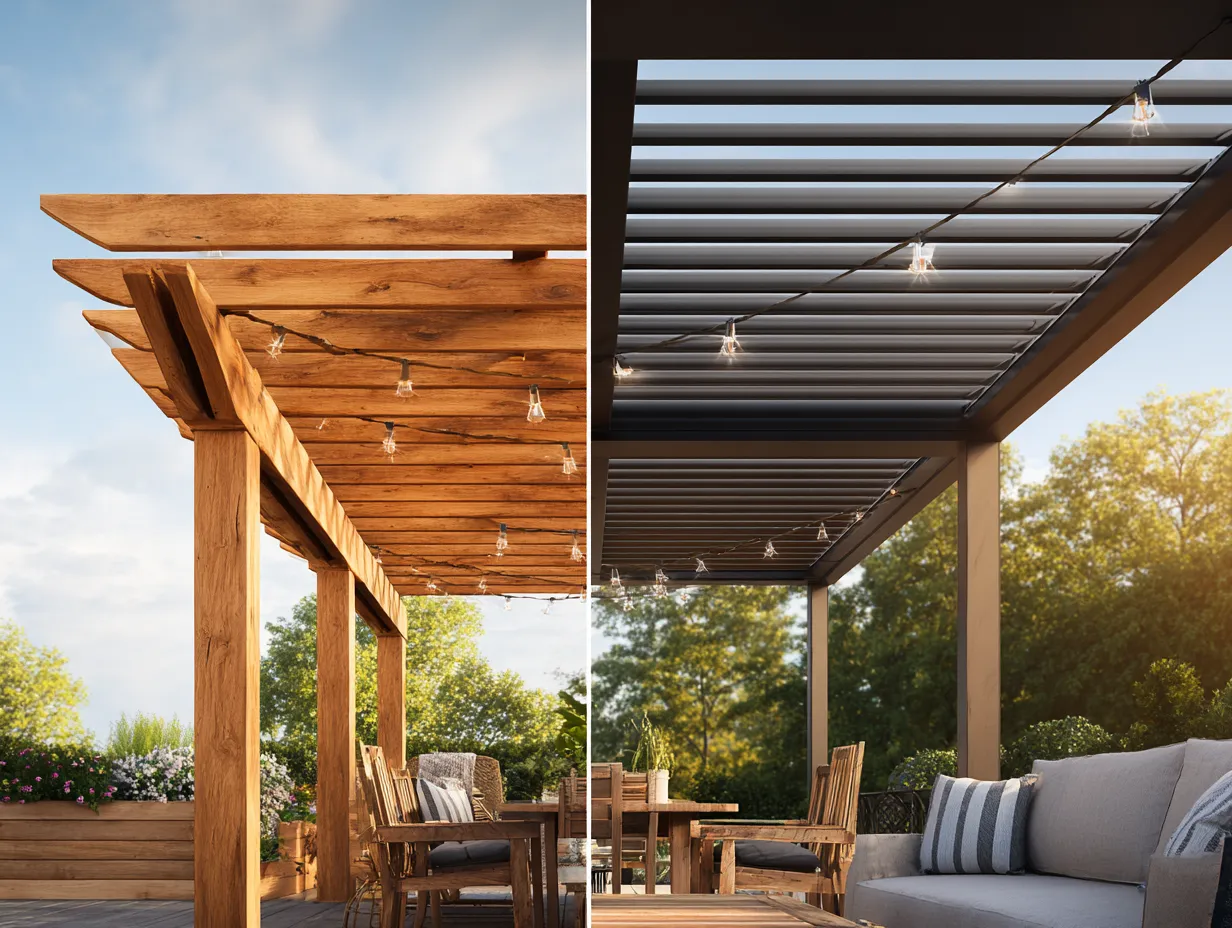
Where patio covers win
A solid patio cover delivers complete shade and shelter from rain—something no pergola does. If you live in hot or wet climates, a pergola offers limited usability. A solid cover with a damp-rated ceiling fan enables year-round use.
Protection from elements is non-negotiable for some homeowners. Motorized louvered patio covers (TEMO, Sunesta models) cost $5,500–$14,000 installed and justify that price in rain-use climates where you actually sit outside during bad weather. A pergola offers zero wet-weather functionality.
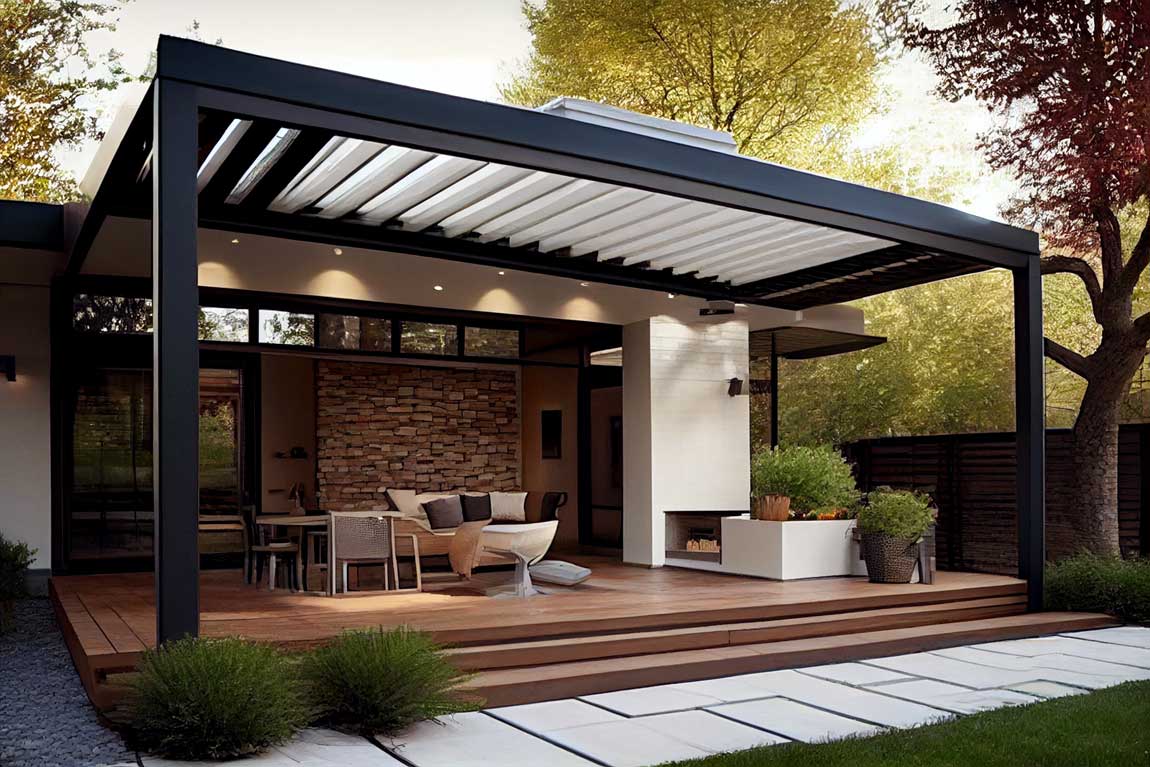
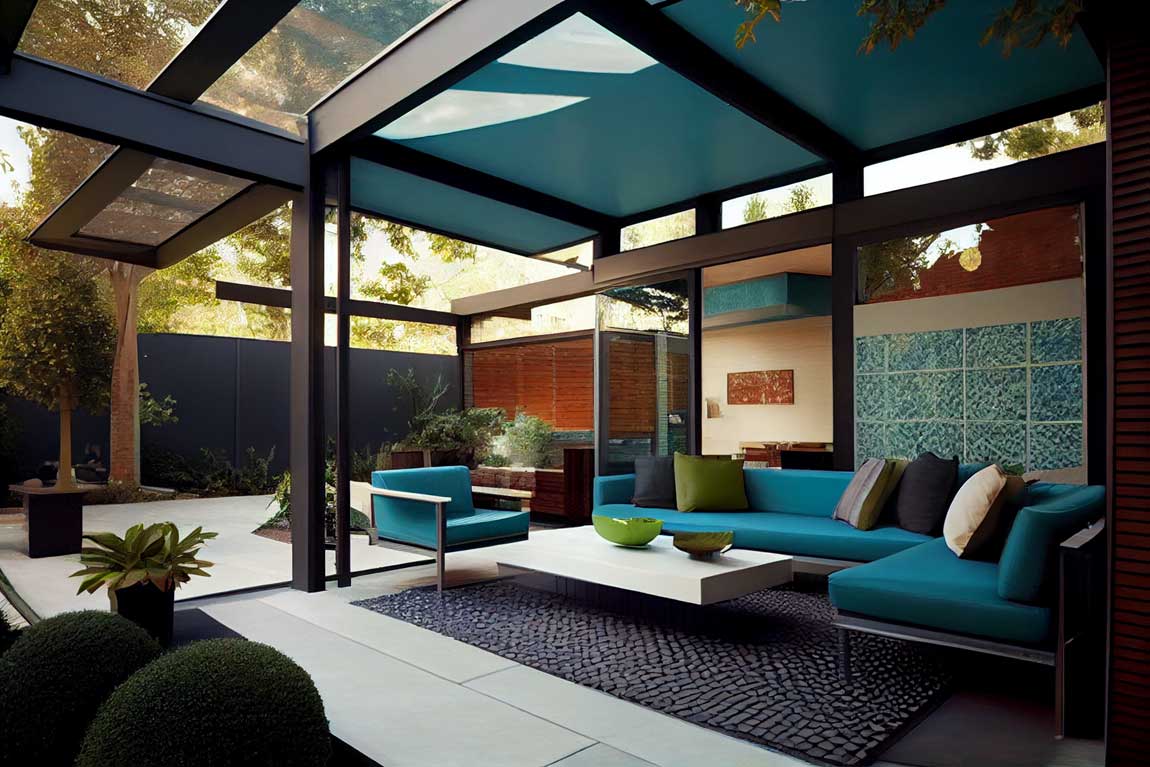
Outdoor-room patio covers transform a yard into a year-round extension of your home, with walls, windows, and optional fireplaces or kitchens. That luxury isn’t available in a pergola, which remains an open structure by design.
The one mistake most homeowners make
Anchoring either structure into dirt and adding pavers around it later creates drainage problems that rot even treated lumber within four years. This is the single costliest mistake in backyard shade projects—not because the structure fails immediately, but because moisture gets trapped under the posts and you don’t notice until rot is advanced.
The fix is simple: build your patio surface first (concrete, pavers, or composite), then anchor the pergola or cover into that solid base. For pergolas in particular, don’t attach it directly to your home’s fascia board without an engineer sign-off. Fascia is not load-bearing, and pulling it away from the roofline mid-winter is expensive.
Surface-mount post brackets work fine in low-wind zones, but in areas with gusts above 40 mph, in-ground concrete footings ($200–$400 per post) eliminate dangerous flexing. Skipping that step to save money almost always costs more in repairs or replacement.
Which one suits your yard best
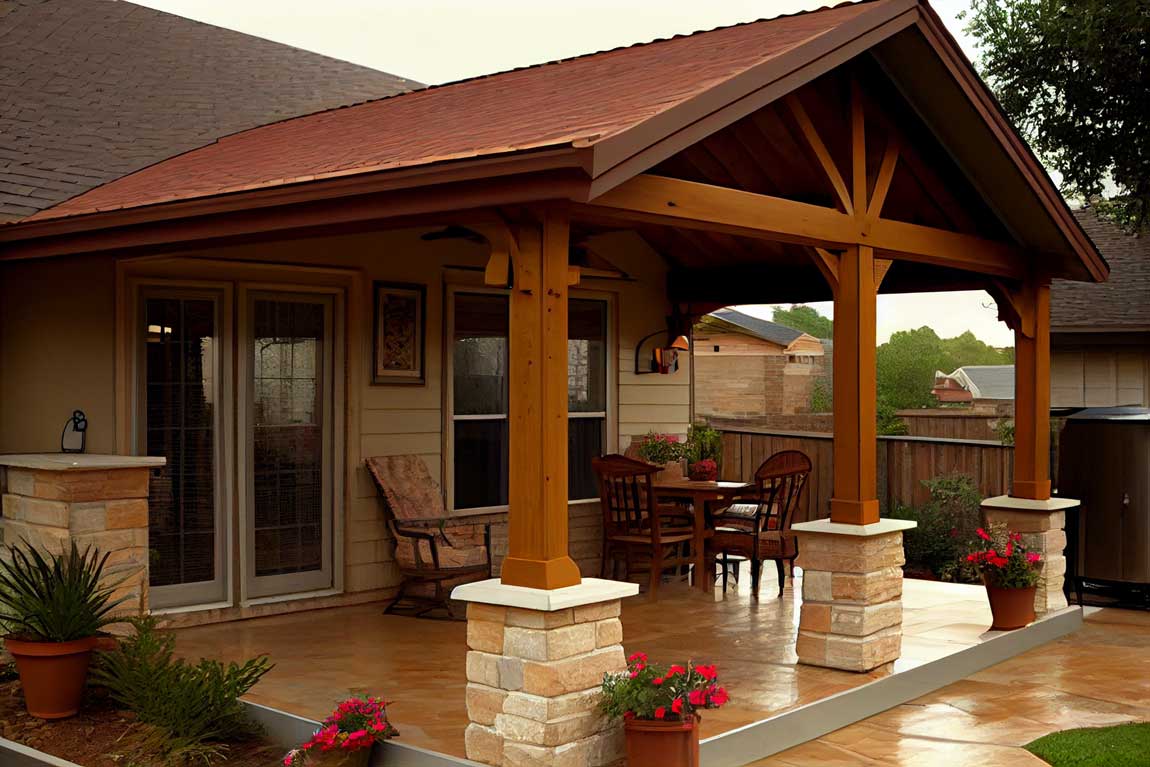
If you’re in a warm, dry climate, value design flexibility, and have a tight budget, a pergola is the right call. Cedar or aluminum pergolas deliver visual impact and outdoor-room feel for under $3,000.
If you live in a hot or wet region, use your yard year-round, and want zero maintenance headaches, a solid patio cover is worth the premium. The full shade, rain protection, and add-on options (fans, lights, heating) make it the premium choice for serious entertainers or families who can’t afford downtime in their outdoor space.
For a small backyard where space is tight, a pergola’s openness and lower visual weight make it the better fit. In larger yards with room for a dining area under full cover, a patio cover becomes justifiable—especially if you’re already installing that patio surface.
Final Verdict
Both structures solve the shade problem, but through different philosophies. Pergolas are the budget-friendly, low-maintenance choice if your climate cooperates and you prioritize aesthetics. Patio covers are the all-weather investment for homeowners who treat their yard as a true outdoor room and demand usability in any season.
Make the call based on three factors: your climate’s rain and heat, your budget, and whether you’re willing to seal wood annually. Do that, and you’ll choose a structure that actually improves your outdoor living.