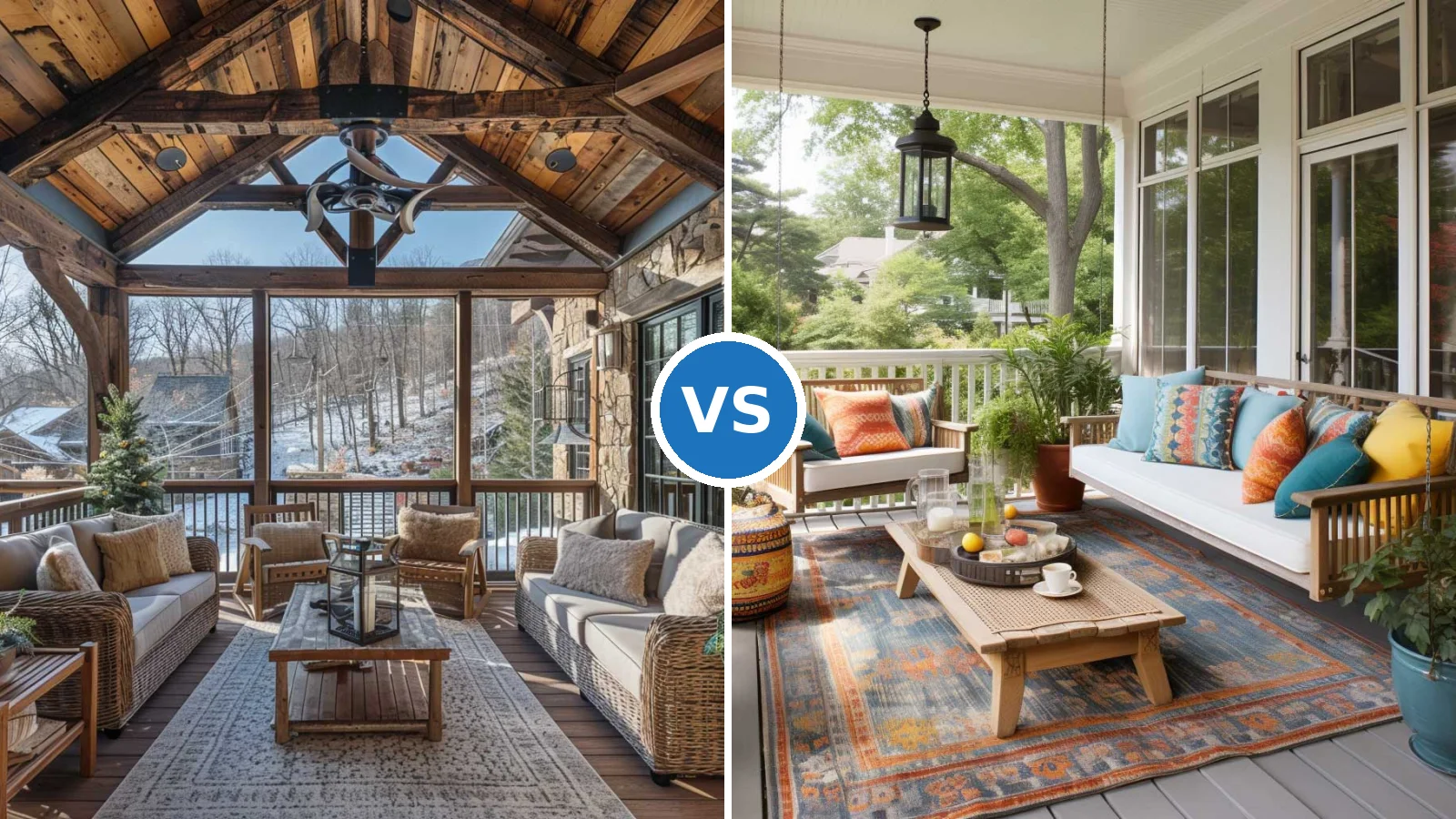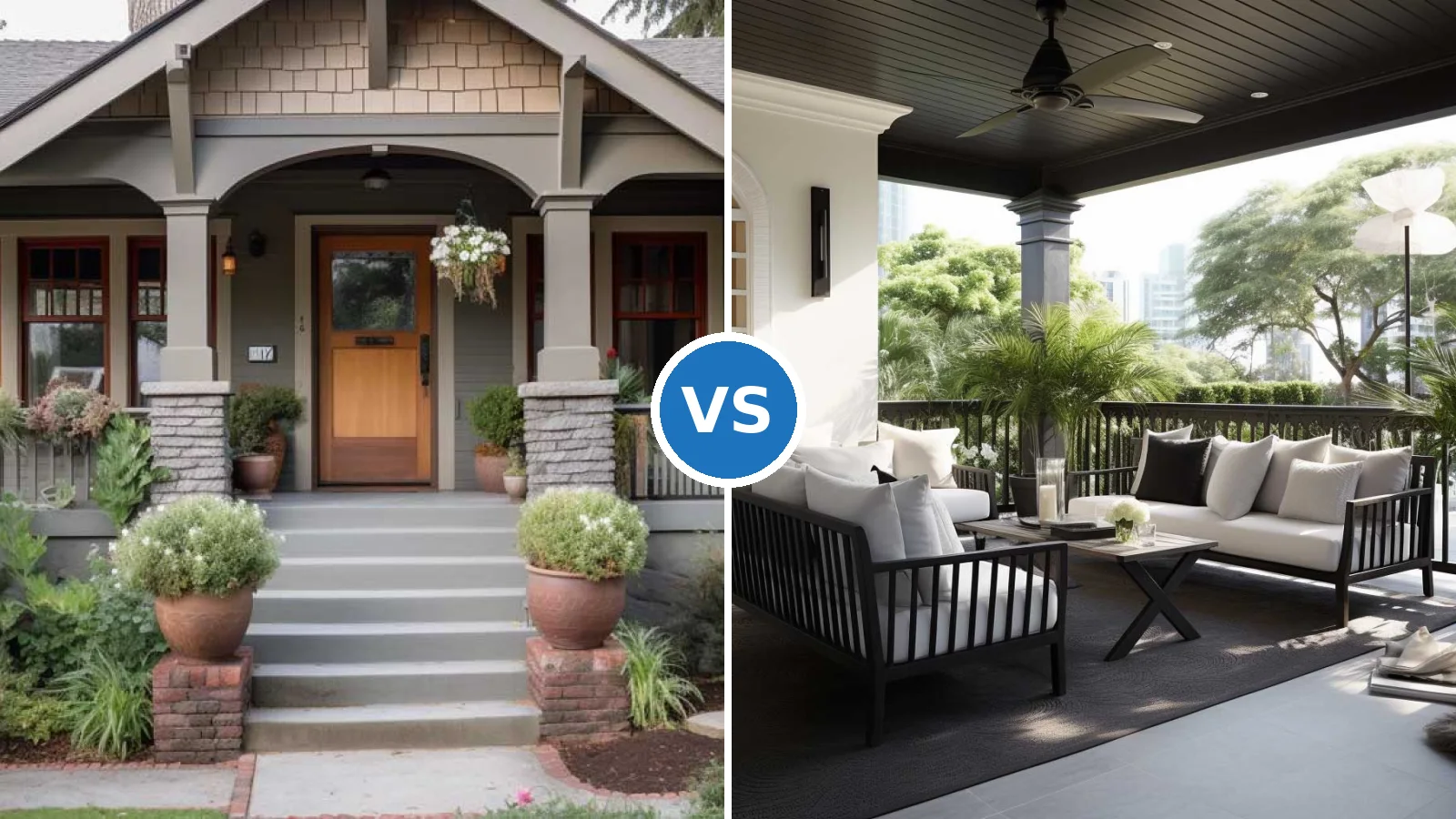
You’re standing in your living room deciding where to invest your patio redesign budget. The front porch greeting guests first, or the back porch where you actually relax? These two outdoor zones serve fundamentally different purposes, and the choice between a front porch vs back porch depends entirely on what your home and lifestyle need most.
A front porch is your home’s handshake—the first impression visitors get, the framing of your entrance. A back porch is your private sanctuary, where relaxation and entertaining happen away from street view. Front porches work best if you value curb appeal and welcoming arrivals; back porches suit those who prioritize personal retreat and family gathering space.

Understanding front and back porches
Front porches are entry-focused outdoor rooms. Contemporary small front porch ideas often deal with compact footprints, requiring smart furniture choices like foldable chairs, nesting tables, and slim benches with built-in storage. Vertical planters and hanging baskets maximize plant displays without eating floor space.
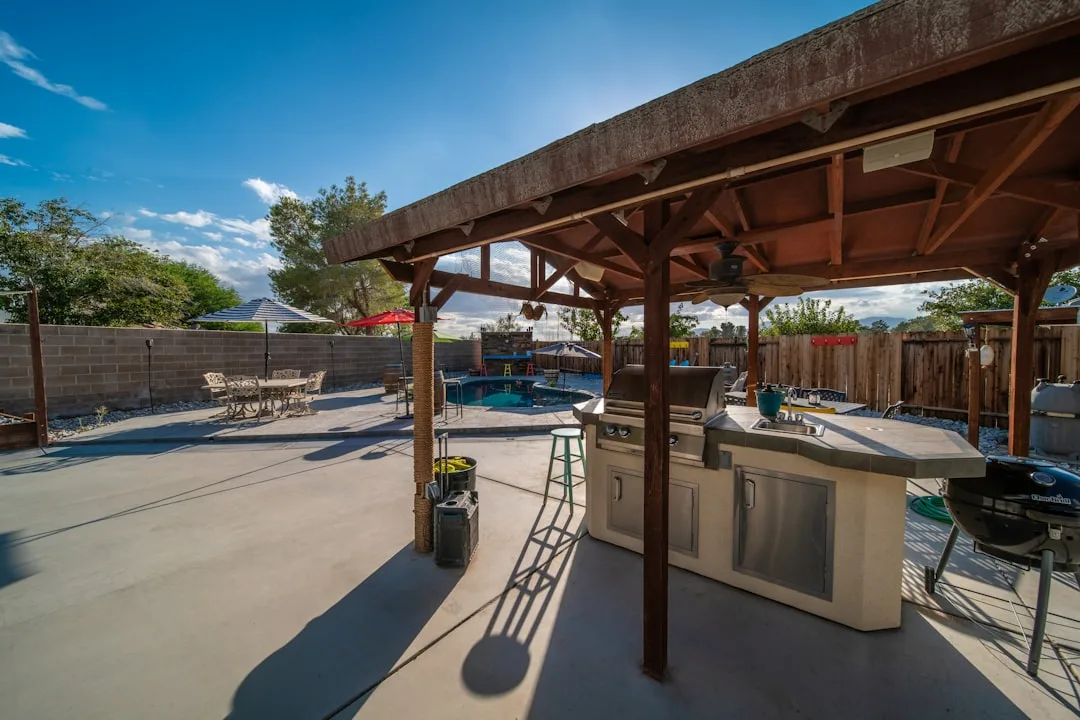
Back porches offer more breathing room. Next-level back porch designs emphasize comfort and longevity, whether styled as serene urban oases or rustic countryside retreats. They accommodate larger furniture, water features, hammocks, and sprawling garden arrangements because the space typically allows it.
The core difference: front porches announce your home’s aesthetic to the world. Back porches express your personal lifestyle behind the scenes.
Quick Verdict
- Choose front porch if you rent or stay short-term, have a tiny footprint, or care most about curb appeal and street-side presence.
- Choose back porch if you entertain regularly, want a private retreat, have space to work with, or plan to stay long-term.
- Choose both if you can afford to upgrade both entry presence and relaxation zones separately over time.

Head-to-head comparison front porch vs back porch
On space efficiency, front porches win for tight footprints. If you have 100 square feet or less to work with, space-saving furniture becomes non-negotiable, making modern front porch design the practical choice. Back porches rarely face this constraint and can sprawl more generously.
On entertaining capacity, back porches dominate. Large wooden tables, multiple seating areas, and room to move around suit hosting. Front porches work for casual greetings or morning coffee alone, not dinner parties.
On maintenance visibility, front porches get more weather exposure—sun, rain, street salt, and debris affect them constantly. Durability matters more here. Back porches, especially those screened or covered, face less harsh treatment and can experiment more freely with materials.
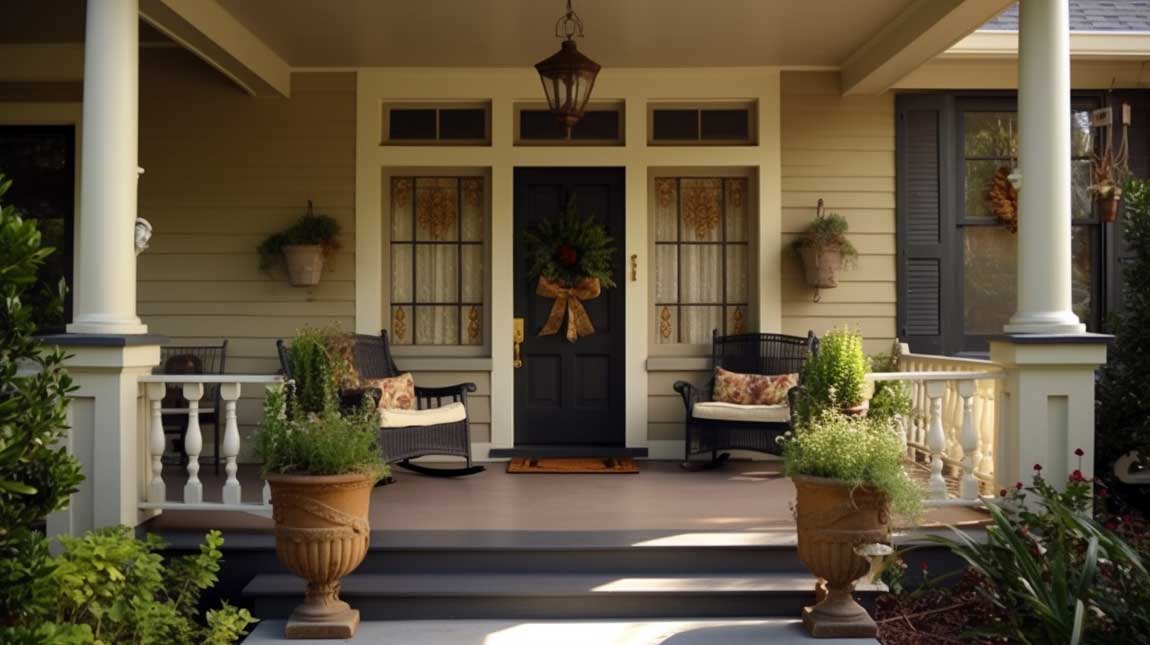
On design freedom, back porches allow bolder color palettes and eclectic styles. Front porches benefit from cohesion with your home’s exterior, limiting wild departures. Neutral tones, white, beige, and gray work universally on front entries; back patios can embrace vibrant flowering plants and personalized art.
Lighting, furniture, and plant displays compared
| Criteria | Front Porch | Back Porch |
|---|---|---|
| Lighting Style | Modern pendant, LED strips, solar lanterns for entry ambiance | Soft diffused lamps, subtle uplights, warm evening glow for relaxation |
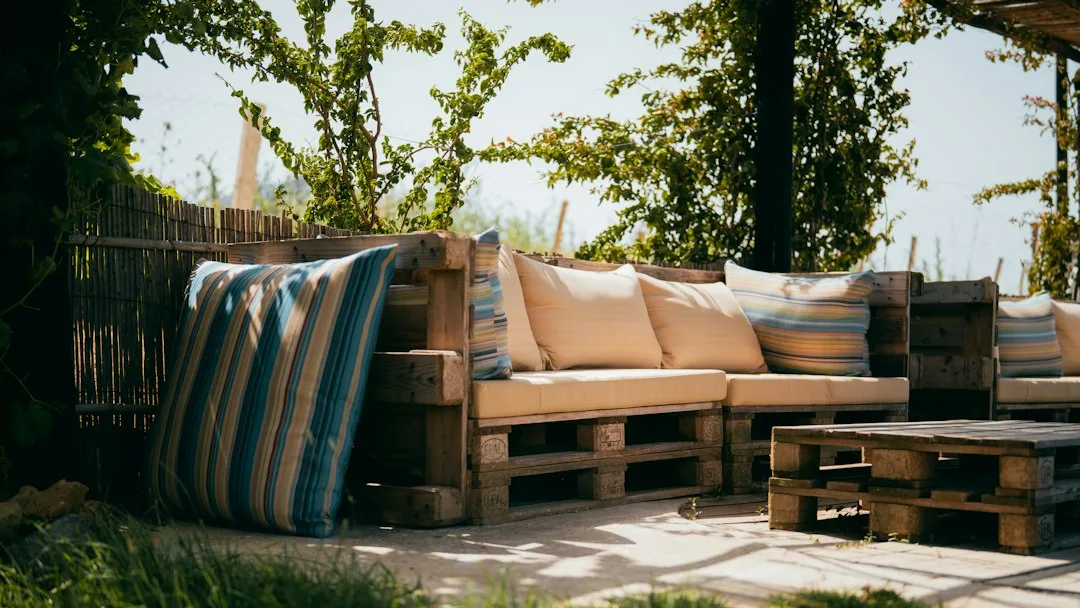
| Furniture Scale | Compact, multi-functional, foldable, wall-mounted options | Larger pieces, sturdy wooden tables, hammocks, swing chairs |
| Plant Displays | Vertical planters, hanging baskets, mixed heights in tight clusters | Strategic tall plants like bamboo, flowering displays, water features |
| Material Durability | Must withstand sun, rain, salt; teak, wrought iron, durable fabrics | Sheltered exposure allows softer materials; reclaimed wood and rustic finishes age gracefully |
| Design Flexibility | Must tie to home exterior, neutral color schemes safer | Full creative freedom, personalized themes encouraged |
| Guest Experience | Moment of arrival, visual first impression | Hours of comfort, relaxation, and social gathering |

Where front porches win
Front porches excel at making an immediate visual statement. A contemporary home needs that polished entry, and you only get one chance at first impression. If curb appeal affects property value in your market or if you take pride in a manicured arrival zone, the front porch deserves investment.
Front porches also solve the small-space problem brilliantly. Modern lighting like geometric pendant lights or LED strips transforms a 50-square-foot entry into an inviting threshold without requiring physical expansion. Nesting tables and wall-mounted shelving prove that constraints breed creativity.
Front porches are lower-commitment upgrades. You can style a front entrance with seasonal plants and rotating decor without the long-term commitment a back patio requires. Renters and those planning to move soon benefit from this flexibility.


Where back porches win
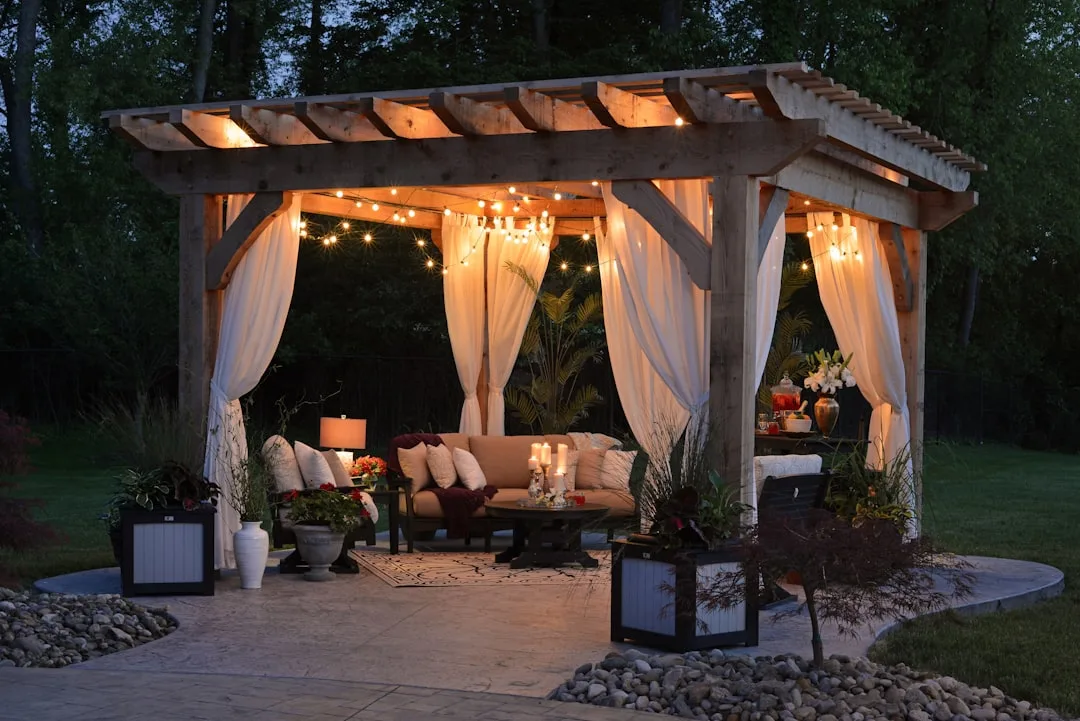
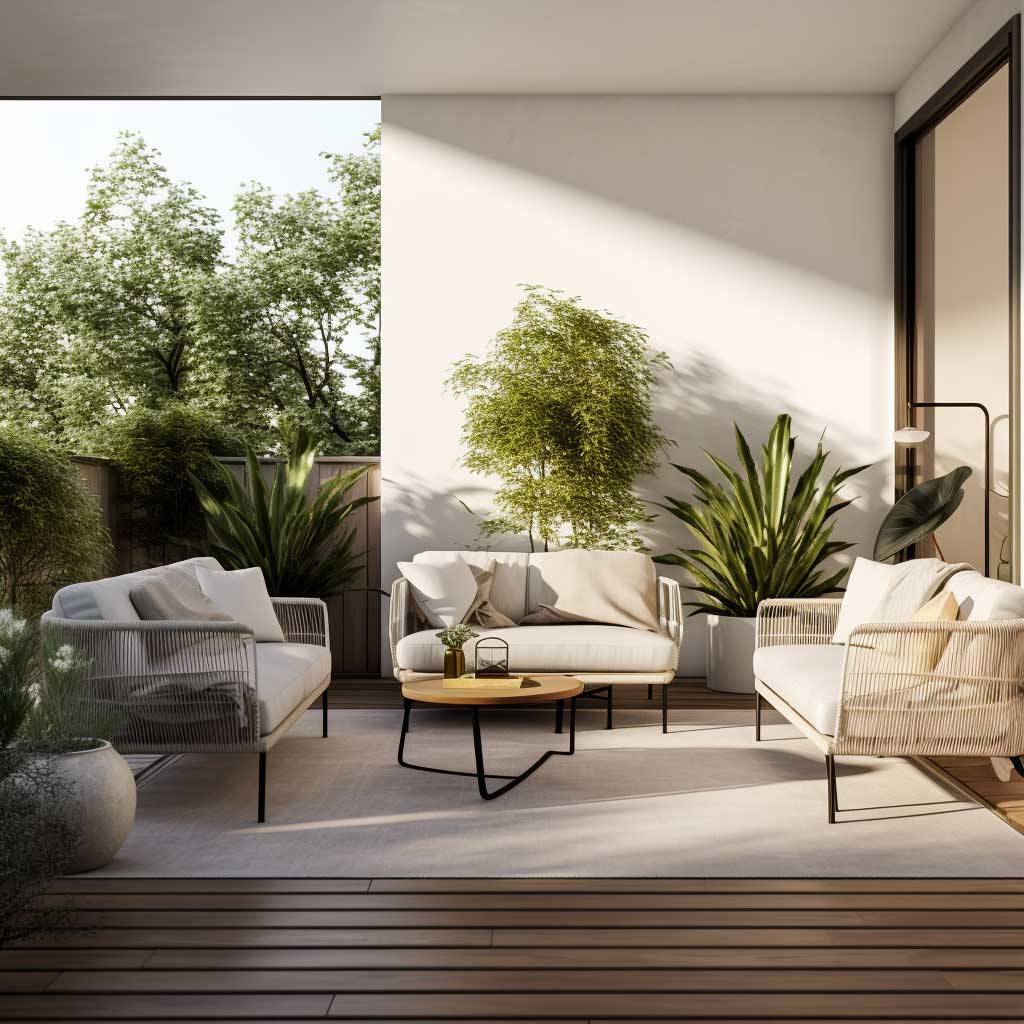
Back porches win the relaxation contest entirely. A serene oasis effect—with soft cushions, natural materials, water features, and layered greenery—cannot happen in a public-facing entry. Back patios create the sanctuary that recharges you after stress.
Back porches also accommodate entertaining at scale. Large wooden tables surrounded by comfortable seating, space for multiple guest zones, and areas for both dining and lounging simply cannot fit most front entries. If hosting defines your lifestyle, the back porch is non-negotiable.
Durability favors back porches too. Less weather exposure, fewer street elements, and the option of covers or screens mean materials last longer and require less aggressive maintenance. Reclaimed wood and rustic finishes age beautifully when sheltered; they deteriorate quickly at a front entry.

The biggest mistake people make choosing between them
People assume they must choose only one. A couple bought a 1970s ranch with a cramped front porch and assumed they couldn’t touch it—yet ignored a sprawling back patio that went neglected for five years. They eventually spent money on the front entry anyway, but lost years of back-patio enjoyment because they felt forced to pick.
The better strategy: evaluate both zones honestly. Is your front porch purely aesthetic? Budget modestly—nice lighting, a few plants in quality planters, cohesive finishes.
Is your back patio empty? That’s where your relaxation money goes. Spread investment across time if needed, but don’t sacrifice living quality by over-indexing on curb appeal alone.
Another common error is applying back-porch design rules to the front. Loud colors, oversized furniture, and personal art thrive in back spaces but cheapen a front entry. Match front porches to your home’s exterior palette; reserve bold self-expression for the back.

Final verdict front porch vs back porch
Choose your front porch if you have visitors often, value property presentation, own a small home where appearance matters, or live in a neighborhood where exterior design is noticed and appreciated. Spend on modern lighting, quality materials, and cohesive plantings.
Choose your back porch if you entertain at home, work remotely and need an outdoor office retreat, have family gatherings, or simply want a place to decompress. Invest in comfort, durable furniture, and layered greenery.
Ideally, both spaces reflect their purpose: the front porch a polished introduction, the back porch a personal paradise. If your budget allows only one upgrade now, ask yourself which would improve your actual daily life more—looking good for others or feeling good for yourself. That answer tells you everything.

FAQ
Is a front porch worth the investment if I don't get many visitors?
Can I use the same furniture on both my front and back porch?
Which porch needs more maintenance?
How do I make a tiny front porch feel bigger?
What's the best style for a back porch if I have limited shade?
Should my front and back porch designs match each other?
Complete guide
Furniture Decor Ideas for Every Room in Your Home
Living room, bedroom, dining, kitchen, outdoor — all in one place
Complete guide
Exterior Decor Ideas Every Homeowner Should Know
Facade trim, moldings, patio design, garden, hardscape, outdoor living — all in one place
Complete guide
Patio and Yard Ideas That Turn Any Backyard Into a Living Room Outside
Flooring, furniture, shade, pools, kitchens, fire pits, courtyards — all in one place