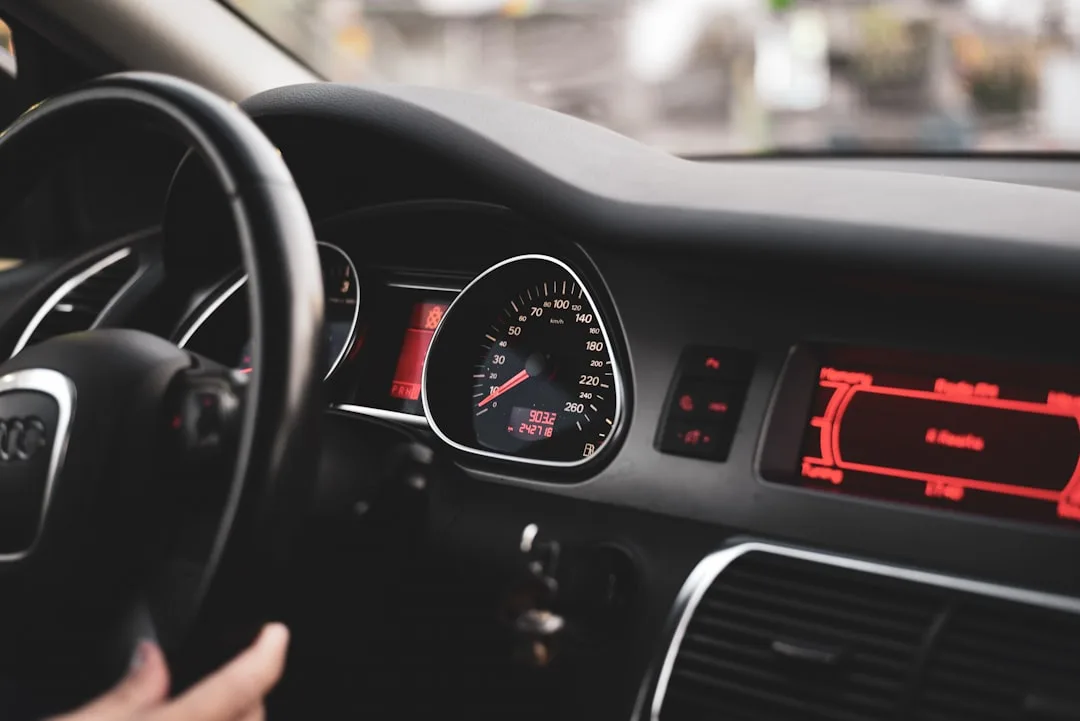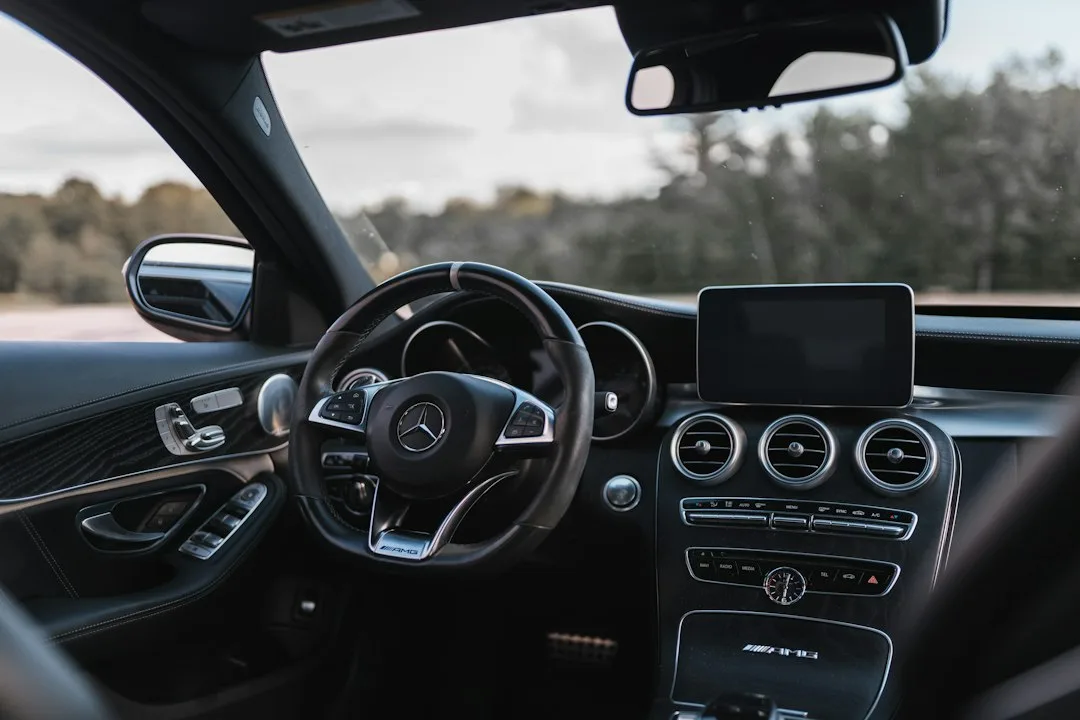
Highway fatigue causes approximately 100,000 crashes annually in North America, and vehicle lane-keeping assist systems are now the industry’s frontline defense against this silent killer. What started as a luxury Mercedes-Benz and BMW feature in 2015 has become standard equipment on 73% of new vehicles by September 2026, reshaping driver expectations and insurance risk calculations across the entire automotive market.
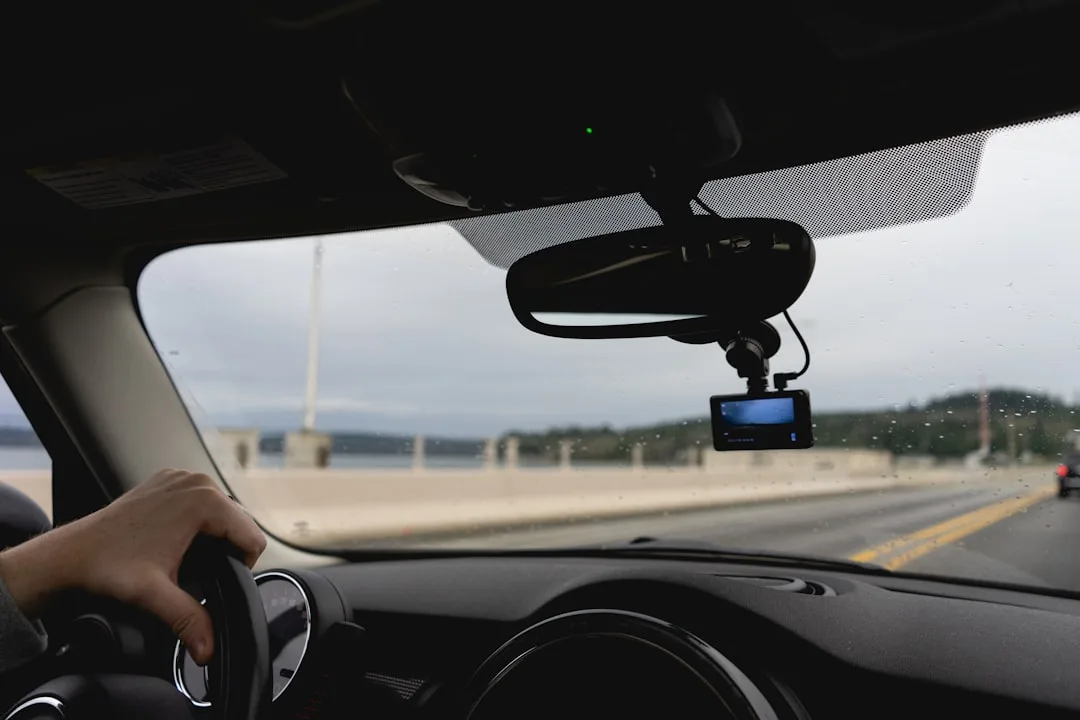
Lane-keeping assist works through a camera mounted behind the windshield that reads lane markings in real time. When the system detects unintended drift, it applies gentle steering corrections or alerts the driver through haptic feedback—vibration in the steering wheel, seat, or door handle.
This technology directly addresses the moment drivers lose focus, whether from fatigue, distraction, or a momentary lapse in attention.
Why Automakers Prioritized Lane-Keeping Assist in 2026
Toyota, Honda, Hyundai, and Kia all made lane-keeping assist standard across their lineup by mid-2026, not out of altruism but because collision data proved its worth. Insurance companies and government crash-testing agencies published data showing that vehicles with active lane-keeping systems reduced unintended-lane-departure accidents by up to 35% compared to vehicles relying only on lane-departure warnings.
The shift toward standard inclusion happened for one decisive reason: liability reduction. Automakers now face class-action lawsuits if they omit known safety features, even low-cost ones.
Tesla’s Autopilot and Cadillac’s Super Cruise proved consumer demand existed, but price was the barrier. Early lane-keeping systems cost $1,200 to $2,500 as add-ons; today, manufacturers integrate the camera, wiring, and software into base models for approximately $300–$600 total cost. That economics swing meant mass adoption became inevitable.
Quick Tips
- Test the system on empty roads first to understand how your car’s haptic feedback feels; every brand’s intensity differs
- Keep your windshield clean—dirt, condensation, or frost blocks camera function immediately
- Adjust sensitivity settings in your infotainment menu; aggressive corrections can feel jarring on winding roads
- Remember the system works only above 25 mph on most vehicles; it does not function in heavy rain or snow
How Lane-Keeping Assist Integrates With Modern Driver Behavior
Ford’s BlueCruise, Chevrolet’s Super Cruise, and Genesis’s Highway Driving Assist all launched hands-free variants by 2026, but the base lane-keeping function works independently. You keep your hands on the wheel and remain in active control, but the car prevents drift.
The psychological effect is measurable: drivers report reduced shoulder and neck tension on long highway stretches, particularly in stop-and-go traffic where lane position drifts unintentionally. This creates a feedback loop—drivers trust the system, relax slightly, and ironically remain more alert because they are not battling constant micro-corrections.
Consumer Adoption Across Vehicle Segments
Lane-keeping assist has transitioned from luxury-only feature to mainstream availability across compact cars, sedans, SUVs, and trucks. Most manufacturers now include it as standard or low-cost option on models priced above $25,000, fundamentally shifting buyer expectations. When Autonomous Vehicle Adoption Reshapes How Families Plan Daily Commutes, lane-keeping systems serve as the entry point—families recognize the safety benefits before considering fully autonomous features.
Insurance companies have begun acknowledging lane-keeping assist in premium calculations, though benefits remain modest compared to automatic emergency braking. Some insurers offer 5-10% discounts for vehicles equipped with ADAS suites that include lane-keeping, incentivizing adoption among cost-conscious buyers. Fleet operators managing commercial vehicles report measurable benefits through reduced accident rates on repetitive highway routes.
The used vehicle market has responded accordingly. Why the Certified Pre-Owned Vehicle Market Dominates 2026 Auto Purchases reflects growing demand for late-model vehicles with ADAS features at lower price points, making lane-keeping assist accessible to second and third-owner demographics.
Technical Limitations and Edge Cases
Lane-keeping assist performs most reliably on well-marked highways with clear white or yellow lines under normal lighting conditions. Heavy rain, snow, or fog that obscures lane markings can cause the system to disengage, returning full control to the driver. Construction zones with temporary lane markings sometimes confuse the camera systems, requiring drivers to remain attentive and ready to take corrective action.
Worn or faded road markings in rural areas present another challenge—systems designed for modern highway standards struggle on older, poorly maintained roads. Night driving activates infrared or low-light camera modes that function adequately on well-lit interstates but falter on unlit country roads where lane markings are barely visible to human eyes.
Curved roads test the system’s predictive algorithms. While modern lane-keeping systems handle gentle curves smoothly, sharp turns or roads with variable curvature may cause the vehicle to hug one side of the lane. Drivers in mountainous regions or coastal areas with winding roads report more frequent manual interventions, particularly on steep grades where the system becomes overly cautious.
Future Evolution and Integration Pathways
Lane-keeping assist represents a strategic stepping stone toward higher levels of autonomy. Manufacturers are progressively integrating lane-keeping data with adaptive cruise control, traffic-aware speed adjustment, and eventually conditional autonomous highway driving. Each generation refines sensor fusion and machine learning algorithms, expanding the operational design domain beyond simple lane maintenance.
Software updates delivered over-the-air continue improving lane-keeping performance without requiring hardware changes. Vehicle owners benefit from algorithmic improvements addressing previously identified edge cases—improved handling of construction zones, better performance in low-contrast lighting, and refined responses to sudden lane geometry changes. This continuous improvement model contrasts sharply with older ADAS systems locked into their original capability level.