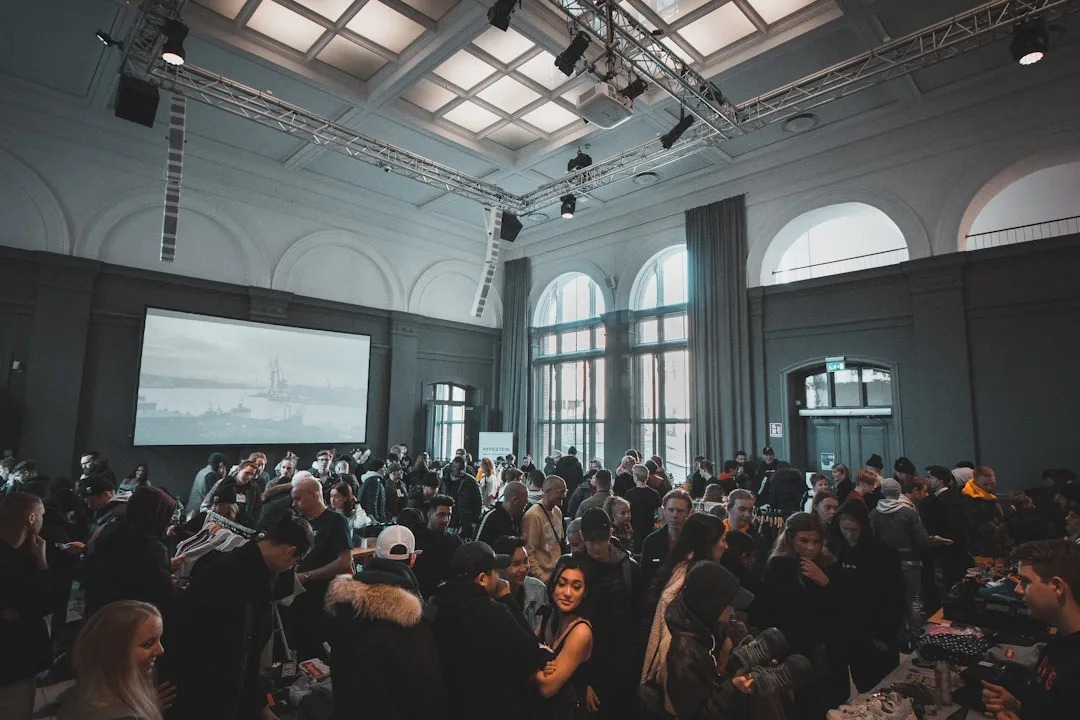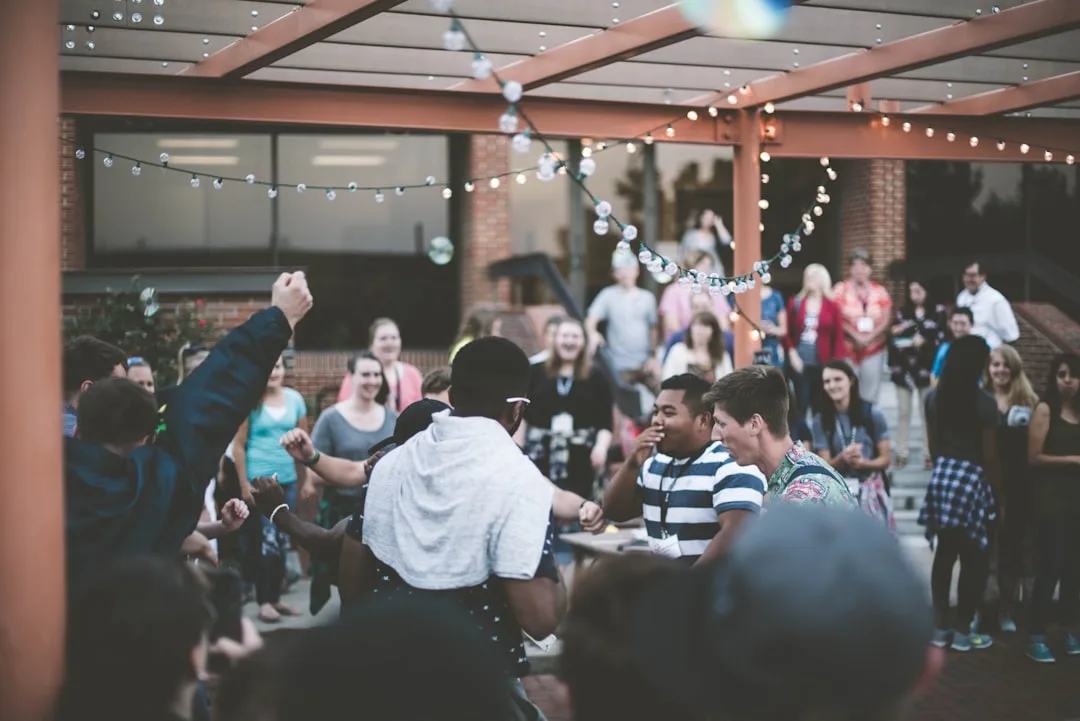
Hosts who once obsessed over invitation wording and table seating are now laser-focused on a single variable: the exact hour guests arrive. Social event timing has become the invisible architecture that determines whether your celebration thrives or flatlines. The trend isn’t about novelty—it’s about controlling the human experience when bodies, energy, and conversation converge in one space.
Staggered arrivals replace the six o'clock sharp convention
Eventbrite’s 2026 host survey revealed that 67% of successful intimate celebrations now use rolling arrival windows instead of fixed start times. Rather than asking everyone to show up at 7 p.m., hosts create a 90-minute window: 6:30–8:00 p.m. This single shift eliminates the awkward fifteen minutes of standing around waiting for stragglers while simultaneously preventing the chaotic bottleneck at the entrance.
Momentum Social, a New York–based event coordination service, documented that staggered timing increased average guest dwell time by 34 minutes. Guests linger longer when they don’t feel trapped in a synchronized arrival moment. The psychological effect is measurable: flexible timing makes attendees feel trusted rather than choreographed.
Technology Integration for Seamless Guest Experiences
Modern event platforms now combine registration, ticketing, and real-time updates into single mobile applications. Guests receive push notifications about timing adjustments, venue details, and networking opportunities without requiring email chains or phone calls. This digital layer transforms logistics from a source of stress into a backdrop feature that operates invisibly.
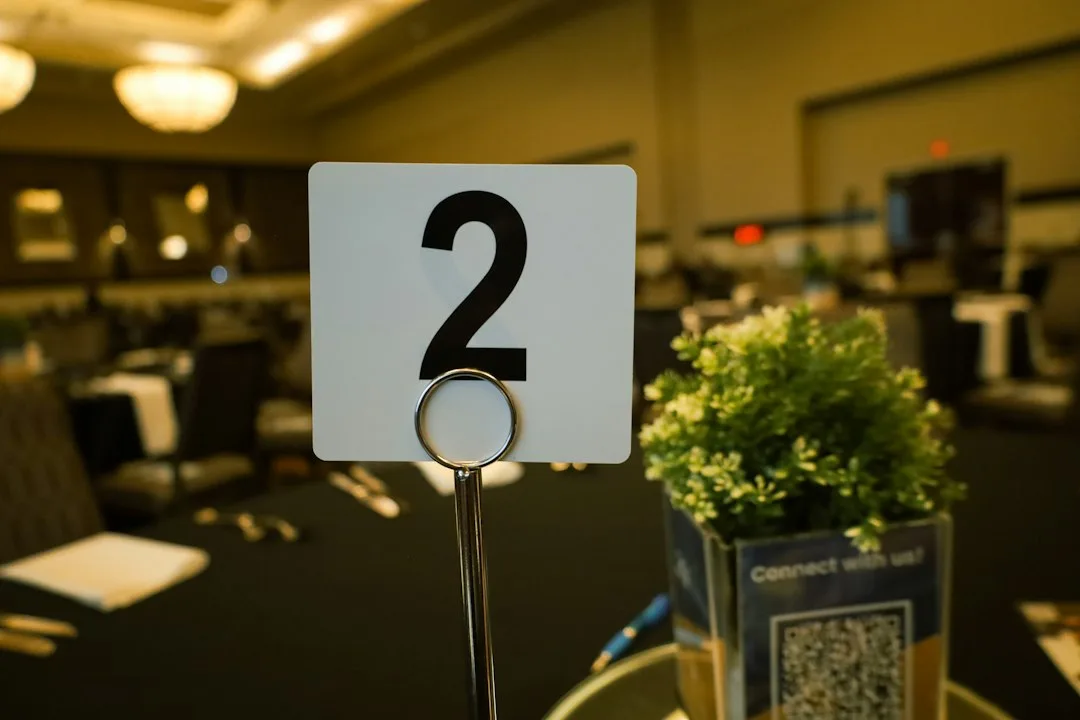
QR code check-ins, digital name badges, and interactive maps reduce friction at physical locations. When guests can scan a code to confirm arrival, receive a digital agenda, and locate refreshment stations without asking staff members for directions, the overall atmosphere shifts from transactional to immersive. The technology serves the experience rather than demanding attention from it.
Event organizers working across destination wedding events in 2026 increasingly rely on cloud-based coordination tools that sync across multiple time zones and venue locations. This infrastructure becomes essential when coordinating celebrations that span continents or require complex logistics.
Personalization Through Data-Driven Insights
Guest preference data collected during registration now informs everything from dietary accommodations to seating arrangements and content recommendations. Rather than making one-size-fits-all decisions, hosts can tailor experiences to individual interests while maintaining the coherence of the overall event.
Dynamic elements like interactive stations, breakout sessions, and networking prompts adjust based on attendee profiles. Someone registering interests in sustainable practices might receive invitations to specific discussions or vendor booths. This targeted approach increases engagement without requiring guests to hunt for relevant content within a crowded schedule.
Hybrid and Flexible Attendance Models
Events no longer assume everyone attends physically. Hybrid structures allow participants to choose their engagement level: in-person attendance, real-time virtual participation, or asynchronous access to recorded content. This flexibility acknowledges that work schedules, travel costs, and personal circumstances vary widely.
Organizations implementing corporate team building events in 2026 with hybrid experiences report improved participation rates because barriers to attendance decrease. Remote employees, traveling staff members, and individuals with accessibility needs can all engage meaningfully within a structure designed to accommodate them.
Post-Event Community Building and Follow-Up
The event experience now extends beyond the gathering itself. Organizers create private online communities where attendees continue conversations, share photos, and develop professional or personal connections established during the gathering. This post-event infrastructure transforms isolated moments into sustained community.
Follow-up communications focus on action and continued value rather than generic thank-you notes. Attendees receive curated resources related to topics discussed, introductions to other guests with shared interests, and early access to future events. This approach recognizes that meaningful events generate momentum that extends weeks or months beyond the original date.
Technology integration for seamless attendee experiences
Modern events leverage dedicated event apps that streamline everything from registration to real-time networking. Platforms like Eventbrite and Splash now include built-in matchmaking features that help attendees discover others with complementary interests or professional backgrounds. These apps reduce friction during check-in, allowing organizers to process hundreds of guests efficiently while gathering valuable data on attendance patterns.
Interactive elements powered by technology have become standard expectations. Live polling tools, QR code-based networking cards, and augmented reality features transform passive attendance into active participation. When speakers use platforms like Slido to gather real-time audience feedback, it creates immediate dialogue rather than one-directional presentations.
Virtual attendance options have permanently reshaped event planning following widespread adoption during pandemic restrictions. Hybrid events now cater to both in-person and remote participants, requiring investment in quality video streaming, synchronized scheduling, and engagement tactics that work across both audiences. This accessibility has expanded potential attendee pools while introducing new challenges around maintaining energy across distributed groups.
Sustainability and conscious event design
Environmental responsibility now influences fundamental event planning decisions rather than appearing as an afterthought. Forward-thinking organizers work with venues like those certified by the Global Sustainable Tourism Council to minimize waste, reduce energy consumption, and source catering from local suppliers. Digital badges and programs replace printed materials, eliminating tons of paper waste while maintaining functionality.
Venue selection itself reflects sustainability values, with organizers favoring locations accessible by public transportation and choosing spaces designed for energy efficiency. Some events partner with carbon offset programs to neutralize the environmental impact of attendee travel, acknowledging that transportation often represents the largest carbon footprint of any gathering.
Catering practices have evolved significantly, with events now featuring plant-forward menus and eliminating single-use plastics entirely. Venues provide water stations with reusable cup options, and contracts specify composting programs for food waste. These practical choices reduce environmental harm while signaling to attendees that the organizers share their values around ecological responsibility.