Melting vinyl straps, faded outdoor cushions, and mildew creeping across storage piles—this is what happens when outdoor cushion storage remains an afterthought. Across summer 2026, homeowners are treating cushion preservation as core patio infrastructure, not seasonal cleanup. The shift reflects a simple reality: quality outdoor seating costs real money, and moisture damage erodes that investment faster than UV rays fade fabric.
Outdoor cushion storage now encompasses dedicated deck boxes, weatherproof benches with interior compartments, and even modular stacking systems designed to maximize vertical space on compact patios. The trend isn’t just about protection—it’s about reclaiming visual real estate while extending fabric lifespan by 3–5 years.
Sealed deck boxes prevent moisture and mold buildup
Teak Warehouse released their reinforced teak storage chests in early 2026, featuring mortise-and-tenon joinery with marine-grade sealant and lockable hinges designed to withstand coastal humidity and temperature swings. The boxes measure 47 inches wide by 24 inches deep, holding approximately 60–80 standard patio cushions depending on thickness and compression.
Unlike plastic bins that crack and degrade under UV exposure, sealed wood construction breathes naturally while resisting rot. The consequence: replacing cushions every season becomes unnecessary, saving families $300–600 annually in replacement fabric costs.
Premium deck boxes now include interior moisture barriers and perforated bottoms for airflow—a critical detail many overlook. Poor drainage traps condensation and breeds mildew across expensive cushion stacks.
Quick Tips
- Choose storage with slotted or mesh bottoms to allow water drainage and air circulation beneath cushions
- Store cushions vertically or in breathable cotton bags, never sealed plastic for extended periods
- Clean cushions thoroughly before storage; trapped dirt accelerates mildew formation
- Position storage boxes on gravel or pavers, never directly on soil—moisture wicks upward from ground contact
Weatherproof outdoor storage benches blend function with seating
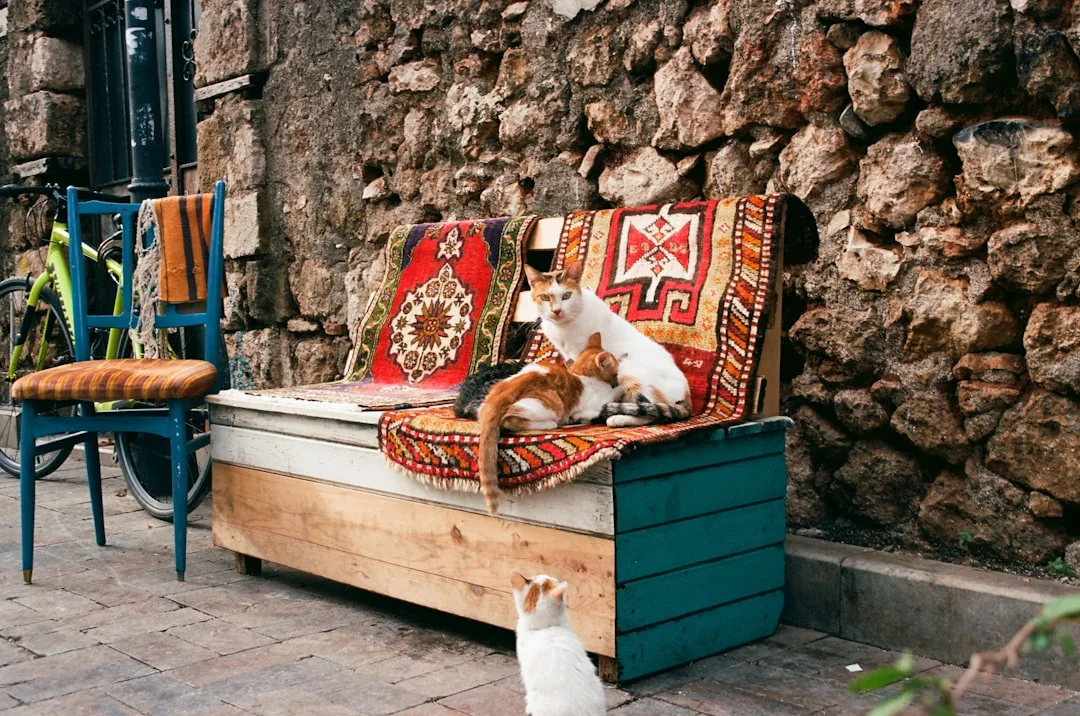
The most space-efficient trend in 2026 is dual-purpose storage benches that serve as both seating and cushion repositories. Restoration Hardware’s Weathered Teak Storage Benches feature lift-top access to deep interior compartments, with the bench itself holding two people while storing 30–40 cushions underneath.
| Storage Type | Capacity | Best For |
|---|---|---|
| Sealed deck box | 60–80 cushions | Large patios, bulk storage |
| Storage bench | 30–40 cushions | Seating + storage combo |
| Woven rattan chest | 25–35 cushions | Contemporary aesthetics |
| Under-bench drawers | 15–20 cushions | Compact spaces, nesting storage |
These benches typically measure 48–60 inches in length and incorporate teak, composite resin, or powder-coated aluminum frames. The interior gaskets create slight weather resistance without trapping condensation.
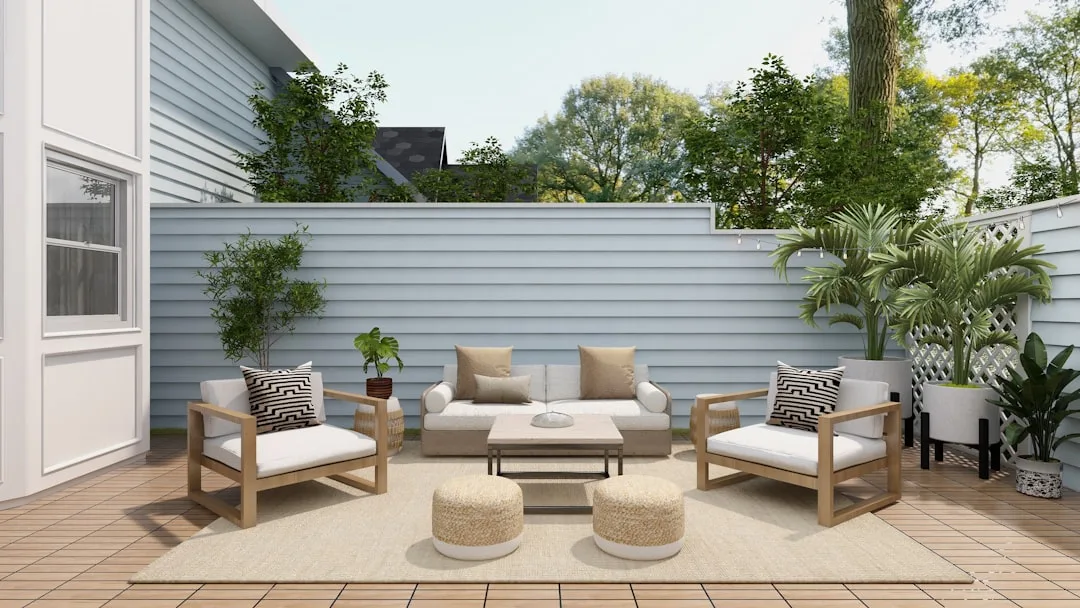
Real advantage: visitors see seating, not storage clutter. A beautiful single story house with patio yard often suffers visually from scattered cushion piles—storage benches eliminate that aesthetic problem instantly.
Climate-controlled sheds protect premium cushion investments
High-end outdoor living now includes modest climate-controlled structures positioned adjacent to patios. These aren’t full garden sheds—they’re compact 6-by-8-foot enclosures with smart ventilation, passive moisture absorption, and optional shelving designed specifically for seasonal fabric storage.
Brands like Suncast and Keter manufacture resin sheds with built-in venting systems and powder-coated aluminum frames that resist salt spray and coastal weather. Homeowners living in humid climates report 40% less mildew and color fading when storing cushions in ventilated sheds versus exposed deck boxes.
The tradeoff: these structures require modest installation space and represent a $600–1200 investment. But for households with premium teak or high-performance outdoor furniture, that protection pays dividends.
The biggest cushion storage mistake: sealed plastic containers trap moisture
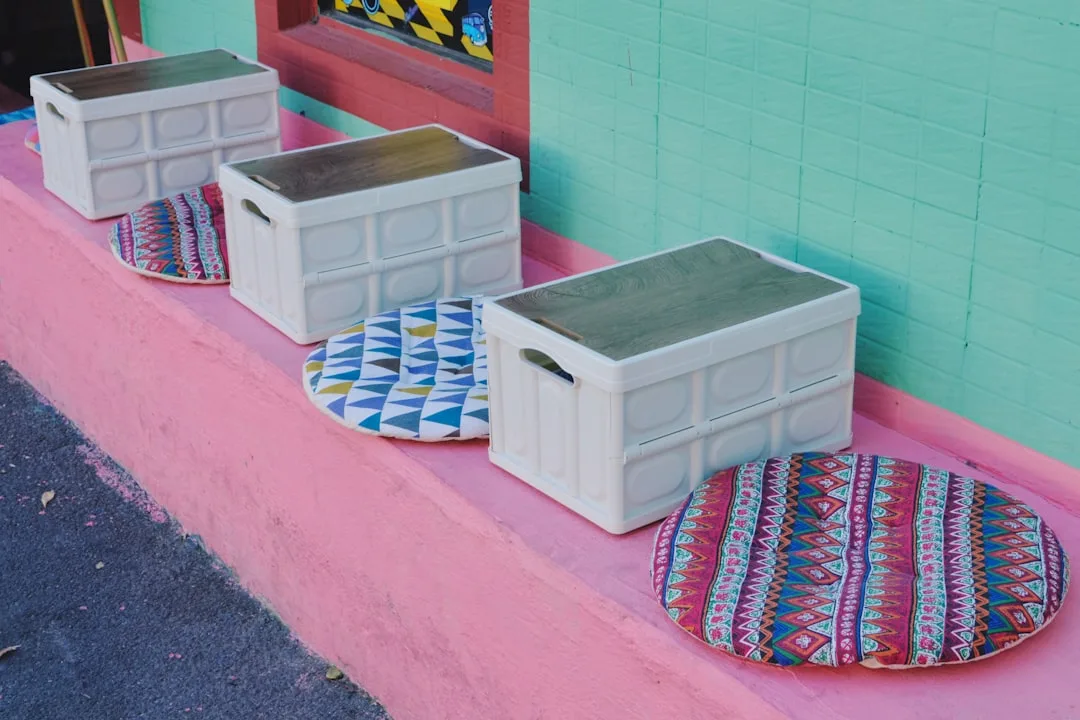
Here’s what fails repeatedly: homeowners buy airtight plastic storage bins thinking they’re protecting cushions from weather. In reality, sealed containers create condensation chambers where moisture collects on fabric, breeding mildew within weeks.
A concrete example: a homeowner in Austin stored 8 cushions in a sealed plastic tote for three months under the patio. When opened, white mildew covered 60% of the fabric—the cushions were unusable. The cause wasn’t rain penetration; it was trapped humidity from morning dew and afternoon temperature swings.
Breathable storage always outperforms sealed containers. Cotton storage bags, mesh-bottom boxes, or ventilated resin structures allow air circulation that prevents fungal growth.
Vertical stacking systems maximize small patio storage
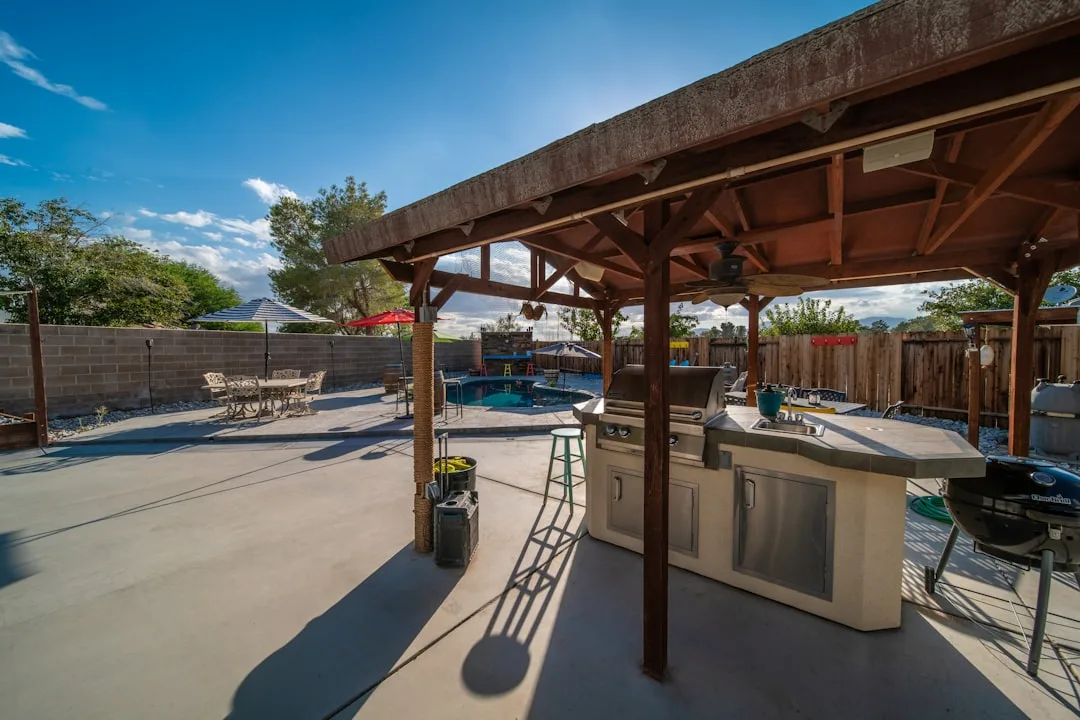
On compact patios, vertical storage racks and wall-mounted hooks designed for cushions now reshape how concrete house idea with patio style courtyard setups are organized. Modular cushion racks mount to fence lines or exterior walls, storing 20–30 cushions in a 4-by-6-foot wall space while keeping them off ground level.
These systems typically feature stainless steel or powder-coated frames with individual shelf slots holding one or two cushions per tier. Height adjustability accommodates different cushion thicknesses without compression that damages filling.
Small patio owners report reclaiming 40–60 square feet of usable space by moving storage vertical instead of horizontal. The psychological shift matters: cushions become integrated landscape elements, not eyesores hidden behind furniture.
Breathable cotton and canvas storage bags extend cushion life
Cotton storage bags have emerged as a critical layer between cushions and hard storage container surfaces. These bags breathe naturally, prevent direct wood contact that can discolor fabric, and allow moisture to evaporate rather than concentrate.
Premium options like those from Pottery Barn include reinforced handles and interior netting designed for air circulation. Most feature dimensions for standard lounge or dining cushions, reducing fumbling during seasonal transitions.
When paired with sealed deck boxes or climate-controlled storage, breathable bags reduce mildew incidence to nearly zero over 6–8 month off-season periods. Cost is modest—$8–15 per bag—but the cushion preservation value justifies bulk purchasing.