Walk past a three-year-old patio furniture set and you’ll notice the same worn story: cushions bleached pale by UV, synthetic leather peeling at seams, and that unmistakable graveyard smell of mildewed piping. This is the moment most homeowners replace their entire collection. But in 2026, the fabric revolution reshaping outdoor seating is solving that narrative entirely. Performance textiles—solution-dyed acrylic blends, recycled polyester composites, and nano-treated linens—now dominate patio design because they refuse to fade, absorb stains, or harbor mold. The shift from cotton-poly blends and basic vinyl isn’t aesthetic fussiness; it’s economics. A single replacement cushion cover costs $120–$280, while upgrading to performance fabrics at purchase costs $40–$80 more per seat and eliminates replacement cycles for a decade.
Solution-Dyed Acrylic Replaces Standard Synthetic Blends
Sunbrella Solution-Dyed Acrylic ($18–$26 per linear yard) has become the institutional standard because the dye penetrates fiber during production, not after. This means color lives inside the material rather than coating its surface. A standard synthetic blend ($8–$12 per yard) coats dye on the outside, which UV light degrades in 18–24 months. Sunbrella’s Natte and Canvas weaves retain 98% color saturation after five years of direct sun exposure in Miami or Phoenix climates.
- Solution-dyed acrylic: full sun, high-traffic zones, coastal salt air
- Recycled polyester blends: covered patios, moderate sun, budget-conscious upgrades
- Nano-treated natural fibers: shaded courtyards, aesthetic priority over durability
- Avoid: cotton-linen blends in humid climates (mildew onset: 6–8 weeks)
Peachy Outdoor Fabrics ($22–$31 per yard) emerged in 2025 as a competitor, adding recycled ocean plastic to acrylic blends. The environmental narrative drives adoption, but the real advantage is stain rejection: their nano-coating repels oil and wine for 4–6 hours before absorption, versus Sunbrella’s 2–3 hour window. This single feature justifies the 30% price premium for households with children or frequent entertaining.
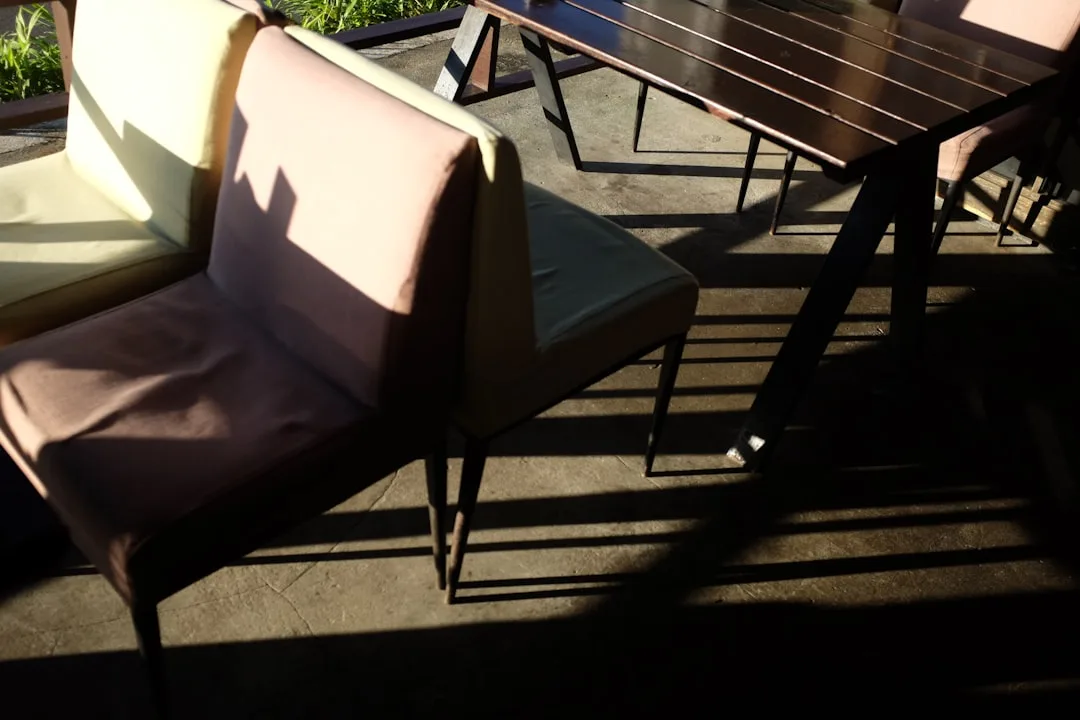
Recycled Polyester Composites Address Sustainability Without Sacrifice
Crypton Home Outdoor ($16–$24 per yard) combines post-consumer recycled polyester with acrylic in a 60/40 blend that matches Sunbrella’s durability while reducing petroleum consumption by 45%. The weave is tighter, meaning water beads rather than absorbs, and mildew cannot propagate inside the fiber structure. Installation costs remain identical to standard fabric (no pattern matching or special cutting required), making this a true replacement without hidden expenses.
The environmental trade-off matters. Manufacturing Crypton uses 60% less fresh water than virgin polyester, and the durability extension means one fabric purchase replaces three synthetic-blend cycles over a decade. A six-piece outdoor sofa set cushion refresh costs $480–$720 in labor and materials; buying Crypton at install costs $1,200–$1,600 total but eliminates that replacement expense for ten years.
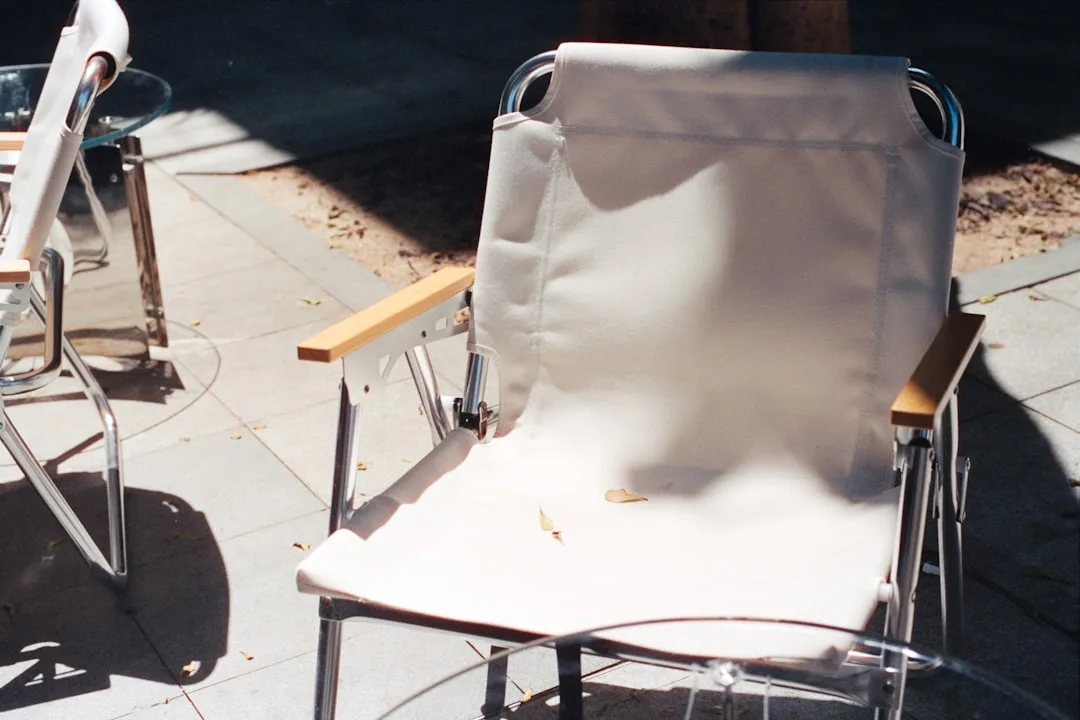
Nano-Coating Technology Prevents the Mildew Cycle That Ruins Patios
The #1 failure mode in outdoor fabrics isn’t UV fade—it’s mildew. Homeowners select budget fabrics, skip covers during humidity peaks, and within 8–12 weeks the cushions emit that sulfurous smell indicating fungal colonization inside the batting. Standard acrylic absorbs 18–22% of its weight in moisture; nano-treated versions absorb under 4%. Holi Naturals Outdoor Collection ($24–$28 per yard) applies a plant-derived nano-coating that prevents water absorption while remaining breathable, eliminating the trapped-moisture scenario where mildew thrives.
Real example of what NOT to do: A Philadelphia homeowner purchased a $2,400 sectional with cotton-blend cushions, stored them loosely in a deck box from October through April, and discovered mildew after the first humid week of May. Replacement cushions cost $920, labor another $180, and the fabric still failed within two seasons. Had she invested $340 more in Sunbrella at purchase, that cycle never begins. The psychological cost—frustration over a failed investment—compounds the financial one.
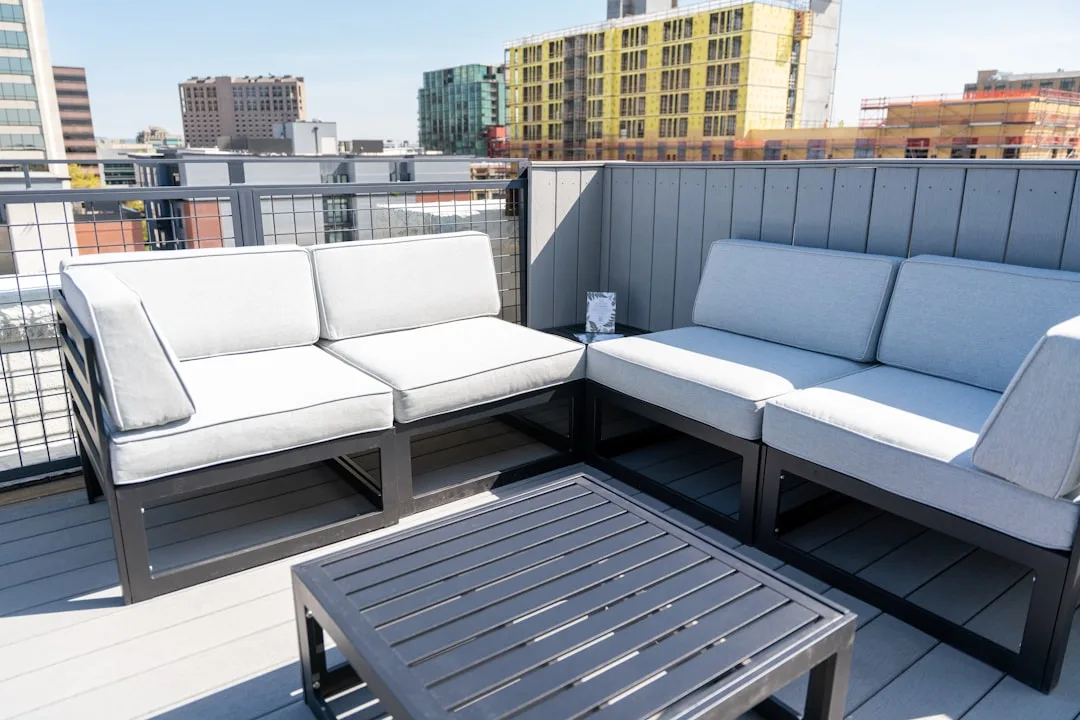
Installation and Aftermarket Upgrade Economics Shift Buyer Strategy
Restoration Hardware Outdoor Fabrics (starting $29 per yard) target high-net-worth buyers willing to pay premium prices for exclusive colorways and textures. A custom cushion cover from RH costs $280–$450 per piece, installed. The same labor applied to a Sunbrella custom cover runs $110–$180. This 150% premium reflects brand positioning, not performance advantage.
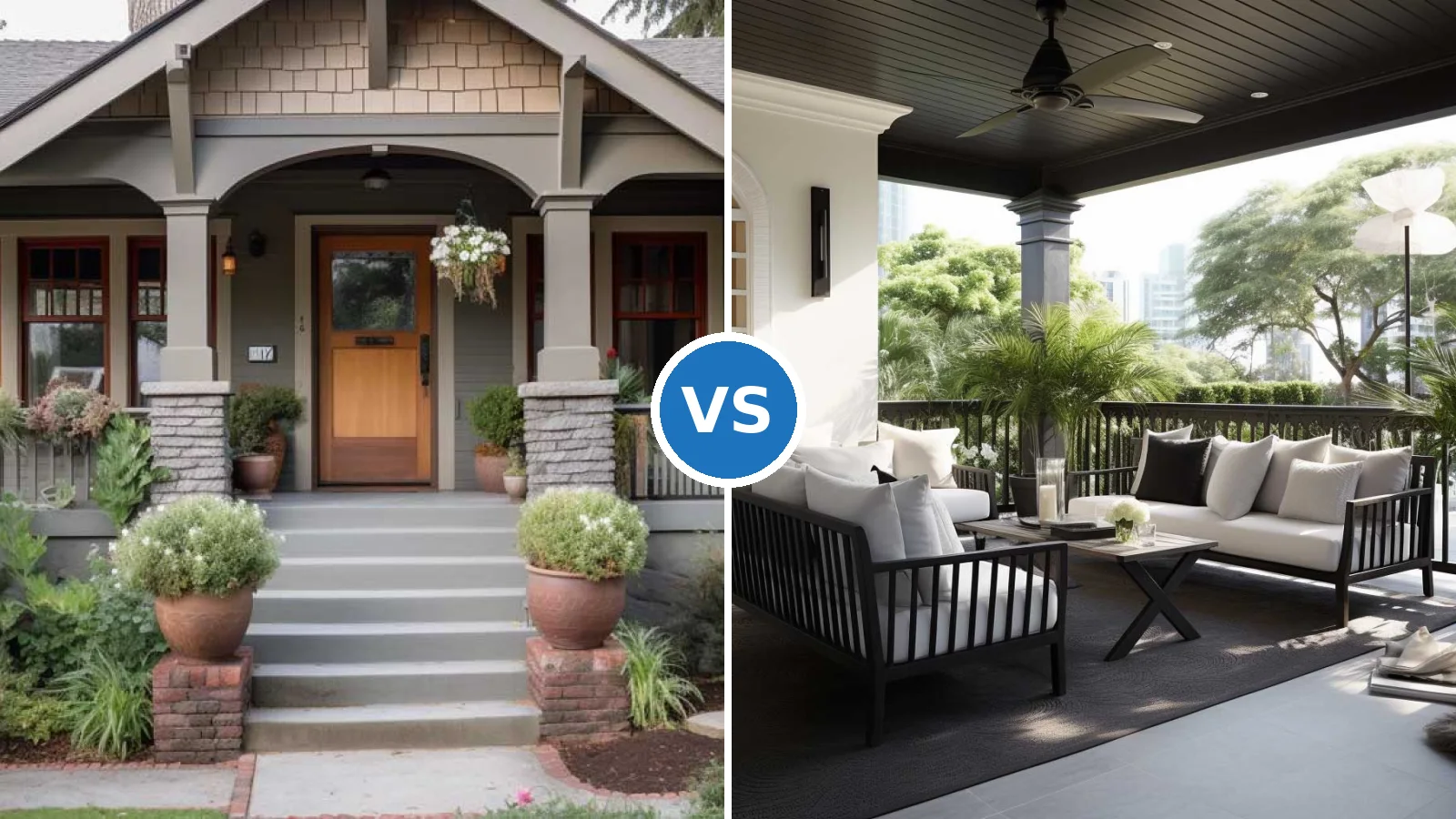
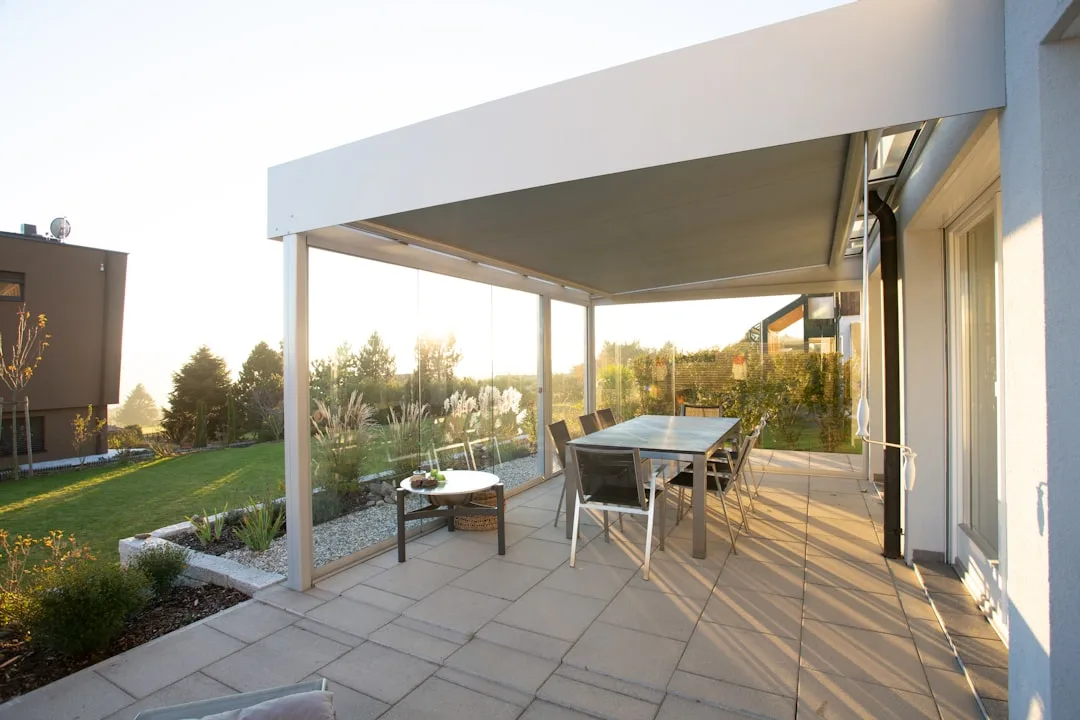
The strategic decision arrives when purchasing new furniture: pay $1,800 for a sofa with budget fabric, then spend $600 on a fabric upgrade at purchase, or select that better fabric upfront for $2,300 total. The $500 apparent savings evaporates by year three when the cheaper fabric requires replacement. Consider Beautiful Single Story House with Patio Yard designs that showcase how long-lasting fabrics anchor outdoor living investments across multiple seasons.
Brand-specific guidance: Sunbrella dominates hospitality and rental properties because replacements happen on 10-year cycles, not 2-year cycles. Peachy captures Instagram-forward homeowners prioritizing sustainability narratives. Crypton serves middle-market buyers who want durability without premium pricing. Holi Naturals attracts humid-climate residents obsessed with mildew prevention in places like New Orleans, Charleston, and Tampa.
Color and Weave Trends Shift Toward Earth Tones and Texture
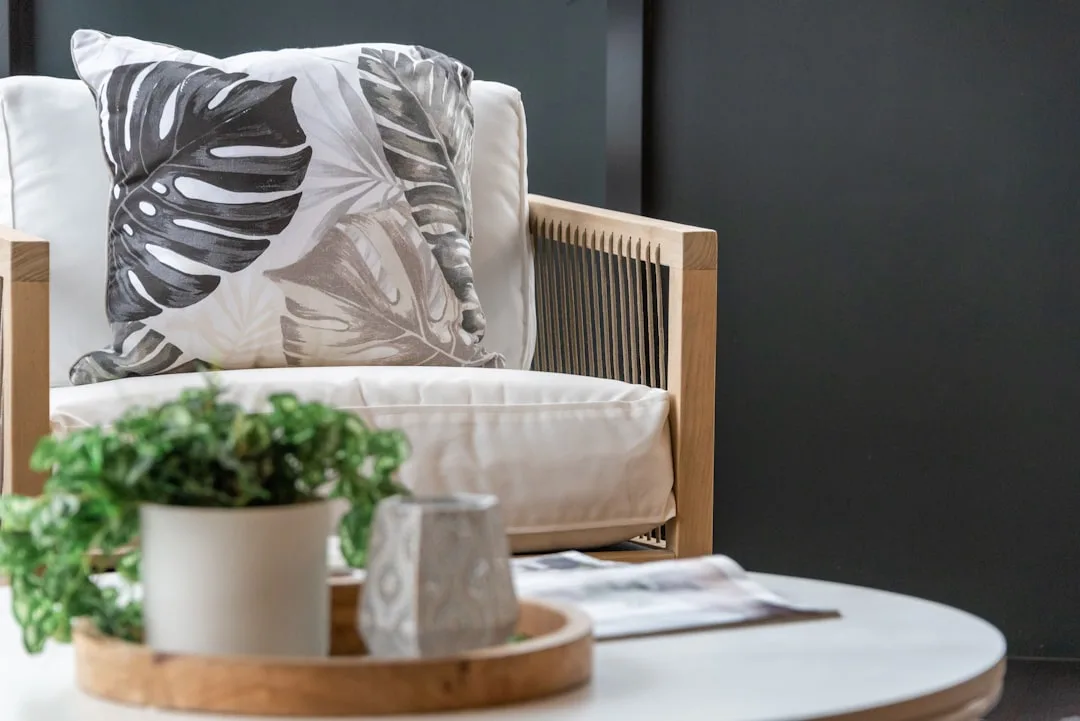
In 2024, neutral palettes dominated—beige, gray, charcoal. By June 2026, outdoor furniture fabrics embrace terracotta, sage green, and deep navy because performance textiles now hold saturated dyes without degradation. Sunbrella’s Aruba collection in burnt sienna and Peachy’s Sage colorway (both $24–$26 per yard) represent this shift. The weaves also thicken: Natte (visual texture, matte finish) outsells Canvas (smooth, shinier) by 2:1 in 2026 design selections because texture masks minor stains and creates dimensionality in photographs.
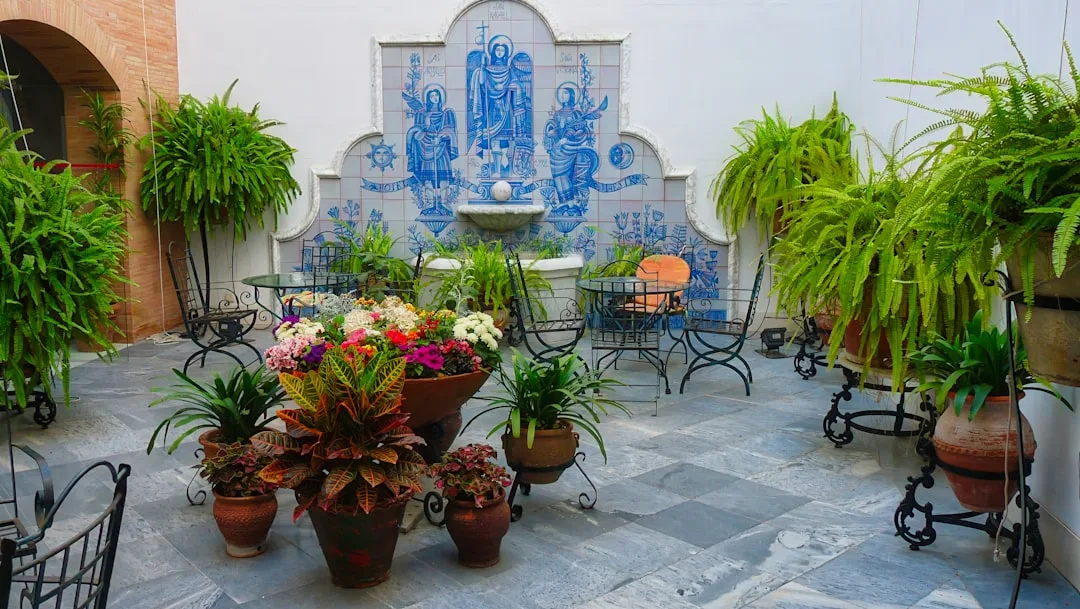
A Concrete House Idea With Patio Style Courtyard gains visual depth when cushions feature textured performance fabrics instead of flat synthetics. Budget $45–$65 per linear yard for premium Natte in trending colors versus $16–$20 for basic smooth canvas, and the upfront cost difference ($200–$300 for a six-piece set) returns in aesthetic durability and Instagram-ready longevity.
The 2026 patio revolution isn’t about novelty—it’s about economics meeting durability. Performance textiles eliminate the three-year replacement cycle that defined outdoor living for two decades. Choose solution-dyed acrylic for sun-exposed zones, recycled composites for environmental consciousness, or nano-treated blends for mildew-prone climates. The fabric difference determines whether your patio investment fades in two years or anchors outdoor living for a decade.