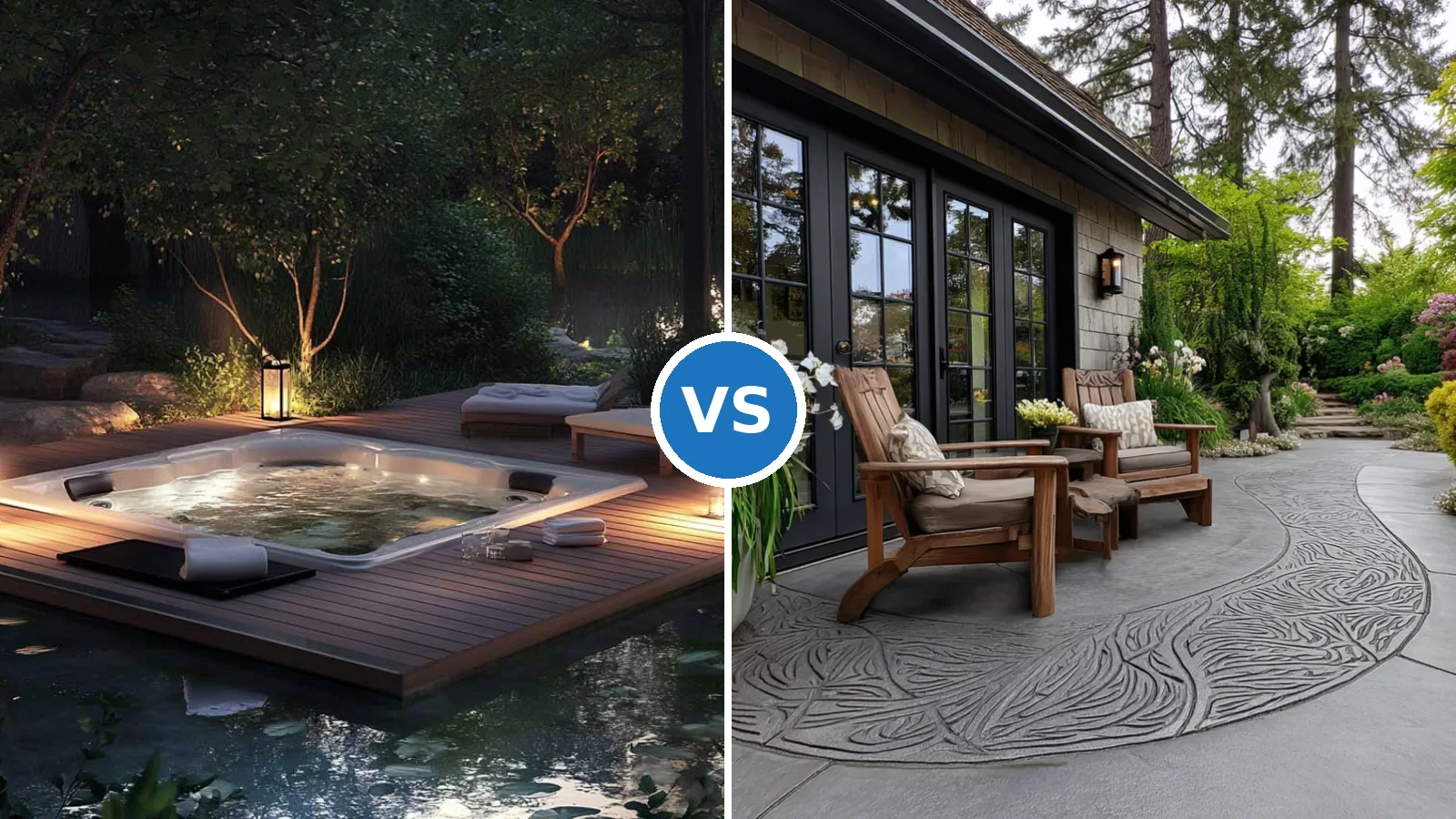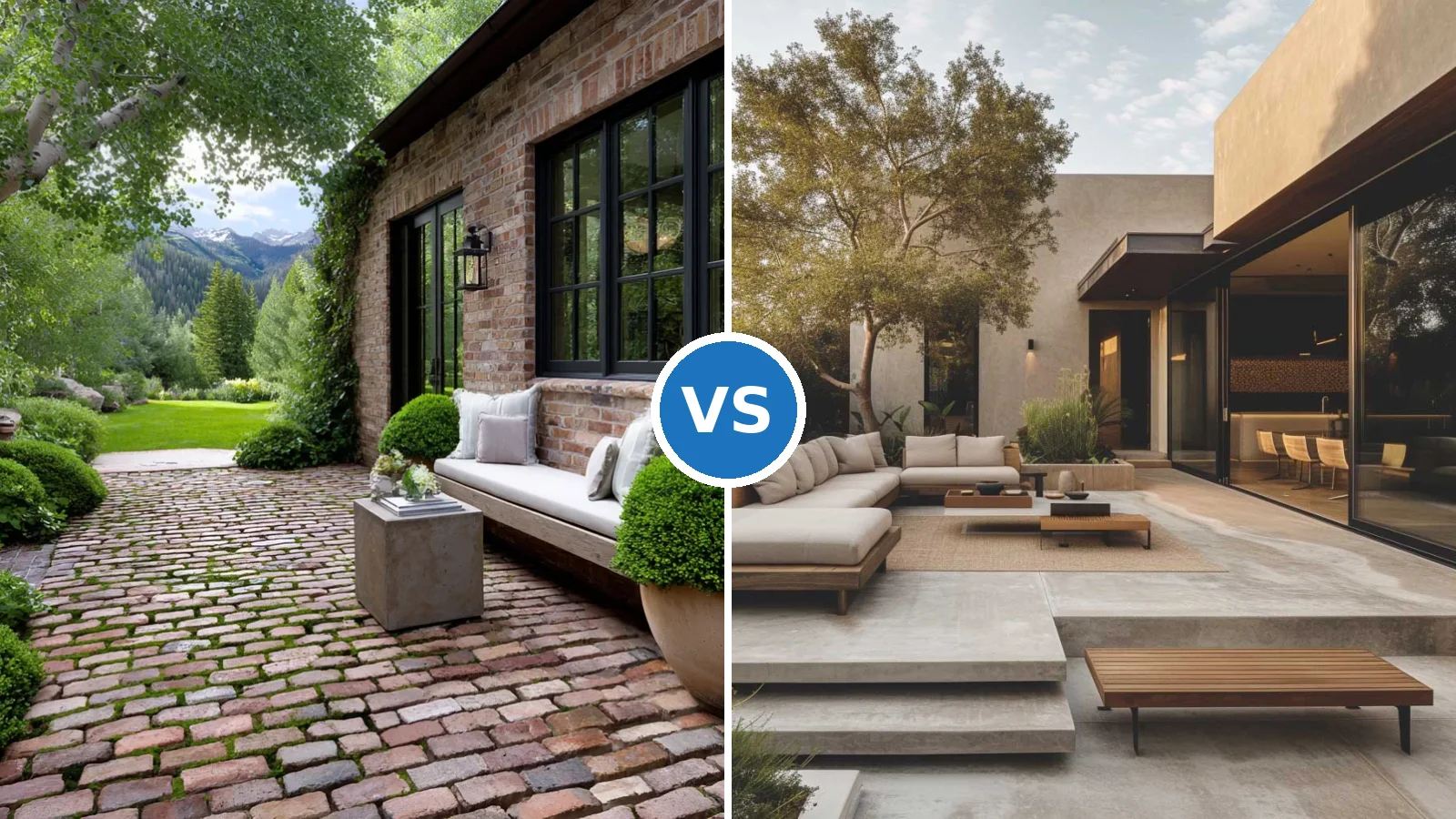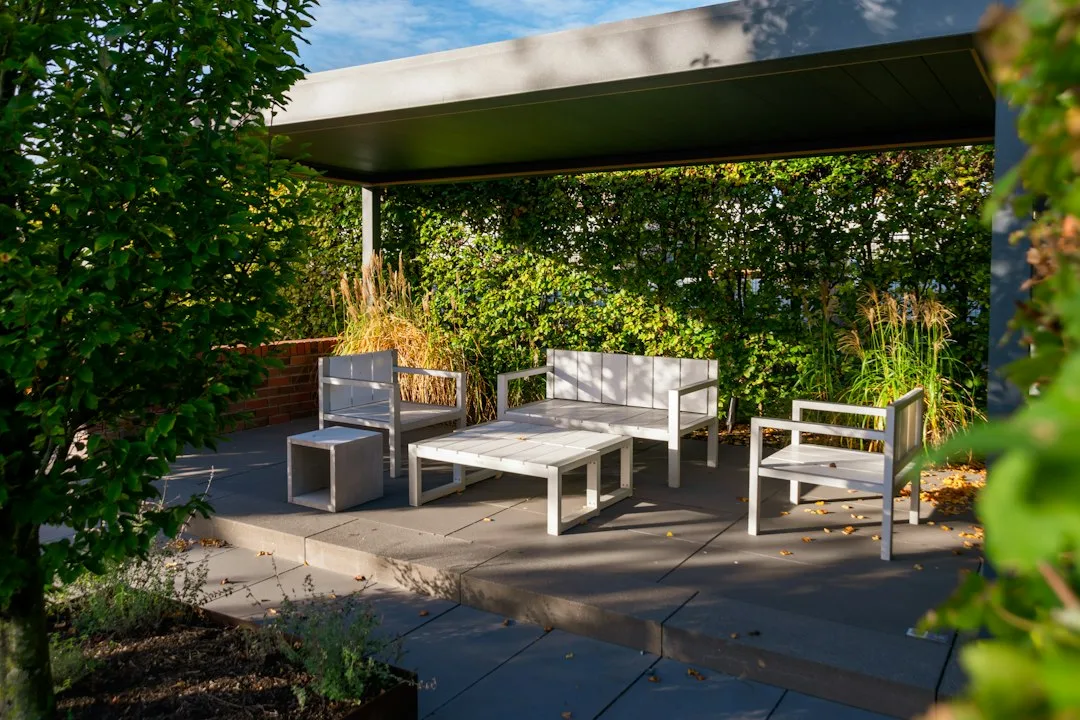
Patio microclimate design isn’t just about comfort—it’s about extending your outdoor living season by 3 to 4 months without installing permanent heating systems. By understanding how sun angle, wind patterns, and surface materials affect temperature within a specific zone, homeowners can layer design elements to create pockets of controlled climate right in their backyards. This approach combines landscape architecture with material science, turning a basic patio into a thermally intelligent outdoor room.
How sun position reshapes thermal comfort in fall and spring
The angle of the sun changes roughly 47 degrees from summer solstice to winter solstice. In September and October, the morning sun stays lower on the southern horizon, which means a south-facing patio gets warm earlier in the day and holds that heat longer into evening.
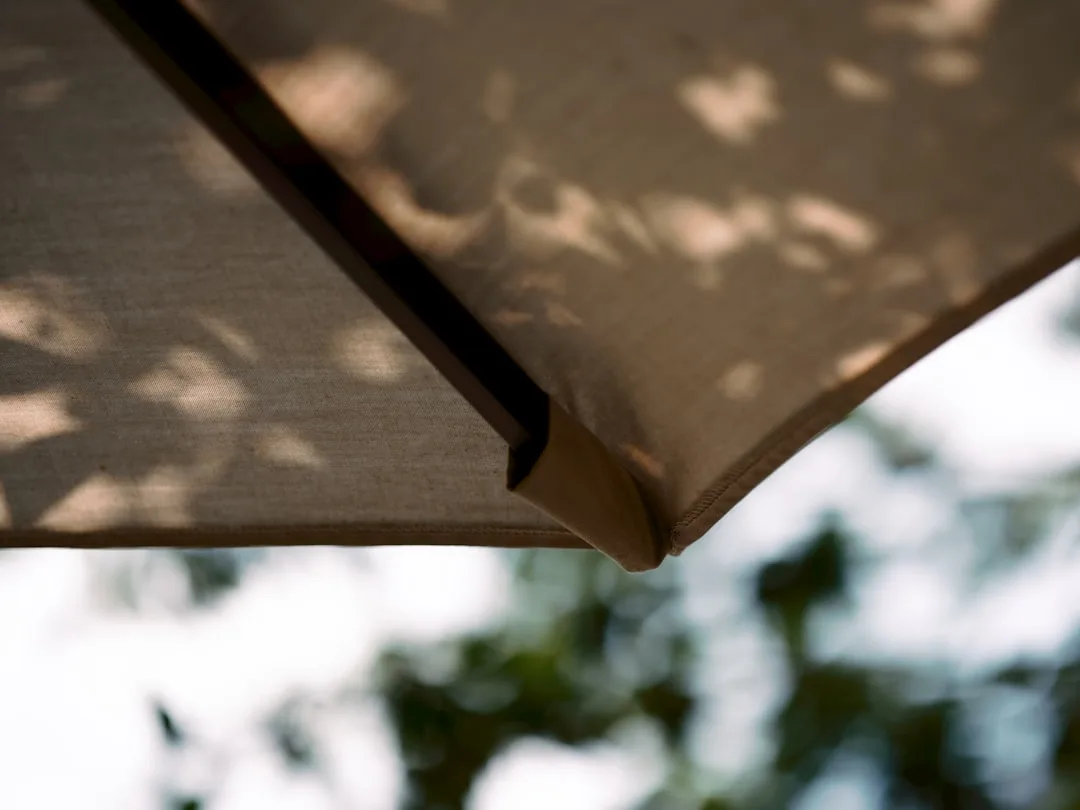
Place deciduous trees or pergolas on the western side of your patio to block intense afternoon sun. This single layer can drop surface temperature by 10 to 15 degrees Fahrenheit—a measurable shift that extends outdoor sitting into late afternoon without discomfort.
By spring (March–April), those same trees lose their leaves, allowing the lower sun angle to warm the patio naturally. Retractable shade sails, like those from Sunbrella (available in 95–97% UV-blocking fabrics), let you adjust coverage as seasons shift. This adaptive layering prevents over-shading in cooler months.
Quick Tips
- Plant deciduous shrubs (not evergreens) on western patio edges to block summer sun, shed leaves in winter
- Install light-colored paving (concrete or permeable pavers) to reflect heat in spring; dark pavers absorb warmth in fall
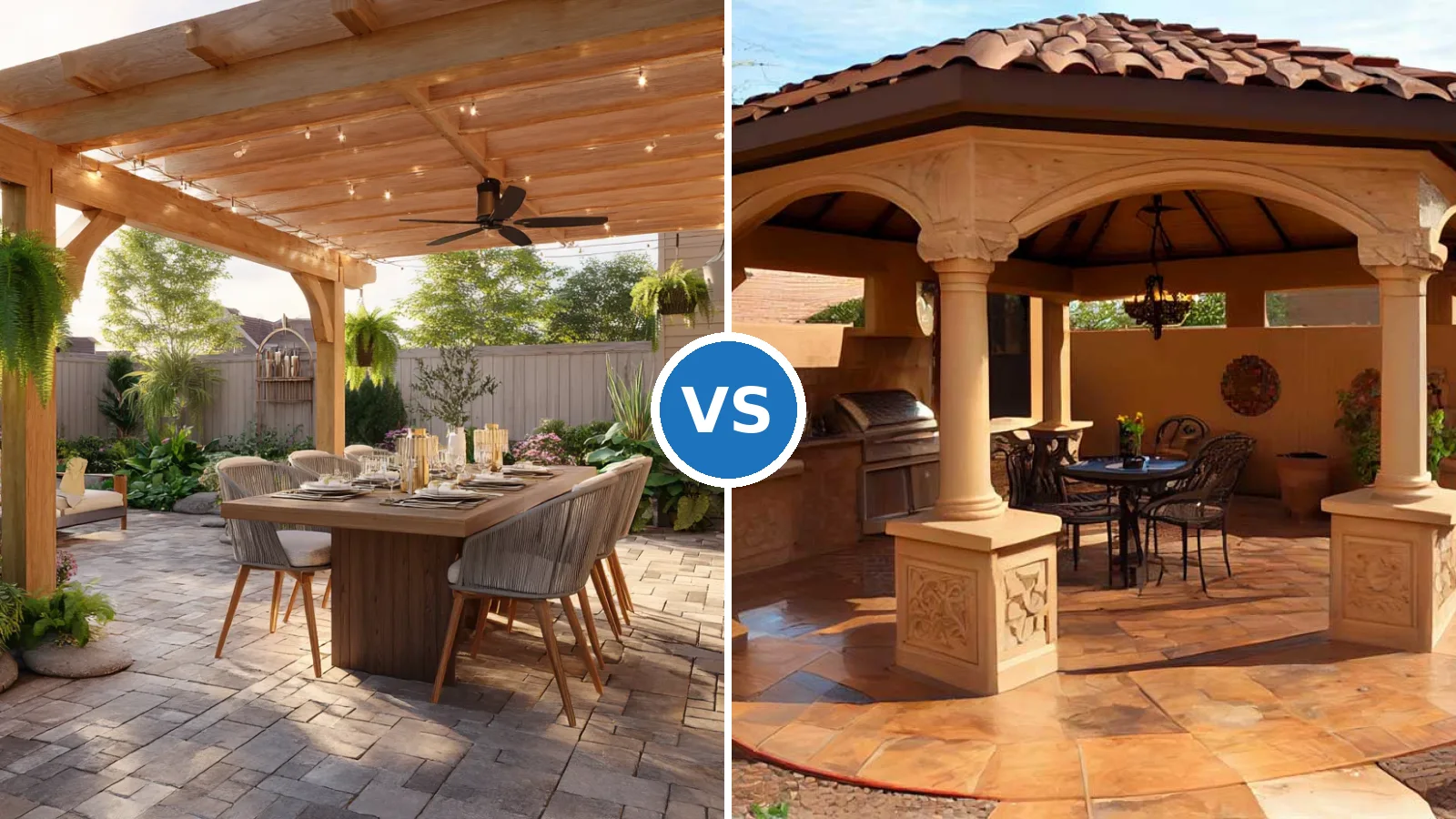
- Position pergolas with east-west orientation to filter afternoon sun without blocking morning warmth
- Use thermal mass walls (dark brick or stone) to radiate stored daytime heat into evening hours
Thermal mass materials hold and release patio warmth strategically
Thermal mass—the ability of a material to absorb, store, and slowly release heat—is the foundation of passive patio comfort. Dark brick, stone, and concrete absorb solar radiation during the day and radiate that warmth back out after sunset.
A 2-inch-thick brick patio wall facing south can raise surrounding air temperature by 5 to 8 degrees in the hours after sunset, extending comfortable seating into dusk without artificial heating. Concrete has a density of roughly 2,300 kg/m³, making it an efficient heat reservoir.
| Material | Heat Absorption | Best Use in Patio Microclimate |
|---|---|---|
| Dark brick | High (absorbs 70–80%) | South-facing walls, fire pit surround |
| Concrete | High (absorbs 60–75%) | Main patio surface, thermal mass core |
| Light-colored stone | Low (reflects 40–50%) | Spring/summer cooling, reducing heat island |
| Permeable pavers | Medium (varies by color) | Drainage + modulated temperature control |
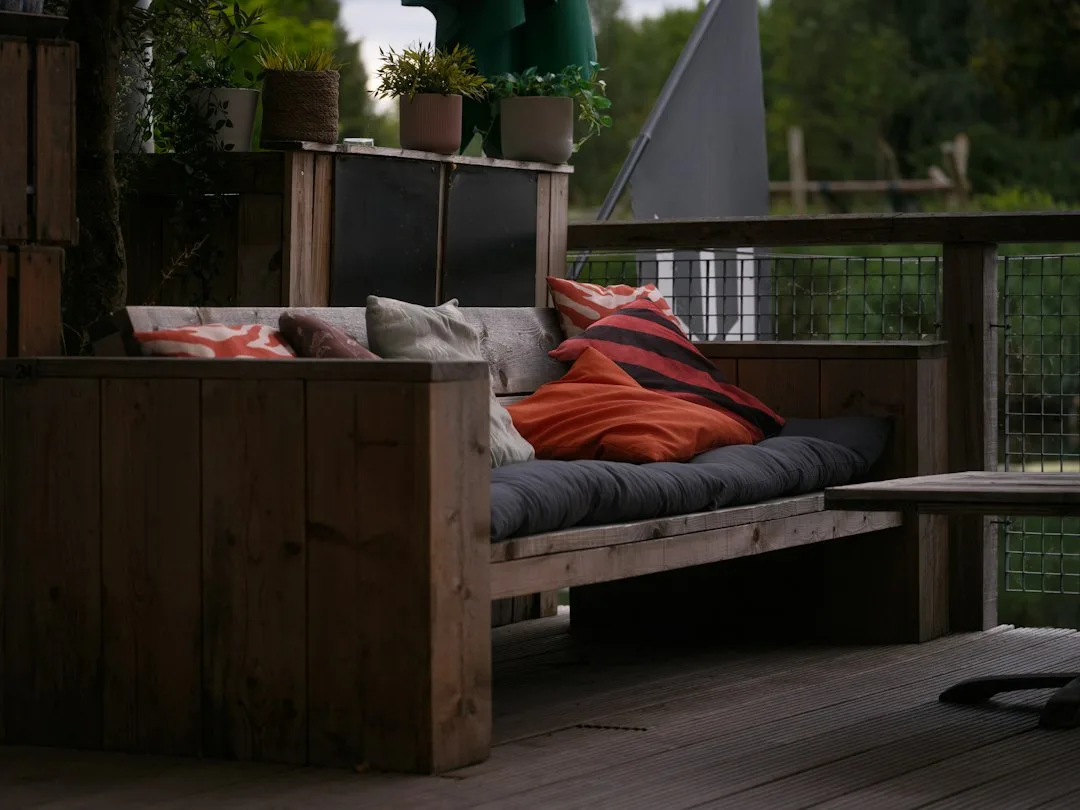
Many homeowners make the mistake of using low-mass decking materials (composite or pressure-treated wood) as their primary patio surface, expecting year-round comfort. Composite decking, while durable and low-maintenance, has almost no thermal mass—it heats up quickly in summer but provides zero heat radiancy in fall and spring evenings. A patio built entirely on wood or composite platforms leaves you reliant on artificial heating by October.
Wind barriers reshape patio temperature through strategic plant placement
Wind chill can make a 60-degree evening feel like 45 degrees—a 15-degree perceived temperature drop. Patio microclimate design accounts for prevailing wind patterns by placing physical barriers strategically around the seating zone.
Native shrubs and trees act as living wind breaks without permanent visual obstruction. In the northeastern United States, planted screens of serviceberry (Amelanchier) or viburnum can reduce wind speed by 30 to 50% within 10 feet downwind of the barrier. This buffering extends comfortable outdoor time significantly.
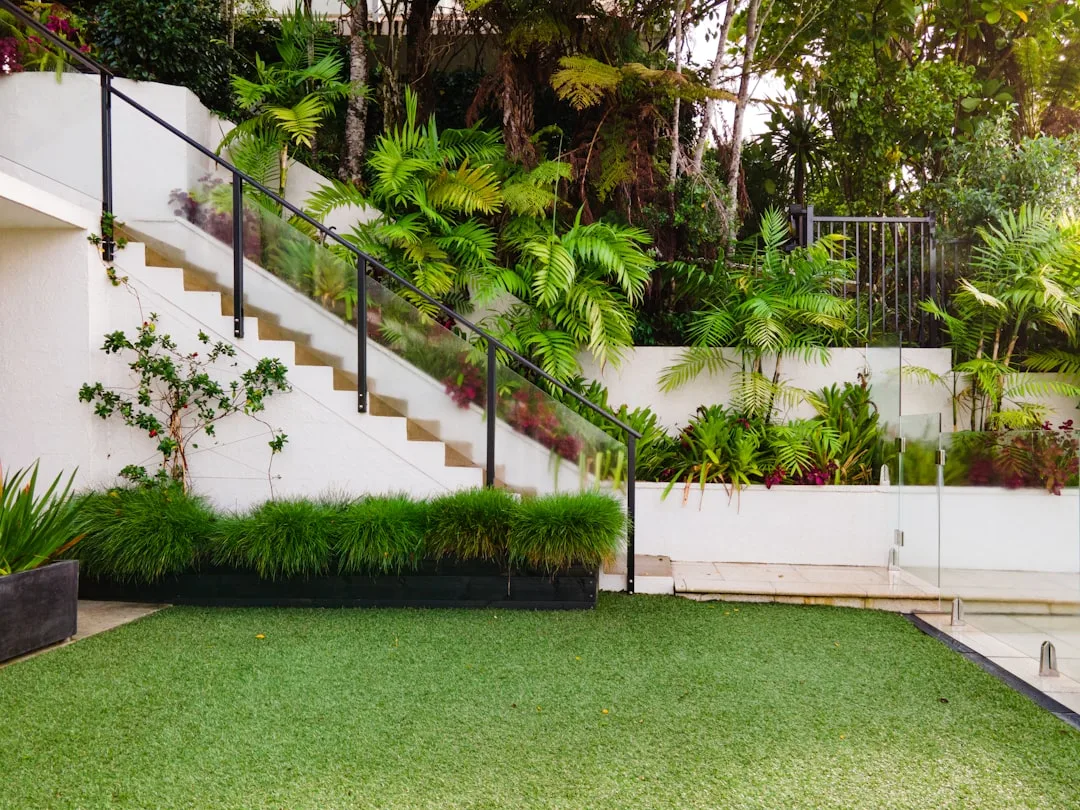
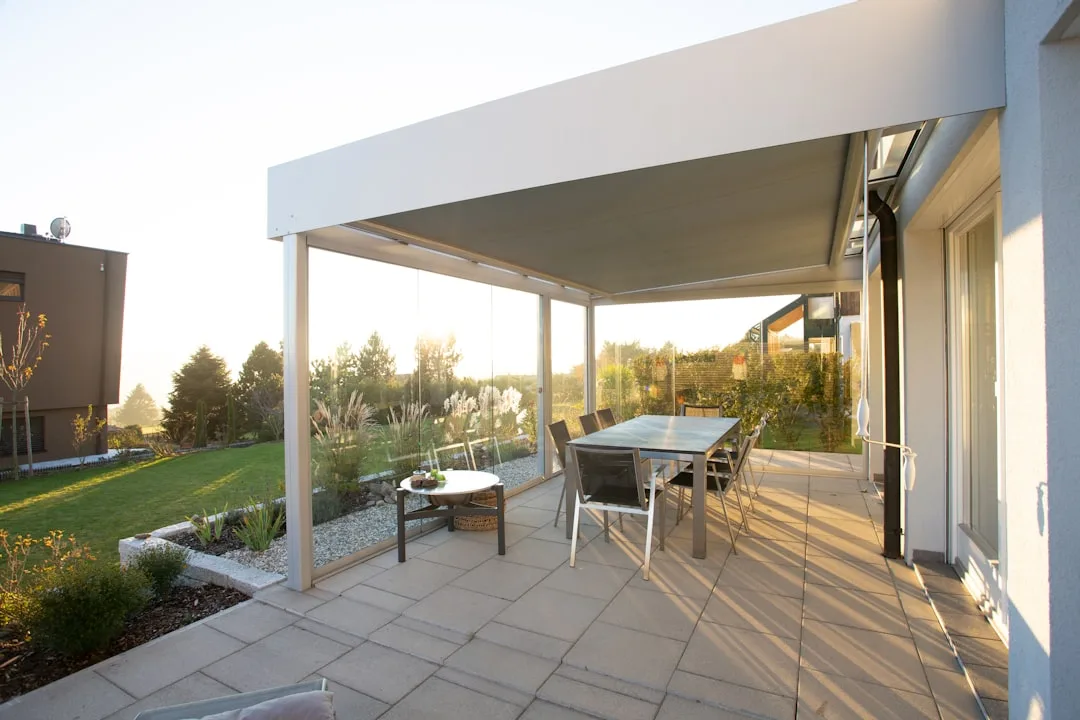
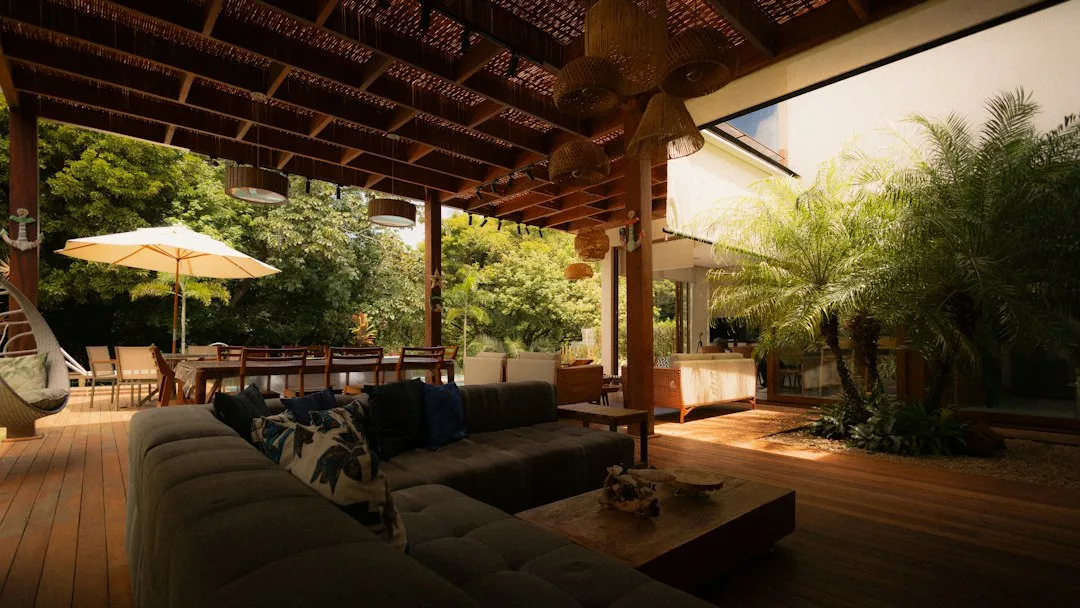
A beautiful single story house with patio yard often features strategic windbreak plantings on the northern and western edges, leaving southern and eastern exposures open to beneficial morning sun. Combining hardscape wind barriers (like concrete house idea with patio style courtyard designs) with living screens creates layered protection without a fortress feel.
Humidity control through water features and evaporative cooling
Humidity levels affect how warm or cool a patio feels—dry air makes 75 degrees feel pleasant; humid air makes it feel oppressive. Patio microclimate design can modulate humidity using water features or misting systems strategically positioned upwind of seating areas.
A small water feature or recirculating fountain creates localized evaporative cooling, dropping ambient temperature by 3 to 5 degrees in a 10-foot radius. Misting systems like those from Koolfog (designed for outdoor patios, not agriculture) release ultrafine water droplets that evaporate almost instantly, creating cooling without saturation.
In drier climates (fall and winter in most regions), adding humidity through fountains or misters can prevent skin discomfort from excessive dryness. The key is positioning these features on the prevailing wind’s upwind side so cooling or moisture drifts toward your seating zone.
Vertical layering creates distinct microclimate zones within a single patio
A sophisticated patio microclimate design uses vertical elements—trellises, pergolas, shade sails, and plant canopies—to create temperature gradients from ground level to 8 or 10 feet overhead. This allows different comfort levels in different zones without separate structures.
Ground-level seating under a dense pergola with climbing vines stays 8 to 12 degrees cooler than open patio areas on a 90-degree day. Upper-level lounging areas (deck platforms or raised seating) benefit from better air circulation and direct solar warmth in shoulder seasons.
This vertical stratification lets a single patio serve multiple needs: a shaded, cool dining zone for summer use; a sun-exposed lounge area for fall afternoon warmth; and a wind-protected nook for spring gathering. One patio, multiple microclimates—that’s the efficiency of thoughtful layering.