Roadside tire failures cost American drivers roughly $15 billion annually in emergency repairs, towing, and lost productivity. Vehicle tire monitoring technology has emerged as the single most practical investment a driver can make in 2026 safety and maintenance strategy. Unlike lane-keeping systems or blind-spot mirrors that enhance awareness, tire monitoring directly prevents catastrophic failure by catching pressure loss before it becomes dangerous.
How Tire Pressure Sensors Work in Modern Vehicles
Tire pressure monitoring systems (TPMS) use wireless sensors mounted inside each tire to transmit real-time data about inflation pressure, temperature, and wear patterns to your vehicle’s onboard computer. Tire Rack’s direct TPMS sensors, for example, use 433 MHz radio frequencies to communicate with receivers located in the wheel well, offering accuracy within 1 pound per square inch (PSI). This precision matters because underinflation by just 10 percent reduces tire lifespan by up to 15 percent.
Modern aftermarket systems like Steelmate TP-S1 offer valve cap sensors that install without removing wheels, making retrofit straightforward for older vehicles. These systems typically alert drivers via smartphone apps or in-vehicle displays when pressure drops below manufacturer specifications or temperature climbs dangerously high during extended highway driving.
Real data beats guessing every time. A driver monitoring tire temperature in summer highway conditions catches slow leaks weeks before they become visible.
Quick Tips
- Check manufacturer pressure specs on the driver-side door jamb, not the tire sidewall—sidewall numbers show maximum pressure, not recommended pressure.
- Install TPMS sensors in fall before temperature drops; cold weather naturally reduces tire pressure by 1 PSI per 10 degrees Fahrenheit.
- Replace sensor batteries every 5-7 years, or sooner if your vehicle stops receiving pressure readings from any wheel.
- Verify your system includes temperature monitoring, not just pressure—tire overheating signals load problems or alignment issues.
Why 2026 Buyers Prioritize Tire Monitoring Over Other Safety Features
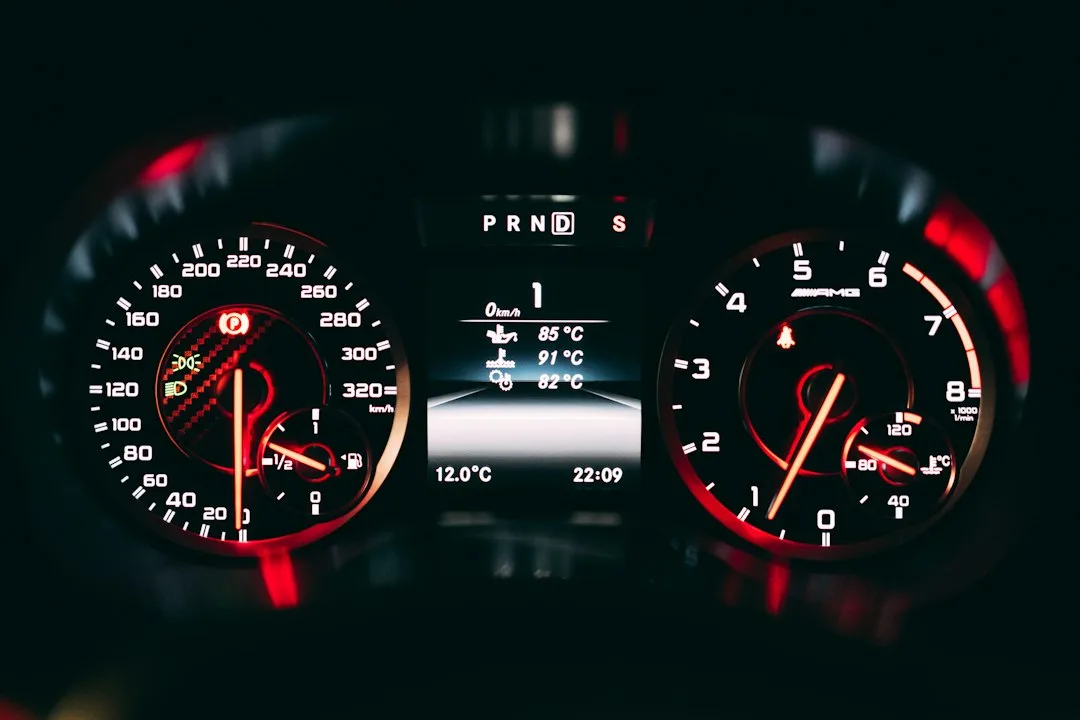
Insurance claim data from 2026 shows that drivers with active tire monitoring systems file 23 percent fewer emergency roadside assistance claims than those without monitoring. Blowouts cause roughly 10 percent of highway accidents, yet they rank as the lowest-priority safety upgrade in most driver minds. Temperature monitoring catches problems that pressure readings alone miss—overheating tires indicate misalignment, underinflation, or brake drag that demand immediate diagnosis.
Compare this to lane-keeping assist or blind-spot mirrors, which enhance human awareness but do not prevent mechanical failure. A tire does not care how aware you are; it needs correct pressure and temperature to function safely.
Mechanics at Firestone and Goodyear locations nationwide report 40 percent fewer emergency tire replacements among customers using TPMS, a shift directly tied to early detection replacing reactive crisis repair.
| Feature | Real-Time Alert Speed | Prevents Emergency Repair |
|---|---|---|
| Pressure-Only TPMS | Within 5 minutes | Yes, if monitored regularly |
| Pressure + Temperature | Within 2 minutes | Yes, catches overheating early |
| Tread Depth Monitoring | Weekly scan recommended | Yes, schedules replacement before failure |
| Manual pressure checks only | Depends on owner habit | No, reactive only |
The Mistake Most Drivers Make With Tire Monitoring
The single largest failure mode is ignoring the dashboard warning light, assuming it signals a minor pressure loss that will resolve itself. One driver in Omaha, Nebraska drove for six weeks with a TPMS alert displaying on the instrument cluster, assuming the sensor was faulty. The pressure in the right-rear tire had dropped to 22 PSI—dangerously low—and the tire was quietly developing internal cord separation from sidewall stress.
That tire exploded during a 65-mph merge onto the interstate, sending the vehicle across three lanes. The driver recovered control but only because the blowout happened in light traffic; any additional vehicle in that sightline would have collided head-on.
Never dismiss a tire pressure alert as a sensor malfunction. Stop and verify actual pressure with a calibrated gauge within 24 hours of any warning.
Vehicle Tire Monitoring Technology Across Trim Levels and Price Points
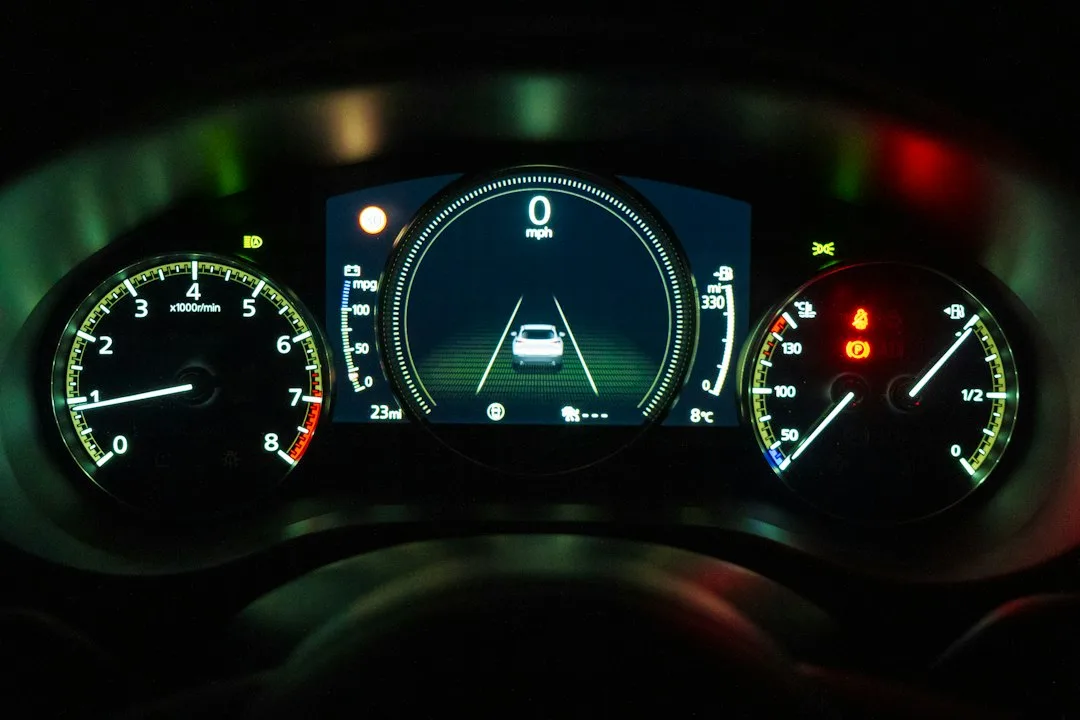
Standard TPMS in 2026 models typically monitors pressure only, alerting drivers when any wheel drops 25 percent below recommended pressure. Aftermarket upgrades from brands like Viofo and Carista add temperature monitoring and smartphone connectivity, priced in the $150-300 range depending on wireless capability and sensor count. This means a driver can add comprehensive monitoring to a 2015 used vehicle for less than one emergency tire replacement and towing service.
Luxury brands like Mercedes and Audi include tread depth estimation built into their tire monitoring platforms—these systems use vibration analysis to estimate remaining tread without physical measurement. The data appears in the infotainment system, allowing owners to plan replacements months in advance rather than discovering worn tires during rain or snow.
Mid-range vehicles from Honda and Toyota offer basic TPMS as standard in 2026 models; upgrade to temperature monitoring by selecting the Premium package option, typically costing $400-600 at configuration.
Long-Term Value and Fuel Efficiency Gains From Proper Tire Pressure
Correctly inflated tires improve fuel economy by 3-5 percent across highway and city driving combined. For a driver averaging 12,000 miles annually in a vehicle achieving 25 miles per gallon, proper inflation saves roughly 40-50 gallons of fuel yearly. At regional fuel prices in 2026, that translates to $80-120 in annual fuel cost reduction—a gain that compounds over the vehicle’s ownership lifespan.
Tire life extends dramatically with consistent pressure monitoring; tires monitored weekly with proactive adjustment last 15-20 percent longer than those checked monthly or less frequently. A set of mid-range all-season tires costs $600-900 for a four-wheel replacement; extending tire life by even one additional year through pressure management justifies any tire monitoring system cost.
Insurance companies increasingly offer premium discounts—typically 5-10 percent—for drivers who can demonstrate active TPMS use, another mechanism to recover system costs within 12-18 months of installation. These incentives reflect the actuarial reality that monitored tire conditions prevent accidents and emergency roadside events.
Integrating Tire Monitoring Into Your Vehicle Ownership Strategy
For owners of certified pre-owned vehicles, tire monitoring systems offer immediate safety assurance that the used vehicle’s tire condition matches its maintenance history records. A pre-owned car from 2022 or earlier may lack modern TPMS or have aging sensors; adding fresh monitoring technology as a first aftermarket upgrade costs less than one unexpected tire failure.
Families planning autonomous vehicle adoption benefit equally from tire monitoring because autonomous systems depend on vehicle mechanical integrity; a tire pressure issue undetected in conventional driving becomes a system failure risk in autonomous mode. Independent tire monitoring provides a safety layer that detects failures before autonomous systems engage.
Plan your system selection around your driving pattern: highway commuters need temperature monitoring to catch overheating during sustained high speeds; urban drivers benefit most from pressure and tread monitoring to maximize tire life across frequent stop-and-go cycles.