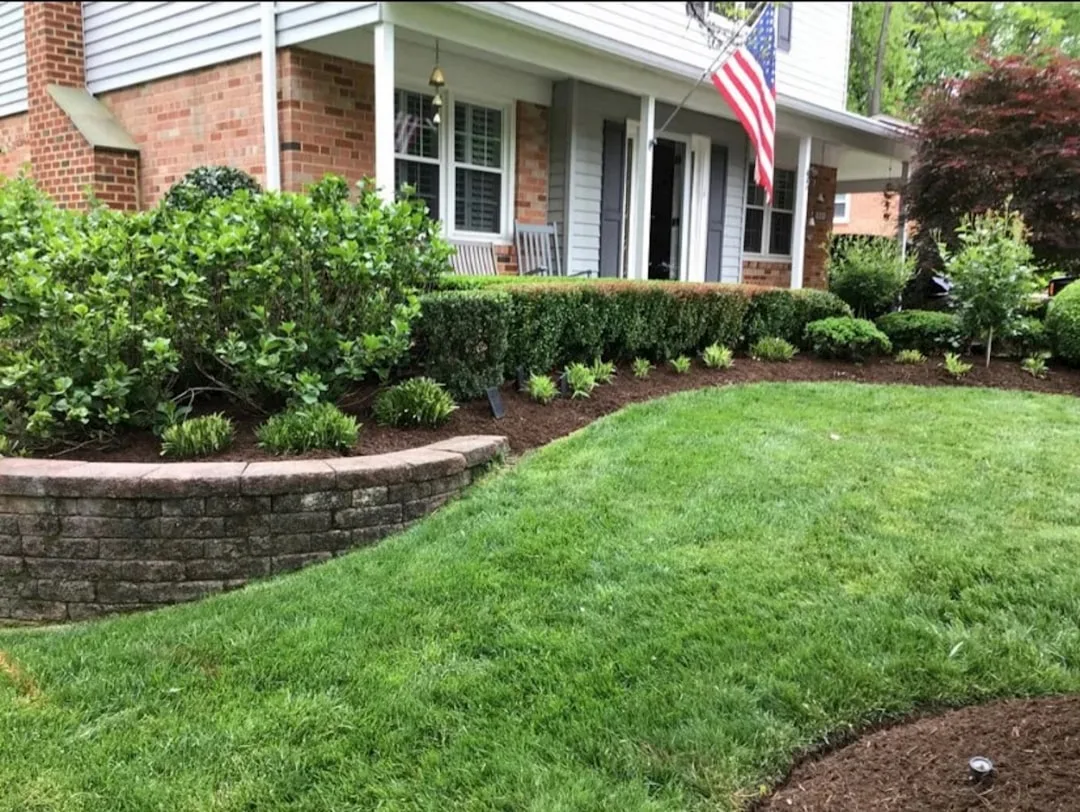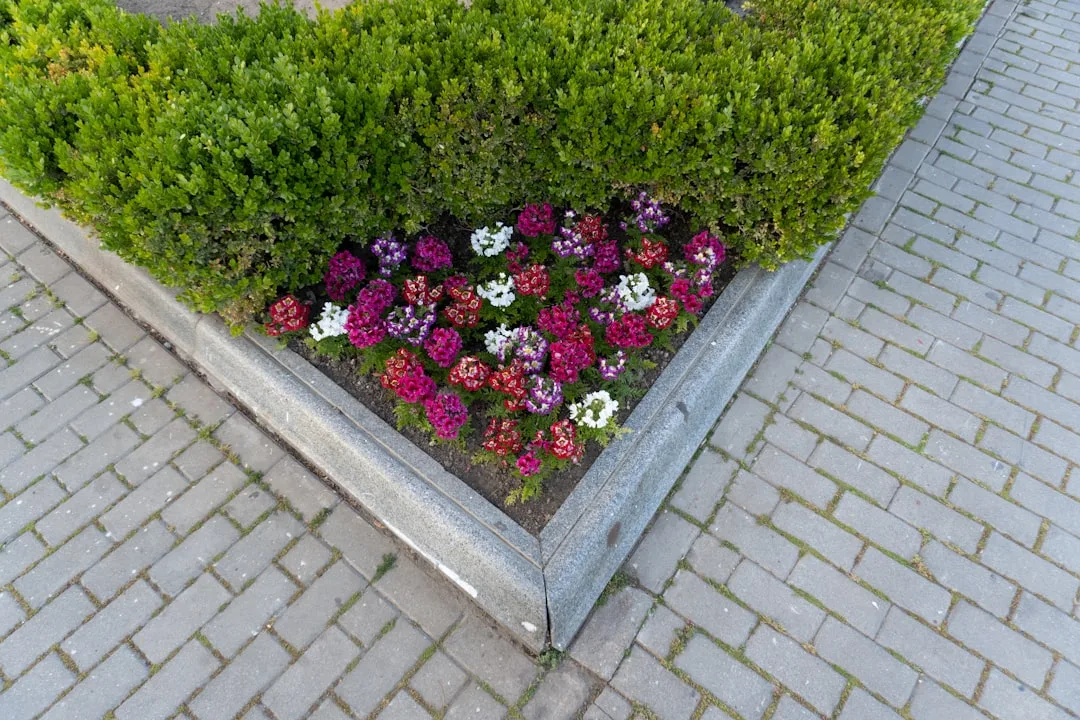
Your yard’s corners are confessing every design mistake you’ve made. Hard 90-degree edging reveals soil compression, grass creep, and a fundamental misunderstanding of how modern landscapes should breathe. Corner garden edging—the deliberate softening and redefinition of landscape boundaries using curved, modular, or composite systems—has become the fastest-growing hardscape category in residential design as of August 2026.
This shift matters because corners accumulate stress. Water pools, maintenance becomes frustrating, and the visual weight of sharp angles contradicts the curved furniture and flowing plantings that dominate contemporary exteriors. The trend isn’t about novelty; it’s about recognizing that boundary definition works better when it flows.
How Curved Metal Systems Redefine Corner Geometry
Cor-Ten steel edging, manufactured by companies like Corten Direct, has become the material of choice for designers who want visual warmth without sharp lines. These pre-curved corner systems come in 45-degree, 60-degree, and custom radius options, eliminating the need for welded joints that fail under freeze-thaw cycles.
The 45-degree radius option works for most residential corners because it matches natural eye movement through a space. Installation costs run approximately $120–180 per linear foot for materials and labor combined, replacing both rigid steel angle iron and failing plastic border strips that typically need replacement every 3–5 years.
Cor-Ten develops a protective rust patina within 12–18 months, eliminating the need for paint maintenance. This weathering process actually strengthens the material’s resistance to further corrosion, unlike conventional steel that requires annual touch-ups.
Quick Tips
- Order curved corner sections 2–3 weeks ahead; custom radii require extended lead times
- Install edging 2 inches below finished grade to prevent trip hazards while maintaining visual definition
- Pair metal edging with gravel or permeable pathways; rigid edging + concrete creates visual harshness
- Slope soil away from corners at a 2–3% grade to prevent water pooling and erosion
Composite Edging Systems Replace Degrading Plastic Borders
Trex Pro Landscape Edging, a wood-plastic composite product, offers the softest visual transition currently available for residential applications. Unlike rigid plastic, composite materials curve without pre-manufacturing, allowing installers to create custom radii on-site without heating or specialized tools.
The material comes in 10-foot lengths and curves to any radius above 12 inches. Installation requires simple mallet tapping and landscape fabric fasteners—no concrete footings or professional equipment necessary.
Composite edging costs roughly $45–65 per linear foot installed and lasts 15+ years without color fade, splintering, or structural failure. Traditional plastic edging requires replacement after 5–7 years due to UV brittleness and frost heave.
| Edging Type | Lifespan | Cost Range |
|---|---|---|
| Cor-Ten Steel Curved | 20+ years | $120–180/ft |
| Composite Curves | 15+ years | $45–65/ft |
| Rigid Plastic (outdated) | 5–7 years | $15–25/ft |
| Poured Concrete Edge | 10–12 years | $35–55/ft |
Why Straight Edging Fails at Garden Corners
The biggest mistake homeowners make is installing rigid edging at 90-degree angles without considering drainage flow or visual continuity. A corner that meets at a sharp angle creates a valley where water naturally channels, pooling sediment and destabilizing the soil beneath both bed and lawn.
This pooling situation accelerates grass encroachment into planting beds—the soil compaction from standing water makes it impossible for edging to maintain a clean boundary. After a single winter freeze-thaw cycle, you’re left with broken edging segments and soil migration that costs more to repair than the original installation.
Curved edging eliminates this by redirecting water along the edge rather than toward it. The gentle radius slopes water outward at 3–5 degrees, preventing pooling and maintaining visual clarity even after seasonal stress.
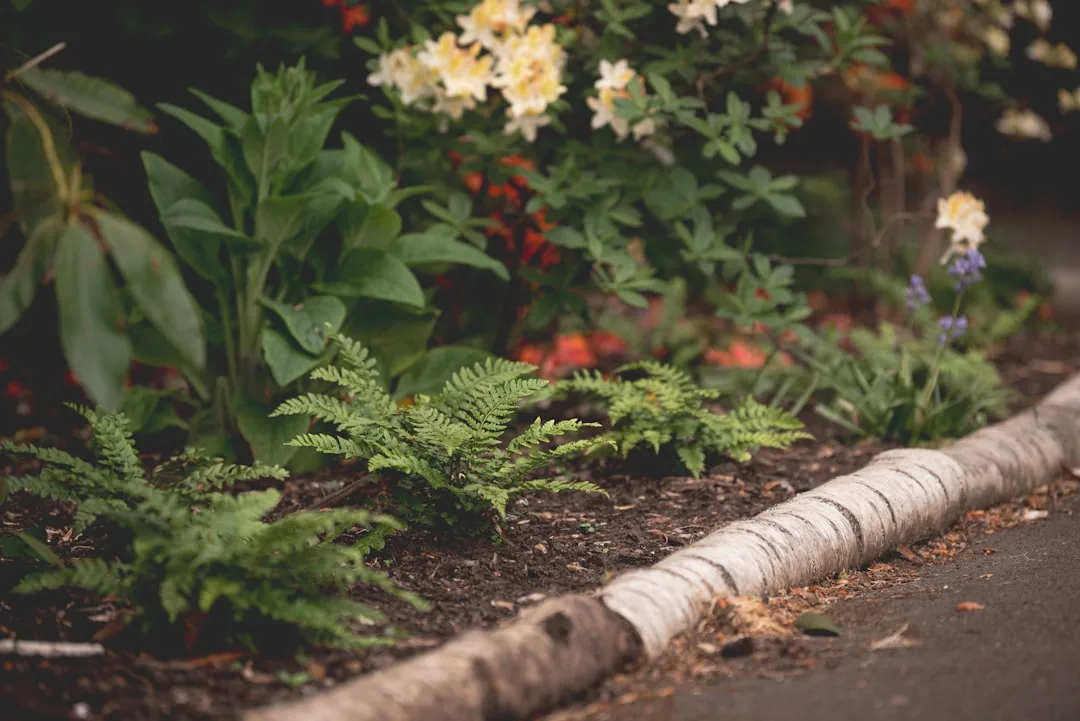
Modular Systems Simplify Installation Without Specialized Tools
Stonehill landscape edging systems use interlocking segments designed specifically for corner transitions. Each corner module comes pre-manufactured at the exact radius you specify during ordering, arriving ready for same-day installation.
No welding, no concrete footings, and no specialized equipment—just landscape spikes driven through pre-drilled holes into compacted subgrade. Installation takes 2–3 hours for a typical residential corner, reducing labor costs by 40–50% compared to traditional steel work.
The interlocking design also allows for future adjustments or repairs without replacing the entire corner section. If frost heave lifts one segment, you can reset it individually using the same tools.
How Corner Edging Elevates Focal Point Planting Visibility
When creating the French style home exterior of your dreams, corner definition becomes a framing device for specimen plants. A curved metal edge around a corner garden transforms that space into a visual destination rather than a forgotten transition zone.
Specimen trees and perennial clusters planted inside curved edging read as intentional focal points rather than utilitarian plantings. The soft boundary suggests care and design intention, drawing sight lines through the garden rather than stopping them at hard angles.
This is why landscape designers now specify corner edging before selecting plantings—the boundary itself becomes a design element that shapes how viewers experience the entire outdoor space. Modern matching stucco paint color for house facade extends to matching edging finishes with overall home palette, creating cohesion from structure to ground plane.
Implementation Timing and Seasonal Considerations
August through October is ideal for corner edging installation because soil moisture is stable and frost heave won’t disrupt newly set materials. Installing in spring risks heaving; installing in late fall means frozen ground that prevents proper compaction.
Budget 2–3 weeks for custom curved sections if you’re not using stock radius options. Standard 45-degree and 60-degree curves ship within 5–7 days, making mid-September installation feasible if you order by August 20.
Maintenance after installation requires only annual inspection for soil settlement. Reset any shifted segments with a mallet and hand tamper—a 15-minute task that prevents long-term structural issues.
Related Topics
FAQ
What's the best material for corner garden edging in freeze-thaw climates?
Can I install curved corner edging myself or do I need a professional?
How much should I spend on corner garden edging?
Why does my rigid plastic corner edging keep failing?
Should corner edging sit above or below the soil line?
Can I combine different edging materials in one landscape?
Complete guide
Geometric Style Interior Design Ideas That Transform Every Room
Wallpaper, tiles, furniture, lighting, wall art, rugs — all in one place