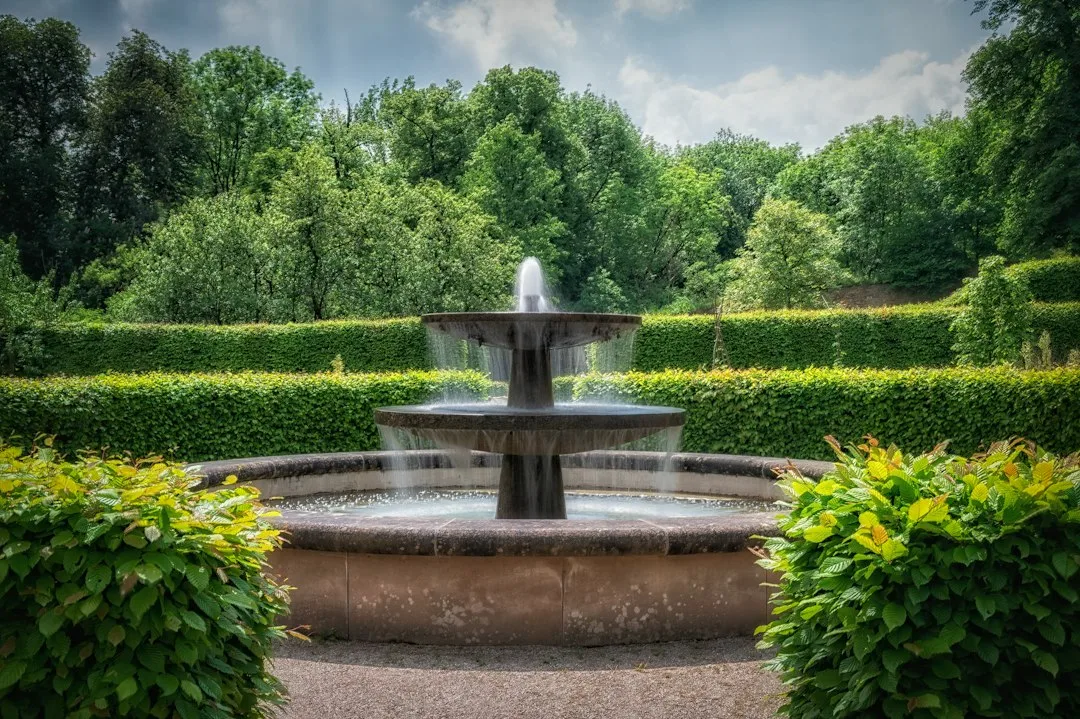
When most gardeners hear ‘water feature,’ they picture a backyard pond—and often abandon the idea entirely because installation and maintenance sound like a second mortgage. But in September 2026, the water feature conversation has shifted fundamentally away from sprawling basins toward compact, modular systems that serve real functional roles: cooling microclimates, masking urban noise, and creating focal points in tight spaces where traditional ponds simply won’t fit.
The reason this matters now: homeowners are finally separating ‘water feature’ from ‘pond.’ That distinction unlocks hundreds of design possibilities on ordinary residential lots.
Recirculating Streams Replace Static Basins
Aquascape, a leading manufacturer of water garden systems, reports that stream-based installations now represent 40% of their residential product sales, up from 22% two years ago. These aren’t natural streams—they’re engineered channels that recirculate the same water continuously, typically using a submersed pump and flexible liner hidden beneath natural stone or gravel.
A typical recirculating stream costs less to maintain than a koi pond because the water keeps moving, preventing stagnation and mosquito breeding. The movement also creates sound, which masks traffic noise and provides what landscape psychologists call ‘masking effect’—white noise that makes a space feel more private.
Here’s the practical application: position the source point on a slope or raised bermed area, run the stream downhill through planted zones, and loop water back to the pump basin at the lowest point. Stone placement matters critically—larger flat rocks create visual breaks and allow water to cascade audibly rather than trickle silently.
Quick Tips
- Use EPDM rubber liner (45-mil minimum thickness) for durability—cheaper vinyl degrades in 5-7 years
- Hide pump intake in a catch basin beneath gravel to prevent debris clogging
- Slope the stream bed 2-3% grade—too steep and water races; too shallow and it pools awkwardly
- Test water circulation in spring and fall; add water weekly to offset evaporation
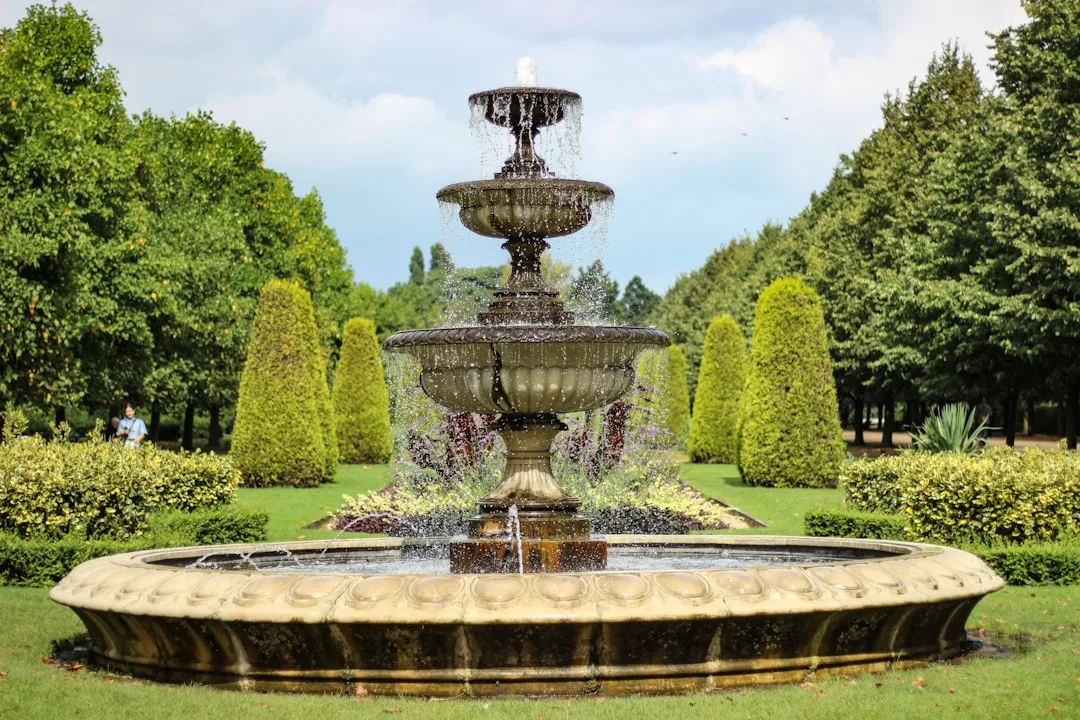
Tiered Fountains Anchor Small Spaces
Campania International, a manufacturer specializing in cast-stone and fiberglass fountains, has seen 2026 sales lean heavily toward vertical designs—two-tier, three-tier, and pedestal models that occupy 4-6 square feet but deliver visual impact and auditory presence equal to features twice their footprint.
A tiered fountain works differently than a stream: water pools in an upper basin, overflows to a middle tier, then cascades to a catch basin at ground level, where a concealed pump recirculates it back to the top. No digging required; installation is often one afternoon on a prepared, level base.
The acoustic difference matters. Cascading water from multiple levels produces a fuller, more complex sound than a single splash point, and that variance prevents the monotony that makes some water features feel gimmicky after the first month.
| Water Feature Type | Installation Footprint | Maintenance Frequency |
|---|---|---|
| Tiered Fountain | 4–8 sq ft | Weekly water top-off; monthly pump check |
| Recirculating Stream | 8–16 sq ft | Weekly water top-off; quarterly intake cleaning |
| Decorative Wetland | 16–32 sq ft | Seasonal plant pruning; monitor water level |
| Traditional Pond (koi) | 25+ sq ft | Daily feeding; weekly filtration; seasonal water quality |
Decorative Wetlands Blend Ecology and Design
Wetland gardens—shallow planted zones designed to hold water seasonally or year-round—have moved from niche habitat projects into mainstream residential design language. Companies like Rain Bird now offer modular wetland basin systems pre-fitted with native marginal plants, submersed filter media, and integrated drainage.
The appeal is dual: they filter water naturally through soil and plant roots, reducing green algae bloom, and they attract birds, dragonflies, and beneficial insects without the setup cost or maintenance burden of a dedicated pond with aeration and chemical treatment.
A typical residential wetland basin runs 2-3 feet deep, 8-12 feet in diameter, lined with EPDM, and planted with species like pickerel rush, marsh marigold, and sweet flag. Water enters from roof runoff or recirculation pump; indigenous bacteria and plant root zones filter it naturally.
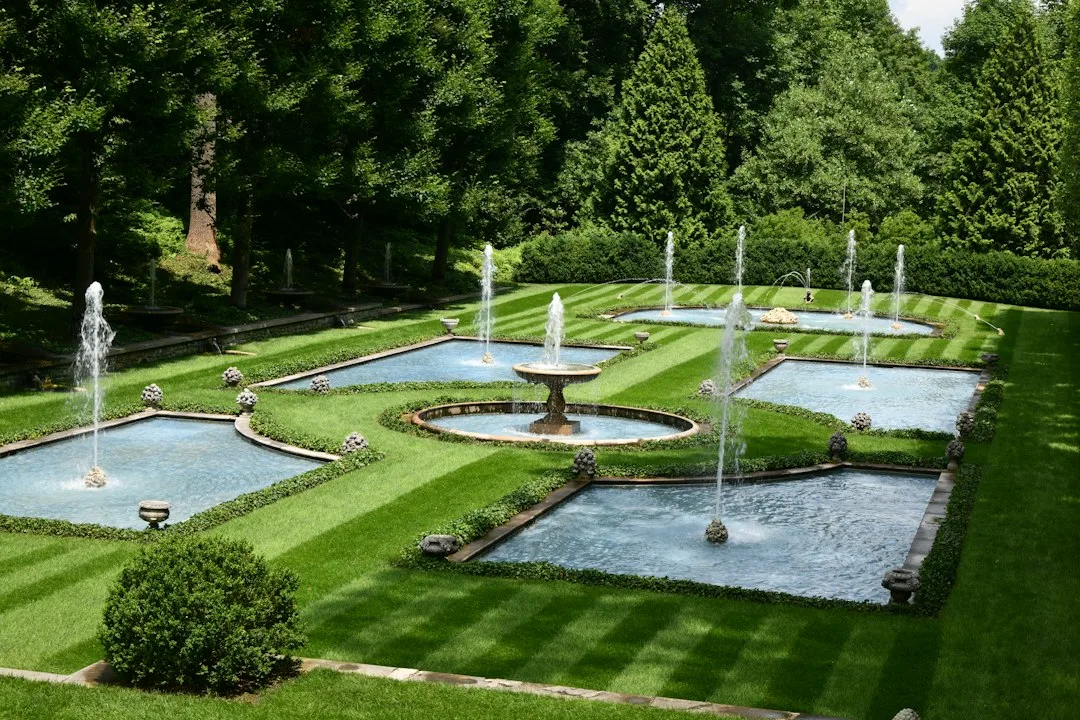
The Hidden Failure: Undersizing the Pump
The single most costly mistake in water feature installation is choosing a pump rated too low for the actual water volume and lift height. A homeowner installs a tiered fountain, uses a 500-GPH (gallons per hour) pump because it’s cheaper, and discovers within days that water trickles instead of cascades.
Recalculate: if water must travel 8 feet horizontally and lift 3 feet vertically to reach the top tier, a basic 500-GPH pump loses 30-40% of flow to friction and head pressure. Real-world output drops to 300 GPH—barely enough to keep the basin full.
Oversizing by 20-30% prevents this. A 1,000-GPH pump handling the same load delivers full dramatic effect and lasts longer because it runs cooler and less strained.
Sound Zoning and Microclimate Integration
Water features function as acoustic and thermal tools in 2026 landscape design, not just decoration. A recirculating stream positioned near a patio reduces perceived noise by 4-6 decibels—the difference between annoying and tolerable when a neighbor’s AC unit runs.
Thermal effect is equally real: evaporative cooling from moving water can lower local air temperature 2-4 degrees Fahrenheit on a 90-degree day. Position features where afternoon breezes carry humidity toward seating zones.
For modern garden ideas in a narrow courtyard, wall-mounted fountains or corner-positioned tiered features avoid consuming usable floor space while still delivering sound and visual movement. Pair with shade-tolerant plantings and the water feature becomes part of an integrated cooling and aesthetic strategy.
Homeowners looking to maximize impact without structural complexity should explore how vertical wall gardening design ideas complement water features—a wall-mounted fountain paired with trailing sedums or ivy creates layered visual interest and supports beneficial insects.
Material Selection and Longevity
Concrete, stone, and fiberglass each perform differently over 5-10 years. Cast-stone fountains (Campania’s primary material) weather gracefully and develop patina but weigh 200-400 pounds when filled—installation requires a solid, level foundation and ideally a professional crew.
Fiberglass is lighter and easier to relocate but can fade and become brittle in intense UV. EPDM liners for basins remain the gold standard—they flex with freeze-thaw cycles and last 25-30 years if properly installed and protected from puncture.
Budget-conscious installations often fail when homeowners use cheap vinyl, bargain-bin pumps, or undersized electricity to power features. The cost difference between a $400 system that fails in three years and a $1,200 system lasting 15 years is substantial over time.
Water features in 2026 are no longer monolithic. They’re modular, functional, and designed to solve real problems—heat, noise, wildlife habitat—while delivering the visual and auditory richness that makes time outdoors restorative rather than ordinary.
FAQ
How much electricity does a garden water feature pump use?
Do I need a permit for a backyard water feature?
Can water features survive winter in cold climates?
What plants thrive in a decorative wetland garden?
How often should I add water to a recirculating feature?
Complete guide
Garden Design Ideas That Actually Transform Your Outdoor Space
Landscaping, planting, patios, walls, structures, ecological design — all in one place