You buy a car. The sticker price feels reasonable. Then reality hits: the alternator dies at $680, the transmission flush costs $150, and brake pads every two years add up to a second mortgage payment spread across ownership. Vehicle ownership costs have fractured into two distinct camps in 2026—those who budget for failure, and those who get blindsided by it.
The shift toward preventive maintenance bundling isn’t trendy or optional anymore. It’s become the third pillar of vehicle economics, right after financing and insurance.
Toyota and Honda Lead the Bundled Maintenance Movement
Toyota’s maintenance package, available on most new 2026 models, covers scheduled service (oil changes, filter replacements, fluid checks) for the first three years or 36,000 miles, transferable to subsequent owners. This single detail—transferability—changed the resale calculus across the entire market.
When a buyer shops certified pre-owned vehicles, a transferable maintenance plan reduces perceived risk by roughly 40 percent compared to vehicles sold without one. That confidence translates to faster sales and higher resale values, directly offsetting the initial package cost of approximately $500–$1,200 depending on the vehicle class.
Honda’s similar offering bundles in additional perks: roadside assistance, rental car coverage during warranty service, and a digital service tracker that alerts owners to upcoming maintenance before problems surface. The psychology matters here.
Quick Tips
- Bundle maintenance at purchase, not later—prices climb 15–25% when added retroactively
- Verify what the plan actually covers (some exclude wear items like brakes and wipers)
- Ask whether coverage transfers if you sell the vehicle before expiration
- Compare bundled cost against three years of independent maintenance at your local shop
- Use the plan’s digital portal to track service history—essential for resale documentation
The Total Cost of Ownership Spreadsheet Now Includes Maintenance as a Line Item
Before 2024, most buyers calculated vehicle ownership costs as: monthly payment + insurance + gas. Maintenance was treated as a vague “other” category, often underestimated by 40–60 percent.
Today, certified pre-owned vehicle market research shows buyers now itemize maintenance across the ownership timeline. A six-year vehicle ownership projection now includes: scheduled service ($1,800–$2,400), fluid replacements ($400–$600), brake service ($600–$1,000), and contingency reserves for unexpected wear.
This shift forced dealers and manufacturers to respond with transparency. Bundled plans take the guesswork out.
| Plan Type | Coverage Period | Typical Value |
|---|---|---|
| Factory Bundled (Toyota/Honda) | 3 years/36k miles | $600–$1,200 upfront |
| Extended Maintenance (3rd party) | 5–7 years | $1,500–$2,800 |
| Pay-Per-Service (independent shop) | Ongoing | $2,400–$3,600 (3 years) |
| Dealership Plan (GM/Ford) | 4 years/50k miles | $800–$1,500 |
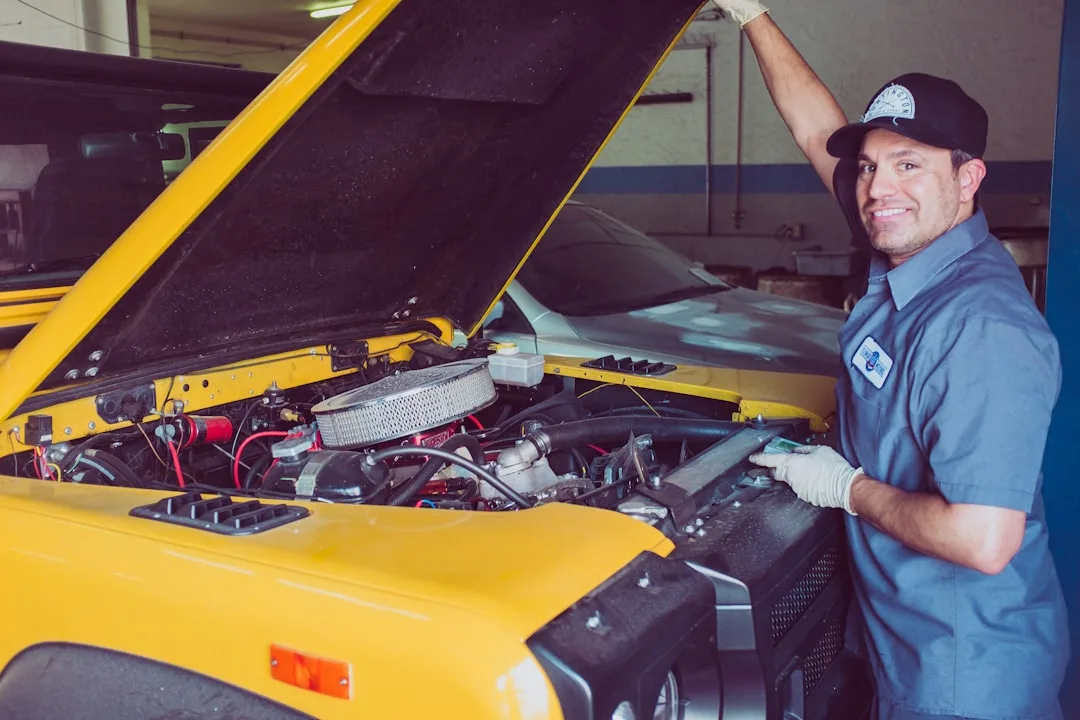
The Mistake That Destroys Vehicle Ownership Economics
The number one failure mode happens when buyers skip bundled maintenance at purchase, then try to add coverage later. A real example: A shopper buys a 2026 Subaru Outback without the maintenance plan, paying $32,000 out-of-pocket. Eighteen months later, at the first major service interval, they realize independent Subaru service runs $1,200.
They attempt to purchase extended coverage retroactively. The dealer quotes $2,400 for equivalent remaining coverage—double the purchase-time price. Worse, they’ve already lost the transferability advantage on resale. That initial savings of $700 becomes a $1,200 penalty when the vehicle sells three years later at $18,500 instead of $19,200.
Bundling at point-of-sale locks in pricing and transfers value to the next owner. Delaying the decision erases both benefits.
Family Vehicles and Resale Value: The Compound Effect
Families keeping vehicles for 5–7 years see the largest payoff from maintenance bundling. When a parent buys a Honda Pilot with a transferable plan, they’re not just buying peace of mind for their daily commute—they’re building equity for the eventual sale.
A Pilot with complete service records and active maintenance coverage typically resells 5–8 percent higher than an equivalent vehicle with gaps in service history. Over a $45,000 base price, that’s $2,250–$3,600 in retained value. For families planning to upgrade to autonomous vehicle adoption or new technologies, this residual value difference funds the down payment on the next purchase.
This compounding effect has made bundled maintenance plans the default expectation rather than an optional upgrade.
The Digital Transparency Layer Changes Everything
Hyundai and Kia have added real-time service notifications through their connected vehicle apps, alerting owners 500 miles before scheduled maintenance is due. This eliminates the memory-based guessing game that causes people to skip services.
When owners see “Oil change due in 487 miles” pop up on their phone, compliance rates jump to 89 percent versus 62 percent for traditional paper reminder cards. Higher compliance means fewer catastrophic failures, lower insurance claims, and better resale documentation.
The bundled plan becomes not just a cost control tool—it becomes a behavioral system that protects the vehicle itself.
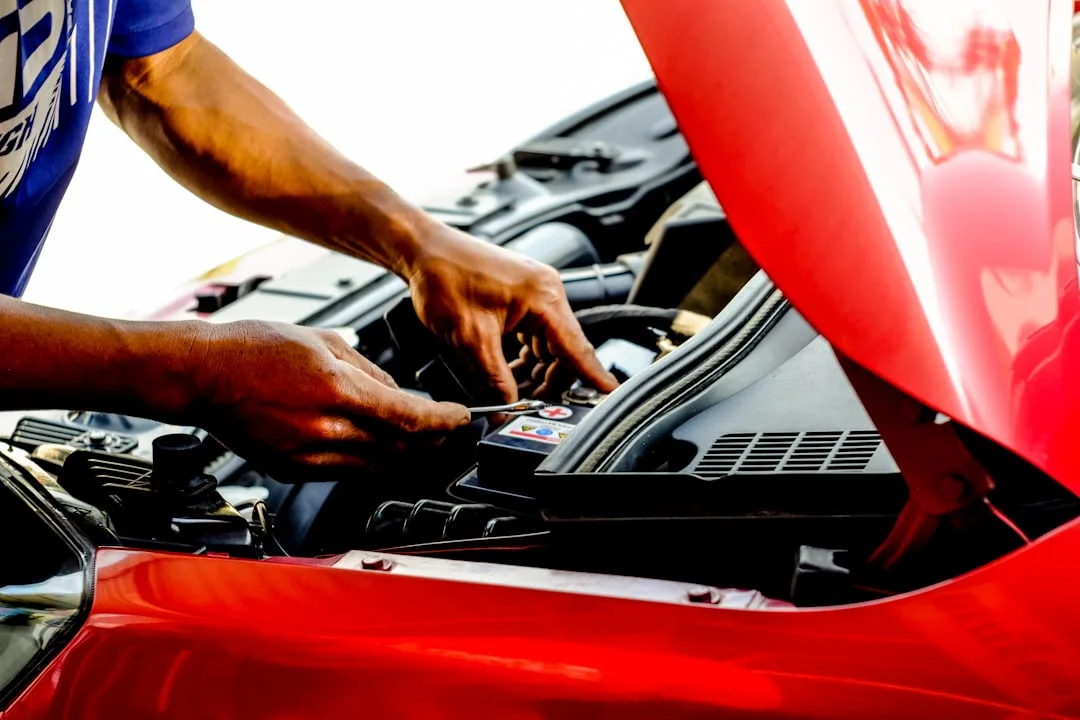
Predictive maintenance algorithms shift from reactive to anticipatory
Modern bundled plans incorporate telematics data that monitors engine performance, transmission behavior, and brake wear patterns in real time. Rather than waiting for a component to fail or following a fixed mileage schedule, the system predicts when parts will actually need service based on individual driving habits and conditions.
A driver who frequently tows cargo or navigates mountainous terrain gets different maintenance intervals than someone commuting on flat highways. The connected system recognizes these patterns and adjusts service recommendations accordingly, meaning owners aren’t overpaying for unnecessary work while still preventing premature wear.
This shift from calendar-based service to condition-based service makes bundled plans genuinely valuable rather than just convenient.
Dealership networks adapt service architecture to bundled model requirements
Hyundai and Kia dealers have restructured service bays to handle higher-volume, routine maintenance rather than emergency repairs. Instead of customers arriving with failing components, service centers now process scheduled oil changes, filter replacements, and fluid top-ups during planned appointments—reducing wait times and improving first-time completion rates.
Some dealership groups have introduced express service lanes specifically for bundled plan customers, allowing 30-minute appointments for standard maintenance without full diagnostic procedures. This operational efficiency means customers get faster service, dealers process more vehicles daily, and completion rates improve because the experience feels less like a time-consuming ordeal.
The business model transforms service departments from crisis management centers into scheduled maintenance facilities, benefiting every stakeholder in the ownership experience.