Vertical garden systems are reshaping residential landscapes by solving the core problem of limited ground space. As urban and suburban lots shrink, vertical garden systems—wall-mounted arrays, tiered frames, and pocket structures—have moved from niche specialty to mainstream landscape strategy. Unlike traditional horizontal beds that consume 40–60 square feet for modest vegetable production, vertical installations deliver equivalent or higher yields in 8–12 square feet of footprint, making them essential for homeowners working with 25-by-40-foot lots or smaller patios.
How Vertical Garden Systems Solve Space Constraints
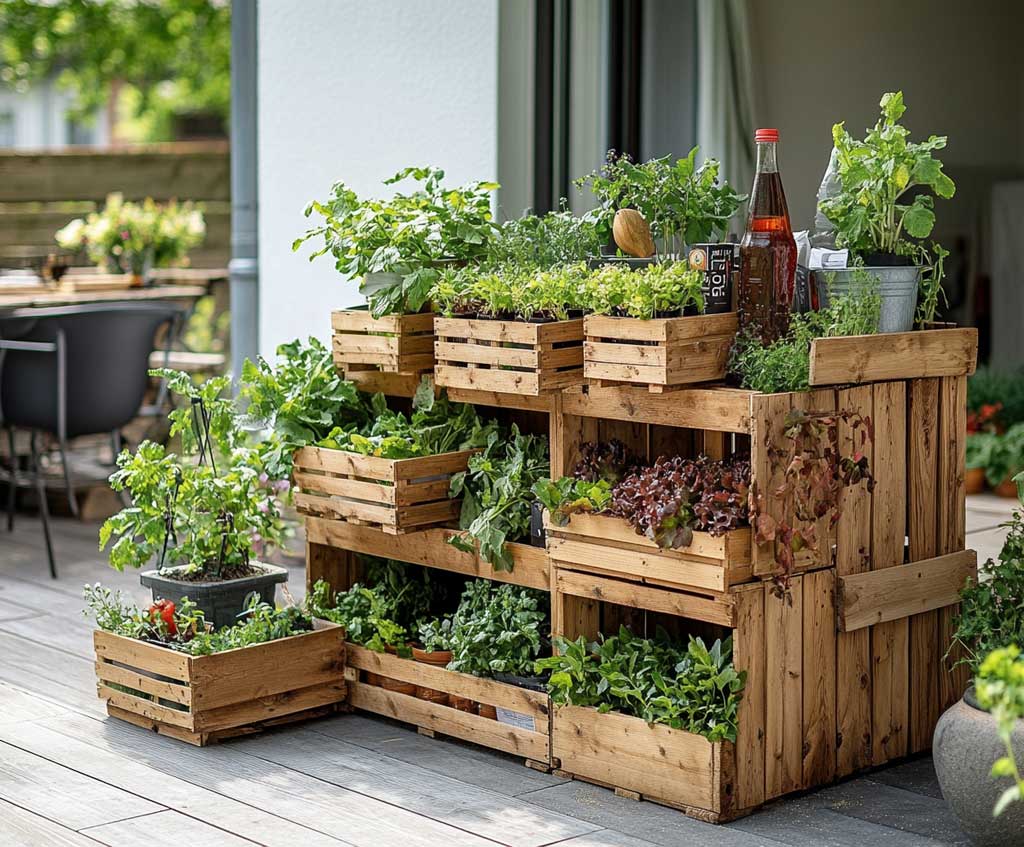
The mechanical advantage of vertical garden systems is straightforward: stacking growing surfaces multiplies usable area without horizontal sprawl. A single 8-foot-tall wall-mounted frame with five tiers delivers the functional capacity of a 5-by-8-foot traditional garden bed, but occupies only 8 square feet of ground footprint.
Gardeners using wall-mounted systems report 30–50% faster harvest cycles because plants receive consistent airflow, reducing fungal disease and pest colonization. Elevated growing surfaces keep foliage and roots away from soil-borne pathogens that dominate ground-level beds, particularly after humid summers or heavy watering seasons.
Companies like Gardman and Veradek dominate the market with modular stacking planters designed for residential retrofit installation. Gardman’s GardenGloom tiered planter stack (engineered from reinforced thermoplastic and recycled composite) accommodates 12–15 plants per unit and weighs under 35 pounds when empty, making it repositionable without foundation work.
Quick Tips
- Mount vertical systems on south-facing or east-facing walls to maximize 6–8 hours of direct sunlight daily
- Use drip irrigation or soaker line kits to automate watering—vertical systems dry faster than beds
- Start with shallow-rooted crops (herbs, lettuce, strawberries) before advancing to tomatoes or root vegetables
- Check local wind exposure; tall frames need diagonal bracing on exposed sites
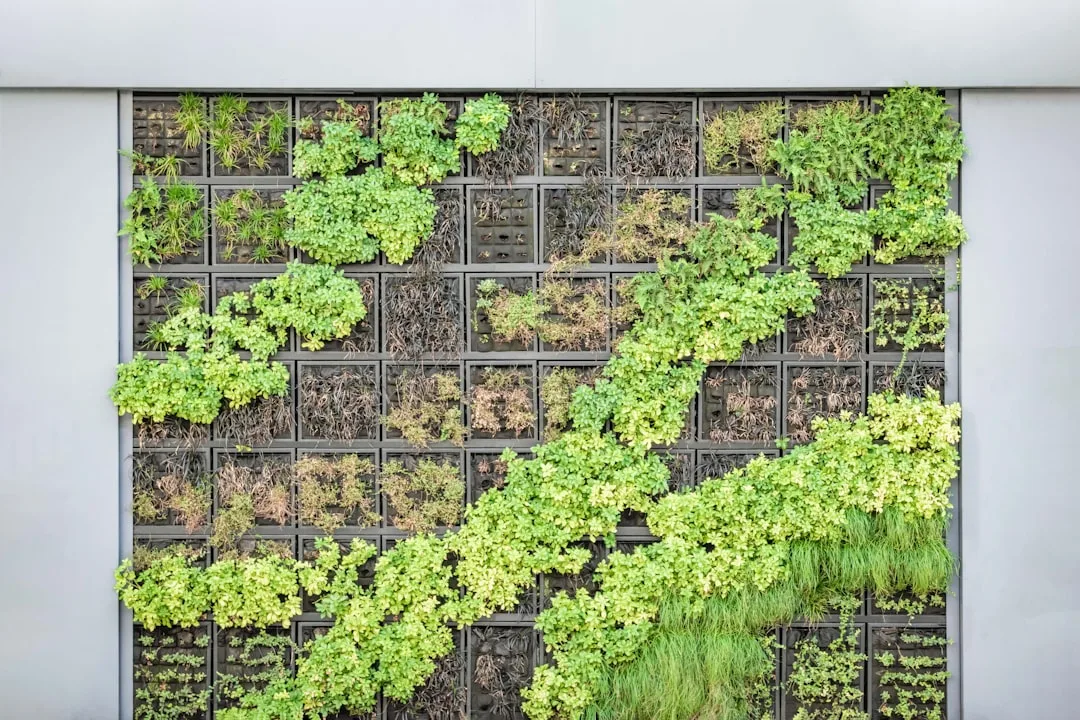
Vertical Garden Systems Address the Maintenance Mistake Most People Make
The #1 failure with vertical garden systems is under-watering due to miscalculated drainage rates. Homeowners accustomed to ground-bed irrigation assume that watering for 10–15 minutes will hydrate a stacked system equally. In reality, elevated modules with exposed sides dry 40% faster than in-ground soil because air circulates beneath and around each tier.
A concrete example: a homeowner in Austin installed a Veradek Urbana wall planter (five-tier, 60-inch height) in June 2025 without drip irrigation, using hand-watering twice weekly. By mid-July, lower tiers remained adequately moist, but upper tiers showed wilting and reduced yields despite surface-level watering appearing adequate. This occurs because water drains downward through each module; upper containers receive no moisture carryover from lower sections.
The fix: install drip lines or soaker tubing running the full height of the system, set on 20–30 minute cycles during hot months. This eliminates guesswork and prevents the frustration that causes most homeowners to abandon vertical systems after one season.
| System Type | Ground Footprint | Best For |
|---|---|---|
| Wall-mounted pocket planters | 4–6 sq ft | Herbs, succulents, shallow-rooted perennials |
| Tiered stacking frames | 8–12 sq ft | Mixed vegetables, herbs, compact shrubs |
| Tower or columnar systems | 2–3 sq ft | Strawberries, lettuce, trailing herbs |
| Trellis-integrated panels | 6–10 sq ft | Vining crops, clematis, climbing vegetables |
Irrigation and Material Standards Define Vertical Garden Systems in 2026
The market shift toward vertical garden systems accelerated in 2024–2026 as irrigation technology matured. Drip-line kits specifically engineered for stacked planters—such as those offered by Raindrip and Hunter Industries—now include pressure regulators that maintain consistent delivery across multiple tiers without leaks at tier junctions.
Material durability became critical as homeowners invested $150–$400 in system setups. High-grade polyethylene and composite-reinforced polymer (used by brands like Flexcube and Keter) withstand freeze–thaw cycles, UV degradation, and root pressure for 8–12 years without structural failure. Cheaper PVC alternatives, which dominated 2020–2022 installations, typically failed within 3–4 seasons.
Installation complexity varies. Wall-mounted pocket systems require only lag-bolt anchoring to studs (30 minutes per wall). Tiered frames demand level footings and diagonal wind bracing; homeowners typically allocate 2–3 hours plus concrete curing time for multi-tier setups taller than 48 inches.
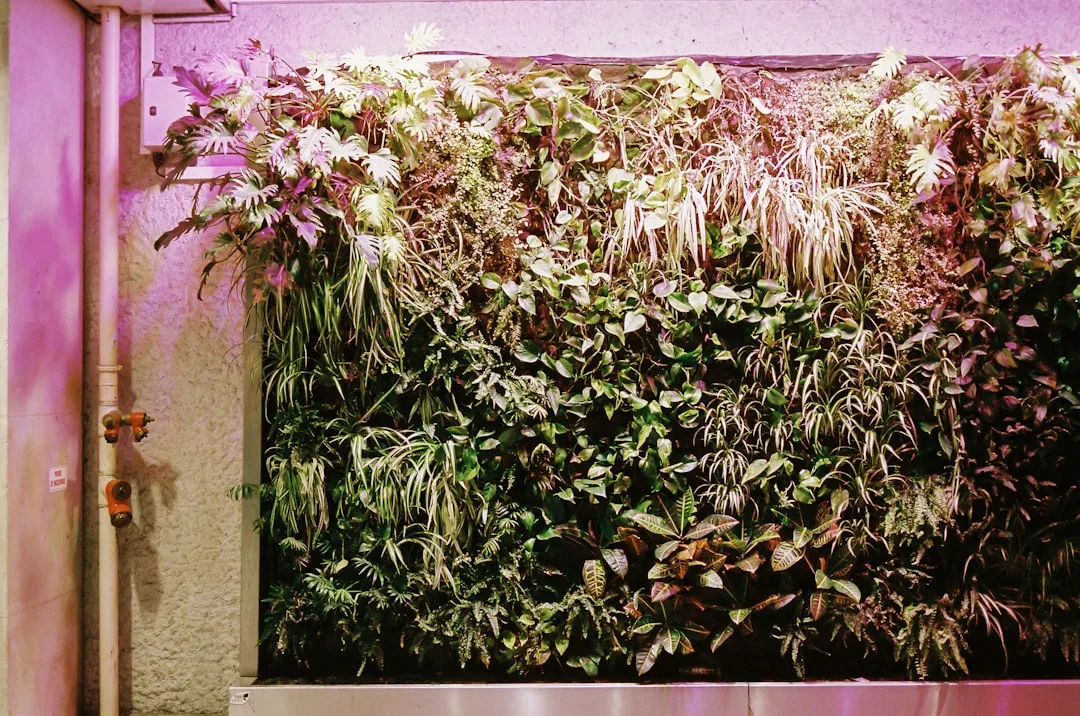
Why Vertical Garden Systems Replace Horizontal Beds in Dense Neighborhoods
Urban neighborhoods and HOA-regulated subdivisions drove adoption of vertical garden systems as a compliance solution. Many HOAs restrict in-ground vegetable gardens or require raised beds within 3 feet of property lines; vertical systems mounted flush to existing walls occupy zero additional footprint while meeting permitting requirements.
Aesthetic appeal grew as designers integrated vertical systems into landscape schemes rather than treating them as utilitarian add-ons. Trailing sedums and oregano cascading from upper tiers, paired with structured herbs and dwarf tomatoes below, created visual interest comparable to ornamental borders while producing food and medicine.
Accessibility revolutionized gardening for aging populations and those with mobility limitations. Tiered garden ideas in narrow courtyards often integrate vertical systems at waist-height or shoulder-height, eliminating bending and kneeling. A 60-inch modular tower allows harvesting and maintenance from a seated position or wheelchair approach.
Vertical Garden Systems and Microclimate Benefits
Vertical structures create favorable microclimates by increasing air exchange and reducing pest pressure. Plants in wall-mounted systems experience 2–3 hours more drying time after rain or watering compared to ground beds, substantially reducing powdery mildew, early blight, and root rot incidence.
Summer heat management changed dramatically. In Phoenix and Las Vegas test installations during June–August 2025, plants in vertical systems on east-facing walls remained 4–6°F cooler than equivalent plants in traditional beds, due to reduced soil heat radiation and enhanced air circulation below canopy.
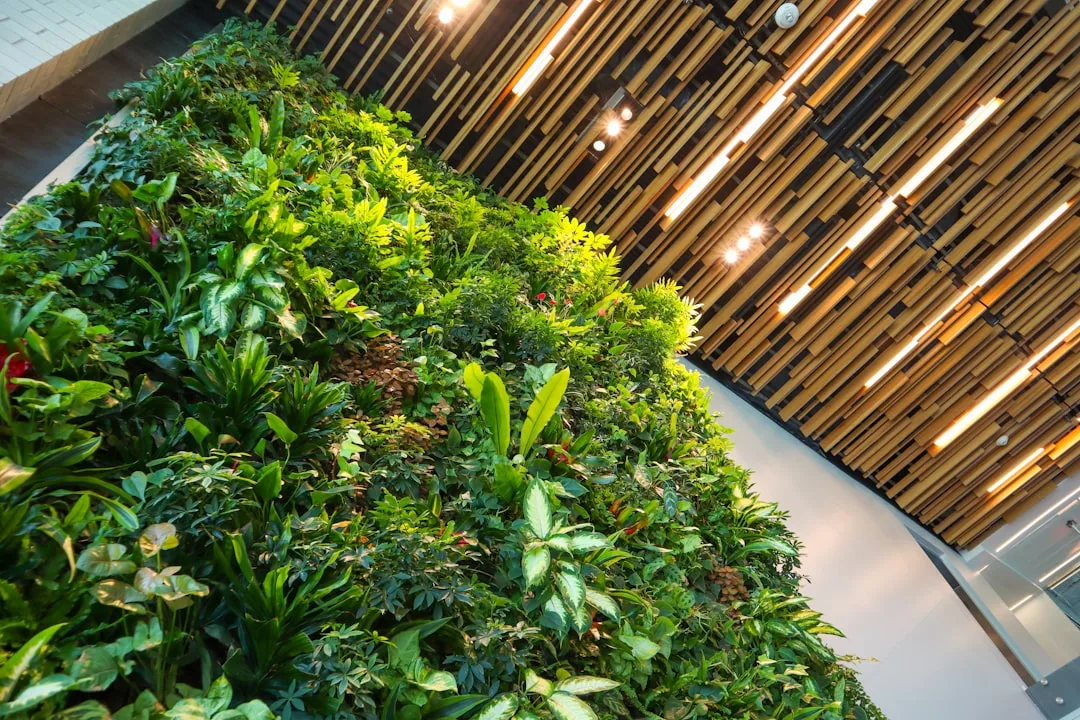
Integration with existing hardscaping became easier. 13+ cool vertical wall gardening design ideas showcase installations paired with privacy screens, pergolas, and living walls. Modular systems allowed homeowners to repurpose fence lines and garage walls into productive growing zones without structural renovation.
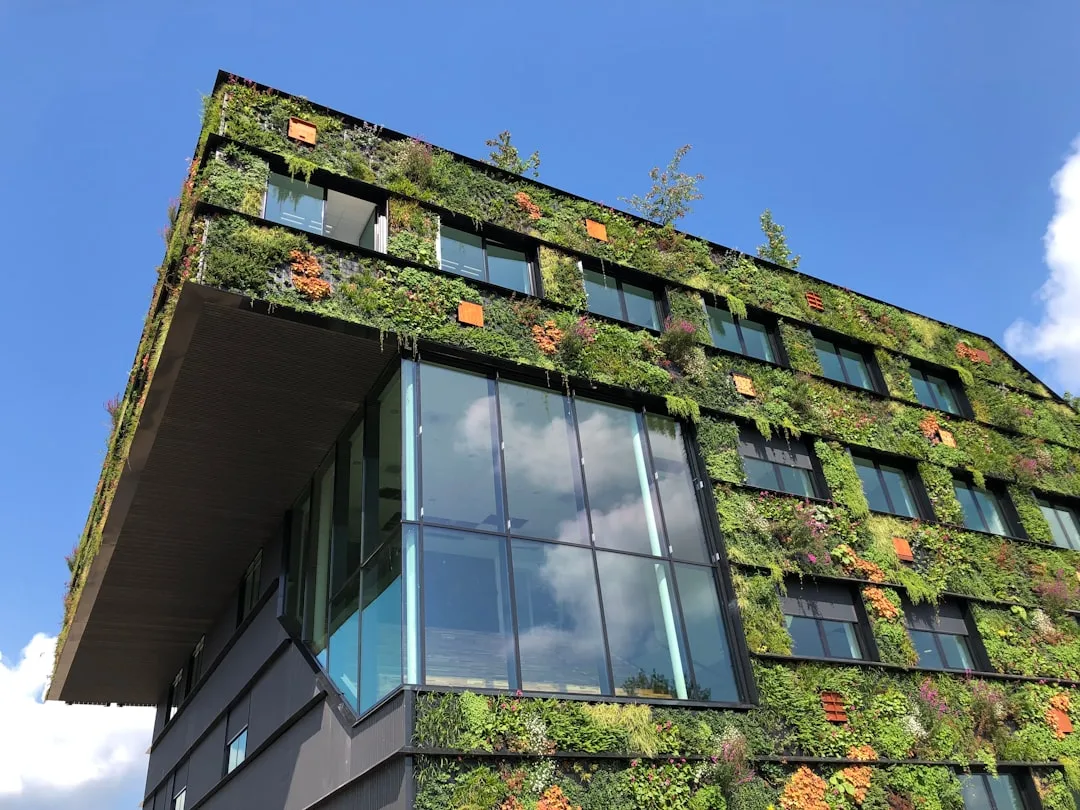
Future Adoption and Hybrid Approaches
By mid-2026, hybrid approaches combining vertical systems with traditional in-ground beds dominated landscape master plans. Rather than replacing all horizontal space, designers recommended vertical systems for high-value or high-frequency harvests (herbs, greens, berries) while reserving ground beds for perennials, root crops, and shrubs requiring deeper soils.
Smart irrigation integration accelerated adoption. Systems paired with soil-moisture sensors and weather APIs deliver water only when needed, reducing consumption by 25–35% compared to fixed schedules on vertical beds. This technology justified the $200–$350 upfront investment by cutting water costs in dry climates.
The trend reflects a maturation of residential gardening technology: vertical garden systems are no longer novelty features but recognized landscape solutions that multiply productivity per square foot, improve plant health, and enhance accessibility for aging populations.