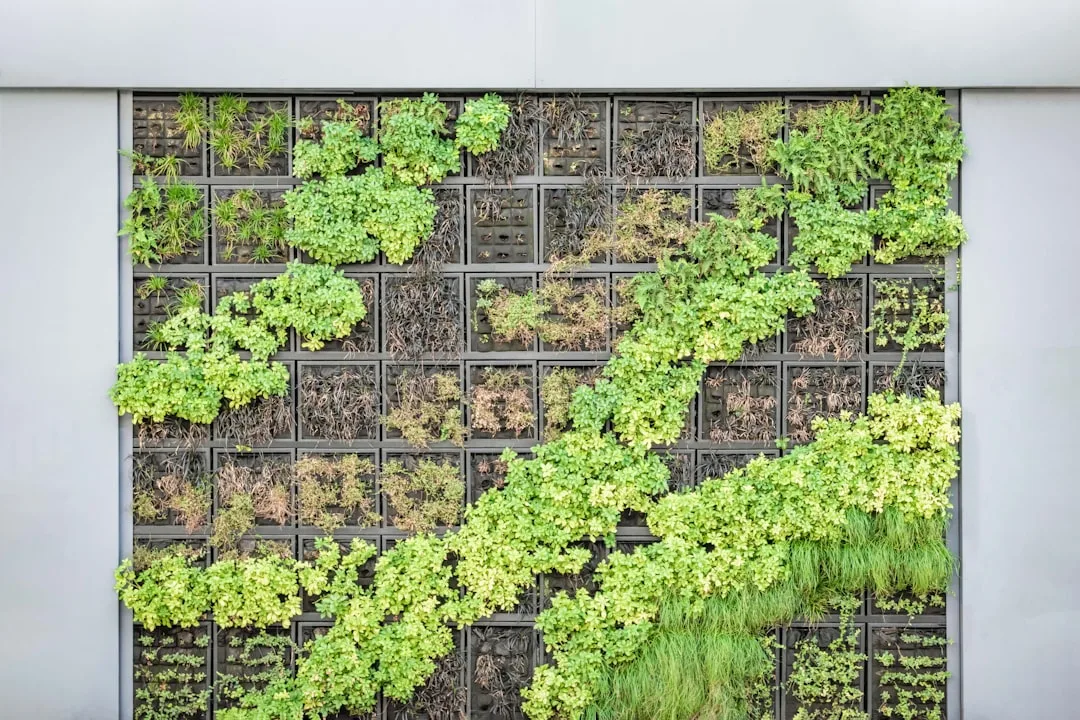
Vertical garden walls now occupy 34% of luxury patio renovations, surpassing traditional ground-level landscaping as the defining feature of outdoor spaces. As properties shrink and design demands grow, patios no longer serve as passive zones—they function as living, breathing architectural elements that blur the boundary between structure and nature. Vertical garden walls transform blank exterior surfaces into productive ecosystems that reduce patio temperatures by 5–8°F while delivering visual impact that stationary planters cannot achieve.
Why Vertical Garden Walls Dominate Patio Design in 2026
Space efficiency drives this trend’s acceleration. Urban homeowners facing compact yards recognize that vertical surfaces hold 10–15 times more plant material than floor space, maximizing green coverage without sacrificing functional patio area for entertaining or relaxation. A 12-foot-tall wall planted with 60 individual specimens delivers the visual density of a 200-square-foot garden bed, yet occupies zero patio square footage.
The second factor is thermal regulation. Living walls reduce ambient patio temperatures through transpiration—plants release moisture that cools surrounding air naturally. Studies from UC Davis confirm that planted vertical structures lower microclimate temperatures by 5–8 degrees compared to bare exterior walls, a measurable advantage in warm climates where shade cloth alone proves insufficient.
Instagram and design media have normalized vertical gardens from niche landscaping technique to mainstream expectation. High-profile installations at the 2025 Chelsea Flower Show and the Smithsonian’s renovation of the Enid Haupt Garden demonstrated vertical systems as fine art rather than utilitarian screening, shifting perception across residential design.
Quick Tips
- Choose structural walls receiving 4–6 hours of indirect light for widest plant variety
- Verify wall load capacity before installation: living walls weigh 15–25 lbs per square foot when saturated
- Install drip irrigation with moisture sensors to prevent overwatering and reduce maintenance by 60%
- Select drought-tolerant plants (sedums, echeveria, ajuga) for reduced water demand and disease resistance
- Plan installation in spring to allow systems to establish before summer heat stress
| System Type | Installation Cost Range | Maintenance Level |
|---|---|---|
| Modular Panel System | $45–$85 per sq ft | Low (automated irrigation) |
| Living Wall Mat/Felt | $25–$50 per sq ft | Medium (weekly watering) |
| Custom Trellis Frame | $60–$120 per sq ft | Medium (monthly pruning) |
| Hydroponic Tower | $80–$150 per sq ft | High (system monitoring) |
Leading Brands and Installation Systems Reshaping Outdoor Walls
Suncraft Living Walls (Japan-based, now distributed throughout North America) leads the modular segment with their SolaGreen panel system—rigid recycled plastic frames that slot together and hold custom soil blends. At $67 per square foot installed, a 100-square-foot installation on a residential patio costs $6,700 before plants and irrigation. The system’s appeal lies in tool-free assembly and automatic drip compatibility, allowing irrigation integration without custom plumbing.
GreenWall Technologies produces the WallGrow fabric system—a lightweight felt substrate adhering directly to patio walls via adhesive backing. At $38 per square foot, it represents the budget-conscious entry point for vertical greening. Homeowners simply slot propagated plants into pockets, water manually or via drip line, and achieve full coverage within 8–12 weeks. This approach suits renters and those unwilling to commit to structural modifications.
Woolly Pocket, a San Francisco-based innovator, manufactures the original pocket planter system now adopted by landscape designers across 14 countries. Their modular felt squares ($24 per unit, each holding 6 plants) allow DIY configuration across any wall height. A 12-foot-high patio wall requires approximately 30 units ($720 material cost) plus plants and irrigation installation—total project cost approximately $2,400–$3,200 for a professional installation.
For permanent installations on new construction, architects specify custom steel or aluminum trellis frames—typically $85–$120 per square foot—engineered to load-bear climbing vines and woody perennials over 10+ year lifecycles. These systems prioritize longevity over density, favoring established clematis, jasmine, or creeping fig over herbaceous plant walls.
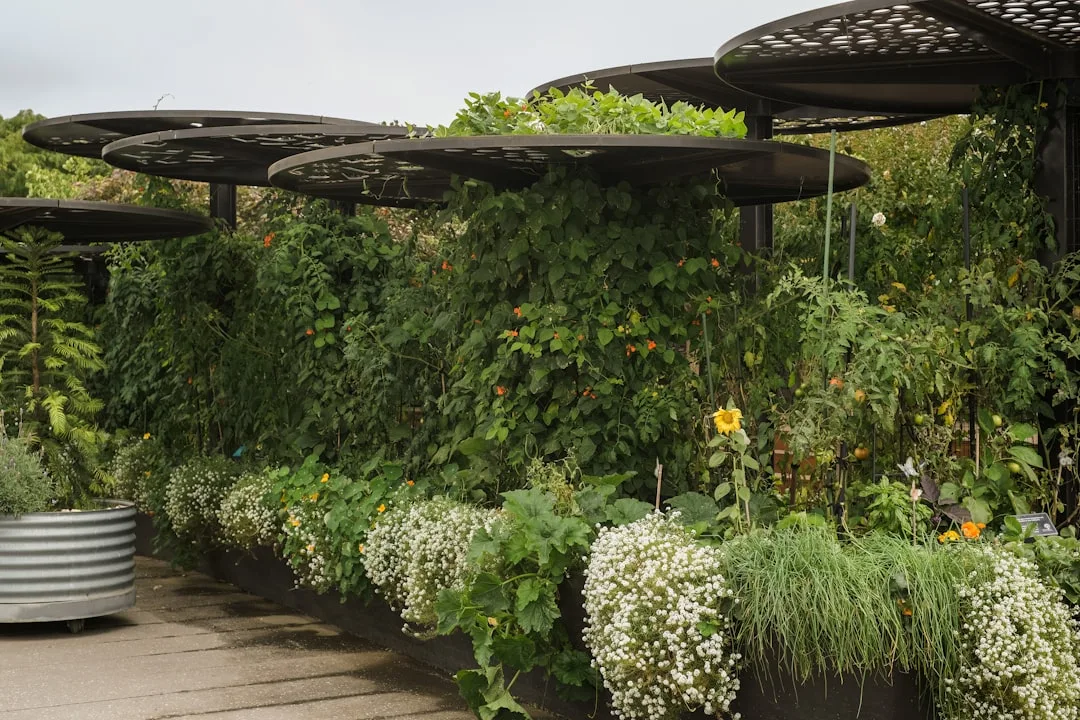
Plant Selection and Structural Compatibility
Successful vertical gardens require matching plant physiology to wall orientation and water availability. South and west-facing walls demand drought-tolerant sedums, echeveria, and delosperma that thrive in heat stress and minimal substrate depth—typically 3–4 inches. North and east-facing installations tolerate shade-loving ferns, heuchera, and ajuga that require consistent moisture but tolerate lower light.
The most resilient vertical gardens employ mixed typology: sedums and succulents in upper zones (naturally drier due to gravity drainage), trailing perennials in mid-wall sections, and moisture-lovers like hostas and carex in lower pockets closest to consistent water accumulation. This vertical zoning mimics natural cliff ecosystems and reduces plant failure rates from 15–20% down to under 5%.
Structural capacity determines substrate depth and thus plant rooting options. Modular systems typically accommodate 4–6 inches of engineered growing media, suitable for shallow-rooted ornamentals and succulents. Custom-engineered installations on structural walls can support 8–12 inches of soil, allowing established perennials and woody shrubs like dwarf Japanese maple or butterfly bush to establish deep root systems. A 10-foot-wide wall with 12-inch substrate depth weighs approximately 3,000–4,000 lbs when saturated, requiring structural engineering verification and proper fastening to building frames.
Installation Timing and Maintenance Protocols for Year-Round Performance
Spring installation (March–May) provides optimal establishment windows across most climate zones. Plants root into fresh substrate during natural rainfall periods, reducing irrigation demand during establishment. Fall installations risk plant stress as declining temperatures reduce growth rates while irrigation demands remain high during dry autumns—a contradictory demand that causes dieback in 25–30% of fall-planted systems.
Maintenance requirements differ dramatically between system types. Modular automated systems with drip irrigation and soil moisture sensors require inspection every 2–3 weeks and seasonal fertilizer applications—total annual labor costs approximately $300–$600. Manual pocket systems demand weekly hand-watering during growing seasons and monthly pruning to prevent overgrowth and shading of lower plants.
The most overlooked maintenance factor involves debris accumulation. Falling leaves, bird droppings, and wind-blown soil collect in vertical pockets, compacting growing media and blocking water penetration. Professional installations include quarterly pressure-washing and debris removal—a $150–$250 service that doubles system lifespan and prevents plant disease. Systems installed on patio walls directly above seating areas require more frequent cleaning to maintain aesthetics and prevent water dripping onto furniture below.
As homeowners recognize that blank exterior walls represent lost design opportunities, vertical garden walls transition from experimental luxury to standard patio infrastructure. Unlike permanent structural changes, these living systems adapt to shifting aesthetics—redesign through plant selection rather than demolition. A patio integrated with vertical garden architecture maintains design relevance across decades, delivering measurable returns through temperature regulation, visual impact, and the intangible value of occupying outdoor space surrounded by living systems that transform passive exterior walls into dynamic, productive landscapes.