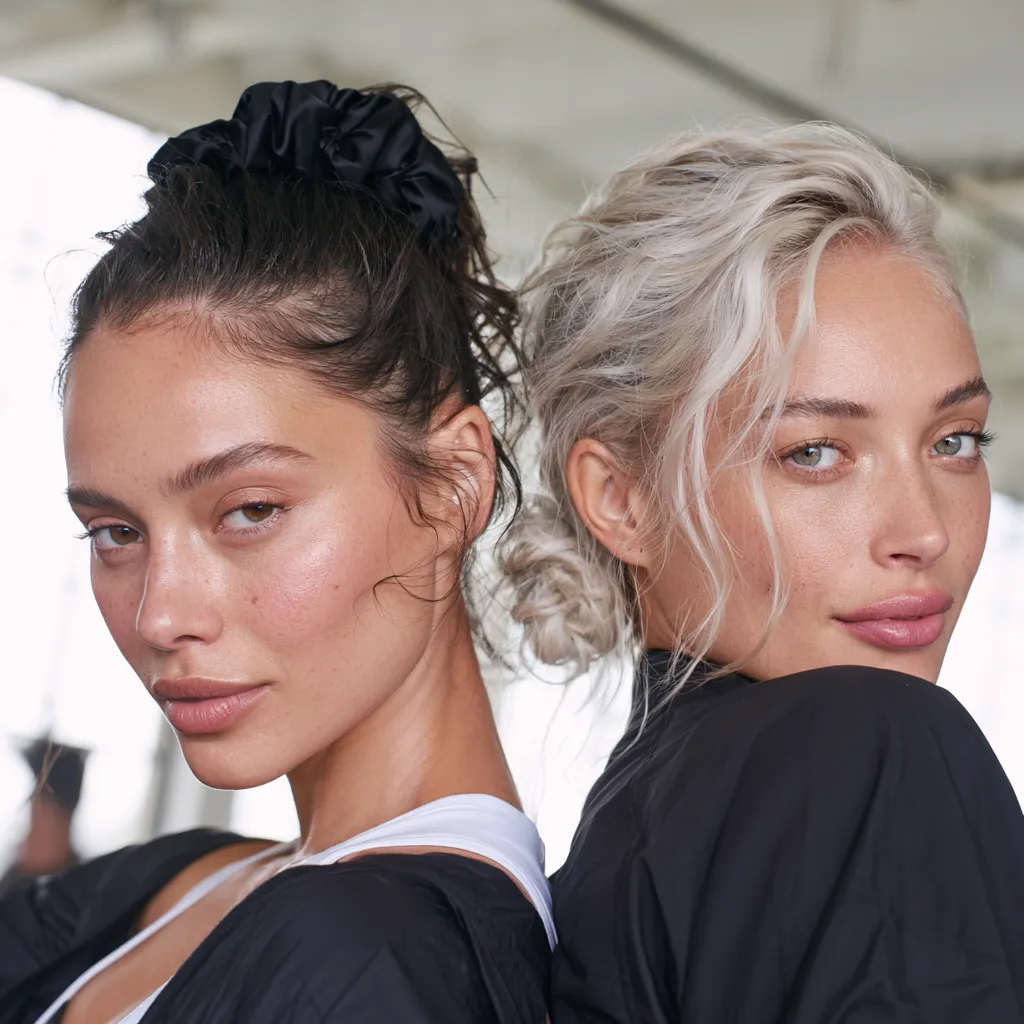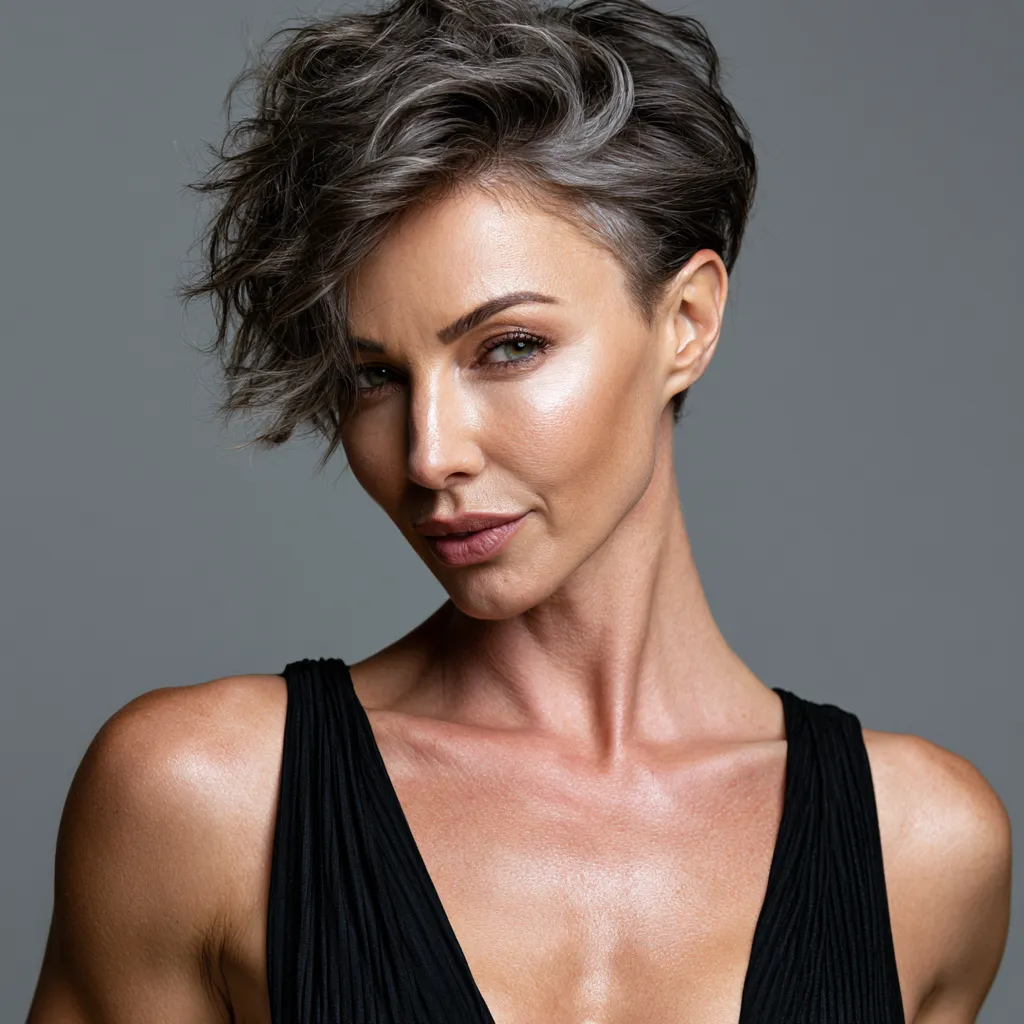
A volume perm for fine hair does something no dry shampoo or root spray can fake — it restructures the strand itself so lift happens from the inside out, not from a can. My own hair sat flat against my scalp for years, and after one body wave session at a Deva-trained salon, I stopped reaching for my volumizing mousse entirely. The chemical process works by breaking and reforming the hair’s disulfide bonds around larger rods, locking in soft waves and root lift that persist through washing after washing.
Fine hair and thin hair aren’t the same problem, but a volume perm addresses both. Fine refers to the diameter of each strand; thin refers to density on the scalp. Either way, the result when hair lays flat is the same — and a permanent volumizing treatment targets the root cause rather than masking it. Redken, Wella, and Goldwell all make perm solutions specifically formulated for fragile hair, with lower alkalinity and built-in conditioning agents that keep breakage risk low when applied by an experienced colorist.
Cost lands between $80 and $250 depending on salon location, hair length, and whether you choose a root perm, a body wave, or a digital wave. That breaks down to roughly $20–$40 a month over a six-month lifespan — cheaper than three bottles of volumizing shampoo. Below, I cover each style type in the order that makes sense to tackle them: from the softest, lowest-commitment options to the most structural permanent solutions.
- A volume perm for fine hair lasts 3–6 months and costs $80–$250 at most salons
- Root perms add lift at the scalp only — ideal if you want to keep straight ends
- Digital/hot perms from Goldwell and Wella create the most natural-looking soft waves on fine hair
- Layered cuts amplify perm results — flat one-length hair fights the wave pattern
- Sulfate-free shampoo (Pureology Hydrate, $32) is non-negotiable after any perm service
- Wait 48 hours after the service before your first wash; curl integrity depends on it


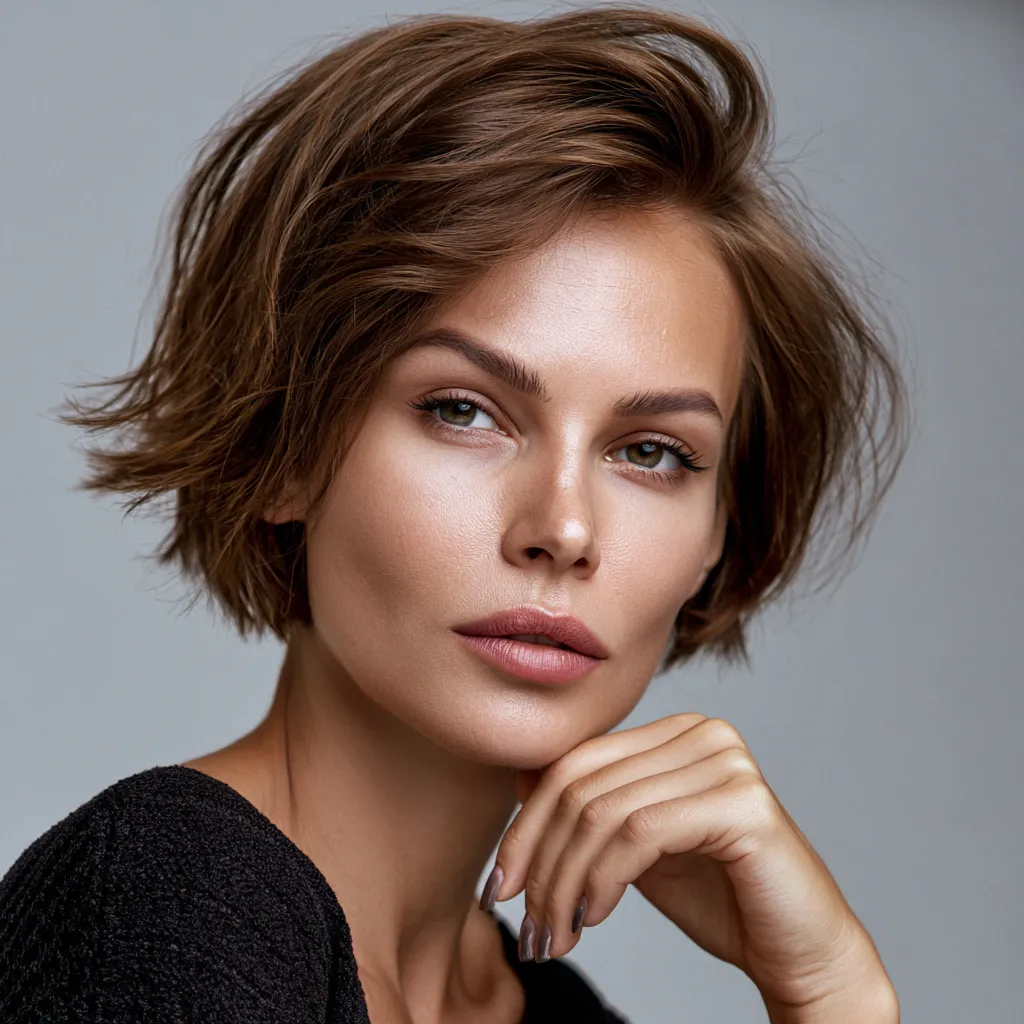
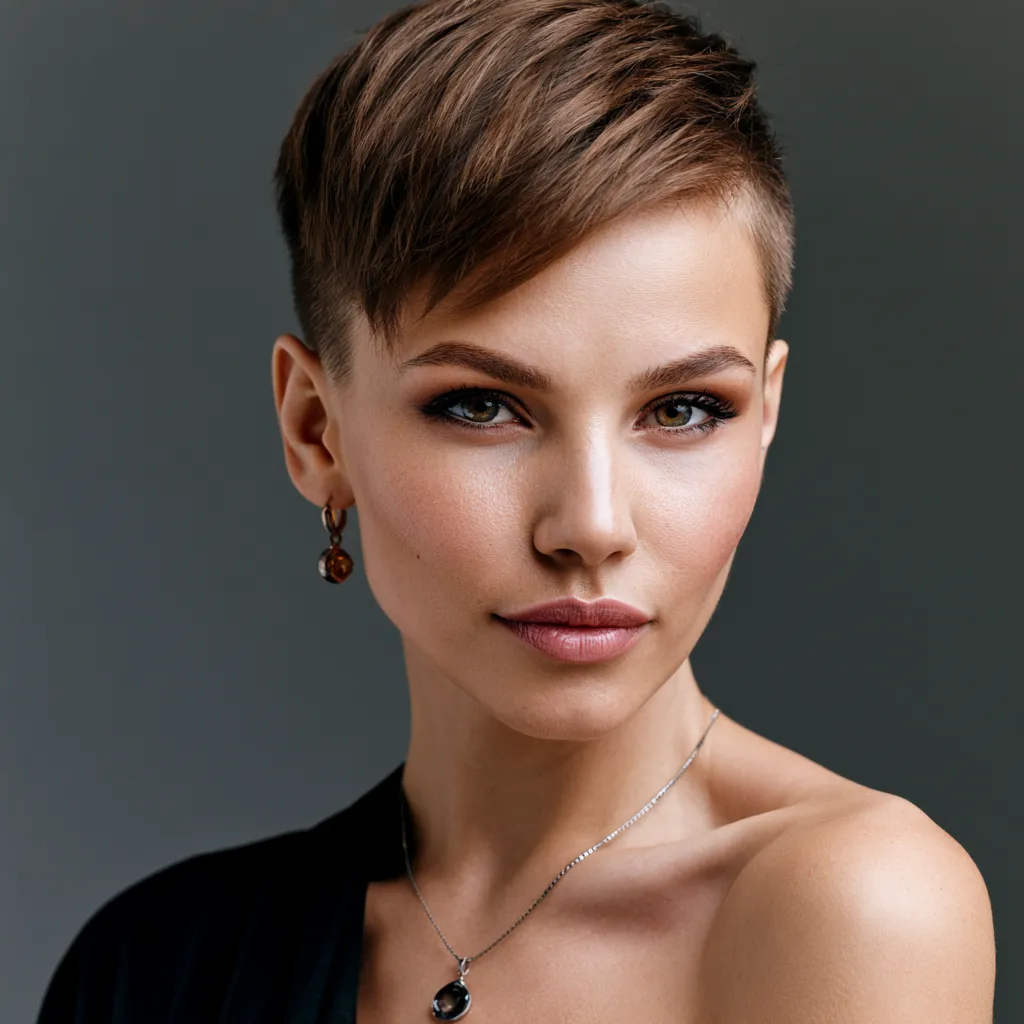


Soft Curls From a Volume Perm Transform Fine Hair From the Root Up
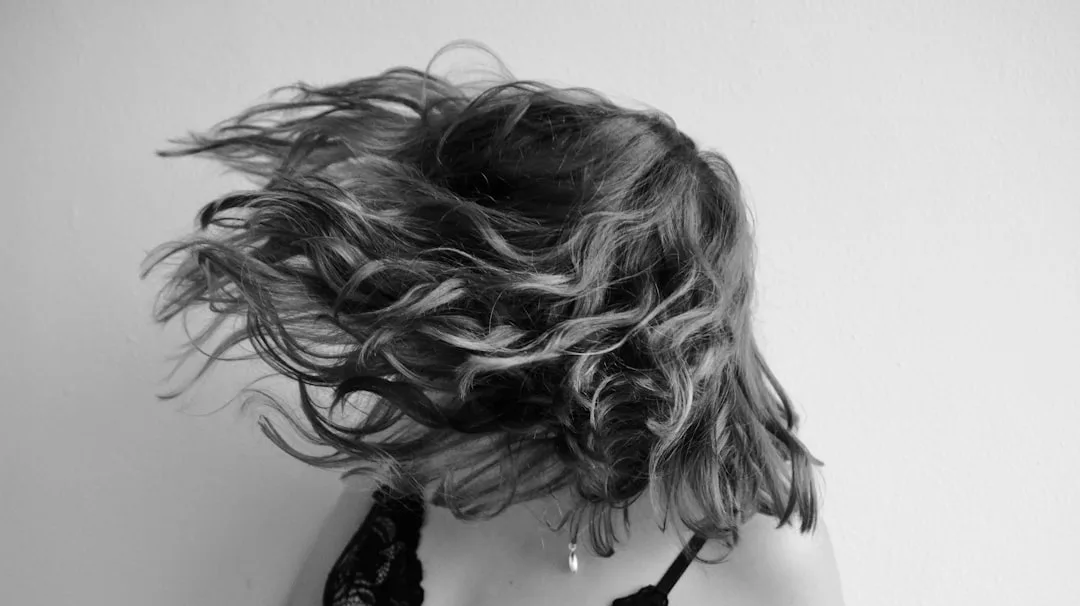
A volume perm for fine hair works best when the stylist selects large rods — 1.5 to 2 inches in diameter — because smaller rods produce tight ringlets that overwhelm strands with low density. I’ve seen the tight-curl mistake happen in salons that don’t specialize in fine hair, and the result looks frizzy within two weeks. Ask specifically for a “body wave perm” or “soft wave perm,” and request that the processing time be reduced by 10–15% compared to thick hair — fine strands take the solution faster.


Digital perming — the hot perm technique popularized by Japanese salons — delivers the most polished result on fine hair. The Goldwell Topchic Digital Perm system heats the rods to around 140°F while the solution processes, which seals the wave pattern more deeply into the cortex. Results from a digital perm typically last 4–6 months versus the 2–3 months you get from a standard cold wave on fine strands. Expect to pay $150–$250 extra at a salon that carries the equipment; it’s worth it if your hair is very fine and tends to lose curl quickly.

You’ll notice the curls look best on the second or third day after washing — a little natural oil is the soft wave’s best friend. Diffuse on low heat rather than scrunching with a towel, because terry cloth creates friction that turns a soft wave into a frizz cloud. Wella Professionals EIMI Boost Bounce Curl Mousse ($22) works well on fine permed hair because it’s light enough not to weigh the wave down. What doesn’t work: heavy cream stylers, silicone serums, or anything marketed as “anti-frizz smoothing” — those flatten the wave you just paid $150 for.

Soft curls also reduce how often you reach for hot tools, which is the real longevity gift for fine hair. Heat styling is the number-one reason fine permed hair loses its pattern early — every pass of a curling iron over already-processed strands weakens the bond just reformed by the perm solution. I stole this trick from my stylist: once a week, refresh curls by spritzing with water and scrunching with a tiny amount of Ouai Wave Spray ($28), then air-dry. Hair stays shaped for four to five months with zero heat involved.
Root Lift Permanent Treatment Adds Height Where Fine Hair Falls Flat
Root perm for thin hair is the most targeted permanent volumizing treatment available — the solution only touches the first two inches of hair closest to the scalp, leaving the rest of the strand completely untouched. Think of it like scaffolding built beneath the hair rather than reshaping the whole structure. My go-to recommendation for anyone nervous about chemical damage is a root perm first: it’s the lowest-commitment way to test how your fine hair responds to the solution before committing to a full body wave.

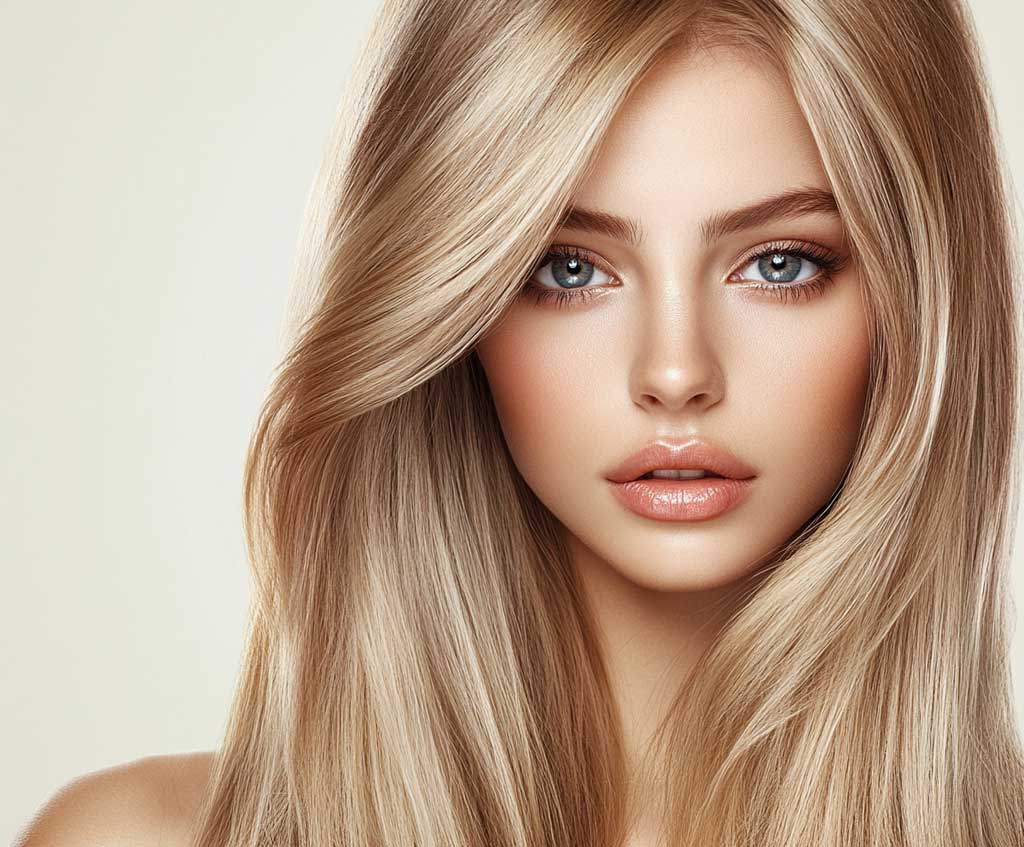
Root perms cost $30–$80 at most salons and last three to four months — cheaper than a Dyson Airwrap on a per-use basis, and the lift doesn’t disappear in humidity the way a blow-out does. The stylist wraps only the roots around small rods pointing upward at a 90-degree angle from the scalp, which is what creates the vertical lift rather than horizontal curl. Does it look natural? Yes — because the ends stay smooth and straight, the overall effect reads as healthy volume rather than “I just got a perm.”

The one mistake I see people make with root perms: expecting the same fullness a body wave delivers. A root perm lifts; it doesn’t add wave texture throughout the length. If you wear your hair straight daily, a root perm is perfect. If you want visible waves at the ends too, pair it with a partial wave limited to the mid-lengths — ask your stylist for a “two-zone” perm. Avoid applying the root perm closer than two weeks to a color appointment, because both services involve chemical processing and the overlap can cause uneven porosity.
- Don’t skip the strand test. Fine hair processes perm solution faster than thick hair. Skipping the test is how you end up with over-processed, gummy strands that snap when wet.
- Don’t wash your hair the day of your appointment. Natural scalp oils protect the scalp during processing. Arriving with squeaky-clean hair increases scalp irritation risk.
- Don’t use sulfate shampoo after a perm. Sulfates strip the curl bond. Switch to Pureology Hydrate ($32) or Davines MOMO Shampoo ($30) immediately after your service.
- Don’t layer a perm over bleached hair. If your fine hair has been highlighted more than 30%, the cortex is too porous for perm solution — you’ll get inconsistent wave and breakage.
- Don’t expect a root perm to mimic a body wave. They solve different problems. Match the treatment to the result you actually want.

Maintenance after a root perm is minimal — that’s its practical superpower. You don’t need volumizing spray, dry shampoo, or a blow-dryer on high every morning. The lift is already built in. Redken’s Volume Injection Shampoo ($22) works well to keep fine permed roots feeling light and clean without stripping. Touch-ups every three to four months keep the look fresh; most stylists charge 60–70% of the original price for a refresh, so budget roughly $25–$55 per touch-up cycle.
Layered Cuts Make a Volume Perm for Fine Hair Work Twice as Hard
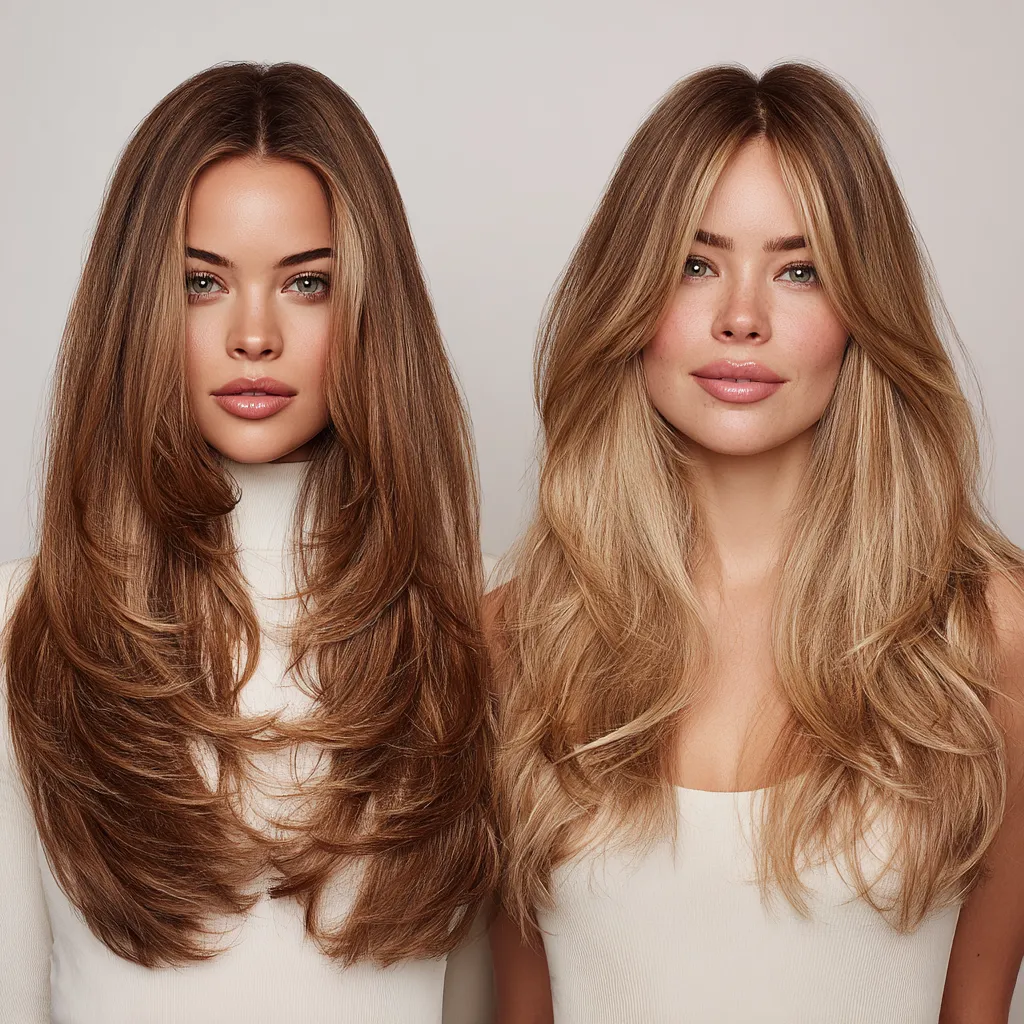
A layered cut and a volume perm for fine hair are the most productive combination in the permanent styling world — layers give the wave something to catch, and waves give the layers something to move. Flat, one-length fine hair actually fights a perm: the weight of all strands at the same length pulls the wave out faster, usually within six weeks. I’ve found that asking for a textured layer cut before the perm service — not after — produces wave patterns that hold two to three months longer than the same perm on unlayered hair.


The right layer distribution matters more than most stylists admit. Face-framing layers cut at cheekbone to chin length add the most visual volume because that’s where people’s eyes land first. Crown layers should stay longer — cutting them too short on fine hair creates a pyramid shape when the wave loosens. Ask your stylist for a “soft shag” or “curtain-layer” structure specifically, not a “graduation” or “stacked bob,” both of which remove volume at the back where fine hair already lacks it. For more on how layered cuts behave on thin hair, these short styles for thin hair show the layer geometry in detail.

Texturizing the ends with point-cutting — where the scissors go into the hair vertically rather than straight across — adds even more movement to a layered perm on fine hair. Your stylist should avoid razor cutting on permed fine hair, though; the razor disrupts the cuticle and the wave pattern in a way scissors don’t, causing earlier frizz and uneven curl. The Paul Mitchell Express Ion Smooth+ flat iron ($130) is the one heat tool I’d keep around for the rare day the layered waves go sideways — it’s precise enough to smooth individual sections without touching the waves you want to keep.
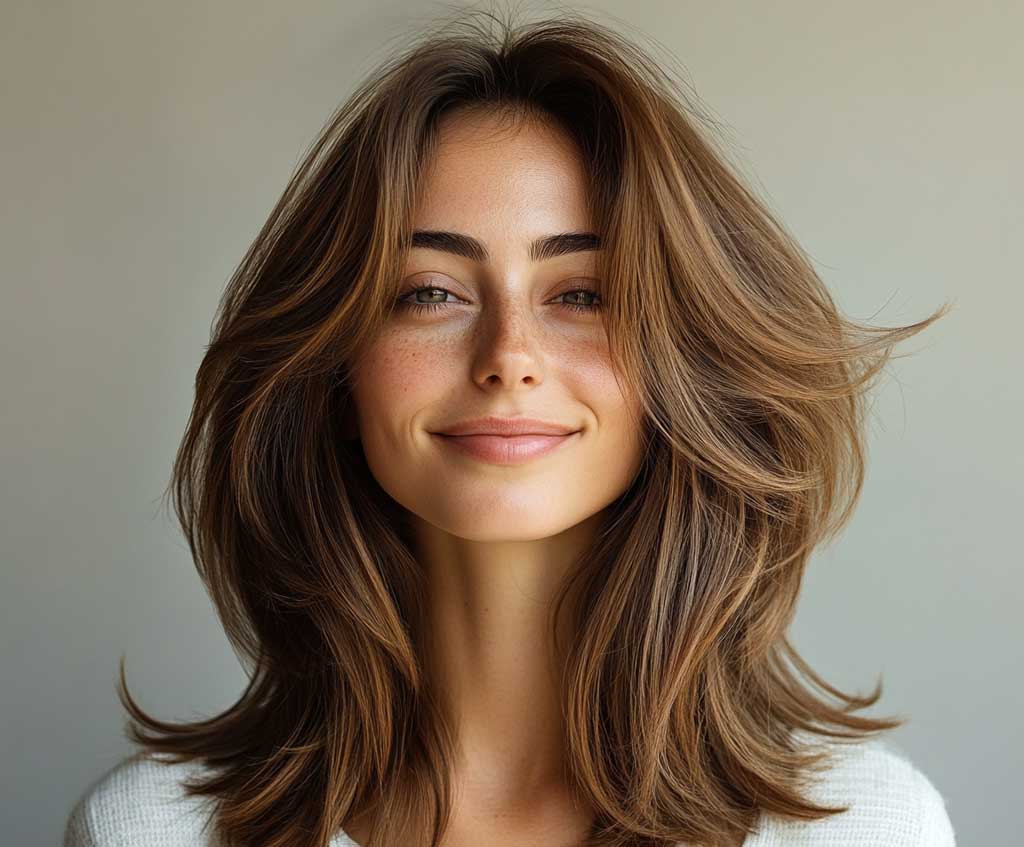
Styling layered permed hair takes under five minutes once you find your routine. Scrunch a coin-sized amount of Moroccanoil Curl Defining Cream ($34) into damp hair, tip your head upside down, and diffuse on the lowest heat setting for three minutes. That’s it. You’ll notice the layers separate naturally and the wave catches the light in a way that reads as genuinely thicker hair — not styled, just healthy. For more ideas on how different cut structures affect volume on fine hair, this breakdown of volumizing haircuts for thin hair covers the geometry in more depth.
One underrated benefit of the layered-perm combination: it ages gracefully as the perm relaxes. Unlike a tight curl that looks obviously grown-out at the two-month mark, a soft-wave layered style simply transitions into a relaxed wave with movement — still looks intentional, never looks forgotten. Budget for a trim at the eight-week mark to keep the layer shape clean, which costs $40–$80 at most independent salons and makes the perm look fresh for another month or two without touching the chemistry.
Final Word
Fine hair doesn’t need more product — it needs a smarter permanent foundation
A volume perm for fine hair removes the daily effort of chasing lift that disappears by noon. Root perms cost $30–$80, body waves run $80–$200, and digital perms top out around $250 — each price point delivers months of volume you can’t wash out.
Layers amplify every perm style by reducing the weight pulling waves down. Combine a soft shag cut with a body wave and you get fullness at the root, movement through the mid-lengths, and texture at the ends — three problems solved in one appointment.
Match your aftercare to the service: sulfate-free shampoo, a light mousse, and zero heat tools for the first two weeks. Save this post before your next salon consultation — it’ll help you ask for exactly the right technique.
Related Topics