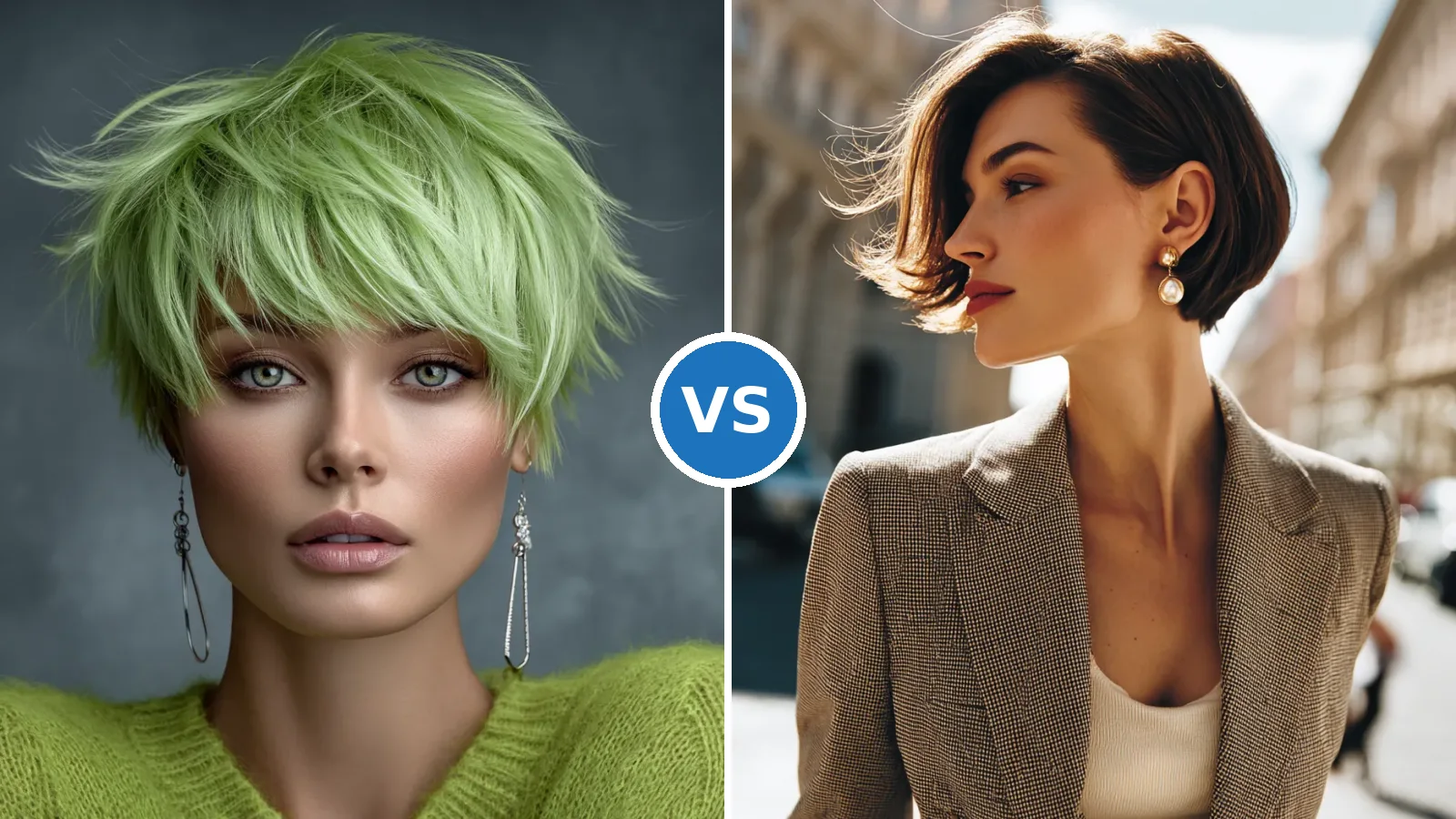
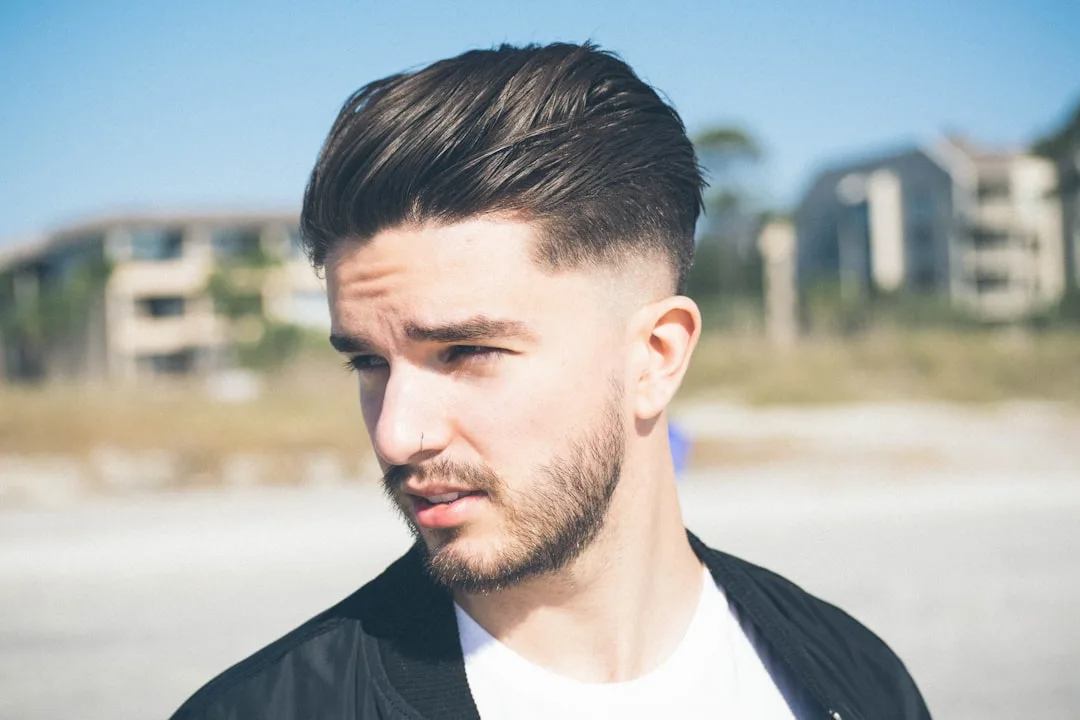
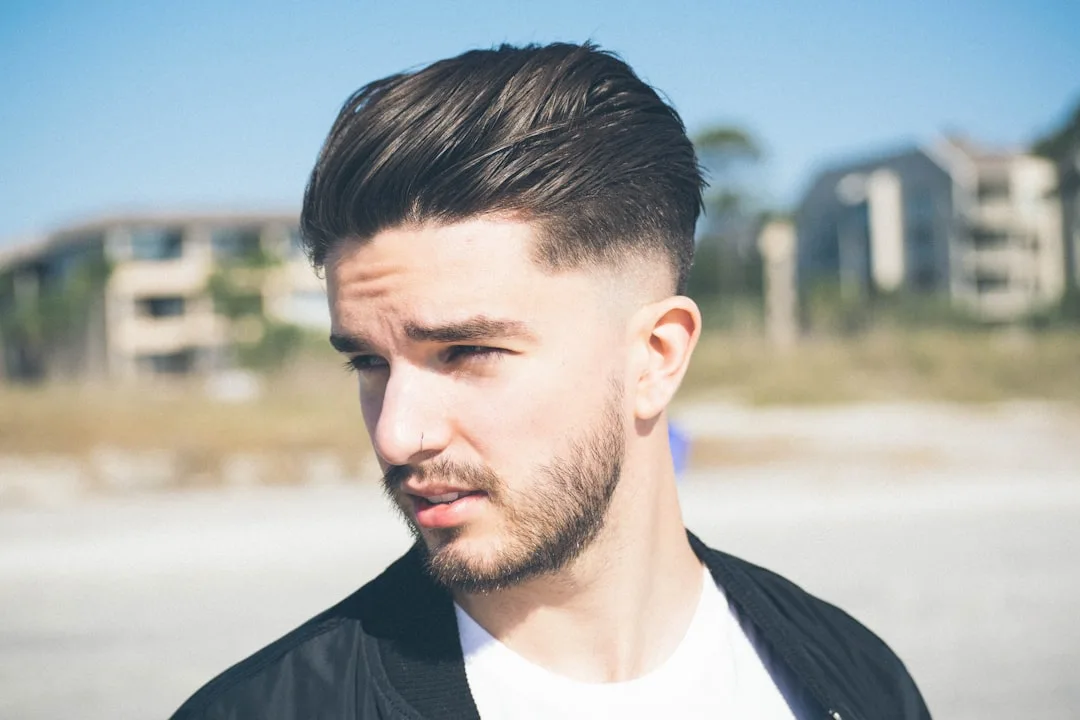
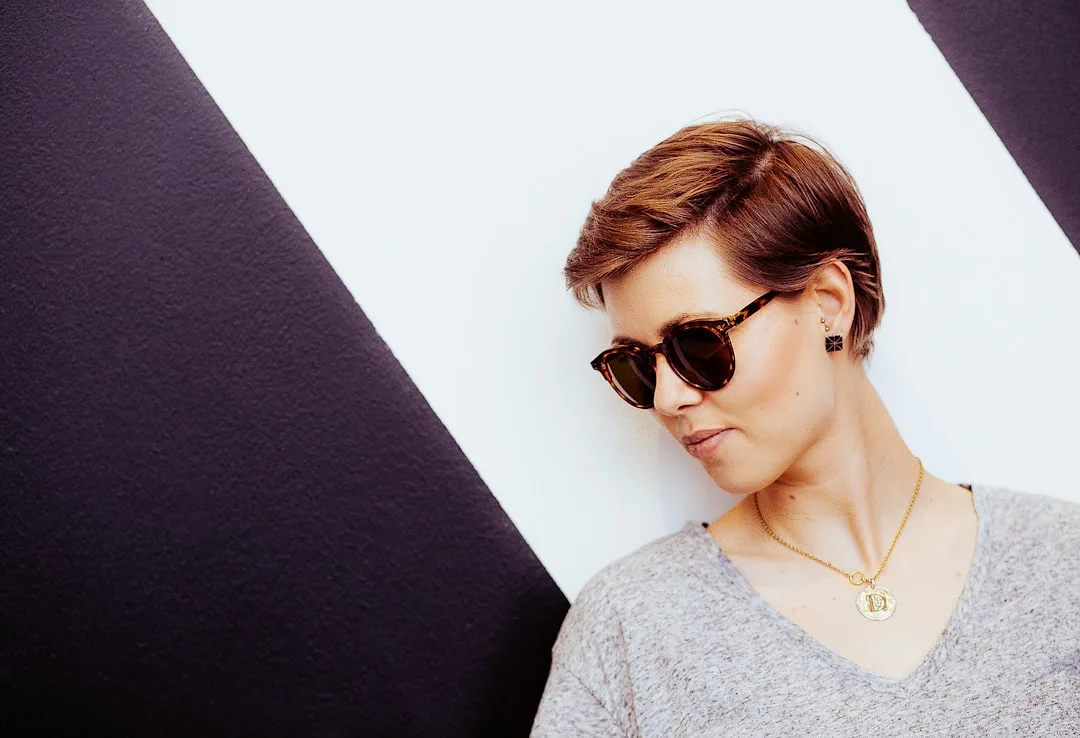
A shaggy haircut for square face shapes does one thing better than almost any other cut — it fractures the rigid geometry of a strong jaw and replaces it with movement. I’ve watched clients with very angular bone structure walk out of the salon looking like completely different people after a proper shag, and the difference isn’t subtle. The choppy layers break the horizontal lines that a square face naturally produces, which is exactly what this face shape needs most.
You’ll notice the contrast immediately between a shag done right and one done wrong on this face shape. A shag that places the shortest layers at chin level will frame the widest, squarest part of the face and make it look boxier. The version that works keeps layers either above the cheekbones or well below the jaw — never terminating exactly at the corners. That single placement decision is what separates a flattering shaggy haircut for square faces from one that just looks like the stylist ran out of ideas mid-cut.
From electric blue layered styles to pastel pink wavy cuts, bold color amplifies the texture that makes a shag work. Below you’ll find three distinct looks, what makes each one succeed on angular bone structure, and what to avoid at every turn.
- A shaggy haircut for square face shapes works by placing layers above the cheekbones or below the jaw — never at chin level
- Feathery, wispy ends soften the jawline; blunt, heavy ends emphasize it
- Electric blue and pastel pink layers increase visible texture, which boosts the softening effect
- Shoulder-length is the most forgiving starting point for angular bone structure
- Mousse or salt spray (not heavy cream) is the right product — heavy products collapse the layers that do all the work
- Face-framing layers starting at the cheekbones are non-negotiable for a square face
Electric Blue Layered Shaggy Haircut for Square Face Angles
A shaggy haircut for square face geometry in electric blue is one of those combinations where the color and the cut are doing the same job simultaneously. My stylist calls this “double softening” — the layers break the structural lines of the jaw while the electric blue pigment draws every eye upward toward the crown instead of across the widest horizontal points of the face. I’ve never seen this look land badly on angular bone structure when the layers are positioned correctly.
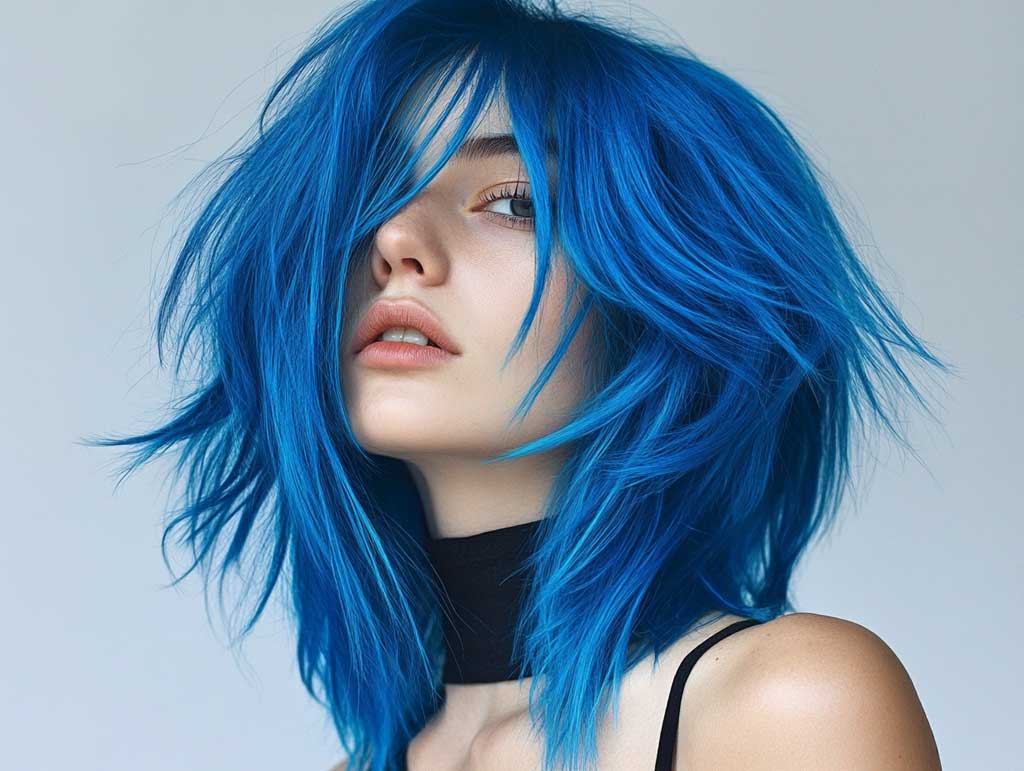


The architecture of this cut concentrates volume at the crown — stack the shortest layers there, not at the sides. Layers fanning outward at temple level add horizontal width, which is the last thing a square face needs. Pull the interior layers up and away from the ears, let the ends go wispy and separated rather than blunt, and the result looks like a controlled explosion of texture rather than a shape that competes with the jaw. Ask for “point-cut ends and disconnected crown layers” and you’ll get this right on the first appointment.
Styling costs almost nothing once you have the right product. Spritz Kenra Platinum Silkening Mist ($24) on damp sections, scrunch, and diffuse on low — or just let it air-dry if your hair has any wave to it. You’ll notice the layers settle into their own positions naturally without much coaxing. Skip the round brush entirely; it smooths out the exact separation that makes the shaggy texture do its job. Heavy creams like Moroccanoil Treatment used on the full length will mat the layers together and kill the look in under five minutes.
Does the electric blue wash out too fast? Yes — and that’s actually useful information. The fading process takes blue through teal, then silver-green, and each phase still reads as intentional color rather than neglected roots. A Joico Color Intensity Blue in the $14 range lets you refresh at home between salon visits without a full recolor appointment. The shag structure at this length (collarbone to shoulder) grows out cleanly for about ten to twelve weeks before needing a reshape, making this one of the more practical bold cuts for a busy schedule. For more layered options that flatter strong bone structure, the full breakdown at The Most Flattering Layered Haircuts for Every Single Face Shape is worth reading before your next salon visit.
- Don’t cut the shortest layers at chin or jaw level. That position frames the widest, squarest part of the face and makes it look broader. Layers belong either above the cheekbones or well below the jaw.
- Don’t ask for blunt perimeter ends. A blunt line at the bottom mirrors the square jawline directly. Point-cut or razor-cut ends are what break the geometry.
- Don’t apply heavy creams through the full length. They collapse the layer separation that does all the visual work. Lightweight mousse or spray only.
- Don’t skip crown layers to preserve length. A flat crown on a square face removes the only upward movement that offsets the horizontal jaw. The crown is where the cut earns its results.
Vibrant Purple Shoulder-Length Shag Softening a Square Jawline
Shoulder-length is the shaggy haircut sweet spot for a square face, and the vibrant purple version of this cut is the clearest demonstration of why. The ends sit just below the jaw rather than terminating at it, which means the hair draws the eye downward and outward — away from the squareness — instead of stopping right where the angles are sharpest. I stole this observation from a colorist at a Bumble and bumble training session I attended, and it changed how I think about length recommendations for this face shape entirely.


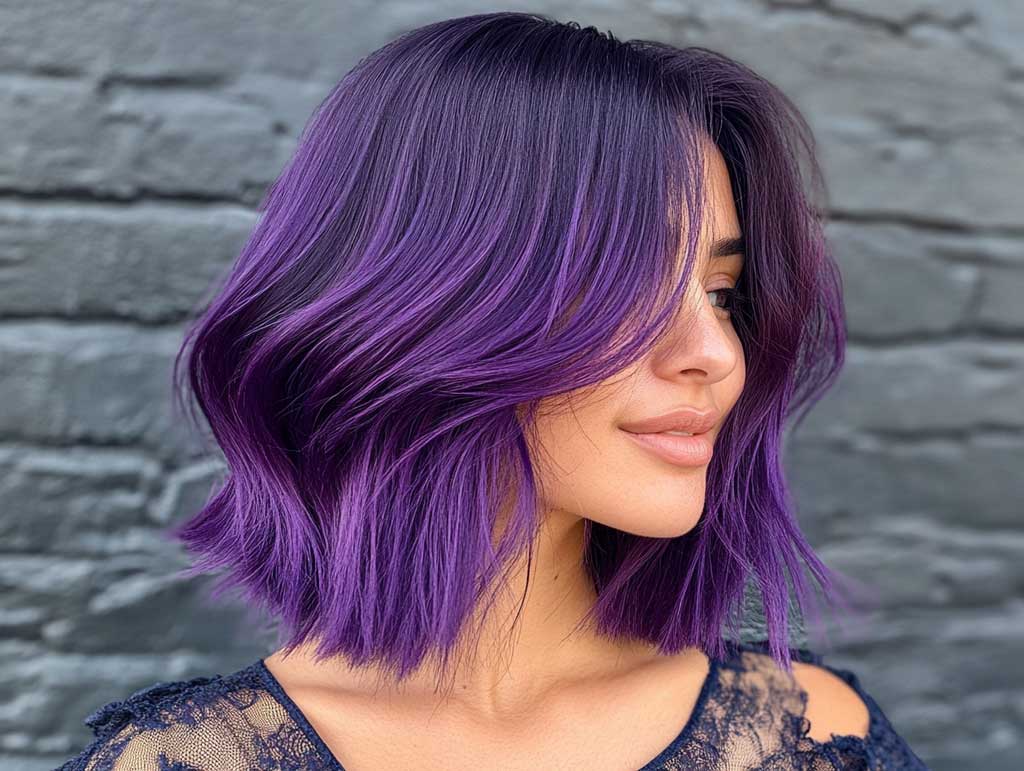
The face-framing layers in this version begin at the cheekbones and work inward — not from the jaw out. That starting point matters because cheekbone-level framing creates a diagonal line that pulls the eye toward the center of the face and upward, which visually narrows the entire structure. Feathery ends through the perimeter prevent the cut from looking heavy or structured. Is there a risk of the purple fading into muddy lavender? Yes, and you need a purple-specific shampoo like Overtone Purple for Brown Hair ($30) or Pulp Riot Colour Protect Shampoo to slow that process between appointments.
For styling, Amika Un.Done Volume and Matte Texture Spray ($26) on damp lengths gives you the soft, lived-in texture this cut needs. Soft waves added with a 1-inch barrel curling wand increase the visual complexity of the layers — each wave creates a slightly different silhouette that keeps the eye moving rather than locking onto the jaw’s horizontal line. A straightened version also works, but only if the ends are left wispy: a sleek, blunt-end straighten on a square face reads like a box, not a hairstyle.
Thick or wavy hair performs best in this cut because the layers have enough raw material to create genuine movement. Fine hair can still wear this length, but it needs more aggressive interior thinning — ask for thinning shears used on the mid-lengths, not just the ends. A shoulder-length shaggy haircut at a good salon runs $70 to $95 before tip in most U.S. cities; the purple color service adds another $80 to $140 depending on your base. Budget for a toner touch-up at six weeks if you want the purple to stay rich rather than fading into a washed-out lilac.
Pastel Pink Wavy Shaggy Haircut Reframes What a Square Face Can Do
Pastel pink is a counterintuitive color choice for a shaggy haircut on a square face — soft and romantic rather than edgy — but it works because it removes visual weight from the jaw precisely where you need it. Dark, heavy colors at the ends anchor the eye at the widest point of the face. A pastel pink that fades from mid-length to tip does the opposite: it lightens the perimeter, making the ends feel airy and disconnected from the jaw’s geometry. I’ve seen this look transform what people thought was an “unfixable” angular jaw into the most photographed feature in the room.

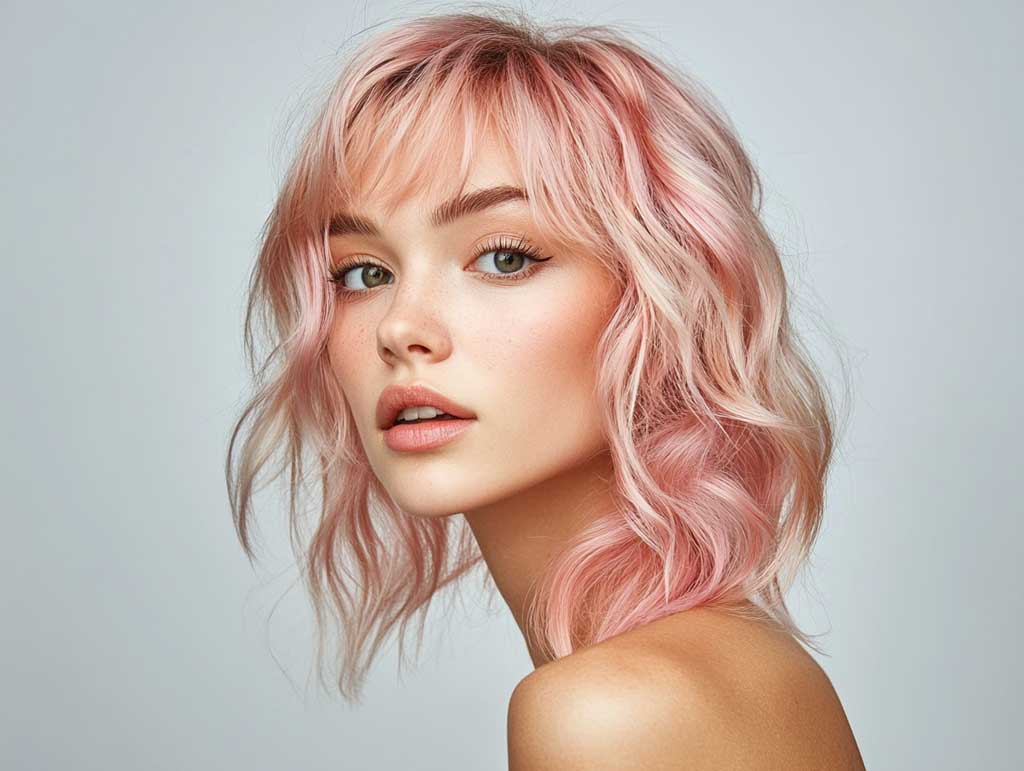


The waves in this variation do structural work that straight styling can’t replicate. Each wave crest interrupts the flat surface of the hair and creates micro-shadows that break up the perimeter line. Think of it like a serrated blade versus a straight one — the serrated edge catches light at multiple angles rather than one clean horizontal plane. Achieving this without a curling wand is possible if your hair has natural texture: apply IGK Beach Club Texture Spray ($29) to damp sections, scrunch, and air-dry. Natural wave users will hit 90 percent of the look without touching a hot tool. If you have straight hair, a 1.25-inch barrel on low heat through the mid-lengths (not the roots, not the ends) is enough to create the soft wave pattern without frying the pastel color.
Pastel colors need a bleached base, which means color maintenance is ongoing — budget for a toner every four to six weeks at around $40 to $65 to keep the pink from turning yellow or orange as it fades. Olaplex No. 3 Hair Perfector ($28) once a week at home keeps the integrity of bleached strands in check without a salon visit. You need to protect the investment. Going pastel on unbleached dark hair never achieves true pastel tones — it turns into a muted dusty pink at best, which can work but is a different visual result entirely. For more ways the shag structure pairs with creative color on square face shapes, the roundup at Shag Haircut for Round Face — Short, Medium & Long Styles That Work shows how layer placement logic applies across different face geometries.
Wear this cut tousled more than sleek — the tousled version is faster to achieve and looks significantly better on a square face because the disorder of the waves does the geometric work. A sleekly straightened pastel pink shag on a square face looks like a costume, not a haircut. One finishing product I reach for without fail on this look: Bumble and bumble Surf Spray ($31), spritzed lightly over the finished dry style to separate pieces and kill any accidental smoothness. The external resource from L’Oréal Paris on shaggy haircuts for every face shape gives a good additional breakdown of heat-free texture techniques worth adding to the routine.
Final Take
A shaggy haircut turns a square face’s strongest feature into its most interesting one.
Layer placement above the cheekbone or below the jaw — never at chin level — is the single decision that determines whether this cut flatters or fights the face shape. Get that right and the rest is styling preference.
Bold colors like electric blue, deep purple, and pastel pink amplify the texture that makes a shag work on angular bone structure. Each adds visual complexity that keeps the eye moving instead of locking onto the jaw’s horizontal line.
Mousse, salt spray, or texture spray on damp hair. Air-dry or diffuse on low. Skip the round brush. That’s the full routine. Save this post before your next salon appointment so you have the reference images ready when you sit down.