
The shag haircut has been a fixture in salons since the 1970s, but its staying power comes down to one thing: it works. Layered, choppy, intentionally undone — the shag adapts to fine hair and thick hair, short lengths and long, every face shape, and every aesthetic from bohemian to rock-and-roll editorial. Today, search volume for shag-related cuts has grown over 34% compared to three years ago, and booking data from major salon platforms shows shag variations consistently ranking in the top five most-requested cuts globally. This guide brings together every article on this site covering the shag haircut universe — organized by face shape, hair texture, length, color, and occasion — so you can find exactly what you came for.
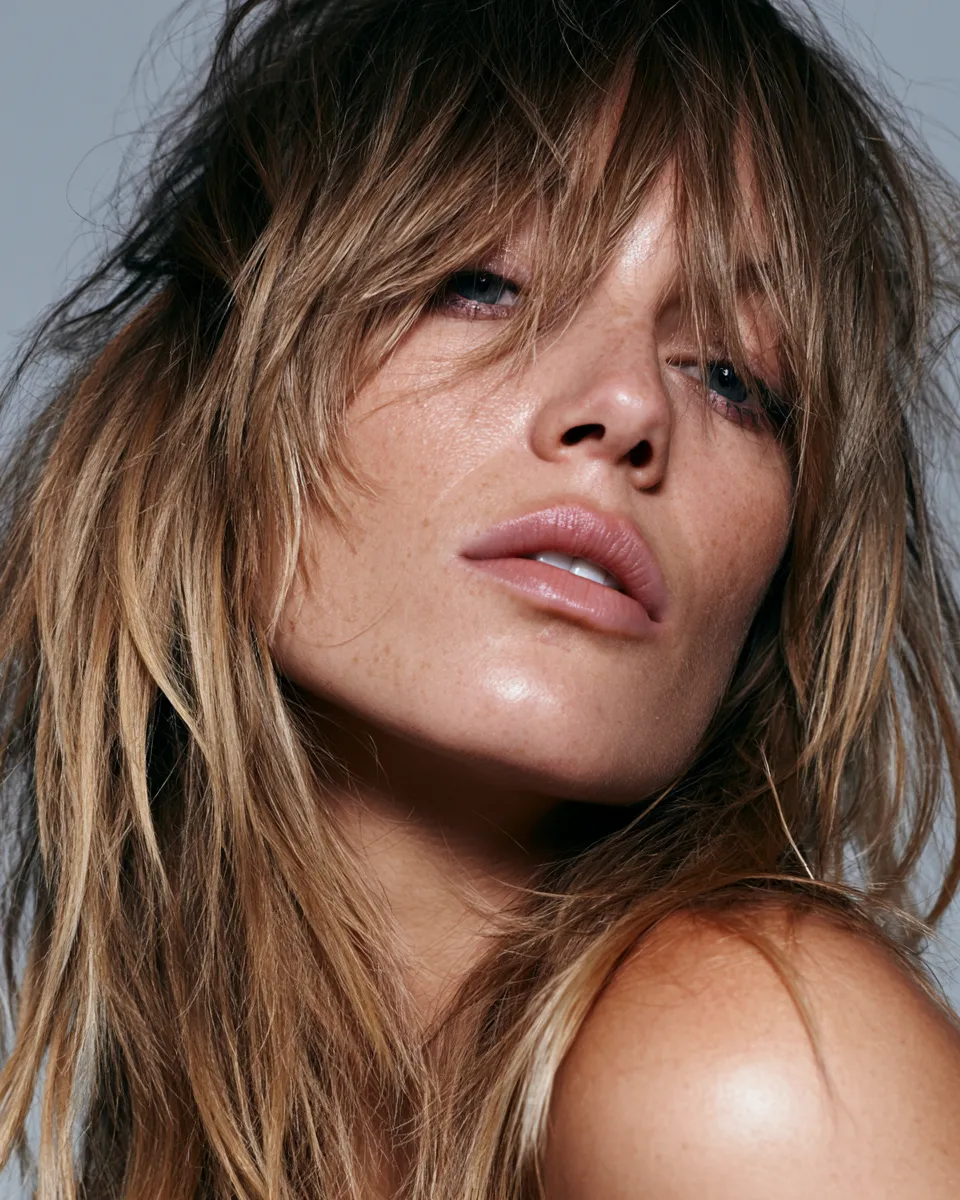
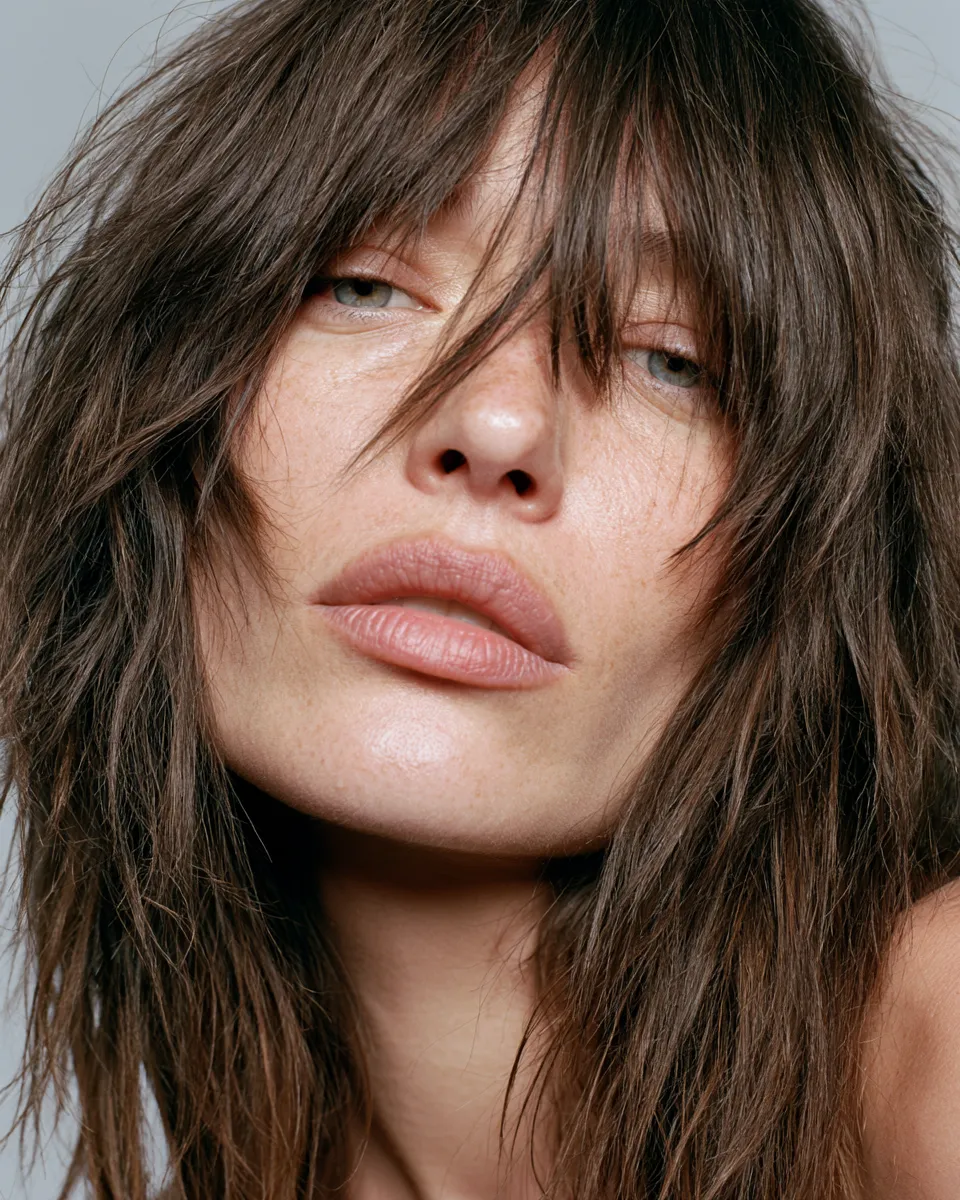
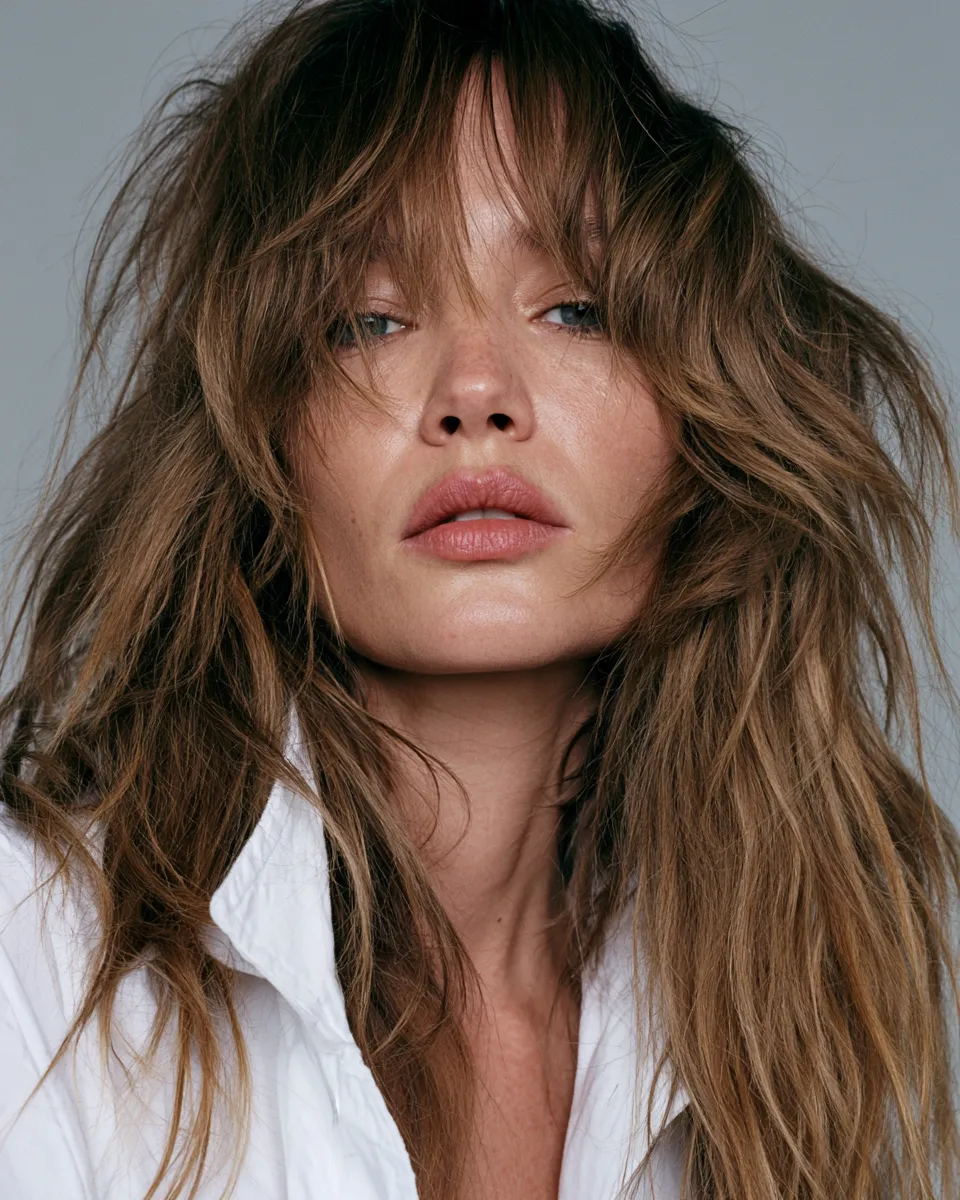
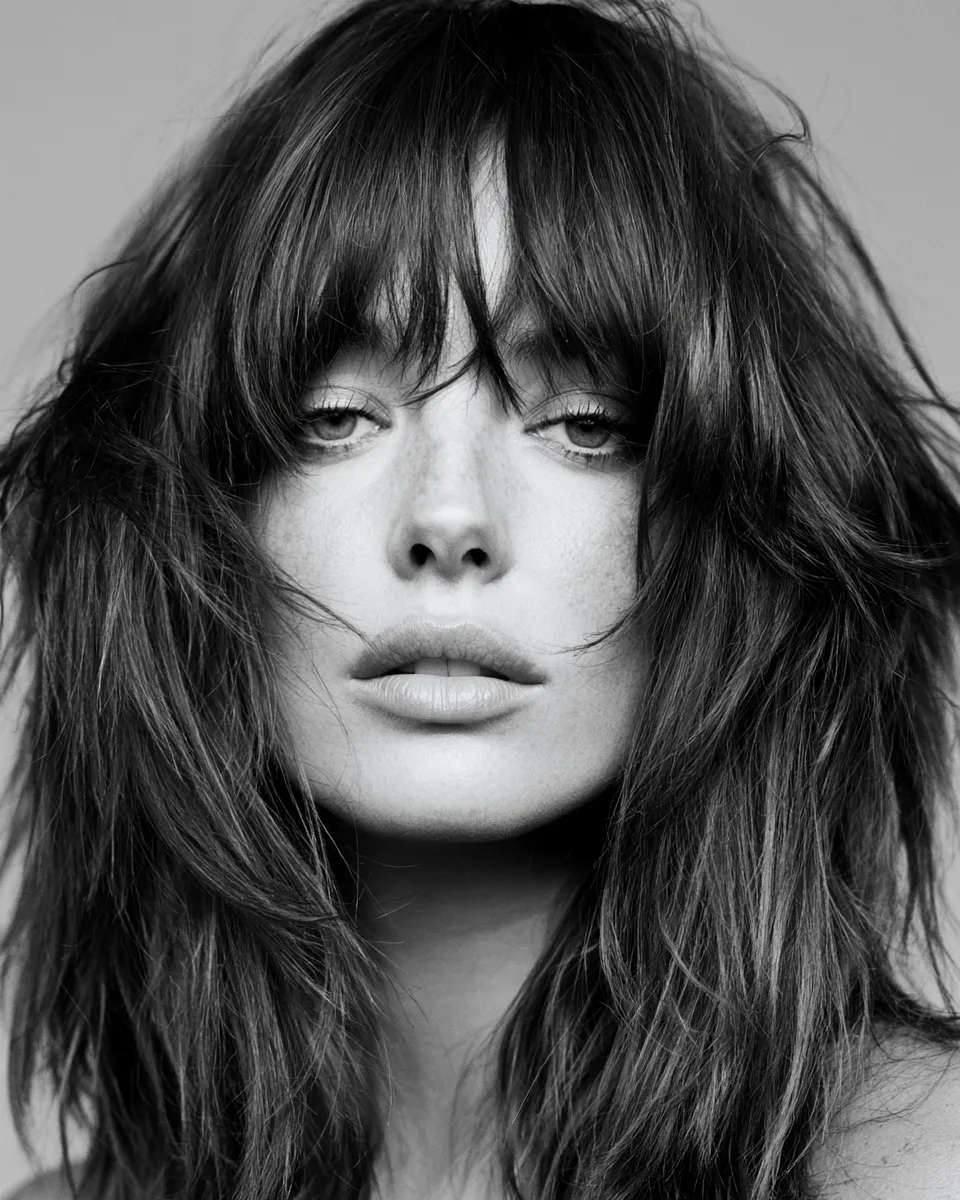
What the Shag Haircut Is — and Why It Keeps Coming Back
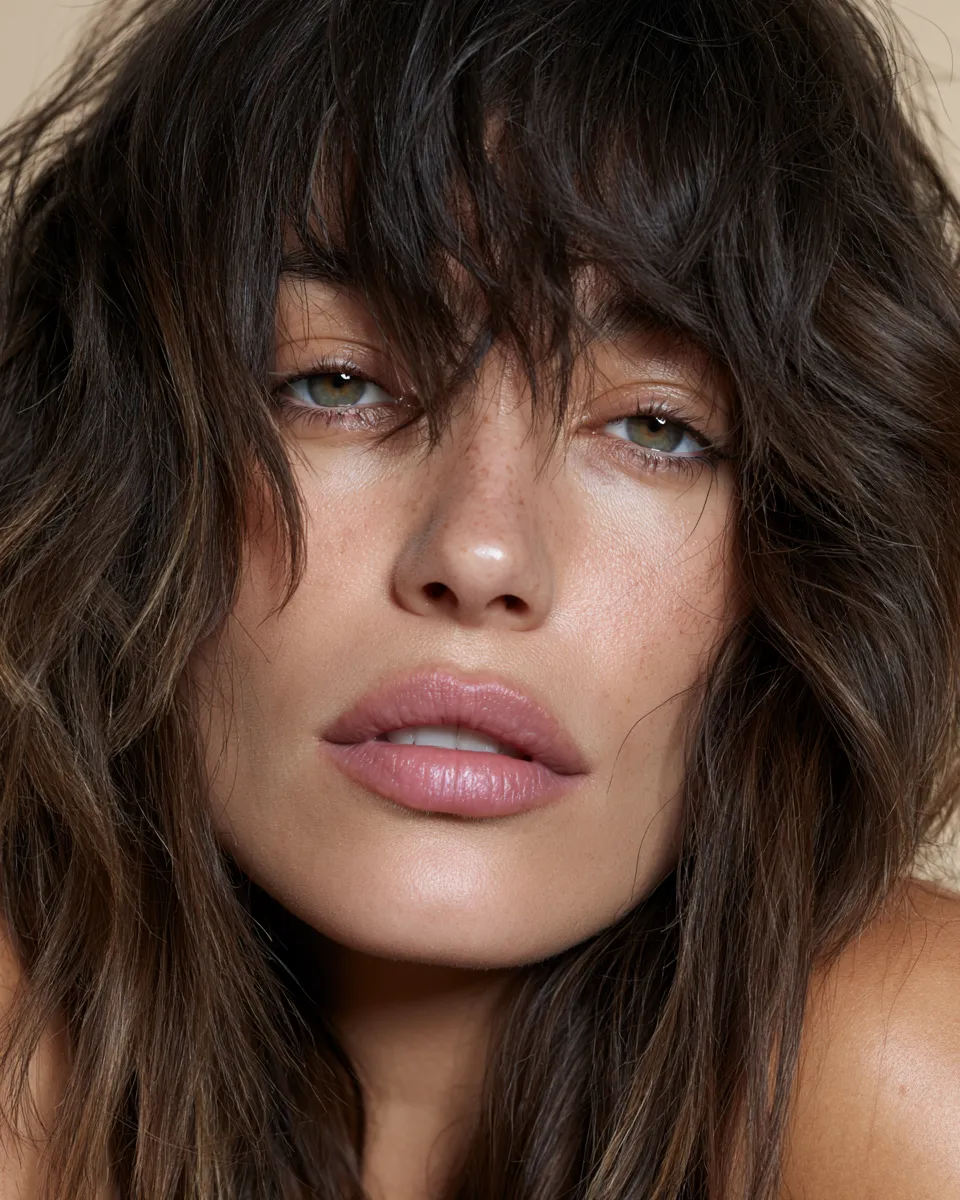
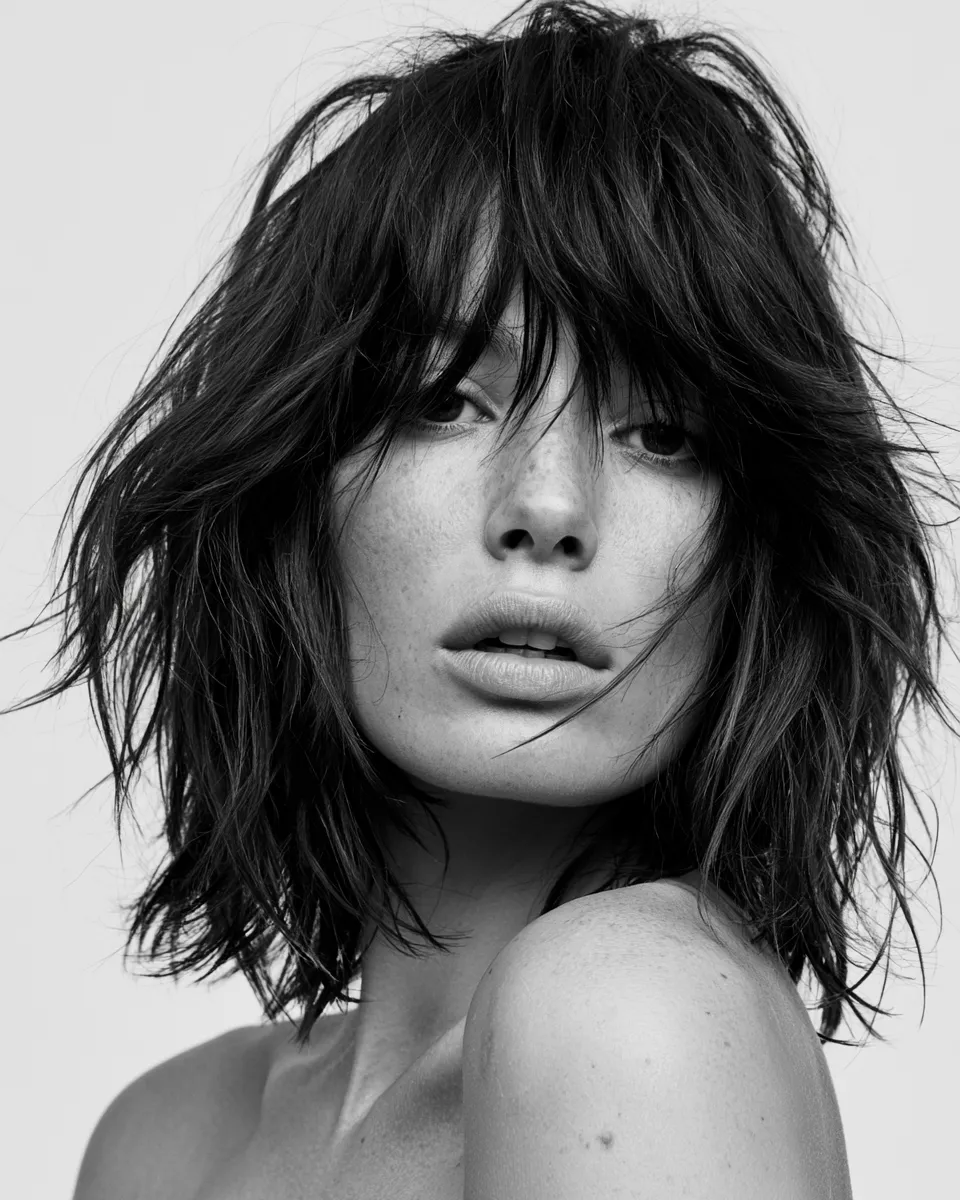
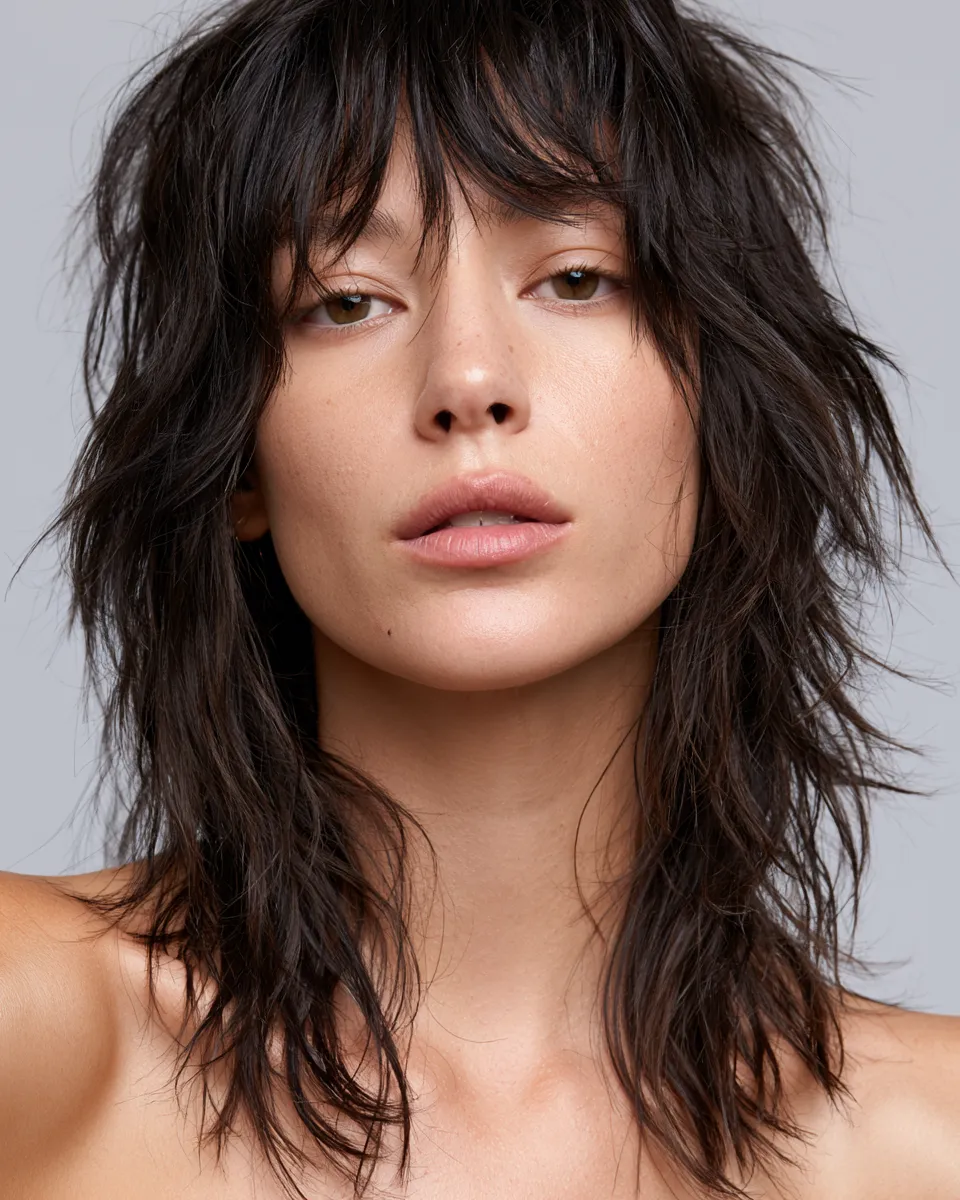
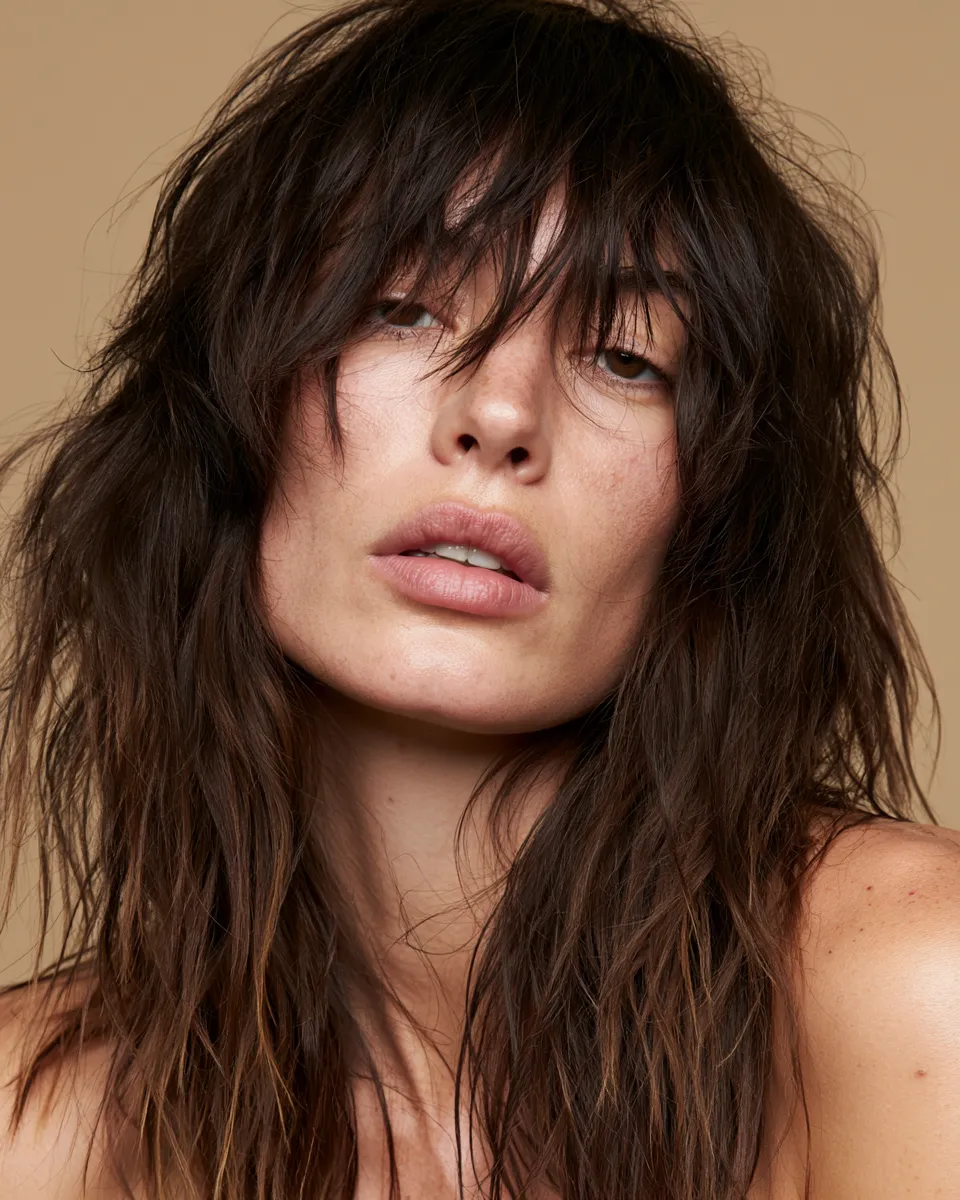
At its core, a shag haircut is defined by several structural elements working together: heavy internal layering, a shorter crown, face-framing pieces that graduate toward longer lengths at the perimeter, and texture created either by razor cutting or point cutting. The result is movement that looks effortless even when it took a skilled stylist 45 minutes to build. Unlike a standard layered cut, the shag deliberately removes weight rather than adding it — which is why it flatters fine hair and high-density hair equally, just through different execution. The modern shag has shed its purely retro associations. Today’s versions integrate elements from contemporary techniques like ghost layering, cloud cutting, and butterfly layer placement, creating styles that belong squarely in the present while carrying the structural DNA of the original.
Shaggy Haircut Styles by Face Shape — Find Your Match
Face shape is the single most important variable when choosing a shag variation. The cut’s layering system can elongate, widen, soften, or balance proportions depending on where fullness is built and where it’s removed. Below are dedicated guides for every major face shape, with specific layer placement recommendations and style references for each.
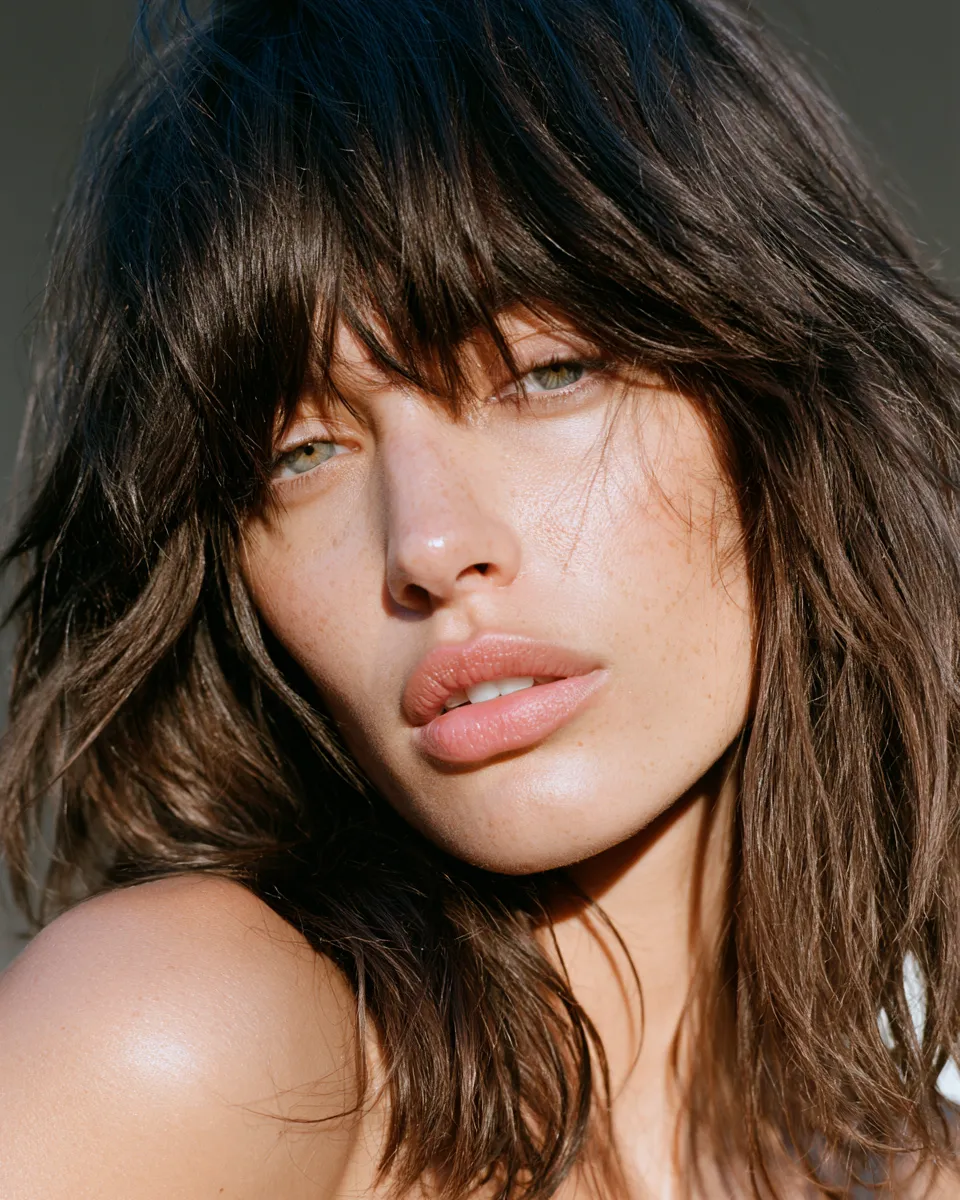
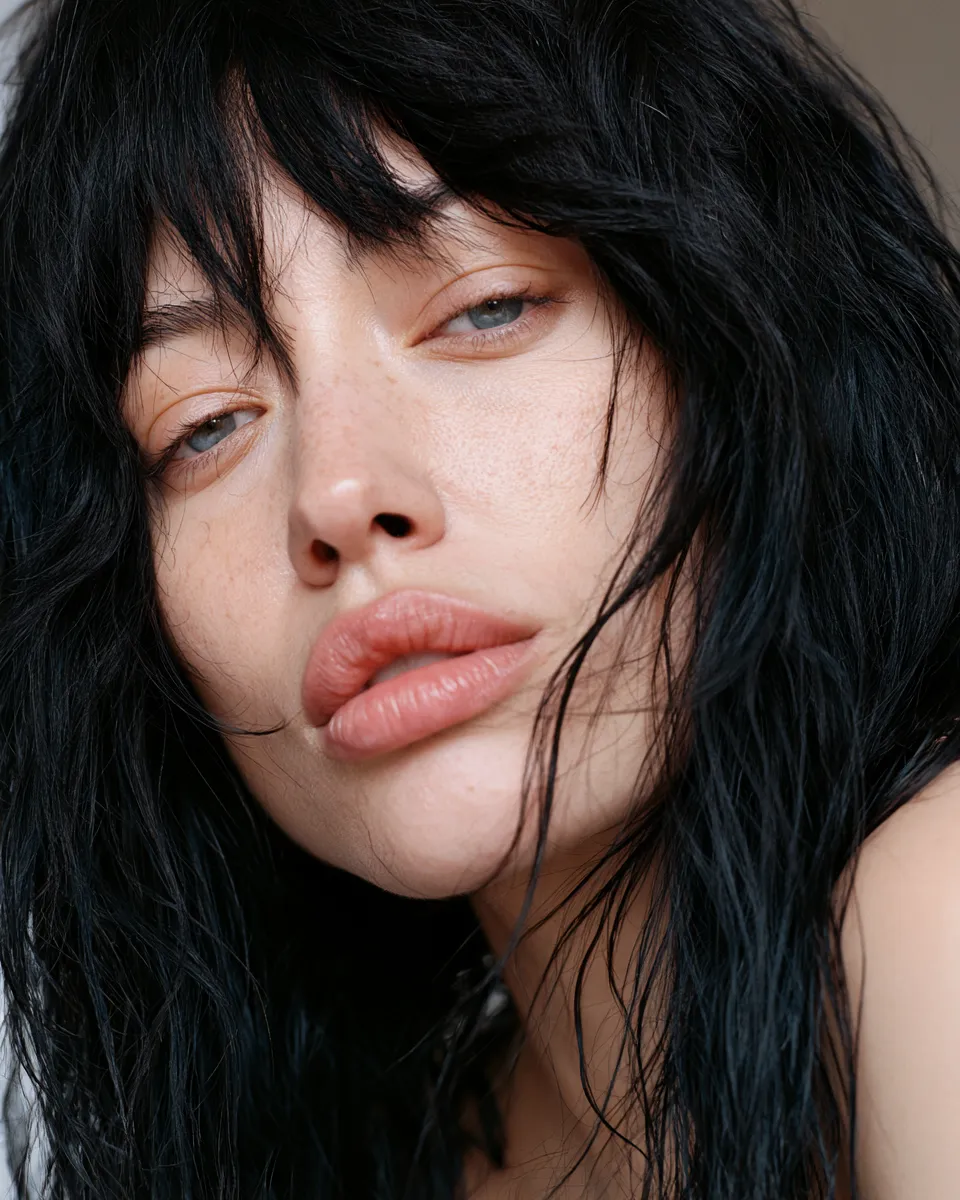
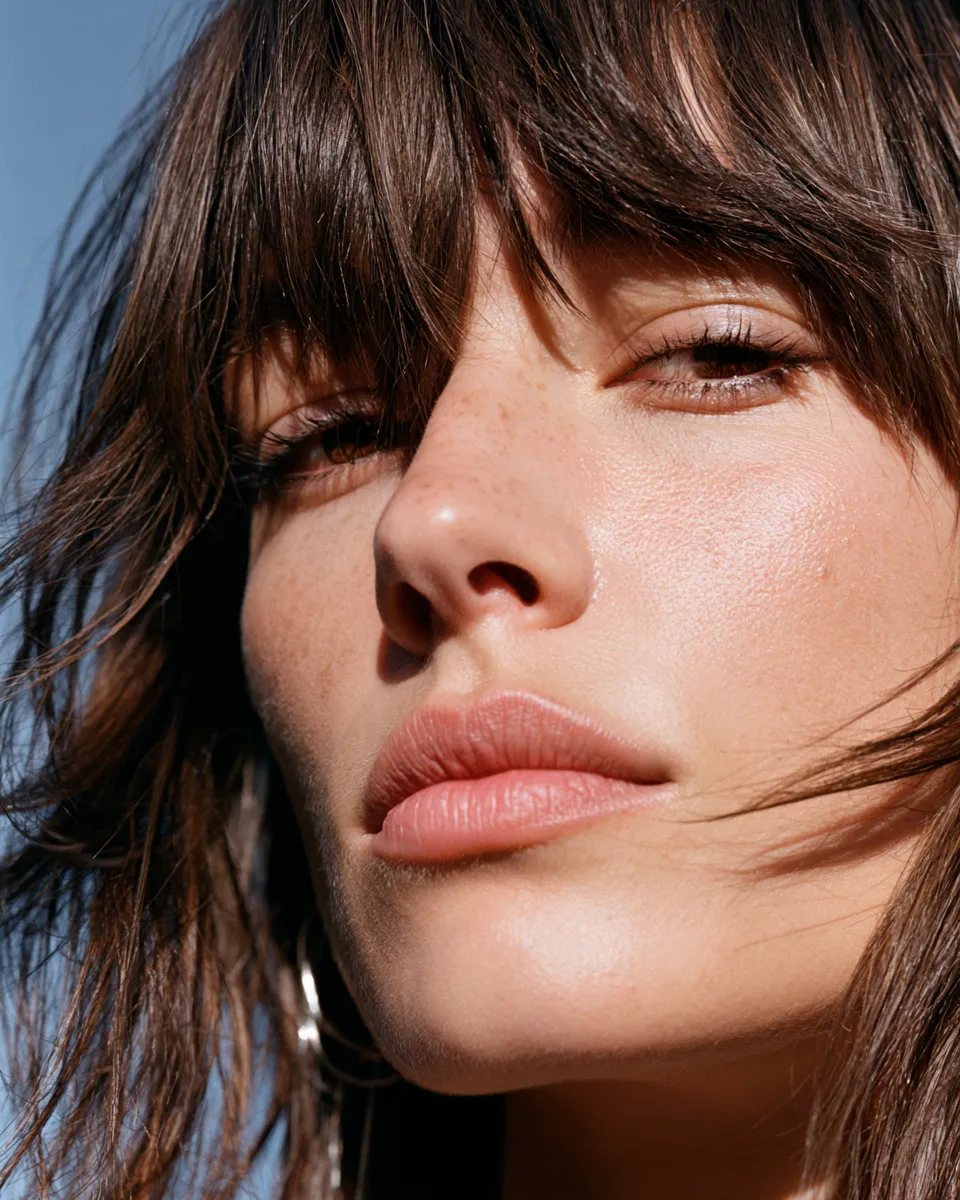
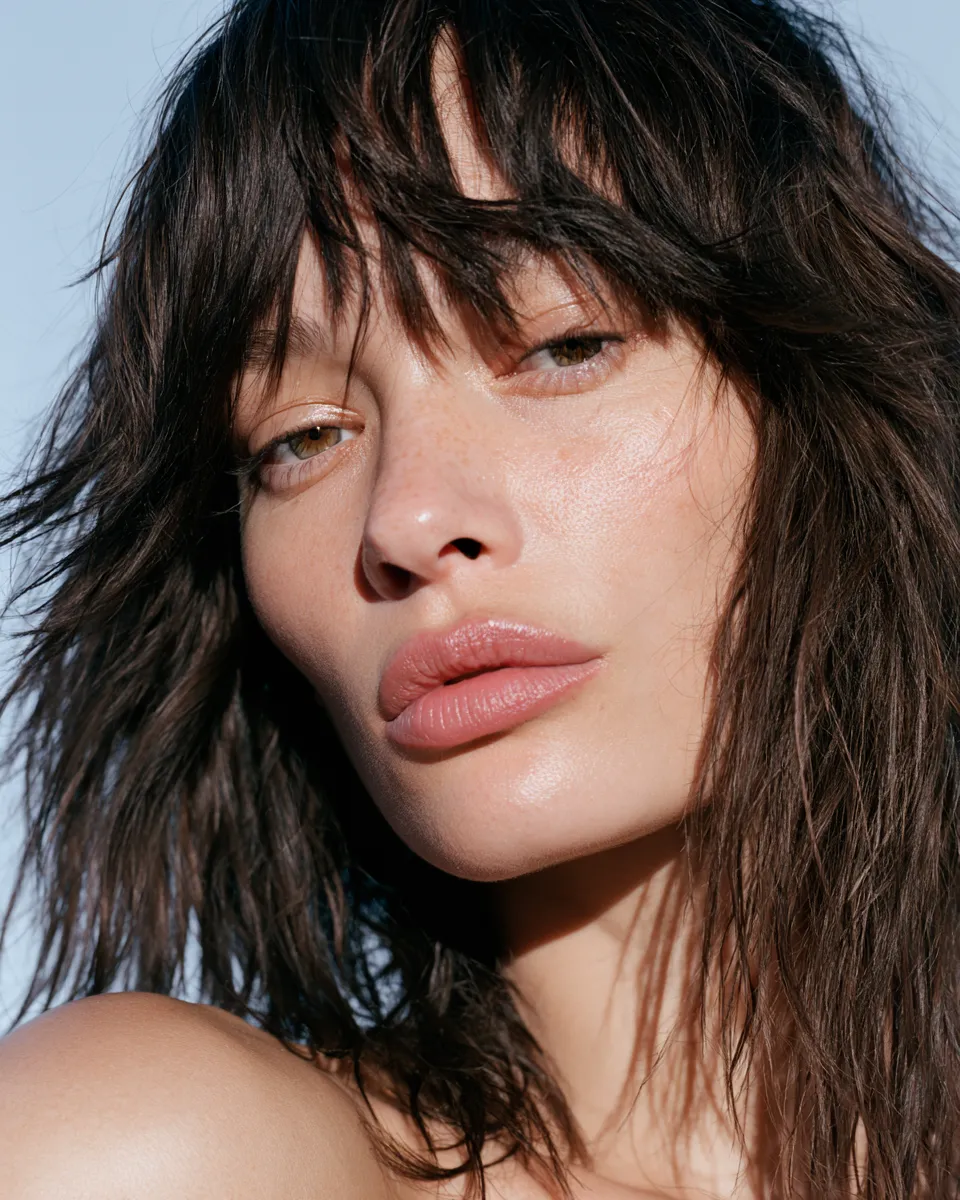
- Layers Land Differently on an Oval Face. Here’s Which Shag Haircut Proves It
- Layers Do the Heavy Lifting — Shag Haircuts for Women with a Round Face
- Shag Haircut for Round Face That Actually Flatters
- Layers That Actually Soften a Square Face — Shaggy Haircut Edition
- Layered and Razor-Cut — Shag Haircuts for Women with a Diamond Face
- Width Lives in the Layers — Shag Haircuts for Women with a Long Face
- Soft Shaggy Slimming Haircuts for Chubby Faces That Add Definition
Shag Haircut by Length — Short, Medium, and Long Variations
Length dramatically changes how a shag haircut reads on the eye. A short shag creates a bold, editorial statement with maximum texture visibility; a medium shag balances movement with versatility; a long shag adds drama and works particularly well for those who want a low-maintenance routine without sacrificing shape. Salon data indicates medium-length shag cuts represent roughly 48% of all shag bookings, followed by short at 31% and long at 21%, though long shag interest has risen steadily over the past 18 months.
Short Shaggy Haircut Ideas
- 7+ Short Shag Haircuts for Weddings and Special Occasions
- 9+ Short Shag Haircuts for Trendy Party Styles
- 8+ Short Shag Haircuts Ideal for Date Nights
- 7+ Short Shag Haircuts for Chic Office Looks
- 12+ Festival-Ready Short Shag Haircuts by Hair Color
- 8+ Short to Mid Length Hairstyles with Shaggy Texture
- 6+ Short Layered Bob Hairstyles for a Shaggy Rock Chic Look
Medium Shag Haircut Ideas
- 7+ Medium Shag Haircuts in Soft Lilac Tapered Style
- 9+ Medium Shag Haircuts with Jet Black Flicks
- 5+ Medium Shag Haircuts in Platinum Feathered Ends
- 6+ Medium Shag Haircuts with Copper Razor Layers
- 7+ Medium Shag Haircuts in Honey Blonde Waves
- 4+ Medium Length Hairstyles for Thin Hair with Textured Shaggy Finishes
- Medium Shaggy Hairstyles for Over 60 Hit Different on Fine Hair Versus Thick
Long Shag Haircut Ideas
- Low Maintenance Long Shag Haircut Inspiration
- Modern Takes on the Long Shag Haircut
- 4+ Long Layered Hairstyles with Shaggy Boho Texture
The Shaggy Pixie Cut — Its Own Category
The shaggy pixie cut sits at the intersection of two iconic cuts — the pixie and the shag — and deserves its own section. It carries the cropped length and closeness of a pixie while using shag-style layering to add texture, softness, and a deliberate undone quality that straight pixie cuts lack. It suits a wider range of face shapes than a traditional pixie and requires less precise grow-out management. The following guides cover face-shape suitability, styling techniques, and fresh visual interpretations of the shaggy pixie.
- Master the Art of the Shaggy Pixie Cut with These Pro Tips
- Who Should Try a Shaggy Pixie Cut This Season
- What Face Shapes Work Best with a Shaggy Pixie Cut
- What Face Shapes Work Best with a Shaggy Pixie Cut (Extended Guide)
- 8+ Fresh Takes on the Classic Shaggy Pixie Cut for Modern Women
- 7+ Ways to Style a Shaggy Pixie Cut for Maximum Volume
Curly Shag Haircut — When Texture Meets Texture
Applying shag principles to curly hair amplifies the cut’s natural strengths while solving curly hair’s most persistent problem: bulk that sits rather than moves. A well-executed curly shag removes internal weight using dry-cut techniques, allowing each curl to spring and separate rather than clump into a heavy triangle. Stylists working with curly shag clients typically remove 20–35% more interior weight than they would on straight or wavy hair of the same density. The payoff is a silhouette with real volume at the crown and clean definition through the ends.
- Curly Shag Haircut with Micro Bangs and Wild Edges
- What Makes a Curly Shag Haircut Perfect for Round Faces
- 7+ Curly Shag Haircut Looks That Redefine Retro Glam
Shag Haircut with Bangs — The Defining Detail
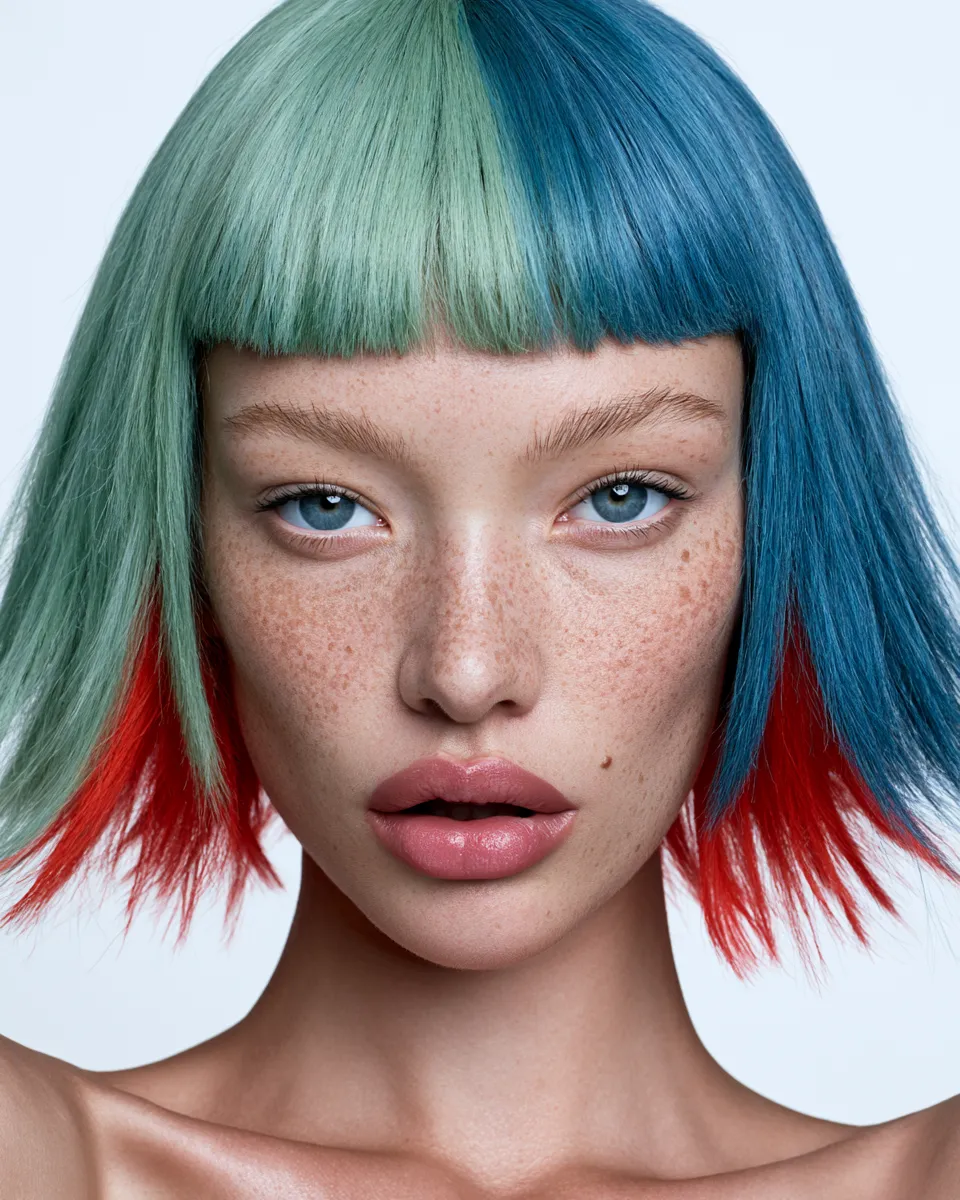
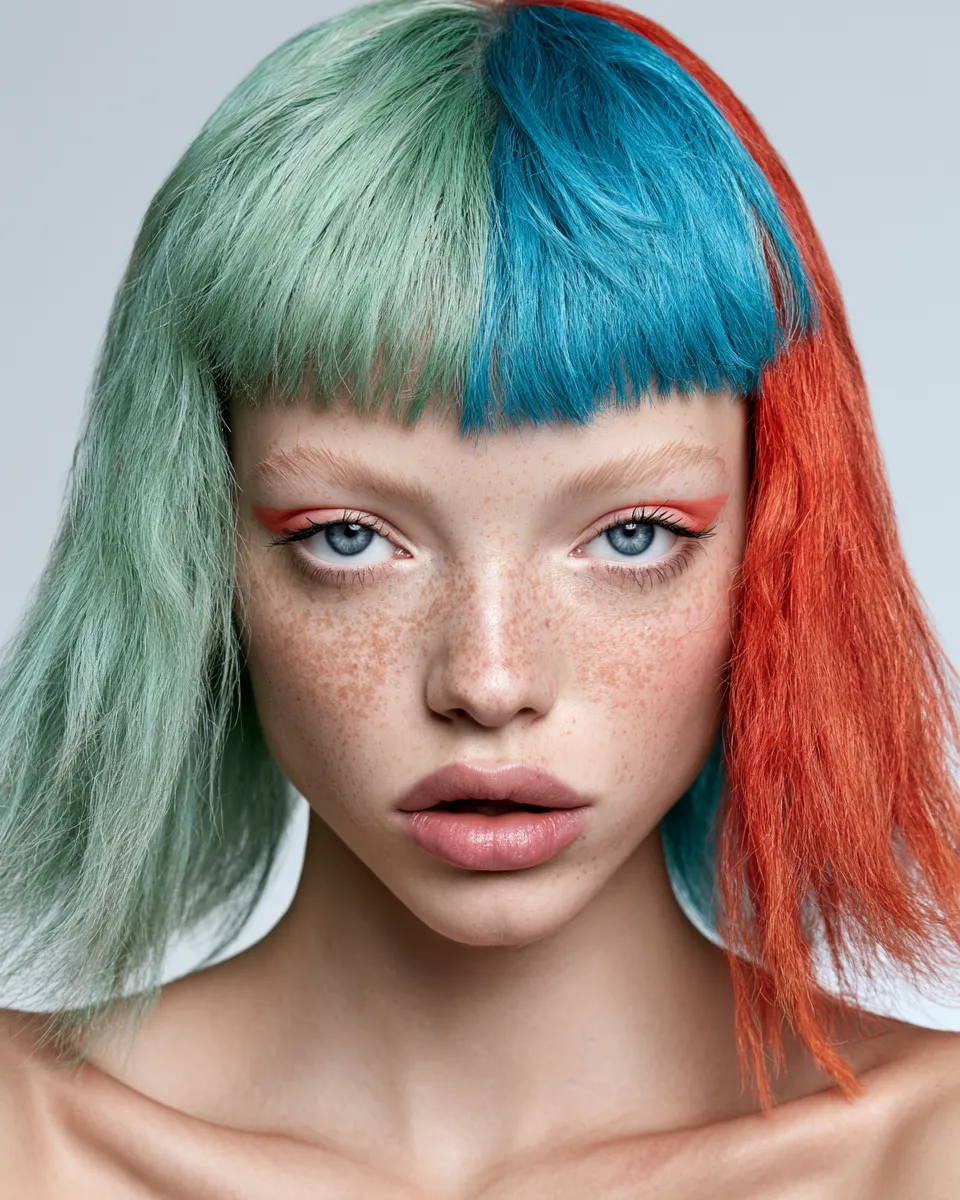
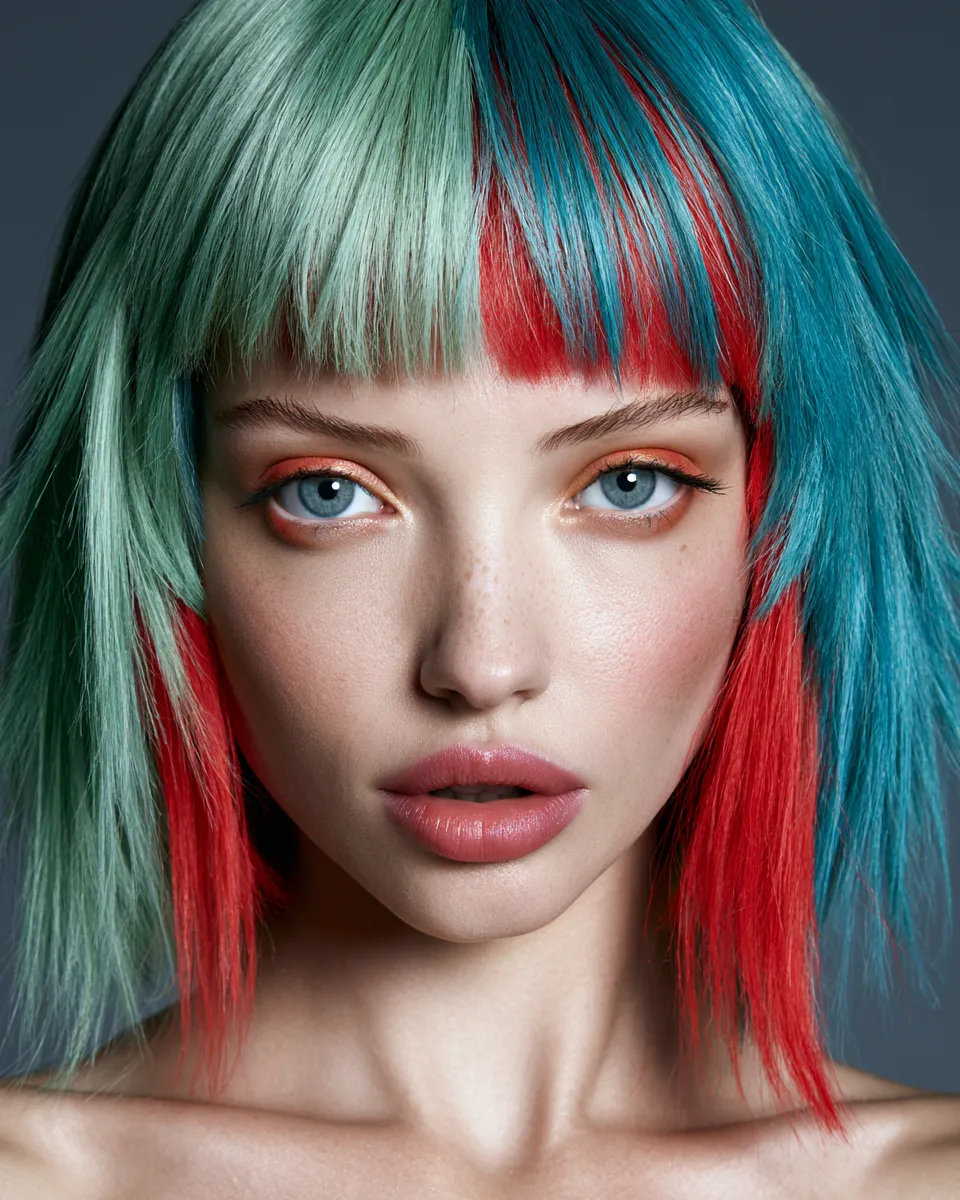
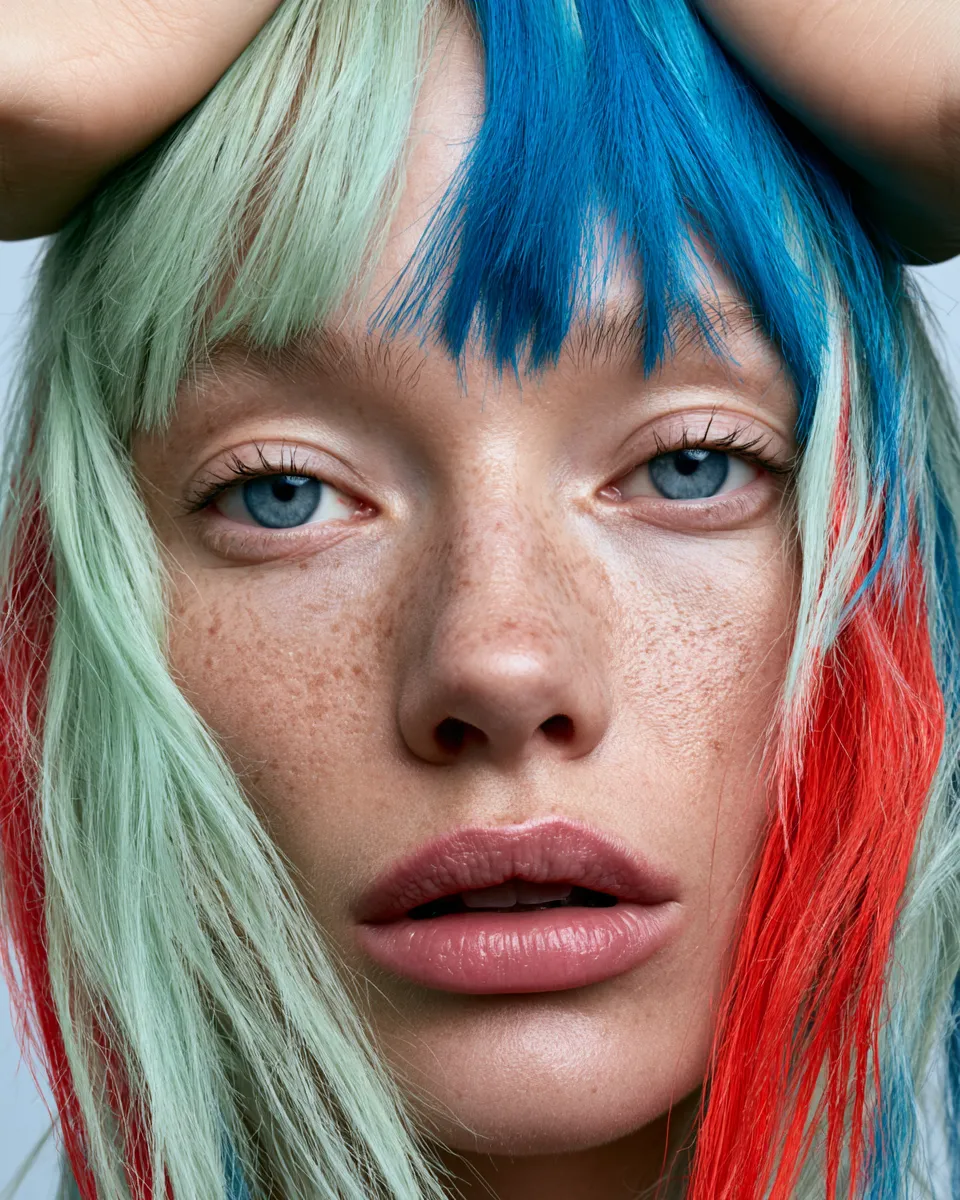
Bangs are not optional in many shag haircut interpretations — they’re structural. Curtain bangs, micro bangs, and shaggy fringe each shift the cut’s personality considerably. Curtain bangs create a soft, romantic framing effect and suit almost every face shape. Micro bangs read as bold and editorial. Shaggy fringe that blends into the layers is the most low-maintenance option and the most forgiving to grow out. Color plays a role too: bold color on bangs creates an instant focal point that intensifies the cut’s impact.
- 9+ Fresh Shag Haircut with Bangs in Mint Green for a Unique Twist
- 12+ Vibrant Shag Haircut with Bangs in Electric Blue for a Bold Statement
- 7+ Bold Shag Haircut with Bangs Ideas in Fiery Red for a Striking Look
Shag Haircut by Hair Type — Thin, Thick, Curly, and Straight
Hair type is the second most critical variable after face shape. The same shag structure produces entirely different results on fine straight hair versus thick wavy hair. Understanding the adjustments a stylist needs to make — and requesting them by name at your appointment — is the difference between a shag that flatters and one that falls flat within two weeks.
- Flat Strands Get Weaponized by the Shag Haircut for Thin Straight Hair
- 4+ Medium Length Hairstyles for Thin Hair with Textured Shaggy Finishes
How the Shag Compares to Related Textured Cuts
The shag sits within a broader family of textured, layered cuts. Knowing how it differs from its cousins helps you ask for exactly what you want — and helps you understand why your stylist might suggest a variation.
| Cut | Key Feature | Best For | Maintenance Level |
|---|---|---|---|
| Classic Shag | Heavy interior layers, shorter crown, fringe | All hair types, most face shapes | Medium — trim every 8–10 weeks |
| Shattered Bob | Fragmented, choppy ends on a bob base | Thick or straight hair, oval/square faces | Low — shape holds longer |
| Textured Pixie | Short length with internal texture and lift | Fine hair, oval and heart faces | High — grows out quickly |
| Cloud Cut | Rounded silhouette with airy internal volume | Medium-density hair, round and oval faces | Medium |
| Ghost Layers | Invisible internal layers, smooth surface | Thick hair wanting movement without visibility | Low |
| Butterfly Layers | High layers at crown, long perimeter lengths | Long hair, oval and heart faces | Low — layers blend as they grow |
| Curly Shag | Dry-cut shag adapted for curly texture | All curl types, especially 2b–3b | Medium — requires curl-specific products |
Related Textured Cuts Worth Knowing
The shag doesn’t exist in isolation. Several emerging and established textured cuts share its DNA while taking the concept in different directions. If you love what the shag does but want a variation with a different finish or silhouette, these guides explore the adjacent territory.
- 3+ Modern Shag Variations That Don’t Look Like a Retro Throwback
- The Shattered Bob: Why Fragmented Texture Is Replacing Sleek
- The Return of Undone Texture: Why Choppy, Air-Dried Hair Is Dominating
- Ghost Layers Are Replacing Visible Cuts and Your Hair Finally Moves Like It Should
- The Cloud Cut Gains Momentum While Every Other Length Stays Stuck
- Butterfly Layers Long Hair Keeps Losing Shape Because of This One Cut Mistake
- Textured Medium Haircuts Redefine Movement and Dimension
- Textured Pixie Cuts Redefine Short Hair
- Textured Pixie Hybrid — The Edgy Short Hair Trend
- Short Textured Undercut — The Precision Trend Redefining Modern Hair
- Textured Layers for Older Women — Why Movement Replaces Flatness
Shag Haircut by Color — Bold, Natural, and Everything Between
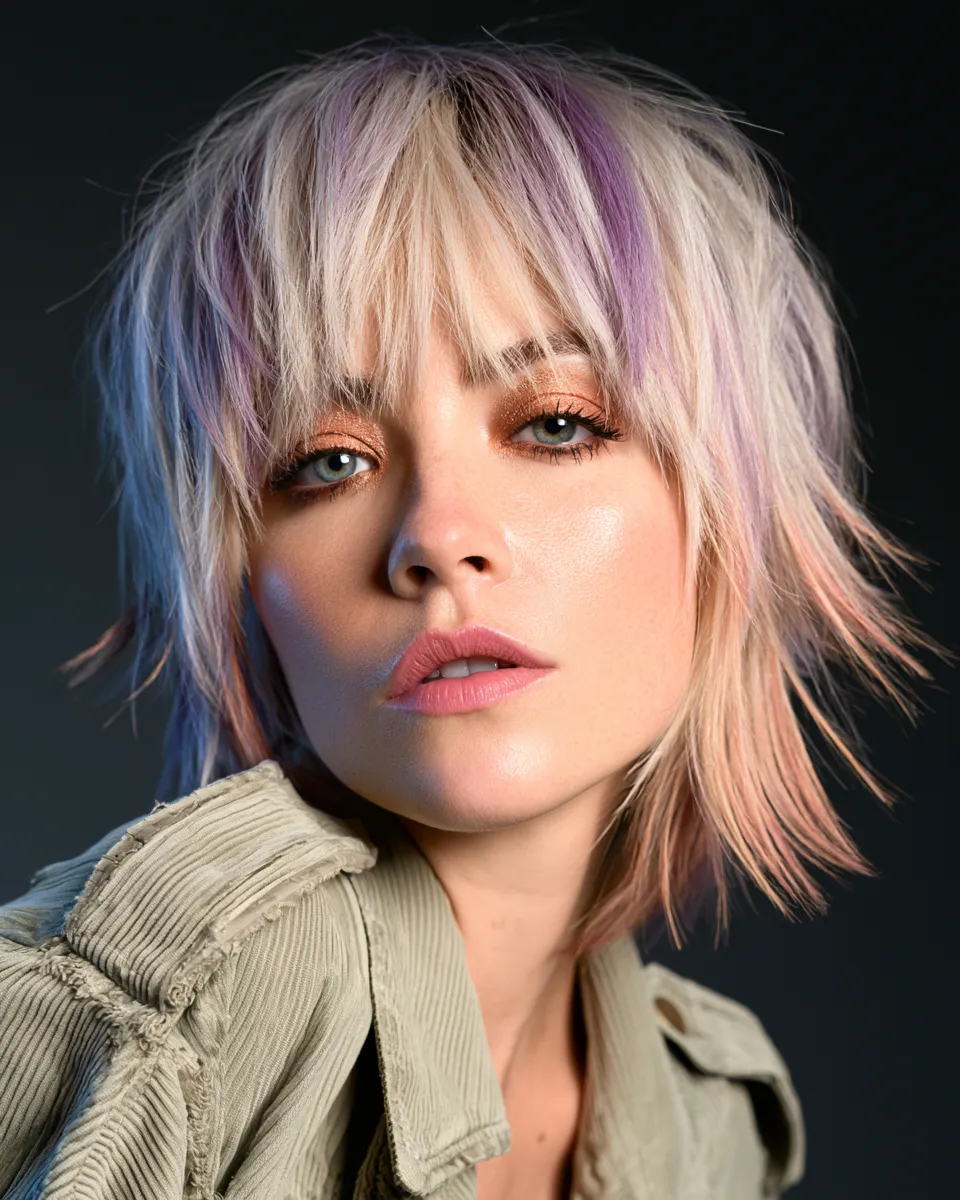
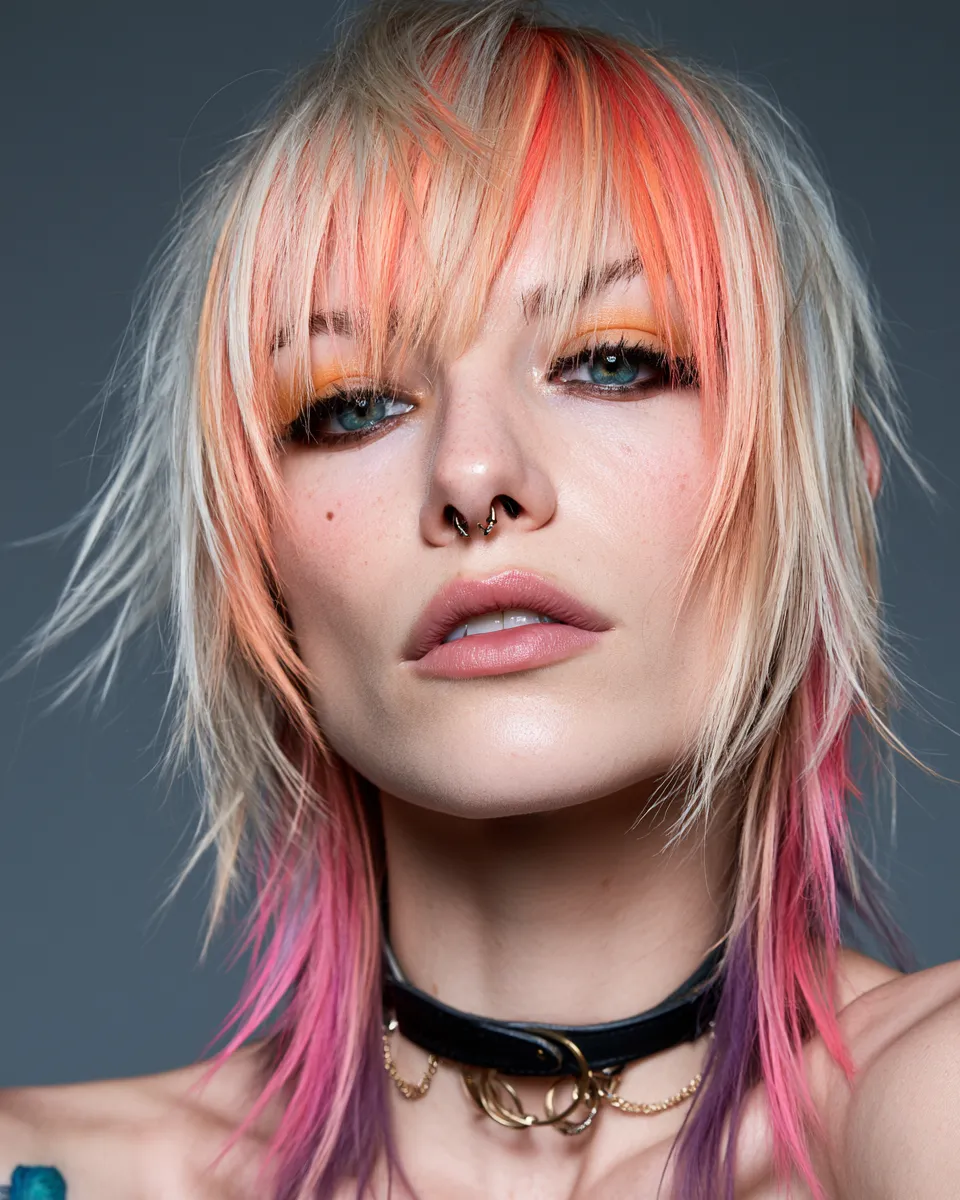
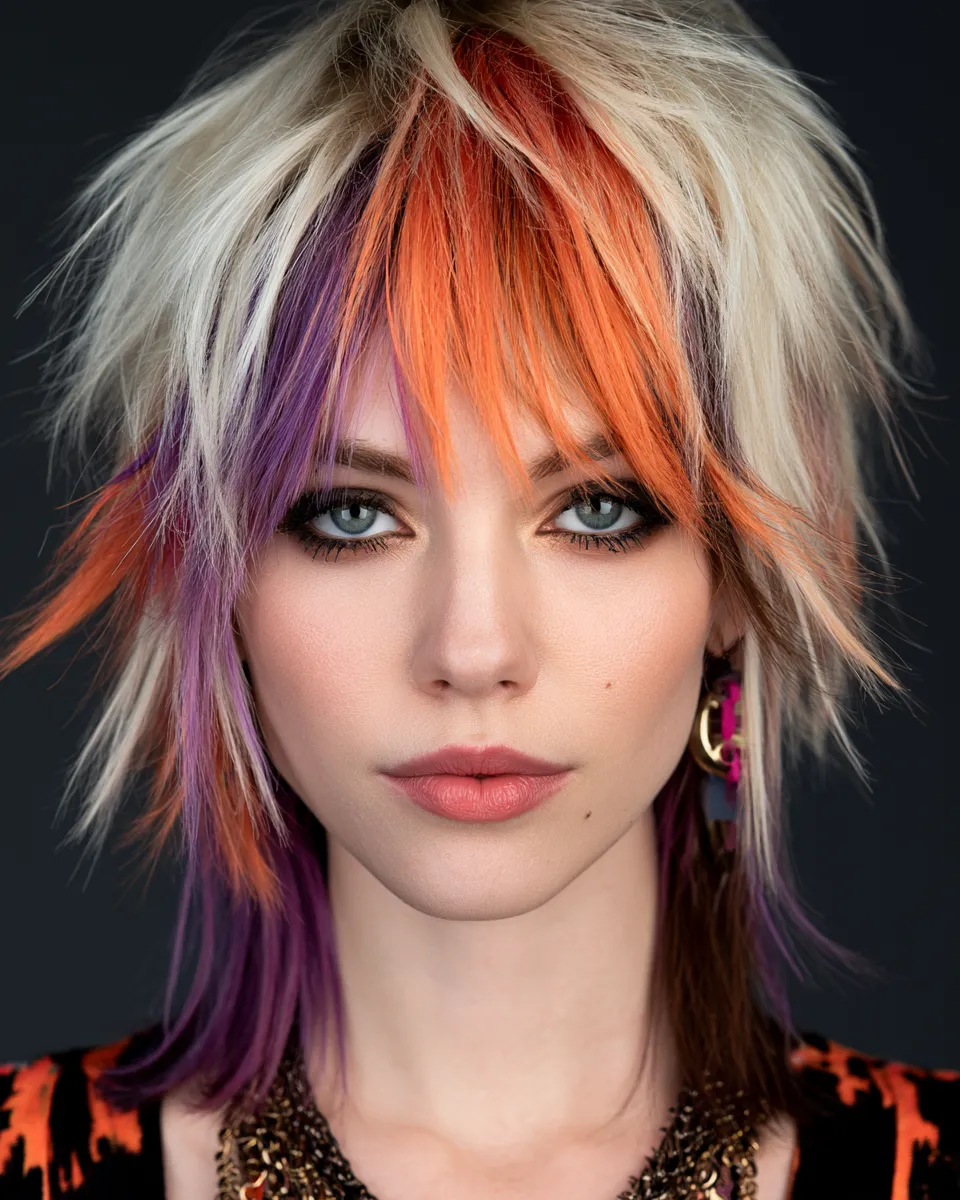
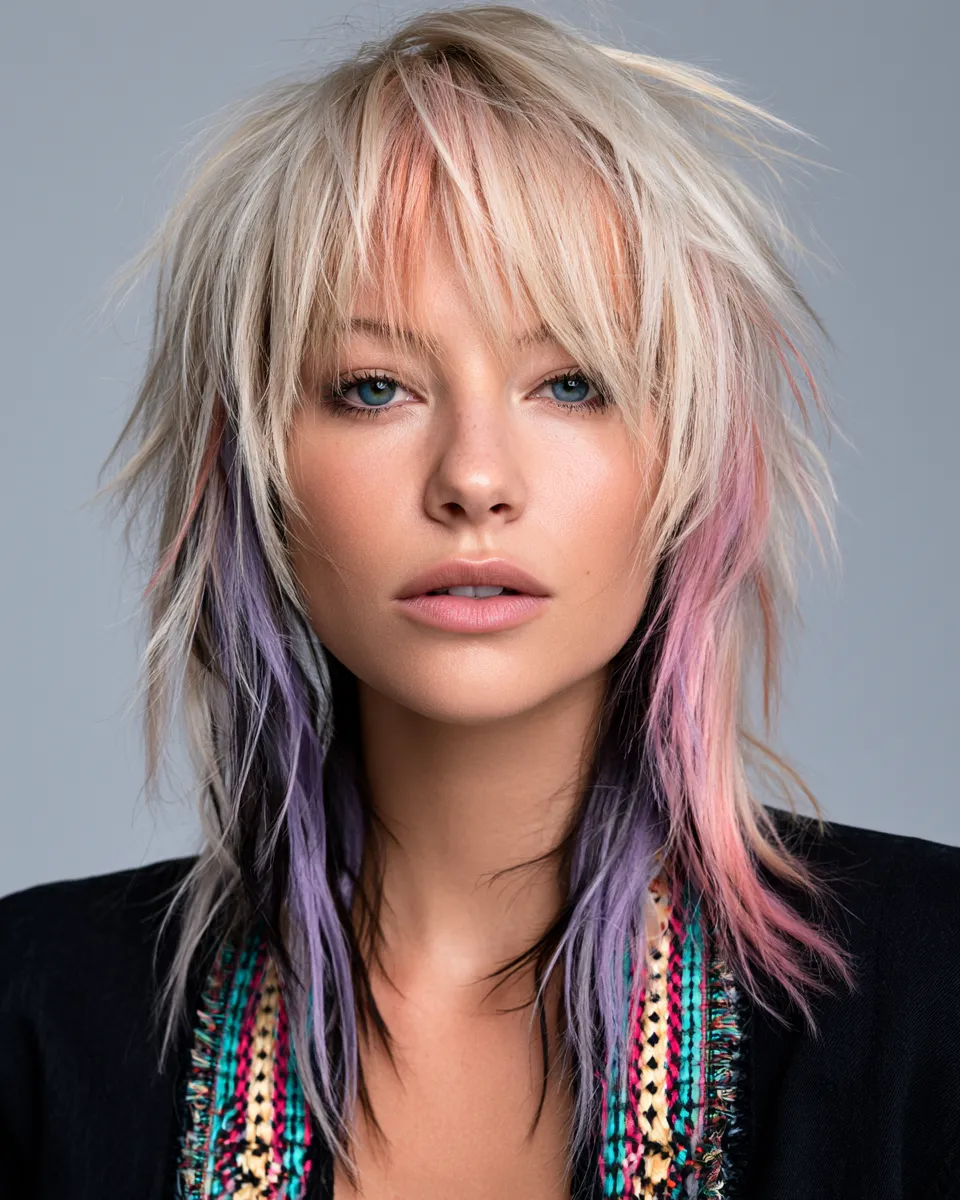
Color transforms a shag haircut’s mood completely. A honey blonde shag reads as warm and approachable; a jet black version with flicked ends reads as sharp and editorial; a pastel pink shag signals playfulness; copper razor-cut layers bring an almost metallic warmth. The cut’s built-in texture means color behaves differently on a shag than on a blunt cut — highlights scatter through the layers and create depth that would be invisible on a one-length cut.
- 6+ Short Pink Hair Styles: Pastel Pink Shag Haircuts with Texture
- 9+ Fresh Shag Haircut with Bangs in Mint Green for a Unique Twist
- 12+ Vibrant Shag Haircut with Bangs in Electric Blue for a Bold Statement
- 7+ Bold Shag Haircut with Bangs Ideas in Fiery Red for a Striking Look
- 7+ Medium Shag Haircuts in Soft Lilac Tapered Style
- 9+ Medium Shag Haircuts with Jet Black Flicks
- 5+ Medium Shag Haircuts in Platinum Feathered Ends
- 6+ Medium Shag Haircuts with Copper Razor Layers
- 7+ Medium Shag Haircuts in Honey Blonde Waves
- 10+ Best Haircuts for Round Faces with Chestnut Shaggy Waves
Shaggy Haircuts for Specific Occasions
One of the shag’s most underrated strengths is its range across occasions. The same underlying cut can be styled sleek and polished for a work environment or left deliberately undone for a festival. Styling product choices — a smoothing serum versus a texturizing paste versus a salt spray — shift the cut’s register entirely without requiring structural changes. The guides below focus on occasion-specific short shag interpretations with concrete styling direction for each setting.
- 7+ Short Shag Haircuts for Weddings and Special Occasions
- 9+ Short Shag Haircuts for Trendy Party Styles
- 8+ Short Shag Haircuts Ideal for Date Nights
- 7+ Short Shag Haircuts for Chic Office Looks
- 12+ Festival-Ready Short Shag Haircuts by Hair Color
Your Complete Guide to the Shag — Wherever You Are in the Journey
Whether you’re about to book your first shag haircut appointment, already have one and want to style it better, or you’re a stylist building your reference library, the articles linked throughout this page cover every angle of the cut. Start with your face shape if you’re undecided, move to length once you know your proportions, and use the color and occasion guides to refine the version that fits your life. The shag haircut has earned its longevity not through trend cycles but through structural versatility — and that’s exactly why it’s worth understanding deeply.
You Might Also Like
Related Topics