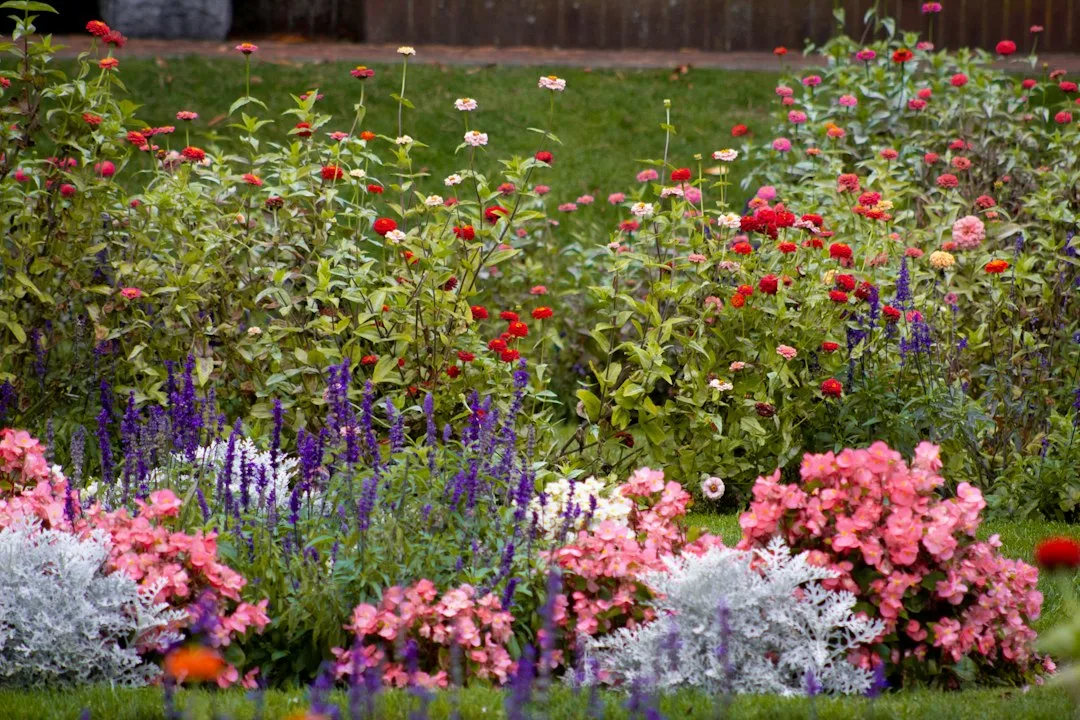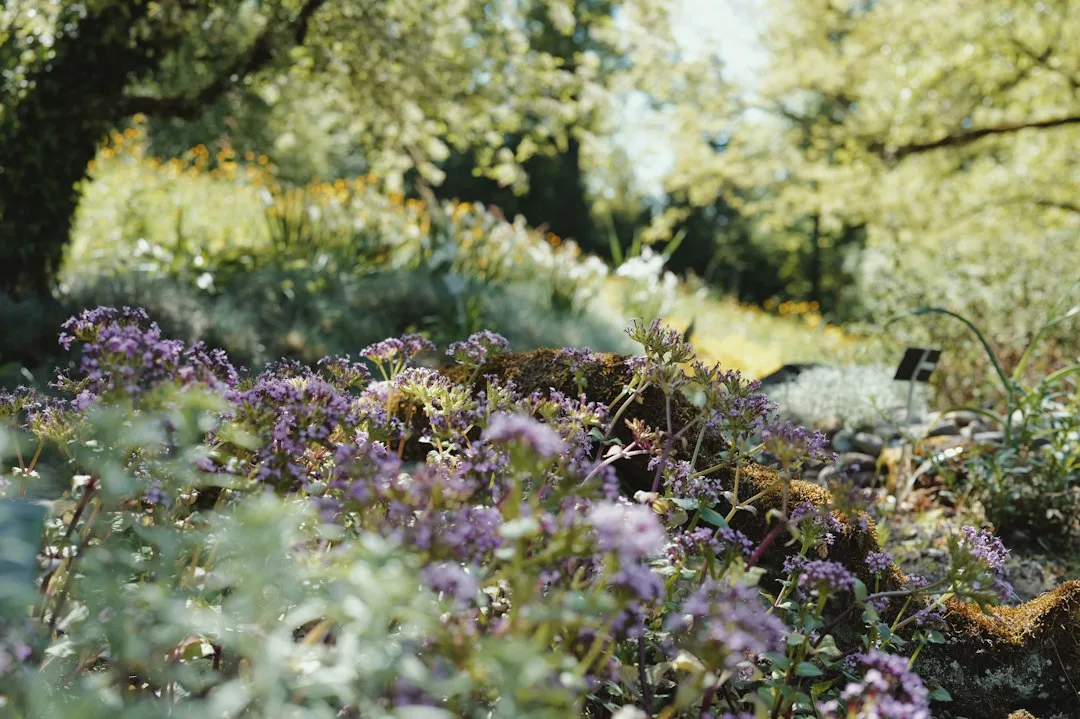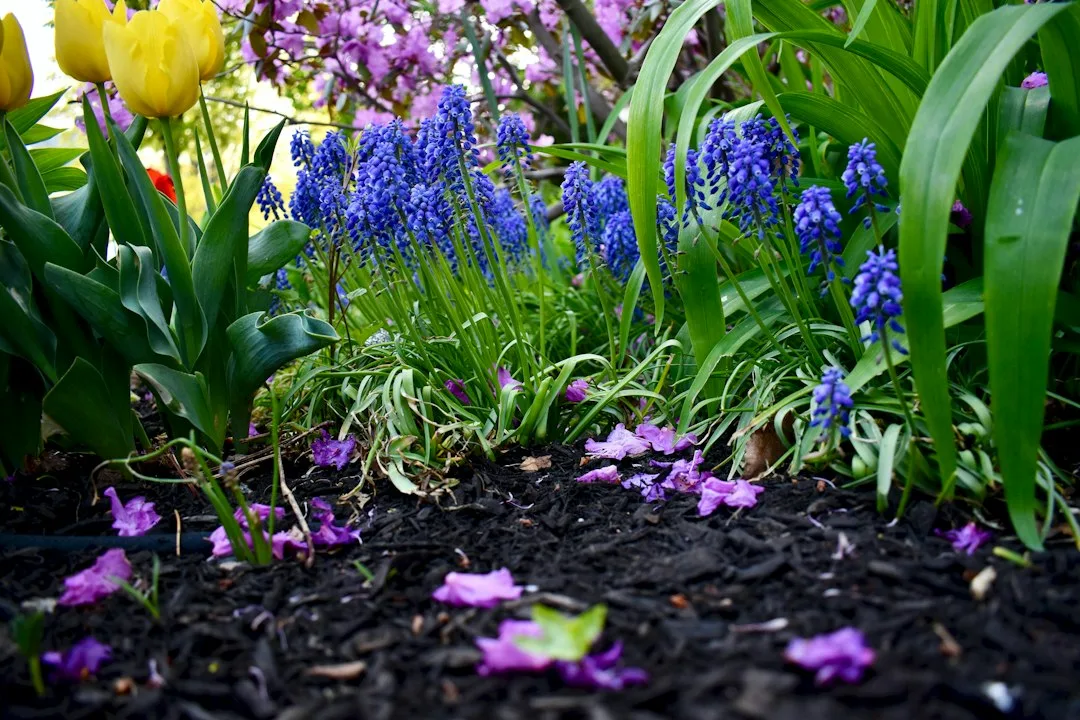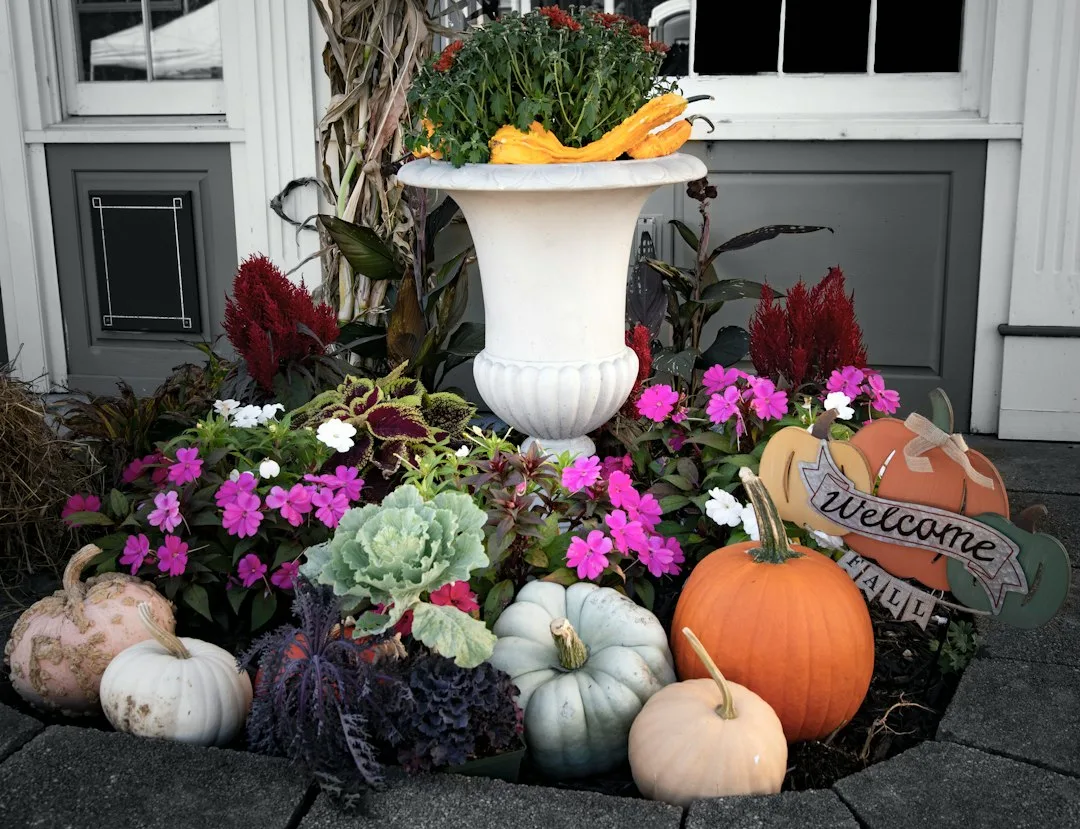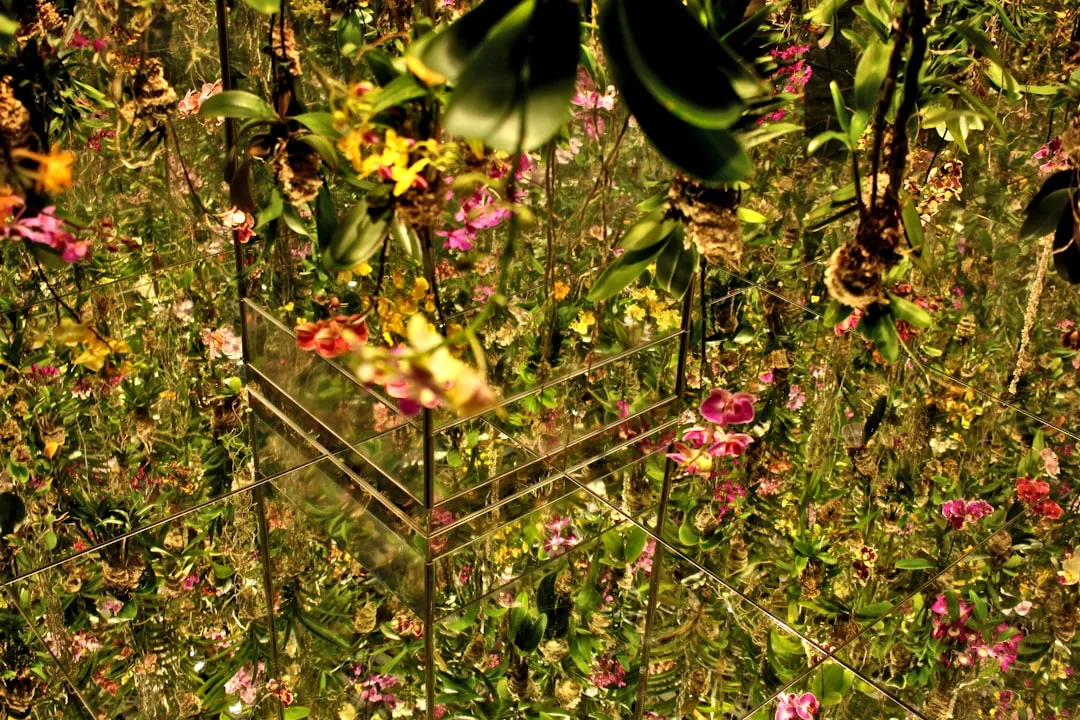
Walk into a garden where your fingers brush against soft lamb’s ear, lavender perfumes the air without effort, and the gentle sound of water draws you deeper into the space. Sensory garden design has moved from niche wellness trend into mainstream residential landscaping by September 2026—and the data backs the shift. Horticultural therapy programs report a 34% increase in demand for sensory-focused garden consultations compared to 2024, driven by homeowners seeking relief from screen fatigue and sensory overload.
This isn’t about ornament for its own sake. Sensory garden design activates the nervous system through deliberate plant choices, material textures, and water placement that engage touch, smell, sound, and taste alongside visual appeal. The trend reflects a broader move away from purely decorative landscaping toward gardens as active wellness infrastructure.
Touch-forward planting creates tactile layers
The mistake most people make is assuming texture means only visual texture. They plant soft-looking ornamental grasses but forget to consider how they actually feel when brushed against skin, or they choose plants that look fuzzy but have irritating fibers. A homeowner in Portland planted Stachys byzantina (lamb’s ear) expecting a soft surface garden—only to realize the plants were already past peak softness in mid-June, turning woody and brittle by late summer, rendering the entire tactile concept obsolete.
Real sensory design requires year-round tactile progression. Sempervivum species offer cool, firm leaf surfaces in spring and early summer that warm to the touch by late afternoon. Buxus (boxwood) delivers consistent, dense foliage texture regardless of season, while Heuchera ‘Palace Purple’ provides both visual depth and subtly corrugated leaf surfaces that reward repeated touching. The contrast matters: position soft plants (Achillea millefolium, Artemisia ‘Powis Castle’) adjacent to structural, prickly species (Eryngium planum) so visitors understand the intentional sensory range.
Quick Tips
- Place soft-touch plants (lamb’s ear, catmint) along pathways at waist height for organic hand contact
- Pair velvety foliage with smooth stone or metal accents to emphasize textural contrast
- Test plant texture weekly June through September—peak tactile seasons vary by species and climate zone
- Avoid poisonous species in high-touch zones; verify toxicity before placing near seating areas
Fragrance layering creates olfactory depth
Scent design requires understanding bloom timing, volatility, and concentration. Unlike visual color, which operates in one plane, fragrance exists in invisible layers depending on temperature, humidity, and time of day. Lavandula angustifolia releases peak scent mid-morning when essential oils are most volatile, while Jasminum sambac (Arabian jasmine) remains dormant until evening when nocturnal pollinators activate the plants’ fragrance production.
| Plant Species | Scent Release Timing | Hardiness Zone |
|---|---|---|
| Lavandula angustifolia | Morning through early afternoon | 5–11 |
| Jasminum sambac | Late evening and night | 9–11 |
| Syringa vulgaris (lilac) | Morning, May–June peak | 3–8 |
| Salvia microphylla | Throughout growing season | 8–11 |
| Choisya ternata (Mexican orange) | Spring bloom, crushed foliage | 8–11 |
Layering scent means staggering bloom times and plant families. In a 12-by-8-foot corner, position Syringa vulgaris (lilac) as the back anchor for May fragrance, Dianthus barbatus (sweet William) for mid-summer release, and Nicotiana (flowering tobacco) for late-summer volatility. Brush-release plants like Choisya ternata activate scent only when leaves are crushed, giving visitors agency over intensity.
Water sound and movement anchor the sensory moment
Ambient sound from water features serves a neurological function: it masks disruptive background noise (traffic, neighbors) while providing a focal point for attention. A simple recirculating fountain with a 500-gallon-per-hour flow rate creates the psychological effect of moving water without requiring a dedicated water line.
The sound frequency matters too. A gentle trickling stream at 2–3 meters per second produces a high-frequency white noise around 8–12 kHz, which research in environmental psychology associates with stress reduction. A faster cascade or waterfall creates lower-frequency rumble (500–2000 Hz) that feels more dramatic but less calming. Pair the water feature with shade-tolerant plants like Hosta, ferns, and Hakonechloa to create a complete sensory microclimate.
Edible plants add taste and seasonal rhythm
Sensory gardens often incorporate edible herbs and berries to complete the five-sense experience. Mentha (mint varieties) deliver immediate gustatory feedback when brushed or pinched; they also offer texture contrast and scent. Rubus species (raspberries, blackberries) provide visual interest during bloom, tactile reward through thorns or thornless stem varieties, and seasonal taste satisfaction during summer and fall.
Position edible plants in high-traffic zones near seating to encourage interaction. A dwarf blueberry cultivar like ‘Duke’ or ‘Peach Sorbet’ reaches 3–4 feet tall, remains visually interesting year-round, and rewards visitors with August and September harvests. This approach replaces purely ornamental shrubs with dual-function plants.
Integrating sensory zones with existing landscapes
For homeowners working with smaller plots, 7+ Modern Garden Ideas In A Narrow Courtyard offers practical layouts where sensory zones can be nested into narrow spaces. Alternatively, 13+ Cool Vertical Wall Gardening Design Ideas allows texture, fragrance, and foliage density to expand vertically without consuming ground space.
A sensory garden doesn’t require major renovation. Start with a 6-by-10-foot bed dedicated to touch and scent, then expand as the plants establish. Add a small recirculating fountain ($400–$800 range depending on material and size) to introduce water sound, and introduce one edible shrub per year to test taste and seasonal rhythm.
By September 2026, sensory garden design has proven itself as more than therapeutic luxury—it’s becoming the default framework for residential landscaping. The trend reflects a fundamental shift: gardens are no longer spaces we simply look at, but environments we actively inhabit and feel.