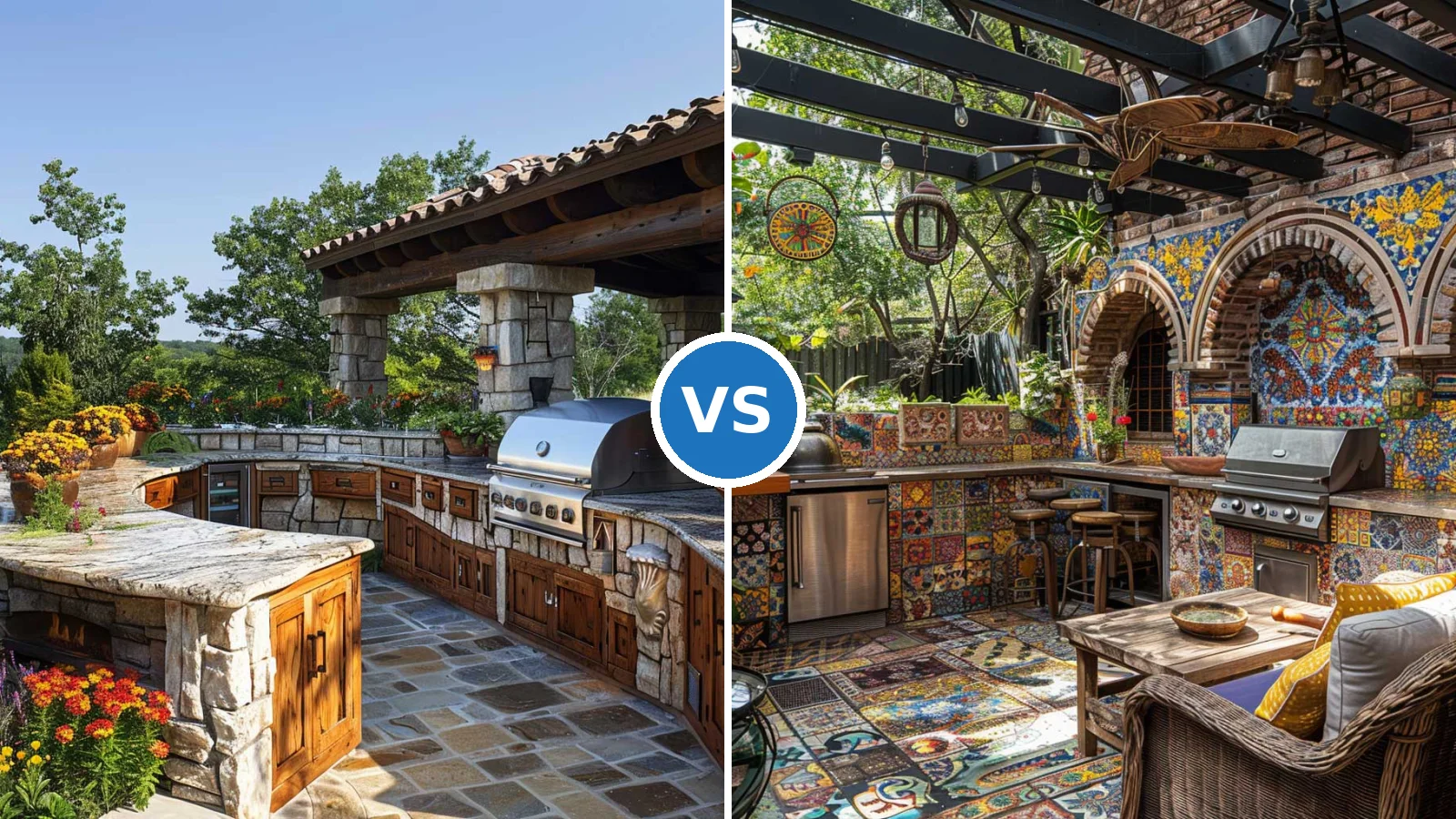
August 2026 marks a turning point for patio design: outdoor kitchen appliances have moved from optional luxury to the defining feature of serious outdoor living spaces. What started as a grill bolted to a corner has evolved into modular, purpose-built cooking systems designed to keep pace with indoor kitchen functionality. Homeowners are no longer asking if they should invest in outdoor cooking equipment—they’re asking which specific appliances will anchor their patio entertaining strategy.
Why Outdoor Kitchen Appliances Are Trending Now
Weber, Traeger, and Lynx have collectively shifted the market toward high-BTU, weather-resistant cooking units that perform consistently across seasons. The outdoor appliance category grew measurably in 2025–2026 as post-pandemic investment in home entertaining space matured. Homeowners realized their initial patio setups lacked the cooking power and durability needed for the entertaining frequency they’d adopted.
Today’s outdoor kitchen appliances solve a specific problem: traditional indoor kitchens weren’t designed for entertaining 20 people simultaneously while cooking proteins for varied dietary preferences. A dual-zone grill with side burners lets the host manage charring, searing, and gentle warming all at once. Integrated refrigeration keeps beverages and prepped ingredients cold without a constant trip indoors.
The trend accelerates because outdoor entertaining is no longer a summer phenomenon—late fall gatherings, spring brunches, and winter celebrations drive demand for appliances that perform reliably in 35°F to 95°F temperature ranges.
Quick Tips
- Match BTU output to your guest count: 12,000–15,000 BTU handles 4–6 people; 30,000+ handles 12–20 people comfortably
- Choose stainless steel or powder-coated aluminum for climates with salt air or high humidity
- Install a drip tray system beneath all appliances to prevent grease pooling and pest attraction
- Position appliances with the prep cook’s back to the gathering area—hosting becomes interactive, not isolating
The Core Appliances Every Patio Kitchen Needs
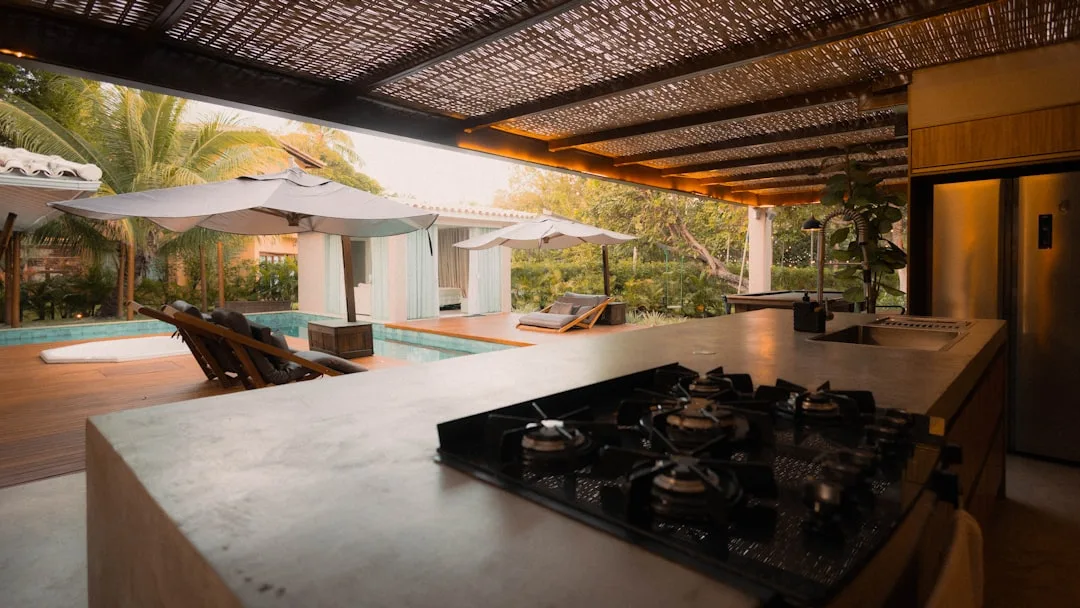
Traeger’s Pro Series and Kamado Joe’s integrated units dominate mid-range patios because they combine primary cooking with temperature precision. A primary grill or smoker becomes the anchor—everything else (cooktops, griddles, refrigeration) orbits it. Most serious installations begin with 500+ square inches of cooking surface.
Secondary appliances follow logically. Side burners add 12,000–15,000 BTU for sauces, grains, or soup prep without occupying grill real estate. Built-in refrigerators keep temperature between 34°F and 40°F and come in 15-cubic-foot to 28-cubic-foot sizes. Outdoor dishwashers, ice makers, and wine coolers remain luxury additions but are no longer rare in high-end patio kitchens.
| Appliance Type | Primary Use | Typical BTU Range |
|---|---|---|
| Grill (Gas/Charcoal) | Primary protein cooking, searing | 30,000–50,000 |
| Side Burner | Sauces, sides, warming | 12,000–15,000 |
| Outdoor Refrigerator | Beverage and ingredient storage | N/A (Electric 115–240V) |
| Flat-Top Griddle | Pancakes, burgers, vegetables | 15,000–25,000 |
Material Durability and Climate Resistance
Lynx and Coyote produce appliances with marine-grade stainless steel (304 or 316 stainless) that resist salt spray and humidity-induced rust. These cost more upfront but eliminate the corrosion failures that plague cheaper appliances after 3–4 seasons. A griddle that rusts through at joint seams stops being functional.
Powder-coated aluminum handles freeze-thaw cycles better than bare iron. Sealed electrical components and weatherproof ignition systems are non-negotiable for climates where humidity sits above 70% year-round. Many builders incorrectly specify standard kitchen appliances—designed for climate-controlled interiors—which fail catastrophically outdoors within two seasons.
Look for appliances with vented backs to prevent heat accumulation against siding or stone. Gaps of at least 12 inches on sides and rear keep airflow consistent and prevent accelerated material degradation.
The Installation Reality Most People Miss
The number-one mistake: installing outdoor kitchen appliances without proper foundation or structural support. Granite or concrete countertops require reinforced subsurfaces rated for 400+ pounds of equipment load. A grill sitting on standard patio stones will shift and crack under weight and vibration, breaking gas connections and creating safety hazards.
Homeowners frequently underestimate gas line routing. Outdoor kitchens typically need dedicated gas runs from the home’s main meter, not quick connections from indoor lines. This means trenching, permit approval, and professional installation—not a weekend DIY project. Improperly sealed connections leak gas or moisture into foundation areas.
Electrical requirements are equally overlooked. Refrigerators and dishwashers require 20-amp circuits in weatherproof housings, protected by GFCI breakers. Running extension cords to outdoor appliances violates code and creates fire risk. A properly permitted installation requires rough-in work before patio surfacing is finalized.
How to Right-Size Appliances to Your Space
Measure your patio cooking zone length and width before selecting appliances. A 12-foot-wide patio can comfortably fit a 42-inch grill, 18-inch side burner, and refrigerator in linear arrangement. Anything cramped forces the cook into awkward positioning and burns energy on navigation rather than food.
Match total BTU output to entertaining frequency and guest count. A household that hosts 8–10 people twice monthly needs 40,000–50,000 total BTU across all burners. A household hosting 20+ people weekly should aim for 60,000–80,000 BTU capacity to avoid bottlenecks during peak cooking.
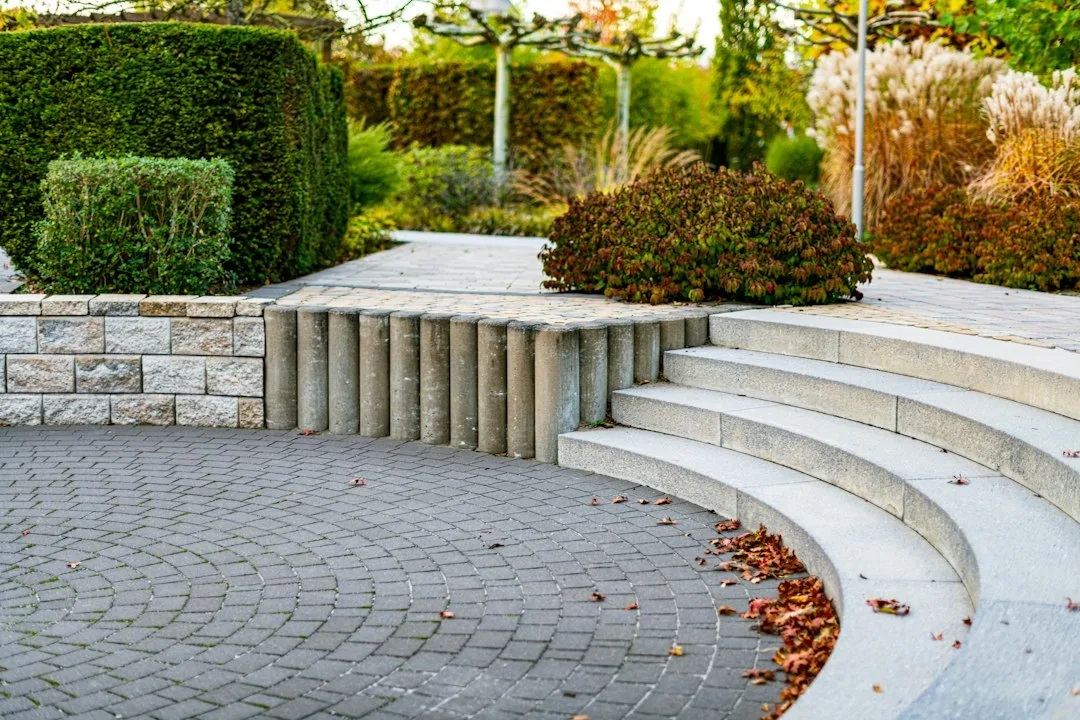
Consider appliance spacing and workflow direction. Concrete patio installations benefit from linear layouts (prep zone → cooking zone → plating zone), mimicking commercial kitchen logic. This prevents the chaotic crosspaths that emerge when appliances are scattered decoratively rather than functionally.
Integration Into Larger Patio Design
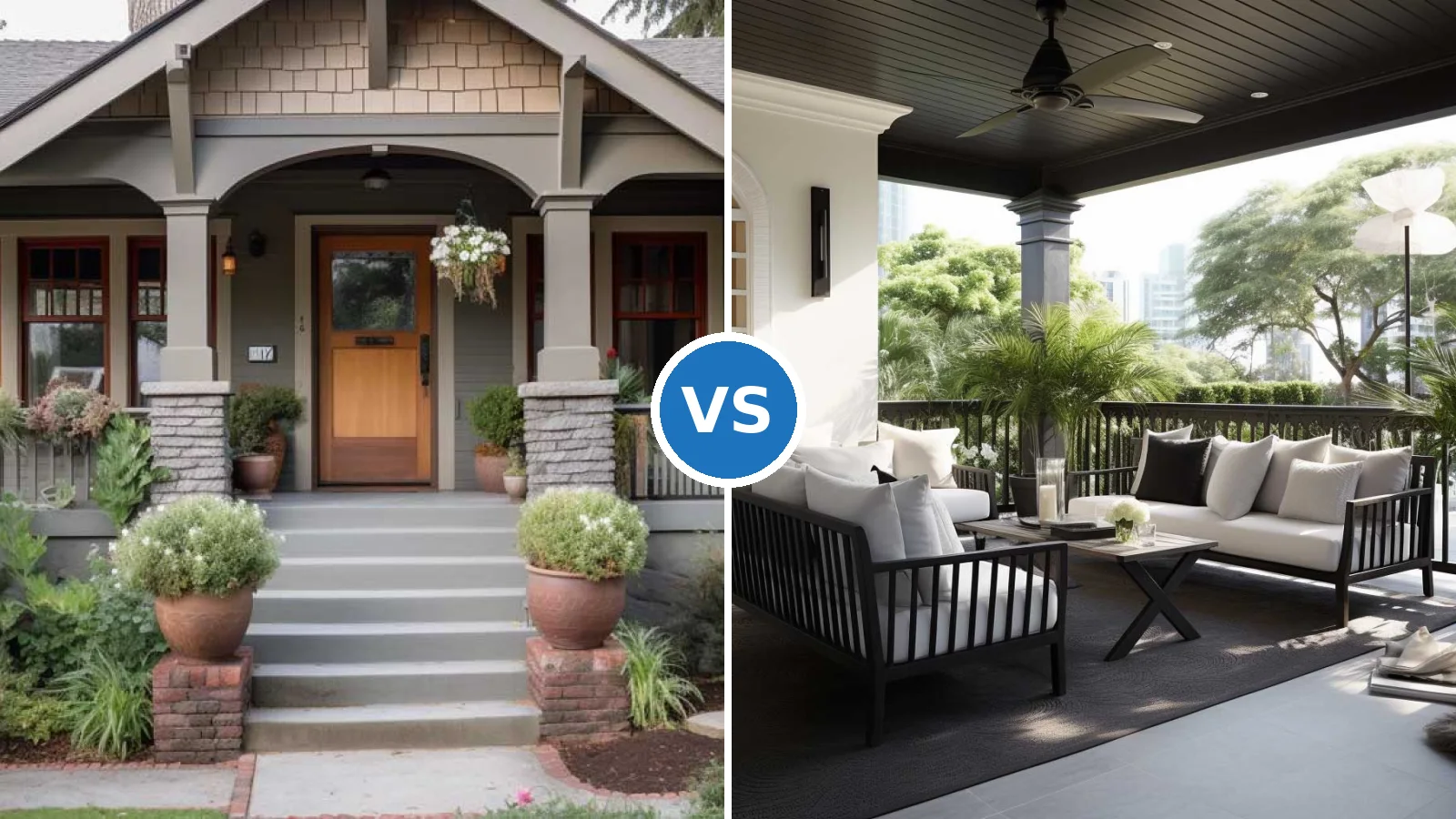
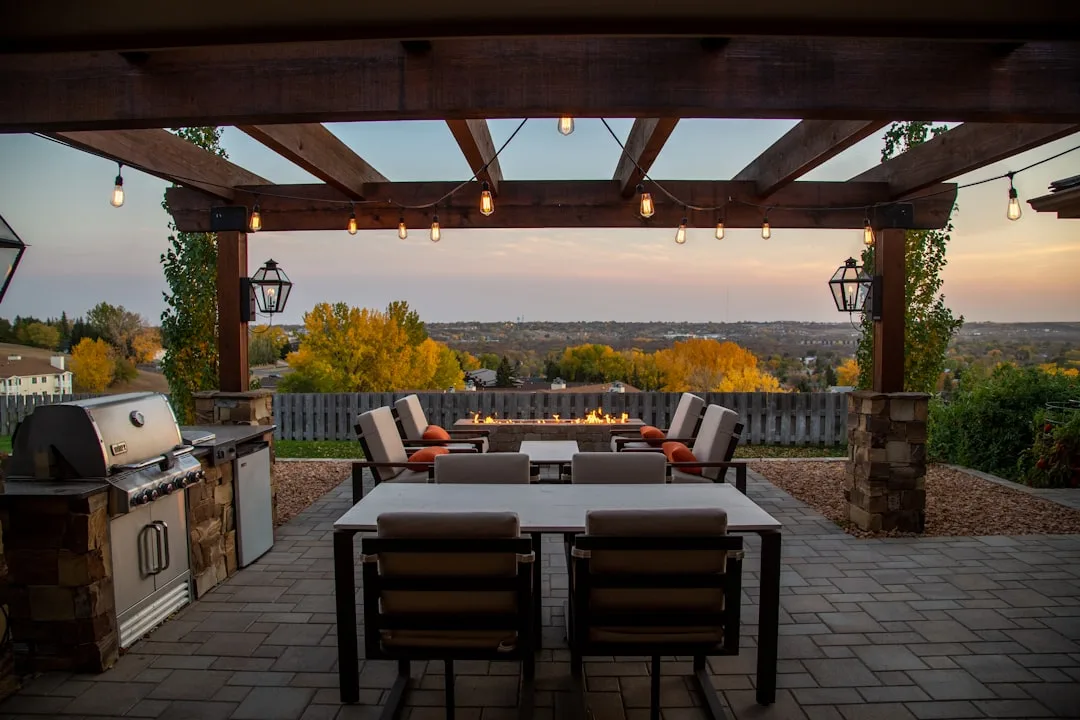
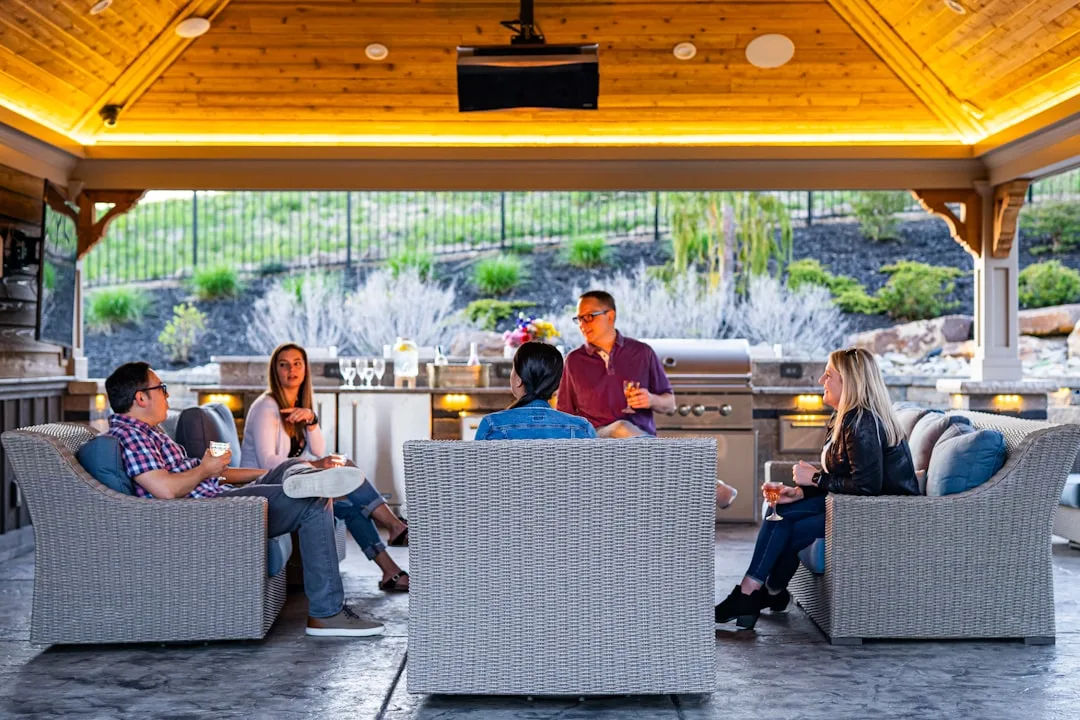
Outdoor kitchen appliances anchor entertaining spaces but require complementary infrastructure. Shade structures (pergolas, sails, or retractable awnings) prevent cooking in direct sun or sudden rain. Ambient lighting transforms evening entertaining into all-day usability. Beautiful single-story houses with patio yards often feature these zones as visual extensions of the home’s footprint.
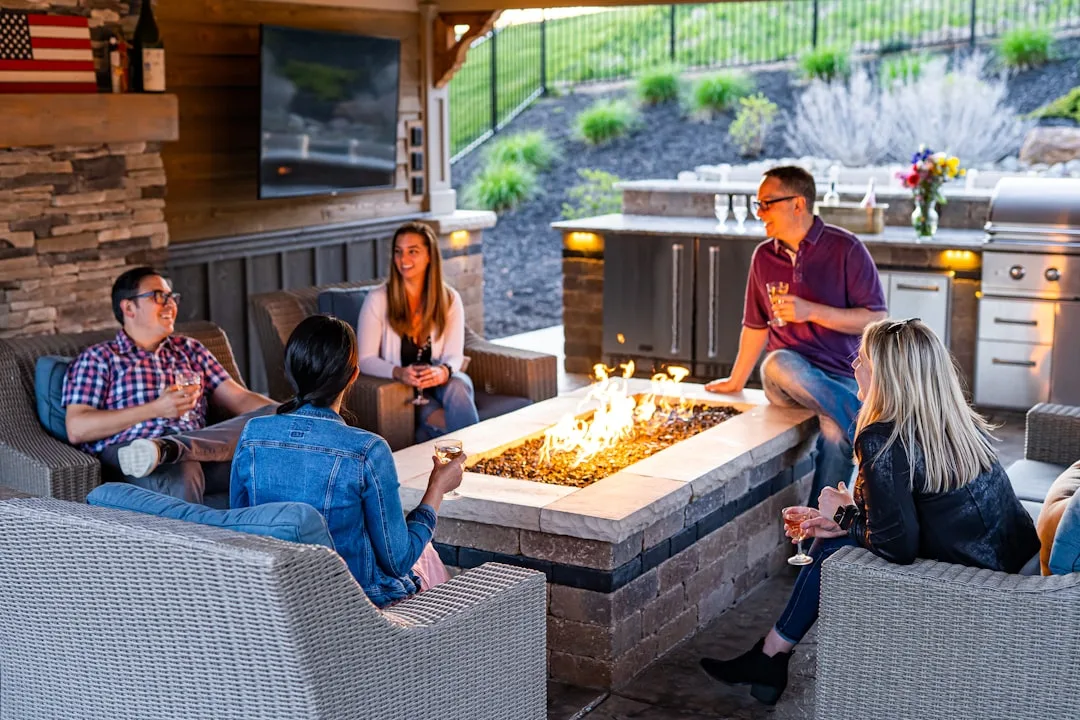
Seating, side tables, and food stations must be positioned to let guests socialize without crowding the cook. A 3-foot minimum buffer between appliances and dining furniture prevents burns and keeps entertaining relaxed. Material consistency—matching appliance finishes with countertop edges and frame material—unifies the zone visually.
Drainage becomes critical when appliances occupy concrete or permeable patio surfaces. Grease and food debris accumulate beneath burners and grills. A slope toward a drain or grease trap prevents pooling and pest attraction. This infrastructure must be installed before final surfacing.
Plan, Choose, and Verify Your Outdoor Kitchen Setup
Three tools to use before you buy or install: one to check safety records on specific models, one to match a grill to your cooking style, and one to pull installation specs for the appliances you’re considering.
How do I check whether a grill model I’m considering — or already own — has been recalled?
I’m not sure which pellet grill size or series fits my patio setup — is there a quick way to narrow it down?
Where can I find the exact cutout dimensions, clearance requirements, and installation steps for a specific built-in outdoor appliance?