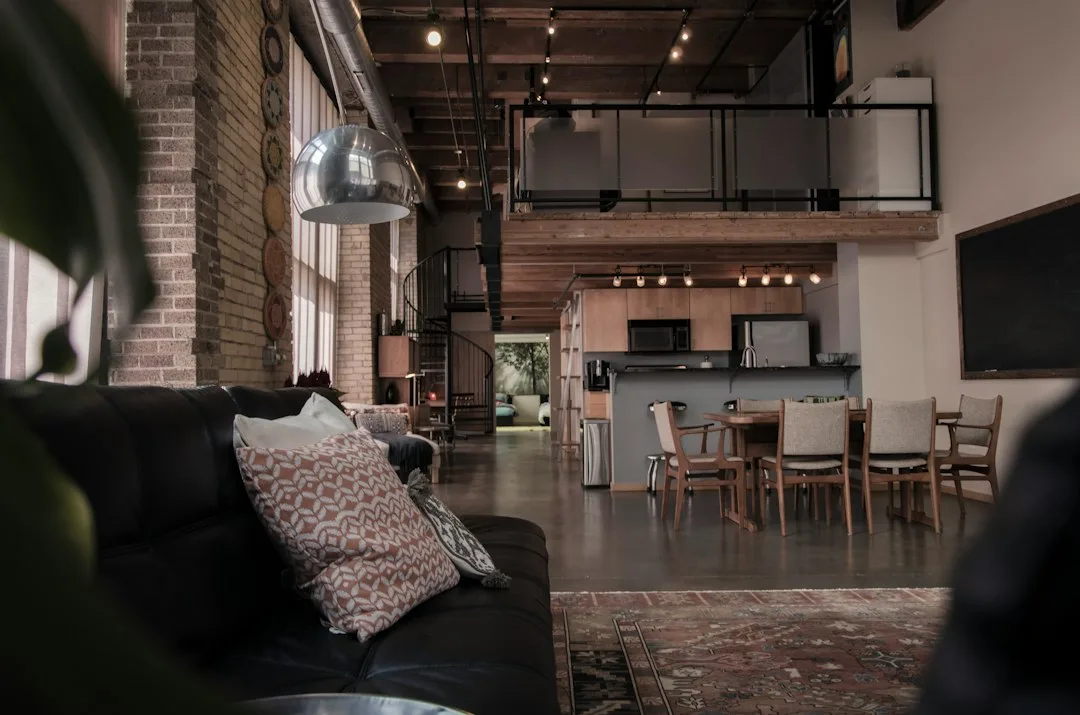
A 120-year-old brick textile mill in Lowell, Massachusetts—closed since 2003—now houses forty-eight loft apartments with median asking prices around $425,000. Adaptive reuse real estate has become the fastest-growing segment in urban housing markets nationwide, with projects in Philadelphia, Portland, and Atlanta reporting sales velocity 40 percent faster than traditional residential developments. This isn’t nostalgia; it’s math.
Why Historic Conversions Command Buyer Attention
The appeal of adaptive reuse real estate starts with scarcity. There are only so many 1920s warehouses with twelve-foot ceilings and original timber trusses. Buyers compete harder for finite authentic stock, and market data confirms it—converted historic properties in urban cores appreciate 8 to 12 percent annually, outpacing conventional new construction by 2 to 3 percentage points.
Character sells. A space with 25-foot ceilings, cast-iron columns, and massive factory windows cannot be replicated by new development—the land cost alone makes it economically impossible. Millennials and Gen X buyers specifically seek these features, and developers have noticed.
Environmental positioning matters too. Reusing existing structure eliminates demolition waste and reduces embodied carbon compared to new construction. This sustainability narrative appeals to conscious buyers without requiring premium price points.
Quick Tips
- Inspect structural integrity before committing to purchase. Historic buildings often require foundation work that costs $50,000 to $200,000.
- Verify zoning permits and adaptive reuse designations—not all historic buildings qualify for conversion financing.
- Request disclosure of any environmental testing. Old industrial sites may require soil remediation.
- Ask whether the developer secured historic tax credits, which lower total project cost and signal long-term viability.
- Compare unit sizes carefully; adaptive reuse layouts vary wildly based on original building footprint.
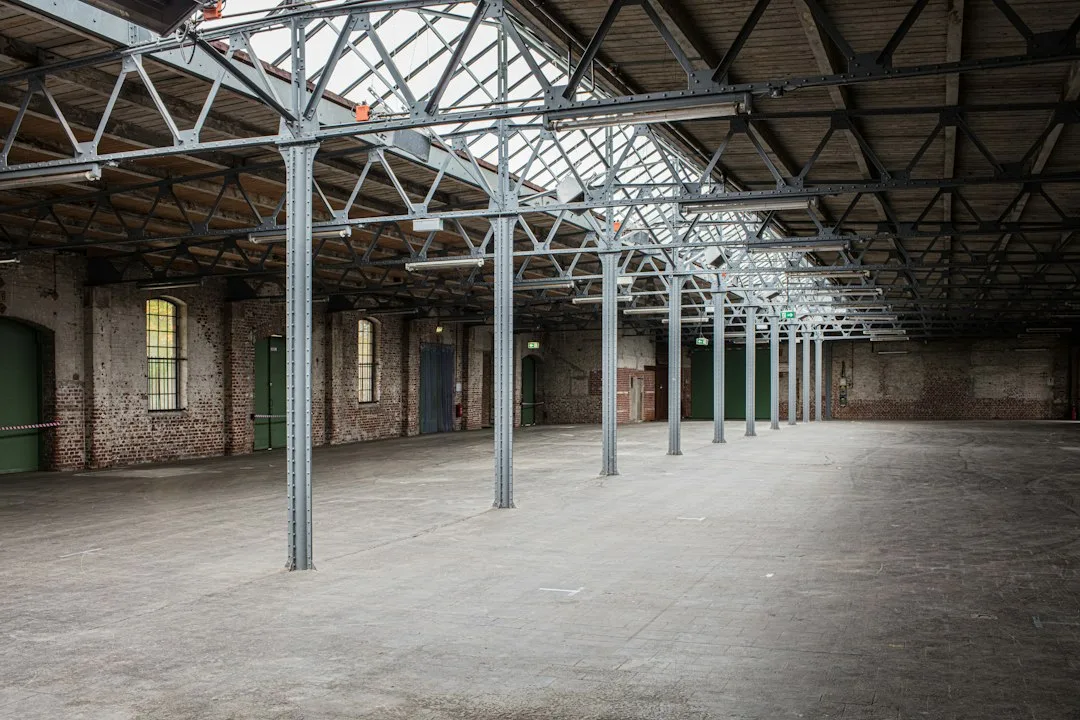
Adaptive reuse real estate financing and incentives
Federal historic rehabilitation tax credits—worth up to 20 percent of qualified project costs—directly reduce a developer’s capital outlay. These savings flow to buyers through more competitive pricing and better unit finishes. Fannie Mae and Freddie Mac now explicitly support loans on adapted historic properties, removing financing friction that existed five years ago.
State and local incentives vary dramatically. Oregon offers property tax abatements on historic conversions lasting up to fifteen years. Massachusetts ties adaptive reuse projects to workforce housing requirements, creating mixed-income communities. New York City’s Adaptive Reuse NYC program has fast-tracked eleven major projects since 2024.
| Property Type | Average Days on Market | Appreciation Rate |
|---|---|---|
| Historic adaptive reuse | 24 days | 10.2% annually |
| New construction loft | 38 days | 5.8% annually |
| Renovated mid-century apartment | 31 days | 6.4% annually |
| New suburban townhome | 45 days | 4.2% annually |
The real mistake adaptive reuse buyers make
The number-one failure is underestimating deferred maintenance costs after occupancy. A buyer in Brooklyn purchased a loft in a 1998-converted warehouse, attracted by $380,000 pricing. Six months after closing, the HVAC system—original to the conversion—failed catastrophically, requiring $28,000 replacement. The seller had withheld disclosure of a previous coolant leak.
This happens because historic and adaptive buildings operate differently from new construction. Thermal efficiency, electrical load capacity, and structural settlement patterns are unpredictable without expert engineering review. Hire a real estate attorney experienced in adaptive reuse transactions, and always commission a professional engineering inspection—not just a standard home inspection.
Cost to avoid this mistake: $1,500 for specialized inspection. Cost of not doing it: $20,000 to $80,000 in surprise repairs.
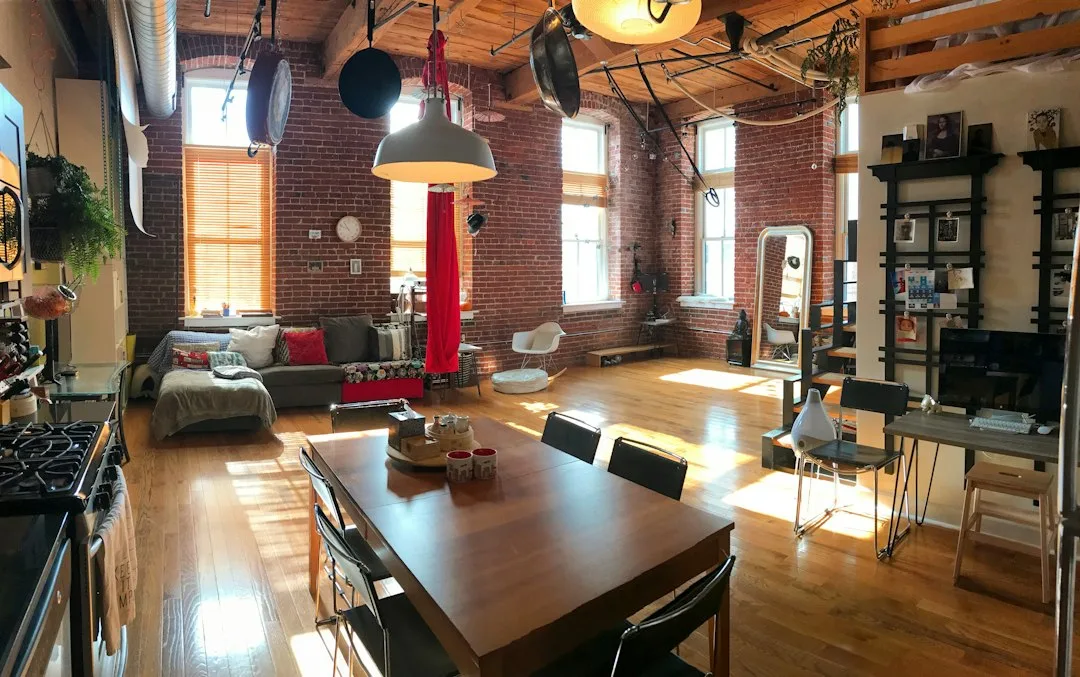
Developer expertise shapes long-term value
St. Louis–based developer Triad Development has completed seventeen adaptive reuse projects since 2015, including the transformation of a 1927 refrigeration warehouse into ninety-two market-rate apartments. Their properties hold value consistently. Why? They invest in systems redundancy and phase mechanical upgrades alongside initial conversion, avoiding the deferred-maintenance trap.
Smaller, first-time adaptive reuse developers often cut corners on infrastructure to hit price targets. Research the developer’s track record. Have previous projects appreciated or stagnated? Do online reviews mention unexpected cost overruns?
When evaluating any adaptive reuse property, ask for the architect’s report and the mechanical engineer’s assessment document. This paperwork is your insurance policy.
Location and neighborhood tier matter more in adaptive reuse
Adaptive reuse projects in secondary business districts (not prime downtown cores) show softer appreciation. A converted textile mill in Manchester, New Hampshire appreciated 4.1 percent annually between 2021 and 2026—good, but below the 8–12 percent seen in Portland’s Pearl District or Boston’s Fort Point Channel.
Before purchasing, verify neighborhood momentum. Are street-level retailers opening or closing? Are property taxes stable or climbing? Is public transit expanding? Adaptive reuse properties amplify neighborhood trends—they’re anchors, not revitalizers.
Use essential tips for selecting your ideal real estate home as a framework, then layer in adaptive reuse specifics: developer track record, structural documentation, and neighborhood trajectory.
What adaptive reuse ownership actually demands
Owners of adaptive reuse properties often pay higher HOA fees—averaging $350 to $650 monthly compared to $200 to $300 for new construction. This reflects the cost of maintaining mechanical systems in converted buildings, which run harder and age faster than systems in new structures.
Insurance premiums are also typically 10 to 18 percent higher due to elevated risk profiles associated with older structural components. These real costs must factor into your total-cost-of-ownership calculation before making an offer.
But the payoff is tangible: a 2025 survey of adaptive reuse owners reported 91 percent satisfaction with their property choice, versus 78 percent for new-construction buyers. The combination of character, appreciation potential, and community density justifies the complexity for the right buyer.