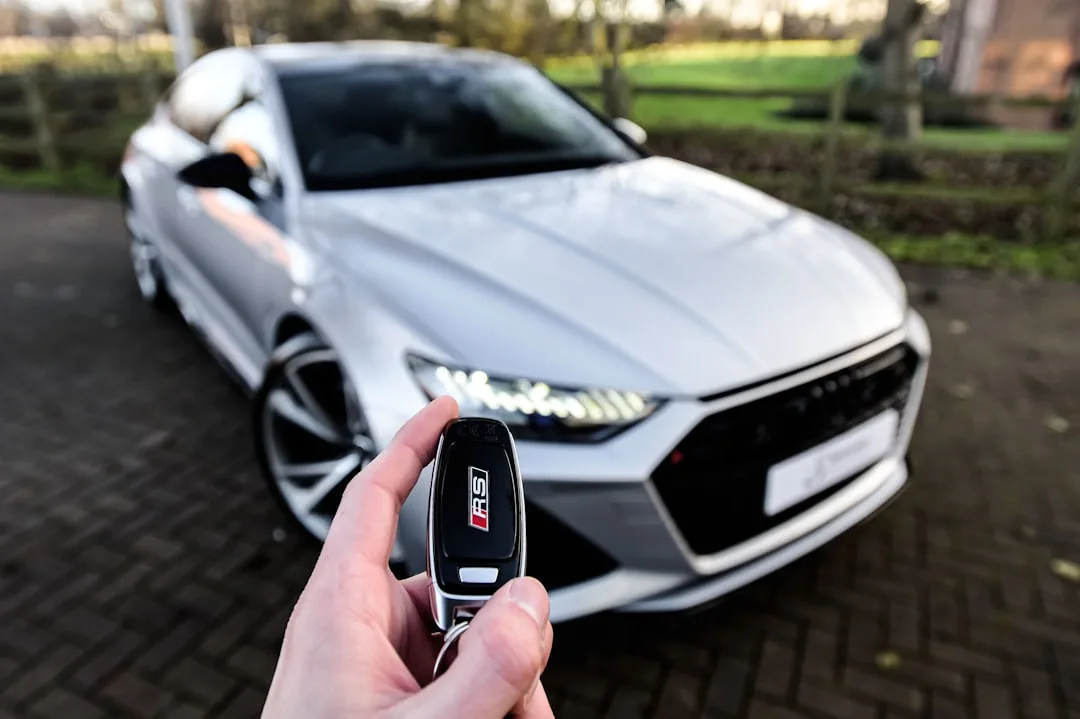
In 2026, the question is no longer whether vehicle subscription will survive—it’s whether traditional ownership still makes financial sense. Vehicle subscription services have crossed from novelty into mainstream disruption, and the data proves it. Instead of financing a single car for five to seven years, drivers now pay a monthly fee that covers insurance, maintenance, roadside assistance, and the freedom to swap vehicles without penalty. This shift addresses the deepest frustration of car ownership: the trap of depreciation combined with the burden of long-term commitment.
How Subscription Services Solve the Depreciation Trap
Mercedes-Benz’s subscription program, active across multiple US markets, charges roughly $600–$1,200 per month depending on vehicle tier and features. That single payment replaces the traditional down payment, monthly finance charge, insurance premium, and maintenance bill. Most consumers don’t realize that a financed vehicle loses 15–20% of its value within the first 12 months, then depreciates another 50% by year five—meaning a $45,000 car costs $22,500 in lost value alone, not counting interest.
Subscription eliminates this math entirely. You drive a current-model vehicle with warranty coverage built in, and when the contract ends, you return it. The company assumes all depreciation risk. For budget-conscious buyers, this represents a radical shift from ownership psychology.
The mechanics matter more than the marketing. Insurance bundling removes the hunt for competitive quotes; roadside assistance becomes automatic, not optional. Routine maintenance and tire rotation arrive as included services.
Quick Tips
- Read the mileage cap closely—most plans include 10,000–15,000 miles annually; overage fees run $0.25–$0.35 per mile.
- Check whether maintenance includes tire rotation and brake pads or only oil changes and filters.
- Confirm insurance coverage limits, especially liability and collision deductibles, before signing.
- Compare three months of included service value to your current insurance and maintenance spending.
Subscription Services Compete Directly With Certified Pre-Owned Markets
Porsche’s subscription offering bundles white-glove service with vehicle access, and Volvo’s program explicitly targets drivers who previously bought used. The competition isn’t against new car sales—it’s against certified pre-owned vehicle purchases, which still dominate buyer preference in 2026. A CPO vehicle costs $25,000–$35,000 upfront with a remaining factory warranty, whereas a subscription might cost $700 monthly for the same vehicle class over 36 months—totaling $25,200 but requiring zero down payment and zero ownership risk.
Subscribers gain flexibility CPO buyers surrender. If your family grows, you swap to a seven-seater. If your commute changes, you downgrade to a hybrid. CPO owners face selling hassles and market timing risks.
| Factor | Vehicle Subscription | Certified Pre-Owned |
|---|---|---|
| Down Payment | None or minimal | $5,000–$8,000 typical |
| Monthly Cost Predictability | Fixed, all-inclusive | Variable with repairs |
| Vehicle Flexibility | Swap models every 12–36 months | Locked into one vehicle |
| Residual Value Risk | Provider bears it | Buyer bears it |

The Mileage Cap Mistake That Costs Drivers Thousands
Hidden Costs Nobody Talks About Until You Sign
Beyond the advertised monthly payment, subscription services layer on additional charges that accumulate quickly. Excess mileage fees typically range from $0.25 to $0.50 per mile over the cap, meaning a single cross-country road trip can trigger hundreds in overages. Wear-and-tear assessments at lease end often surprise subscribers who thought “normal use” was covered—scuffed door handles, minor paint chips, and interior stains get documented and billed separately.
Technology packages, which seemed optional during the sales call, become mandatory add-ons when you want basic features like remote start or navigation updates. Some providers charge monthly activation fees just to use apps that track your vehicle or schedule maintenance. Insurance requirements are sometimes higher under subscription plans than traditional ownership, particularly for drivers under 25 or with modest credit profiles. When you factor in these hidden line items, the advertised savings disappear entirely.
When Ownership Still Makes Financial Sense
For drivers planning to keep a vehicle beyond five years, traditional purchase ownership remains the better economic choice despite upfront depreciation. While the certified pre-owned vehicle market dominates 2026 auto purchases, private ownership gives you complete control over maintenance scheduling, repair vendor selection, and vehicle modifications. Long-term owners eliminate mileage anxiety entirely and can drive 50,000 miles annually without penalty.
Families with unpredictable routines—particularly those managing multiple properties or frequently visiting relatives across states—find ownership more practical than subscription constraints. The vehicle becomes an asset you can refinance if needed or trade when technology evolves. Unlike subscription models tied to provider networks, ownership adapts to changing family needs, such as when autonomous vehicle adoption reshapes how families plan daily commutes and you need flexibility to upgrade or modify your transportation strategy.

Maintenance costs and predictability with ownership
Vehicle ownership brings transparency to maintenance expenses that subscription services obscure. When you own your car, you control which service centers perform work, compare repair quotes, and choose between OEM parts and aftermarket alternatives. Many owners find independent mechanics offer substantial savings compared to dealership rates for routine services like oil changes, brake pad replacement, and tire rotations.
Extended warranty options like those offered by companies such as CARCHEX or Endurance provide additional cost predictability for owned vehicles. These third-party warranties cover major component failures without forcing you into a dealership network, giving owners flexibility that lease and subscription models typically restrict. Over a seven-year ownership period, budgeting for maintenance becomes straightforward—you know your vehicle’s age, mileage patterns, and manufacturer recommendations guide your spending decisions.
Tax deductions available to business owners and self-employed individuals create additional financial advantages unavailable with subscriptions. Depreciation, repairs, insurance, and fuel expenses can offset business income in many jurisdictions, effectively reducing your vehicle’s net cost. This benefit particularly favors entrepreneurs, freelancers, and small business owners who use vehicles regularly for work purposes.
Technology integration and long-term value retention
Modern owned vehicles increasingly feature sophisticated infotainment systems that improve through over-the-air updates without requiring new hardware. Tesla’s approach to wireless software updates exemplifies how ownership can mean accessing new capabilities years after purchase—vehicles from 2015 still receive new features and performance improvements. This contrasts with subscription models that may exclude older model years from enhanced services or charge premium fees for latest technology packages.
Resale value remains a tangible asset when you own, particularly for reliable brands like Toyota, Honda, and Lexus that maintain strong secondary markets. A well-maintained 2019 Toyota Camry or Honda CR-V still commands meaningful resale prices, allowing owners to recover 40-50 percent of their original purchase cost. This residual value becomes especially important for those who enjoy driving different vehicles every few years—you can sell your current car and upgrade without the penalty of depreciation fully absorbing your investment.
Aftermarket customization options flourish for owned vehicles in ways subscription services actively discourage. Owners can install upgraded audio systems through companies like JBL or Alpine, add performance enhancements, apply protective ceramic coatings, or customize exterior aesthetics. This personalization transforms your vehicle into an extension of your lifestyle and preferences rather than a generic transportation commodity you’re temporarily renting.
Regional independence and insurance advantages
Owned vehicles free you from the geographic limitations that subscription services impose through their limited operating areas. If you relocate from a major metropolitan area to a smaller city or rural region, your car moves with you—subscription programs like Carvana or traditional car-sharing services may not operate where you need them. This becomes critical for those who split time between locations or whose careers require periodic relocation.
Insurance arrangements for owned vehicles offer more flexibility and potential savings than subscription models that bundle coverage into monthly fees. Shopping among insurers like GEICO, Progressive, or State Farm lets you secure discounts for bundling home and auto policies, maintaining clean driving records, or completing defensive driving courses. You control your deductible levels, coverage limits, and policy add-ons rather than accepting standardized insurance packages that may overcover or undercover your actual needs.
Owner-operated vehicles enable you to maintain continuous coverage history, which insurers reward with loyalty discounts and lower renewal rates over time. This long-term relationship with an insurance provider often yields better rates than starting fresh every few years with subscription model changes, where switching providers becomes necessary if your subscription ends or your circumstances change.
Tools to Compare and Verify Before You Sign
Whether you’re leaning toward a subscription, a lease, or outright ownership, these three tools help you check what you’re driving, run the real numbers, and understand the fine print before any contract is signed.
How do I check whether the vehicle offered through a subscription has any open safety recalls?
Where can I calculate what leasing or financing the same vehicle class would actually cost me monthly?
What are the practical differences between leasing and financing compared to a subscription, term by term?