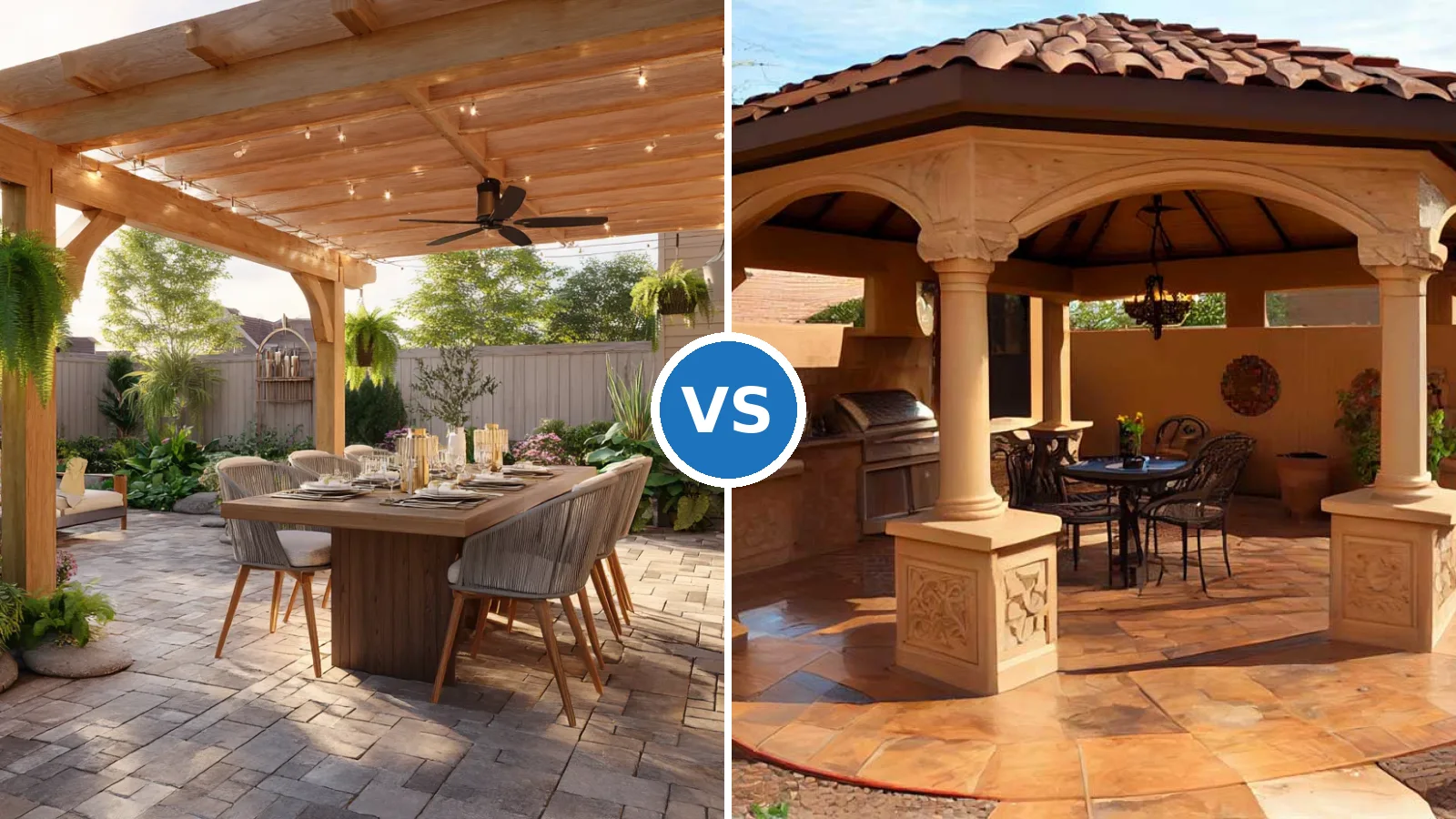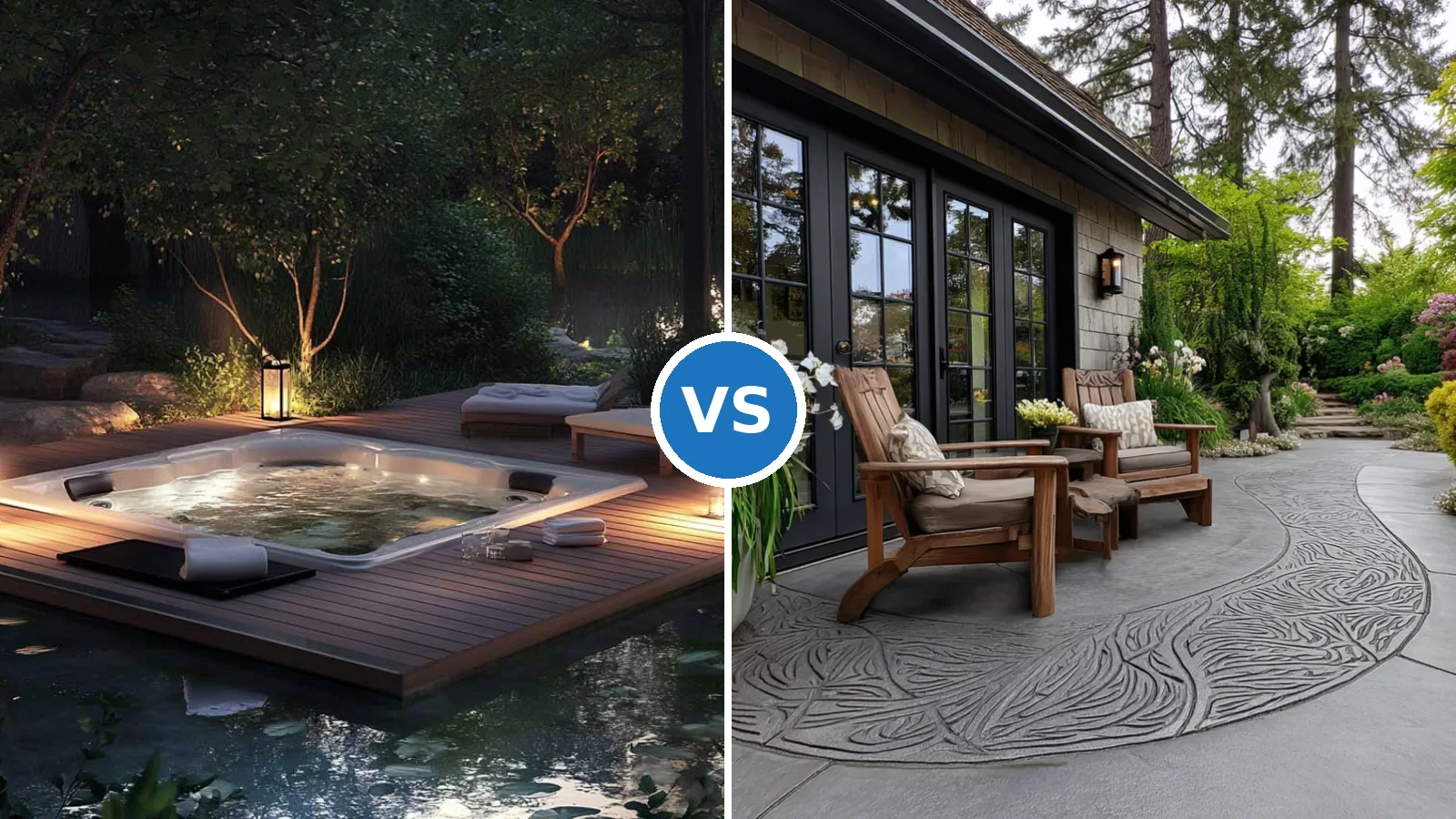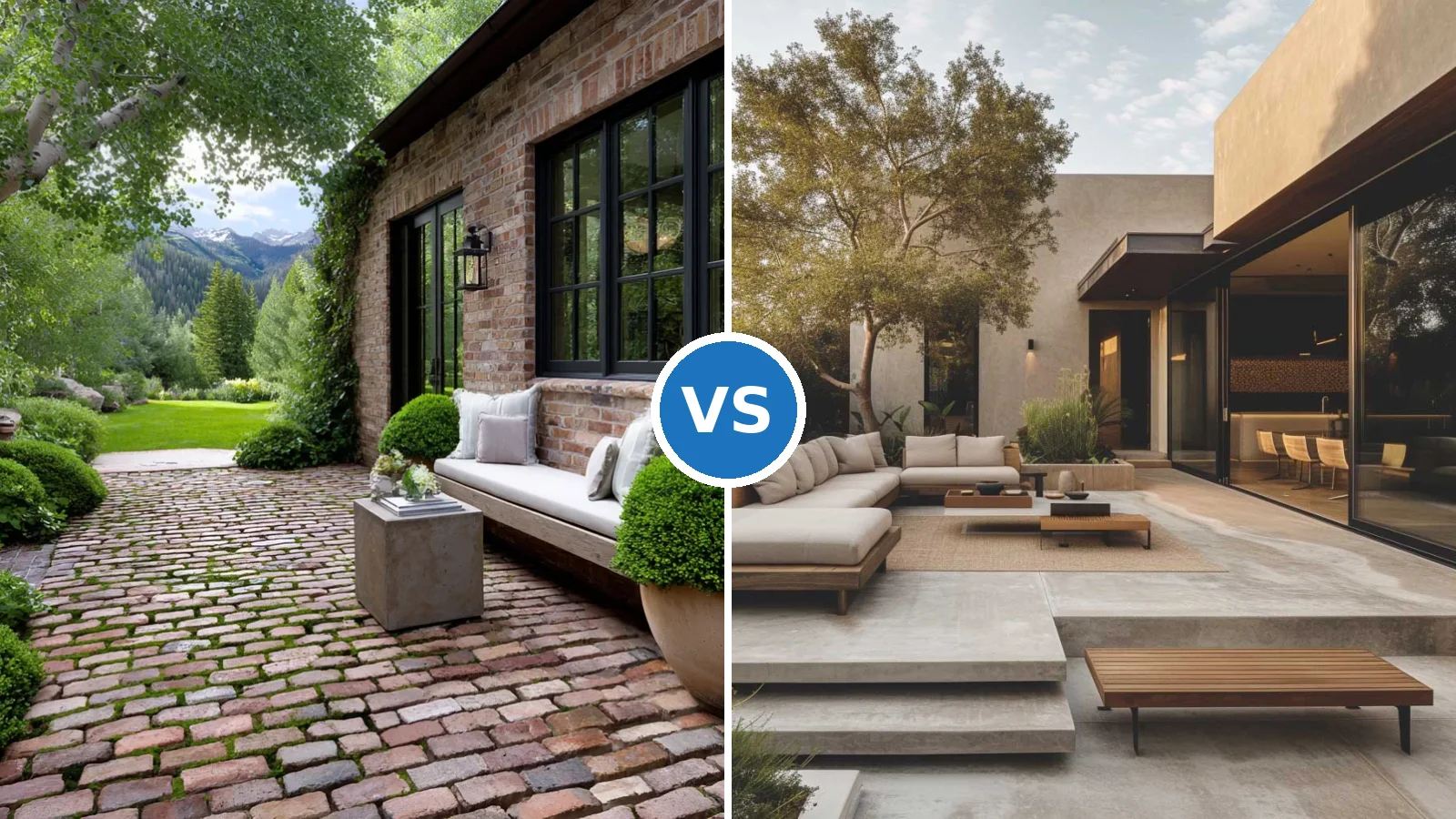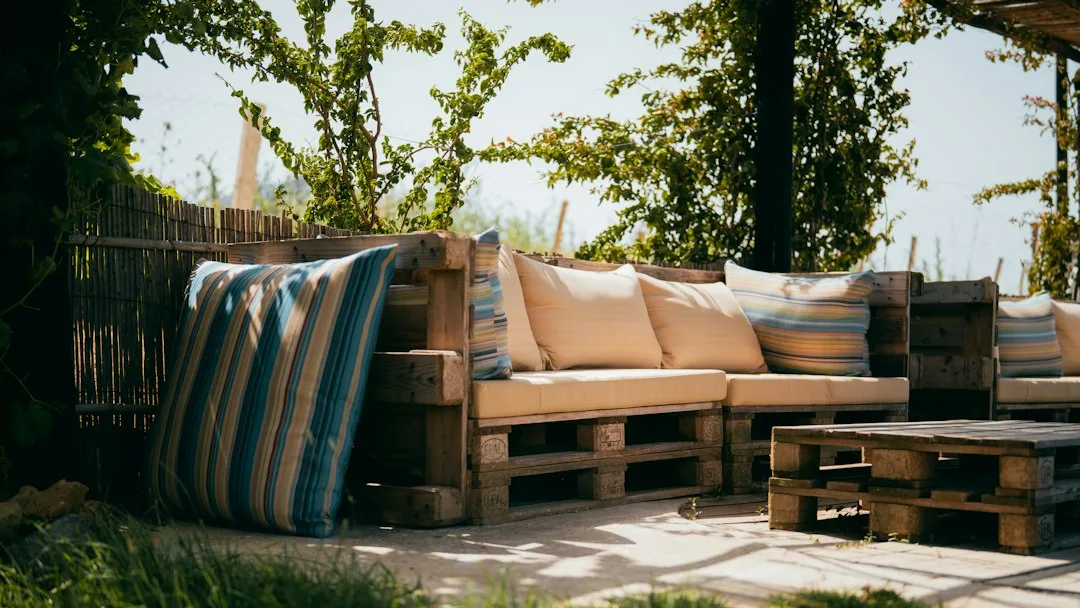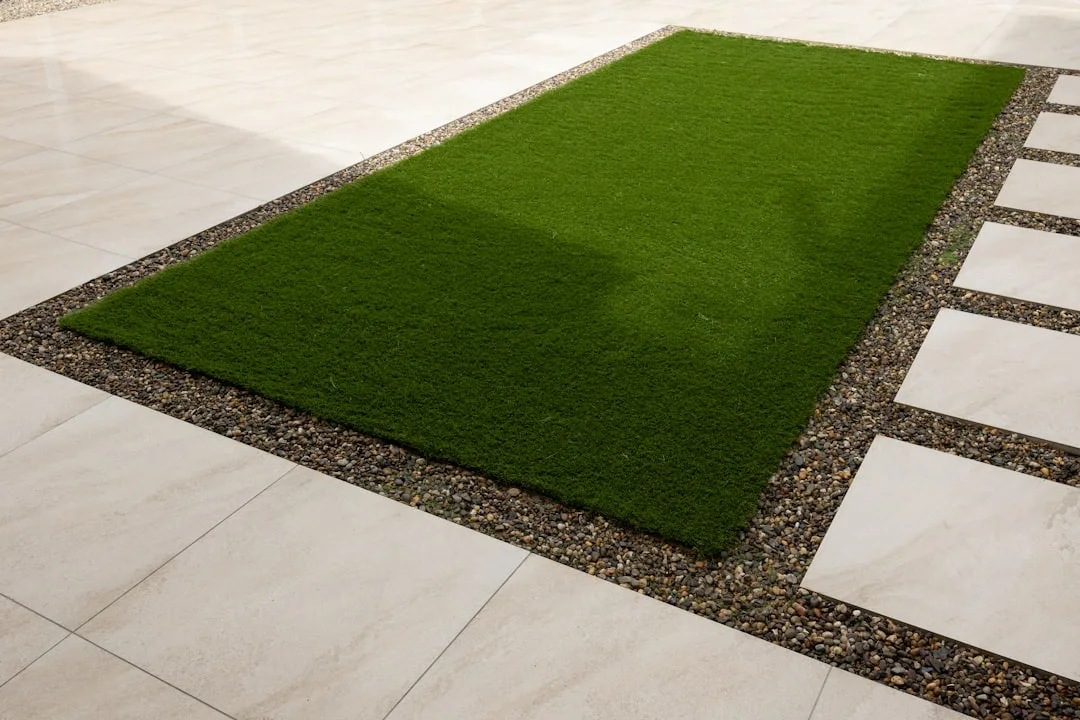
Your backyard floor is no longer an afterthought. Outdoor patio flooring trends in 2026 center on materials and systems that solve real problems—drainage, temperature, longevity, and environmental impact. These aren’t cosmetic upgrades; they’re structural investments that change how and when you use your outdoor space.
Permeable Pavers Manage Water While Building Hardscape
Permeable paver systems from manufacturers like Techo-Bloc and Pavestone allow water to drain through the surface into a base layer, eliminating standing water and runoff. The system works by stacking interlocking concrete or stone units over a gravel bed and geotextile fabric.
Why this matters: Heavy rain no longer pools on your patio. This replaces traditional sealed concrete, which channels water toward your foundation.
Installation involves excavating 4–6 inches below grade, laying compacted base rock, setting edge restraints, placing pavers, then filling joints with permeable sand. A professional installation for a 400-square-foot patio typically requires 3–5 days. You’re building drainage into the floor itself, not hoping water disappears.
Quick Tips
- Compact each base layer in 2-inch lifts to prevent settling and lippage
- Use permeable joint sand, not polymeric sand, to maintain drainage
- Slope finished surface at 1–2% for positive drainage away from structures
- Install edge restraints on all sides to lock pavers and prevent displacement
Recycled Composite Decking Replaces Treated Lumber Entirely
Composite patio boards—blends of reclaimed wood fiber and polyethylene plastic—are now standard in mid-range outdoor flooring. Brands like Trex and Fiberon mix post-consumer recycled plastic with wood waste, creating boards that resist rot, splinters, and color fade.
A typical composite board measures 1 inch thick, 5.5 inches wide, and comes in 12–16 foot lengths. They cost more than pressure-treated lumber upfront but outlast wood by 20+ years without staining, sealing, or replacing sections.
| Material | Lifespan | Maintenance Need |
|---|---|---|
| Pressure-Treated Wood | 10–15 years | Annual stain and seal |
| Composite Decking | 25–30 years | Occasional cleaning |
| Porcelain Pavers | 30+ years | Grout sealing every 3 years |
| Permeable Pavers | 25–40 years | Joint sand replacement every 5 years |
Composite boards perform in freeze-thaw cycles without cracking. You’re trading annual sealing tasks for material cost—a real shift in how homeowners think about outdoor flooring investment.
The Mistake That Costs You: Ignoring Drainage Slope
The number-one failure homeowners make is installing patios level or with imperceptible slope. Water pools, algae blooms, and frost heave cracks pavers within one winter.
Example: A contractor installs 500 square feet of porcelain pavers without slope. After three freeze-thaw cycles, frost pushes pavers upward unevenly. Within two years, the surface is a safety hazard and replacement costs $8,000+.
Correct slope is 1–2%, meaning 1–2 inches of drop per 10 feet of length. Measure with a laser level, not eyesight. This single detail determines whether your patio lasts 5 years or 30.
Radiant Heat Systems Extend Patio Season Into Winter
Hydronic radiant heating systems—tubing embedded beneath pavers or composite boards—circulate warm water to heat the surface. Systems from Warmzone and Slatefloor install in the substrate layer during construction or retrofitting.
A 200-square-foot patio system operates on demand, warming the surface to 50–65°F on winter mornings. This lets you use your patio 4–6 additional months per year, eliminating the need to retreat indoors when outdoor air temperature drops below 45°F.
The system connects to your home’s hot water heater or a dedicated boiler. Installation cost is higher than standard flooring, but the extended season and property value increase offset the initial investment.
Decorative Concrete Inlays Create Custom Visual Impact
Modern stamped and stained concrete embedded with color, pattern, and texture is experiencing a resurgence. Contractors now use acid stains, reactive coatings, and integral pigments to achieve finishes that mimic natural stone, tile, or abstract geometry without seams or grout lines.
A stamped concrete patio can replicate brick, slate, or flagstone patterns. Unlike actual pavers, it’s one continuous surface—no lippage, no joint maintenance, and radiant heat systems install directly beneath without complexity.
Durability depends on sealing: a penetrating sealer applied every 2–3 years prevents staining and surface degradation. Concrete house ideas with patio style courtyards showcase how this technique anchors modern outdoor rooms.
Natural Stone Resists Time and Creates Focal Beauty
Slate, bluestone, and limestone flagstone remain top choices for homeowners prioritizing authenticity and longevity. These materials weather beautifully, develop patina over decades, and don’t require replacement.
Slate provides natural grip and ranges from deep gray to rust-red tones. Bluestone offers blue-gray hues with minimal variation and superior freeze-thaw resistance in northern climates.
Installation involves setting individual stones on mortar or sand base, then grouting joints. Beautiful single story house with patio yard examples demonstrate how natural stone creates visual cohesion with architectural elements.
Natural stone costs more than pavers or composite but represents a one-time investment. No refinishing, no replacement of individual boards—just occasional resealing of grout and the stone surface itself.
Related Topics
FAQ
What is the best patio flooring for climates with freeze-thaw cycles?
Do I need to seal composite decking?
How much does radiant heating add to patio cost?
Can I install permeable pavers myself?
What maintenance does natural stone patio flooring require?
Complete guide
Patio and Yard Ideas That Turn Any Backyard Into a Living Room Outside
Flooring, furniture, shade, pools, kitchens, fire pits, courtyards — all in one place