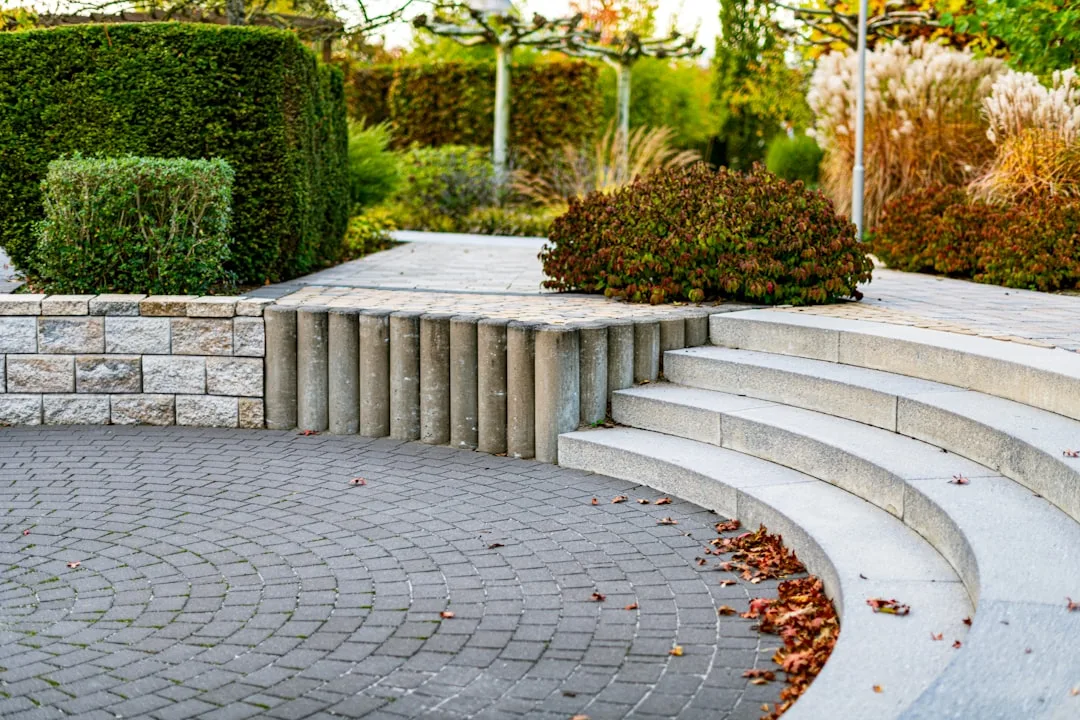
Permeable pavers have moved from niche sustainable choice to default material across modern landscapes. Unlike solid concrete driveways and patios that channel stormwater straight into municipal systems, permeable pavers let water filter through joints into a base layer, reducing runoff by up to 90 percent. This shift isn’t just environmental—it’s practical, resilient, and increasingly required by local building codes in flood-prone regions.
Why Drainage Matters More Than Appearance
The 2024 EPA climate assessment documented that extreme precipitation events increased by 20 percent in North America over the past decade. Homeowners are responding by rethinking outdoor hardscapes entirely.
Permeable pavers address this directly. Instead of water pooling on your patio or flowing across the lawn, it percolates through permeable joint material—typically polymeric sand or stabilized recycled rubber—into a crushed stone base that distributes moisture evenly. This prevents foundation saturation, basement flooding, and erosion that compromises landscape stability.
The secondary benefit: no more mosquito-breeding puddles or ice patches in winter.
Quick Tips
- Install a 4-6 inch granular base layer beneath pavers to maximize water infiltration and load bearing
- Use permeable joint material rated for heavy traffic; standard polymeric sand costs less but requires reapplication every 3-5 years
- Slope the paver field slightly (1-2 percent grade) to direct surface water toward planted areas or rain gardens
- Pair pavers with native plant borders to absorb excess moisture naturally
- Check local codes; some regions mandate permeable surfaces for driveways over 500 square feet
Material Options That Last
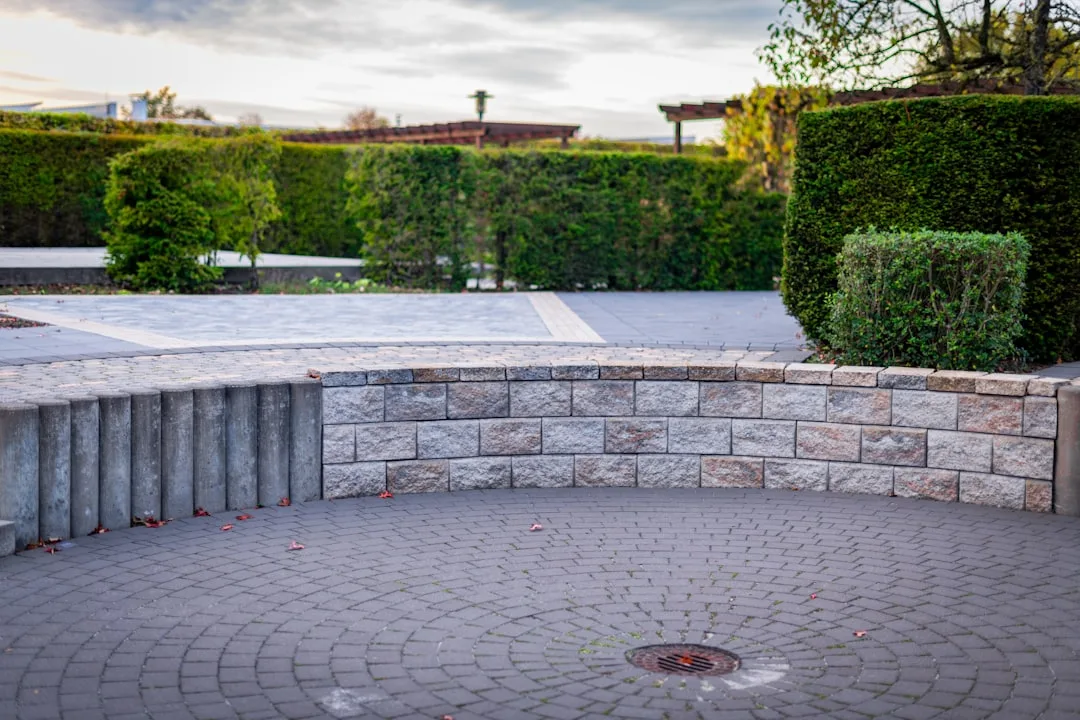
Permeable pavers come in three primary categories: concrete, clay, and recycled plastic-composite hybrids. Concrete permeable pavers dominate the market because they’re durable, available in neutral tones, and cost-effective compared to solid concrete at roughly equivalent pricing—the difference lies in the installation base, not the paver itself.
Belgard and Techo-Bloc manufacture concrete permeable paver systems with porosity ratings between 15-20 percent, meaning water passes through the material itself plus the joints. These brands offer rectangular and geometric patterns that integrate with modern landscape aesthetics, unlike utilitarian parking-lot appearance of earlier generations.
| Paver Type | Porosity | Best For |
|---|---|---|
| Concrete Permeable | 15-20% | Driveways, patios, general hardscape |
| Clay Permeable | 12-18% | Traditional or European aesthetic |
| Recycled Composite | 25-35% | High moisture areas, eco-priority projects |
| Permeable Asphalt | 20-25% | Large driveways, commercial applications |
Clay permeable pavers from manufacturers like Wienerberger maintain traditional European charm while managing water—critical for homeowners pursuing French-style home exteriors that can’t sacrifice authenticity for function.
Recycled composite systems blend reclaimed rubber and plastic with mineral content, achieving the highest porosity ratings. These suit rain gardens and bioswale installations where water management is the primary design goal rather than a secondary benefit.
The Installation Mistake That Wastes Money
The most common failure: poor base preparation. Homeowners or inexperienced contractors skip the gravel base layer or use inadequate depth, then wonder why pavers shift after the first heavy rain and joints fail within two years.
Here’s what happens: Without a 4-6 inch compacted granular base (typically 3/4 inch crushed stone), water doesn’t infiltrate—it pools beneath the pavers. Freeze-thaw cycles expand that trapped moisture, lifting pavers upward. The joint material washes out faster because there’s no stable substrate to anchor it.
A 2,000 square foot driveway might cost $8,000-12,000 installed correctly, but a poorly prepared installation fails within 18-36 months and requires complete removal and reinstallation—doubling your cost. The base layer isn’t optional.
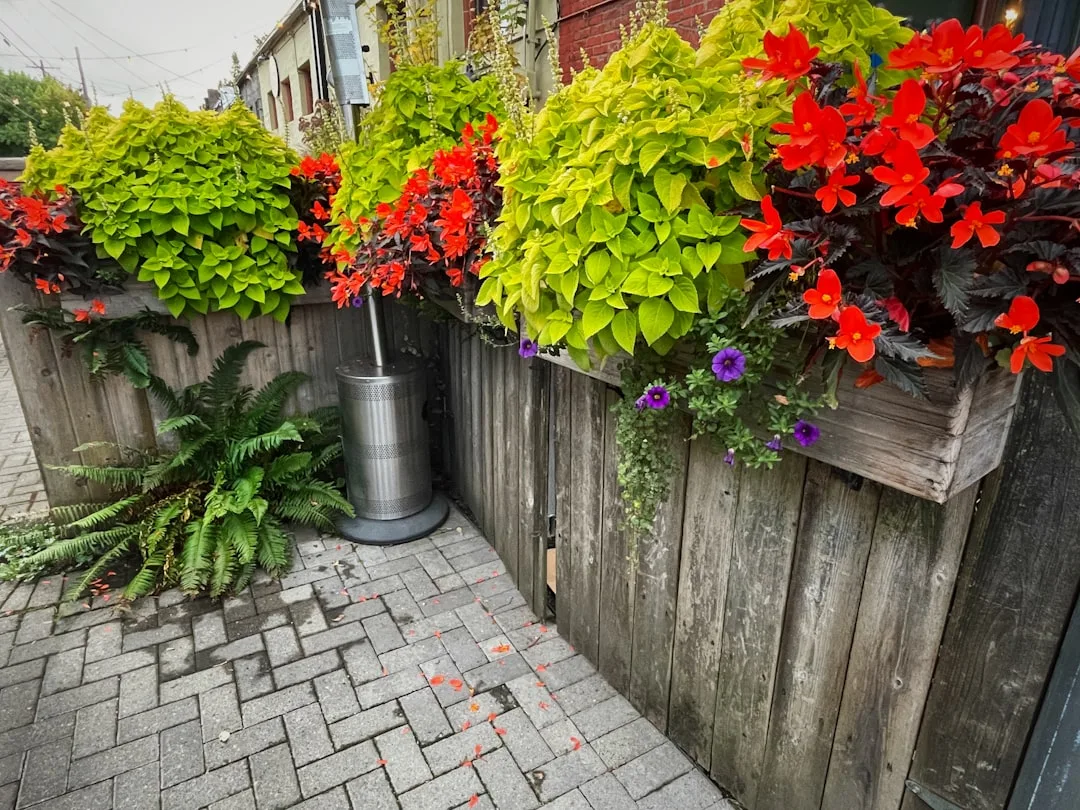
Design Integration With Modern Landscapes
Permeable pavers now match the color and finish expectations of solid paving. Neutral grays, warm beiges, and charcoal tones integrate seamlessly with both contemporary and traditional home exteriors.
When selecting paver color, consider how it relates to your exterior cladding and trim. A stucco facade benefits from warmer taupe or sand-toned pavers rather than cool grays. Matching stucco paint colors to facade materials applies equally to hardscape selection—cohesion across exterior materials creates visual continuity rather than competing focal points.
Permeable pavers also pair naturally with bioswales and rain gardens. By sloping the paver field toward planted areas filled with native species, you create a complete stormwater management system that looks intentional rather than utilitarian.
Long-Term Maintenance and Durability
Concrete permeable pavers last 20-25 years with proper maintenance. The critical factor: joint material. Polymeric sand (the most common fill) remains stable for 3-5 years before requiring reapplication—a straightforward DIY task for homeowners comfortable with power brooms.
Recycled composite pavers last 25-30 years because the material itself doesn’t degrade like concrete in freeze-thaw cycles. The higher initial cost offsets replacement frequency, making them economical for northern climates with severe winters.
Cleaning is simpler than solid concrete because water drains through rather than pooling on the surface. A pressure washer at low PSI removes surface dirt; the joints handle organic breakdown naturally as soil microbes process debris that falls between pavers.
Weeds appear occasionally between joints, but less frequently than traditional paver installations because joint polymers resist seed penetration better than sand or gravel.
Practical Resources: Where to Look Before You Start
No engineering manuals here — just the free guides, tools and care instructions that answer the questions homeowners actually run into before, during and after a permeable paver project.
I want the basics first — what am I actually choosing between?
Is there a real step-by-step DIY instruction with a materials list?
My water problem isn’t just the patio — what else can I do in the yard?
How do I figure out where the water goes and whether my soil drains?
Can I check my soil type without hiring anyone?
How do I check that the contractor I’m hiring knows permeable work specifically?
What’s the actual year-round care routine?
How do I deal with stains, moss, efflorescence and white residue?
How do I clear snow without wrecking the surface?
I want to send overflow somewhere useful instead of the street.