Why the Sunken Fire Pit Is Anchoring Backyard Gathering Zones
Sunken fire pits are pulling backyard seating into one connected room, with lower walls and smokeless burners. Placement, materials, and drainage decide whether the pit lasts.
333k+ Lifestyle & Design Ideas
Sunken fire pits are pulling backyard seating into one connected room, with lower walls and smokeless burners. Placement, materials, and drainage decide whether the pit lasts.
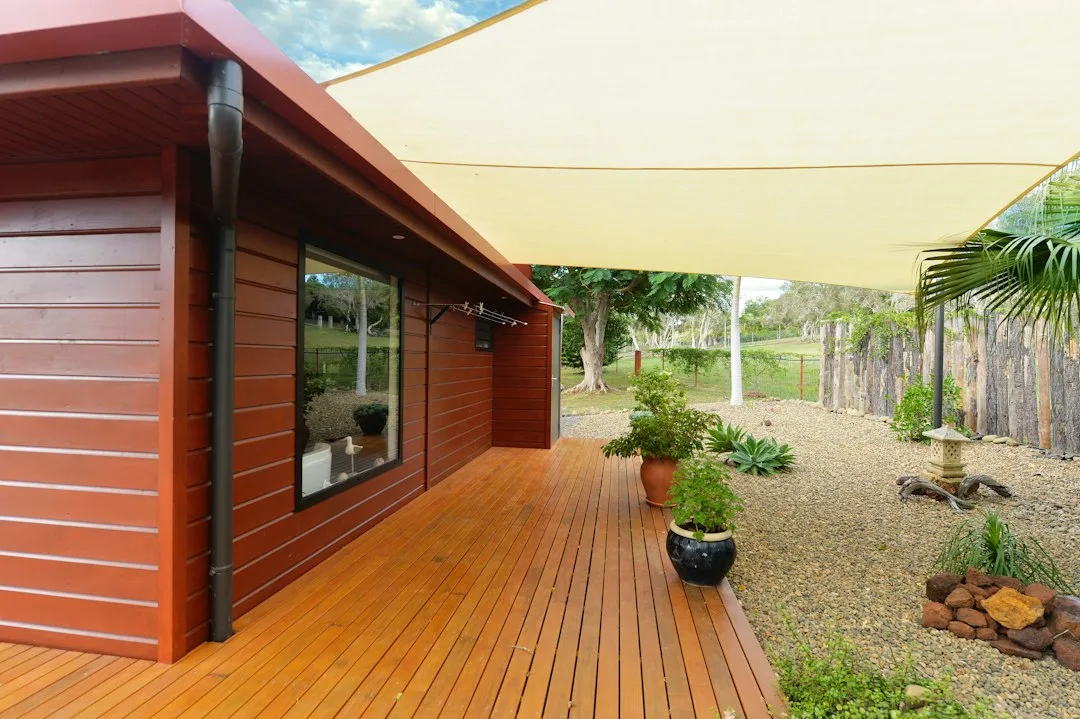
Shade sail installation has become the preferred alternative to permanent shade structures, offering flexibility, lower installation costs, and cleaner sightlines. These tensioned fabric systems work across diverse yard shapes and climates without the visual weight of fixed frames.
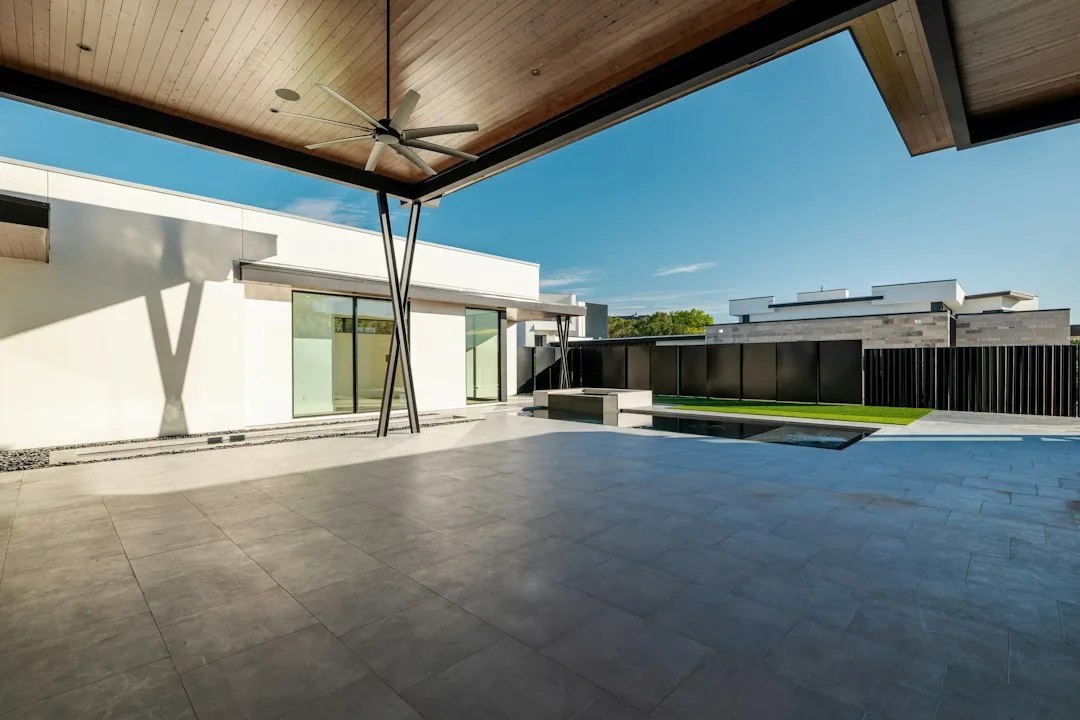
The dead space where two fences or walls meet has become landscape design’s biggest untapped real estate. Corner shade structures—from lean-to canopies to modular grid systems—now anchor these forgotten zones with cooling, privacy, and year-round visual weight.
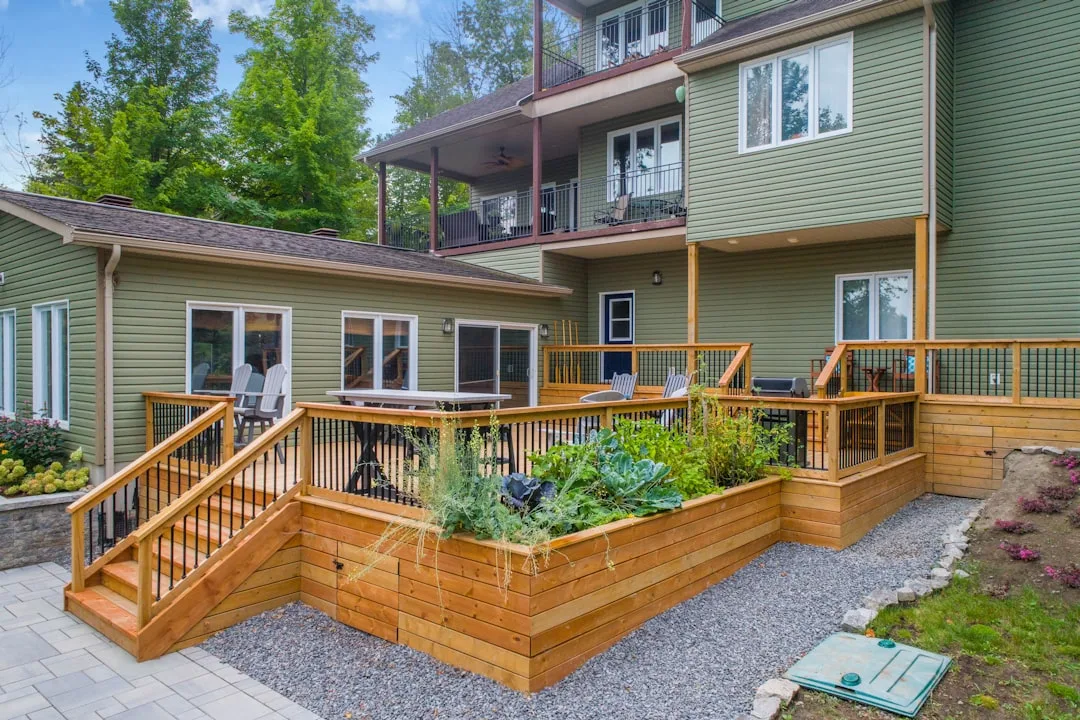
Raised garden beds have become the dominant landscaping choice for 2026, replacing flat in-ground gardens with elevated structures that solve drainage, accessibility, and soil-quality problems simultaneously. This shift reflects a broader move toward functional outdoor spaces that reduce maintenance while delivering measurable growing results.
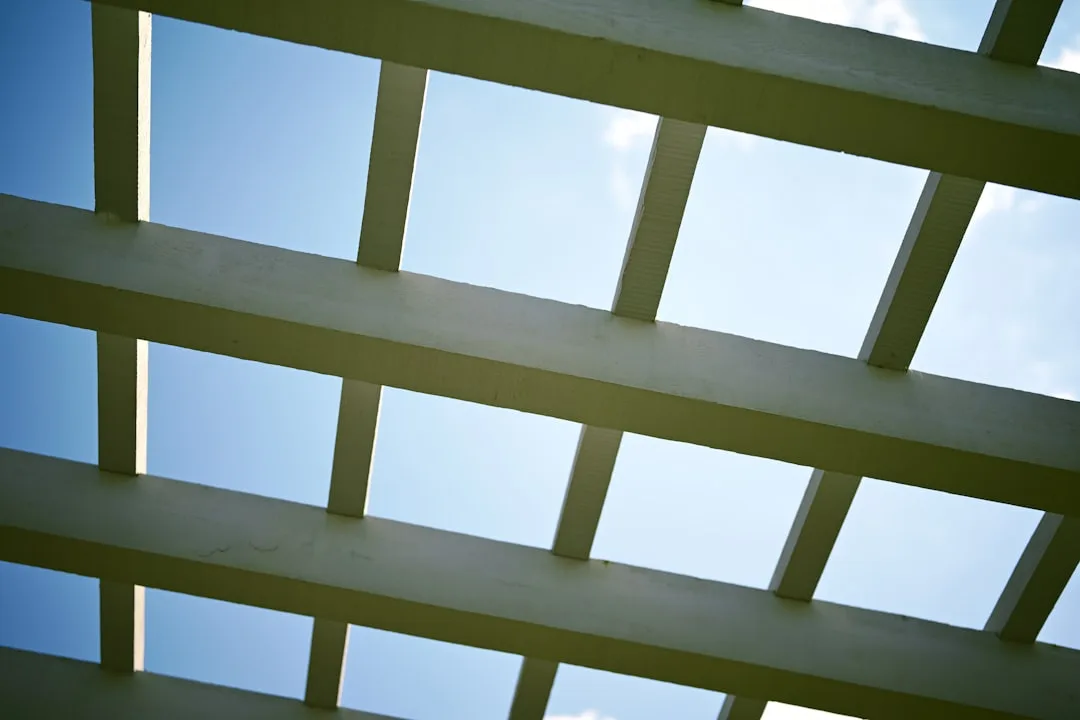
Arbor shade structures are reshaping how homeowners design cooling solutions in 2026, moving away from permanent pergolas toward flexible, semi-open designs that manage heat while maintaining sightlines. Modern arbors now combine modular framing with integrated plant support and strategic slat spacing for climate-responsive outdoor living.
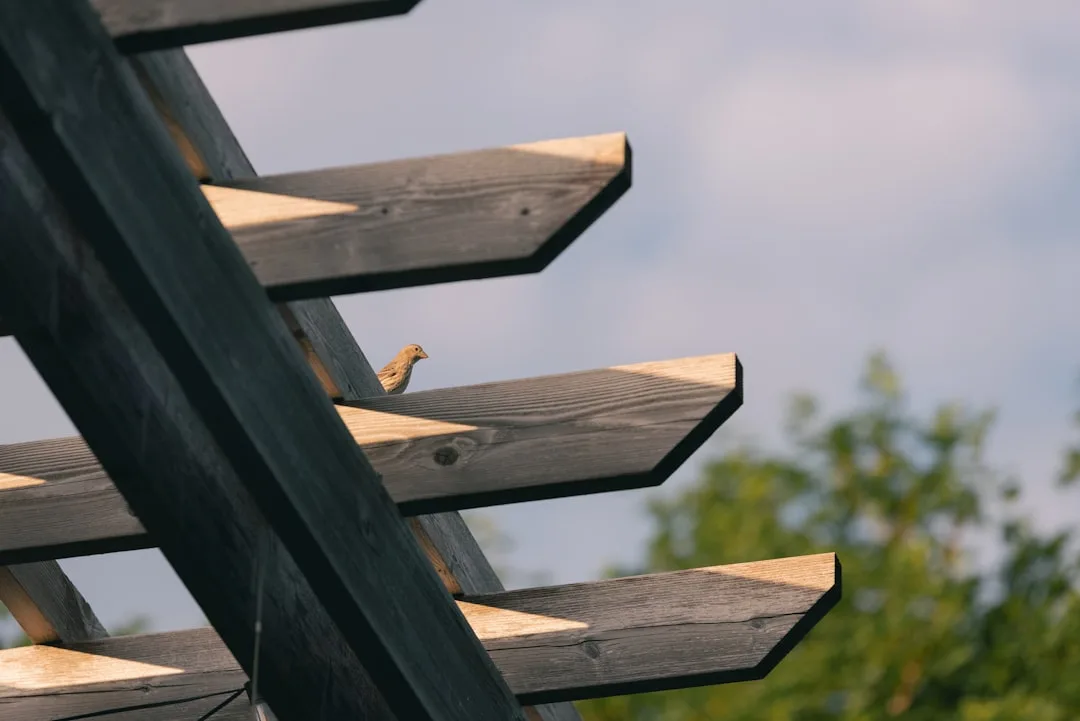
Arbors have moved beyond decorative afterthoughts to become the structural spine of outdoor living. Here’s why landscape architects are treating them as the first element—not the last.
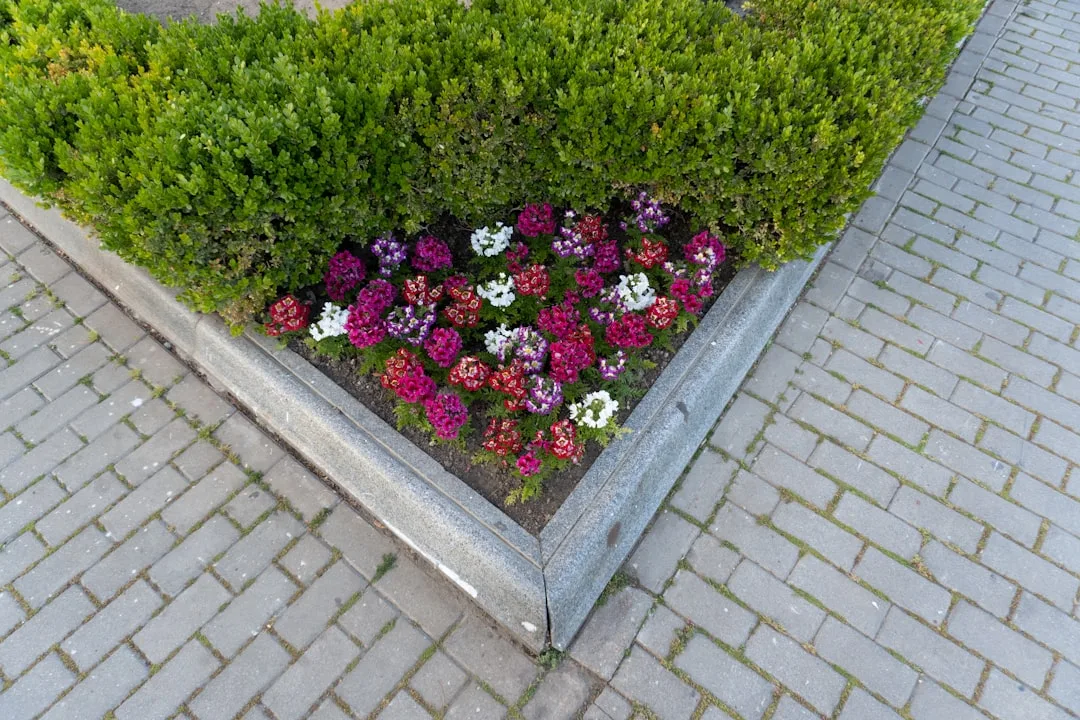
Corner garden edging has shifted from rigid 90-degree angles to flowing curves and modular systems that soften landscape transitions. This August 2026 trend prioritizes both aesthetic softness and functional drainage, replacing conventional straight-line borders that feel dated and interrupt sightlines.
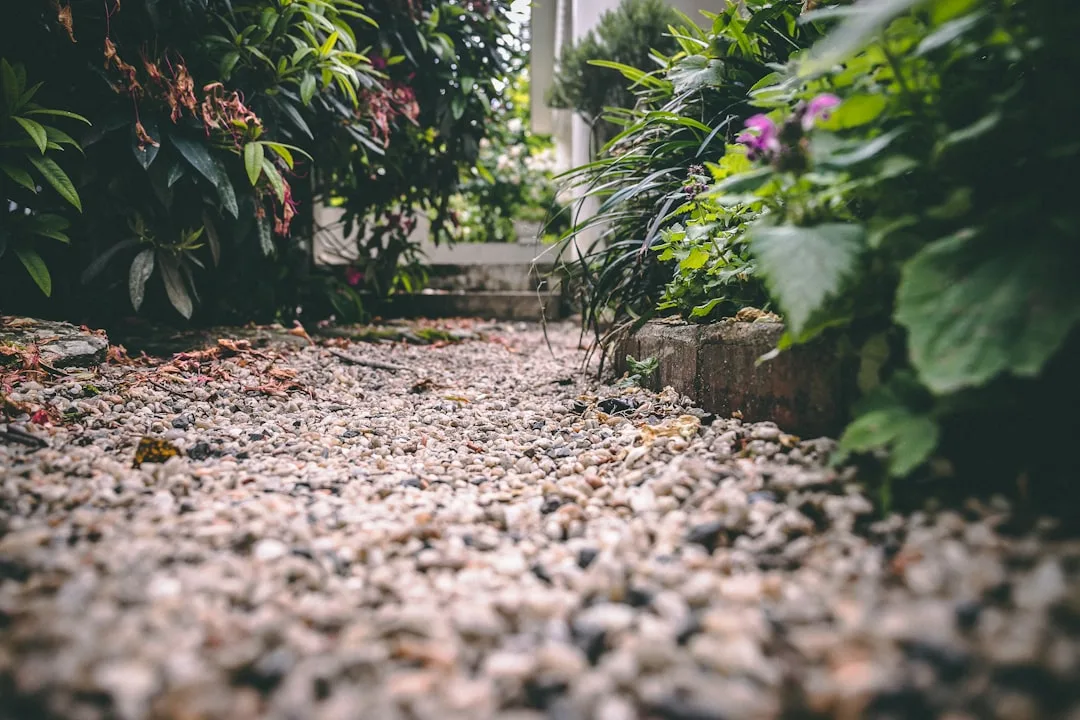
Pea gravel landscaping is replacing traditional mulch and compacted soil as the go-to surface for modern yards. Discover why architects and landscape designers prefer this permeable material for drainage, aesthetics, and long-term cost savings.
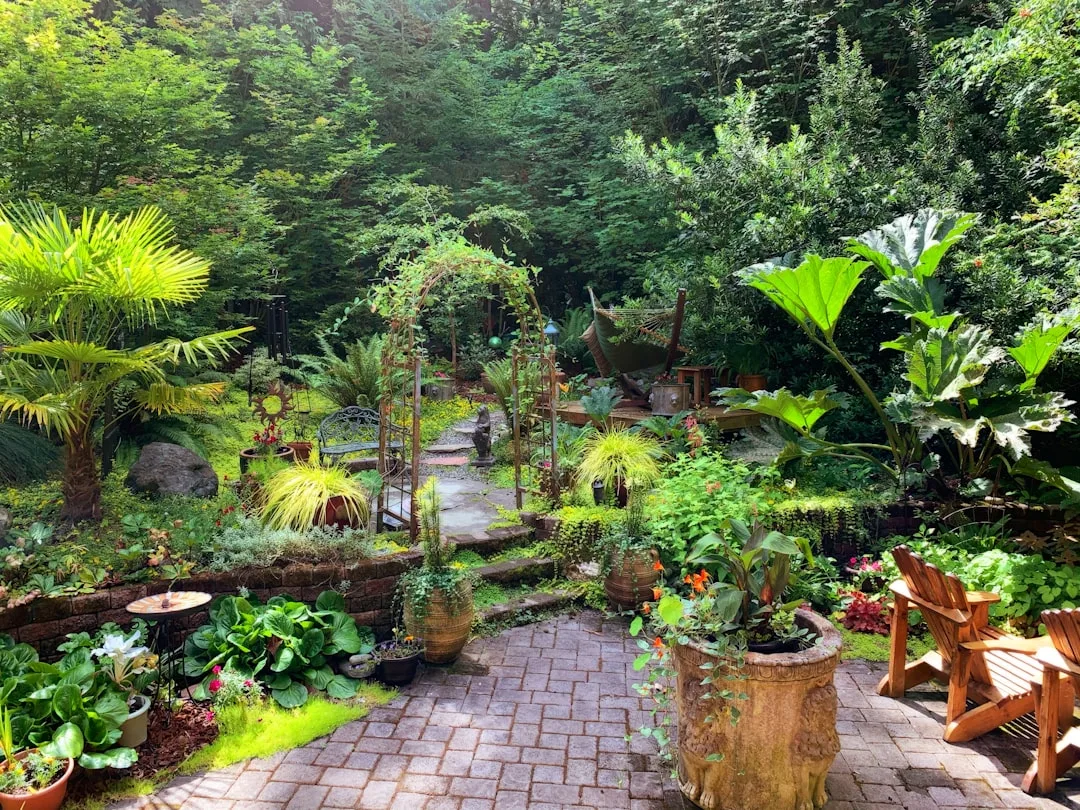
As summer temperatures climb, shaded courtyard gardens have emerged as the fastest-growing landscape solution for 2026. These enclosed outdoor spaces reduce interior cooling demands while creating intimate, usable yards even during peak heat hours.
Retractable porch screens have shifted from specialty luxury items to mainstream outdoor architecture. Homeowners now choose motorized systems over fixed screening because they adapt instantly to weather, pests, and entertaining needs—without blocking views.