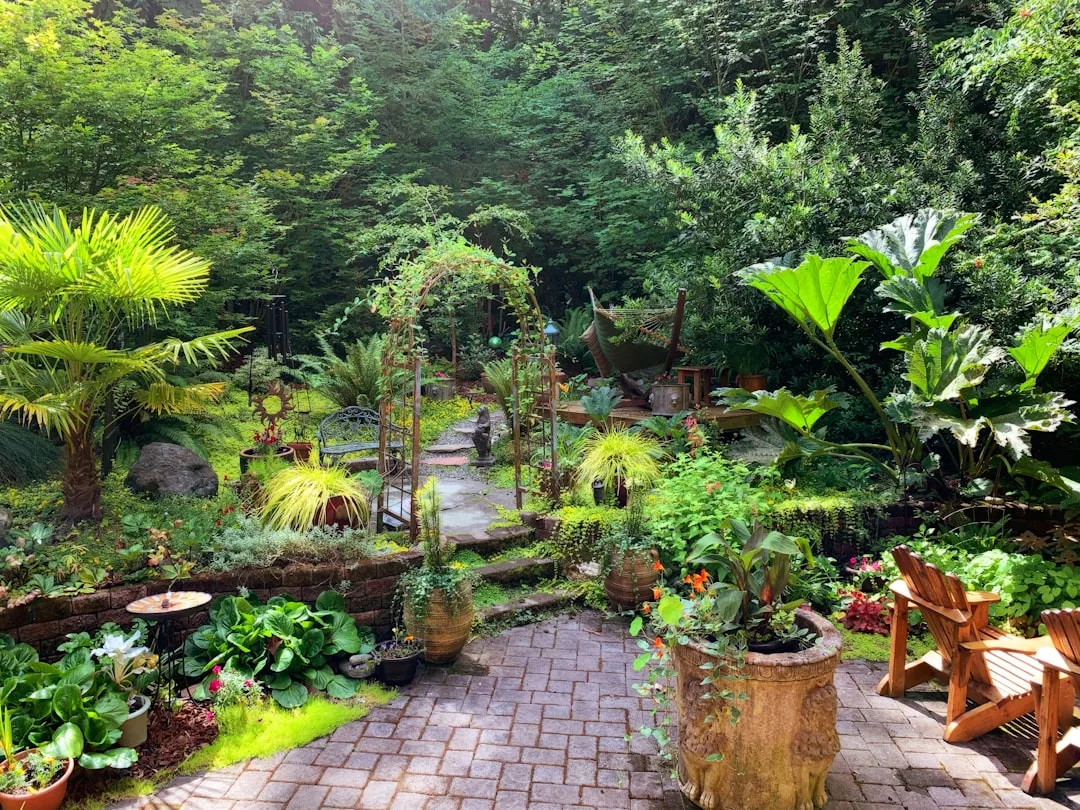
Arbor designs are anchoring modern landscapes with a clarity that blank yards simply cannot match. Walk through any high-end residential neighborhood this August and you’ll see them: custom-built timber frames, powder-coated steel structures, and hybrid systems that weren’t common five years ago. They’re no longer ornamental trellis work tucked beside a gate—they’re load-bearing psychological anchors that define zones, create sight lines, and give homeowners a reason to step outside.
Why Arbor Designs Are Replacing Pergolas as the Primary Focal Point
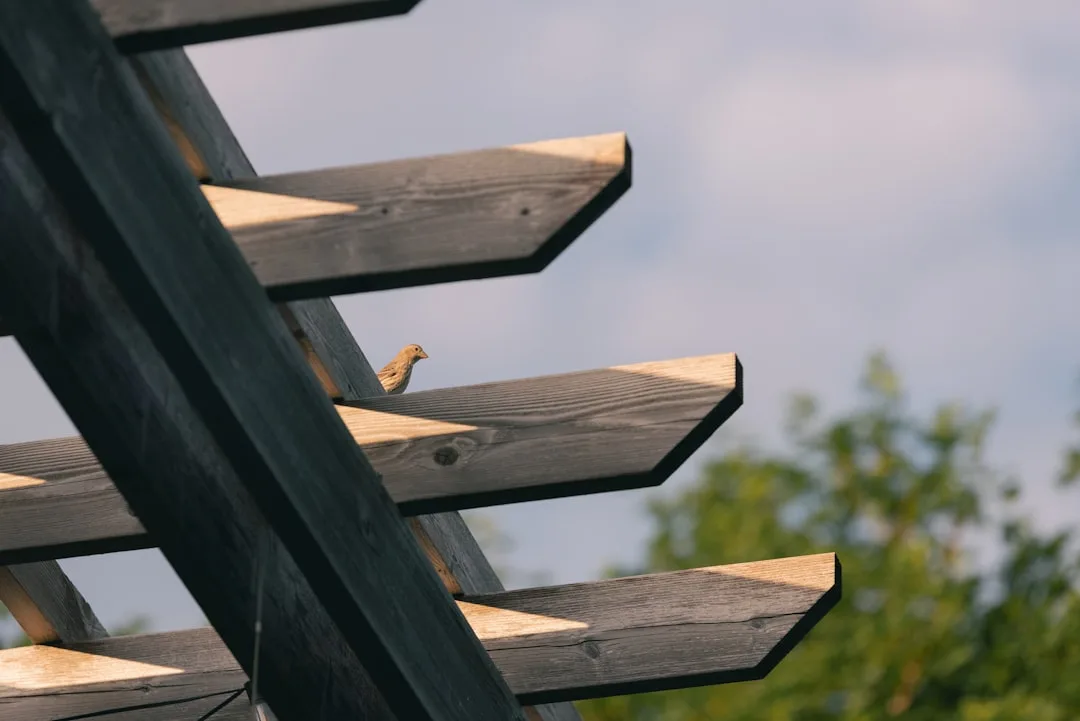
Pergolas dominated 2024 and 2025, but they’ve hit a saturation ceiling. The difference matters: a pergola provides partial shade through its open roof slats, while an arbor is typically a freestanding frame designed to support climbing plants. Landscape designers now prefer arbors because they’re more structurally honest and less expensive to install.
Landscape architect firms in the Pacific Northwest have reported a 40% year-over-year increase in arbor requests compared to pergola additions. This shift reflects a deeper move toward intentionality—homeowners want structures that earn their place, not just filter sunlight. An arbor forces a decision: what will grow through it, who will walk beneath it, and what season matters most when that vine blooms.
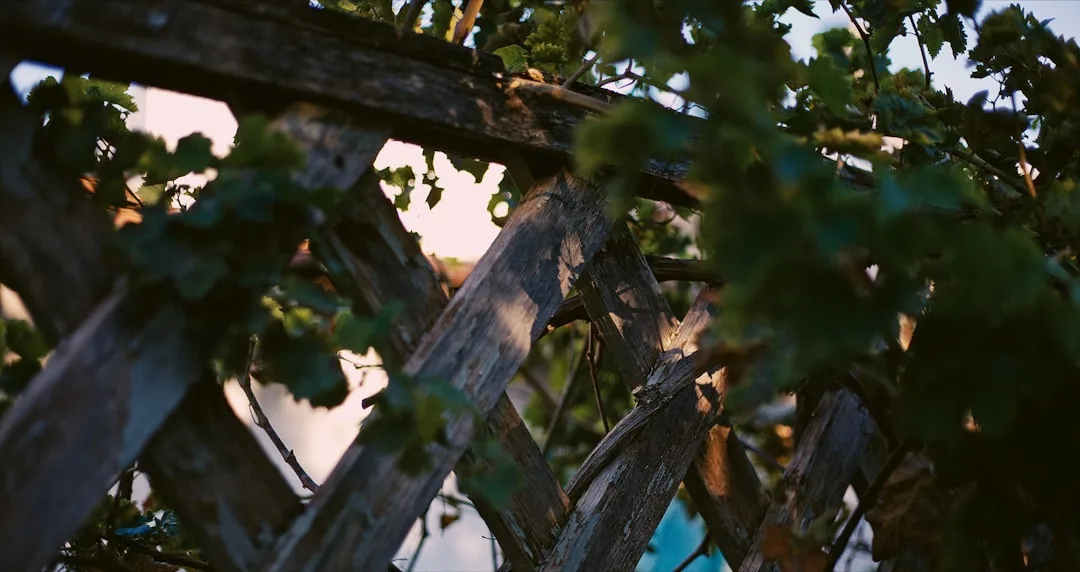
Materials matter here. Cedar and redwood remain standard for residential work because they weather to silver-gray tones without requiring stain reapplication every two years. Pressure-treated pine, once the builder-grade default, is now avoided because it grays unevenly and splits along grain lines within four seasons.
Quick Tips
- Choose cedar or redwood for natural aging; pressure-treated lumber grays unevenly and requires more maintenance
- Size your arbor opening to frame a view or define a seating radius—6 feet wide is minimum for entry passages
- Plant aggressive climbers (clematis, climbing hydrangea) on the shaded north side; slower growers face south
- Leave 18 inches clearance above head height on walkway arbors to avoid stooping as vines mature
Arbor Materials: Why Steel and Composite Outperform Traditional Wood
Three material categories dominate 2026 installations: untreated timber, welded steel, and composite hybrid systems. Each serves a different aesthetic and maintenance reality.
| Material | Lifespan | Best For |
|---|---|---|
| Cedar/Redwood | 12-20 years | Warm aesthetics, low initial cost |
| Steel (powder-coated) | 20-30 years | Modern lines, minimal footprint |
| Composite (recycled plastic/wood fiber) | 25+ years | Low maintenance, consistent color |
| Vinyl PVC | 15-25 years | Humid coastal climates, high sun |
Powder-coated steel arbors, pioneered by manufacturers like Jasmine Green and metalworking studios across Colorado, now account for roughly 35% of custom residential orders. Steel allows thinner sight lines and geometric precision that wood cannot match—imagine a 2-inch square tube versus a 6-inch timber beam creating the same visual weight.
The trade-off is assembly. Steel arbors require concrete footings, proper grounding, and welding work best left to professionals. Wood can be assembled with bolted connections and partially installed by motivated homeowners.
The Common Mistake: Installing Arbors Without a Functional End Goal
Here’s what designers see repeatedly: a homeowner commissions a beautiful freestanding arbor, places it in the center of a yard with no path leading through it, and plants a slow-growing vine that takes four years to reach the frame. The structure becomes visual clutter instead of a destination.
An arbor works only when it frames something or facilitates movement. It should mark the transition from lawn to garden, shelter a seating cluster, or create a shaded passage from patio to pool. Without that narrative function, it’s sculpture—and most yards don’t have the design language to carry that alone.
The correct approach: locate your arbor first as a wayfinding marker, then design plantings and hardscape around it. If you’re installing a four-season interest arbor, pair it with an evergreen vine (ivy, climbing euonymus) and a deciduous layer (clematis, climbing hydrangea) so it reads year-round.
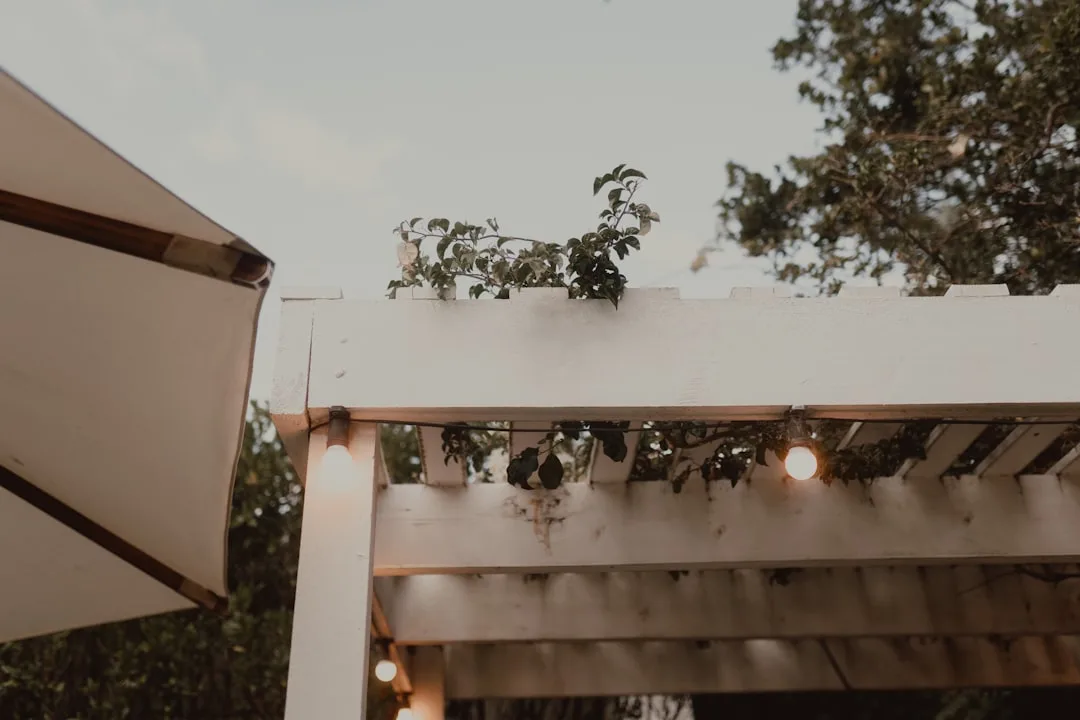
Climbing Plants That Match Modern Aesthetic Standards
The plant selection determines whether your arbor feels cottage-style or contemporary. Heirloom roses create one story; fast-growing vines with architectural form create another.
Clematis varieties like ‘Henryi’ and ‘Jackmanii’ offer refined bloom density without the aggressive sprawl of wild grape vines. Climbing hydrangea (Hydrangea anomala petiolaris) creates lacey white flowers in June and turns burgundy in fall—a multi-season anchor that doesn’t require aggressive pruning. Both mature in three to five seasons, not ten.
Honeysuckle is fast but needs pruning discipline to avoid a shaggy appearance. Star jasmine, in warmer zones, provides year-round structure and creamy flowers. The design principle is the same: choose vines with visible structure, not those that form a solid green wall. French-style garden exteriors often use fragrant clematis and heritage roses to emphasize architectural bones rather than hide them.
Sizing, Placement, and Climate Adaptation for Your Arbor
The most common sizing error is building too small. An arbor entrance should be minimum 6 feet wide and 7 feet tall to create a threshold that feels intentional, not cramped. A seating arbor might span 10 by 10 feet to shelter a bench or conversation zone without feeling exposed.
Orientation matters critically in hot climates. An arbor running east-west blocks afternoon sun effectively; north-south orientations provide morning shade but allow harsh afternoon light beneath. In the Southwest, where temperatures exceed 105°F regularly, designers now place arbors where they shade south or west facades at 3 p.m.—the peak heat window.
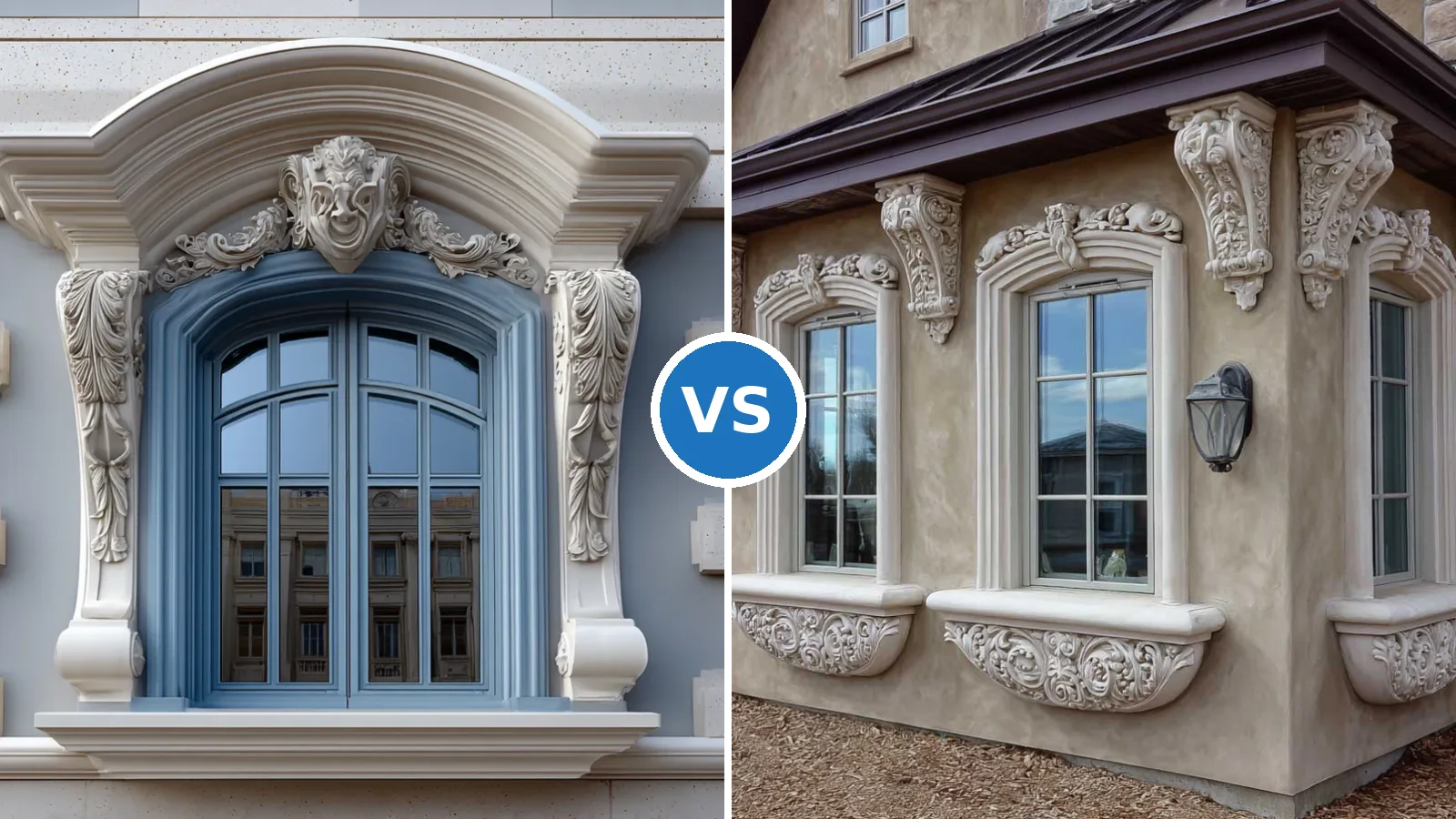
Spacing from your home is also functional. An arbor placed 8 to 12 feet from your house creates a breathing room, a transition zone that delays arrival and gives visitors a moment to transition mentally from street to private space. Placing one immediately adjacent to a patio blurs zones rather than defining them. Consider how exterior colors and materials influence arbor color choice—a warm-toned cedar frame harmonizes better against stucco than against dark brick, where steel provides cleaner contrast.
Real-World Installation and Long-Term Maintenance
Most residential arbors cost between $2,000 and $8,000 installed, depending on materials and custom fabrication. DIY cedar kits run $800-1,500 but require accurate concrete footings to prevent frost heave in freeze-thaw cycles.
Maintenance is straightforward once you commit to the material. Wood requires staining or sealing every three to four years in temperate zones, more frequently in humid climates. Steel needs inspection for rust at connection points and touch-up paint every five years or as needed. Composite materials require only occasional hosing and need no finish work.
The longevity question resolves like this: cedar or redwood arbors typically serve 12-20 years before frame replacement becomes necessary. Steel and composite systems easily reach 25+ years. Choose based on your willingness to refresh the structure—not as a limitation, but as a design cycle that allows you to evolve plantings and adjust proportions over time.
FAQ
What's the difference between an arbor and a pergola?
How long does it take climbing plants to cover an arbor?
Should I paint or stain my wooden arbor?
Can I build an arbor myself?
What zones should arbors be placed in a landscape design?
Complete guide
Geometric Style Interior Design Ideas That Transform Every Room
Wallpaper, tiles, furniture, lighting, wall art, rugs — all in one place