Water changes a garden in ways that no other element can replicate. It introduces sound where there was silence, movement where there was stasis, and a reflective surface that doubles the sky and the planting around it. A small backyard pond with a waterfall feature accomplishes all three simultaneously — and in a modern garden context, it does something else besides: it gives the space a focal point that is alive, seasonal, and perpetually interesting in a way that sculptural or hardscape features cannot achieve on their own.
The assumption that water features require large gardens is one of the most persistent and damaging misconceptions in residential landscape design. In reality, some of the most resolved and visually powerful pond and waterfall combinations occupy less than 3 square metres of garden floor space. The Japanese tradition of tsubo-niwa — the courtyard garden — has demonstrated for centuries that water in a space as small as a single tatami mat creates a sense of depth and natural presence far exceeding the physical area it occupies. Contemporary Western garden design has absorbed this lesson with increasing sophistication, and the small backyard pond with waterfall is now one of the most in-demand features in residential landscaping globally.
A 2024 survey conducted by the American Society of Landscape Architects found that water features ranked as the third most requested residential garden element after outdoor kitchens and fire pits, with 61% of surveyed designers reporting increased client demand for naturalistic pond and waterfall combinations in gardens under 50 square metres. In the UK, the Royal Horticultural Society’s annual garden trends report identified water features as the fastest-growing category in residential garden investment for the third consecutive year, with pond installations up 34% year-on-year in the 2023–2024 period. These numbers reflect a broader cultural shift: homeowners who invest in a modern garden increasingly want it to function as a living system rather than an outdoor room furnished in plants.
This guide covers every dimension of small backyard pond ideas with waterfall design — from site assessment, liner and construction choices, and pump sizing through to planting palettes, wildlife value, maintenance scheduling, and the specific design moves that separate a resolved contemporary water garden from an awkwardly positioned prefabricated feature.
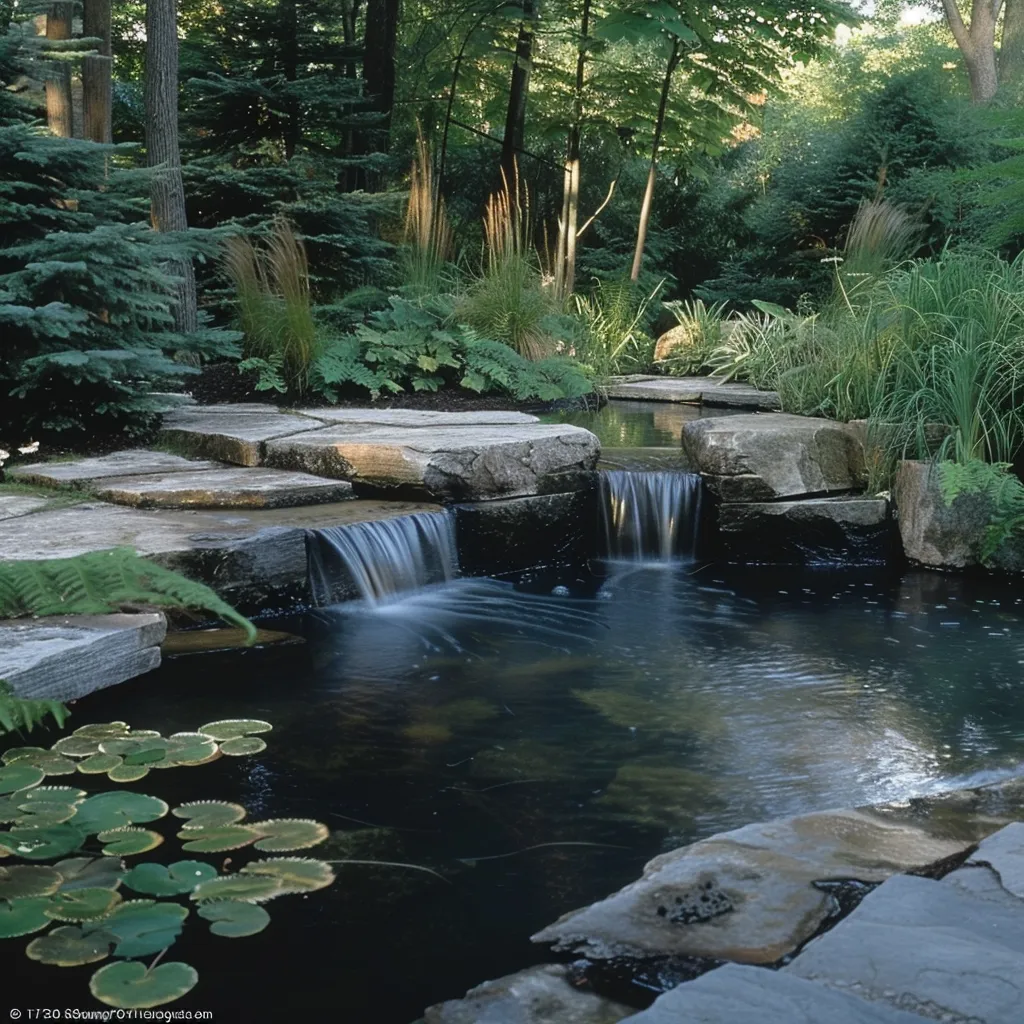
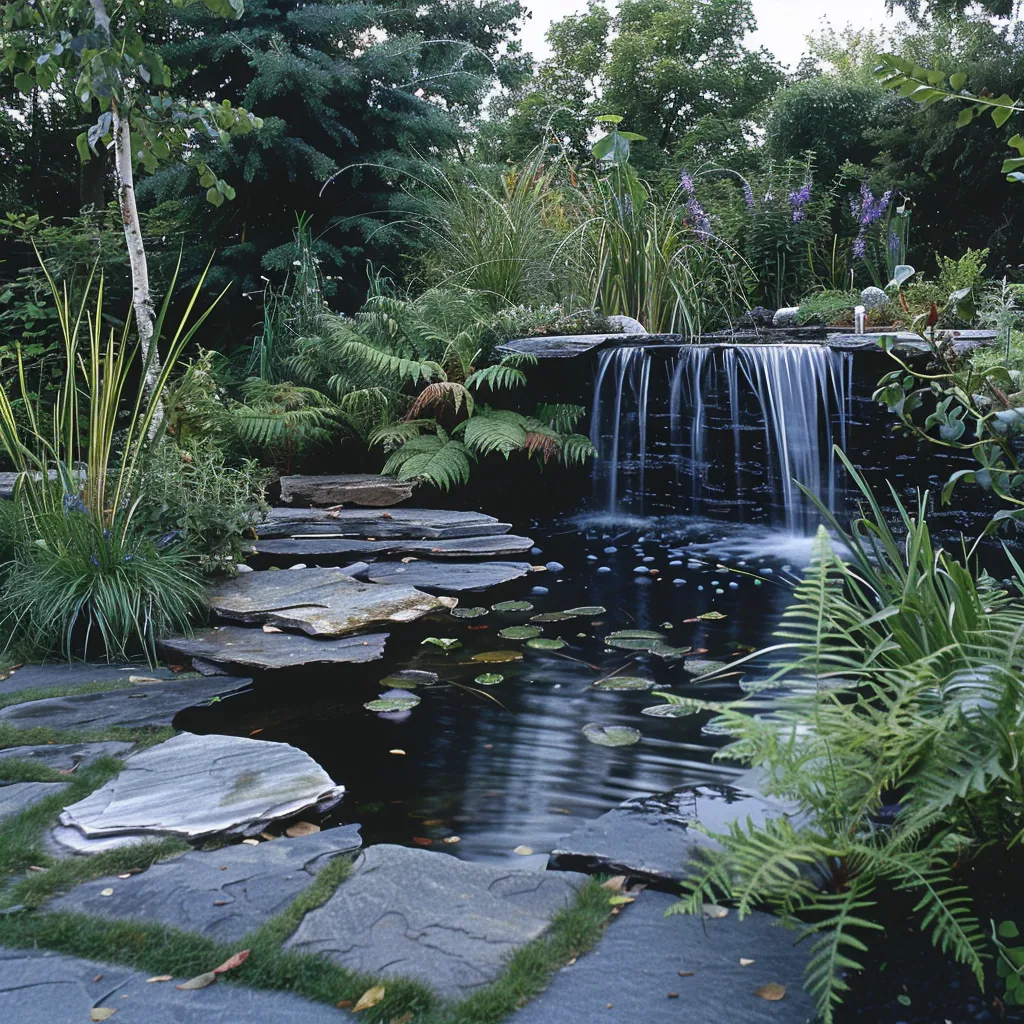
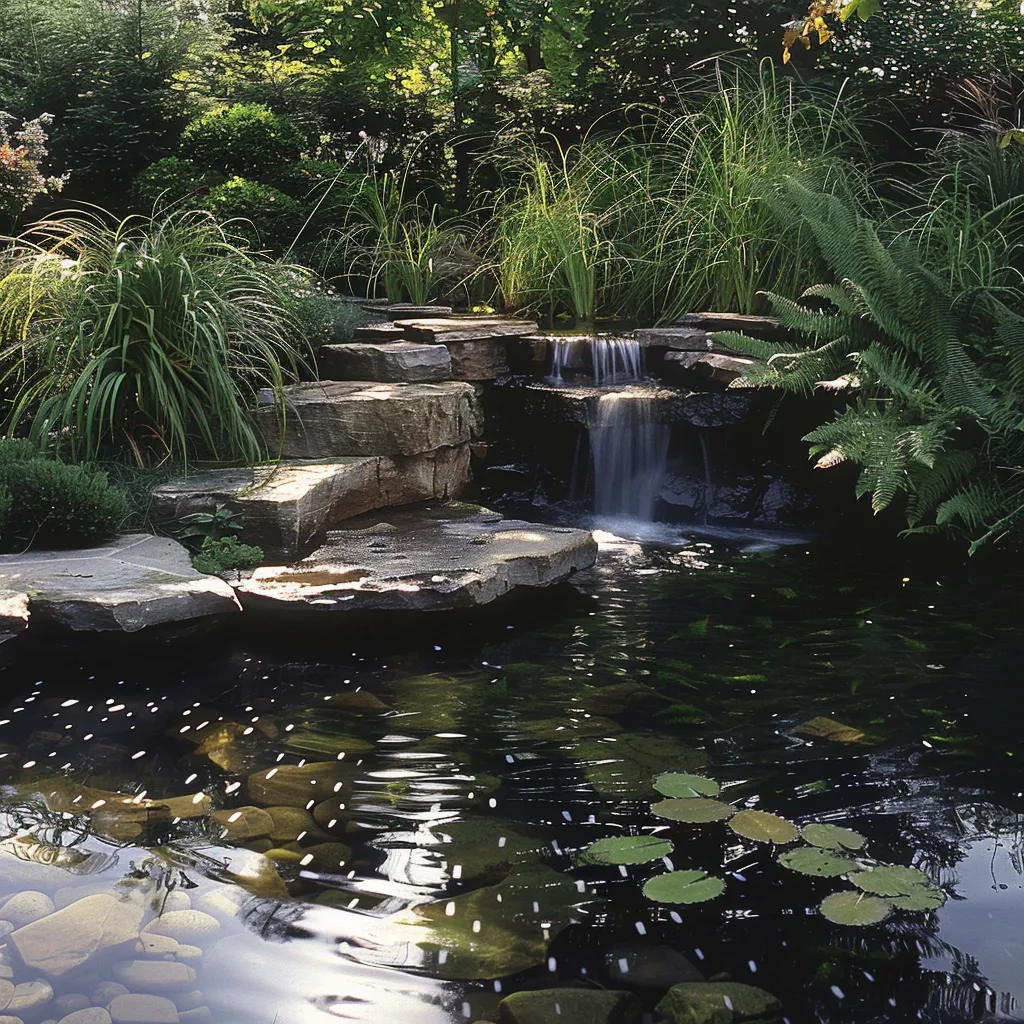
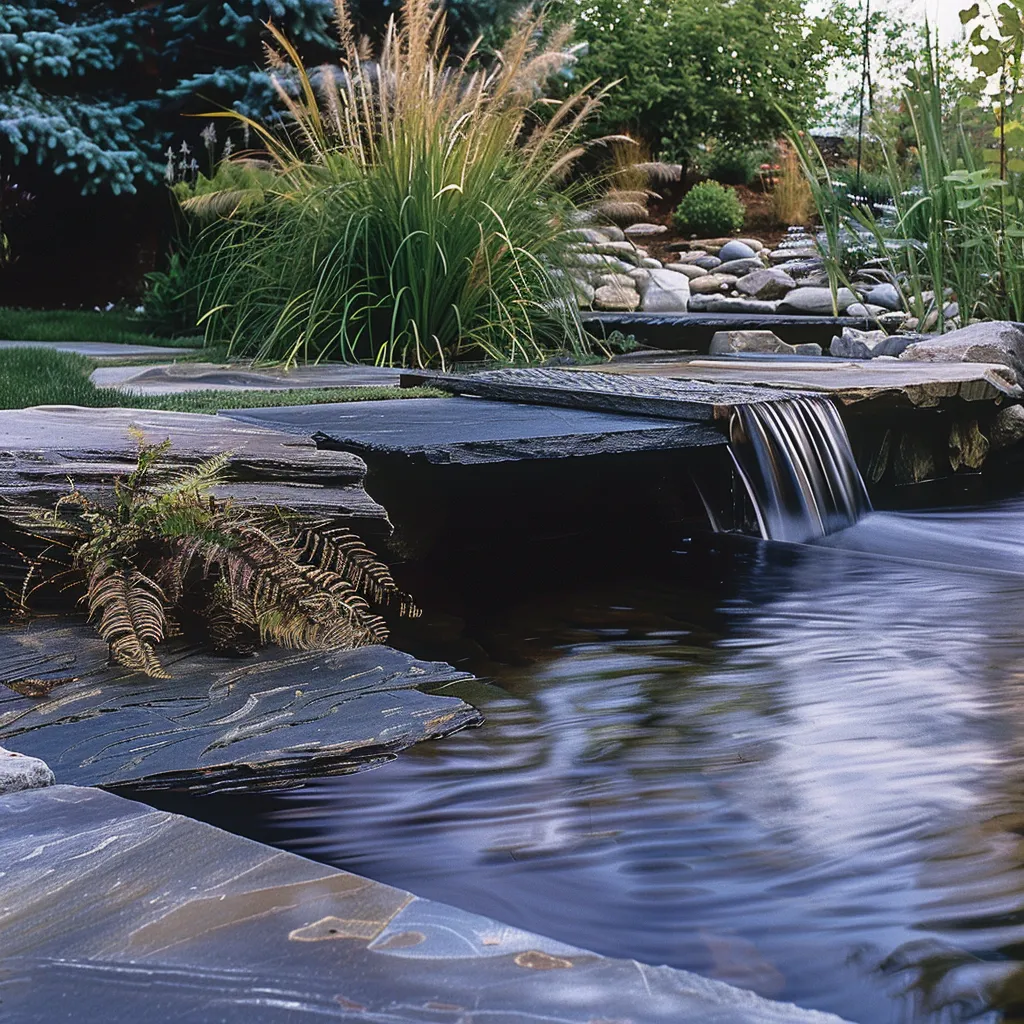
Why a Small Backyard Pond with Waterfall Transforms Modern Garden Design
The design case for a small pond with waterfall in a modern backyard goes beyond aesthetics. Water features introduce a sensory dimension — sound, movement, reflected light — that creates psychological distance from urban noise and visual pressure. Research from the University of Exeter’s European Centre for Environment and Human Health, published in 2022, found that participants who spent time in garden spaces with moving water reported 27% lower self-reported stress scores than those in equivalent spaces without water. Separate acoustic research from the Journal of Environmental Psychology established that the masking effect of water sound — specifically the broadband white noise profile of a small waterfall — reduces perceived urban noise intrusion by the equivalent of moving the listener 25 metres further from a busy road.
These findings align with what garden designers observe empirically: clients who install pond and waterfall features almost universally report that the garden becomes significantly more useful as a restorative space after installation. The feature does not need to be large to produce this effect — the acoustic signature of even a small waterfall dropping 30–40 cm into a 1-square-metre pond is sufficient to activate the broadband masking and sensory engagement described in the research.
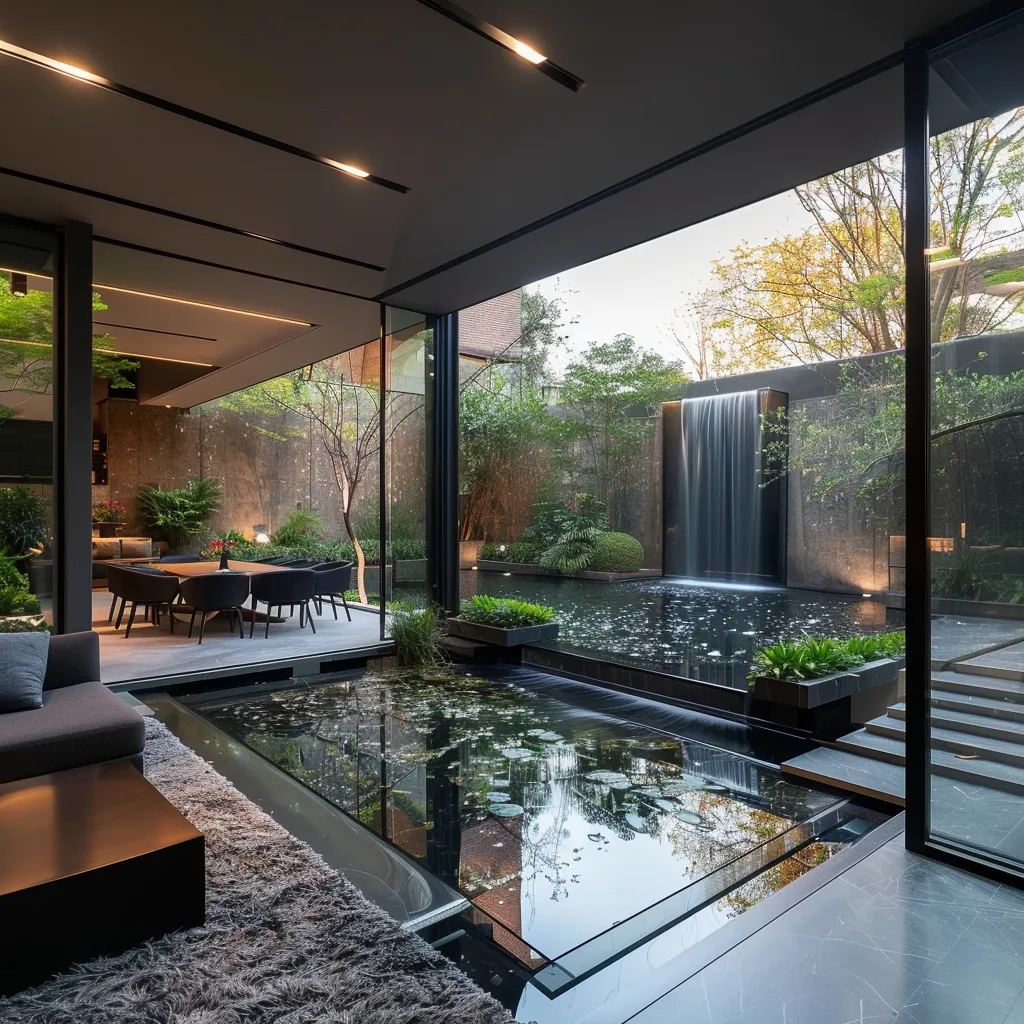
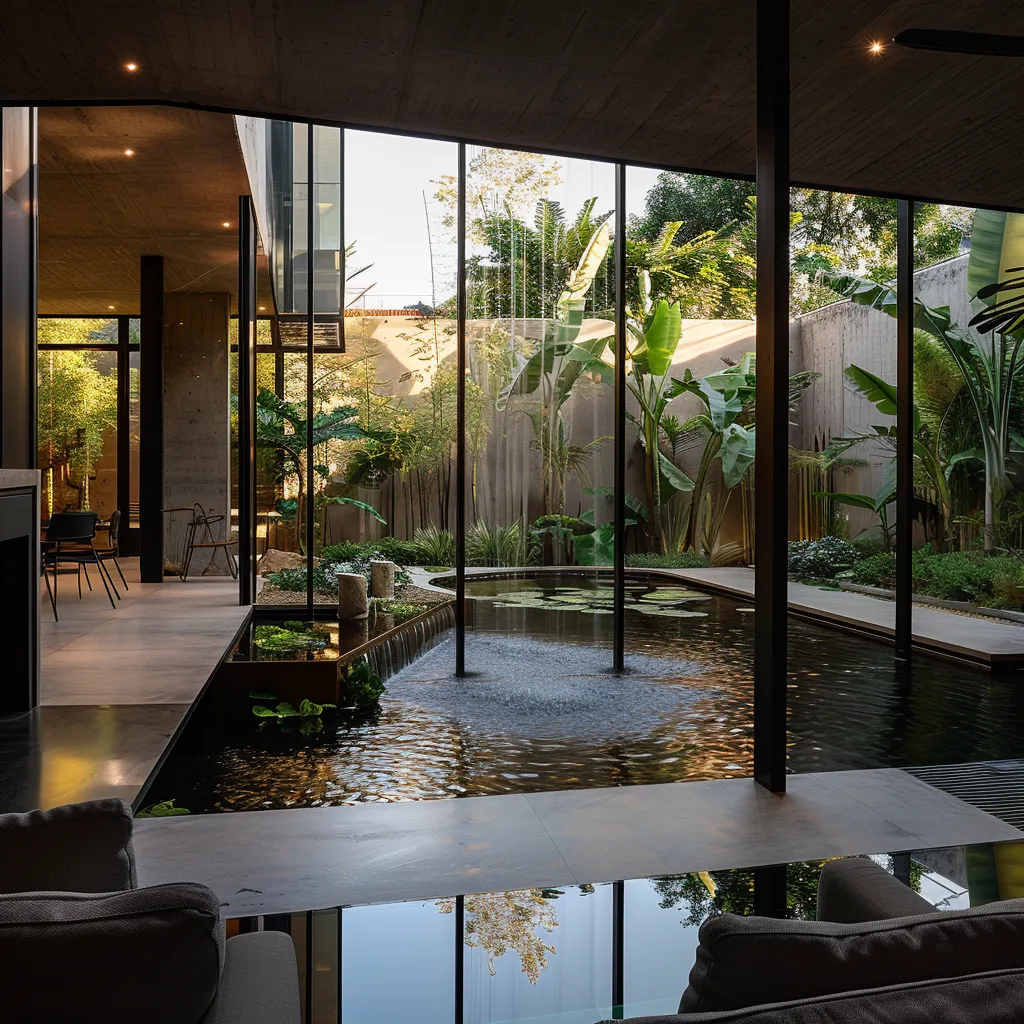
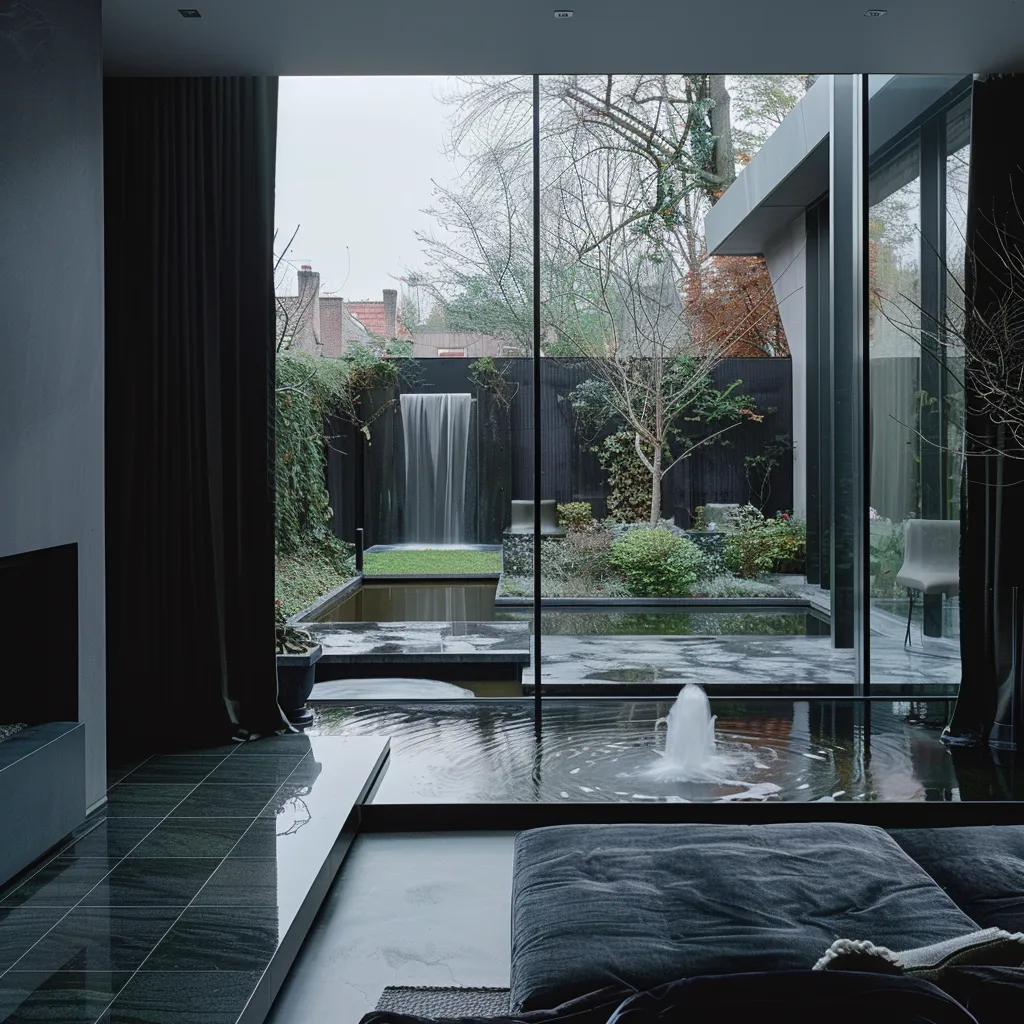
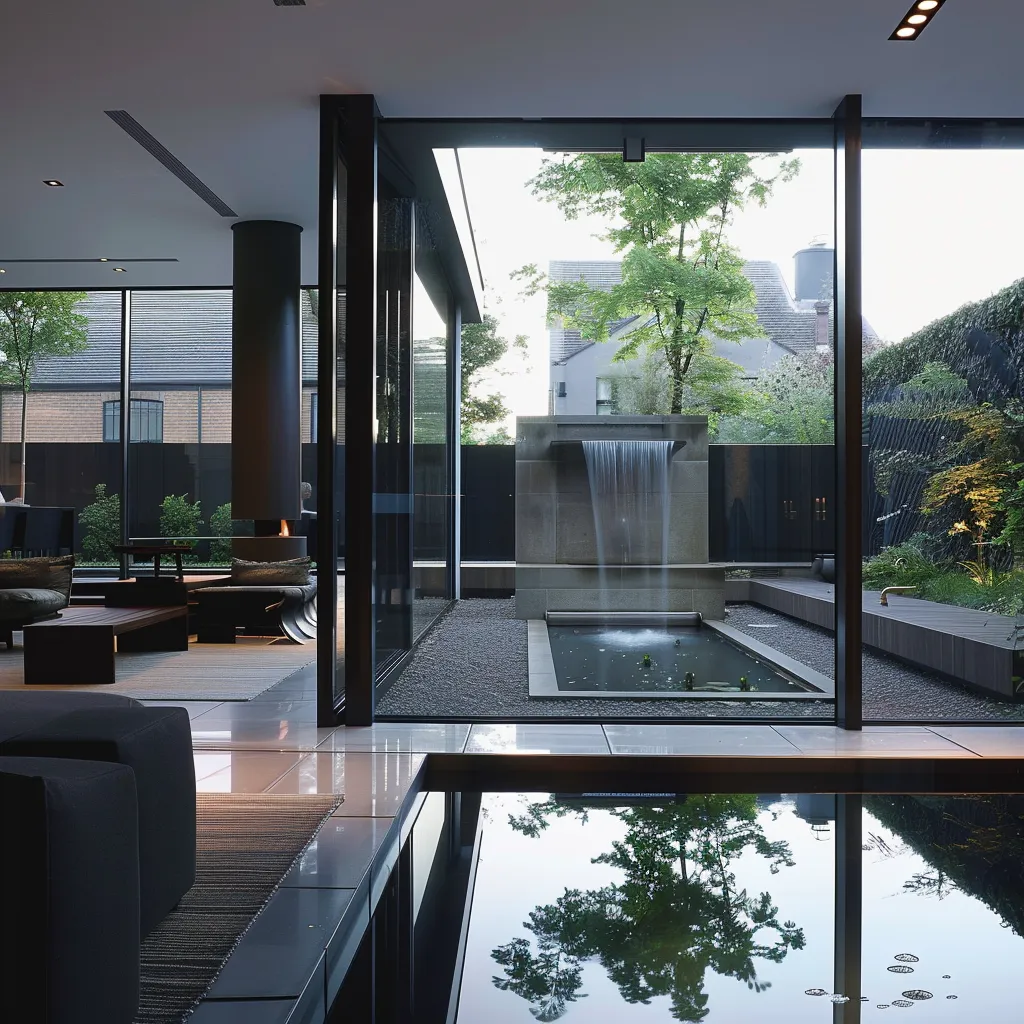
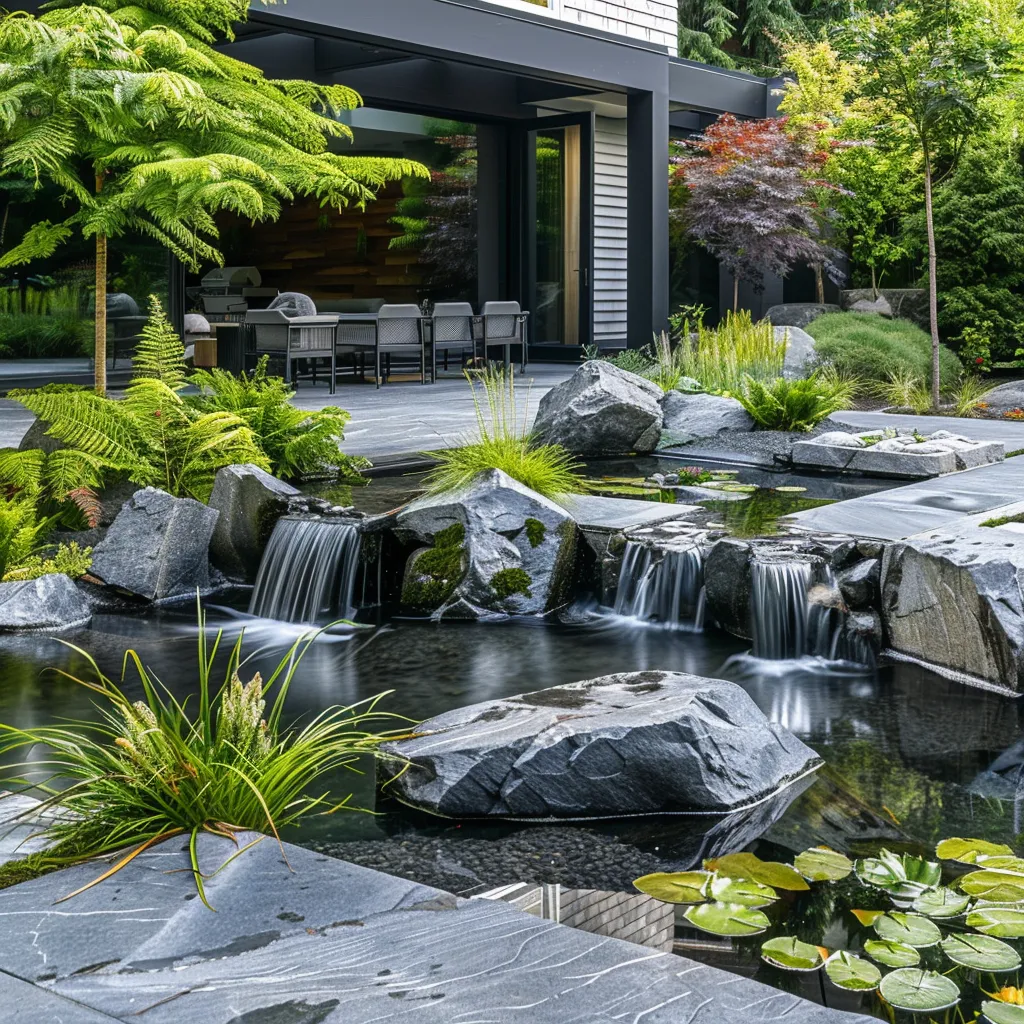
In modern garden design specifically, a small backyard pond with waterfall also solves a compositional problem that purely hard-landscaped contemporary gardens frequently face: the absence of a true focal point. A dark rectangular pond inset into a terrace, or a naturalistic pool at the base of a planted slope, creates a visual anchor that draws the eye from any position in the garden — including from inside the house, which is where the garden is most frequently experienced in daily life. Glass-walled contemporary homes are particularly suited to this integration: a pond visible from the kitchen or living space becomes a permanent landscape element that changes with every hour of light and every season.
Choosing the Right Small Backyard Pond Style for a Modern Garden
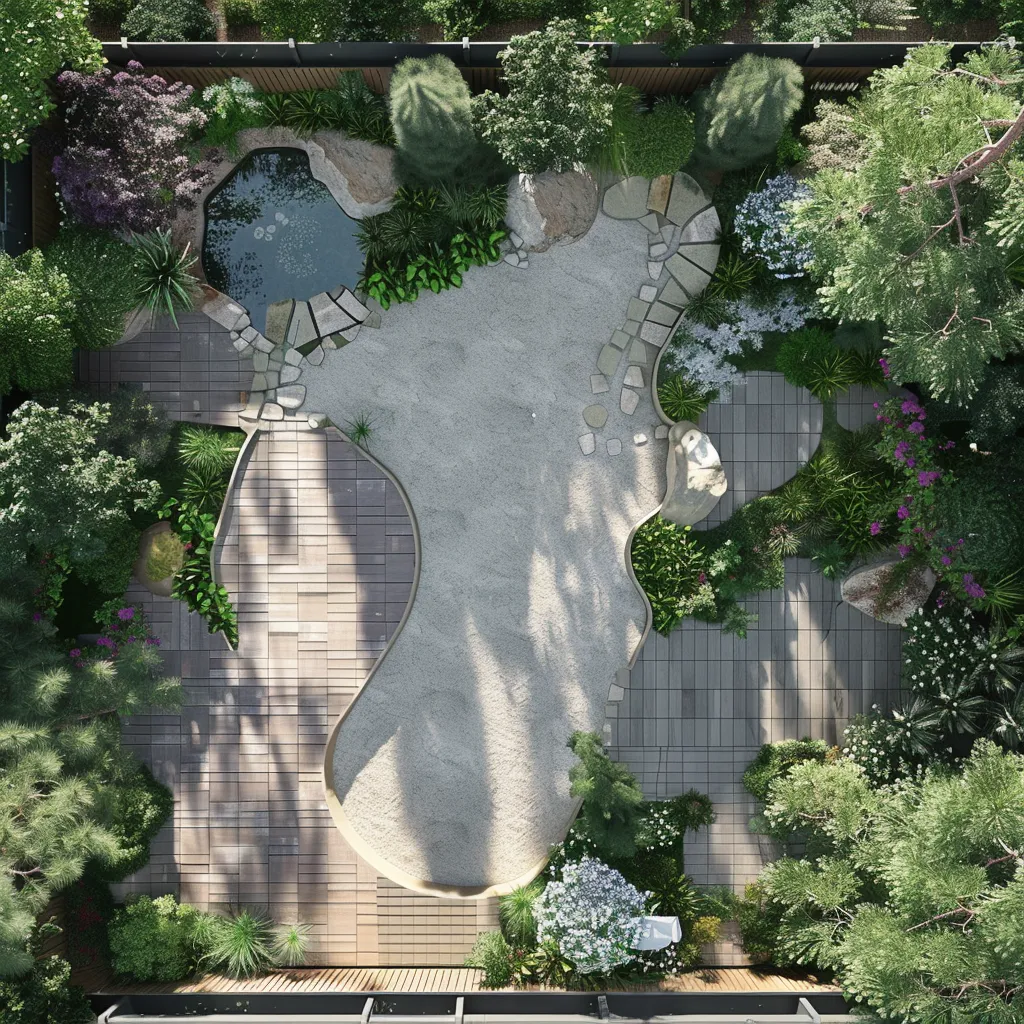
The first design decision for a small backyard pond with waterfall is the stylistic register — the relationship between the water feature and the overall garden design language. Modern gardens typically operate in one of three registers: strictly geometric and architectural, softly naturalistic, or a deliberate hybrid of both. The pond style should reinforce whichever register the garden has adopted, rather than introducing a competing language that fragments the composition.
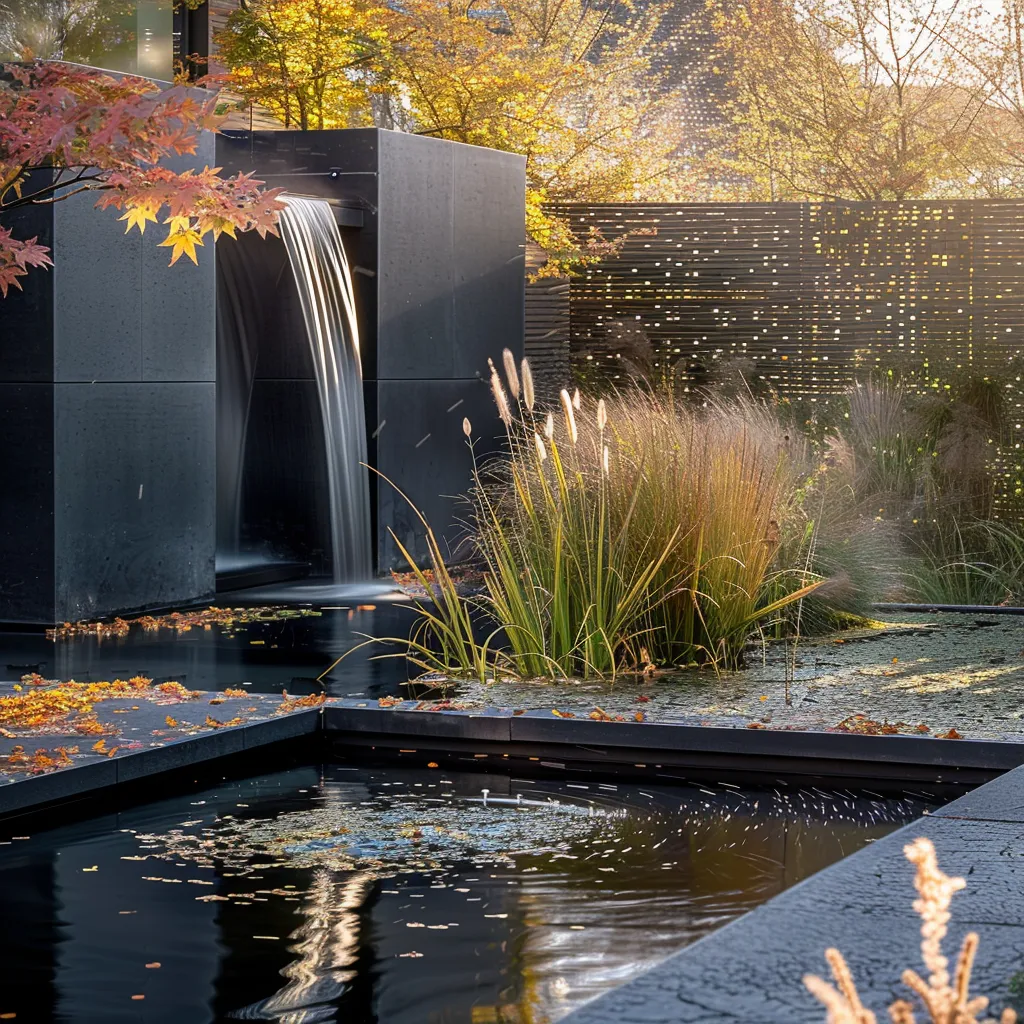
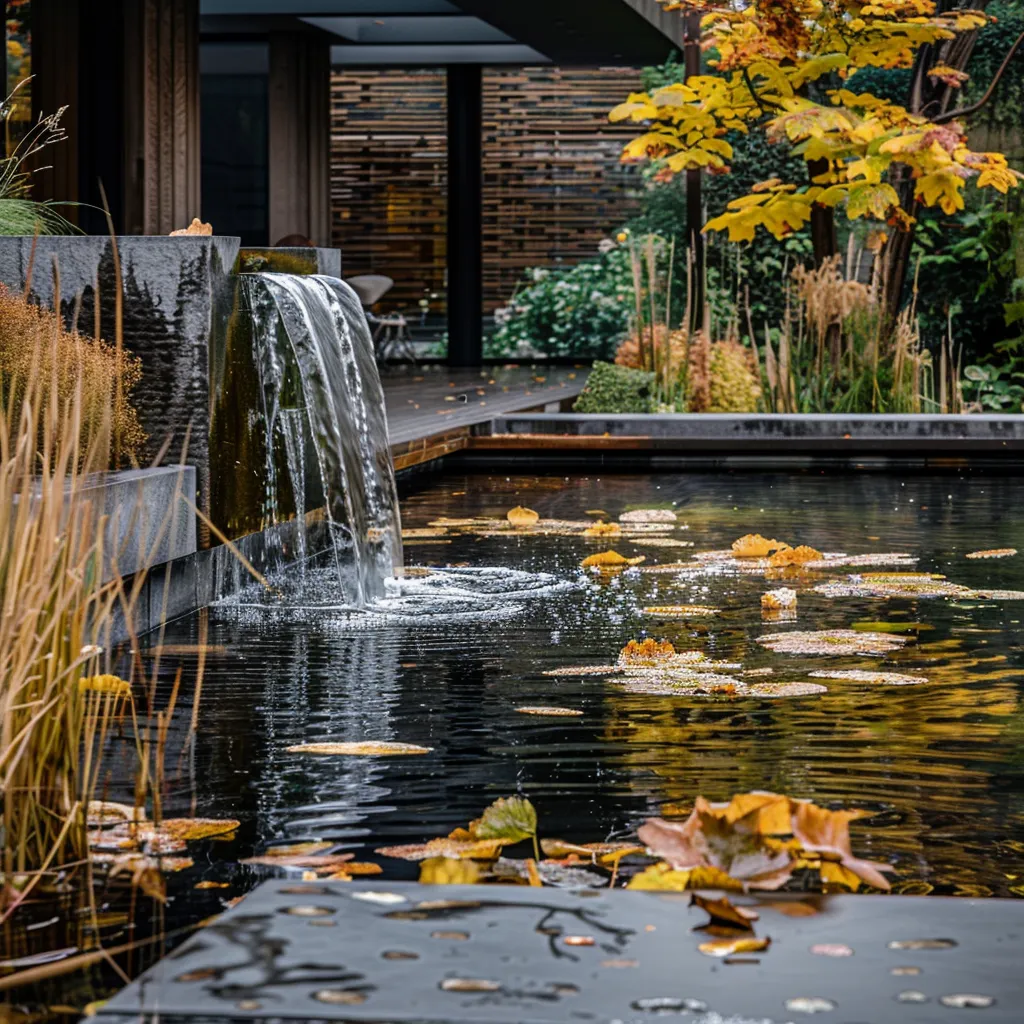
A geometric pond — rectangular, square, L-shaped, or circular — suits contemporary gardens with strong architectural bones: clean-edged paving, rendered walls, steel or corten boundary features. The defining characteristic of a geometric modern pond is the precision of its edges: flush-set stone or porcelain coping that sits level with or slightly below the surrounding paving, creating a mirror-like reflective surface at terrace level. The waterfall in a geometric pond setting is typically delivered as a wall spout, a blade waterfall falling across the full width of one end of the pond, or a single rill cascade — all of which maintain the architectural precision of the overall composition.
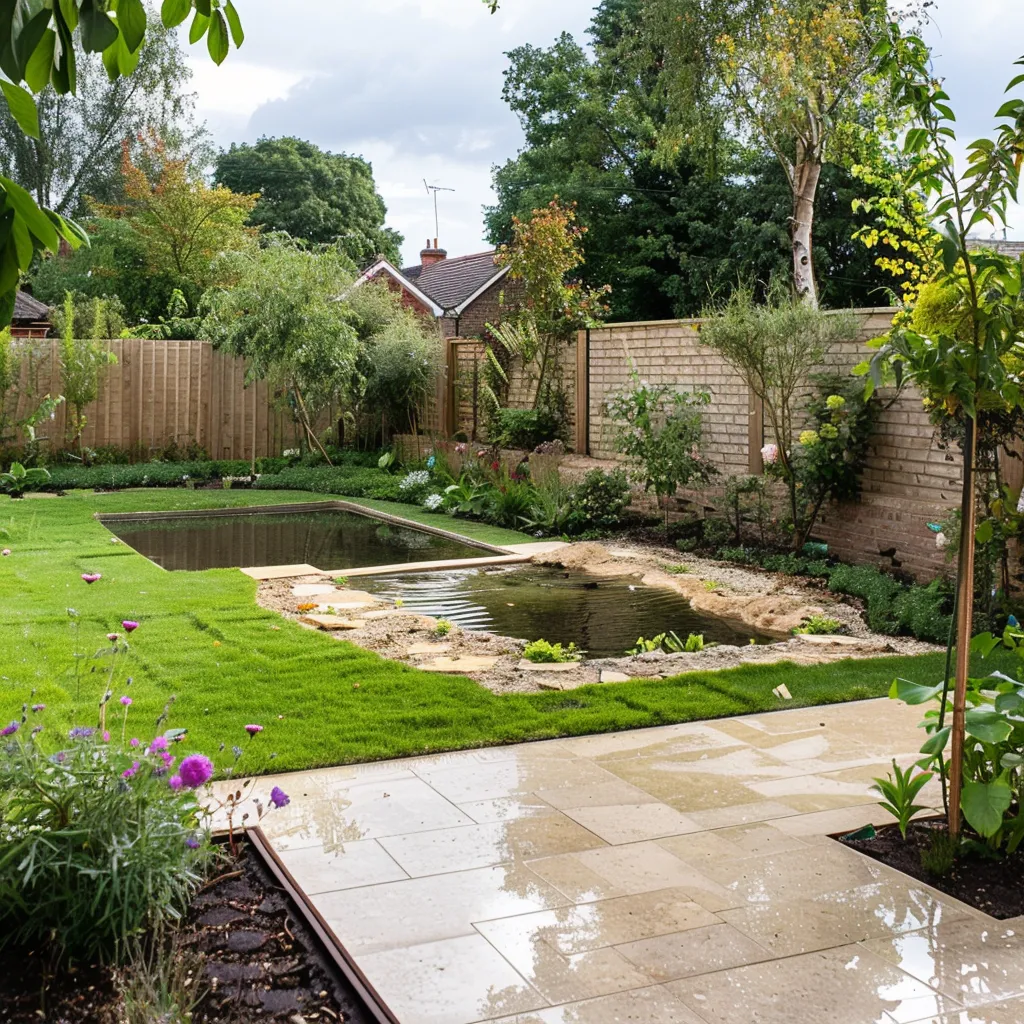
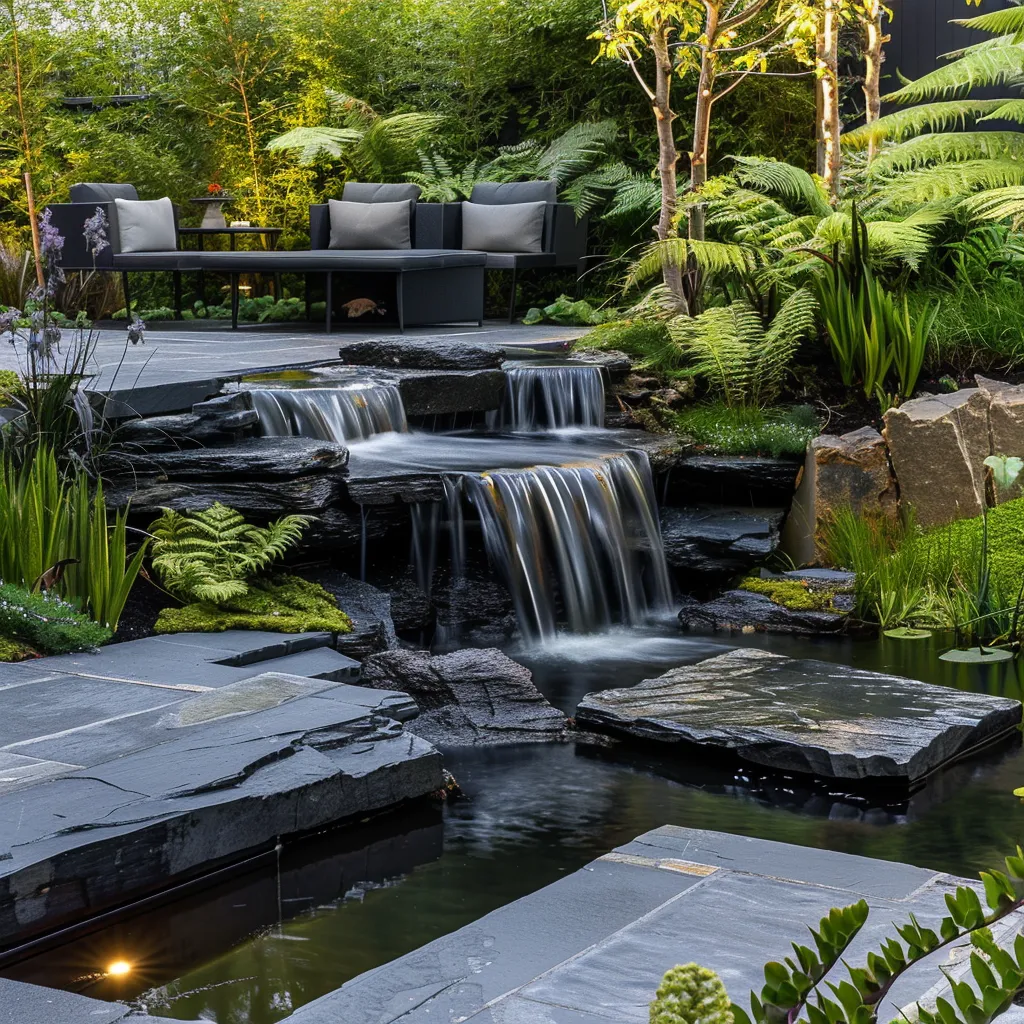
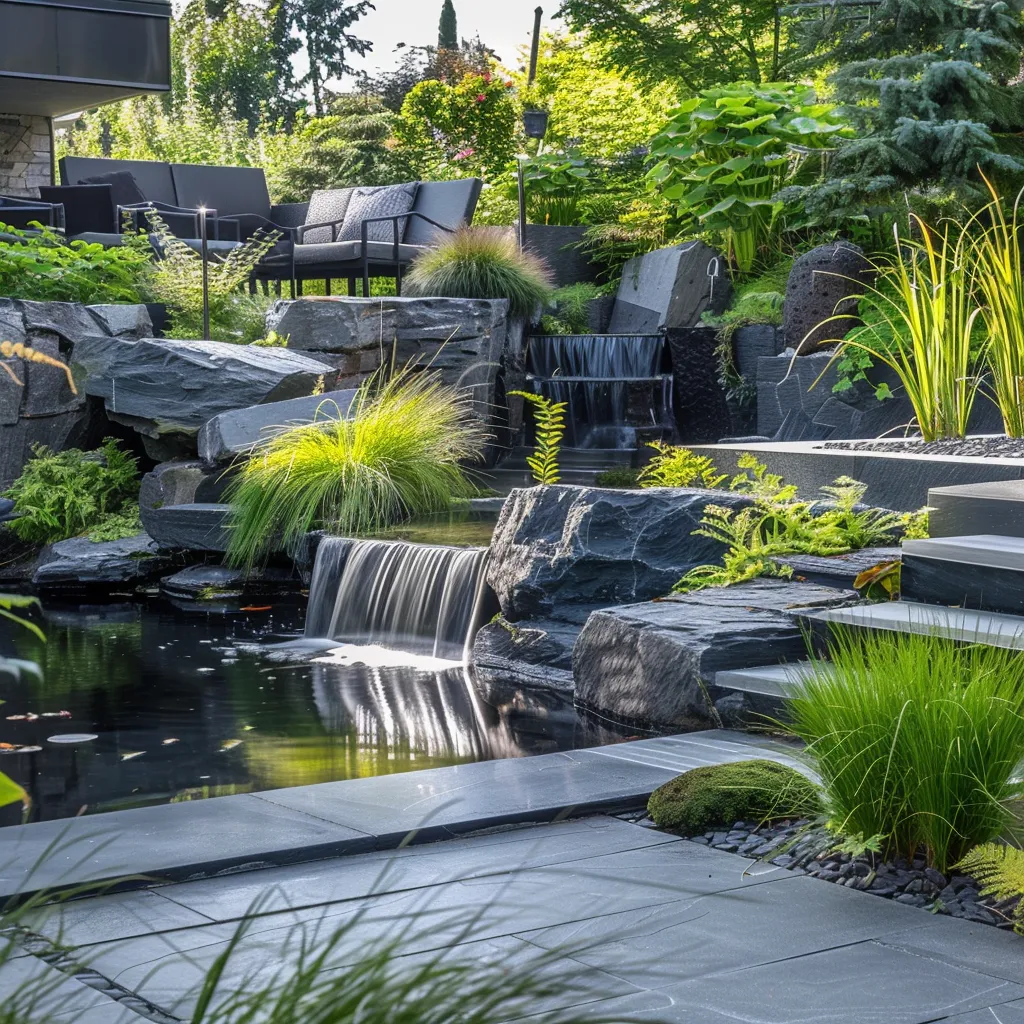
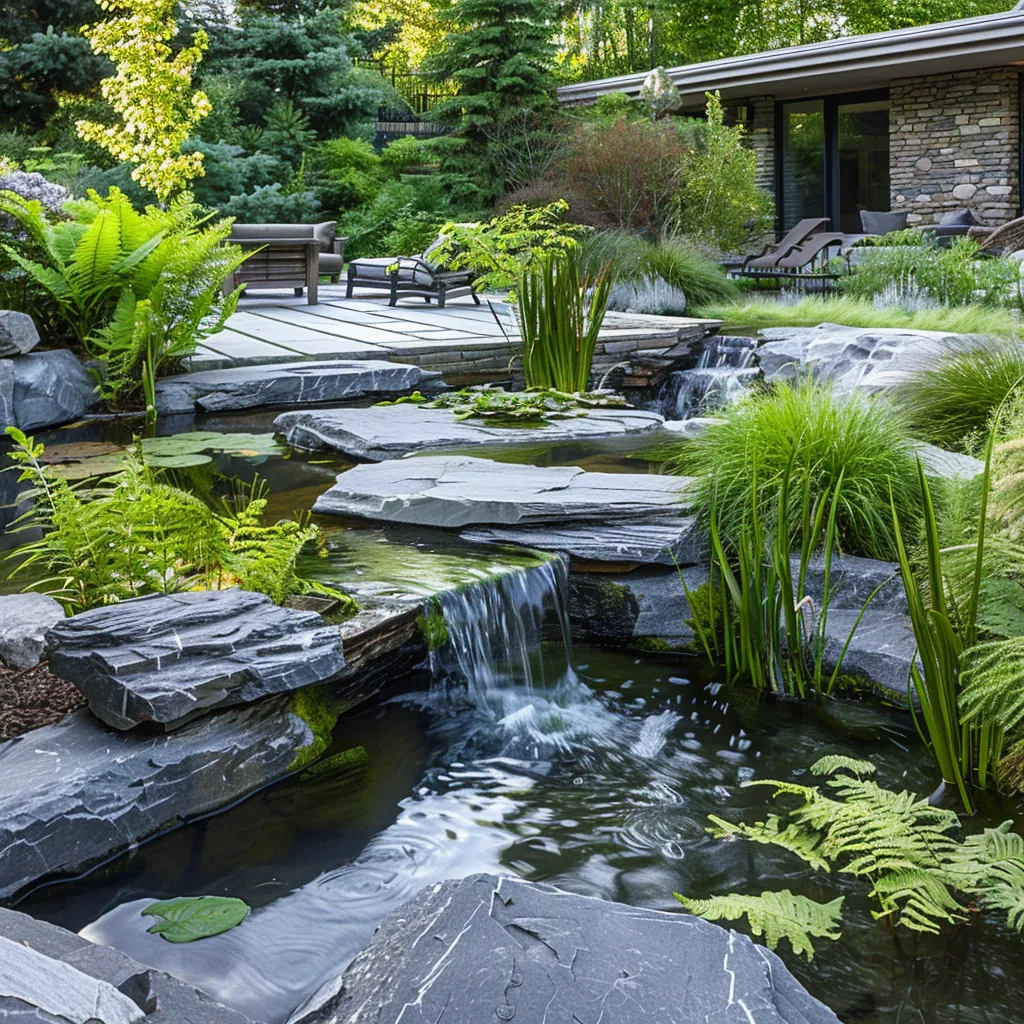
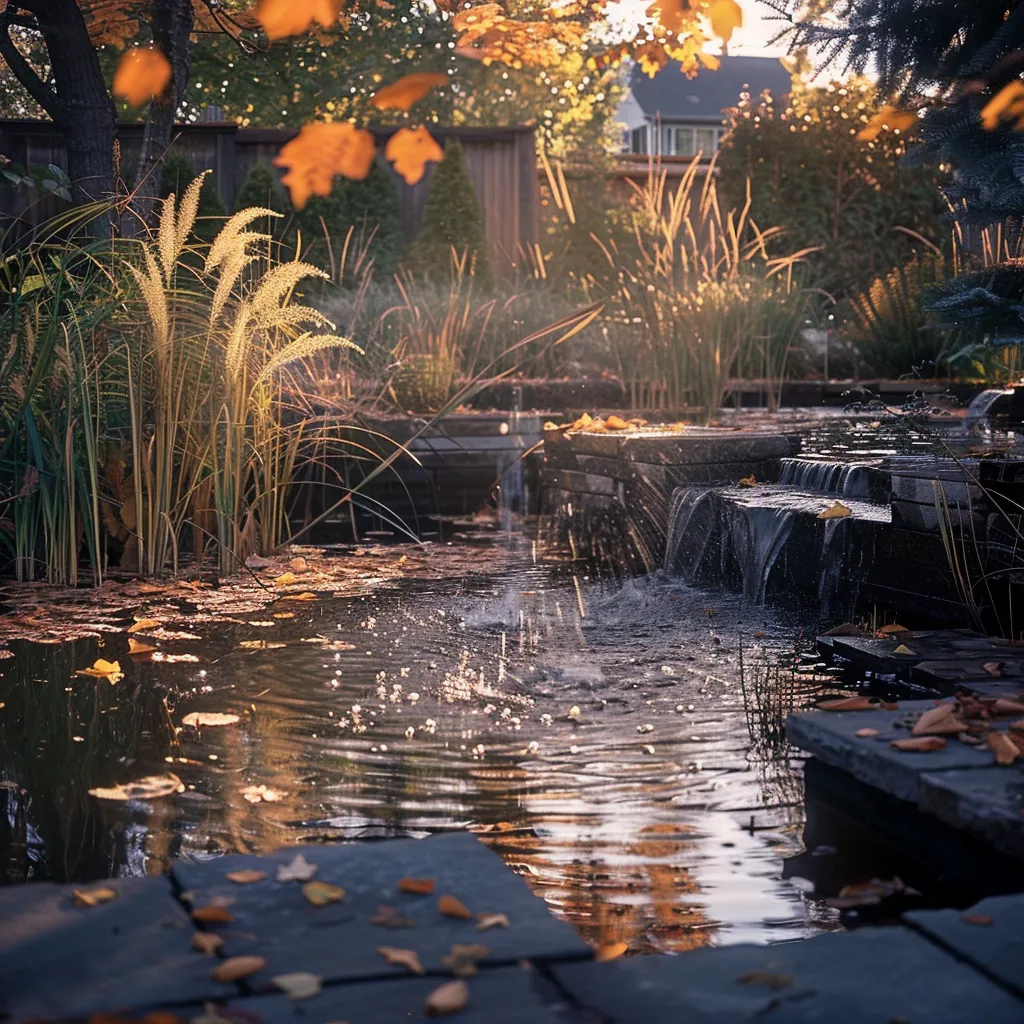
A naturalistic pond takes irregular, organic form — curved edges, varying depth, planted margins — and is more commonly found in gardens with a softly planted, loosely structured aesthetic where grasses, perennials, and native planting dominate. Naturalistic ponds support wildlife more effectively than geometric equivalents and integrate more naturally with sloped or terraced garden sections. Their waterfall elements are typically stone-step cascades, boulder arrangements, or planted earthwork falls rather than blade spillways or wall-mounted spouts. The visual character of a naturalistic small backyard pond with waterfall is fundamentally different from its geometric counterpart — but both are equally valid in a modern garden context when the pond style is chosen to reinforce the surrounding design language.
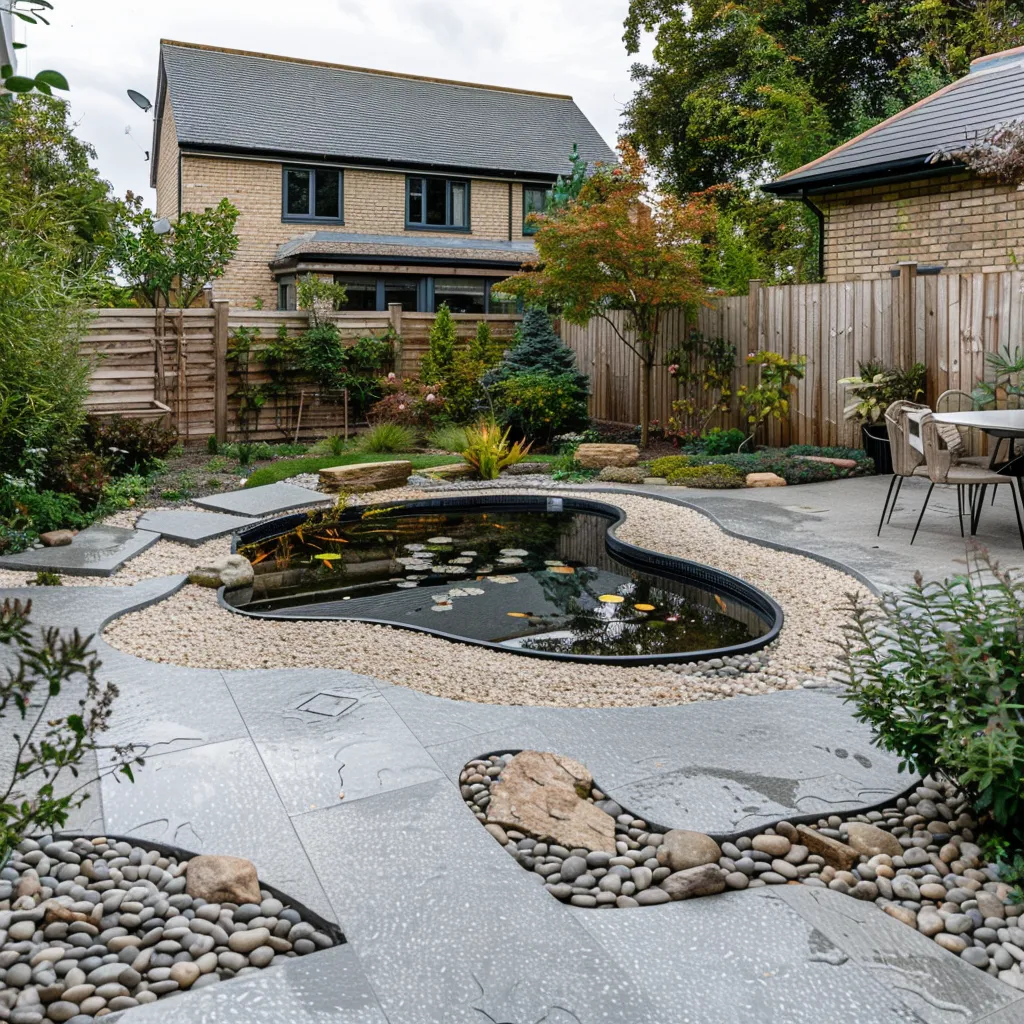
The hybrid approach — a formally edged pond with naturalistic planting at its margins, or an organic pool shape within an architectural setting — is increasingly common in residential landscape design and often produces the most interesting results. It allows the reflective qualities and visual precision of a geometric water surface to coexist with the ecological richness and textural complexity of naturalistic planting. The key to making the hybrid work is to commit clearly to one formal element and one naturalistic element, rather than mixing both across all aspects of the feature — which produces visual confusion rather than productive tension.
| Pond Style | Typical Size Range | Waterfall Type | Best Garden Setting | Wildlife Value | Maintenance Level |
|---|---|---|---|---|---|
| Geometric rectangular | 1–4 m² surface area | Blade spillway, wall spout, rill | Architectural, paved, render-walled gardens | Low–medium | Low (clear water focus) |
| Geometric circular | 0.8–3 m² surface area | Central fountain jet, wall spout | Formal courtyard, symmetrical layouts | Low | Low–medium |
| Naturalistic curved | 2–8 m² surface area | Stone cascade, boulder waterfall | Planted gardens, informal layouts, slopes | High | Medium (plant management) |
| Raised geometric | 0.5–2 m² surface area | Overflow weir, wall spout | Terraced gardens, patios without excavation | Low | Low |
| Hybrid formal-natural | 1.5–5 m² surface area | Stone step cascade or blade spill | Contemporary gardens with mixed design language | Medium–high | Medium |
| Bog garden with cascade | 3–10 m² total including bog zone | Naturalistic stone cascade | Native planting gardens, wildlife-first designs | Very high | Medium–high |
Site Planning for a Small Backyard Pond with Waterfall
Site selection is the single most consequential decision in small backyard pond design — more important than material choice, pump specification, or planting scheme, because the wrong location produces problems that cannot be corrected without removing and rebuilding the feature entirely. The key factors are sunlight, proximity to trees, ground level and drainage characteristics, and visibility from the house and main garden use areas.
Sunlight is the primary ecological driver. A pond that receives fewer than 4 hours of direct sunlight per day will struggle to support aquatic plants and will be prone to algae problems driven by nutrient imbalance rather than excess light — a counterintuitive but well-documented phenomenon in shade pond management. A pond receiving more than 6–8 hours of direct summer sun will experience higher evaporation rates, which increases the frequency of top-up watering required, and may cause thermal stress in fish if kept. The optimal position for most small backyard ponds in temperate climates is one that receives 4–6 hours of direct sun in summer, with some afternoon shade to moderate water temperature in hot weather.
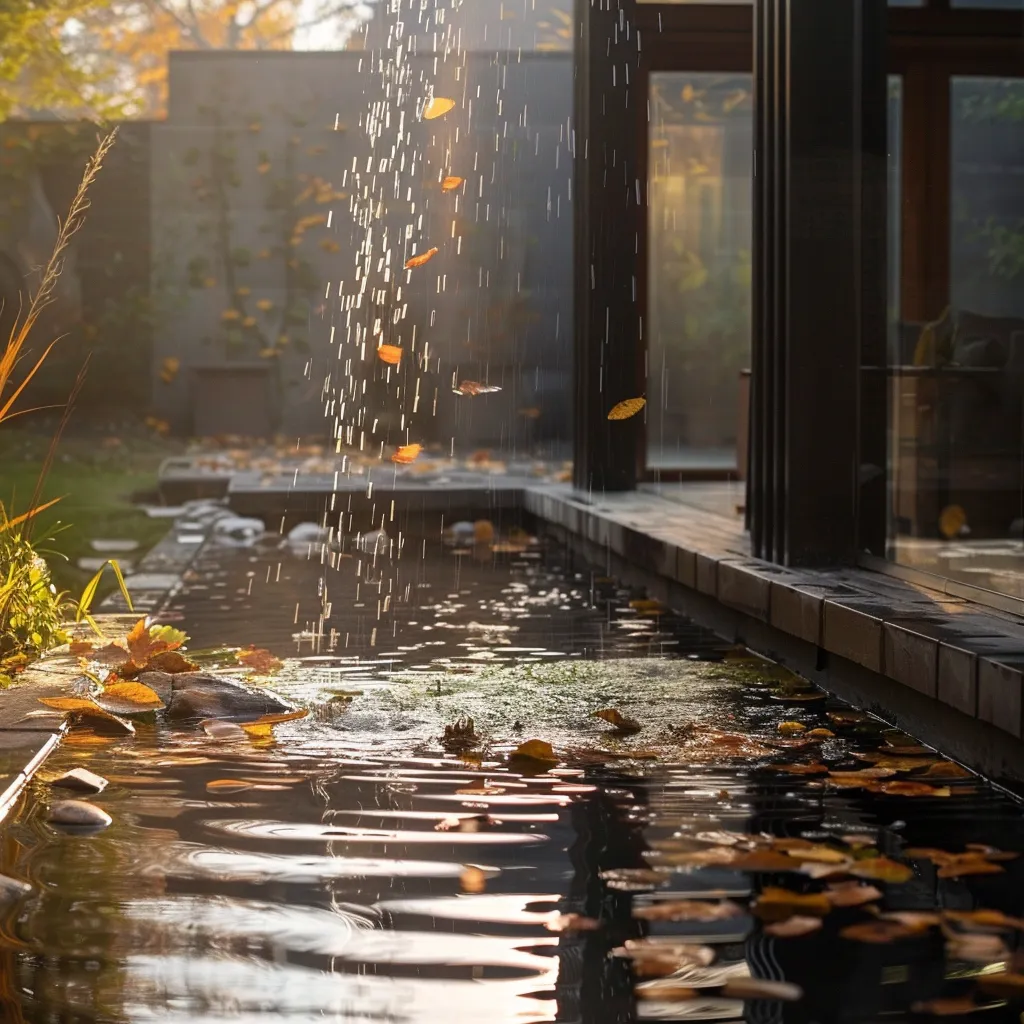
Tree proximity creates two problems simultaneously: root infiltration, which can damage liner systems within 5–10 years of installation if the pond is sited within the root zone of established trees, and leaf fall, which introduces high organic load into the water column in autumn and early winter that drives algae and oxygen depletion. As a practical rule, no pond should be positioned within 3 metres of a tree with a trunk diameter above 10 cm. Where existing trees make this impossible, raised pond construction above ground level effectively removes the root infiltration risk, and fine mesh netting deployed from October to December manages leaf fall without affecting the visual quality of the feature.
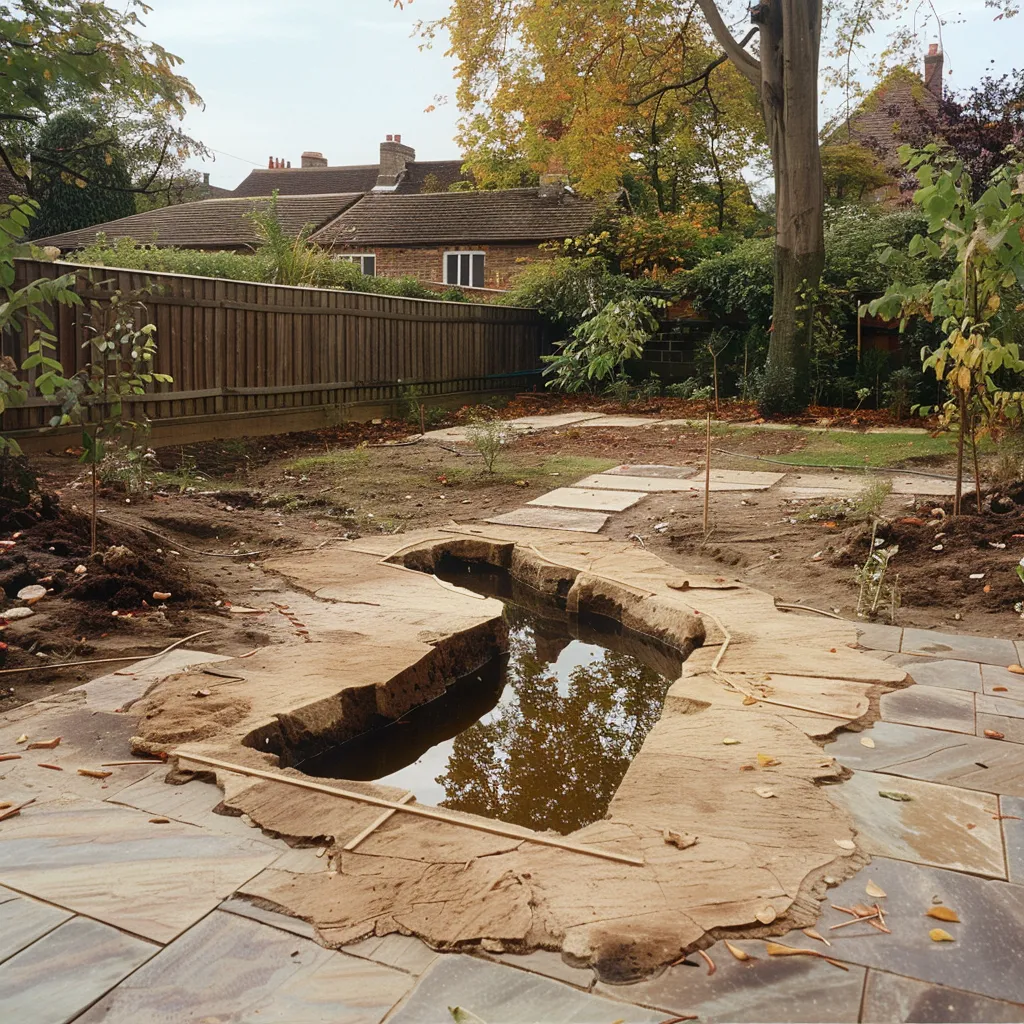
Ground conditions affect both construction method and long-term structural stability. Waterlogged or high-clay soils can cause liner-based ponds to shift, heave, or develop leaks as the surrounding ground moves seasonally. In such conditions, a preformed fibreglass basin or a poured concrete shell with waterproof render is more reliable than a flexible butyl or EPDM liner. Sandy or freely draining soils are ideal for liner construction. A basic soil investigation — digging a 60 cm test pit and observing drainage rate and soil type — takes less than an hour and prevents costly mistakes.
Construction Methods for Small Backyard Pond and Waterfall Features
Construction method choice for a small backyard pond with waterfall is determined by three practical factors: budget, soil conditions, and whether the feature is in-ground or raised. Each method has distinct structural, aesthetic, and long-term maintenance implications that should be understood before specification.
Flexible liner construction using butyl rubber or EPDM (ethylene propylene diene monomer) is the most versatile and widely used method for in-ground ponds of all shapes. EPDM liner — the material used in high-specification commercial and residential water features — has a manufacturer-certified lifespan of 20–25 years when protected by a geotextile underlay and correctly installed. It accommodates any pond shape including complex curves, slopes, and beach-entry profiles that preformed basins cannot replicate. A 0.75mm EPDM liner suitable for a 2-square-metre pond costs approximately £40–£70 in the UK or $50–$85 in the US at current trade pricing. Installation requires careful base preparation — 10 cm of compacted sand over the excavated base, with all sharp stones removed — and perimeter anchoring with a minimum 30 cm overlap into the surrounding ground before backfilling or coping installation.
Preformed fibreglass or polyethylene basins offer faster installation and lower initial skill requirements but constrain pond shape to the manufacturer’s range. Modern preformed basins range in size from 70-litre miniature features (approximately 60 × 45 × 35 cm) up to 2,000-litre large garden ponds, with retail prices from £50 to £600. Their primary limitation for modern garden design is the visible, moulded naturalistic form that most preformed basins present — a shape that rarely integrates well into the clean-edged aesthetic of contemporary landscaping. Raised coping, careful stone or timber edging, and marginal planting can partially conceal this mismatch, but cannot fully resolve it.
Poured concrete construction with a two-coat crystalline waterproof render delivers the most durable and design-flexible result but at the highest cost and construction complexity. A concrete shell is the correct choice for geometric ponds where absolute edge precision is required, for raised pond installations above 60 cm where wall structural loads are significant, and for any installation where root infiltration from adjacent trees makes liner integrity unreliable. Professional concrete pond construction for a 2-square-metre feature typically costs £1,500–£3,500 in the UK market including excavation, shuttering, pour, waterproofing, and coping, or $1,800–$4,200 in the US equivalent. The investment is justified for a feature intended to remain in place for 30 years or more without structural intervention.
Waterfall construction method depends on pond construction type. For liner ponds, a stone or boulder cascade above the pond fed by a submersible pump and lined with the same or compatible liner material is the standard approach. For concrete ponds, a poured concrete cascade channel faced with natural stone, slate, or timber is the most coherent option. For geometric ponds with blade waterfall spillways, stainless steel or powder-coated aluminium blade units are inserted into the concrete or blockwork cascade wall and connected directly to the pump return pipe. Blade waterfall units retail from £180 to £600 depending on width, with stainless steel units at the upper end of this range offering a polished or satin finish that coordinates particularly well with dark rendered walls and porcelain paving.
Pump Sizing and Filtration for Small Backyard Pond Waterfall Ideas
The pump is the heart of any small backyard pond with waterfall — and undersized pump selection is the most common technical failure in DIY and entry-level professional pond installations. A pump that cannot recirculate the full pond volume within 2 hours will produce poor water clarity, inadequate waterfall flow, and accelerated algae growth regardless of how well every other aspect of the design is executed.
Pump sizing follows a straightforward formula: the pump’s flow rate at the required head height (the vertical distance from pump to waterfall outlet) must equal at least half the pond volume per hour for clear-water ponds, or the full pond volume per hour for planted and fish ponds. For a 1,000-litre pond with a waterfall height of 60 cm, the minimum pump specification is 500 litres per hour at 0.6 metres of head for a clear-water feature, or 1,000 litres per hour at 0.6 metres head for a planted or fish pond. Head resistance from pipework friction adds approximately 0.1 metres per 3 metres of delivery pipe — a factor that becomes significant in larger gardens where the pump is positioned at a distance from the waterfall outlet.
Modern low-voltage DC submersible pumps — the type now standard in high-quality garden pond installations — offer significant advantages over older AC pump technology. Variable-speed DC pumps allow flow rate adjustment from a dial or smartphone app, enabling the waterfall sound and visual flow to be tuned to preference. Leading brands including Oase, Laguna, and Hozelock all offer DC pump ranges in the 1,000–10,000 litre-per-hour output range at price points of £80–£350 in the UK market. Energy consumption for a correctly sized DC pump running a small waterfall 12 hours per day is typically 25–60 watts — annual running costs of approximately £35–£85 per year at current UK electricity tariffs, or $30–$75 at US average residential rates.
Filtration requirements for a small backyard pond depend primarily on whether fish are kept. A fish-free planted pond in a shaded position with healthy aquatic plant coverage can often function without mechanical filtration — plants, submerged oxygenators, and beneficial bacteria in the substrate perform the biological filtration that maintains water clarity. A pond with fish requires both mechanical filtration (removing suspended solids) and biological filtration (processing fish waste through nitrifying bacteria), with filter size specified to handle the fish load. For a small modern garden pond of 500–2,000 litres with no more than 5–8 small fish, a combined pump-and-filter unit from Oase’s Filtral range or equivalent provides both functions in a single submersible unit that is straightforward to maintain and visually unobtrusive.
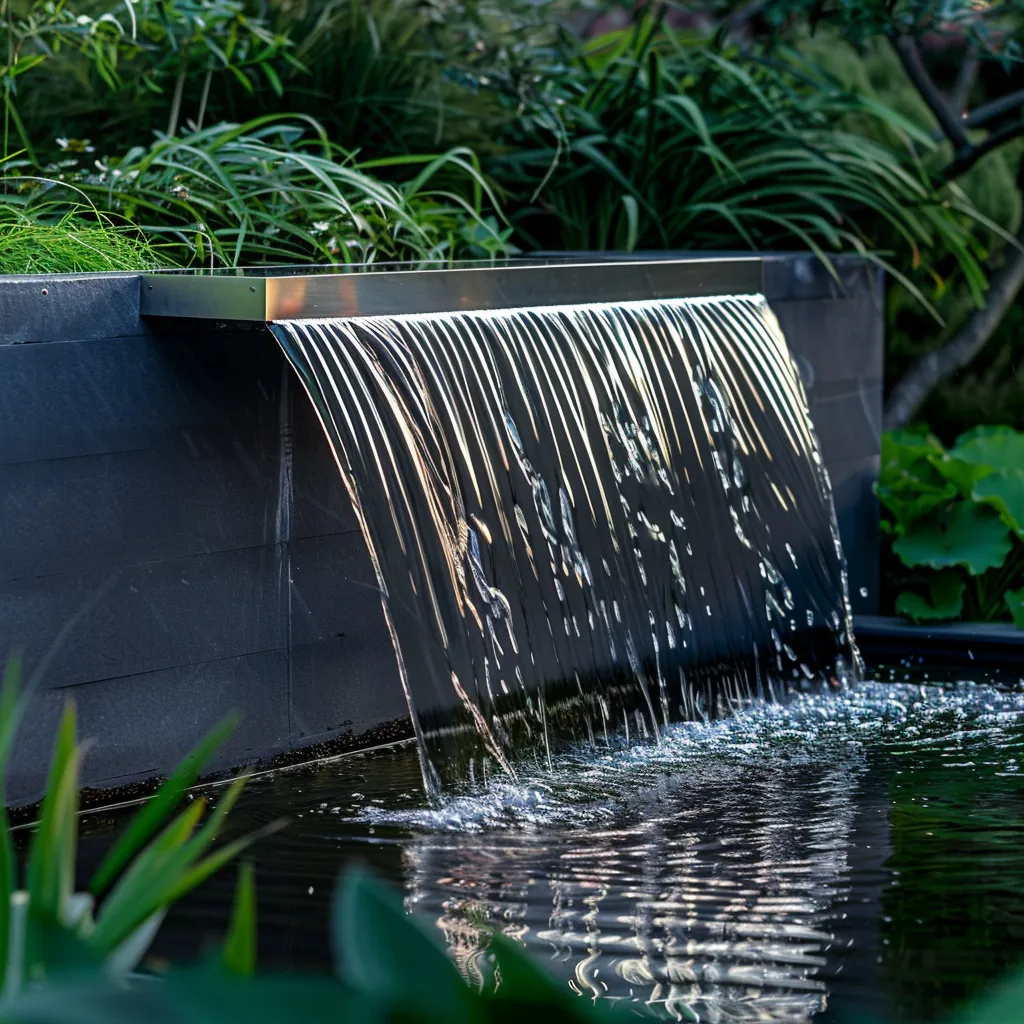
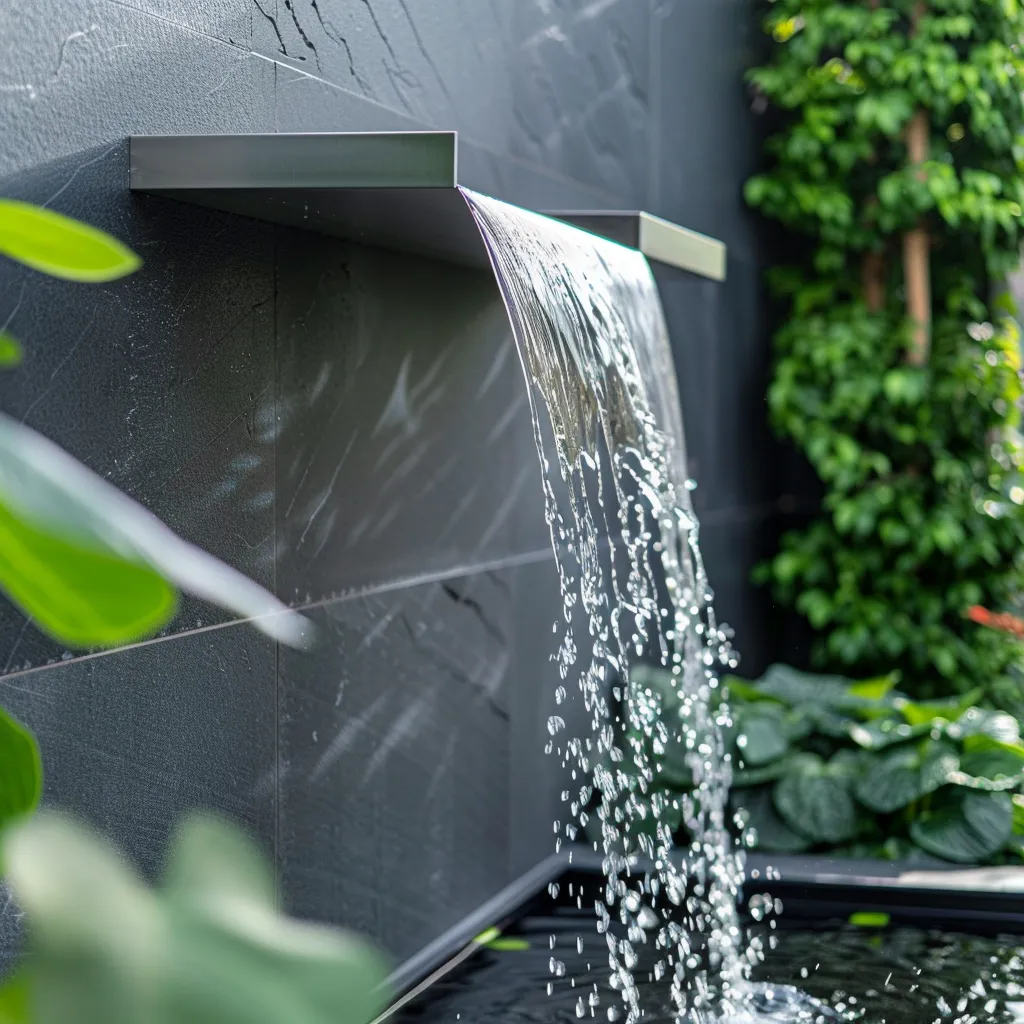
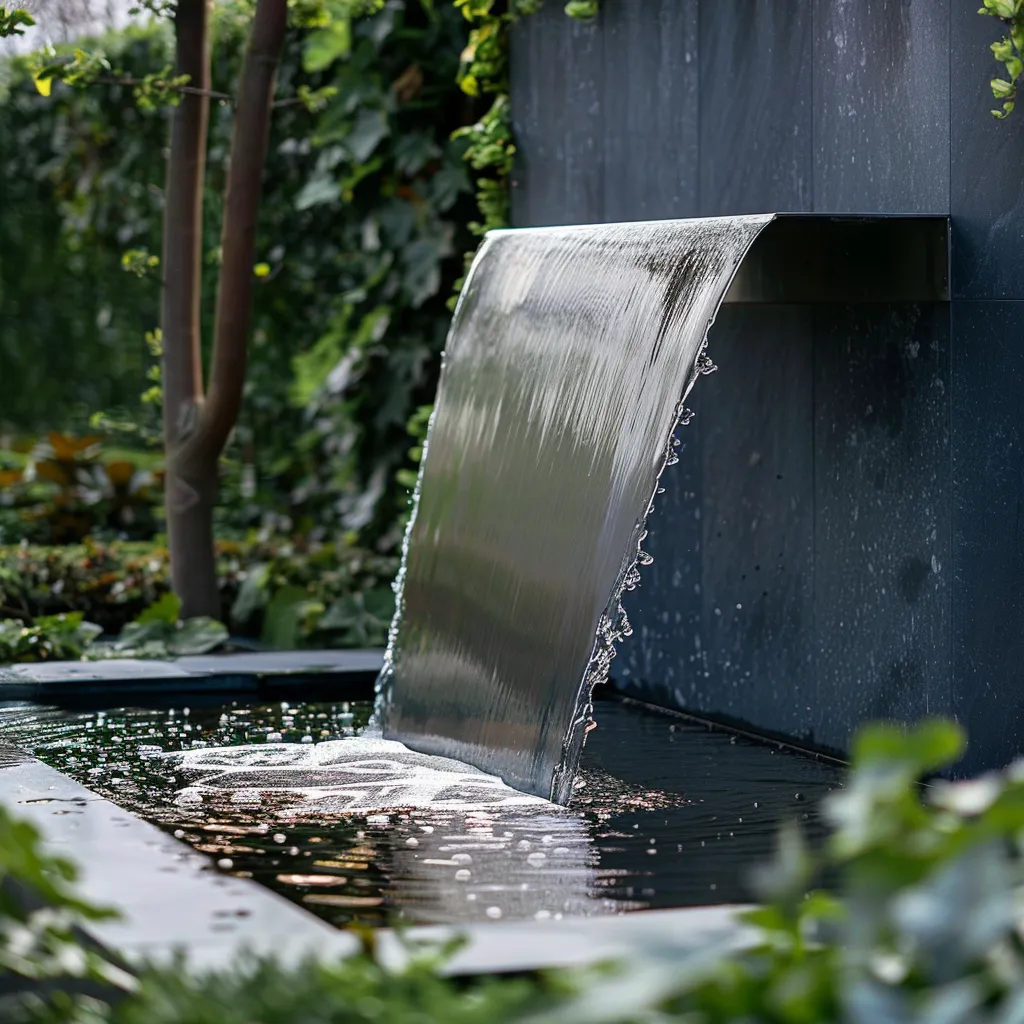
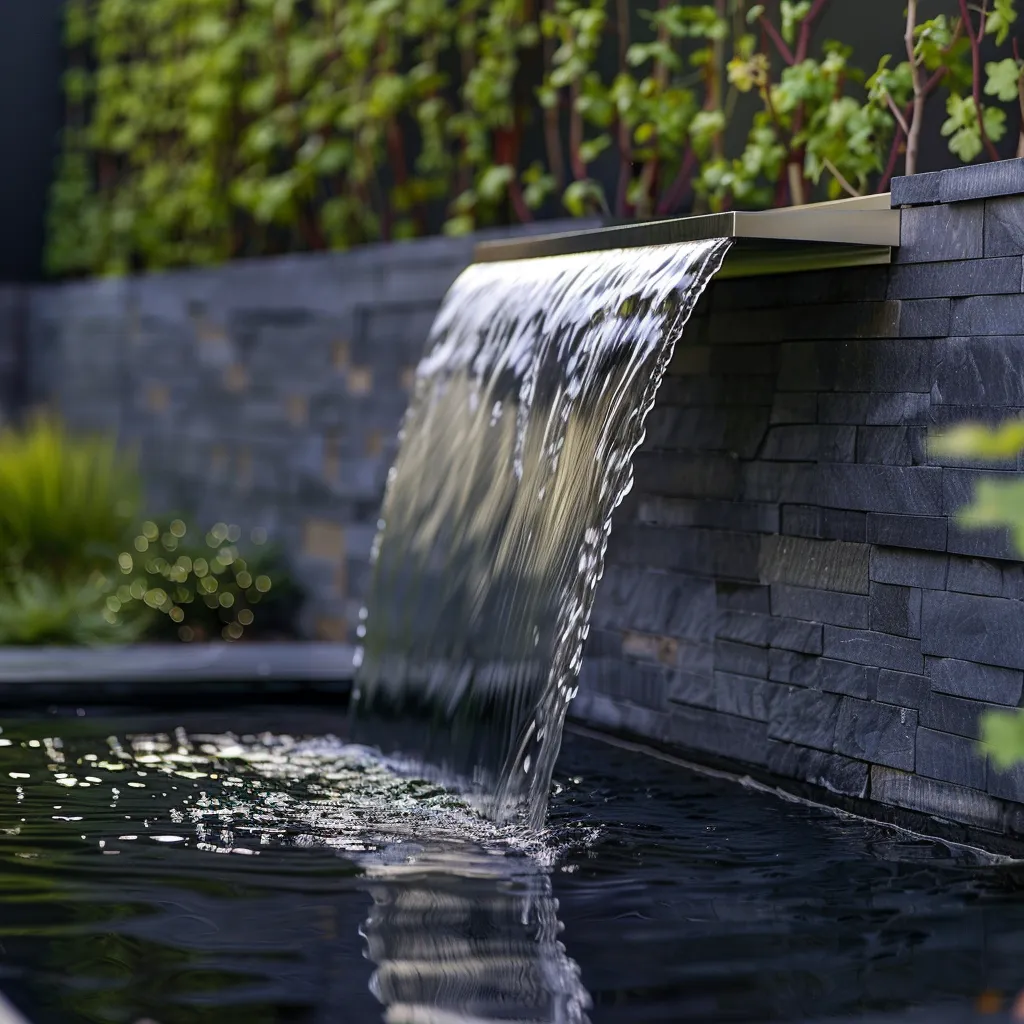
Small Backyard Pond Waterfall Ideas for Modern Garden Styles
The following approaches represent the most visually resolved and practically achievable small backyard pond with waterfall ideas for modern garden contexts, drawn from published residential landscape projects and design practice. Each is described with dimensions, construction principles, and plant palette to provide a workable brief for implementation.
The Rill-Fed Terrace Pond
A narrow stone or concrete rill — typically 15–20 cm wide and 10–15 cm deep — runs along the base of a garden wall or fence before dropping 20–30 cm into a rectangular pond inset into the terrace. The rill delivers the sound and movement of moving water across a horizontal surface before the final drop into the pool, creating two distinct water sounds — the gentle rush of the rill and the soft plunge of the fall — that layer acoustically in a way that a single waterfall cannot. The rill can be 1–4 metres long, is supplied by a single submersible pump in the receiving pond, and requires minimal construction beyond a rendered concrete channel faced with matching stone, slate, or porcelain. This is one of the most commonly specified modern garden pond and waterfall combinations in UK landscape design practice. It integrates naturally with the approach to water and hardscape coordination explored in detail in water garden house design ideas, where the relationship between architectural surface and water surface is the central compositional concern.
The Boulder Cascade Naturalistic Pond
A stepped arrangement of natural boulders — sandstone, basalt, or granite — creates a multi-level cascade falling 40–80 cm in total into a pond of 2–4 square metres. The cascade zone itself occupies approximately 1–1.5 square metres and is planted with moisture-loving species (Gunnera manicata, Darmera peltata, Iris sibirica, Osmunda regalis) that disguise the liner and pump infrastructure while creating a planted backdrop that frames the water movement. This approach suits gardens with an existing slope or level change, where the cascade can be built into the gradient rather than requiring additional raised mounding. It is ecologically the richest of all small pond with waterfall configurations, supporting amphibians, insects, and birds at every zone of the feature.
The Raised Geometric Pond with Overflow
Where excavation is undesirable or impossible — on patios with existing concrete bases, in gardens over underground services, or in rental properties — a raised pond constructed from blockwork with a rendered or tiled face delivers all the visual and acoustic benefits of an in-ground feature without ground disturbance. A raised pond of 60 cm internal height and 1.5–2 square metres surface area provides substantial water volume (900–1,200 litres) and sits at a height that makes the water surface visible from a seated position — a quality that in-ground ponds lack. The waterfall in a raised pond setting is typically an overflow weir at one corner or a wall-mounted blade unit on the long face, falling into a separate lower basin or back into the same pond through a recirculated circuit. The stone-facing and material palette options for raised ponds are wide: dark basalt, polished concrete, brick, corten steel panels, and timber decking all produce resolved results in contemporary settings.
The Zen Courtyard Pool with Shishi-odoshi
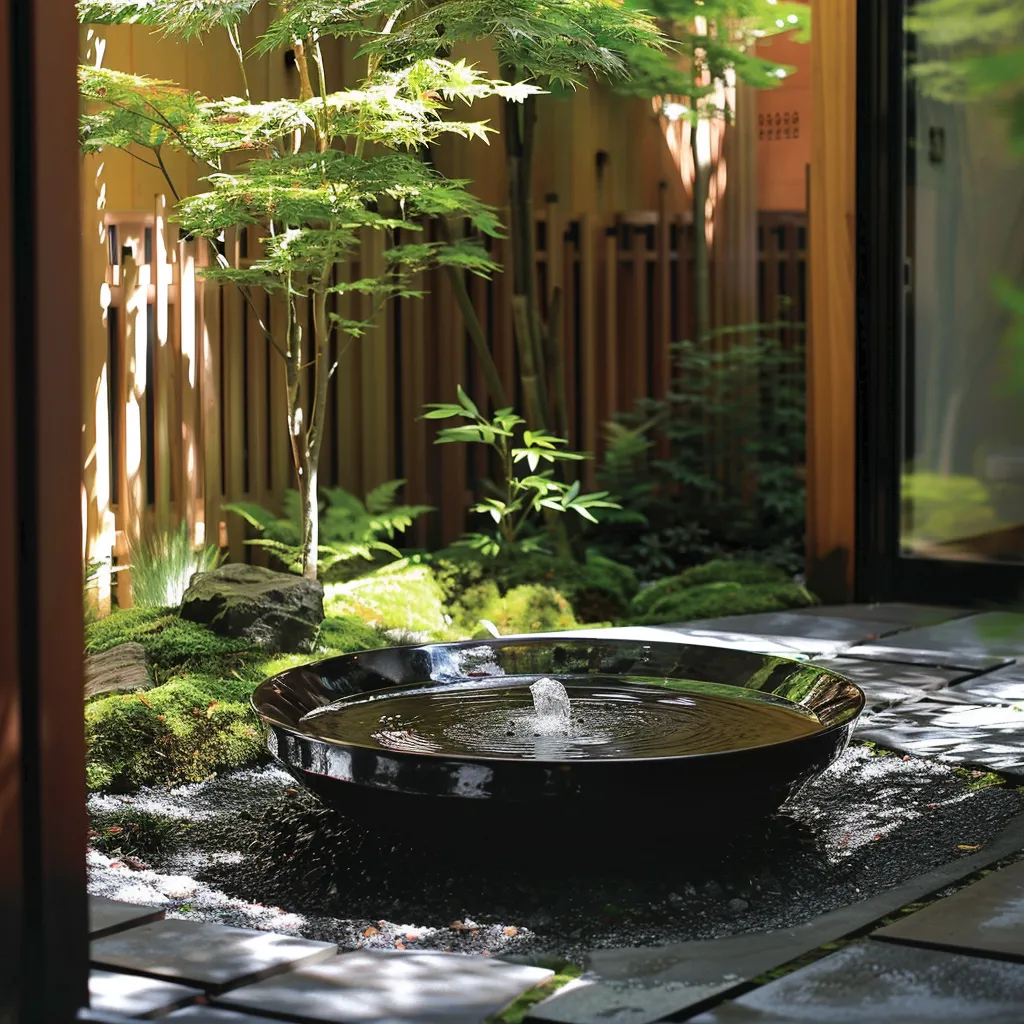
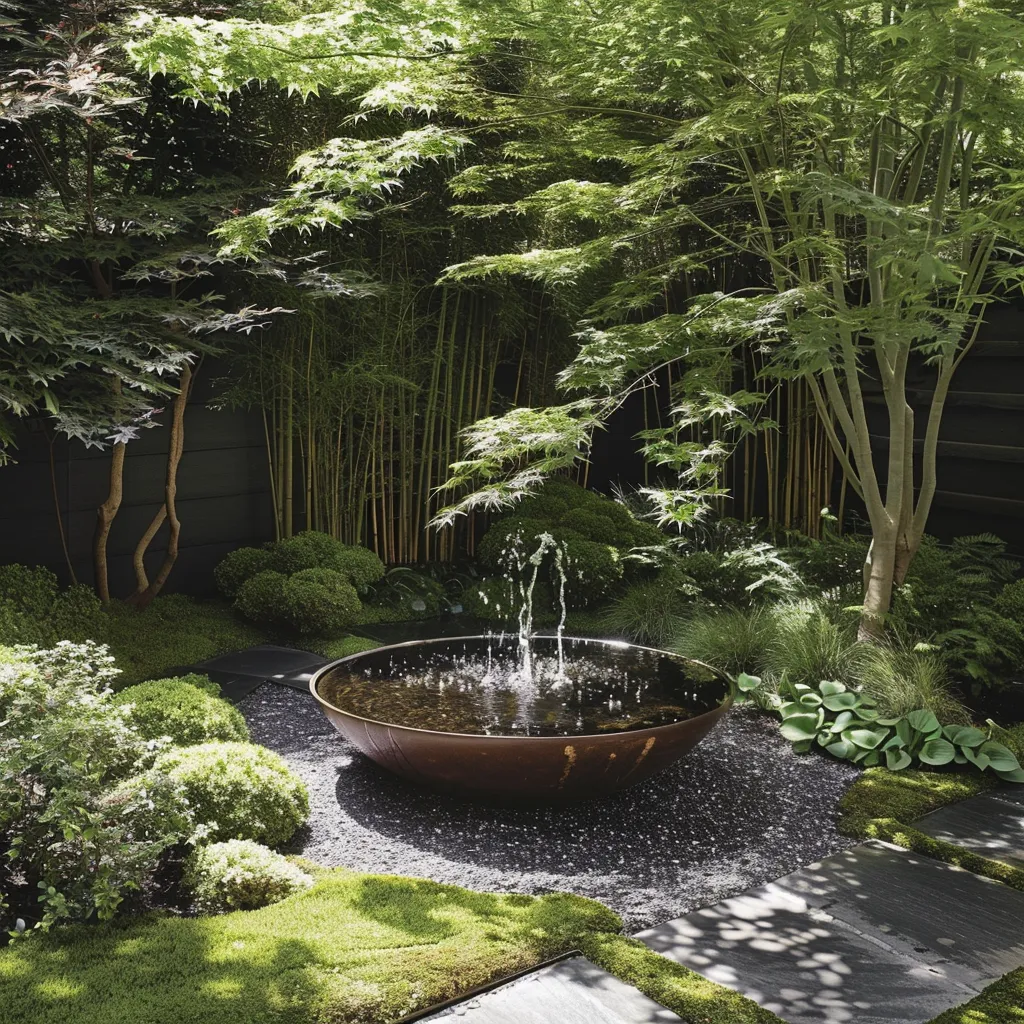
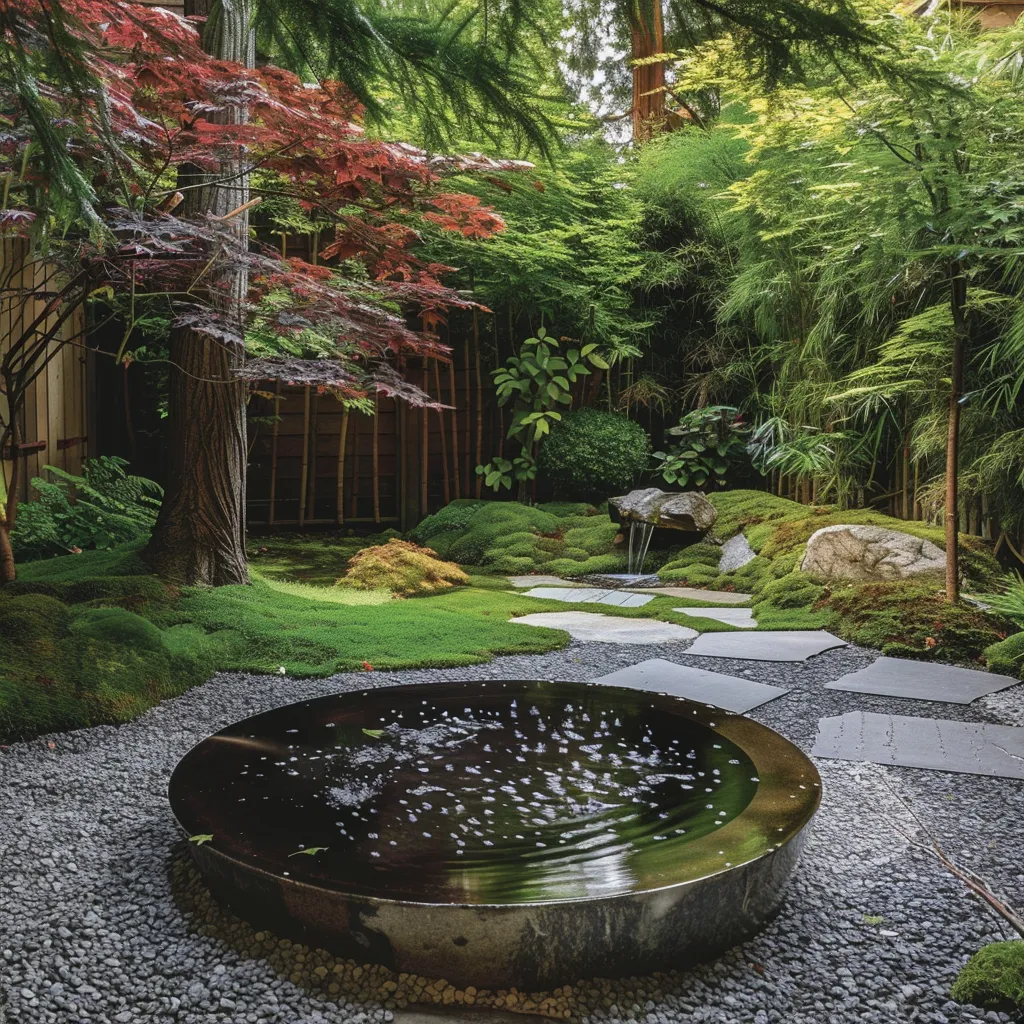
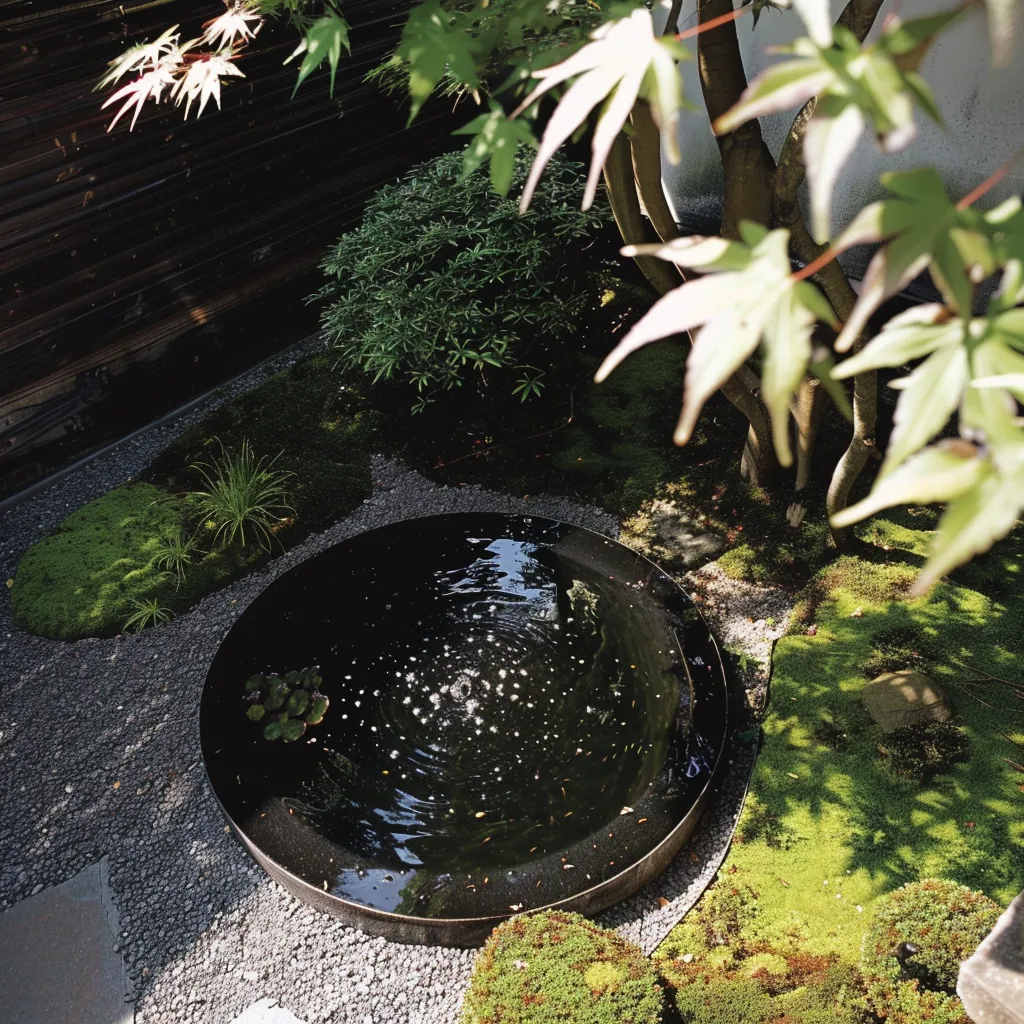
A dark-toned circular or square pond — typically 60–120 cm in diameter and 40–50 cm deep — with a bamboo shishi-odoshi (Japanese deer scarer) as the water delivery element. The shishi-odoshi fills from a pump-fed bamboo pipe, tips when full, and resets with a resonant knock that delivers sound in a rhythmic rather than continuous pattern. This approach is suited to gardens with a meditative or Japanese-influenced aesthetic and to very small spaces — a 70 × 70 cm pond with a shishi-odoshi has a complete footprint of less than 1 square metre and produces a distinctive acoustic effect that continuous-flow waterfalls cannot replicate. It pairs most naturally with moss planting, single specimen Japanese maples, raked gravel, and the design principles that underpin moss garden design, where still water and living carpet ground-cover create a composition that rewards sustained attention.
Plants for Small Backyard Pond Edges in Modern Garden Design
Marginal and edge planting around a small backyard pond with waterfall performs two functions simultaneously: it softens and integrates the pond edge into the surrounding garden, and it contributes meaningfully to the ecological performance of the water feature through filtration, oxygenation, and habitat provision. The selection and placement of pond-edge plants is where a water feature transitions from being a garden object to being a garden ecosystem — and this transition is the quality that makes the best modern pond designs qualitatively different from decorative water bowls or prefabricated fountain features.
For modern garden design specifically, plant selection at pond margins follows the same restraint principle that applies to the broader planting scheme: a limited palette of structural, high-impact species deployed in repeated groups reads as designed, while a mixed collection of individual specimens at the pond edge reads as a hobbyist collection. Three to five species, each repeated in groups of three or five, is almost always more resolved than ten individual plants dotted around the perimeter.
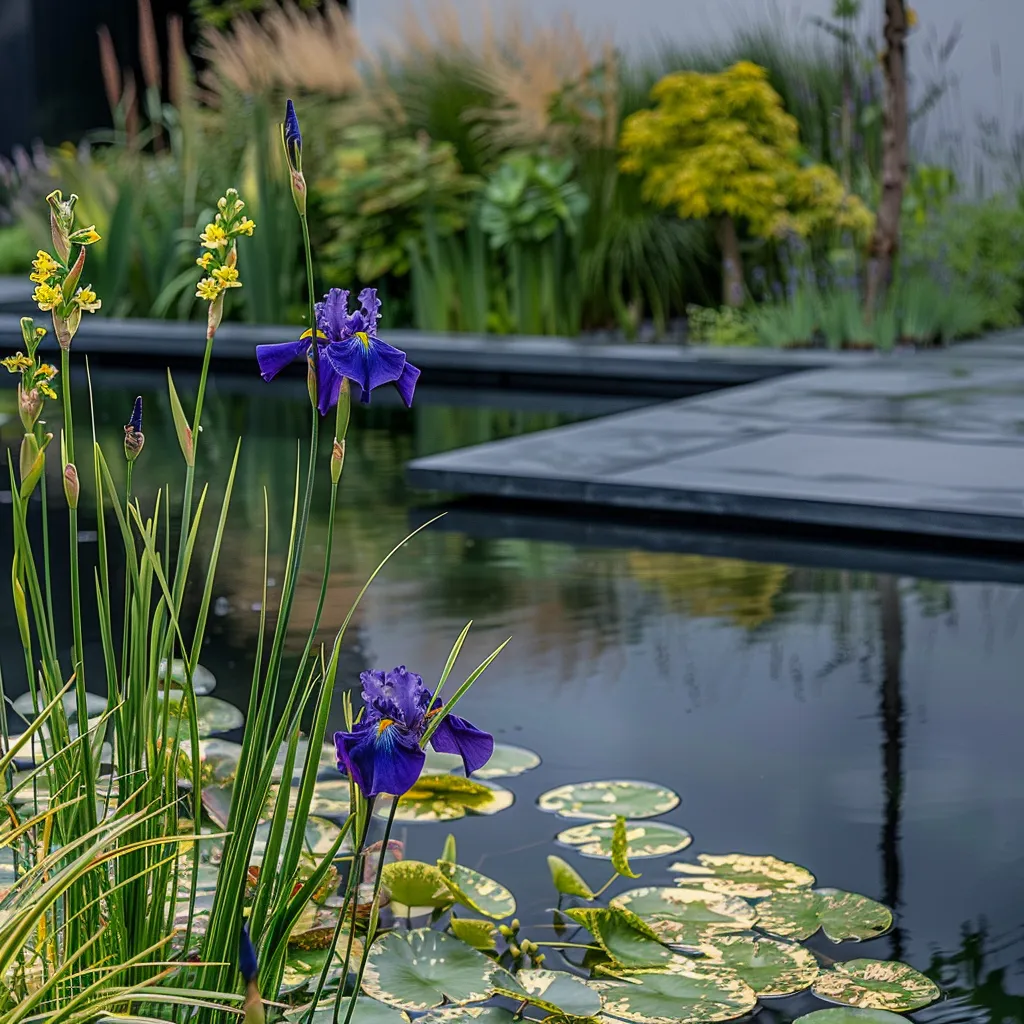
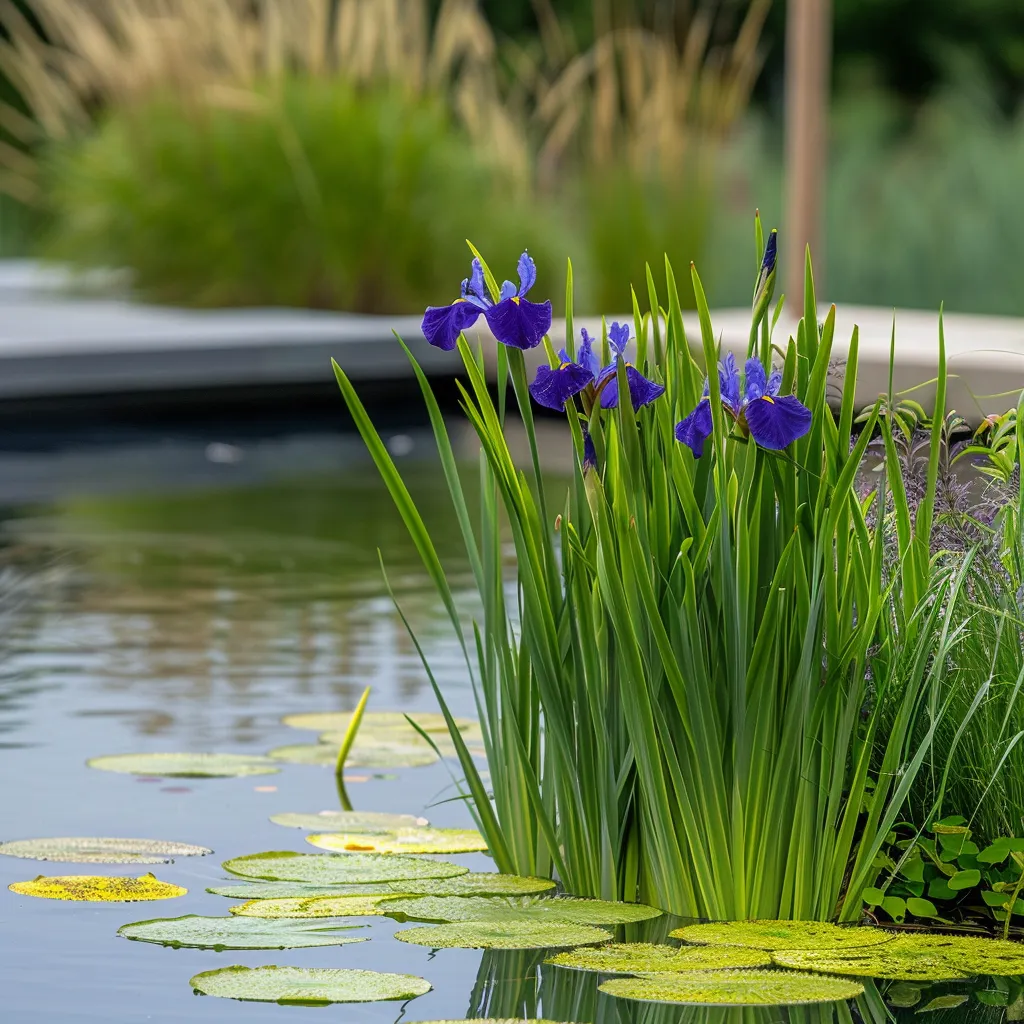
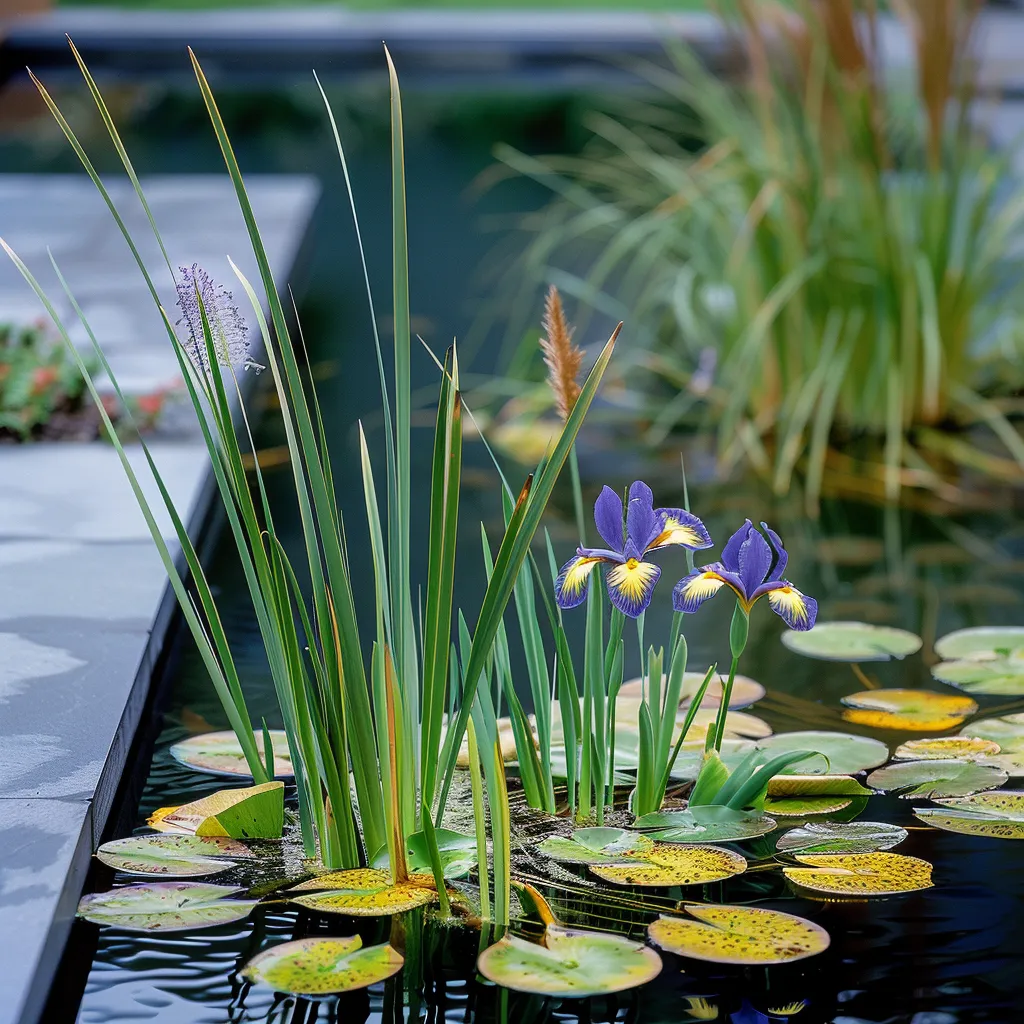
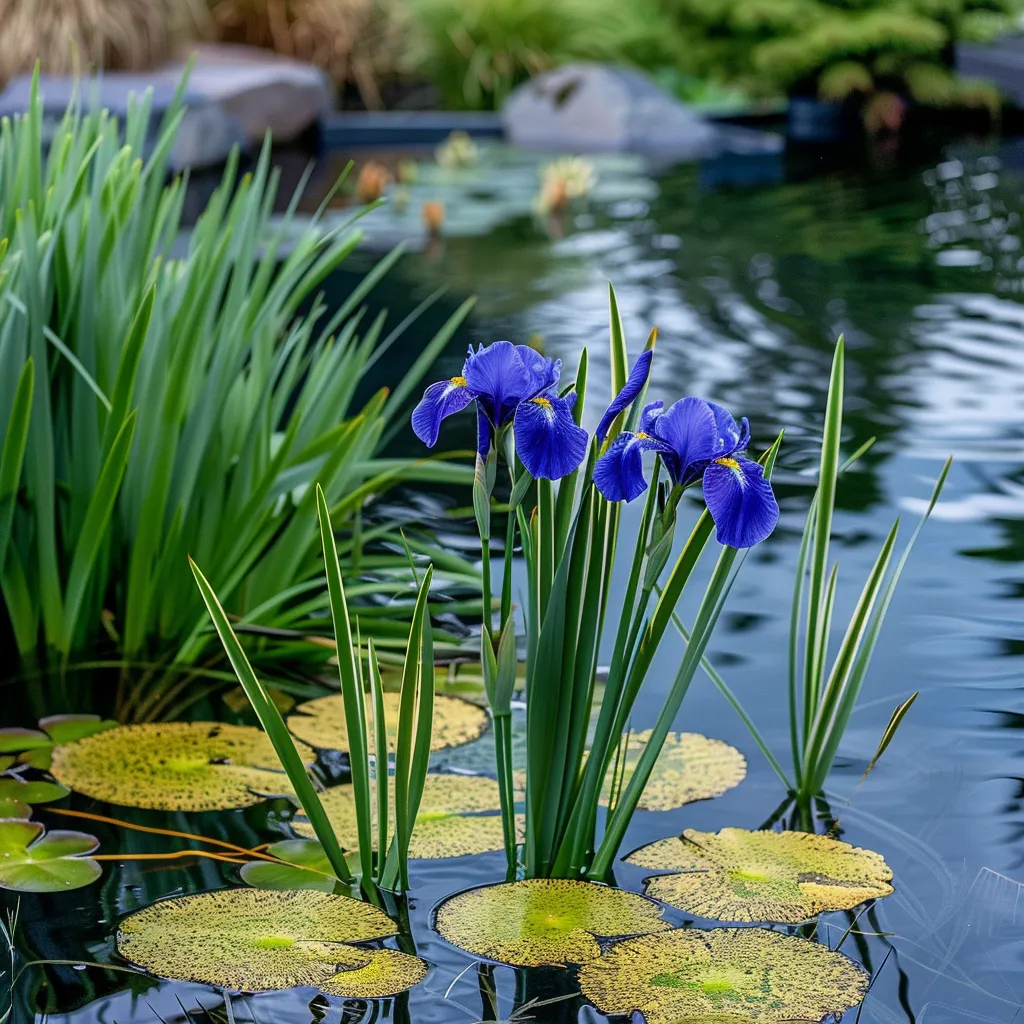
- Iris sibirica (Siberian iris) — Upright, strap-leaved marginal to 90 cm. Blue-violet flowers June–July. Grows at the pond margin in 0–10 cm of water depth. Strongly architectural, excellent in groups of five or more. ‘Perry’s Blue’, ‘Caesar’s Brother’, and ‘White Swirl’ are the most widely available cultivars for contemporary planting design.
- Calamagrostis ‘Karl Foerster’ — Tall ornamental grass to 1.8 m, used at the pond edge as a vertical accent rather than a true aquatic. Its upright form echoes the vertical character of water falling and creates movement contrast with the still water surface. Grow in moist soil at the pond margin, not in water.
- Carex elata ‘Aurea’ (Bowles’ golden sedge) — Yellow-gold foliage, 50–70 cm height, thrives in 0–15 cm water depth. The luminous gold foliage reflects into the pond surface and provides strong colour contrast against dark water or dark-toned liners. One of the most effective modern pond marginals for visual impact relative to maintenance requirement.
- Nymphaea (dwarf water lily cultivars) — Floating-leaf surface coverage for the open water zone. For small ponds of 1–3 square metres, pygmy water lily cultivars such as Nymphaea ‘Pygmaea Helvola’ or ‘Pygmaea Alba’ provide surface coverage without the vigorous spread of full-size water lilies that would rapidly overfill a small feature. Surface coverage of 30–50% is the target: enough to shade the water column and reduce algae without smothering the reflective surface.
- Darmera peltata (Indian rhubarb) — Bold, architectural marginal with large round leaves to 60 cm diameter on stems of 80–120 cm. Grown in shallow water or at the pond edge in moist soil, it creates a strong tropical-scale contrast that reads dramatically against small modern ponds. Pink flower heads appear before the leaves in March–April. Best suited to naturalistic pond settings rather than geometric formal designs.
- Pontederia cordata (pickerelweed) — Upright aquatic to 90 cm with glossy, heart-shaped foliage and blue flower spikes July–September. Grows in 10–30 cm of water depth. Extremely valuable for pollinators and one of the most visually resolved aquatic species for mixed formal-natural pond designs.
- Juncus effusus ‘Spiralis’ (corkscrew rush) — Twisted, spiralling stems to 40 cm, grown at pond margins or in 0–8 cm water. A textural curiosity with strong sculptural character that creates distinctive reflection patterns at the water surface. Particularly effective when backlit in late afternoon.
The ecological value of pond-margin planting extends beyond the pond itself. A 2023 study by the Freshwater Habitats Trust found that garden ponds with planted margins supported an average of 3.8 times more invertebrate species and 4.2 times more amphibian breeding events than equivalent ponds with bare or minimal marginal planting. For the naturalistic small backyard pond with waterfall designed to support wildlife alongside aesthetic performance, marginal planting density — covering at least 40% of the pond perimeter — is the single most important biodiversity intervention available at no additional construction cost. The broader relationship between water, native plants, and pollinator support in residential gardens is explored further in the context of pollinator garden design with native flowers, where pond-adjacent planting is identified as a primary driver of garden biodiversity outcomes.
Stone and Hard Landscaping Materials Around Small Backyard Pond Waterfall Features
The hard landscaping materials used to edge and surround a small backyard pond with waterfall are as important to the final visual result as any aspect of the water feature itself. In a modern garden context, the relationship between pond edge material and the adjacent paving, wall surfaces, and planting determines whether the feature reads as integrated or imposed — whether it belongs to the garden or merely sits in it.
For geometric ponds in contemporary settings, the most resolved approach is to use the same or closely related material for the pond coping and the surrounding paving, differentiated only by edge profile or finish. A terrace of 600 × 600 mm anthracite porcelain tiles abutted by 150 × 600 mm pond coping in the same material produces a continuous material surface that the pond interrupts rather than contradicts — the water becomes a void in the paving rather than a foreign object placed on top of it. This approach is used in virtually every high-end contemporary garden water feature installation photographed for the architectural press because it photographs without the visual noise that material contrast creates.
Natural stone — dark slate, black basalt, riven granite, or tumbled pebble — is the primary material for naturalistic pond edging and cascade construction. The selection principle for naturalistic ponds is geological consistency: stones from the same geological family (igneous, sedimentary, or metamorphic) produce more cohesive compositions than mixed stone assemblages, which read as sourced from multiple separate locations rather than occurring naturally together. A cascade built entirely from dark grey basalt boulders with a corresponding basalt pebble beach entry at the pond margin has internal visual consistency that a mixed boulder-and-sandstone combination lacks. The broader design potential of stone as a structural and aesthetic element in residential garden settings is extensively detailed in enhancing gardens with stone features, where material selection, placement logic, and long-term performance are covered for both pond-adjacent and free-standing stone applications.
Timber as a pond-edge material is polarising in contemporary garden design. When executed precisely — hardwood decking boards precisely mitre-cut to the pond edge with a 5mm reveal between timber and water surface — it creates a warm, natural contrast against dark water that reads as intentional and sophisticated. When executed approximately — pressure-treated softwood boards with irregular reveals and visible fixings — it reads as improvised regardless of how good the pond beneath it is. In a modern garden context, timber pond edging demands the same precision of execution as any other element in the composition.
Water Management and Sustainability in Small Backyard Pond Design
A small backyard pond with waterfall is a water-consuming garden feature — and as water scarcity increasingly influences residential garden design decisions in temperate as well as arid climates, the sustainability of pond water management deserves explicit consideration at the design stage. Evaporation from a 2-square-metre pond in a temperate climate averages 3–5 mm per day in summer — approximately 6–10 litres per day, or 540–900 litres per 90-day summer season. This volume is not insignificant, but it is manageable with appropriate design choices.
Surface water lily coverage of 30–50% reduces summer evaporation by 15–25% by shading the water surface and reducing direct solar exposure. Locating the pond in a position that receives afternoon shade rather than full western exposure achieves a similar reduction. For gardens with an existing rainwater harvesting system, the captured water is ideal for pond top-up — softwater collected from roof catchment introduces fewer dissolved minerals than tap water, reduces lime scale buildup on waterfall surfaces, and supports aquatic plant health more effectively than mains-supplied water. The principles and infrastructure of residential rainwater harvesting as applied to garden water management are detailed in the comprehensive guide to rainwater harvesting garden systems, which covers storage sizing, filtration requirements, and integration with existing garden water features.
Pump energy consumption, as noted in the pump sizing section above, is modest for a correctly specified DC pump but can be further reduced by operating the waterfall on a timer that runs the feature during the hours when the garden is most used — typically 7am to 10pm — rather than continuously through the night. Overnight pump operation provides no aesthetic or acoustic benefit when the garden is unoccupied and adds 20–30% to annual energy consumption unnecessarily. Solar-powered pump systems are now technically viable for small garden ponds in most temperate climates with adequate solar exposure — 4+ hours of direct sun per day at the panel location — with solar pump kits from manufacturers including Velda and Oase available at £150–£400 for systems capable of supplying 500–2,000 litres per hour for 6–8 hours of daily operation.
Maintenance Schedule for Small Backyard Pond Waterfall Ideas
The maintenance reputation of garden ponds — that they require constant intervention, become green and unmanageable, and eventually defeat their owners — is largely a consequence of poorly designed features rather than an inherent property of water gardens. A small backyard pond with waterfall that is correctly sized, appropriately planted, correctly filtered, and sited in appropriate sunlight conditions can be maintained in approximately 8–12 hours of total effort per year, distributed across seasonal tasks that are no more demanding than other aspects of garden maintenance.
The annual maintenance cycle for a small modern garden pond with waterfall operates across four seasonal phases. Spring — March to April — involves pump reinstallation if removed for winter storage, filter restart, plant division if marginals have overgrown their positions, and a water clarity check before the growing season begins. This is also the time to top up water levels after winter and assess liner condition before aquatic plants begin active growth that makes intervention more disruptive. Summer — May to August — is primarily observational: checking pump flow rate, removing blanketweed as it develops using a bamboo stick wound-and-pulled method, and maintaining 50–60% open water surface by cutting back overcrowded lily leaves. Autumn — September to November — involves cutting back marginal plants to 10–15 cm above water level before frost, deploying leaf netting if deciduous trees are nearby, and cleaning the filter for the final time before winter. Winter — December to February — requires the pump to be either left running continuously at low flow to prevent complete surface ice-over (important for fish health) or removed and stored, and a small electric pond heater deployed to maintain one small area of open water for gas exchange.
Budget Planning for Small Backyard Pond and Waterfall Installation
Cost is the most variable element in small backyard pond with waterfall design because the range from a basic DIY liner pond to a professionally installed concrete feature with blade waterfall and integrated lighting spans roughly 15:1 in price for features of similar physical size. Understanding what drives cost — and where budget can be applied most effectively — allows homeowners and designers to achieve the maximum visual and ecological result within available investment.
The following indicative cost breakdown applies to a small backyard pond of approximately 1,500 litres (1.5 × 1.2 m footprint, 60 cm average depth) with a simple waterfall feature of 40–60 cm height in a typical UK residential garden. US costs are broadly comparable with a 1.1–1.3x multiplier on labour and broadly similar material costs at current exchange rates.
- DIY liner pond with stone cascade: £350–£800. Includes EPDM liner, geotextile underlay, submersible pump, natural stone boulders for cascade, basic marginal plants. No labour cost. Suitable for competent DIY installers with one full weekend of work time.
- Professional liner pond with stone cascade: £1,200–£2,500. Same materials plus professional installation, including excavation, base preparation, liner installation, stone cascade build, pump commissioning, and initial planting. Approximately 2–3 days of skilled labour.
- Preformed basin pond with wall spout: £600–£1,400. Includes preformed basin, installation, wall-mounted spout unit, pump, delivery pipework, and basic coping. Faster installation but limited design flexibility.
- Professional concrete pond with blade waterfall: £2,500–£6,000. Includes excavation, shuttering, pour, waterproofing, coping installation, stainless steel or aluminium blade waterfall unit, pump, filtration, and integrated LED lighting. The most design-resolved and durable option.
- Raised blockwork pond with overflow cascade: £1,800–£4,000. Includes blockwork construction, render or cladding finish, EPDM liner or fibreglass insert, waterfall overflow unit, pump, and planting. No excavation required; can be installed over existing paving.
Where budget is the primary constraint, the most effective allocation strategy is to invest in the pond liner, pump, and construction quality rather than in decorative materials. A well-constructed liner pond with a quality pump and modest stone edging will outperform a poorly constructed concrete pond with expensive coping in both longevity and visual quality within three to five years, as plants establish and the feature matures into its setting. The connection between investment priorities and long-term garden quality is a principle that extends across all contemporary garden design decisions and is explored further in the context of minimalist backyard landscaping ideas, where the principle of doing fewer things better — including water features — underpins every design recommendation.
A small backyard pond with waterfall is among the highest-return investments available in residential garden design. It adds sensory richness, ecological value, and a living focal point that evolves and improves with every passing season — qualities that static garden features cannot replicate regardless of cost. The design principles covered in this guide — site selection, construction method, pump sizing, planting, and material coordination — provide the foundation for a water feature that works from the first day of installation and continues to reward for decades.