Vehicle window tinting has stopped being a vanity mod. Across North America in 2026, it’s become a practical investment that addresses three simultaneous problems: interior heat buildup, UV exposure, and glare reduction during long commutes. The trend isn’t about going dark anymore—it’s about choosing the right film technology for your climate and driving pattern.
Why Heat Rejection Matters More Than Aesthetics
Modern ceramic window tint films reject up to 60% of solar heat compared to untreated glass, which means your air conditioning doesn’t have to work as hard the moment you get in the vehicle. That translates directly into fuel savings on hot days and reduced cabin temperature stress on plastic trim, leather, and upholstery.
Brands like 3M, XPEL, and Llumar now dominate the professional tinting market because their ceramic formulations block infrared radiation without the purple fade or dark appearance that older dyed films developed within 2–3 years. A ceramic tint applied by a certified installer lasts 10+ years without degrading.
The math is simple: a vehicle parked in direct sun for 8 hours can reach interior temperatures above 150°F without any protection. Ceramic tint keeps cabins 20–30°F cooler on average, which means less AC strain, longer compressor lifespan, and measurable savings on fuel costs annually.
Quick Tips
- Choose ceramic or hybrid films for heat rejection; dyed films fade within 2–3 years.
- Professional installation prevents bubbles, peeling, and warranty voidance at dealerships.
- Check local regulations—some states restrict darkness levels on front windows for safety.
- Expect installation to take 2–4 hours depending on how many windows you’re covering.
UV Protection Blocks Skin Damage and Interior Fading
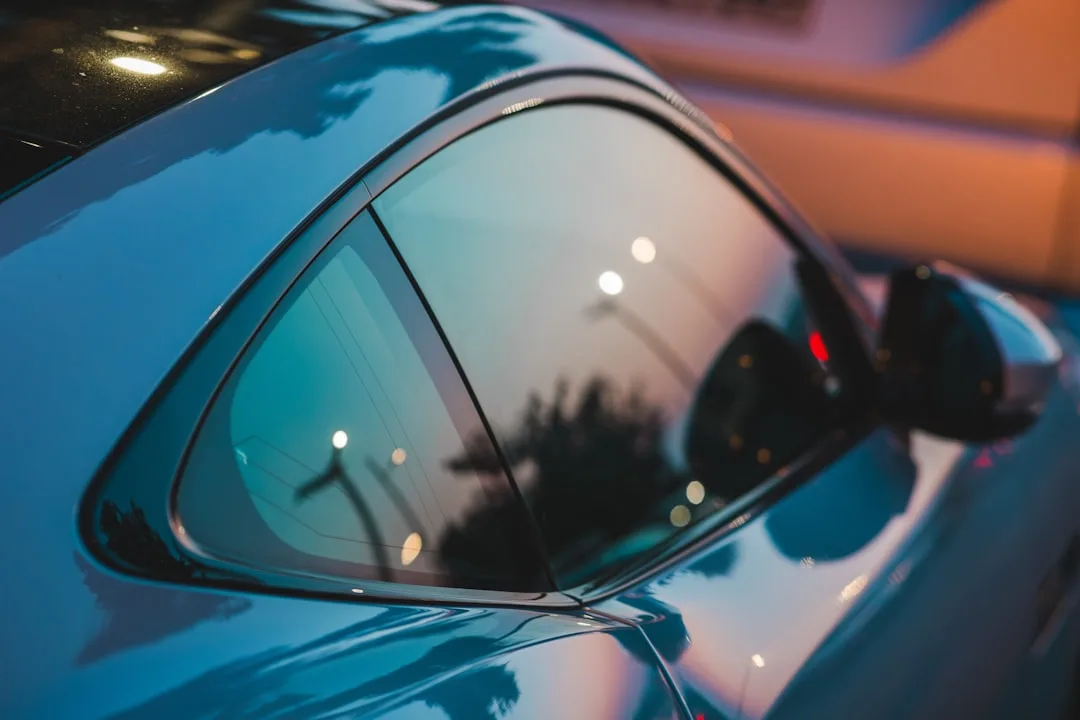
Window tint that blocks 99% of UVA and UVB rays reduces skin damage risk for drivers who spend hours in vehicles daily, particularly for those in delivery, sales, or transportation roles. It also prevents color fading on steering wheels, dashboards, and seat covers—a major resale value factor.
XPEL’s XR series and 3M Crystalline films use non-metallized ceramic particles to achieve this UV blockage without interfering with cell phone signals, GPS, or radio reception. Metallized films, which are cheaper, can cause electronic interference, which is why they’re falling out of favor.
| Film Type | Heat Rejection | Durability |
|---|---|---|
| Dyed | 30–40% | 2–3 years, fades |
| Hybrid (dyed + metallic) | 50–55% | 5–7 years |
| Ceramic (non-metallic) | 60–70% | 10+ years |
| Metallized | 65–75% | 8–10 years, signal loss |
The Mistake Most Owners Make: DIY Application
The biggest error is buying a budget tint kit from an auto-parts chain and attempting installation at home. Bubbles, dust pockets, creases, and misalignment are almost guaranteed without the right squeegees, cleaning solutions, and heat tools.
More critically, poor installation voids manufacturer warranties on the vehicle itself at some dealerships and creates water leaks around window seals. A professional installation from a shop like Llumar-certified studios or 3M authorized dealers includes a 5–10 year warranty on the film itself.
One failed DIY tint costs $150–300 in materials, then another $300–600 in professional removal and reinstallation. Start with professionals.
Legal Darkness Limits and Visibility Trade-Offs
Most U.S. states allow rear window tint at 35% visible light transmission (VLT) or darker, but front side windows must stay at 70% VLT or lighter for driver safety and law enforcement visibility. Breaking this rule leads to fines and mandatory removal.
Ceramic films are superior here because they maintain optical clarity even at lighter percentages—meaning you get UV and heat blocking without sacrificing visibility the way darker dyed films do. You can feel protected without feeling locked in a cave.
Windshield tint is banned in nearly all states except for a small band at the very top (typically 6 inches), even though aftermarket glass with built-in tint exists for luxury vehicles.
How Window Tinting Connects to Long-Term Vehicle Value
As covered in our guide on why the certified pre-owned vehicle market dominates 2026 auto purchases, interior condition ranks highly in resale evaluation. Tinted windows protect that interior from UV damage, which preserves leather, plastic, and upholstery color and texture.
Professional ceramic tint also signals to used-car appraisers that the owner invested in proper maintenance rather than cosmetic shortcuts. It’s a $400–700 upgrade that can preserve $1,500–2,500 in interior resale value over a vehicle’s life.
For families using autonomous vehicle adoption reshaping daily commutes, tint becomes even more relevant—children and passengers sitting in vehicles for longer periods benefit from the cooling and UV protection without the driver managing temperature constantly.
Installation Timeline and Cost Reality
Professional installation takes 2–4 hours depending on vehicle size and how many windows you’re covering. Most shops include removal of old tint if needed, cleaning, precise application, and a cure period (usually 24–48 hours before rolling windows down).
Pricing typically ranges from $200–500 for a basic sedan’s rear and side windows, or $500–1,200 for a larger SUV or truck with more glass area. Ceramic films cost more upfront but outlast hybrid and dyed options by years, making them the better long-term value.
Many shops offer payment plans or bundle tinting with other services like paint protection film, wheel coatings, or interior detailing. Check reviews on Google and Yelp before committing, since application quality varies widely between operators.