Water-wise native plantings reshape drought landscapes into thriving ecosystems

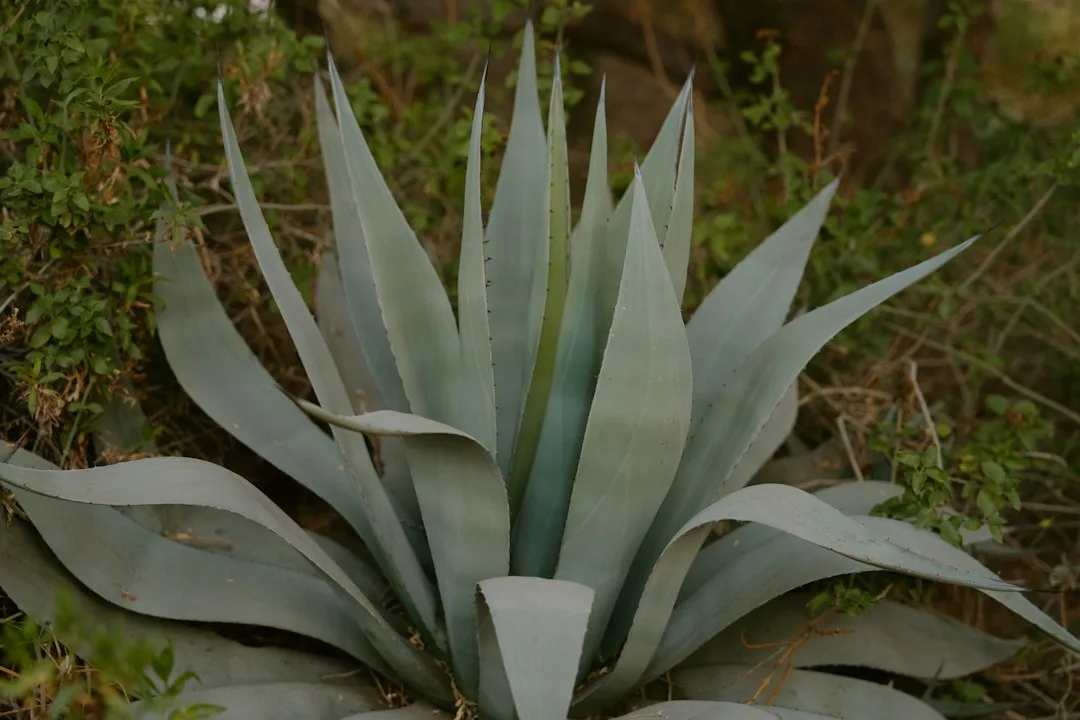
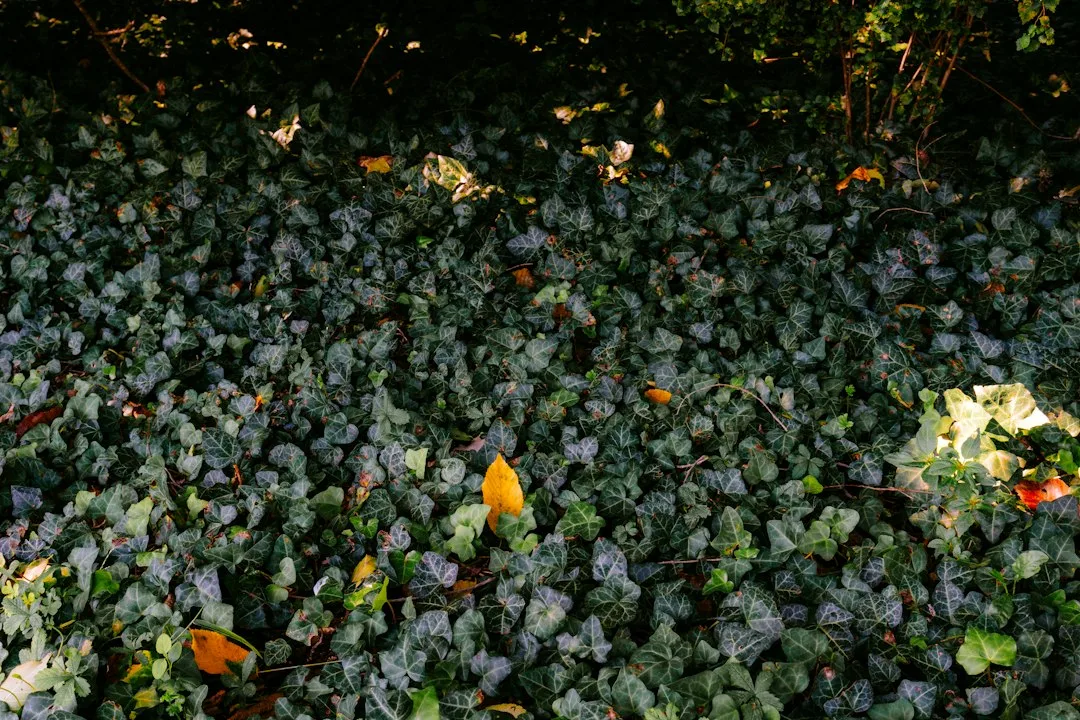
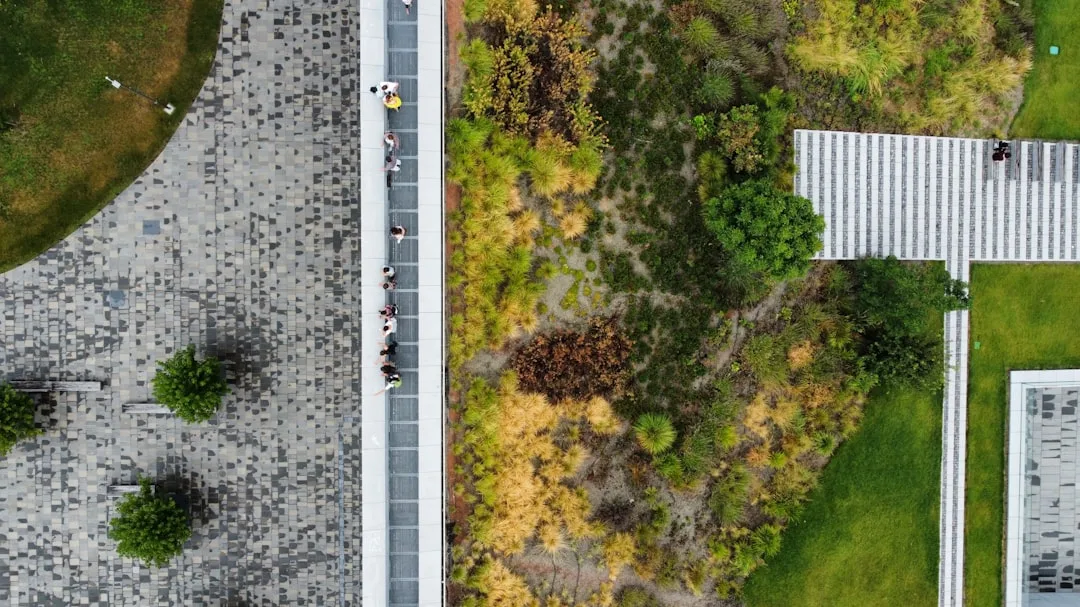
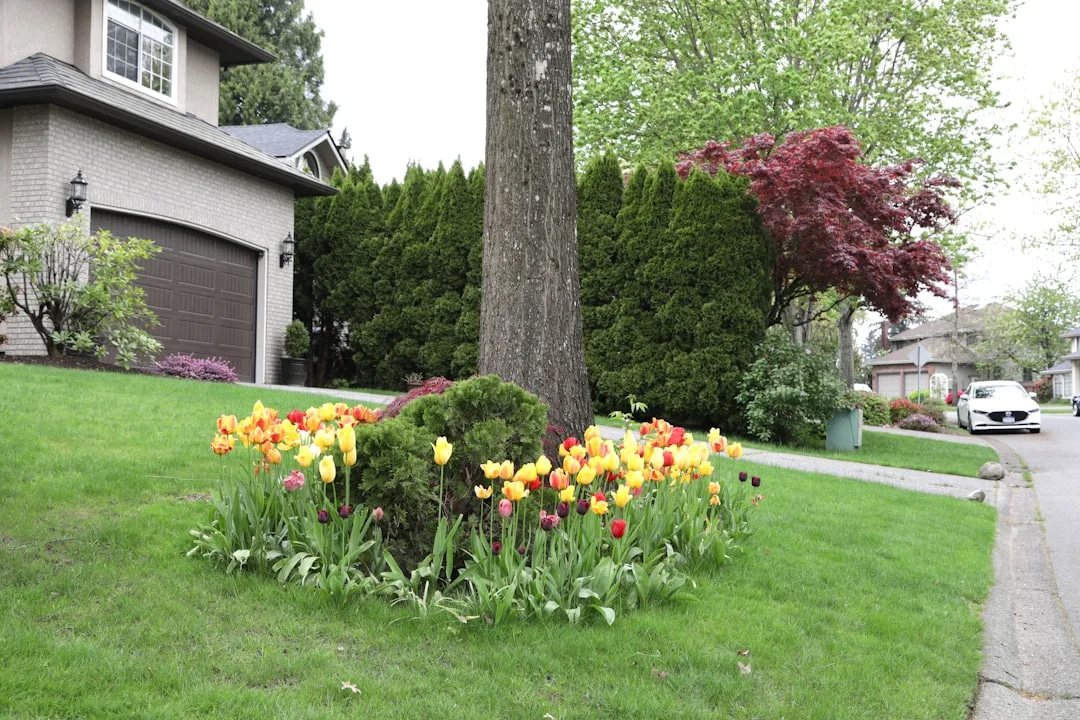
Water-wise native plantings thriving in drought-resistant garden bed

Water-wise native plantings are replacing conventional turf and thirsty ornamentals across residential landscapes. These climate-adapted species require minimal maintenance while building habitat resilience into suburban yards.

Pollinator Garden Design Transforms Backyards Into Living Ecosystems

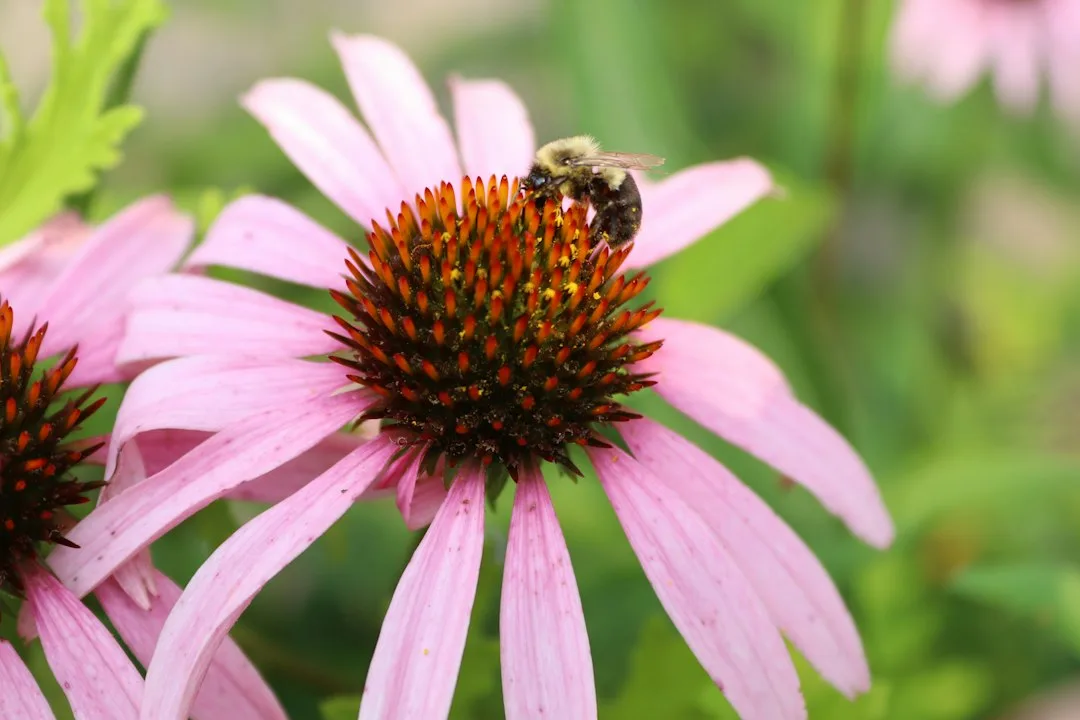
Pollinator garden with native purple coneflowers and black-eyed Susans attracting bees

Pollinator garden design reshapes how homeowners approach landscaping by prioritizing native plants, open soil, and water sources that attract bees, butterflies, and beneficial insects. This shift moves beyond ornamental aesthetics to create functional ecosystems that boost food crop yields and reduce landscape maintenance.

Sloped Lot Landscaping Reshapes Drainage and Usable Yard Space

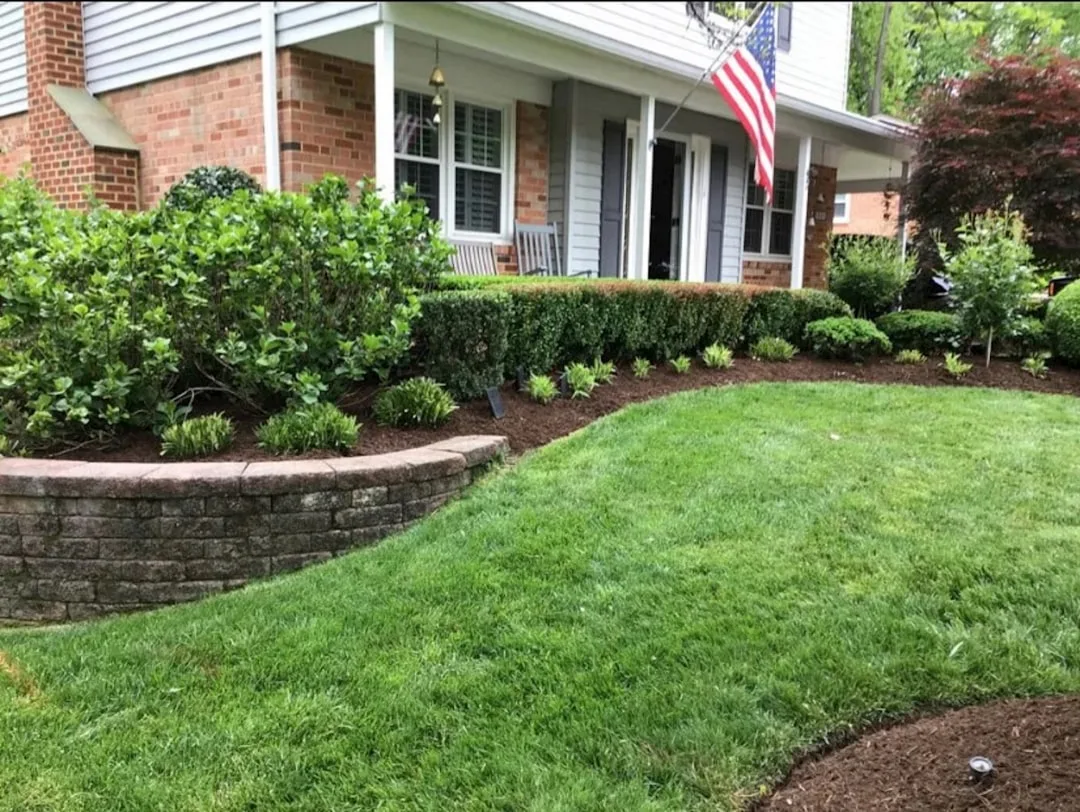
Terraced sloped lot landscaping with stacked stone retaining walls and cascading plantings

Most homeowners with sloped lots see only erosion risk and wasted terrain. Sloped lot landscaping flips that problem into architectural opportunity, using terraced beds, strategic grading, and native plantings to stabilize ground while reclaiming usable outdoor space.

Coastal landscape design brings salt-tolerant beauty to residential gardens

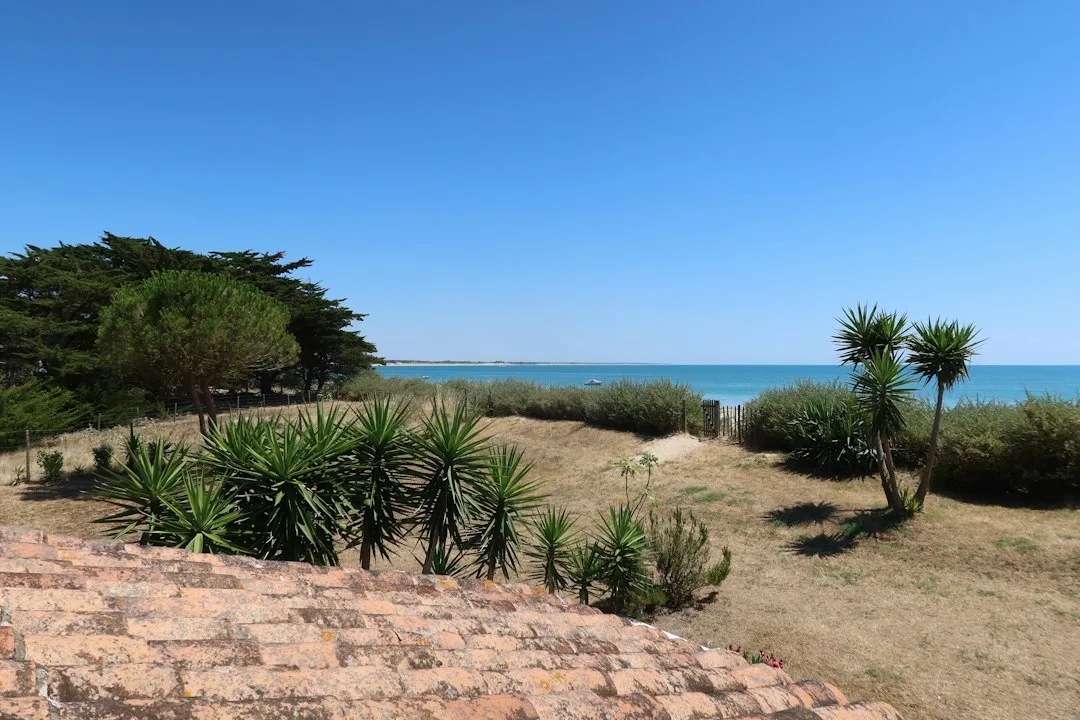
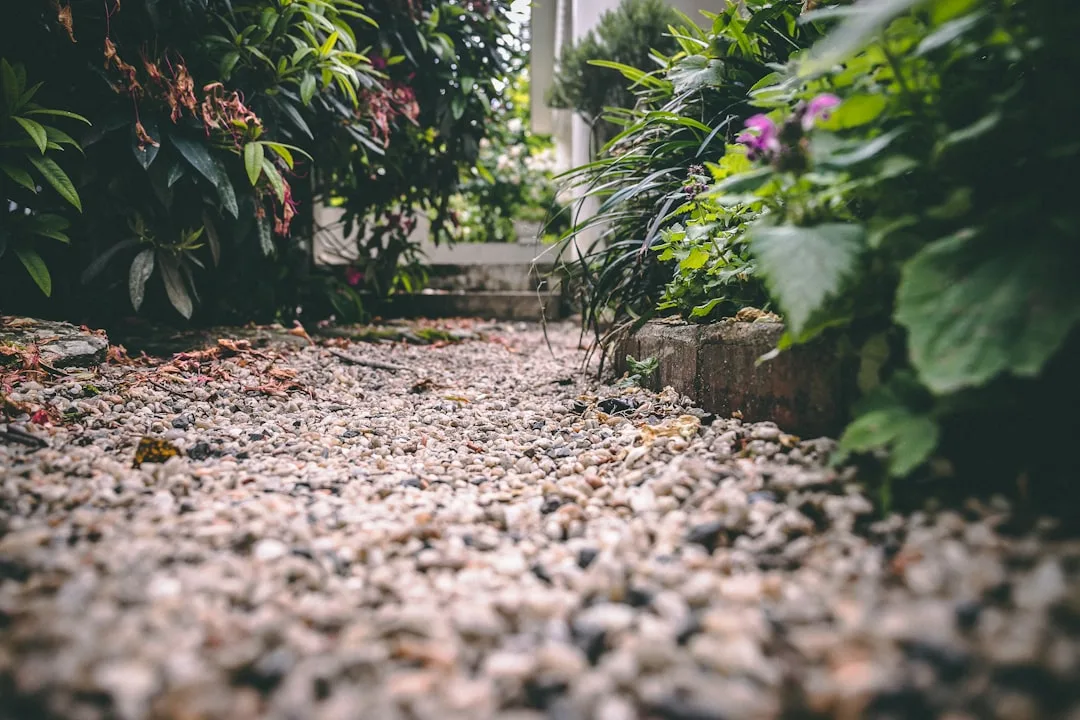
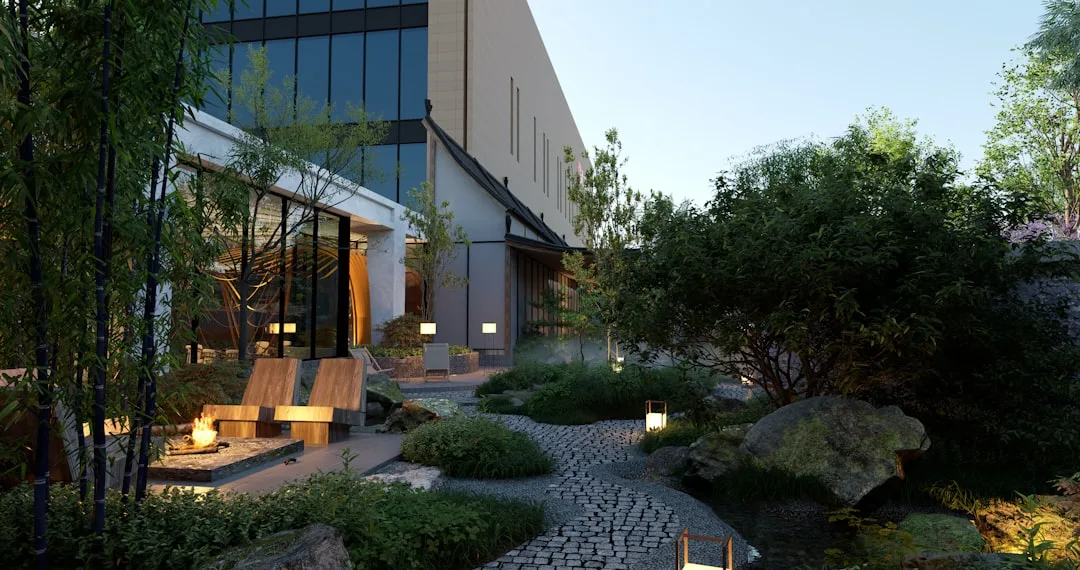
Coastal landscape design featuring salt-tolerant plants and gravel pathways

Coastal landscape design has emerged as the dominant trend for properties within five miles of saltwater or saline environments. By selecting salt-tolerant shrubs, structural grasses, and permeable hardscaping, homeowners eliminate the erosion and plant die-off that plagued traditional gardens in maritime zones.

Raised Garden Beds Are Reshaping Modern Landscape Design in 2026

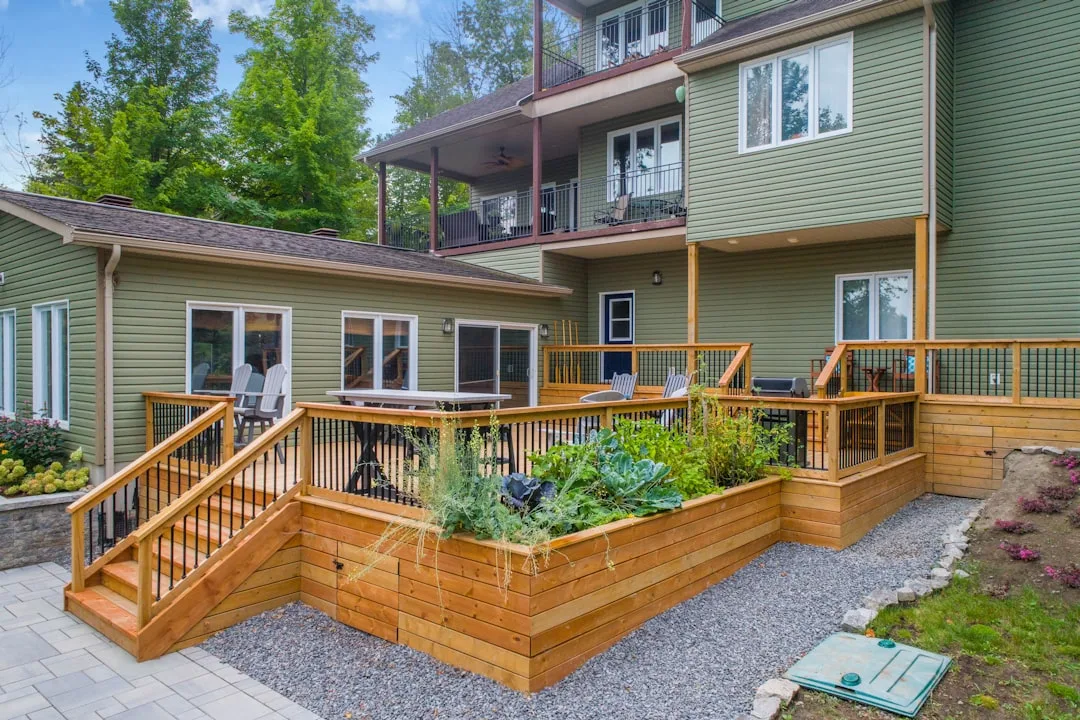
Contemporary raised garden beds with composite frame in residential landscape design

Raised garden beds have become the dominant landscaping choice for 2026, replacing flat in-ground gardens with elevated structures that solve drainage, accessibility, and soil-quality problems simultaneously. This shift reflects a broader move toward functional outdoor spaces that reduce maintenance while delivering measurable growing results.

Corner Garden Edging Defines Modern Landscape Boundaries Without Rigid Geometry

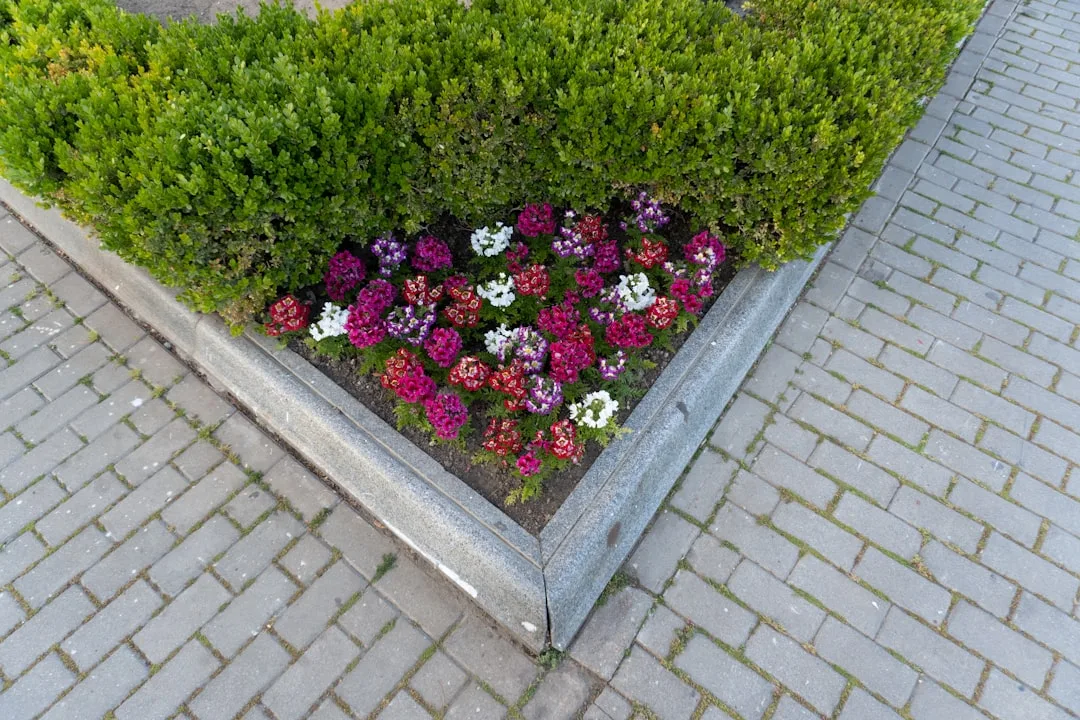
modern curved corner garden edging metal composite contemporary landscape design

Corner garden edging has shifted from rigid 90-degree angles to flowing curves and modular systems that soften landscape transitions. This August 2026 trend prioritizes both aesthetic softness and functional drainage, replacing conventional straight-line borders that feel dated and interrupt sightlines.

Slate Mulch Landscaping Transforms Modern Yards With Texture and Durability

Contemporary landscape featuring dark slate mulch in garden beds with specimen plants

Slate mulch landscaping has emerged as the preferred alternative to traditional bark chips, offering homeowners a durable, visually sophisticated ground cover that requires minimal maintenance. Unlike organic mulches that decompose and need annual replacement, slate mulch provides year-round structure and complements both minimalist and rustic exterior styles.

Shaded courtyard garden design creates outdoor refuge from heat stress

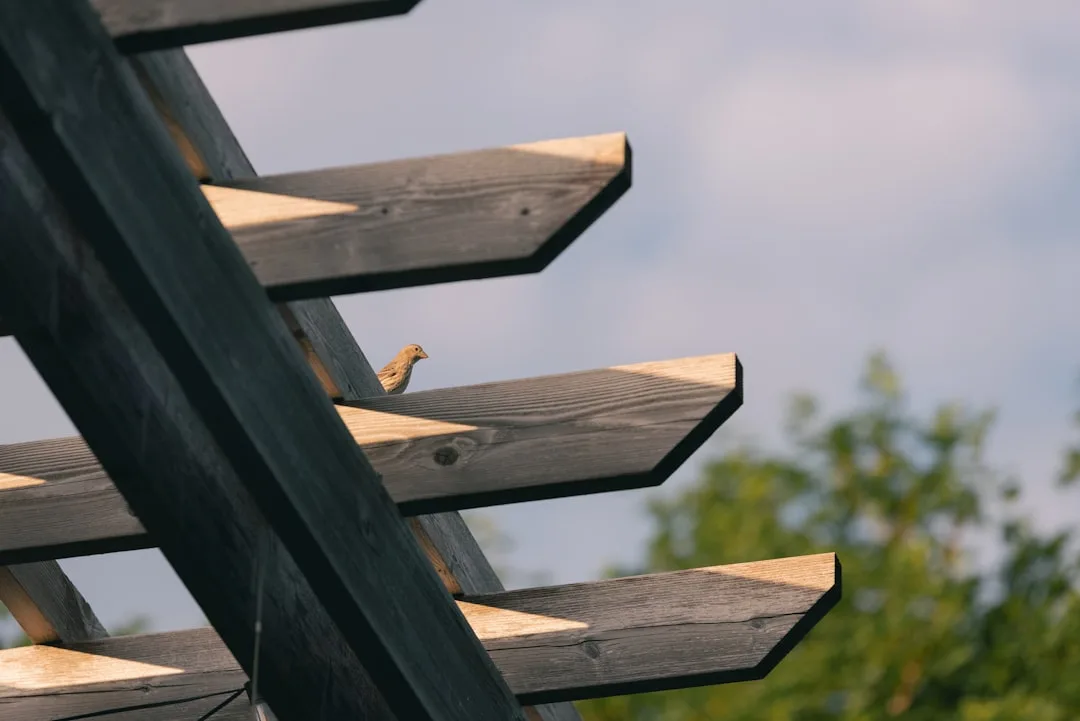
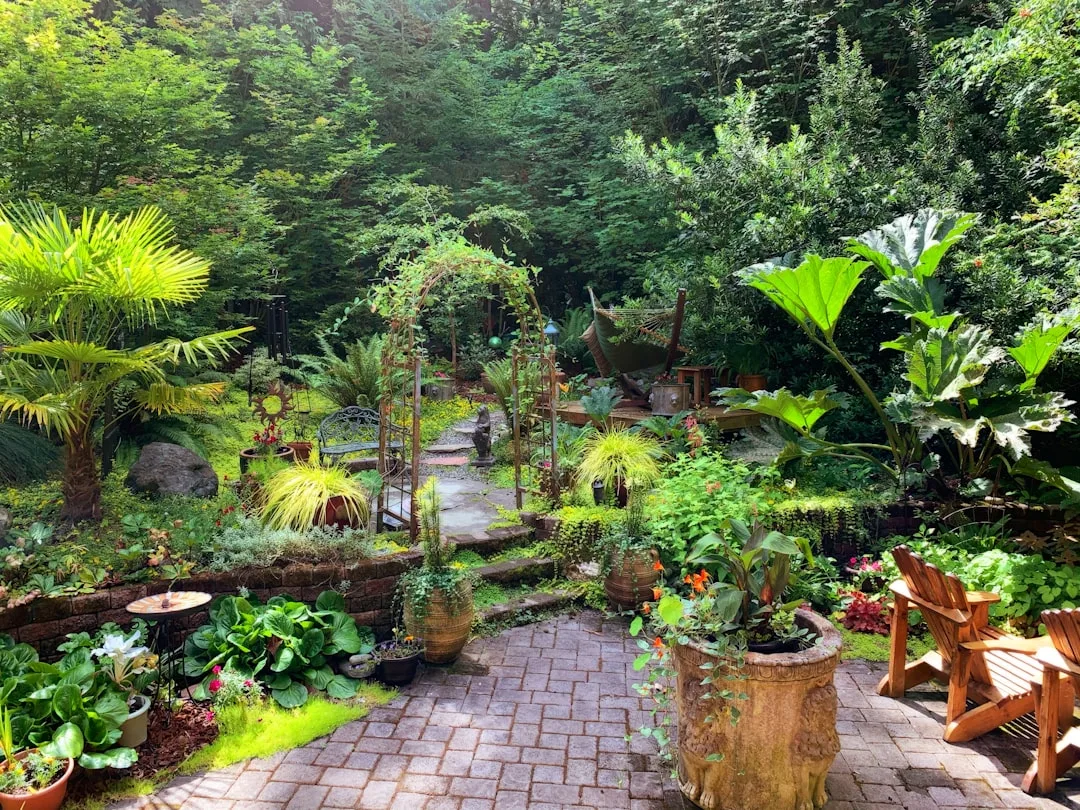
Shaded courtyard garden with pergola shade structure and potted plants

As summer temperatures climb, shaded courtyard gardens have emerged as the fastest-growing landscape solution for 2026. These enclosed outdoor spaces reduce interior cooling demands while creating intimate, usable yards even during peak heat hours.

Front Yard Specimen Trees 2026 — Why Bold Focal Plants Replace Generic Landscaping

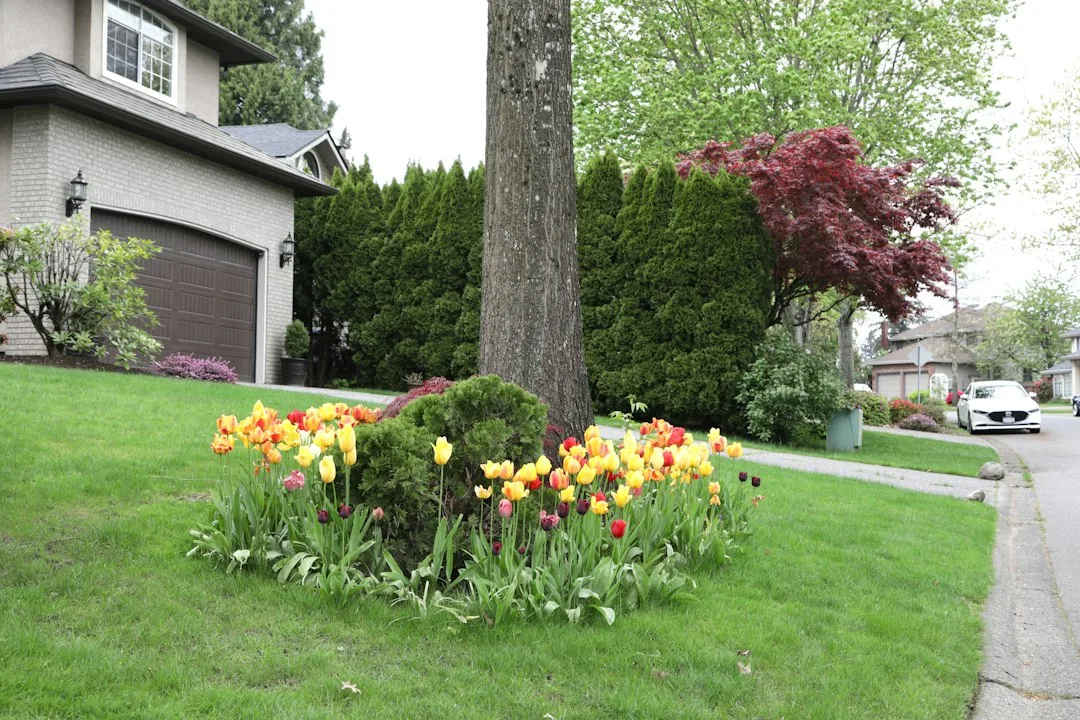
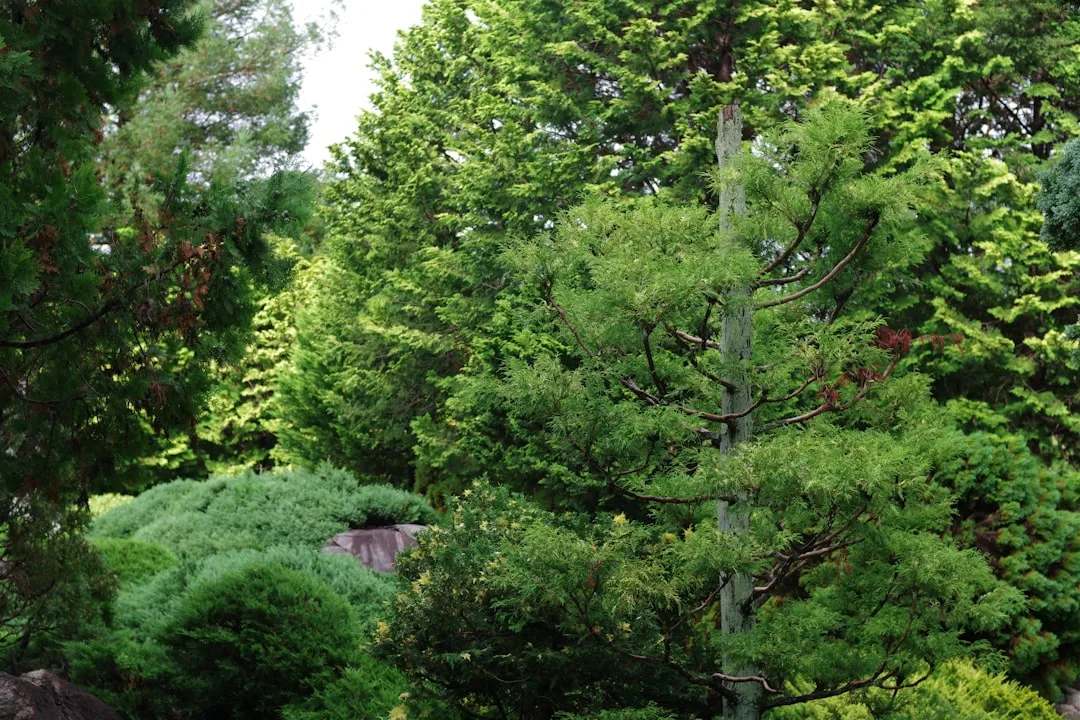
Mature specimen tree as front yard focal point with layered understory planting

The front yard is no longer a stage for busy hedge rows and repetitive foundation plantings. In 2026, a single, architecturally striking specimen tree commands the entire composition—a deliberate shift away from the fussy, symmetrical approach that dominated 2015-2023. This trend reflects a deeper change: homeowners now value drama, seasonal performance, and structural year-round presence … Read more