A single tree can reshape an entire yard’s architecture. Specimen trees—carefully selected plants chosen for distinctive form, texture, or seasonal performance—have moved from the periphery of landscape design into the absolute center. As of August 2026, homeowners and designers are rejecting the old formula of dense screening hedges and anonymous evergreens in favor of trees that command attention through bold structure, dramatic branching, or striking seasonal transitions.
Japanese maple varieties define the specimen tree movement
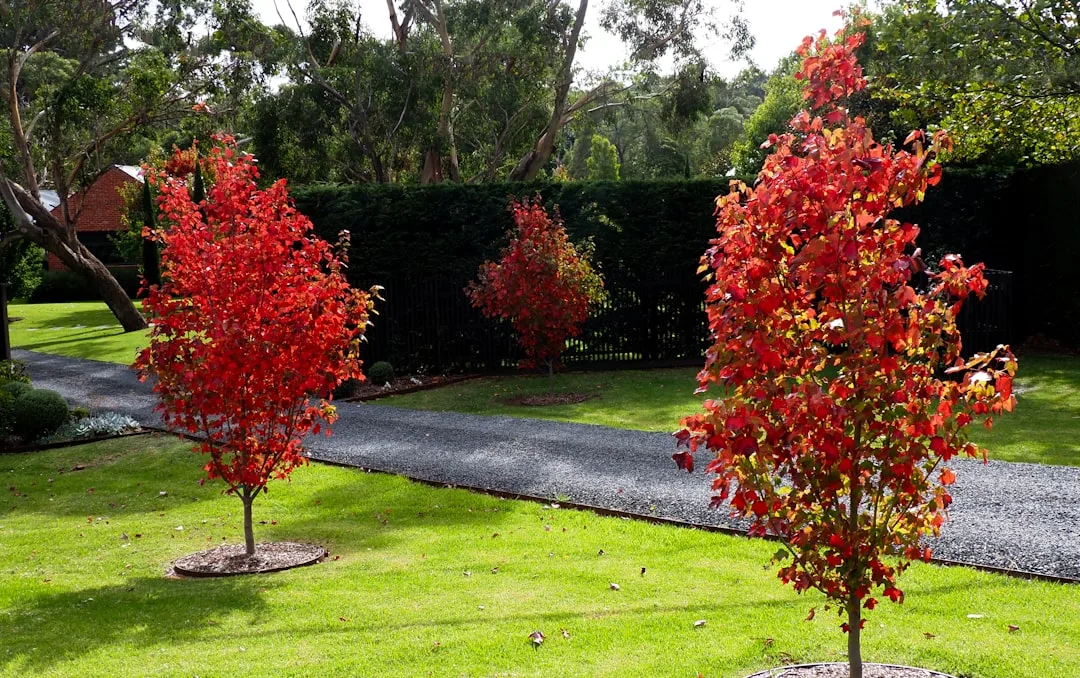
Japanese maple cultivars like ‘Bloodgood’ and ‘Fireglow’ dominate high-end residential gardens across North America and Europe. These trees deliver a three-season show: deep burgundy foliage spring through summer, then incandescent orange-red in fall before a winter silhouette of intricate branching. A mature ‘Bloodgood’ can reach 15–20 feet tall with an equivalent spread, creating a living sculpture that anchors entire sight lines.
The appeal is architectural rather than merely decorative. Unlike shade trees that disappear into background function, a specimen Japanese maple forces you to slow down and notice form.
Quick Tips
- Plant specimen trees in spring or early fall to allow root establishment before stress seasons
- Choose trees with multi-season interest: bark texture, branching structure, flowers, and fall color
- Position specimens 25–40 feet from house corners to avoid blocking views while maintaining architectural balance
- Apply 3–4 inches of mulch around the drip line; avoid volcano mulching that traps moisture against the trunk
- Prune only in late winter to maintain natural form; over-pruning destroys the sculptural quality
Crabapple and serviceberry species replace ornamental shrub rows
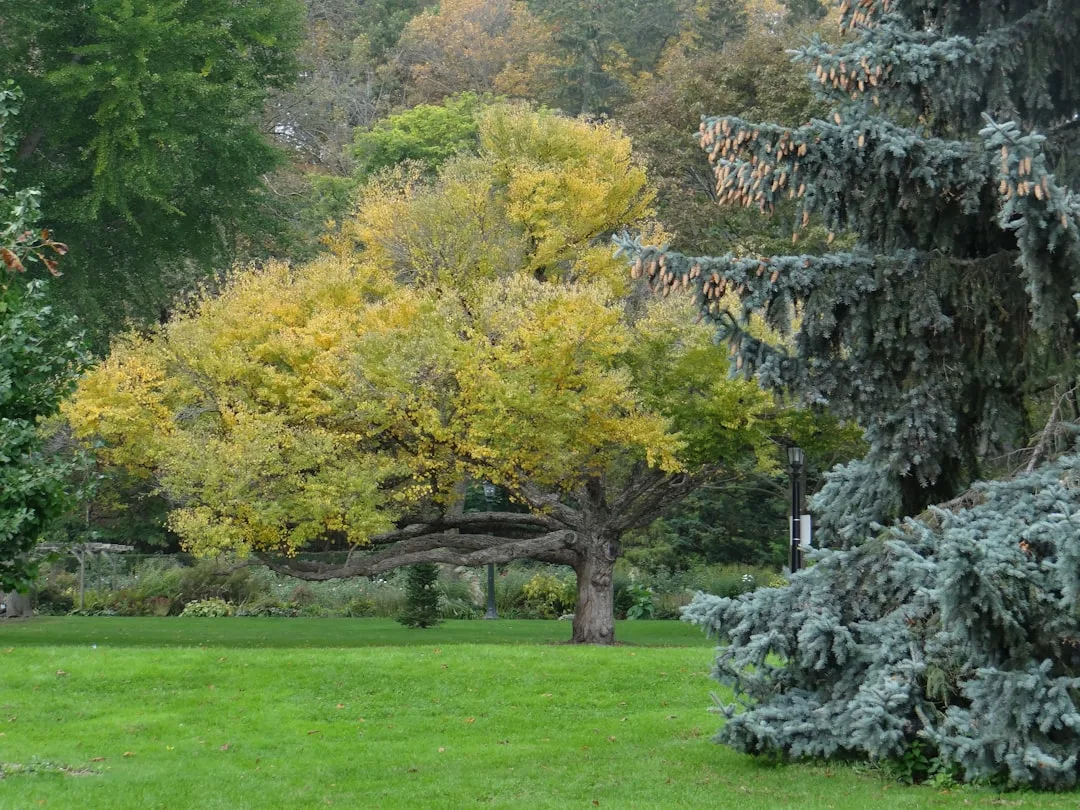
Serviceberry (Amelanchier) and heirloom crabapple varieties are gaining traction because they solve a persistent landscape problem: the aging deciduous shrub border that becomes leggy and requires constant renewal. A single multi-stem serviceberry at 20–25 feet provides spring white flowers, summer edible berries for birds, and butter-yellow fall foliage—replacing what used to require a hedge of six separate shrub specimens.
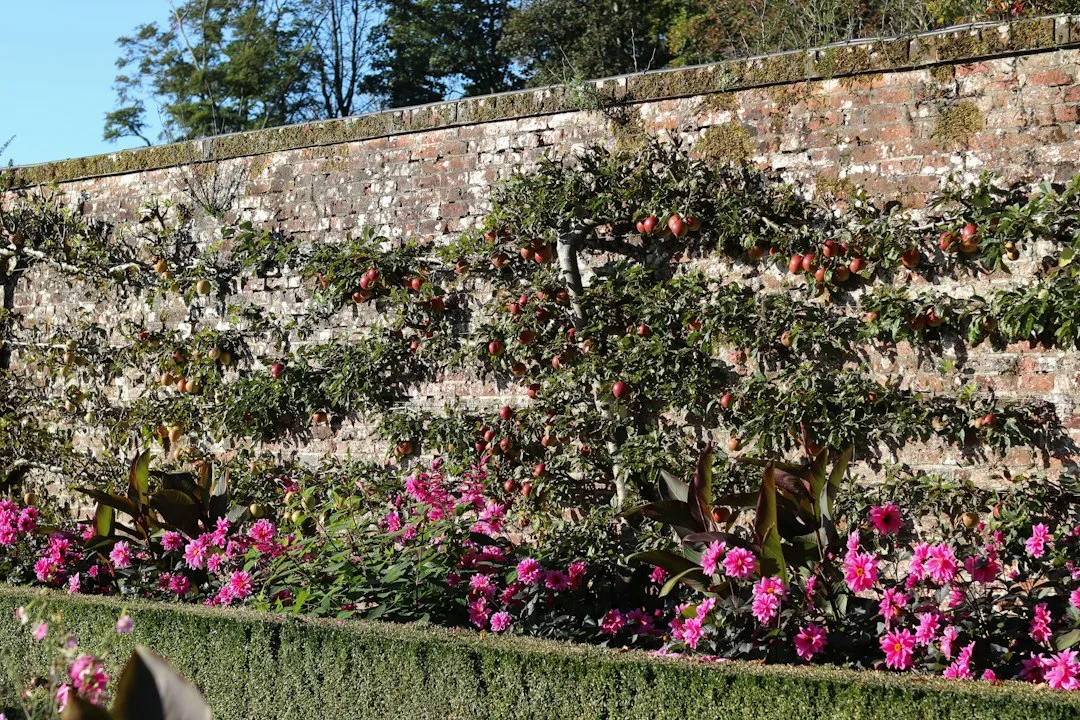
Crabapple cultivars like ‘Prairifire’ and ‘Thunderchild’ extend the season further. Spring flowers transition to persistent red fruit that stays ornamental through winter, feeding songbirds while the bare branching pattern remains visually prominent.
| Specimen Type | Mature Height | Primary Season Appeal |
|---|---|---|
| Japanese Maple | 15–20 feet | Fall color, winter branching |
| Serviceberry | 20–25 feet | Spring flowers, fall foliage |
| Crabapple | 18–30 feet | Spring bloom, winter fruit |
| River birch | 40–70 feet | Exfoliating bark, summer shade |
River birch and exfoliating bark shift focus to winter structure
River birch (Betula nigra) cultivars such as ‘Heritage’ have become status landscaping choices in temperate zones because they address a design problem that standard maples and oaks cannot: winter visual interest. The exfoliating bark—cream, cinnamon, and chocolate tones peeling in horizontal sheets—provides continuous ornamental value when deciduous foliage is absent.
At 40–70 feet mature height with a multi-trunk form, river birch functions simultaneously as shade provider and sculptural anchor. The layered bark becomes more pronounced with age and winter sunlight, essentially aging into greater visual impact rather than declining into invisibility.
The specimen tree mistake: planting for height instead of form
The most common failure occurs when homeowners select fast-growing, tall trees expecting the same visual drama that a carefully chosen specimen delivers. A Leyland cypress reaching 60 feet in 15 years sounds impressive until it towers identically over three neighboring properties, creating visual monotony rather than distinctive character.
Specimen trees work through particularity: distinctive branching, textured bark, or reliable seasonal transition. A ‘Bloodgood’ Japanese maple at 18 feet becomes a neighborhood landmark; a generic 60-foot Leyland cypress becomes a problem.
The correction is deliberate species selection based on form characteristics, not growth rate. Research your tree’s natural silhouette, not just its ultimate size.
Site-specific placement amplifies specimen tree impact
Specimen trees require choreographed placement to deliver maximum visual return. Position them 25–40 feet from primary sightlines—the kitchen window, front entry path, or patio seating—where their form commands unobstructed attention. When a specimen tree sits isolated in lawn rather than anchoring a garden corner, it reads as orphaned rather than intentional.
The best placements pair specimen trees with underplanting: low shade-tolerant perennials or groundcovers that emphasize the tree’s rising structure rather than competing for attention. A serviceberry above a carpet of native sedge becomes architecture; a serviceberry surrounded by ornamental grasses becomes clutter.
For French-style home exteriors, specimen trees provide the vertical accent that formal gardens require. Similarly, understanding stucco facade color and material context helps you select specimen tree foliage tones that harmonize with architecture rather than competing.
Specimen trees reduce long-term landscape maintenance
The paradox of specimen tree design: choosing one carefully selected, high-impact tree actually reduces maintenance compared to managing multiple shrub borders and specimen plantings. A mature Japanese maple requires no pruning beyond occasional dead-wood removal; it essentially maintains its distinctive form through natural growth patterns.
In contrast, the landscape it replaces—a mixed shrub border offering similar visual complexity—demands annual pruning, renewal, replanting as specimens age out, and constant refinement. One architectural specimen tree replaces five years of active shrub management.
Watering demands are similarly minimal once establishment occurs. Most specimen trees thrive in standard garden moisture and require irrigation only in documented drought conditions, unlike shallow-rooted ornamental shrubs.
Practical Resources for Choosing and Planting Specimen Trees
These tools and guides help you move from inspiration to action — check your climate zone, match a tree to your yard, and get planting details right the first time.
How do I know which specimen trees can actually survive in my area?
Where can I compare cultivars by size, light needs, and seasonal features before visiting a nursery?
I’m not sure which species fits my yard conditions — is there a step-by-step selector?
What are the exact planting and care steps for a Japanese maple specimen?
How much mulch do I need around my new specimen tree?